Road Bikes
Cannondale CAAD12 Review: Why This Aluminium Road Bike Still Makes Sense
A practical look at the Cannondale CAAD12, an aluminium road bike that still delivers race-bike handling, rim brake simplicity, and outstanding secondhand value.
Introduction
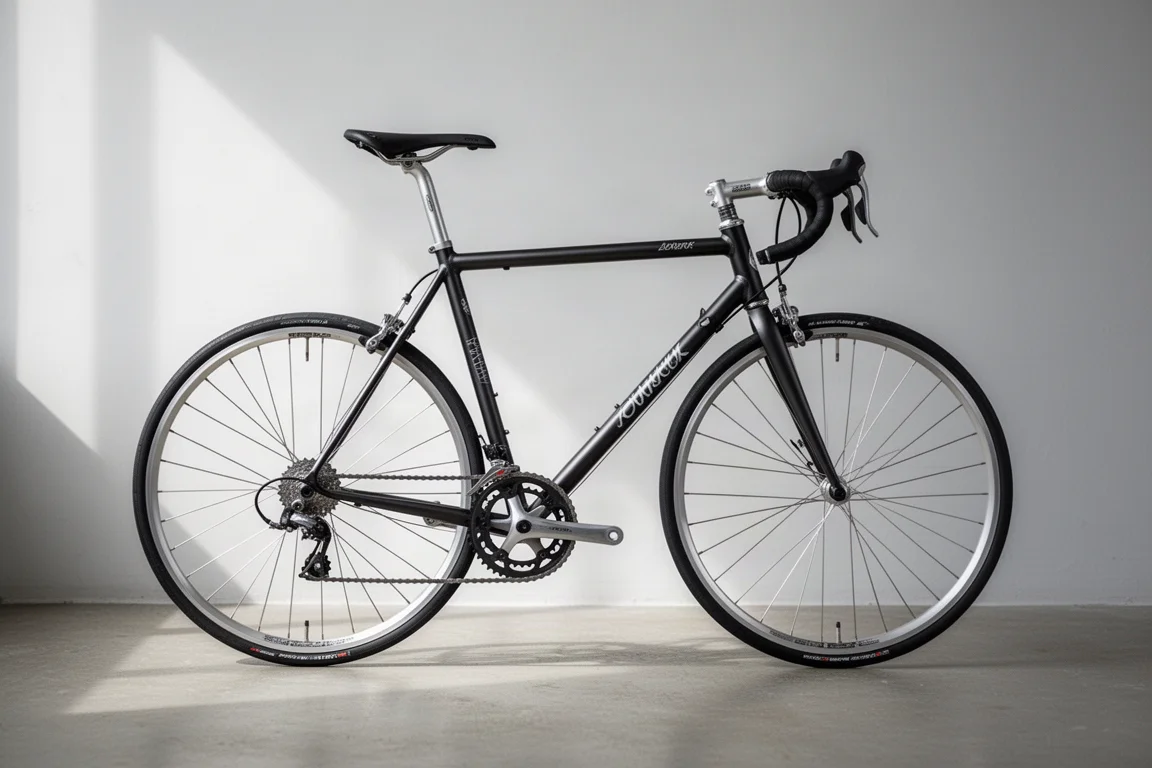
The Cannondale CAAD12 is not a new bike, it is not aerodynamic, and it does not carry the latest integrated cockpit or hidden hose routing. What it does offer is a light, stiff aluminium race frame with the same geometry as the SuperSix Evo carbon race bike, and on the secondhand market it can still be picked up for a fraction of what a modern road bike costs.
Two used examples bought for around £400 with rim brakes and around £500 with disc brakes tell the story better than any specification sheet. One needed a full service to become rideable, the other was close to ready as it stood. Both ride far better than their price suggests, and both make a strong argument that aluminium performance road bikes deserve more attention than they usually get.
Who the Cannondale CAAD12 Is For
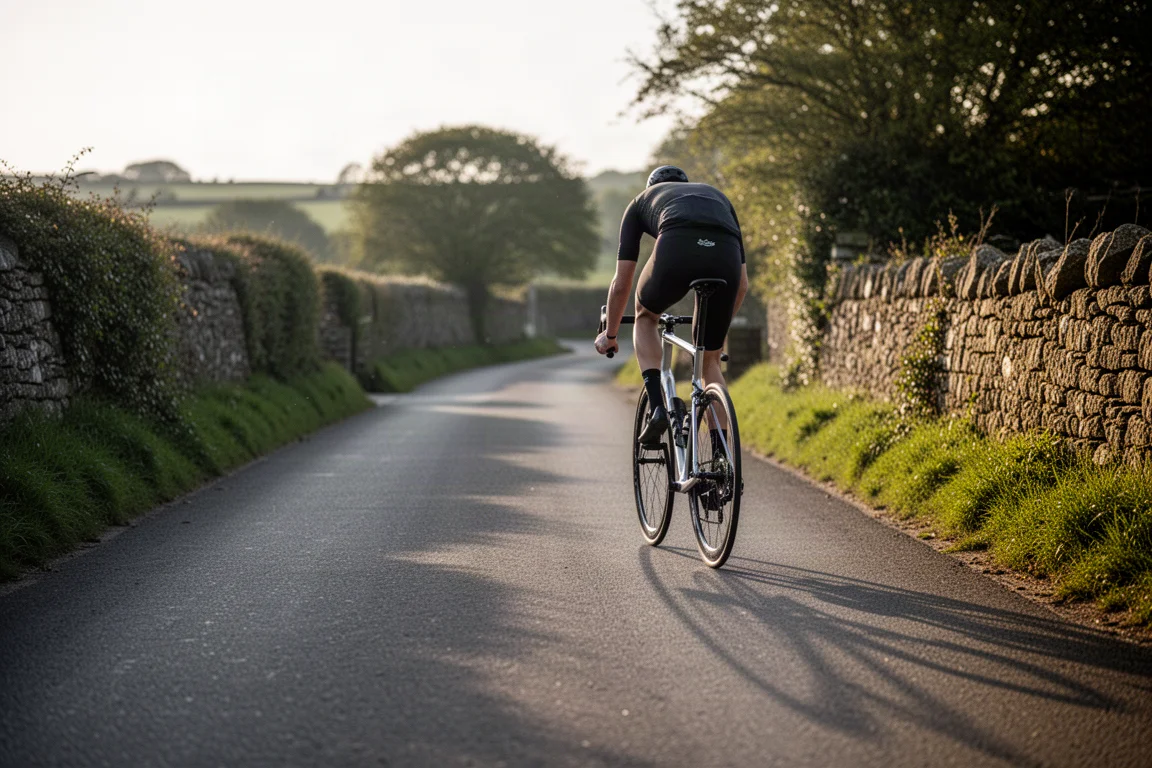
This is a bike for riders who want genuine race-bike handling without paying carbon money. The frame is light and stiff, the steering is quick without feeling nervous, and the ride quality is good enough that the material stops being part of the conversation once you are moving.
It also suits a specific kind of buyer: someone who prefers rim brakes and knows that new road bikes with rim brakes have largely disappeared from shop floors. If you ride on flat or rolling terrain and do not brake heavily or often, the simplicity and lower weight of rim brakes are a genuine advantage rather than a compromise.
Finally, it suits anyone willing to spend an evening or two on maintenance. Secondhand bikes reward buyers who can assess condition, replace consumables, and set up a drivetrain properly. If that describes you, the value on offer here is difficult to match.
Main Strengths: Ride Quality and Handling
The standout quality of the CAAD12 is how it rides. The frame is light and stiff, and because the geometry is shared with the SuperSix Evo carbon race bike, the handling is balanced, agile and alert. It steers precisely, holds a line well through fast corners, and feels composed when you push it, which is exactly what you want from a race-oriented road bike.
Ride comfort is better than the reputation aluminium often carries. It is not as smooth as the plushest carbon endurance bikes, but it is nowhere near as harsh as aluminium is frequently labelled. Long rides remain enjoyable, and the frame soaks up enough road noise that you are not fighting the bike.
The performance is the real surprise. A well-sorted CAAD12 can embarrass carbon race bikes costing considerably more, and the frame does not feel like it is holding anything back. It is not aerodynamic, it has no integration, and it is not the lightest bike available, but it is also not heavy and it is certainly not slow. It still looks contemporary, and it rides like a bike that cost far more than it did.
The Case for Rim Brakes
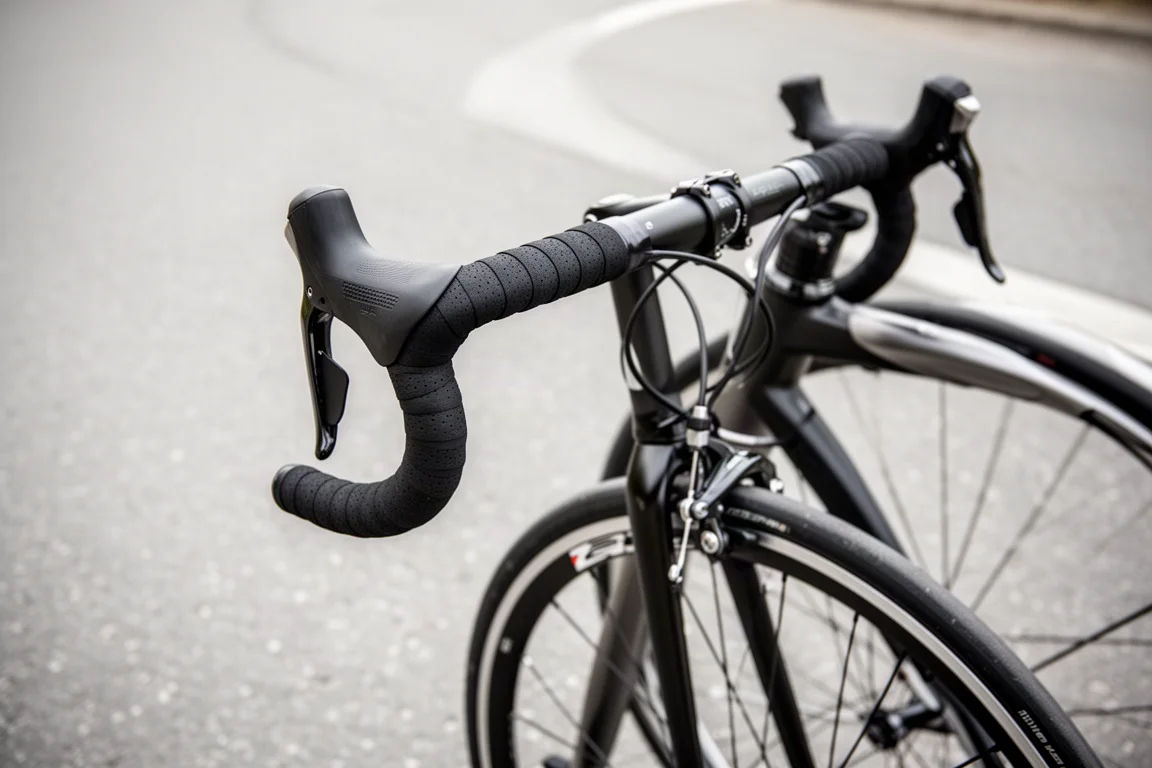
Rim brake road bikes have become difficult to buy new. If you like the simplicity, the mechanical clarity and the lower weight of rim brakes, the secondhand market is now the most realistic route to a good one, and the CAAD12 is one of the better frames to build that bike around.
Disc brakes are widely considered the better braking system, and on long, steep descents that argument holds up. But if you live somewhere flat and do not brake much, the extra weight of a disc setup buys you very little in return. A rim brake CAAD12 keeps the bike light, keeps maintenance straightforward, and keeps the cost of consumables low.
The practical point is timing. Rim brake bikes like this are still new enough that wheels and components remain easy to upgrade before standards become an obstacle, and they are still attainable at prices that make sense.
Disc Brake Models and Upgrade Potential
The disc brake version of the CAAD12 is the more versatile choice for riders who want modern braking, and it is also the better platform for upgrades. A used disc example bought at around £500 arrived in good condition with a cleaner frame, tidier decals and a drivetrain in far better shape than the rim brake bike, so it needed very little to be ridden as it was.
It also shows how far the frame can be pushed. That bike was eventually rebuilt with new wheels, new tyres, a complete 12-speed 105 groupset, a new stem, handlebar, bar tape and saddle, leaving only the frame and fork from the original build. The total spend approached £2,000, which is more than most buyers would choose to commit, but it proves the point: the frame accepts modern components without feeling out of its depth, and it still rides beautifully afterwards.
That said, a cheaper route makes more sense for most people. New wheels, new tyres and a careful service would deliver most of the benefit for a fraction of the cost. If you are shopping for a disc model specifically, a slightly later example with the newer fork, internal hose routing and flat mount is the smarter starting point. In practice, secondhand buying means taking what is available when it appears, so knowing which version you want in advance helps you move quickly.
Things to Consider Before Buying
Condition varies enormously. The rim brake example needed real work: a rusty chain and cassette, clogged gear cables, new brake cables and blocks, new tyres, fresh bar tape and a different saddle before it was comfortable and reliable. The frame carried scrapes, marks and some unusual wear on the decals. None of that affected how it rode, and the aluminium frame is tough enough to take knocks without any concern about structural integrity, but it is a reminder that a cheap used bike is not always a cheap bike overall.
There are also honest limitations. There is no aerodynamic tube shaping and no cable integration, so it will not match a modern aero road bike on a flat, fast course. It is not the lightest frame on the market either. Disc brake models carry additional weight, and rim brake models are best suited to flatter terrain where heavy braking is rare.
Finally, the secondhand market itself is a constraint. You cannot always find the exact specification, colour or model year you want, and waiting for the ideal example can take months. Deciding in advance whether you want rim or disc brakes, and how much work you are prepared to do, makes the search far easier.
Why Secondhand Value Still Holds Up
Prices for the CAAD12 remain attainable, and the broader shift towards pre-owned bikes has made this kind of purchase far more common. For riders who want performance without the cost of a new bike, that combination is unusually favourable.
There is also a case for buying now rather than later. Rim brake road bikes are no longer part of most new ranges, so supply of good used examples is finite, and the CAAD12 has the kind of reputation that tends to keep values steady. It is regarded as something of a modern classic, and frames with that status rarely become cheaper over time.
The other advantage is practical rather than financial. The CAAD12 is still recent enough that wheels, groupsets and finishing kit remain widely available and easy to fit, so you can upgrade gradually as budget allows instead of committing to everything at once.
Buying Advice
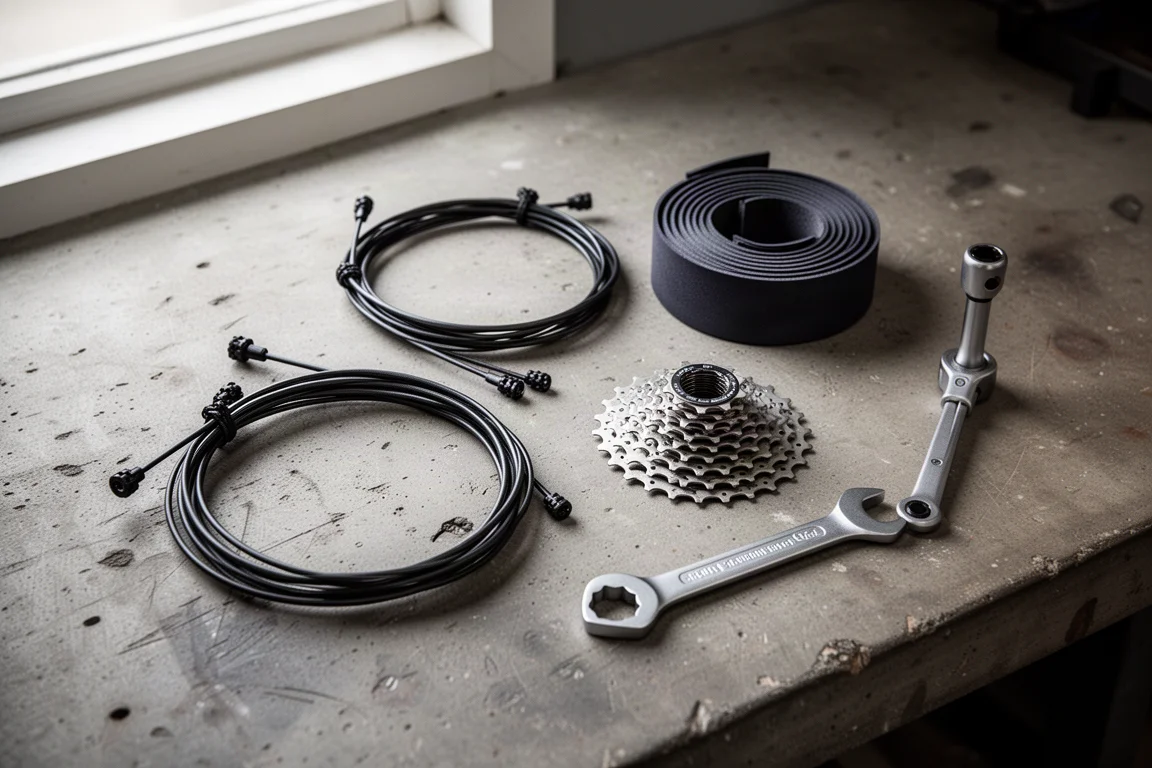
Start with condition rather than specification. A well-kept frame with a worn drivetrain is usually a better purchase than a cosmetically tired bike with fresh components, because consumables are cheap and paint is not. Check the frame carefully for cracks around the bottom bracket, head tube and seat cluster, inspect the braking surfaces on rim brake models, and budget for a full service regardless of what the seller claims.
Decide between rim and disc before you start looking. Rim brakes suit flat terrain, lower weight and simpler maintenance. Disc brakes suit steeper descents, wet weather and riders who want the option to fit modern wheelsets. Both versions ride extremely well, so the decision comes down to where and how you ride.
Then decide how far you want to go. Keeping the bike close to original and simply refreshing the wear items is the sensible, low-cost path, and it delivers a ride that is genuinely difficult to fault. Going further, with new wheels and a modern groupset, is rewarding but expensive, and the frame will handle it comfortably if you choose that route.
Above all, do not overpay for the privilege. The appeal of this bike is that it delivers race-bike enjoyment for very little money, and a patient buyer who is willing to travel for the right example will be well rewarded.
Conclusion
The Cannondale CAAD12 is one of the clearest examples of how good an aluminium road bike can be. It is light, stiff, beautifully balanced, and it rides with a composure that flatters riders of most abilities. It is not aerodynamic, it is not integrated, and it is not the newest thing on the road, but it is fast, comfortable enough for long days, and it looks as current today as it did when it was new.
For riders who want performance without spending a fortune, or who simply want a rim brake road bike while good ones are still available, this is a genuinely smart purchase. Buy a sound example, service it properly, and spend the savings on riding instead.
Product link
View more details for Cannondale CAAD12
This product is mentioned in the review. Check the specifications, options, and compatibility before buying.
View more details for Cannondale CAAD12Further reading
Related Reviews

Road Bikes
10 New Road Bikes Worth Watching: Aero, Titanium, Steel and Endurance Standouts
A practical roundup of 10 new road bikes, from aero flagships chasing single-watt gains to titanium, steel and endurance platforms built for real roads.
Road Bikes
2026 Tour de France Road Bikes: Six Race Machines Worth a Closer Look
Six race bikes from the 2026 Tour de France grid, reviewed for paint, silhouette, wheels and the specification details that matter to buyers.
Road Bikes
3T Strada Italia Review: A Radical Aero Road Bike That Rides Smooth
A made in Italy carbon aero road bike with a deep head tube, wide tire clearance and a genuinely comfortable ride. Here is what to know before buying.