Road Bikes
Cannondale CAAD12 Disc Review: The Secondhand Aluminium Race Bike That Still Delivers
A close look at the Cannondale CAAD12 Disc, from its light aluminium frame and race geometry to the parts that date it and the upgrades worth planning.
Introduction
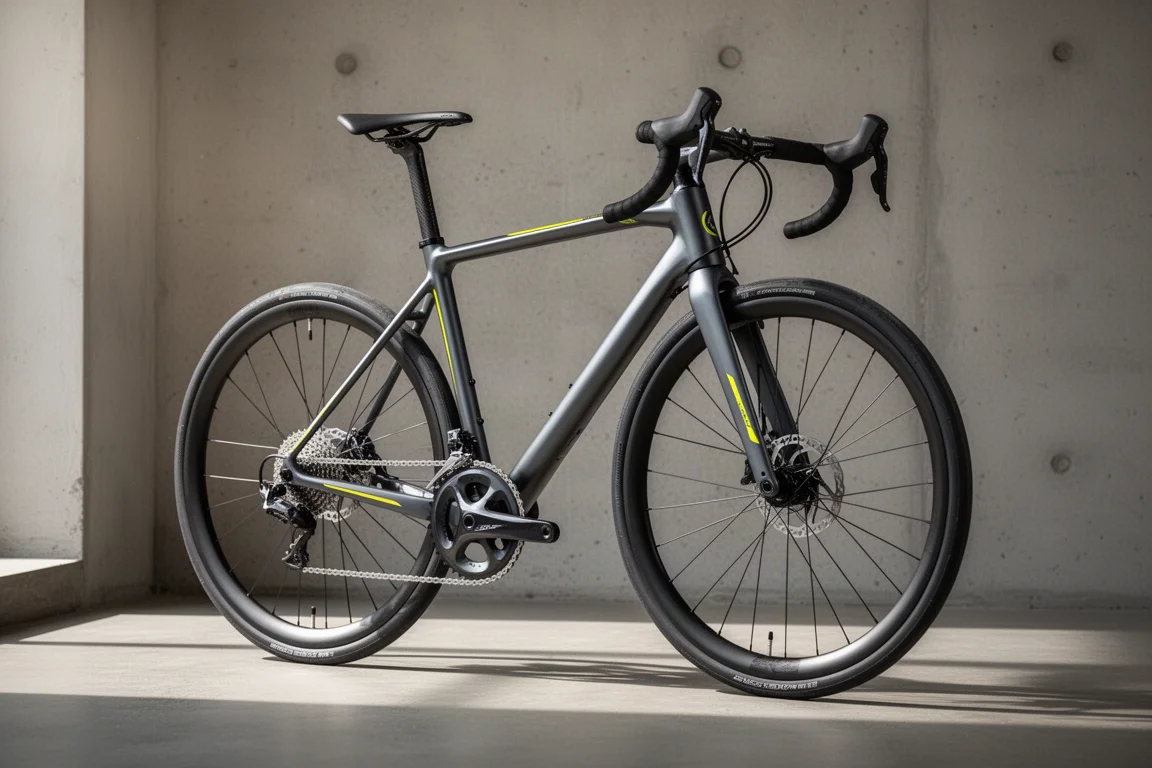
The Cannondale CAAD12 was one of the benchmark aluminium road bikes when it launched in 2018, and the disc version remains a genuinely interesting proposition on the used market. With a frame that started life in a £1,600 complete build, clean examples now change hands for far less, and the depreciation curve has made it one of the more sensible ways into a fast, light road bike.
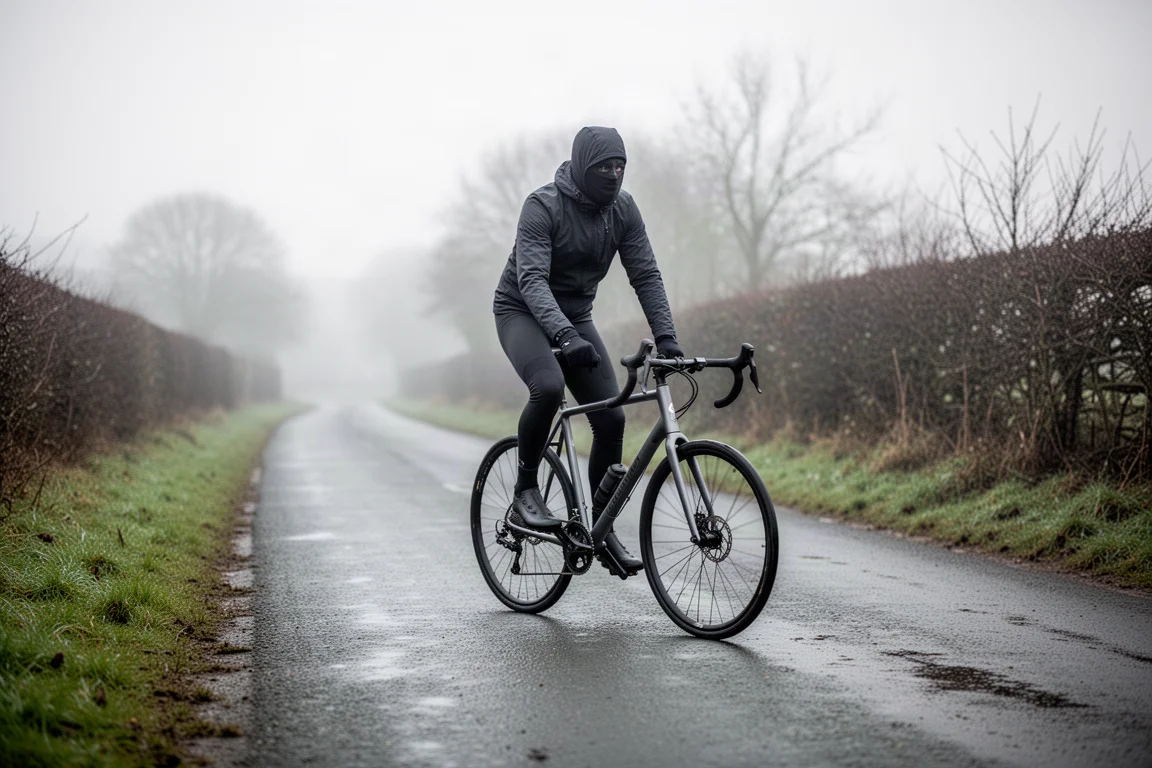
The appeal is not nostalgia. The CAAD12 sits at the point where aluminium frames stopped being a compromise and started being a deliberate choice, and the Disc model keeps that character while adding hydraulic braking. What follows is a practical look at what the bike gets right, where age has caught up with it, and how to judge a used example before handing over money.
Who This Bike Is For
This is a bike for riders who want race bike sensations without paying race bike prices. The geometry is essentially the same as the SuperSix Evo, so the position is low and forward and the handling is sharp, which suits riders who enjoy a quick, involving feel rather than a relaxed upright posture.
It also suits anyone building a second bike for winter miles or a first serious road bike. The example here was bought as a winter bike, and the sturdy 28mm rear tyre it came with suggests a previous owner who used it exactly that way. Riders who are comfortable doing their own maintenance will get the most from it, because a used CAAD12 almost always invites a few component swaps.
Frame And Ride Quality
The headline figure is weight. Cannondale claims just over 1,000g for the frame in a size 56, which is lighter than some mid-range carbon frames. For context, a Trek Emonda SL is quoted at around 1,100g, so the CAAD12 is not giving anything away to carbon at this level. Only the top-tier carbon frames are meaningfully lighter.
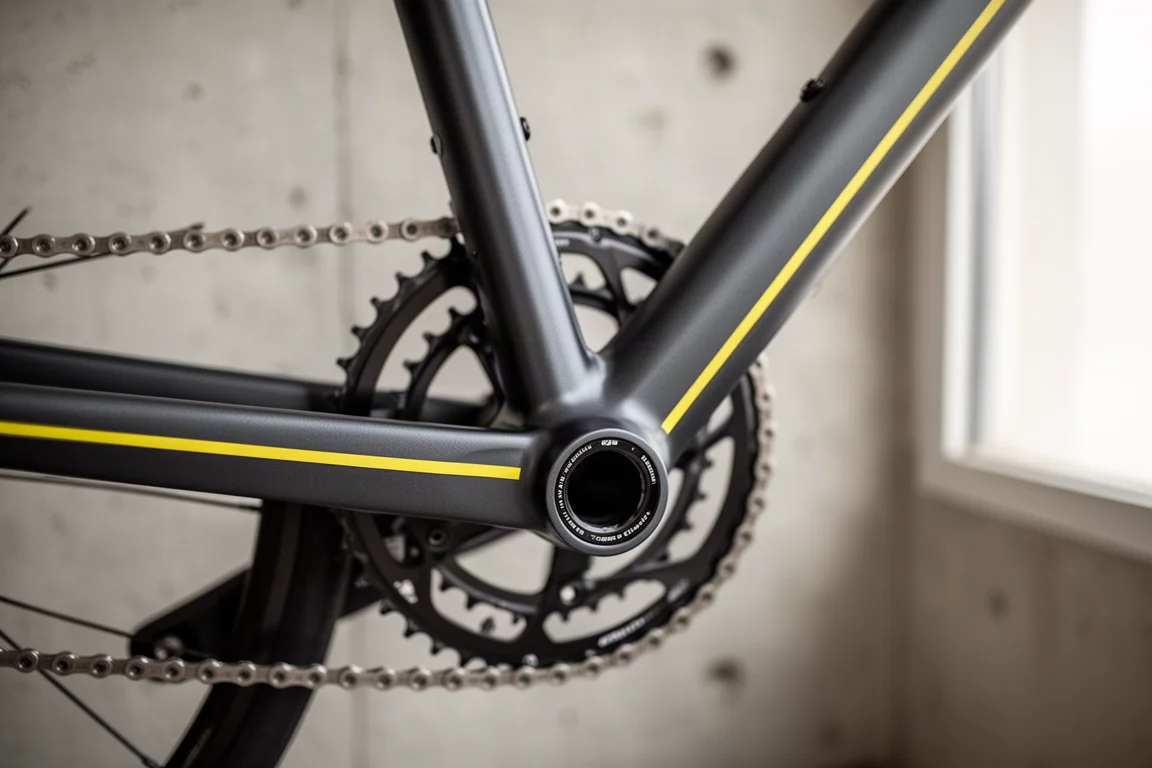
On the road that translates into a bike that feels quick to accelerate and eager out of the saddle. The frame has plenty of stiffness, steering is snappy and responsive, and the overall ride is refined rather than harsh. On smooth tarmac the comfort is genuinely good and the gap to carbon feels small. It is only on cracked, lipped or dipped surfaces that the frame reminds you it is firmer than a carbon equivalent, and fitting larger tyres is the obvious remedy.
The complete bike as it arrived weighed 8.9kg, which leaves clear room to move. Sensible wheel and tyre changes could take it comfortably below eight kilos. The frame is also finished with practical touches: a chunky top tube, an hourglass head tube and internal cable routing running into the down tube, with a CAAD10-derived carbon fork up front.
Drivetrain, Brakes, And Shifting
The build is Shimano 105 throughout in 11-speed form, with mechanical shifting and hydraulic disc brakes. Shifting is tactile and positive, and the cassette on this example looked close to new, though the chain had picked up dirt and the chainrings showed real signs of use. Cannondale’s own Si crankset carries FSA chainrings in a 52/36 semi-compact pairing, with an 11-30 cassette at the back, which points to a bike intended for going quickly.
The shifters are the most distinctive part of the package. They come from a short-lived 105 ergonomic design that only survived a year or two, and the looks divide opinion sharply. Ergonomically, though, the hoods are comfortable and the shape works well under the hands. They are also unusually long, which means reach has to be dialled in through bar and stem length rather than hood position.
Braking is where the bike shows its age most clearly. The front caliper is a non-series 105 post-mount unit, while the rear is a GRX flat-mount caliper, which suggests the original rear caliper was replaced at some point. Wheels are held by quick releases rather than thru-axles, a reminder that early road disc bikes borrowed rim brake standards.
Things To Consider Before Buying
The first thing to check on any used CAAD12 Disc is the frame. The example here carried scratches along the top tube, wear marks near the chainstay and scuffs on the down tube, all of which are cosmetic. More worth investigating is damage to the shifter bodies, which can indicate a crash or a scrape along a wall, and that in turn raises questions about the rest of the bike.
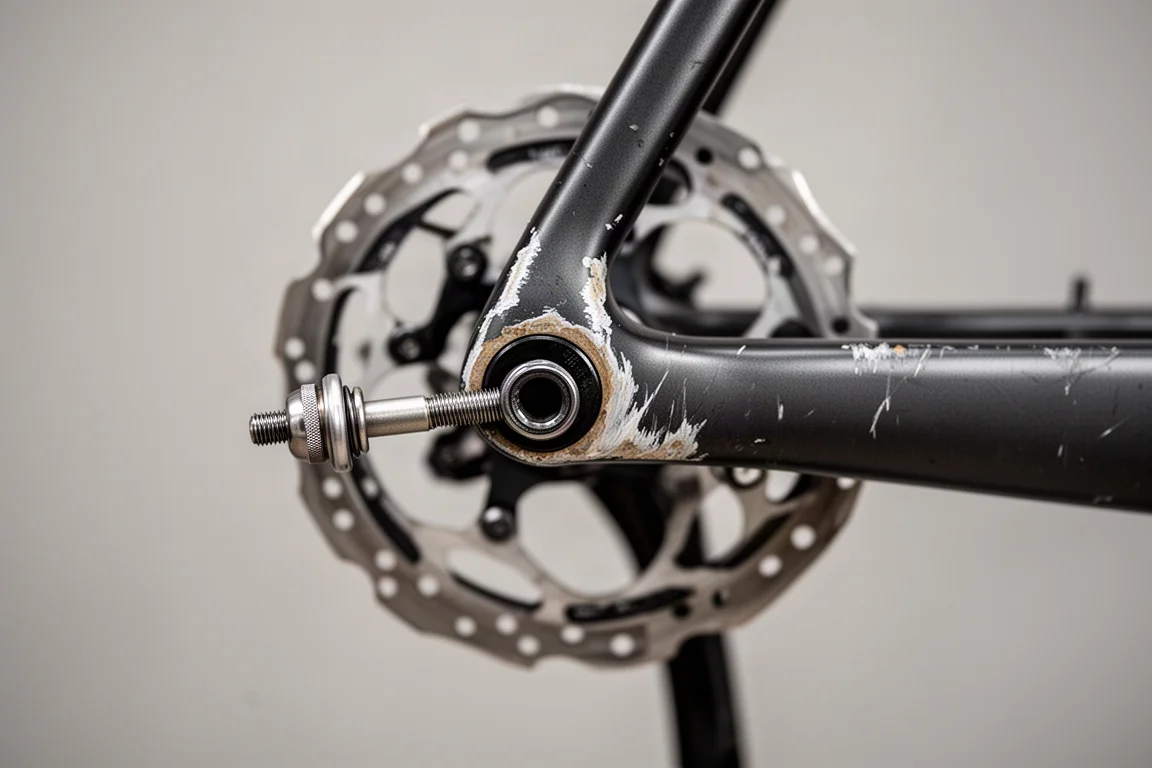
The second consideration is standards. The rear dropout spacing on this generation is 135mm rather than the current 142mm, and the bike uses quick releases front and rear. That has a direct effect on wheel upgrades, because finding a quick-release, 135mm carbon wheelset is not as straightforward as shopping for a modern thru-axle set. The bottom bracket is BB30a, and the crankset on this bike was visibly worn, so a bottom bracket service or a crank change is worth budgeting for.
Finally, expect consumables to need attention. The saddle was a Fizik Aliante with scuffed corners and fading finish, the bar tape and cables were fresh but the chainrings were grotty, and the front tyre was a 25mm Schwalbe Lugano while the rear was a wider 28mm Continental Grand Prix 4 Season. None of that is a dealbreaker, but it shapes the true cost of ownership.
Buying Advice
Secondhand CAAD12 values depend heavily on specification. A well-kept example with Ultegra components and carbon wheels can ask close to £2,000, which shows how much the model is respected. A rougher but fundamentally sound bike can be found for a fraction of that, and the example reviewed here cost around £500.
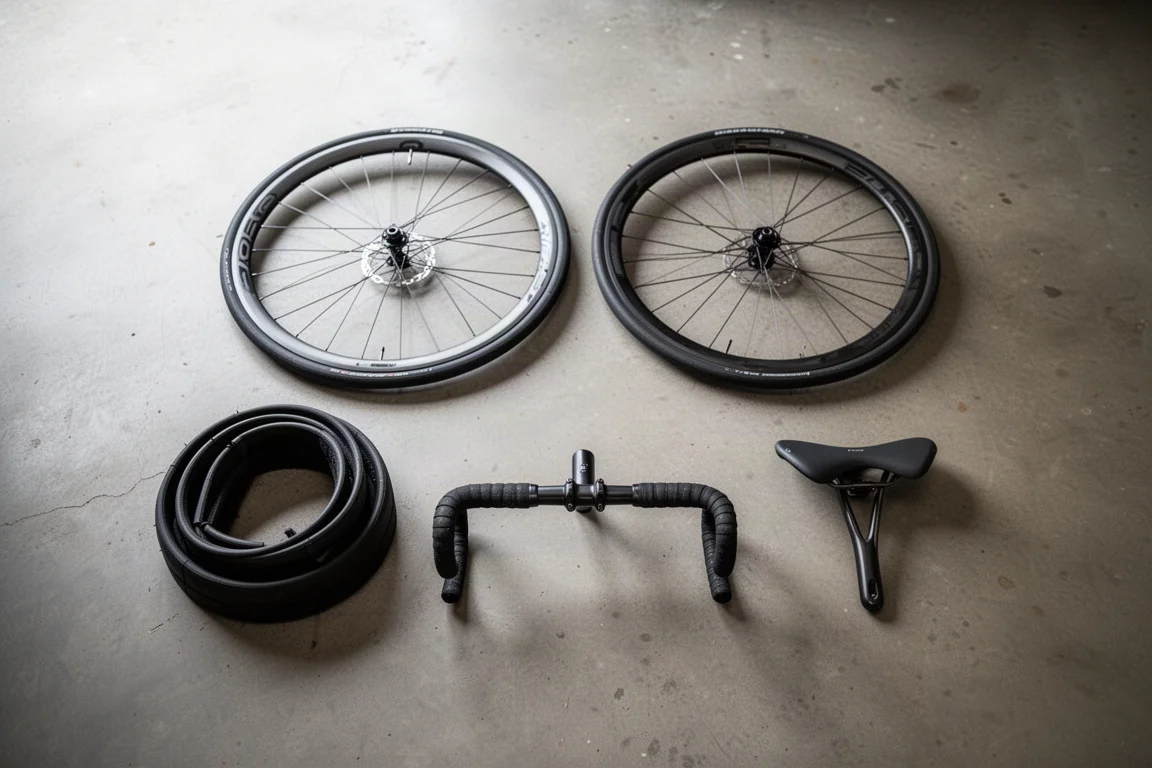
At that price the priorities are simple. Check the frame for cracks rather than scratches, confirm the wheels run true, and budget for the parts that are most likely tired: tyres, chain, chainrings, bar tape and saddle. Plan the upgrades in order of return. Wheels and tyres offer the biggest gain in speed and comfort, a fresh crankset and bottom bracket address the wear, and a new handlebar, stem and saddle let you tune the fit properly. A groupset change makes sense mainly if the shifters bother you, since the 105 drivetrain itself performs well.
The broader argument for aluminium is easy to make here. Carbon is lighter, stiffer, smoother and offers more aerodynamic potential, but the gap on a well-built aluminium race frame is smaller than many riders assume. Brands including Specialized, Trek and Giant all offer aluminium race models, yet the CAAD10 and CAAD12 have built a reputation for ride quality that keeps them in demand.
Conclusion
The Cannondale CAAD12 Disc remains a rewarding bike to ride and an unusually good value on the used market. Its frame is light enough to embarrass mid-range carbon, its geometry is properly race-focused, and its 105 drivetrain still shifts cleanly. The caveats are real but manageable: dated quick-release and 135mm rear spacing, a post-mount front caliper, a BB30a bottom bracket and the polarising 105 shifters. Buy on frame condition, budget for consumables, and this is a platform that can be upgraded into something genuinely fast without ever approaching new carbon money.
Product link
View more details for Cannondale CAAD12 Disc
This product is mentioned in the review. Check the specifications, options, and compatibility before buying.
View more details for Cannondale CAAD12 DiscFurther reading
Related Reviews

Road Bikes
10 New Road Bikes Worth Watching: Aero, Titanium, Steel and Endurance Standouts
A practical roundup of 10 new road bikes, from aero flagships chasing single-watt gains to titanium, steel and endurance platforms built for real roads.
Road Bikes
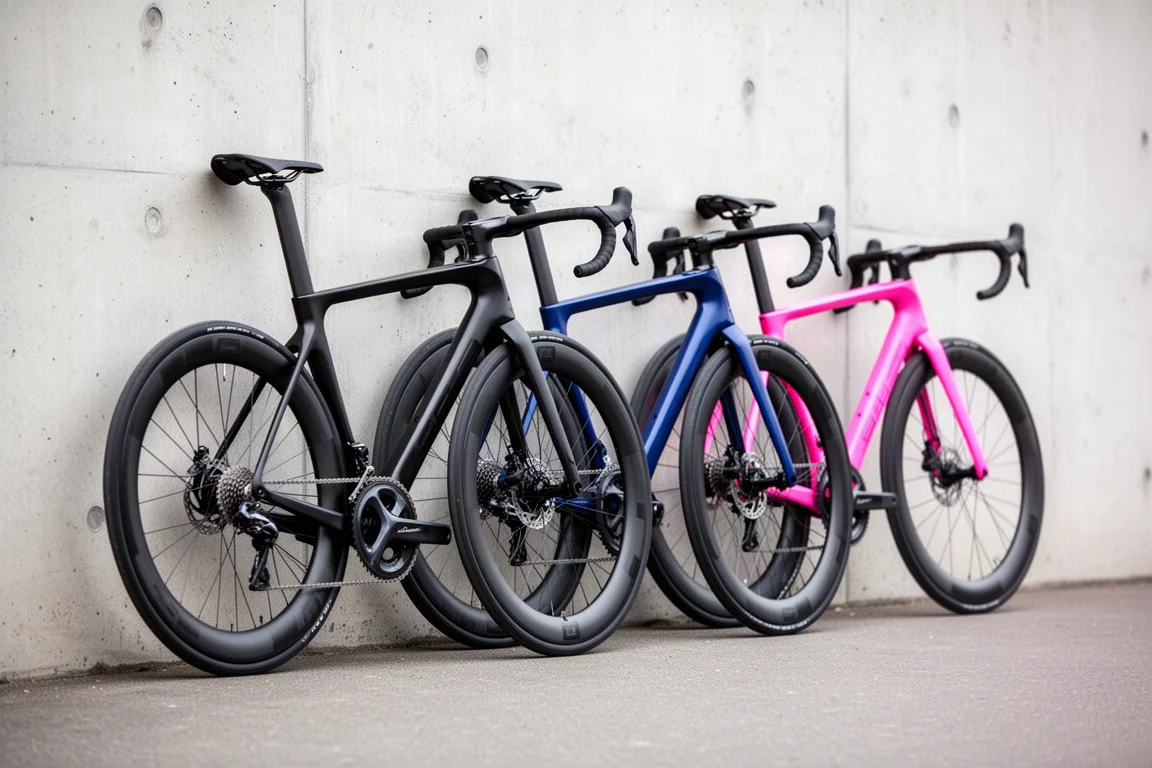
2026 Tour de France Road Bikes: Six Race Machines Worth a Closer Look
Six race bikes from the 2026 Tour de France grid, reviewed for paint, silhouette, wheels and the specification details that matter to buyers.
Road Bikes
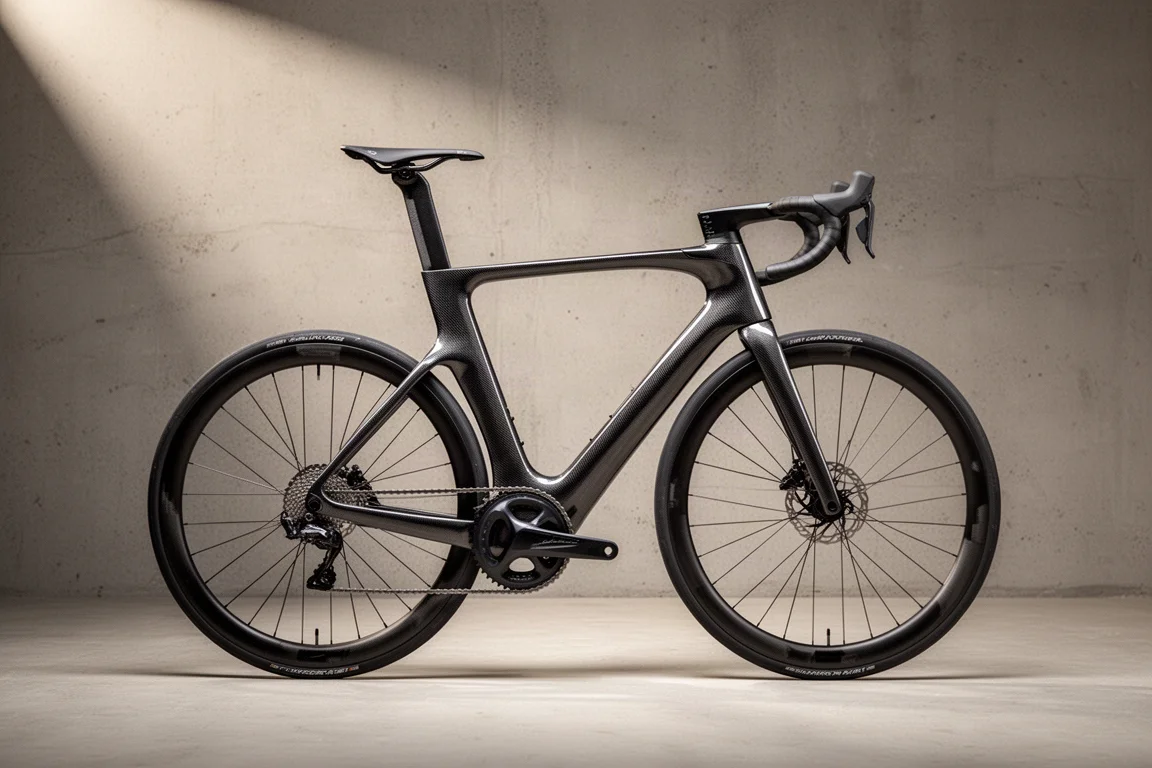
3T Strada Italia Review: A Radical Aero Road Bike That Rides Smooth
A made in Italy carbon aero road bike with a deep head tube, wide tire clearance and a genuinely comfortable ride. Here is what to know before buying.