Cycling Gear
Can You Use a Gravel Bike as a Road Bike? Tires, Gearing, and What Really Changes
A practical look at converting a gravel bike for road use with wide slick tires, plus the gearing, geometry, and wheelset details that decide whether one bike can genuinely do both jobs.
Introduction
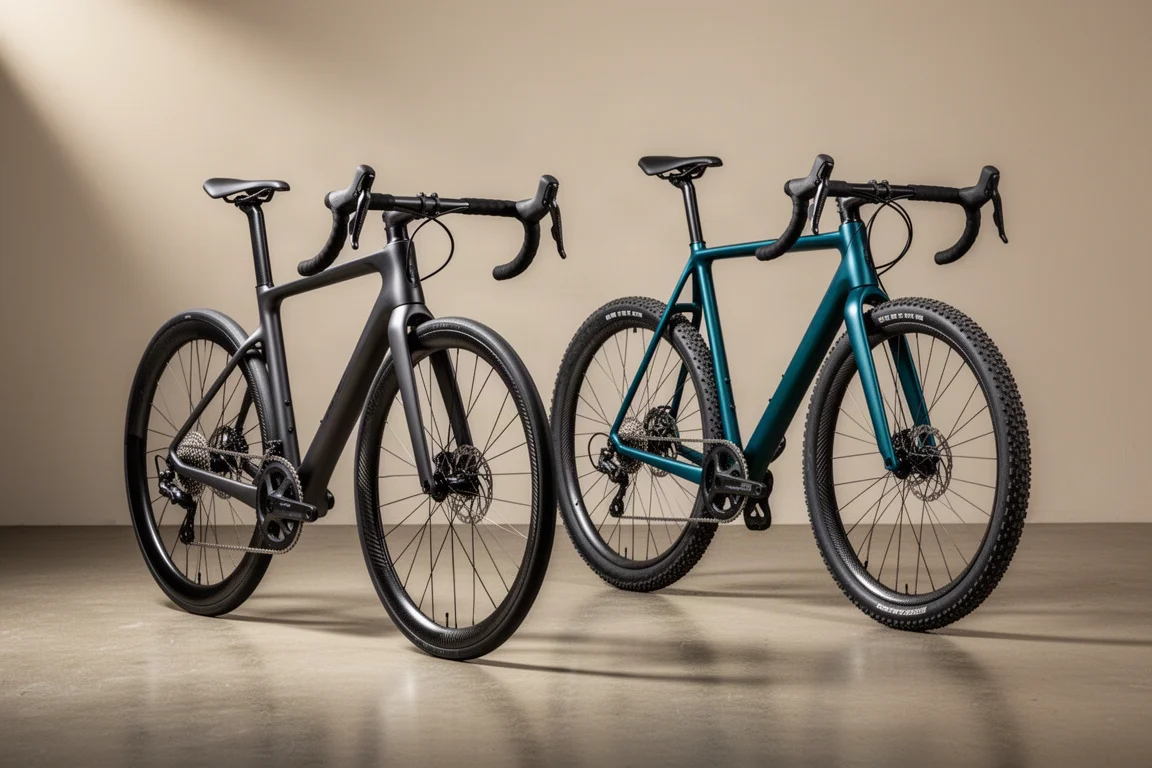
A gravel bike and a road bike share a silhouette, a drop bar, and often a very similar frame. Whether one bike can genuinely cover both jobs comes down to a short list of details: tire volume, tire pressure, gearing, and geometry. Wide slick tires are the fastest way to test the idea, because they change the contact patch and the ride feel without touching the frame.
This guide covers what actually changes when a gravel platform is fitted with wide road slicks, where the gearing and geometry make themselves felt, and which tires make the most sense on each side of the conversion.
What Changes When a Gravel Bike Goes on the Road
The biggest change is tire volume and pressure. A 40 mm slick run at just above 30 PSI on a 25 mm internal rim width smooths out road surfaces in a way that a 30 or 32 mm tire simply cannot. Ripples, coarse chip seal, and patch repairs largely disappear, and the contact patch stays planted when the surface turns wet and gritty.
The trade-off is speed. Wide slicks at low pressure are measurably slower, and rolling resistance on a 40 mm slick can approach double that of a 32 mm road tire in the same testing conditions. Above roughly 20 mph the extra weight and drag become noticeable, and noticeably more effort is needed to hold high speed.
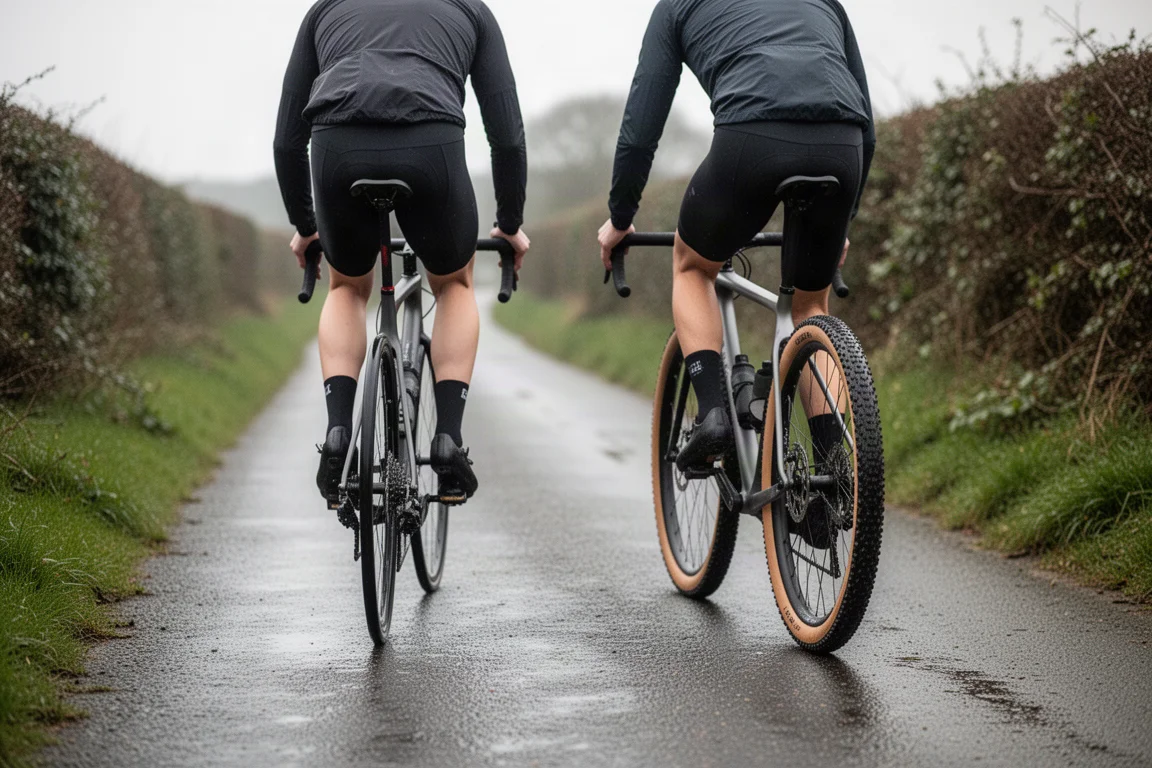
What a wide slick does not change is the frame. Geometry stays exactly as designed: a longer wheelbase, slacker angles, and a higher bottom bracket. That combination delivers stability and ground clearance off-road, and on tarmac it translates into calm, planted descending rather than quick direction changes.
The Bike: Specialized Crux
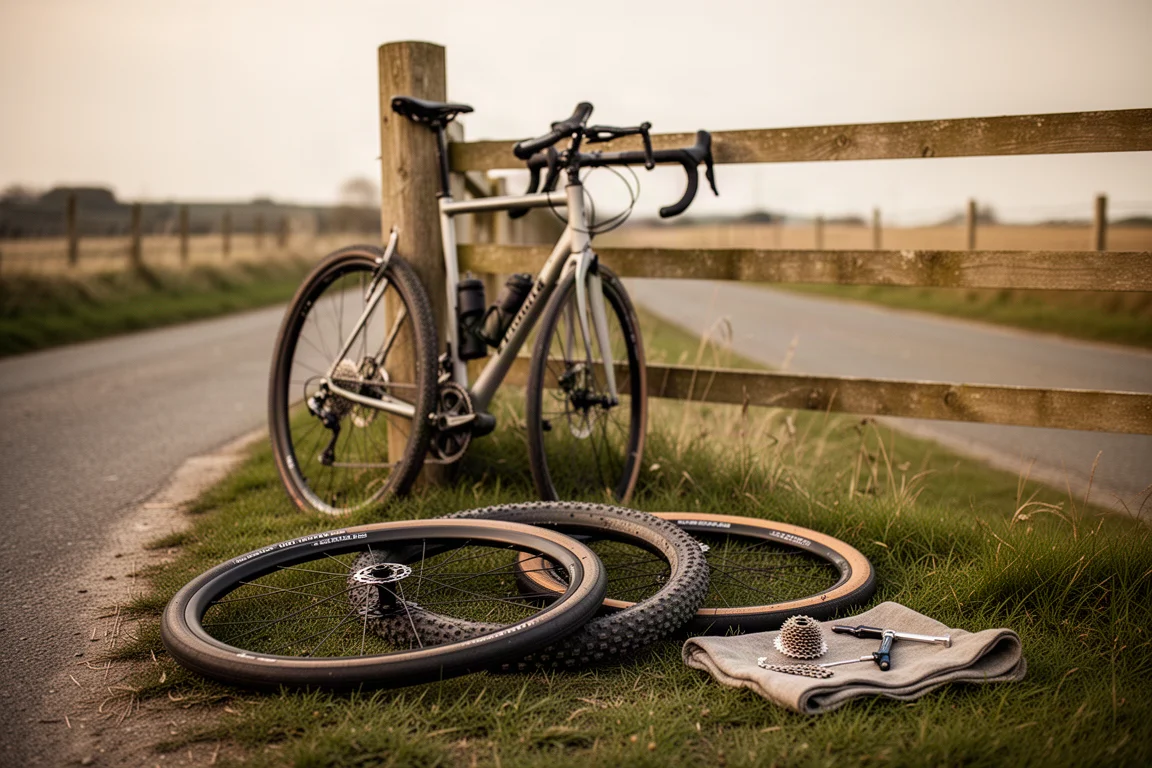
The Crux is a useful reference point because it sits at the racier end of the gravel spectrum. On 33 mm tires it is a cyclocross race bike. On a 45 mm mud tire it is a capable gravel machine. Fit a 40 mm slick and it becomes something that behaves much like a road bike from a distance.
Two things hold it back from feeling like a dedicated road bike. The first is gearing. A 42-tooth chainring paired with a 10-44 12-speed cassette is ideal off-road, where climbs are steep and low gears matter, but on tarmac it means spending more time in the smallest sprockets and spinning out sooner at high speed. Moving to a 46 or 48-tooth chainring would solve that, though it means buying a new chainring and probably a longer chain as well. The second is the frame itself, which has no mudguard mounts, an odd omission on a bike that otherwise suits wet winter riding so well.
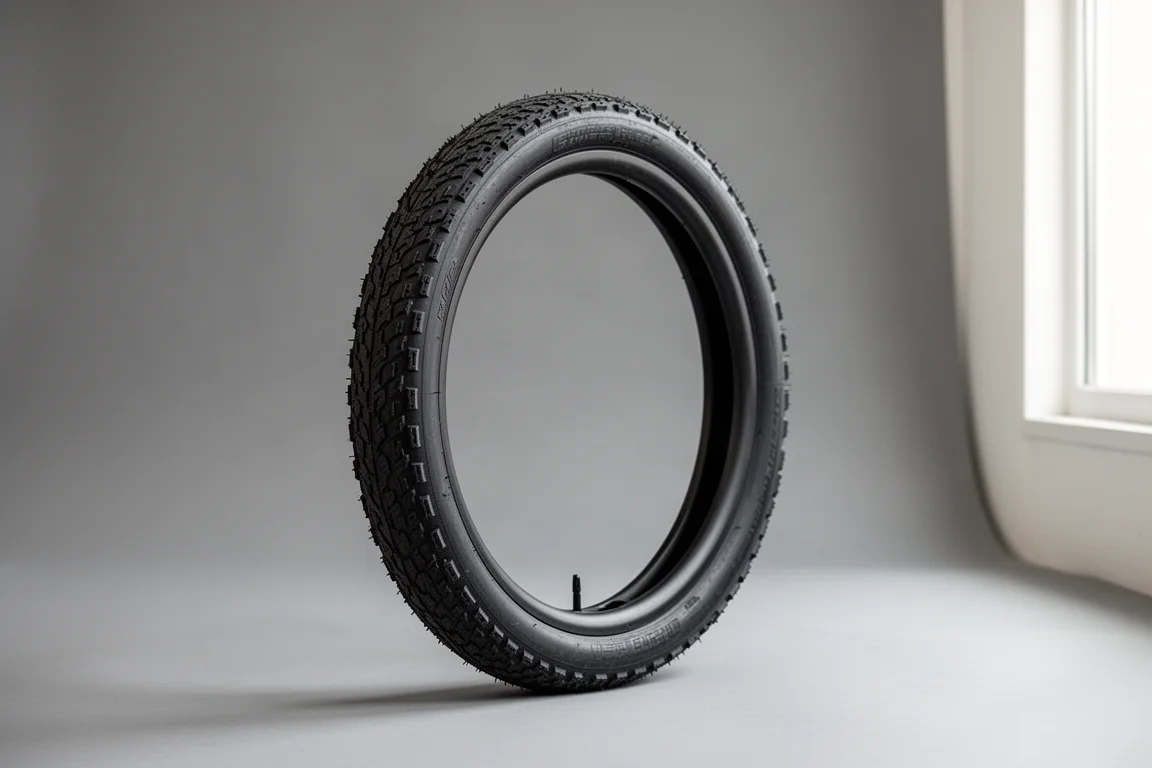
The Tire That Makes It Work: Pirelli Cinturato
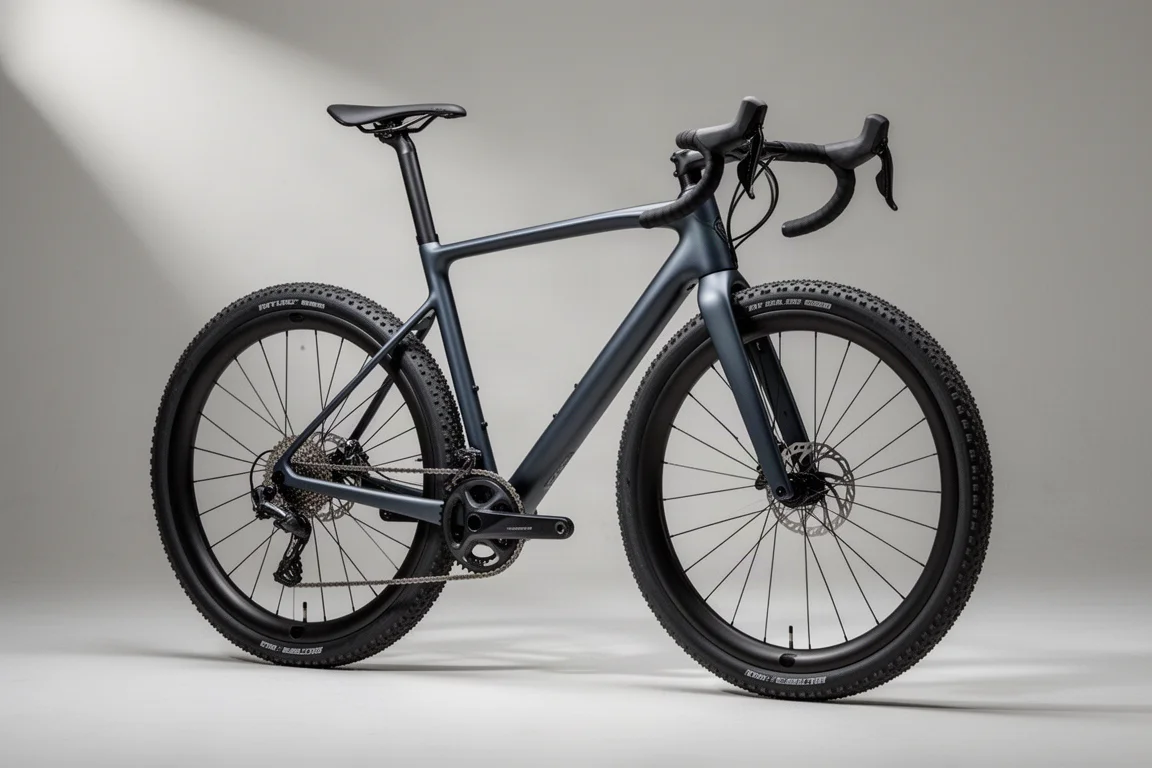
The Cinturato in this width is a 40 mm slick, positioned as a winter road tire and about as wide as slick tires currently get. It is the component that makes the whole conversion credible. Grip on wet, muddy, and gritty roads goes well beyond what a 30 or 32 mm tire offers, and the confidence it gives through greasy corners is the main argument for the setup.
Comfort is the second argument. At pressures just above 30 PSI, vibration through the contact points largely disappears, and the ride feels closer to a high-volume gravel tire than to a narrow road tire. Durability is the third: there is simply more rubber between the tire and whatever is trying to puncture it, which makes it a dependable choice for high-mileage winter riding.
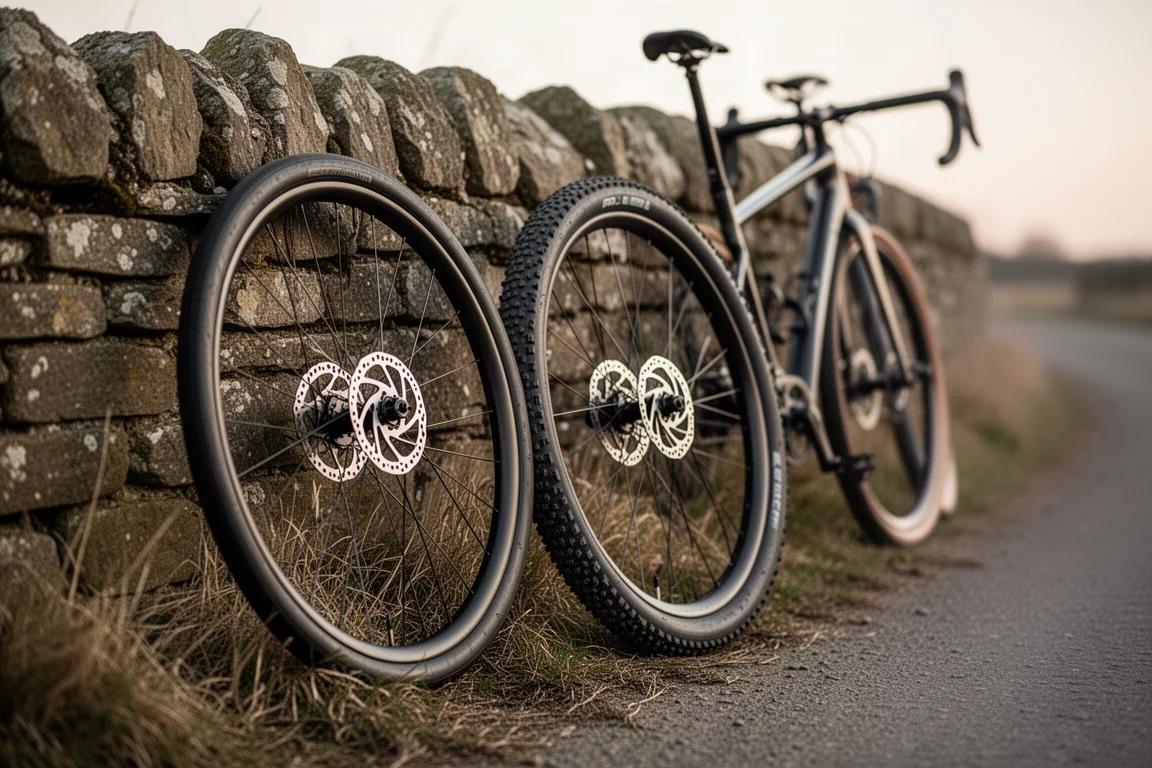
The honest limitation is pace. This is not a tire for road racing, and the effort required to hold speed climbs with every mph above the low twenties. It is also worth noting that these tires keep gravel tracks and dry dirt paths rideable on a bike otherwise set up for tarmac, so one wheelset can cover mixed surfaces when conditions allow.
The Off-Road Option: Vittoria Terreno Pro
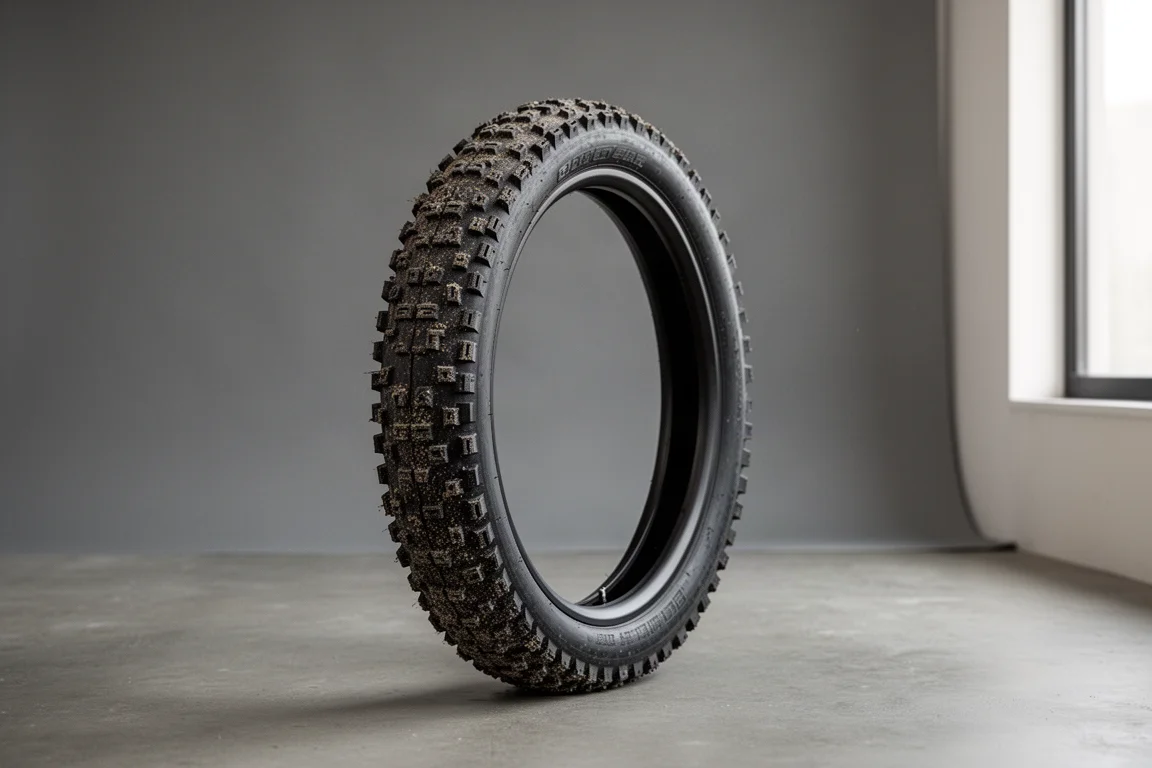
If the plan is genuinely one bike with two wheelsets, the off-road half of the equation matters just as much. A 45 mm mud tire such as the Terreno Pro is built for the conditions where a gravel bike earns its keep: soft trails, cyclocross courses, and loose, steep climbs. It is the tire that keeps the bike an off-road tool rather than a road bike making constant compromises.
The pairing is what makes the two-wheelset approach work in practice. Wide mud tires for trails and winter grime, wide slicks for tarmac, and the same frame in between.
The Speed Benchmark: Continental Grand Prix 5000 STR
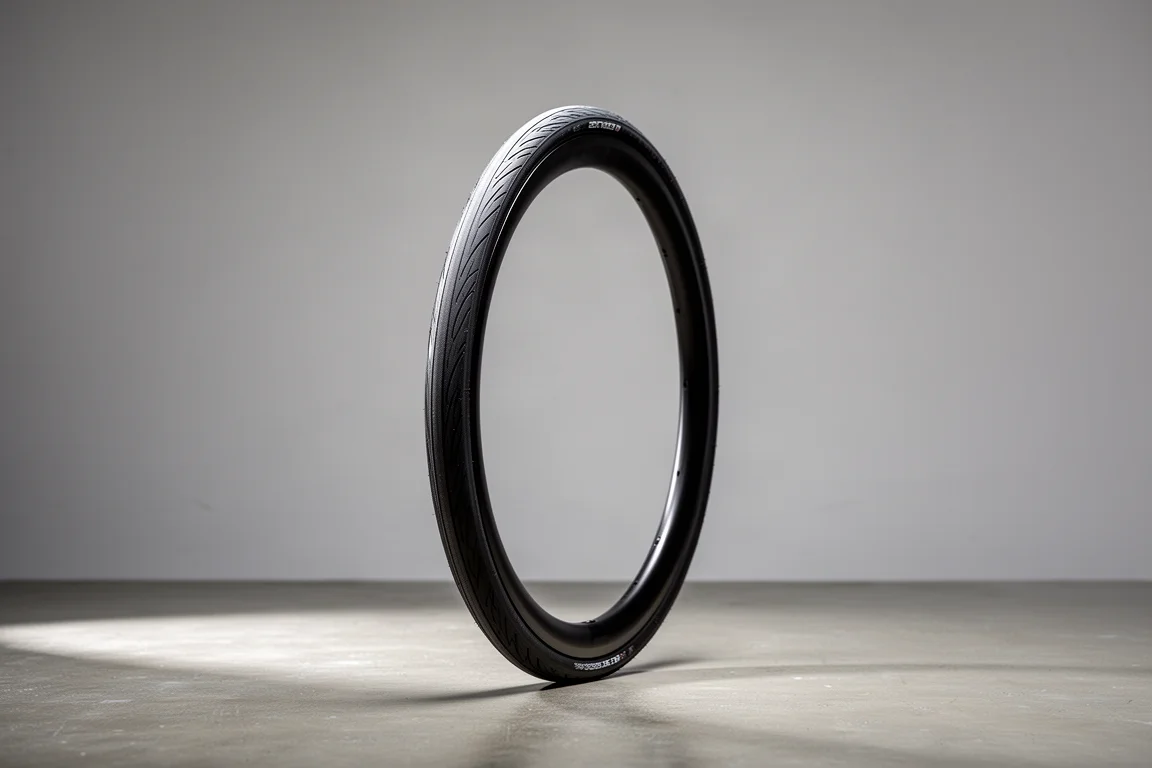
It helps to have a reference point for what fast looks like. A 32 mm Grand Prix 5000 STR puts the wide slick into context: in rolling resistance testing, a 40 mm slick can come close to doubling the figure recorded by this tire.
That gap is the price of comfort, grip, and durability. It is not a reason to avoid wide slicks, but it is a reason to be clear about the goal. For training through a wet winter with maximum confidence and minimum fuss, the slower tire wins comfortably. For going fast on good roads, a dedicated road tire remains the better answer.
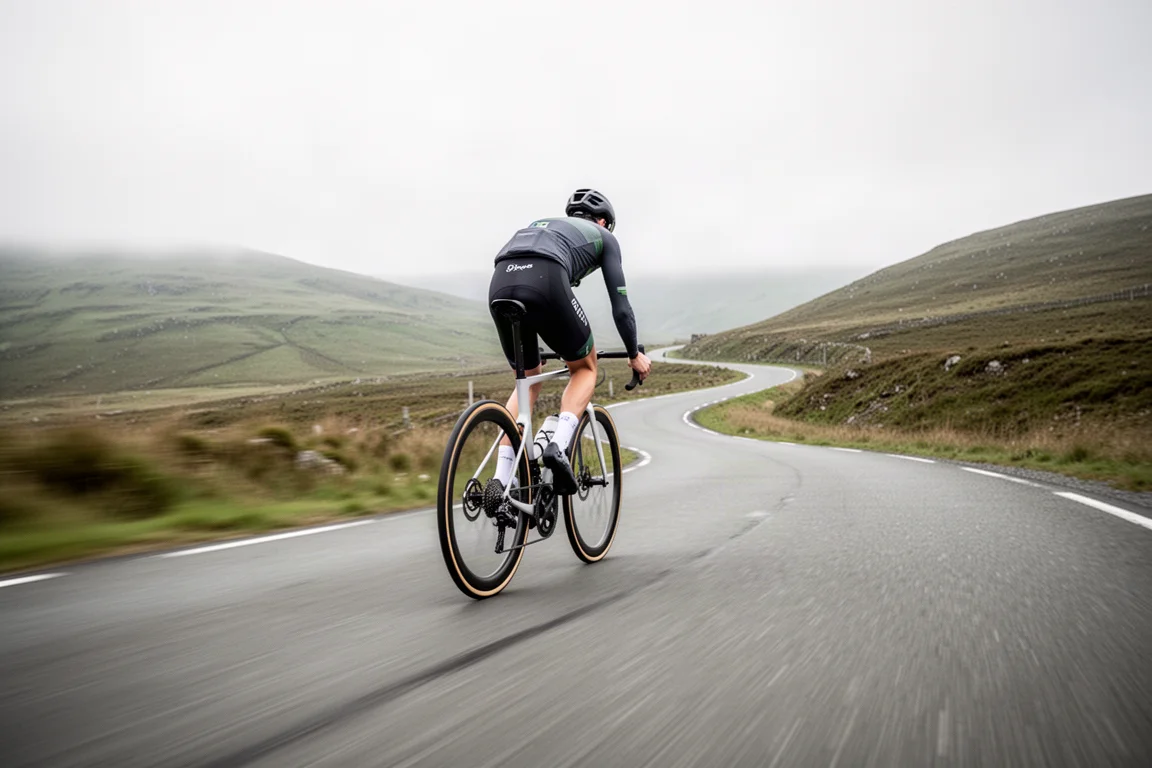
Tire pressure also matters more as tires get wider, and a proper pressure guide is a better tool than habit. The correct figure for a 40 mm tire on a 25 mm internal rim is far lower than most riders expect, and running it too hard removes much of the comfort and grip that justify the swap in the first place.
Gearing, Wheels, and the One-Bike Compromise
Two wheelsets is the practical way to run one bike in two roles. Swapping tires on a single set of wheels is cheaper, but on a tubeless setup it means dealing with sealant, which is a job most riders will want to avoid repeating. Inner tubes make the swap easier, and a second wheelset bought new or used is usually the better long-term answer.
Rotor alignment is the detail that catches people out. Different wheel brands do not always place the disc rotor in exactly the same position relative to the caliper, and a mismatch means adjusting the caliper every time the wheels change. Keeping both wheelsets from the same brand reduces the risk, although mismatched sets sometimes line up perfectly and need no adjustment at all.
Gearing is the other compromise. Gravel gearing is chosen for steep climbs and loaded bikes, which is why a small chainring and a wide-range cassette work so well off-road and feel short on tarmac. Riders who spend most of their time at moderate speeds may never notice. Riders used to endurance or road bikes will feel it, especially as the miles add up.
Buying Advice
A gravel bike with wide slicks is a sound choice for riders who want one frame and the flexibility to switch between tarmac and trails. The setup suits winter training, mixed-surface rides, commuting, and anyone who values comfort and grip over outright speed.
It is a less convincing answer for riders chasing road performance. Geometry designed for off-road stability will not feel as quick as a road bike, and the gearing runs out of range at high speed unless the chainring is changed. The practical checklist is short: choose a slick wide enough to justify the swap, run it tubeless if possible, set pressure with a guide rather than by feel, and plan a second wheelset from the start. If the frame has mudguard mounts, use them.
Conclusion
Yes, a gravel bike works as a road bike. It remains a drop-bar bike that looks like a road bike from a distance, and the differences between it and a dedicated road bike are real but small in the grand scheme of things. It will not perform quite as well, and it will not feel as tailored as a frame designed for tarmac, but it does work.
For riders with the space or budget for only one bike, a gravel platform paired with a wide slick tire and a second wheelset covers an enormous amount of ground. Match the tire to the conditions, accept the gearing as it is or budget for a change, and the one-bike, two-setup approach holds up remarkably well.
Further reading
Related Reviews
Cycling Gear
8 Cycling Products Riders Keep Coming Back To
Eight cycling components and accessories with clear strengths, honest trade-offs and long-standing reputations among riders and mechanics.
Cycling Gear
Aero Helmets and Bottle Setups Tested: Six Options Ranked by Measured Watt Savings
Wind tunnel data on six aero helmets and bottle setups, with real watt savings, practical trade-offs, and guidance on what is worth buying first.
Cycling Gear
Aero Road Bikes and Fast Tires Worth Watching in 2026
Four aero road bikes and one fast road tire, with the real strengths, the open questions, and what to check before you buy.