Cycling Gear
Can a Gravel Bike Work as a Road Bike? A One-Bike Setup Guide
A practical look at turning a gravel bike into a road bike with wide slick tires, plus the frameset, tires, and trade-offs that decide whether one bike can do both jobs.
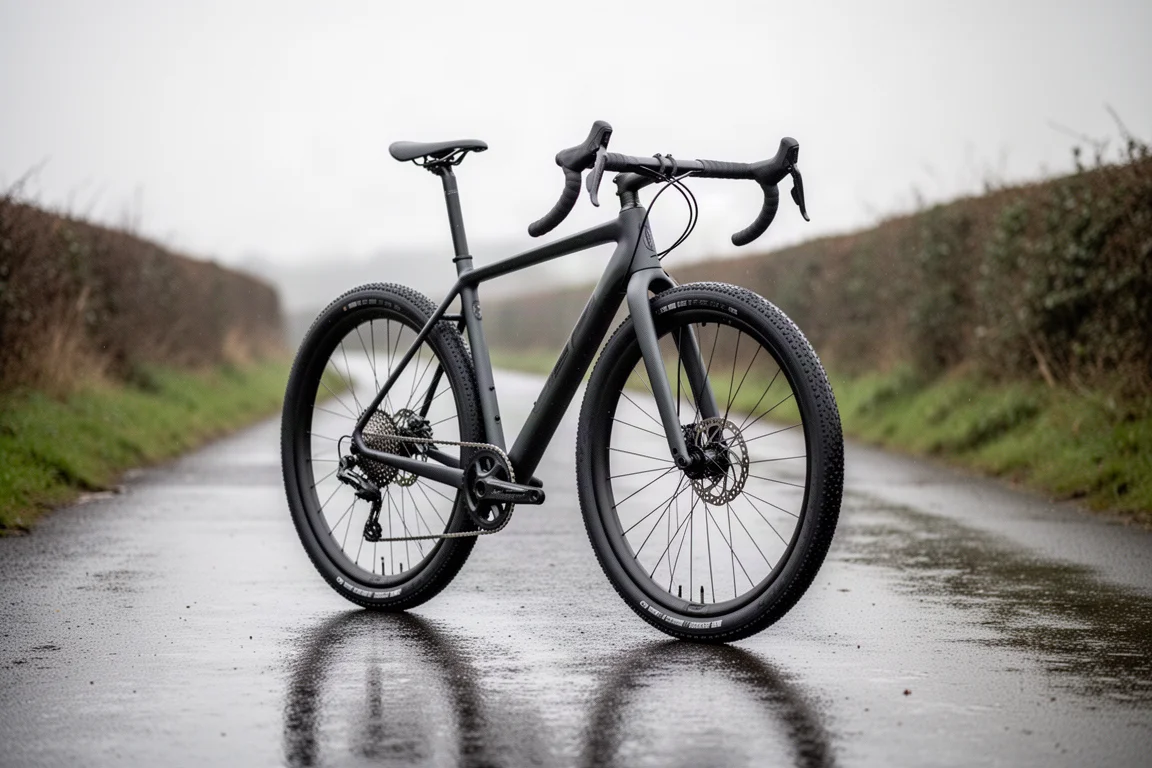
Introduction
Ask most riders whether a gravel bike can double as a road bike and the answer is usually a qualified yes. The frame is already a drop bar platform with disc brakes, and the geometry sits closer to a road bike than many people expect. The real question is what changes once road rubber goes on, and whether the result is good enough to replace a second machine.
The appeal is straightforward. One bike, one wheel set for the trails and one for the tarmac, and the cost of a second bike disappears. A spare wheel set is usually cheaper than a whole second bike, and with tubeless tires becoming the norm, a wheel swap is far less messy than changing tires every weekend.
This guide covers four products that sit at the centre of that decision: a gravel frameset that suits exactly this kind of build, a wide slick tire that makes the road conversion convincing, the narrower road tire it gets measured against, and the knobby off-road tire that goes back on when the tarmac ends.
What Changes When a Gravel Bike Goes on the Road
Gravel bikes are designed for stability and control away from the tarmac. That means a longer wheelbase, slacker angles and a higher bottom bracket than a typical road bike. On the road, the practical effect is calmer, less immediate handling, with the upside that the bike still descends with real confidence thanks to that stable platform.
Gearing is the second variable. Gravel drivetrains are set up for steep climbs and loaded bikes, so they favour low gears. On fast, flat road sections that same gearing can leave you spinning out at the top end. A larger chainring solves it, but it also means a new chain, and the simplicity of the one-bike idea starts to erode.
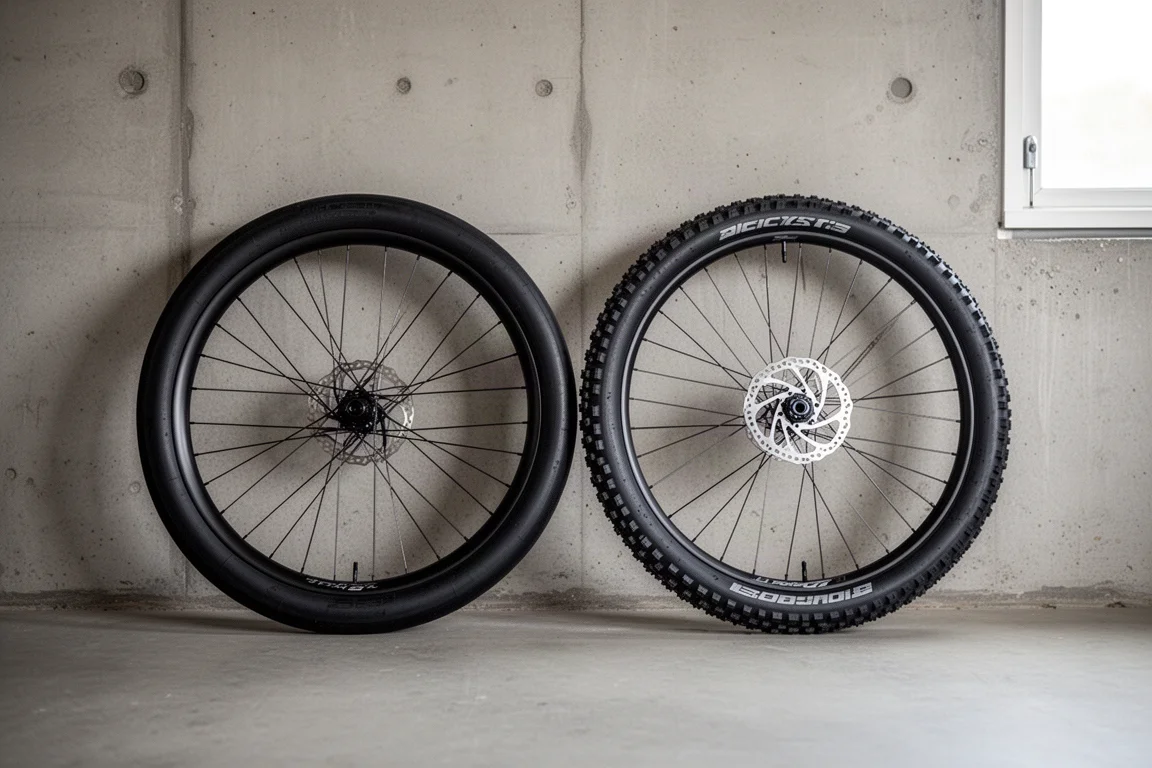
Tire pressure matters more than anything once the tires get wide. On a 40 mm tire mounted to a 25 mm internal rim, pressures sit just above 30 PSI, and that low figure is what delivers the ride quality.
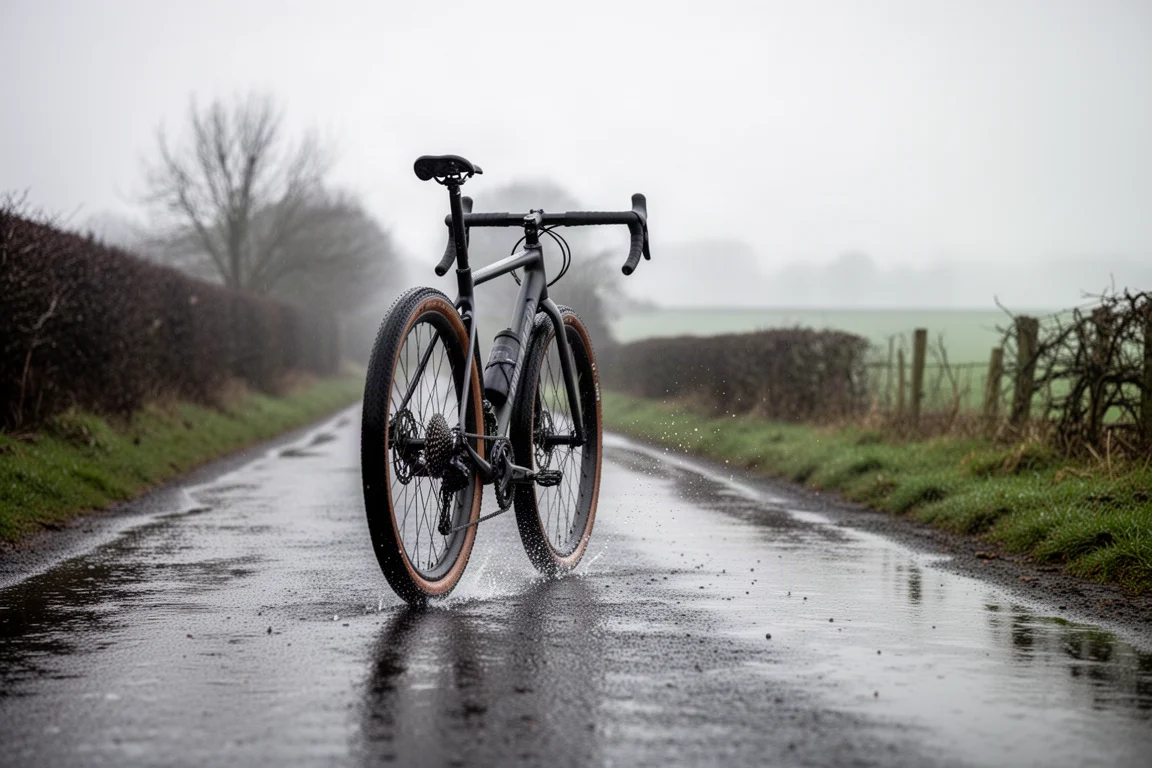
Riders who are not racing will find the speed penalty of a wide tire easier to accept. The conversion is less about matching a road bike exactly and more about getting a bike that is comfortable and confident on the road without giving up its off-road ability.
The Frameset: Specialized Crux
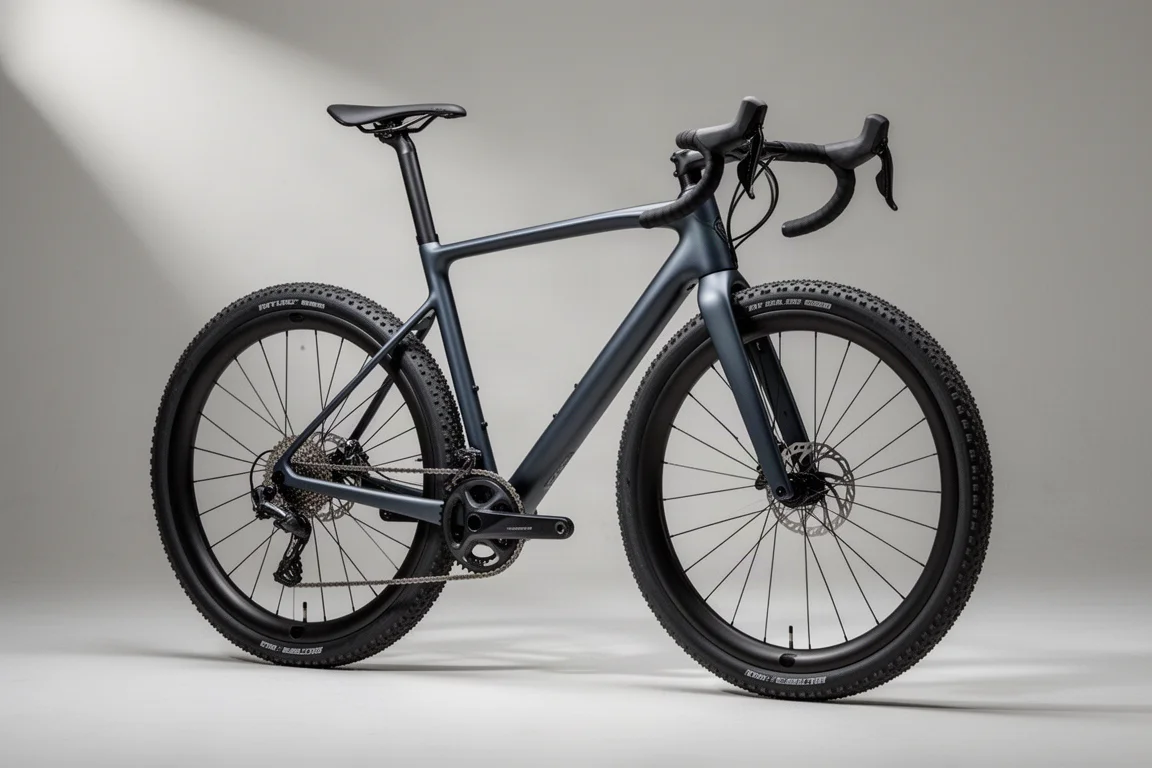
The Specialized Crux is a cyclocross and gravel race platform that has spent time on 33 mm tires for cyclocross and on 45 mm mud tires for local gravel trails, and it is that range of use that makes it a strong candidate for a road conversion. Disc brakes, a drop bar position and clearance for wide rubber are already in place.
Its geometry is the part worth understanding. A longer wheelbase, slacker angles and a higher bottom bracket are all there for off-road stability, ground clearance and control, not for quick steering on tarmac. The result on the road is a bike that feels composed and fast downhill rather than sharp in tight corners.
There is also a practical limitation to weigh up: this frame has no mudguard mounts, which matters for a setup intended to spend the winter on wet roads. Gearing follows the same off-road logic, with a 42-tooth chainring and a 10-44 12-speed cassette, a combination that is excellent on steep climbs and limiting at high road speed. Moving to a 46 or 48-tooth chainring would fix that, at the cost of a new chainring and probably a longer chain.
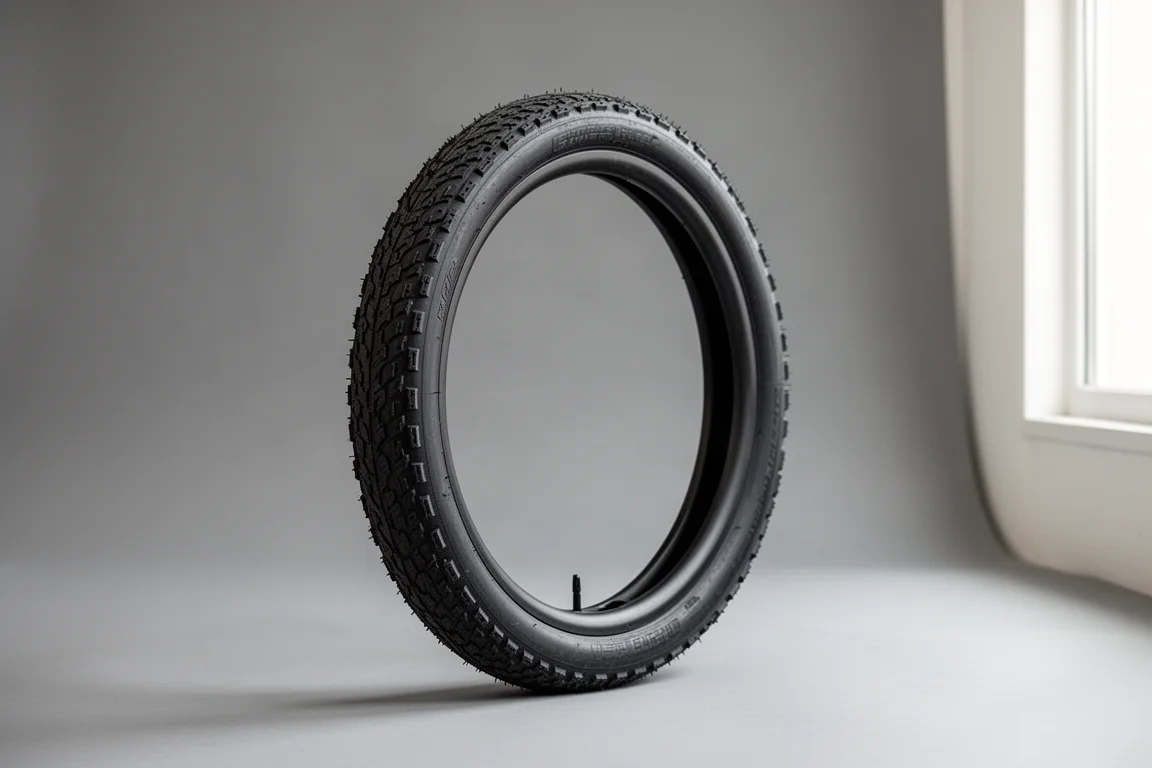
The Road Tire: Pirelli Cinturato
The Pirelli Cinturato is a winter road slick at 40 mm, the widest slick size currently available. Fitting it to a gravel bike is what makes the road conversion convincing: a smooth tread, high volume and very low usable pressures, just above 30 PSI on a 25 mm internal rim.
The ride is the standout quality. Wide, supple tires at low pressure smooth out bumps, ripples and vibration in a way that narrower road tires cannot, and grip on wet, gritty and muddy surfaces is a genuine step up. Durability follows the same logic, with more rubber between the tread and the road and more resistance to punctures and cuts.
The trade-off is speed. Rolling resistance measures roughly double that of a 32 mm Continental Grand Prix 5000 STR, and the difference is noticeable on the road without any instrumentation. Above roughly 20 mph the weight and drag become obvious. That rules the tire out for road racing, but it does not rule it out for winter training.
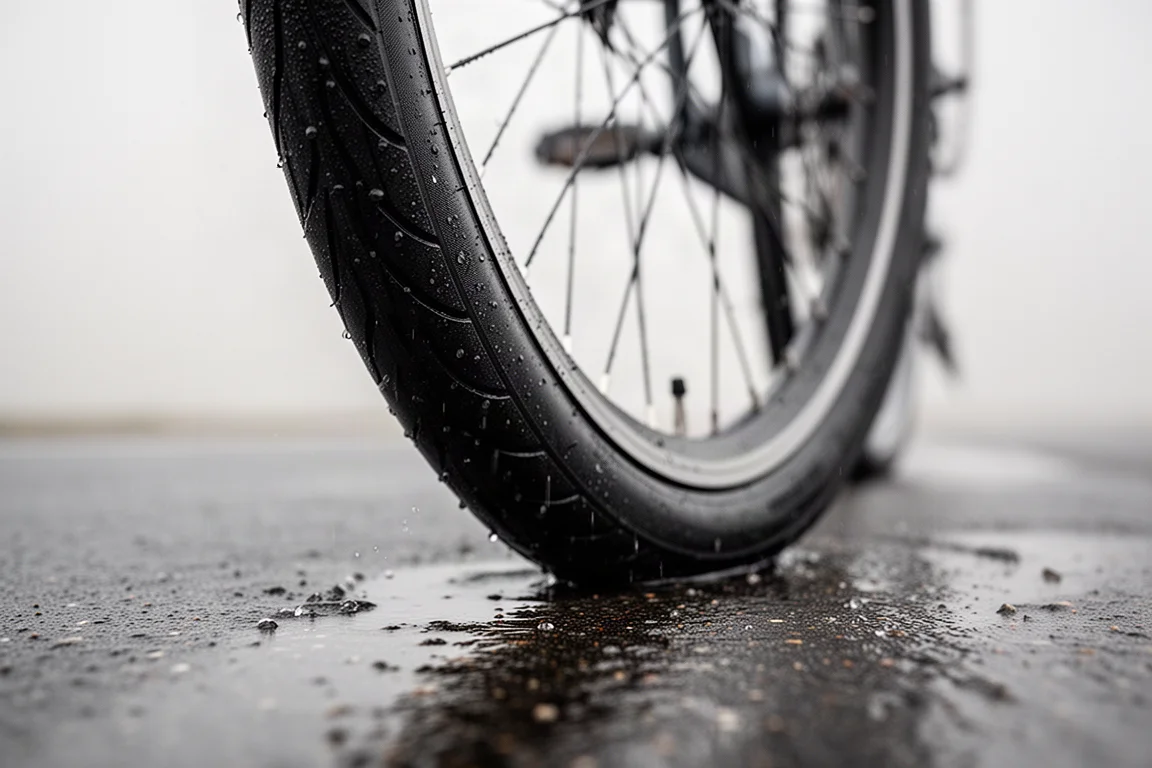
For riders whose priority is confidence and comfort in poor conditions rather than outright pace, the case for a 40 mm slick is easy to make. The volume also keeps enough capability for dry gravel tracks and dirt paths, which extends the bike’s usefulness beyond the tarmac.
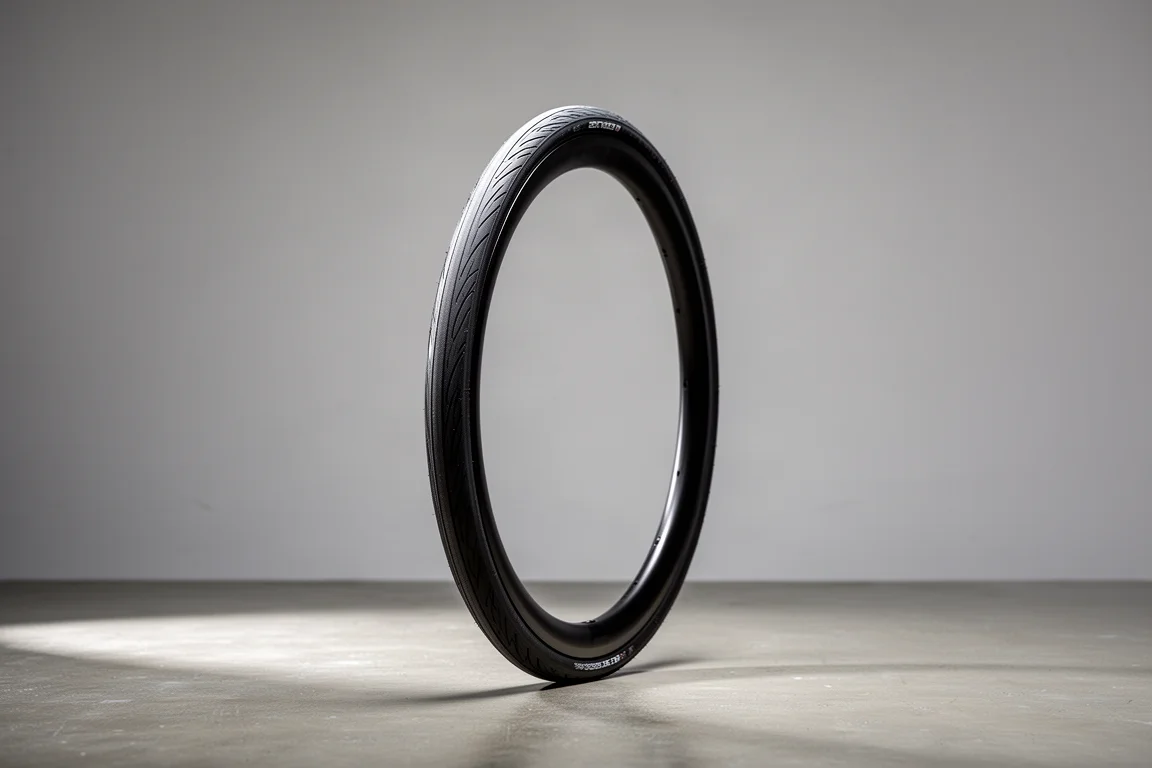
The Road Benchmark: Continental Grand Prix 5000 STR
The Continental Grand Prix 5000 STR is the reference point in this comparison rather than a conversion component: a 32 mm road tire with roughly half the rolling resistance of a 40 mm slick. It shows precisely what the wide-tire route gives up in exchange for grip and comfort.
That gap matters most on fast group rides, road races and any riding where speed is the objective. For riders who want the quickest possible tarmac performance, a narrower road tire remains the better answer, and the difference is measurable rather than a matter of feel.
The Off-Road Tire: Vittoria Terreno Pro
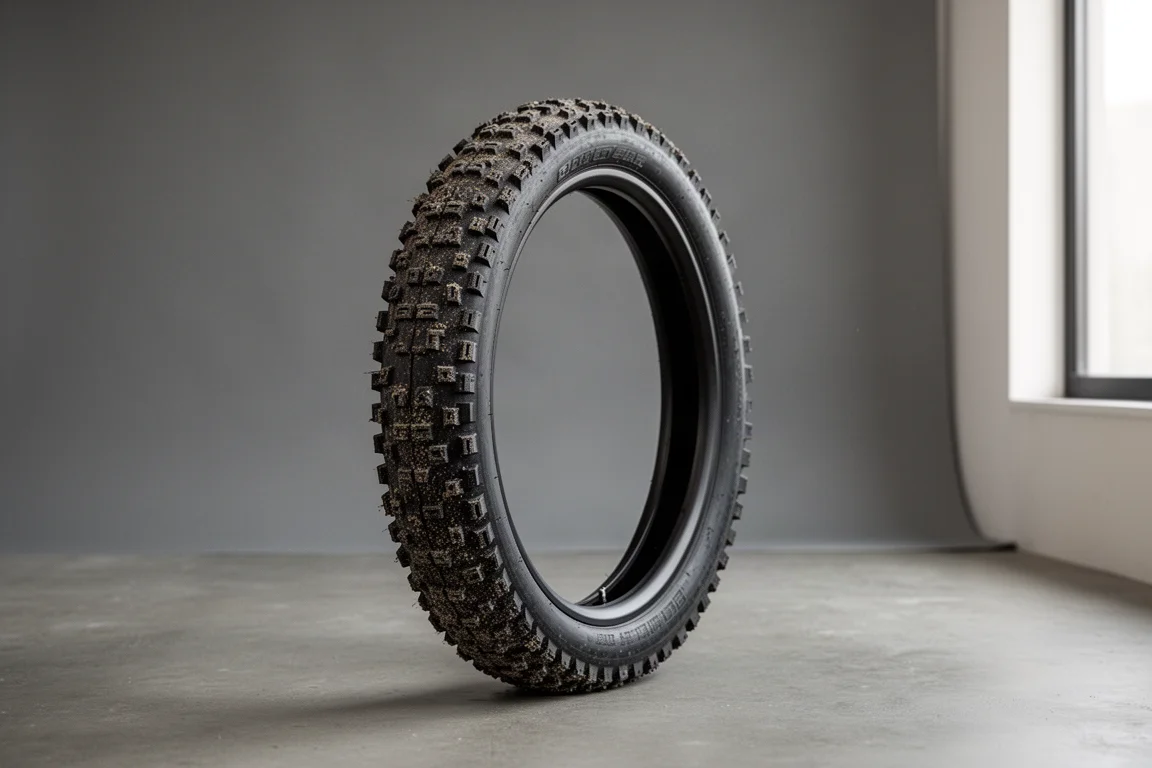
The Vittoria Terreno Pro is the opposite end of the same bike: a 45 mm mud tire intended for off-road use, whether cyclocross racing or gravel riding. Knobby tread, high volume and low pressures make it the right tool when the surface is soft, loose or wet.
Keeping a set of these mounted on a second wheel set is what turns the conversion into a genuine two-bike arrangement. Swap the wheels and the same frame goes back to being an off-road machine.
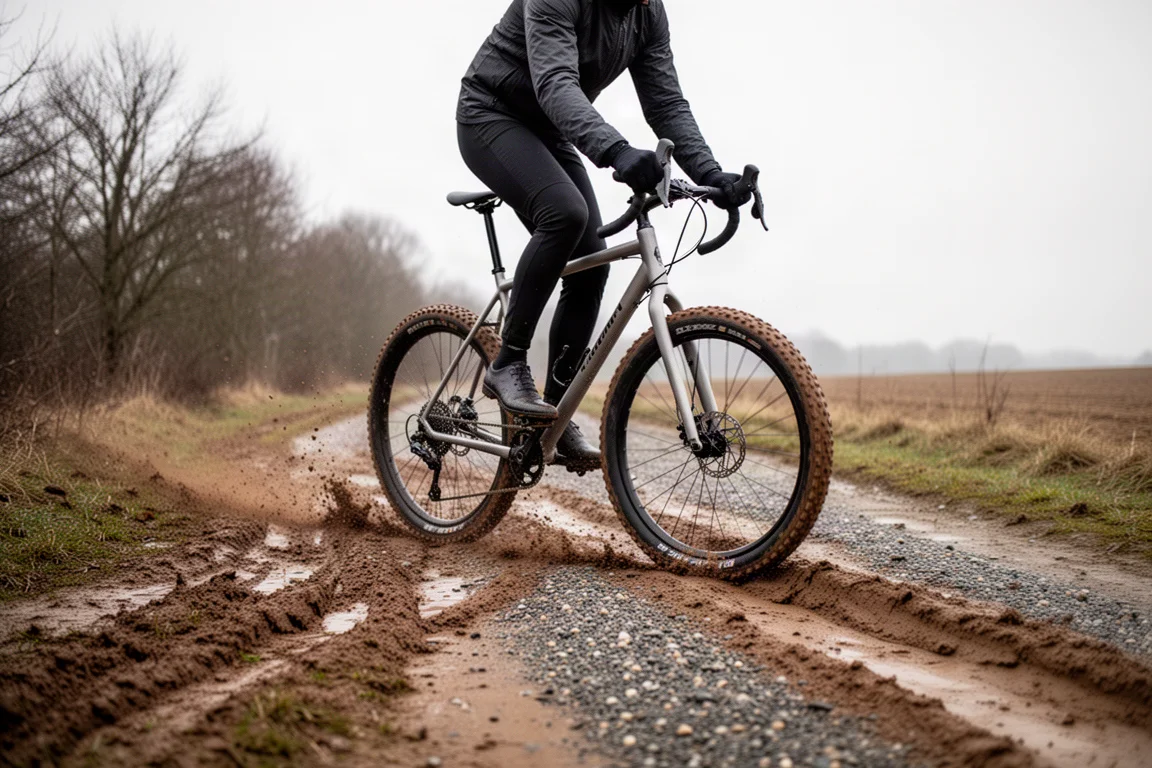
For riders who mix surfaces through the year, that flexibility is the whole point of the setup. The road wheels cover the winter months and the fast tarmac miles, while the mud tires come back for the trails.
Wheel Swaps and Practical Trade-Offs
The simplest version of the one-bike idea is swapping tires on a single wheel set, and it is also the least pleasant. Tubeless setups make it messier, with sealant to deal with each time. Inner tubes make the process easier but not appealing enough to repeat often.
A second wheel set is the better route. Wheels can be picked up fairly cheaply, including second hand, and once a set of tires is mounted the swap takes seconds. One detail is worth checking before buying: rotor alignment. If the two wheel sets place the disc rotor slightly differently, the pads can rub and the caliper may need adjusting. Matching wheel brands reduces the risk, though mismatched sets sometimes work without any trouble at all.
Cost is the other consideration. The savings over a second bike are real, but a larger chainring and a longer chain to fix the gearing add up, and the setup becomes less simple than it first appears.
Buying Advice: Is a One-Bike Setup Right for You?
A gravel bike with wide slicks works as a road bike. The differences from a dedicated road bike are real but small: calmer handling, a little more effort at speed, and gearing that runs out at the top end. For many riders those trade-offs are invisible in everyday riding.
The setup makes most sense for riders who want one bike covering road and gravel, who value grip and comfort in poor conditions over outright speed, and who are willing to keep a second wheel set ready to go. Riders chasing race pace, or those who already own a road bike and want a separate machine for off-road riding, will find a dedicated bike the cleaner solution. Tire pressure is worth getting right in either case, since wide tires reward low pressures with the comfort and traction that justify the whole approach.
Conclusion
Turning a gravel bike into a road bike is a genuine option rather than a compromise that only works on paper. A wide slick such as the 40 mm Pirelli Cinturato transforms the ride on wet, gritty roads, and a spare wheel set with a 45 mm Vittoria Terreno Pro keeps the off-road side intact. The Specialized Crux shows how well the concept works when the frame has the clearance and the geometry for both jobs, and the Continental Grand Prix 5000 STR is a useful reminder of what a narrower, faster road tire still does better. For riders with the space and budget for one bike, two wheel sets deliver road and gravel capability in a single package.
Further reading
Related Reviews
Cycling Gear
8 Cycling Products Riders Keep Coming Back To
Eight cycling components and accessories with clear strengths, honest trade-offs and long-standing reputations among riders and mechanics.
Cycling Gear
Aero Helmets and Bottle Setups Tested: Six Options Ranked by Measured Watt Savings
Wind tunnel data on six aero helmets and bottle setups, with real watt savings, practical trade-offs, and guidance on what is worth buying first.
Cycling Gear
Aero Road Bikes and Fast Tires Worth Watching in 2026
Four aero road bikes and one fast road tire, with the real strengths, the open questions, and what to check before you buy.