Camping and Backpacking Gear
Camp Worthy Backpacking Gear: Eight Picks Worth a Place in Your Pack
Eight backpacking and camping products, from ultralight trail shoes to a weight-balancing pack, with honest notes on price, quirks, and who each one suits.
Introduction
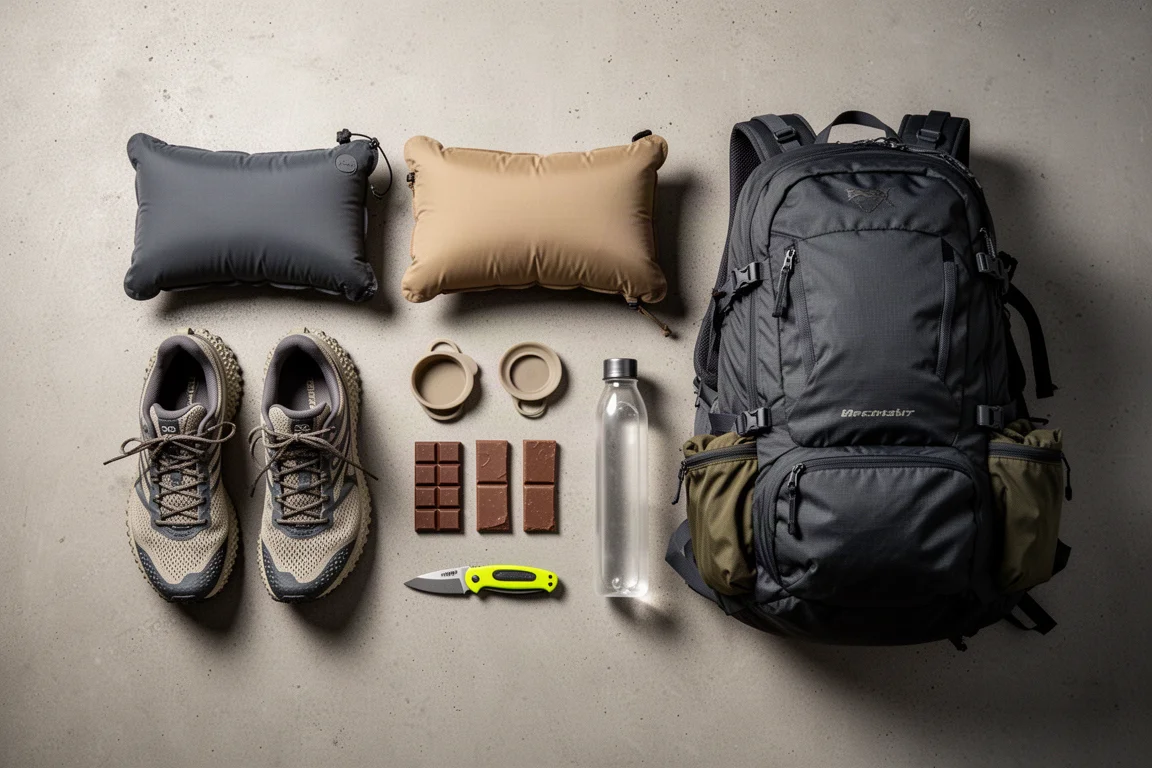
Good backpacking gear earns its place by solving a problem you actually have on trail. The eight items below range from ultralight footwear to a load-balancing pack, and they come from brands of very different sizes, including a few that have only been on the market for a couple of years. Seven of them are worth carrying. One is a novelty that is best left at home.
How These Picks Were Evaluated
Each item was judged on four things: how much weight it adds to a pack, how well it holds up over repeated trips, how clearly its main feature solves a real problem, and whether the price makes sense next to comparable options. Gear that duplicates something you already carry has to justify itself twice over, which is why a couple of the accessories here are easy recommendations and one is not.
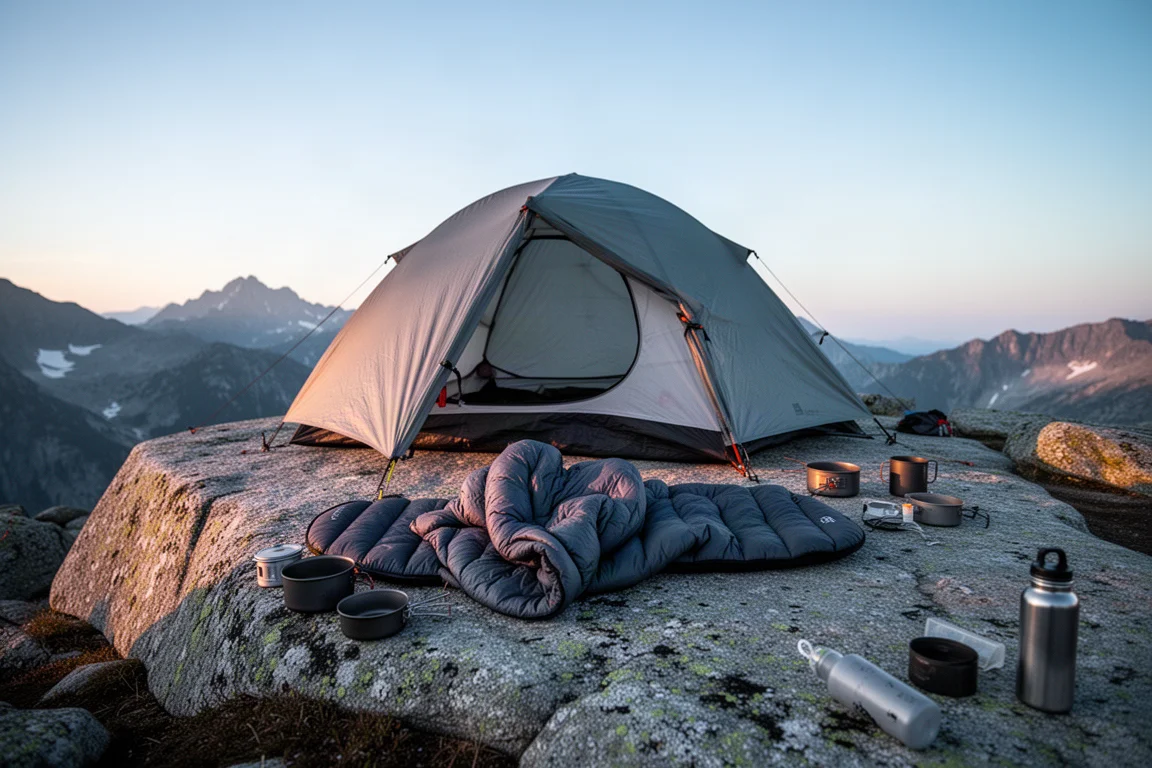
Weight matters most in footwear and sleep systems, where every gram is felt on long days. Durability matters more in items you use constantly, such as bottles, knives, and cookware. Price is best judged per trip rather than per purchase, so a costly item that lasts for years can still be good value.
Norda Trail Running Shoes
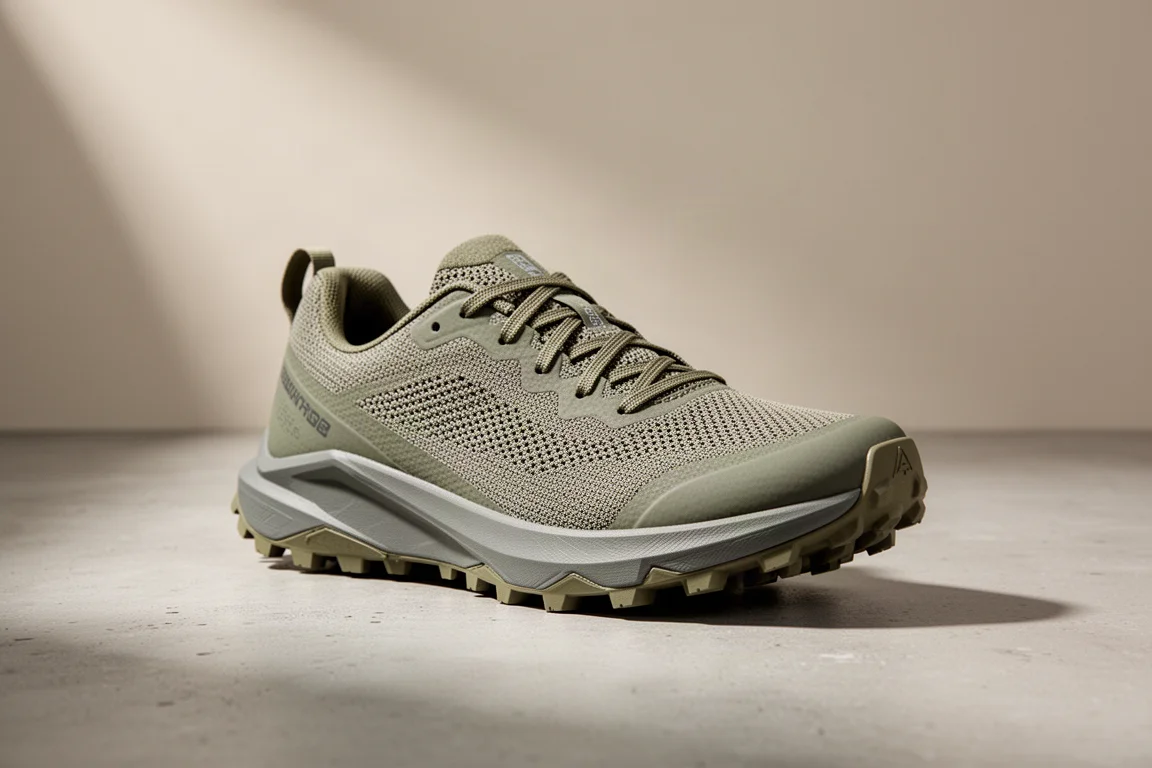
The Norda shoes are unusually light, coming in under a pound for the pair, and they use Vibram outsoles. Durability is the headline claim here: the brand does not advertise a specific mileage figure, but pairs lasting beyond 1,000 miles are a big part of the appeal. That is a bold claim, and it is fair to treat it with some skepticism until a pair has been worn through a full season.
What is not in doubt is the construction. These are made by a Canadian company that has only been around for a few years, and they sit at the high end of trail footwear. Expect a break-in period closer to a hiking boot than a road shoe, which is unusual for something this light.
At around $295, the value argument depends almost entirely on longevity. If you normally replace trail shoes every 300 to 500 miles, a pair that lasts twice as long changes the maths considerably.
Enlightened Equipment Pillow
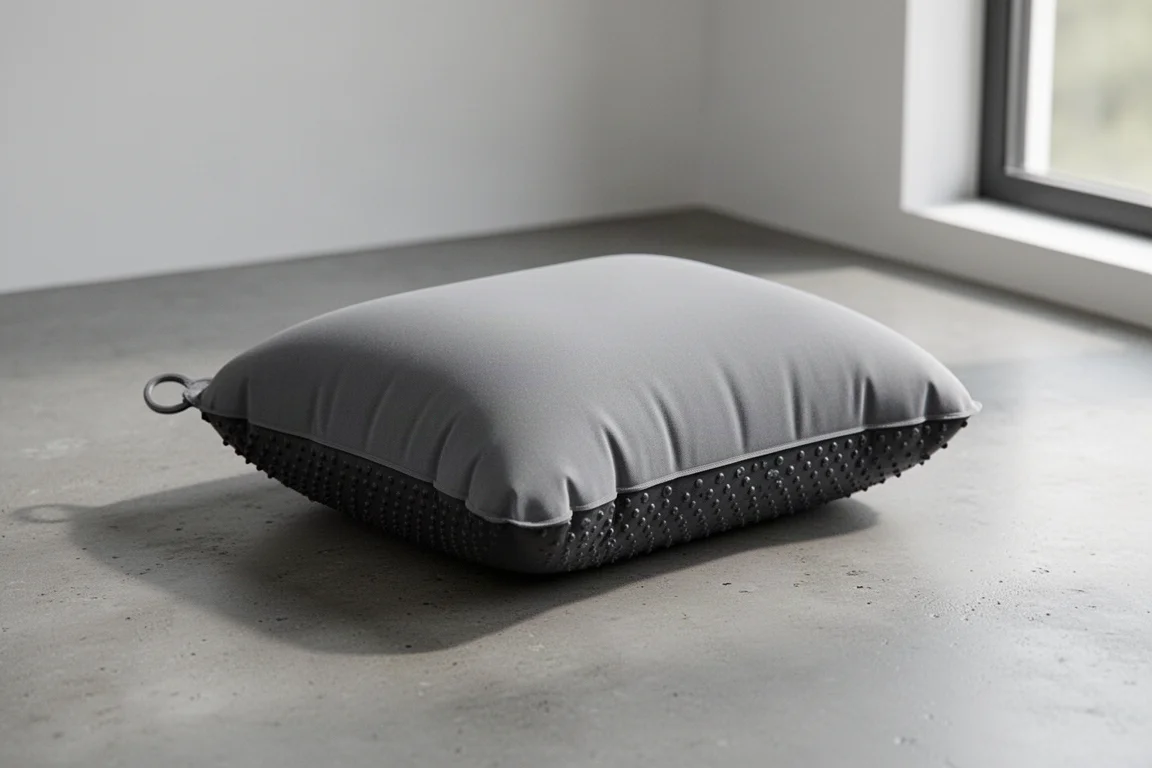
This is an inflatable camp pillow with a soft top fabric and a set of small silicone dots on the underside. Those dots grip a sleeping pad so the pillow stays put overnight, and a small toggle loop wraps around the pad for the same reason. Neither detail is unique, but together they are what separates a pillow you keep using from one you leave at home.
The price is the real story. At about $20, it undercuts most comparable inflatable pillows, including designs with the same grip dots and overall shape.
It is still an air pillow, so it packs small and weighs very little, but it will not feel like the pillow on your bed. For backpackers who want a light sleep system without spending much, that trade-off is usually easy to accept.
Snow Peak Lid Saver
The Lid Saver is a small flexible tab that fits onto most camping pots and holds the lid in place. It keeps the lid from sliding off while you pour and stops it wandering away when you set it down. Sold as a two-pack for around $8.95, it is one of the cheapest items on this list.
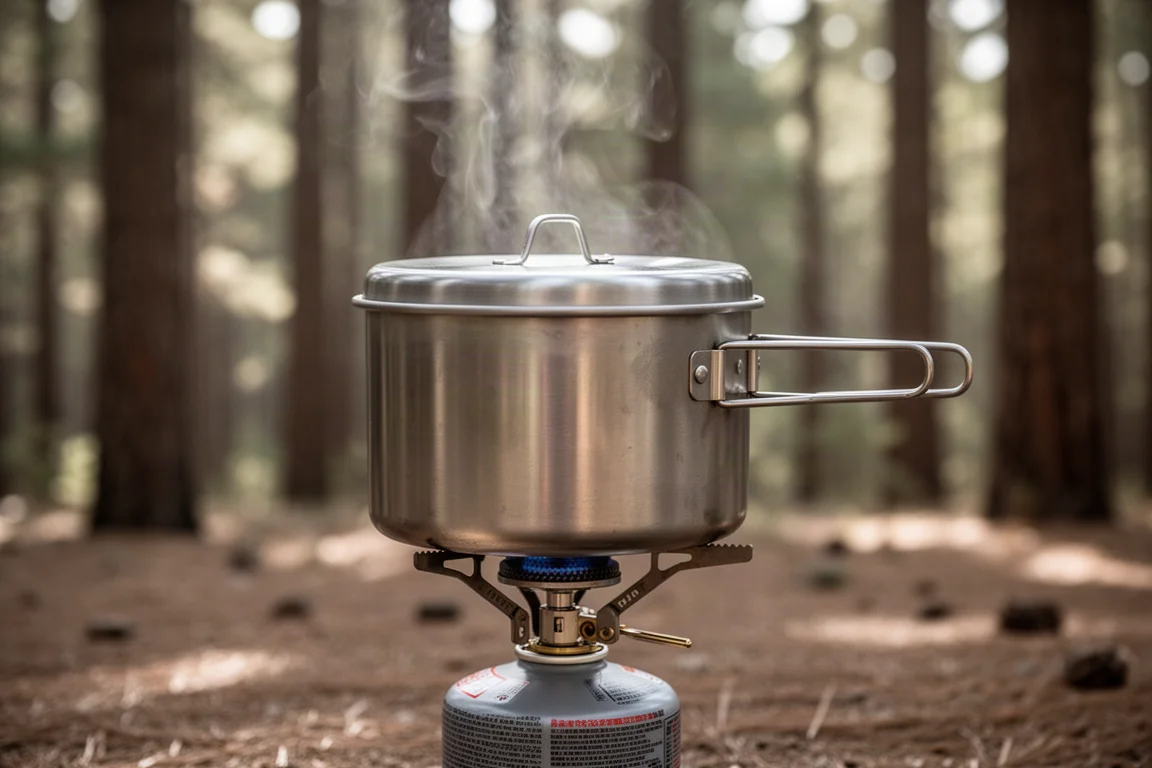
Its main weakness is also part of its charm: the muted, leaf-like shape means it can vanish into a pile of autumn foliage if you drop it. That is a small risk for a piece of kit that costs less than a coffee.
If you have ever lost a pot lid in the dark or burned your fingers trying to hold one steady, this is a simple fix, and it adds almost nothing to the weight of a pack.

Koba Caffeinated Chocolate Bars
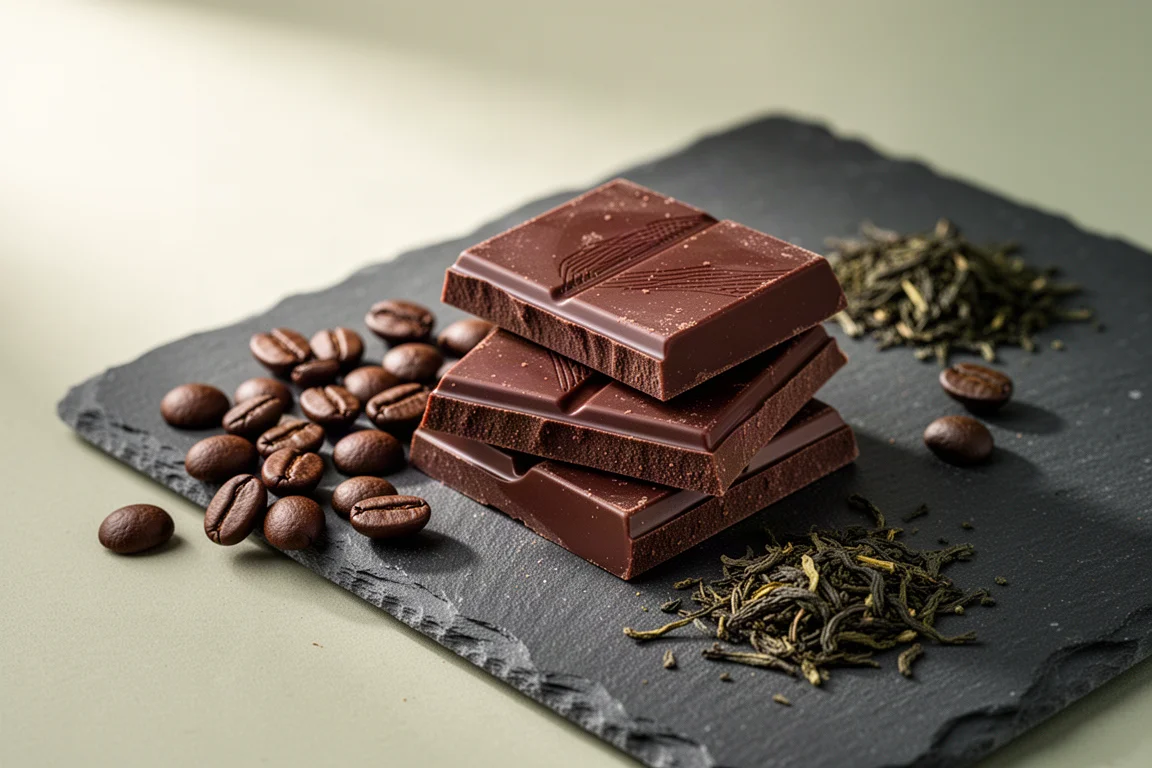
Koba makes small chocolate bars with caffeine built in. One bar delivers roughly the caffeine of one cup of coffee, which makes them useful on mornings when you cannot be bothered to fire up a stove. They come in four flavor profiles, including espresso, matcha, and chai.
Flavor is where opinions split. The espresso and chai bars are easy to like, with the chai carrying a warm spice note at the back of the throat. The matcha bar is far more divisive and tastes distinctly green, which will appeal to matcha drinkers and put off everyone else.
They are sold individually at about $2.30 per bar, and the company is new, having come through a retail incubator program aimed at emerging outdoor brands. That price is high next to a supermarket chocolate bar, so it only makes sense if you value the caffeine convenience.
MGO x Mazama Water Bottle
This bottle was developed as a collaboration and launched through pre-order with strong initial demand. The pitch is simple: it is lighter than a standard wide-mouth bottle while keeping a narrow, easy-to-grip profile.
Two details stand out. The cap uses a 28 mm thread, so it works with common water filtration setups, and the cap comes off completely for filling and cleaning. That solves the small but constant annoyance of carrying an extra adapter just to filter water on trail.

At $14.95 it is priced well below most premium bottles. The one thing missing is a tether for the cap, which is worth knowing if you are the sort of person who loses lids.
For backpackers who filter water as they go, the thread compatibility alone makes this worth a closer look.

Crotch Stove
The Crotch Stove is a body-worn warmer that you place in your trousers to heat food, priced at about $19. It has a small but loyal following, and it is the one item on this list that does not earn a recommendation.
A zip-top bag achieves much the same result for a fraction of the cost, without the discomfort. If you want warm food on a cold morning, a stove or an insulated pouch is a far better answer.
Pepper Wool Marino MM
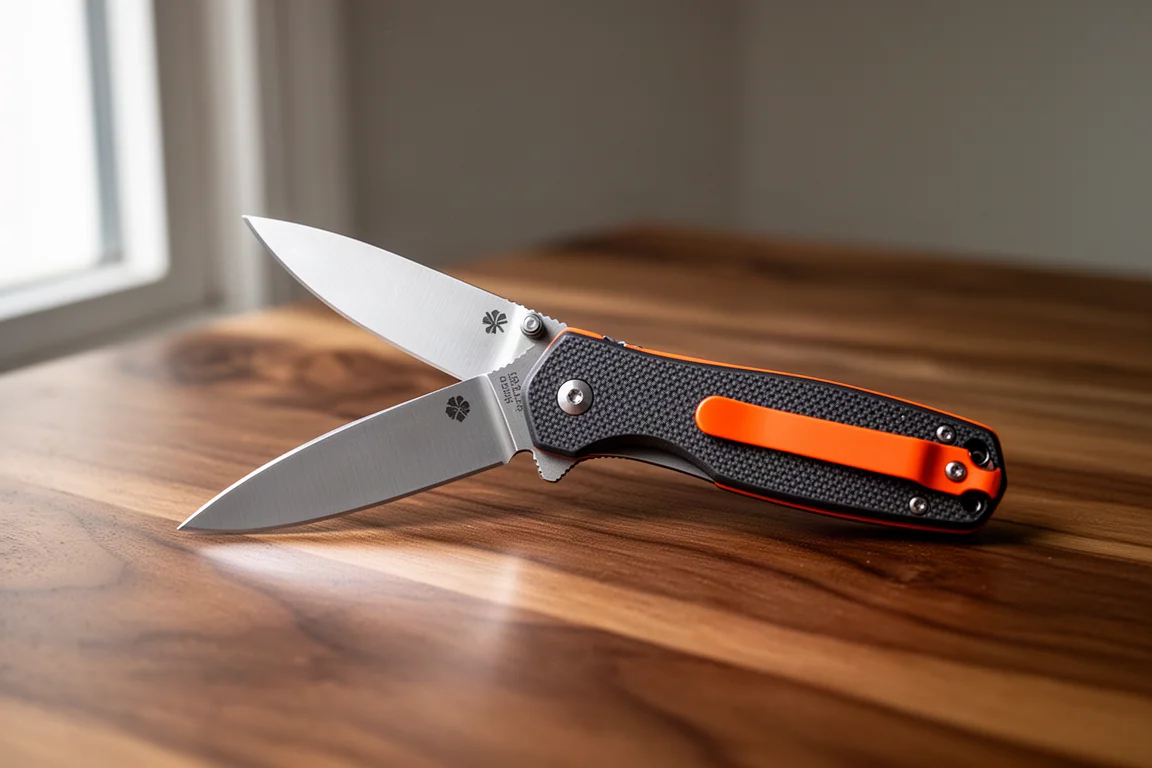
The Marino MM is a compact folding knife from a small maker. It has a flip lock, opens with a flipper tab rather than a thumb stud, and uses S35VN blade steel. At 1.6 ounces it sits at the lighter end of functional knives, and the near deep-carry pocket clip keeps it low in a pocket.
The bright handle colors are a practical choice for backpacking, since a dropped knife is far easier to spot on the ground.
At around $130 it is not cheap, and knife pricing is genuinely hard to judge without handling the blade. What you are paying for is the steel, the lock, and the low weight. For anyone who already carries a knife on every trip, that combination is reasonable.
Aarn Backpack
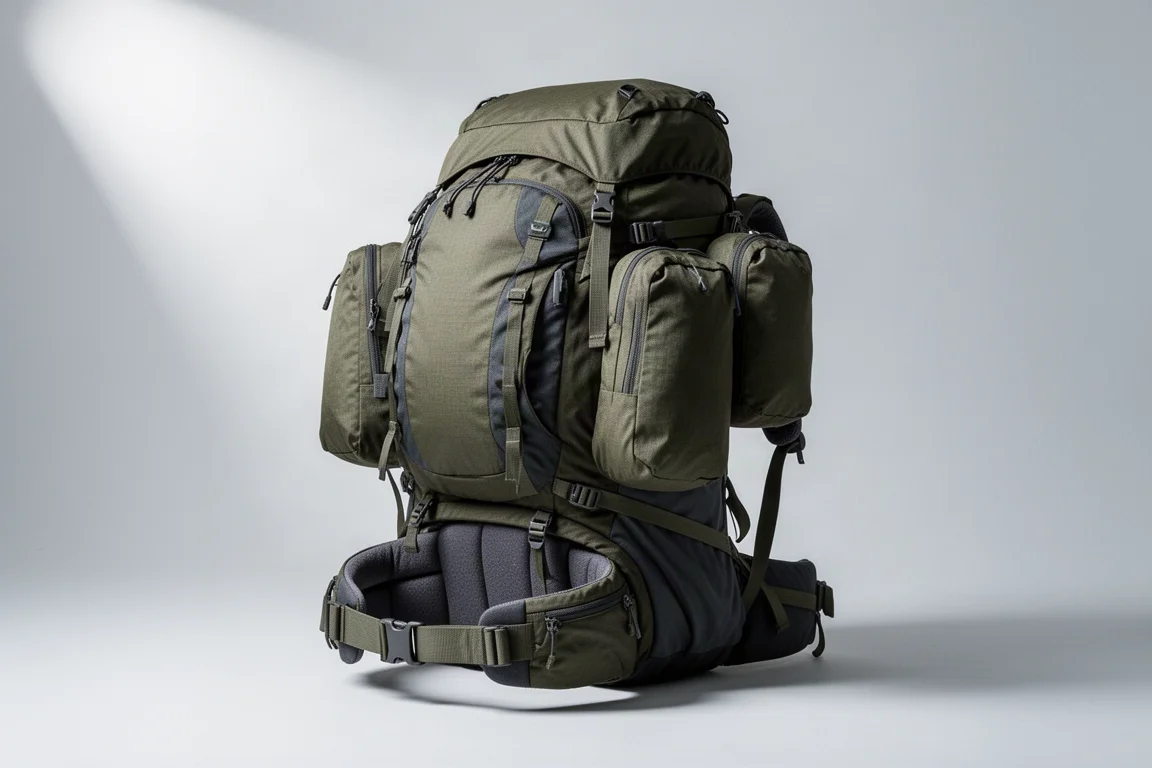
Aarn is a New Zealand brand making larger-volume packs, and the design is built around weight balancing. Two substantial pouches sit on the front of the shoulder straps, moving some of the load forward so the pack carries more evenly. The hip belt is unusual too, easy to put on and take off, with padding placed only where it is needed.
The front pouches are the most interesting part. They are large enough to hold snacks and the essentials you reach for constantly, which means you may not need a separate hip pack at all.
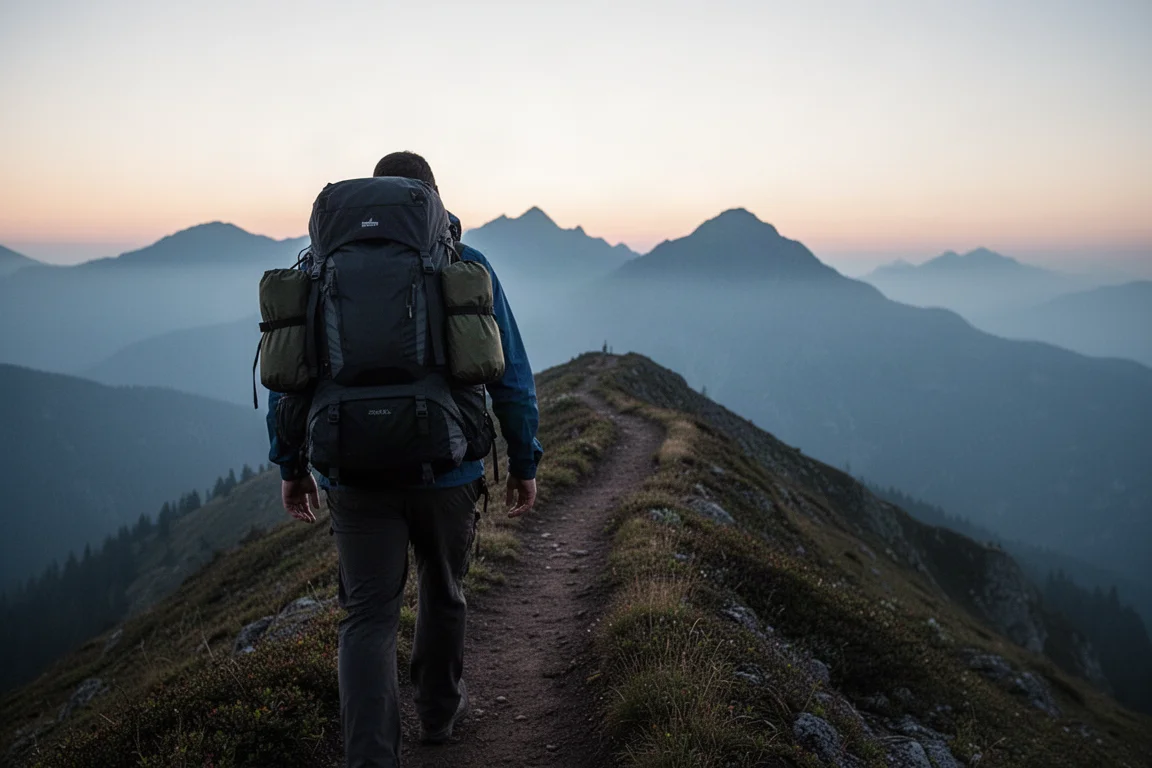
The pack weighs around 2 lb and is priced near $350, with several variations available. It feels and looks well made, and the honest caveat is that the weight-balancing concept is genuinely different. It may suit you enormously or not at all, so it is worth trying before committing.
Buying Advice
Match the item to the trip. Footwear and sleep systems are worth spending on because you use them every night and every mile, and the price per trip drops fast when the gear lasts. Accessories should be cheap, light, and obviously useful, which is why the lid holder, the bottle, and the pillow are easy calls.
Novelty items rarely survive a second trip. If a product’s main appeal is the joke, it probably will not earn pack space.
For gear built around a new idea, such as the weight-balancing pack, try before you commit. The concept is sound, but fit and personal preference decide whether it works for you.
Conclusion
Seven of these eight items are worth carrying. The shoes and the pack are the two bigger investments, and both come with a clear rationale: lighter feet, and a load that sits more evenly. The pillow, lid holder, bottle, chocolate bars, and knife are smaller purchases that solve specific, everyday problems on trail. The body-worn warmer is the exception, and a zip-top bag will do the same job for less.
Further reading
Related Reviews
Camping and Backpacking Gear
Five Standout Pieces of Camping and Backpacking Gear to Consider
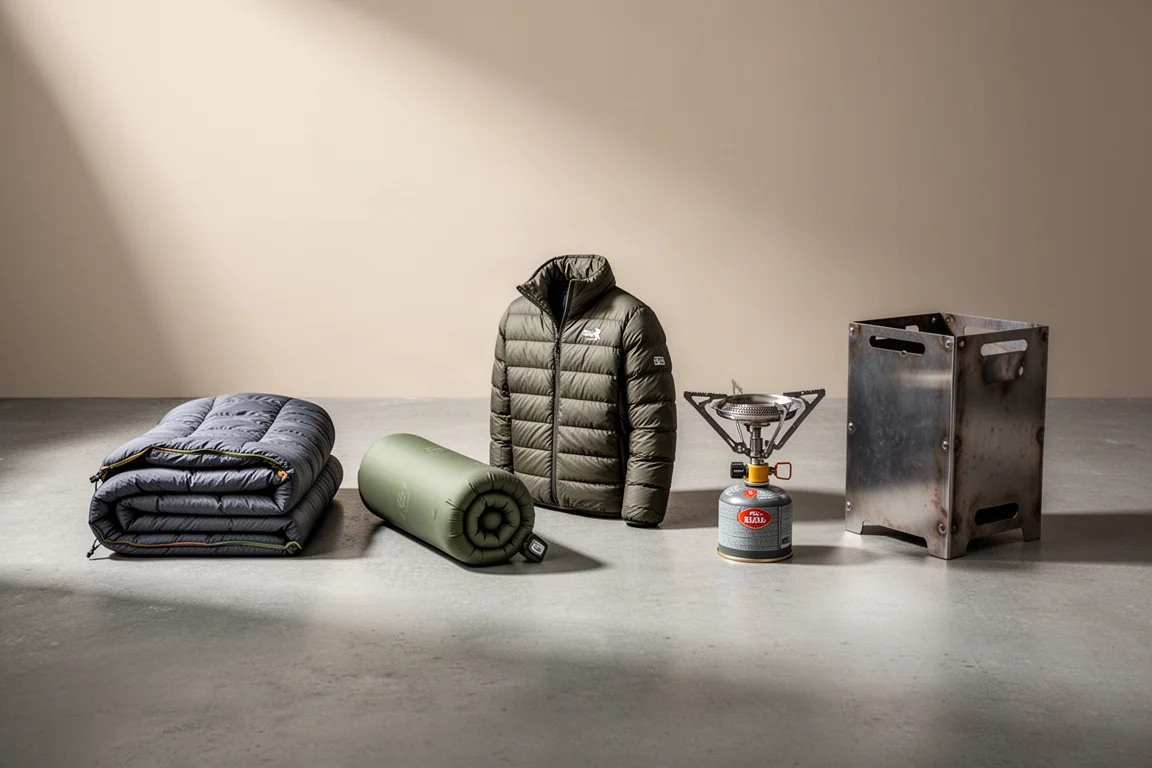
A modular sleep system, a three-season pad, a lightweight synthetic jacket, a wide-burner remote canister stove, and an ammo-can propane fire pit worth a closer look.
Camping and Backpacking Gear
REI Co-op Camping and Backpacking Gear: 7 Pieces Worth a Closer Look
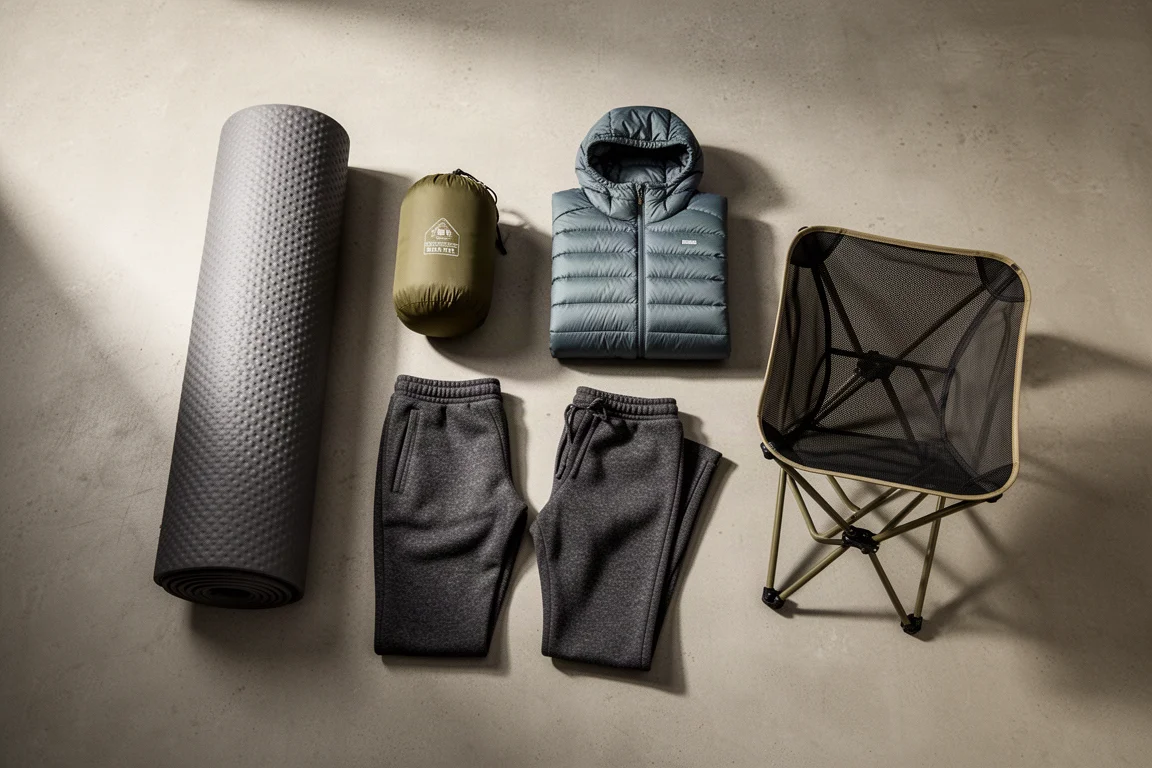
Seven REI Co-op pieces for camping and backpacking, with the weights, prices and trade-offs that decide whether each one is worth buying.
Camping and Backpacking Gear
Best Backpacking Gear Under $10: Nine Small Upgrades Worth Carrying
Nine lightweight backpacking accessories under $10 that solve small, real problems on the trail without adding meaningful weight.