Camping Pillows
Camp Pillows Compared: Which Are Worth Buying and Which to Skip
A practical comparison of six popular camp pillows, covering air stability, pad attachment, height, weight, packed size, and value.
Introduction
A camp pillow is one of those pieces of gear that seems optional until you spend a night without a decent one. A pillow that shifts under your head, kinks your neck, or slides off your sleeping pad can turn a good trip into a restless one. The opposite is also true: a pillow that holds its shape and stays where you put it makes a tent feel far more like a bed.
The category is wide, with inflatable, foam-filled, and hybrid designs spread across a broad range of prices and weights. Six popular models come up again and again, and they are not equally good. Two are worth approaching with caution, and four are genuinely worth buying. Here is how they compare, what each one does well, and who each one suits.
What Makes a Camp Pillow Comfortable
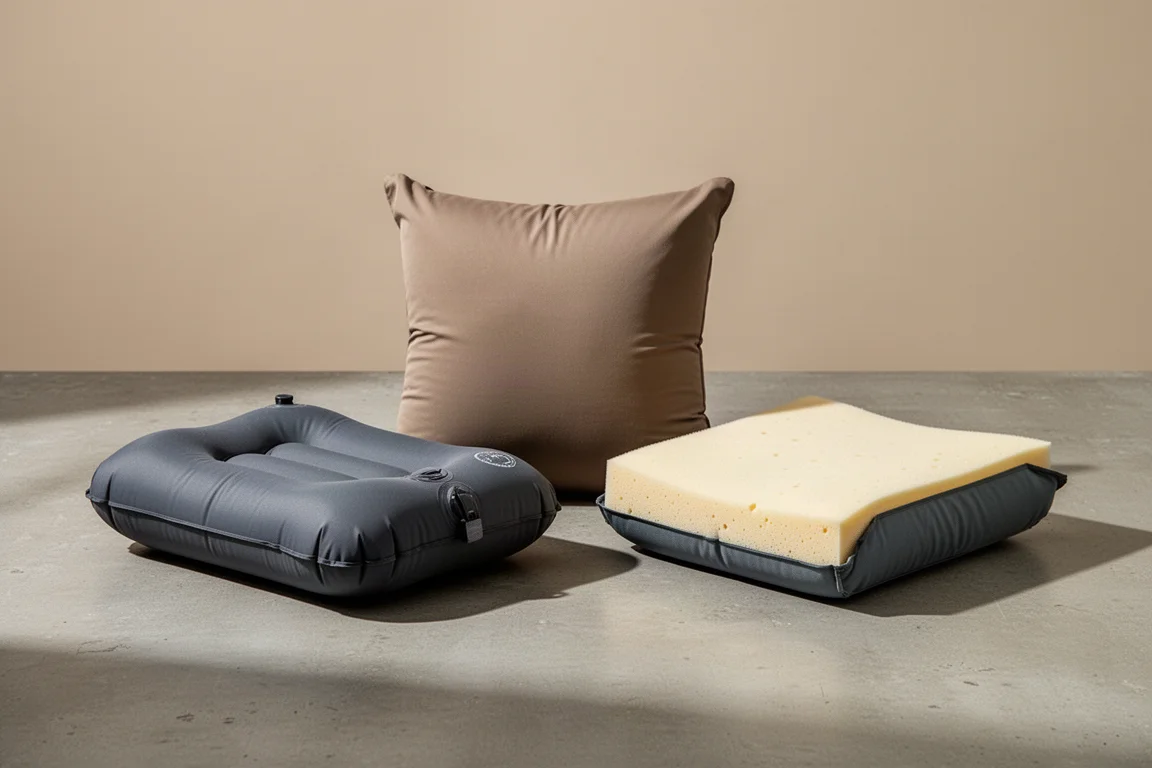
Comfort in a camp pillow comes down to a few physical details rather than brand names. The first is air stability. In many inflatable pillows the air inside moves as you turn, so the pillow feels like a balloon and your head never quite settles. Baffling, the internal walls that divide the air chamber, is what prevents that movement.
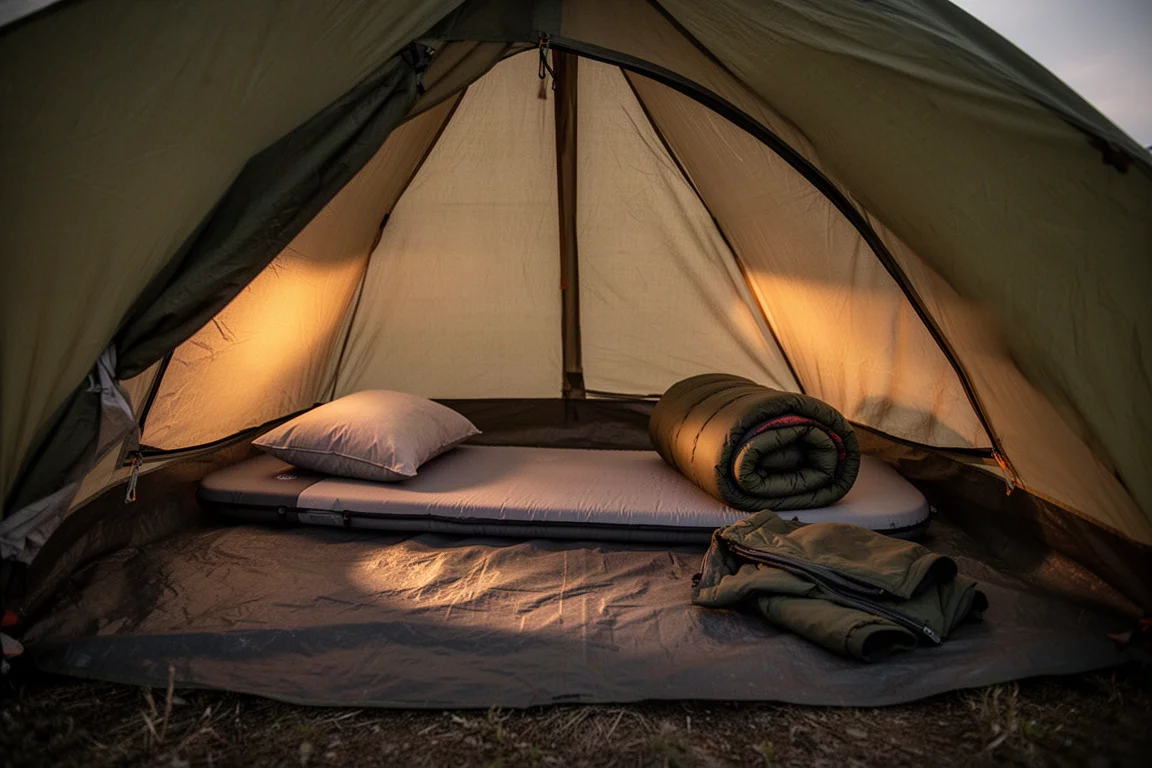
The second detail is attachment. A pillow that is not connected to a sleeping pad will drift away during the night as you roll over, which means you wake up chasing it. Manufacturers solve this in different ways: a strap that wraps around the pad, grip beads on the underside, or a hook-and-loop system bonded to the pad surface. A pillow with no attachment method at all is a pillow you will be repositioning.
Fill type matters too. Down compresses by design, so it loses much of its cushioning once your head rests on it, and down pillows tend to cost more than pillows made without it. Shredded foam designs feel comfortable at first, but the foam packs down under the weight of your head and can leave your neck at an awkward angle. Both types are also bulkier and heavier than a simple air pillow.
Height and valve design deserve a mention as well. Side sleepers need more distance between the pad and the top of the pillow to keep the neck straight, and a valve that does not seal while you close it forces you to keep blowing as you twist it shut.
Camp Pillows to Approach With Caution
Two widely available pillows fall into this group, and both have specific, identifiable issues rather than vague ones.
Klymit X Pillow
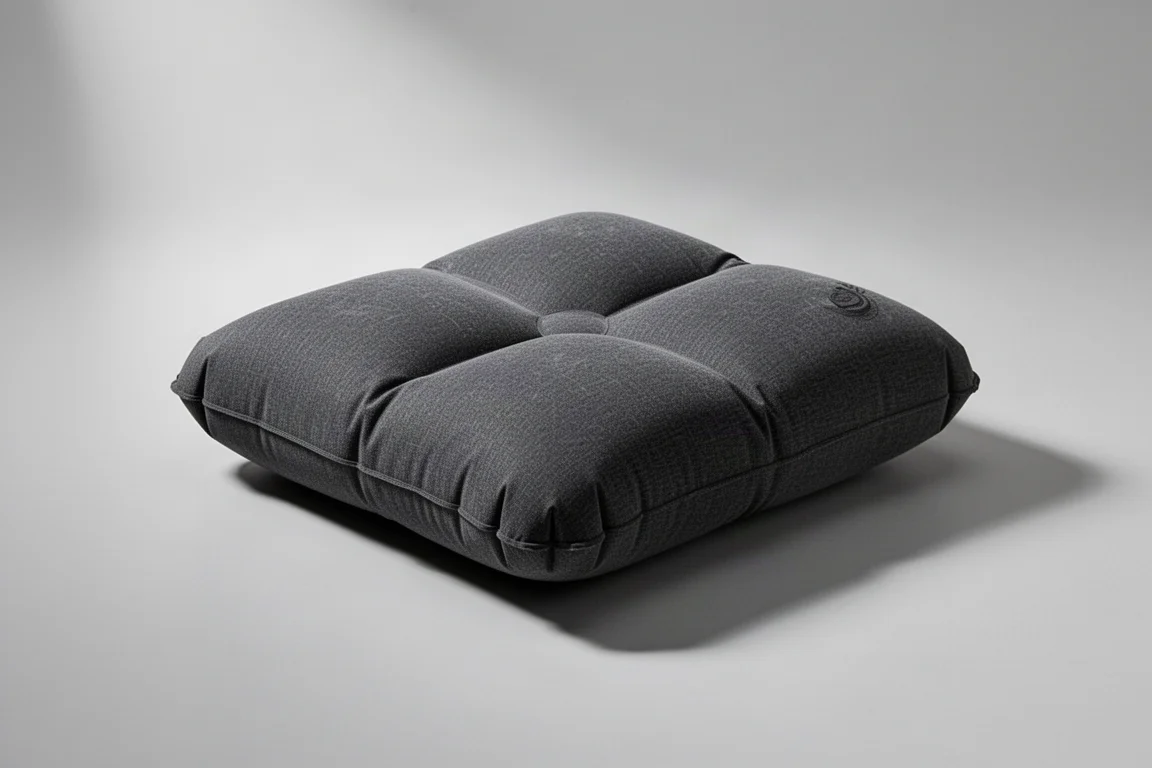
The X Pillow is the least comfortable option in this comparison. It feels noticeably balloon-like under the head, and the X-shaped channel in the middle creates pressure points around the ears and face. It may suit hammock users who need a small pillow in a confined space, but for sleeping on the ground it is hard to recommend.
Therm-a-Rest AirHead Pillow
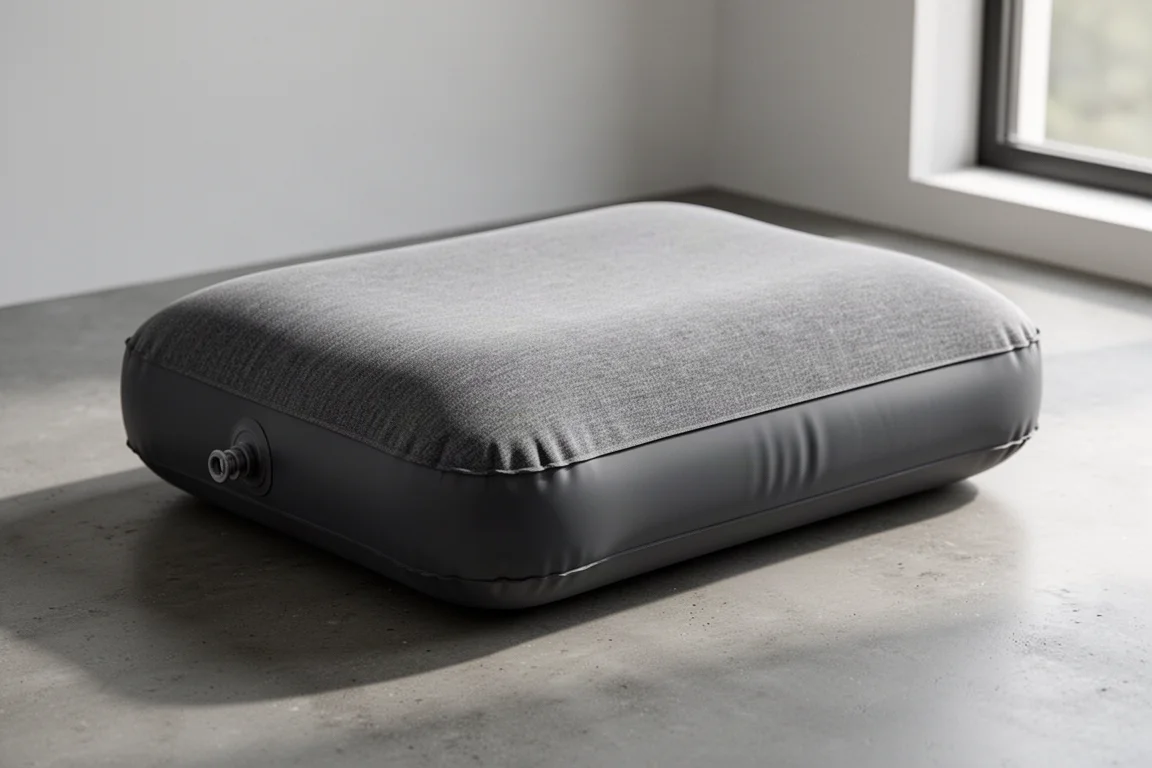
This line was once among the best pillow options available, but a redesign a few years ago made it less appealing. Three problems stand out. First, the air inside shifts as you move your head, so it feels like lying on a balloon. Second, there is no way to attach it to a sleeping pad, so it tends to wander during the night. Third, the inflation valve is the older twist style, which does not hold air while you close it, so you have to keep blowing as you seal it.
Camp Pillows Worth Buying
These four cover a range of priorities: low weight, high loft, maximum cushioning, and low cost. Each one also solves the attachment problem in its own way.
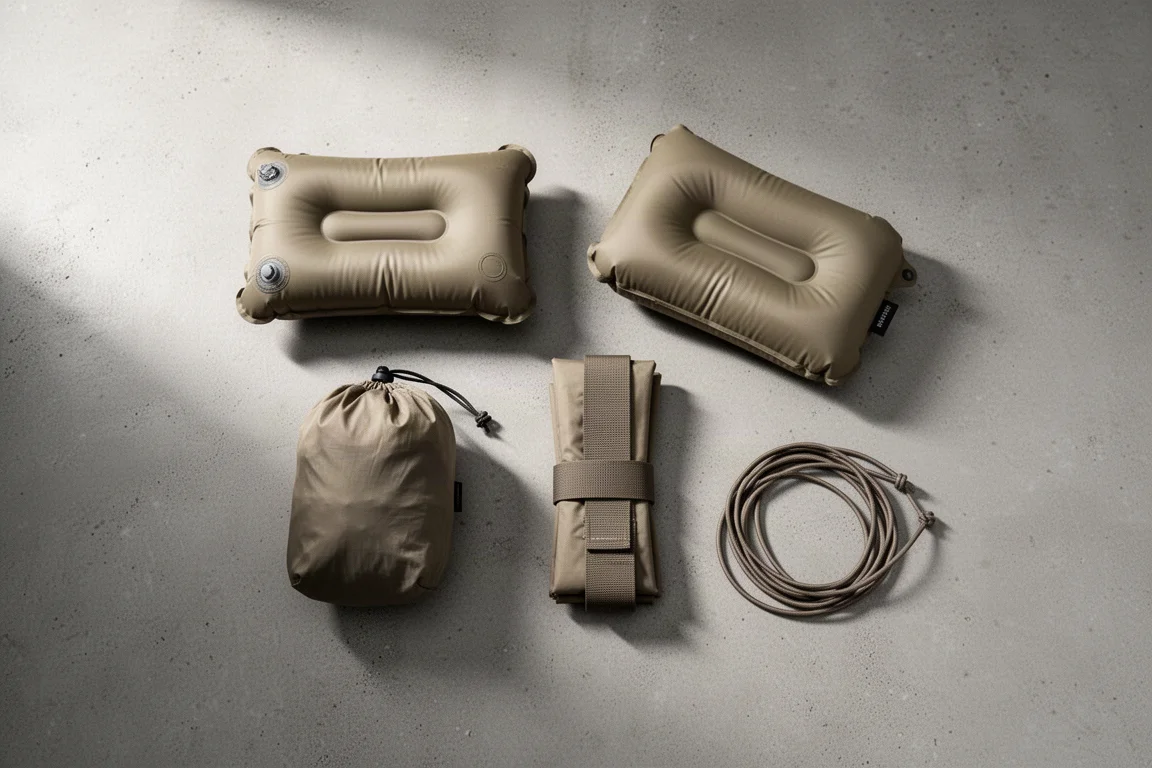
Which one is right for you depends less on picking an overall winner and more on how you sleep and how much weight you are willing to carry.
Trekology 2.0 Pillow
The Trekology 2.0 is the strongest all-round option here. It attaches to a sleeping pad with a strap that wraps around the pad, and grip beads on the underside reduce sliding further. Its baffling is excellent, so the air stays put and the pillow supports your head without the balloon feel. The fabric is soft with a slight stretch, and the height is generous enough for most sleepers. It costs about $20 and weighs under 100 grams, making it one of the lightest and most affordable pillows in this group.
Sea to Summit Aeros Premium Pillow
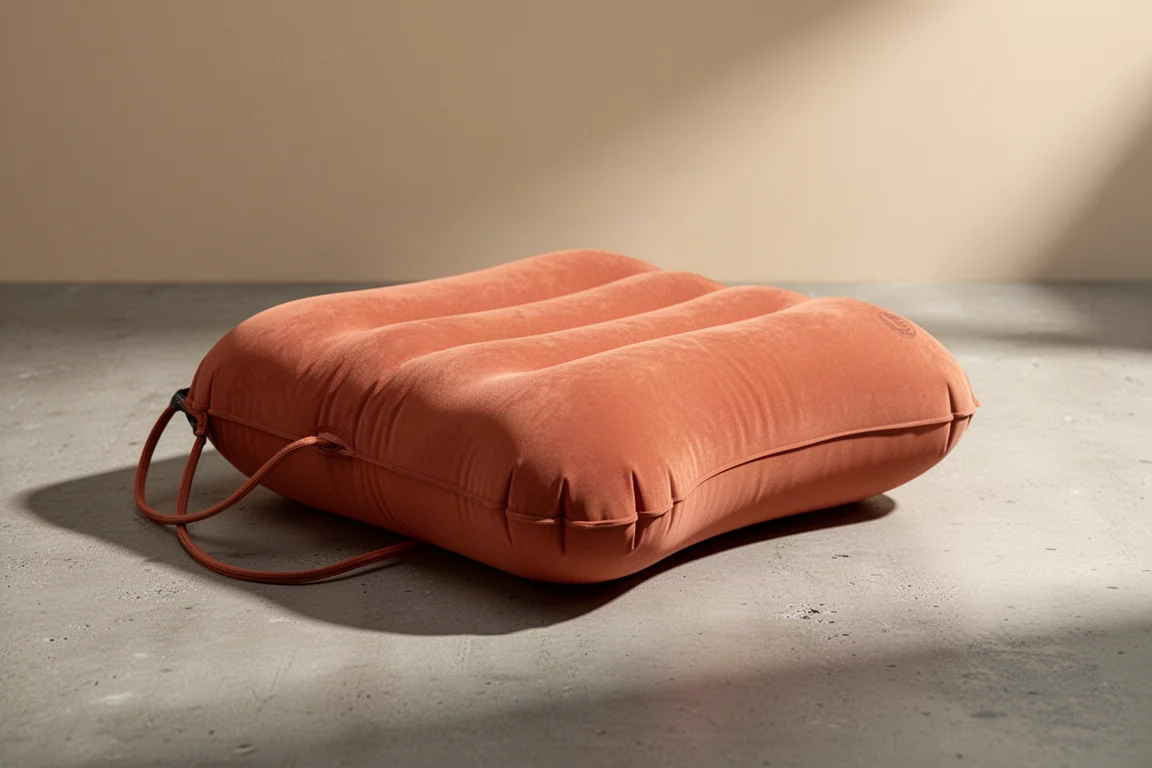
The Aeros Premium is the tallest pillow here at four inches, which makes it a good match for side sleepers or anyone with broader shoulders who wants more support under the head. It has a soft surface with a thin layer of foam insulation on top for extra comfort. The catch is attachment: it relies on the Sea to Summit pad strap system, hook-and-loop strips that you fix to your sleeping pad so the pillow material sticks to them. That system only comes with a Sea to Summit sleeping pad such as the Ether Light XT, so the pillow works best as part of that setup. At $43 it is not cheap, but it is light at 72 grams.
NEMO Fillo Pillow
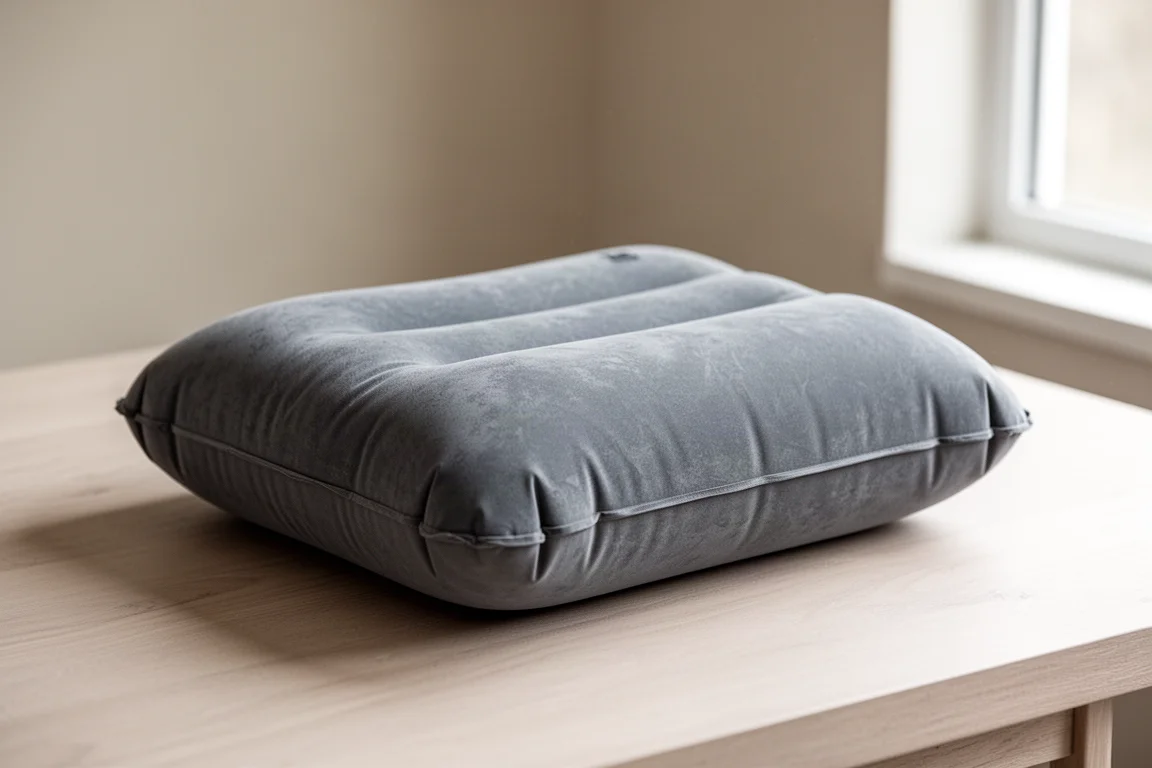
If comfort matters more than weight or packed size, the Fillo is the most comfortable pillow in this comparison. It uses a memory foam topper roughly one and a half to two inches thick, and lying on it feels closer to a home pillow than anything else here. The trade-off is bulk: it weighs over 250 grams and takes up considerably more space in a pack. Height is good at 3.75 inches. It does not ship with a pad strap, but it has loops on one side and a label on the other that let you thread a piece of shock cord to create your own, which makes it usable on a sleeping pad.
Hikenture Camping Pillow
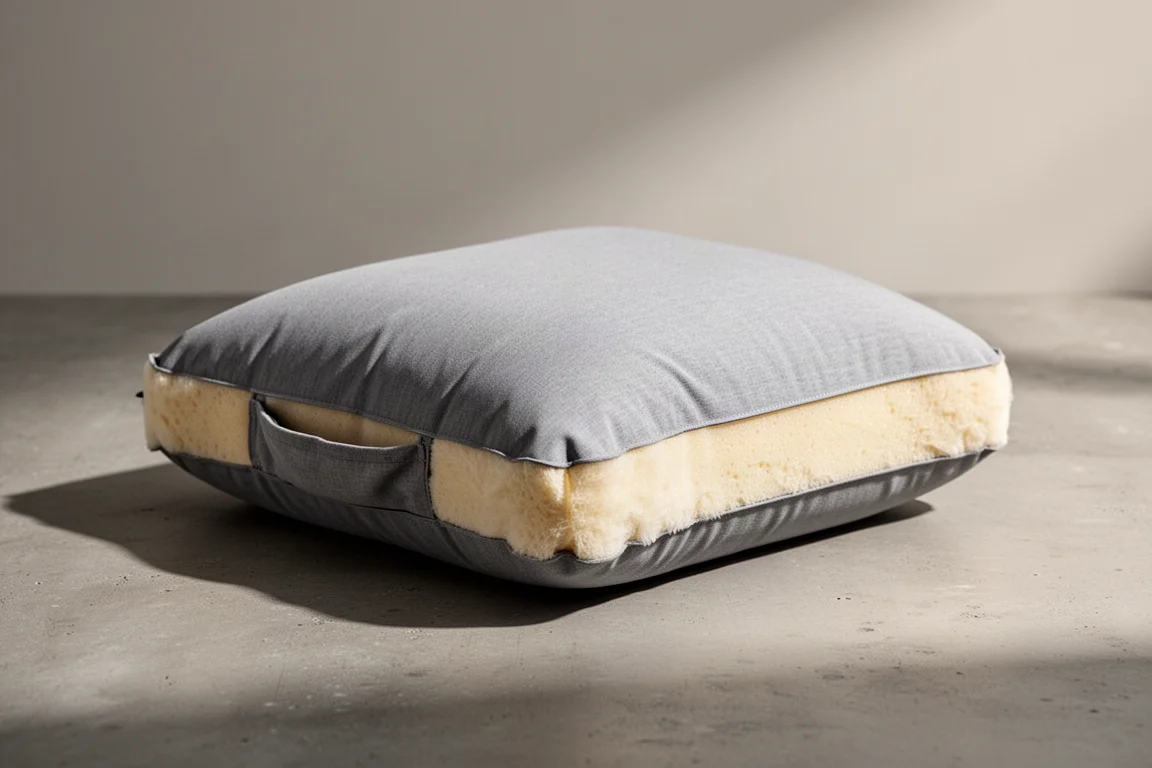
The Hikenture is the other budget option at around $20, and it includes a few extras that the Trekology does not. It has a removable, washable pillowcase and a layer of foam insulation on top for warmth and a little extra cushioning. Baffling is good, though not quite as effective as the Trekology’s, and it sits a little taller, which helps if the Trekology feels too low. The pillowcase adds weight, bringing it to 147 grams, which is still light enough for most trips.
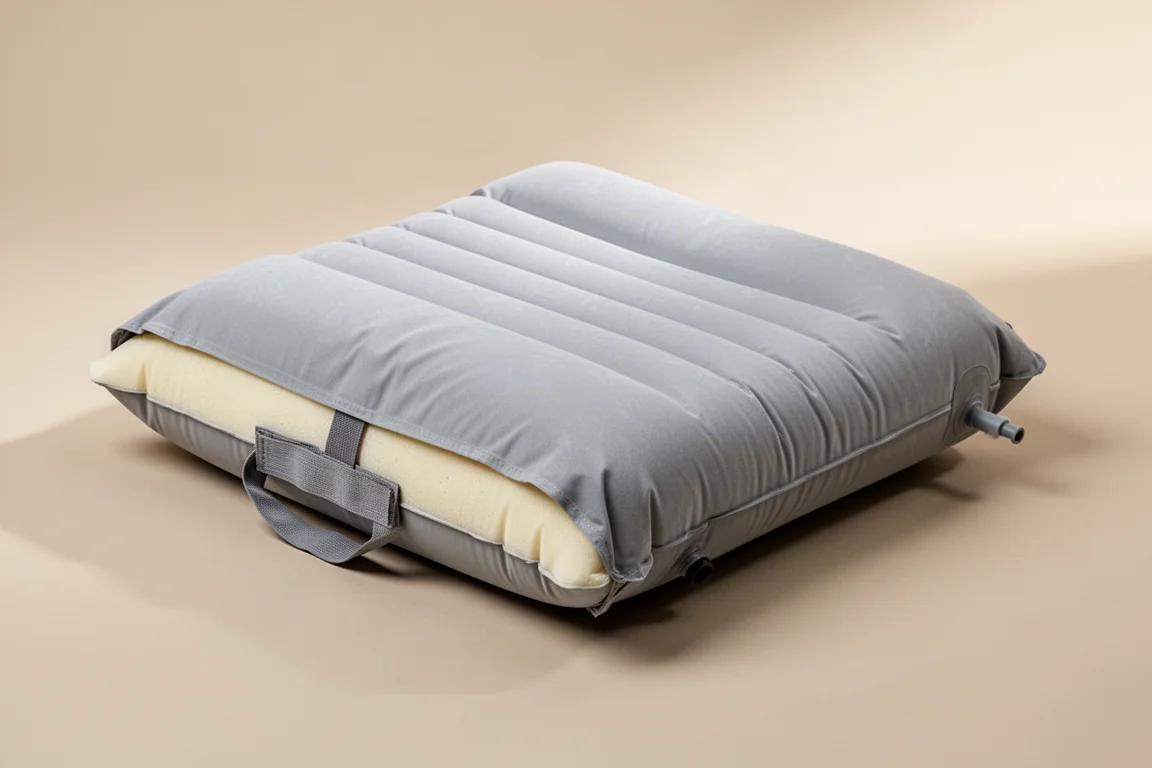
Matching a Camp Pillow to How You Sleep
Side sleepers should prioritize height. A taller pillow keeps the neck in a neutral line, which is why the Aeros Premium and the Hikenture are worth a closer look if you sleep on your side. Back sleepers can usually get away with a lower profile and will find the Trekology comfortable as it comes.
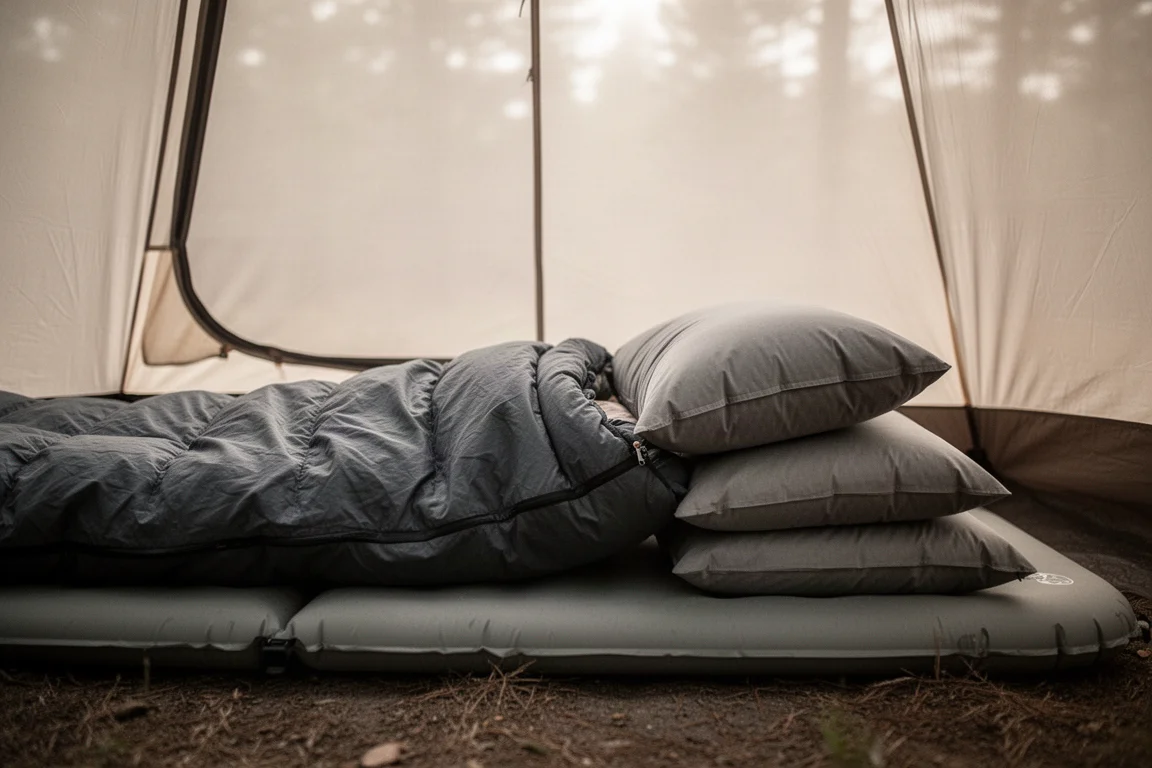
Weight and packed size matter most for backpackers. The Trekology at under 100 grams and the Aeros Premium at 72 grams are the lightest options here, while the NEMO Fillo is better suited to car camping or short trips where a heavier pack is not a problem.
Attachment should be treated as a requirement rather than a nice-to-have. If your pillow is not fixed to the pad, you will spend the night adjusting it. Check that whatever you buy either includes a pad strap, has grip material on the underside, or can be adapted with a cord.
Weight, Packed Size, and Value
The two budget pillows sit at roughly $20, and both include a pad strap, which makes them strong value. The Aeros Premium costs $43 and is the lightest at 72 grams, though it depends on a compatible sleeping pad system to stay in place. The NEMO Fillo is the heaviest and bulkiest at over 250 grams, and it is the one to choose when sleeping comfort outweighs every other consideration.
A useful way to decide is to weigh those three factors against your trip type. Overnight backpacking favors low weight and secure attachment. Car camping and basecamp trips favor cushioning and height, where the extra grams do not matter. Once you know which of those two profiles fits you, the shortlist usually narrows to one or two options.
Conclusion
The Klymit X Pillow and the Therm-a-Rest AirHead both struggle with the same fundamentals: air that shifts under the head and no way to keep the pillow on the pad. The Trekology 2.0 and the Hikenture deliver stable support and pad attachment at around $20, the Sea to Summit Aeros Premium adds height and a very low weight for side sleepers already using a compatible pad, and the NEMO Fillo is the comfort pick for anyone who does not need to travel light.
Further reading
Related Reviews
Camping Pillows
Best Camping and Backpacking Pillows 2026: Five Inflatable Options Compared
Five inflatable camping pillows compared by width, cushioning, weight, height, warmth, and pad attachment, so you can choose the one that matches how you sleep outdoors.
Camping Pillows
Teton Sports Camp Pillow Review: Comfort and Value for Car Campers
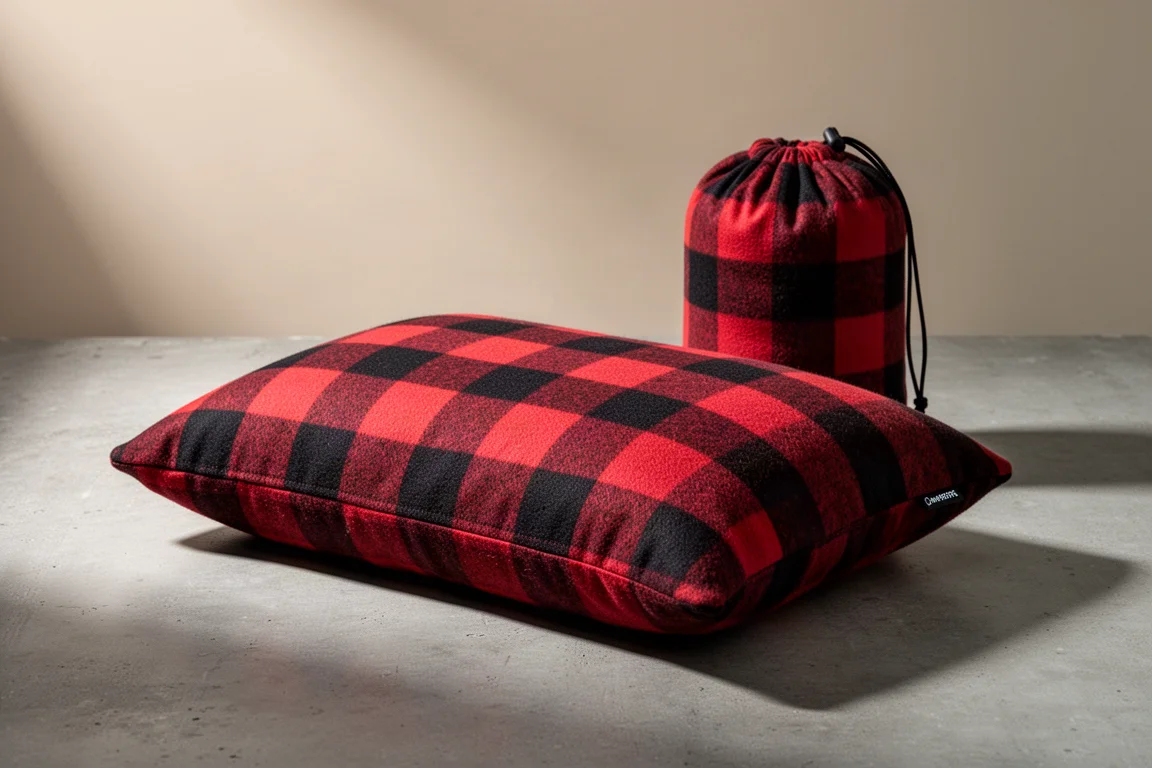
An affordable camping pillow with a soft flannel cover, a compressible fill, and a lifetime warranty, plus one clear trade-off to weigh before buying.

Backpacking Gear
Building a 10 lb Base Weight: An Ultralight Backpacking Gear List
A practical walkthrough of the ultralight pieces behind a 10 lb base weight, from a 765 g pack and a roomy one-person tent to a full camp chair and a dependable water filter.