Camping Pillows
Best Camping and Backpacking Pillows 2026: Five Inflatable Options Compared
Five inflatable camping pillows compared by width, cushioning, weight, height, warmth, and pad attachment, so you can choose the one that matches how you sleep outdoors.
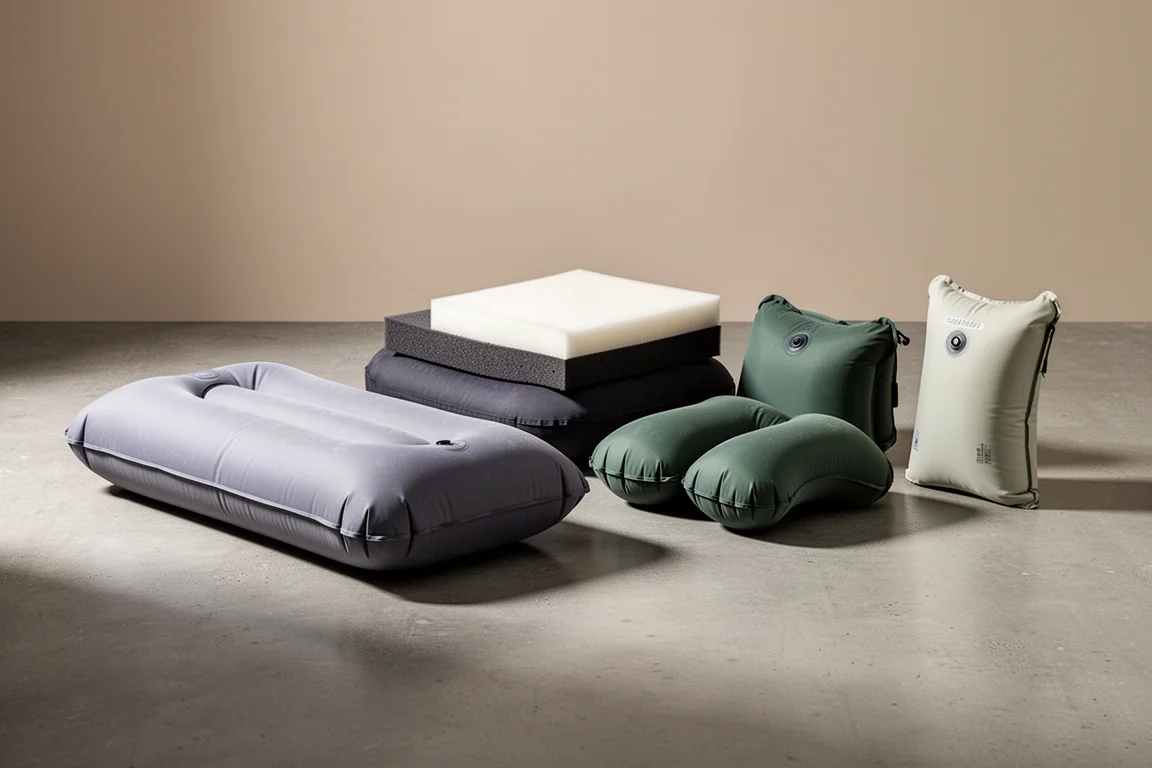
Introduction
A pillow is one of the most overlooked pieces of camp sleep gear. Once you have a modern inflatable sleeping pad and you are warm enough, a good pillow is often the difference between a restless night and sleeping well in the backcountry. It keeps your head supported, your neck aligned, and your face off a cold pad surface.
This guide covers five inflatable pillows that have been used across multiple seasons of camping and backpacking. Each one solves a slightly different problem, whether that is width, cushioning, weight, warmth, or height. All five rely on internal support baffling, so none of them feel like you are resting your head on a balloon.
What to Look For in a Camping Pillow
The single most useful feature on any camping pillow is a way to attach it to your sleeping pad. A pad strap locks the pillow in place so you are not chasing it around the tent as you toss and turn. The pillows here use shock cord loops, built-in straps, grip beads, or a velcro-based lock system to achieve the same result.
Height matters as much as attachment. A pillow that is too thin can put a kink in your neck, and even back sleepers tend to be more comfortable with at least 3.5 inches of loft. Pillows measuring 3 inches or less have proven noticeably less comfortable in practice. A curved bottom also helps, because it lets the pillow slot around your shoulder and neck instead of sitting flat underneath them.
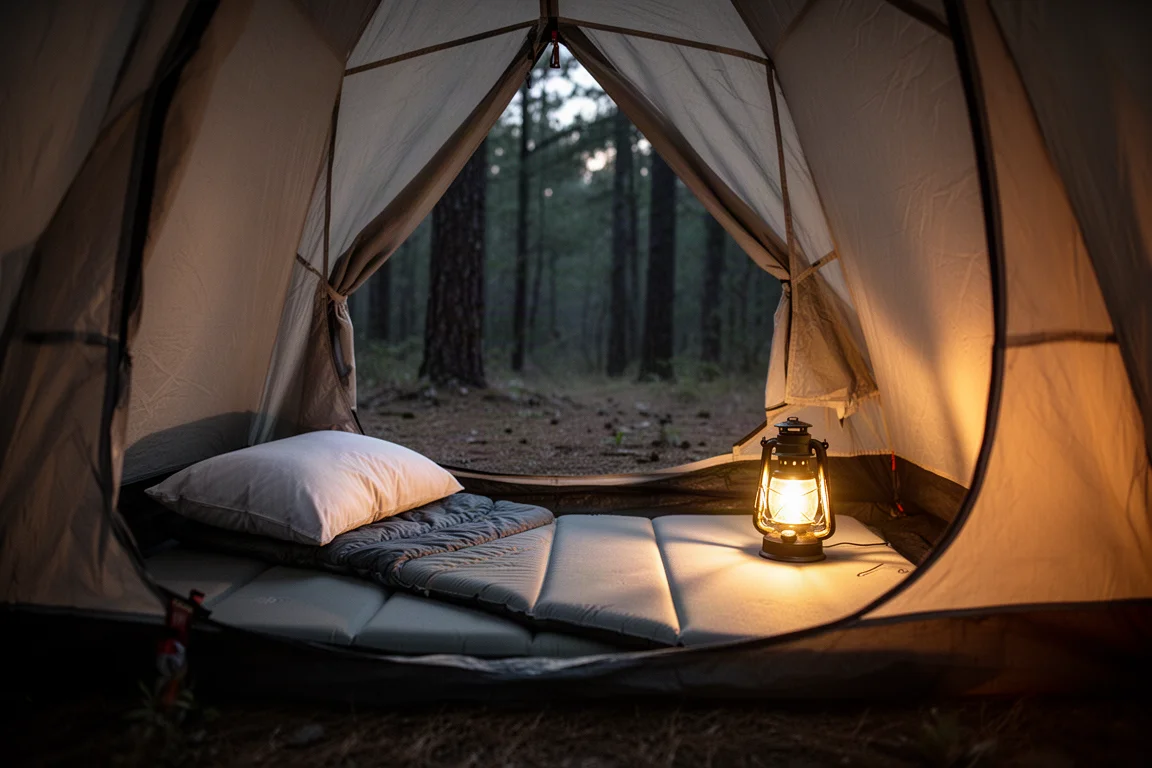
Valve design is easy to overlook until you are inflating a pillow at the end of a long day. A dual valve that separates inflation from deflation is the fastest and most convenient option, while push valves are workable but less pleasant. Finally, consider warmth. A foam topper, a quilted cover, or an insulated pillowcase adds comfort that matters when overnight temperatures drop below freezing.
Best for Wide Sleeping Pads: Exped Mega Pillow
The Exped Mega Pillow is defined by its width. It spans an entire 25 inch wide sleeping pad, which makes it the closest thing here to the full size pillow you use at home. If you sleep on your side and want room to shift position without sliding off the edge, that extra surface area is genuinely useful.
Loops on both sides let you run a piece of shock cord through and create a pad strap, which keeps the pillow anchored through the night. Internal baffling gives it structure rather than a rounded balloon shape, and the soft pillowcase is removable for washing, with velcro around the valve holding it in place.
The trade-offs are weight and the valve. This is not a light pillow, and its valve is the least refined of the five here, which makes inflation and deflation slower than it needs to be. For car camping and shorter trips where packed weight matters less, the comfort is worth it.
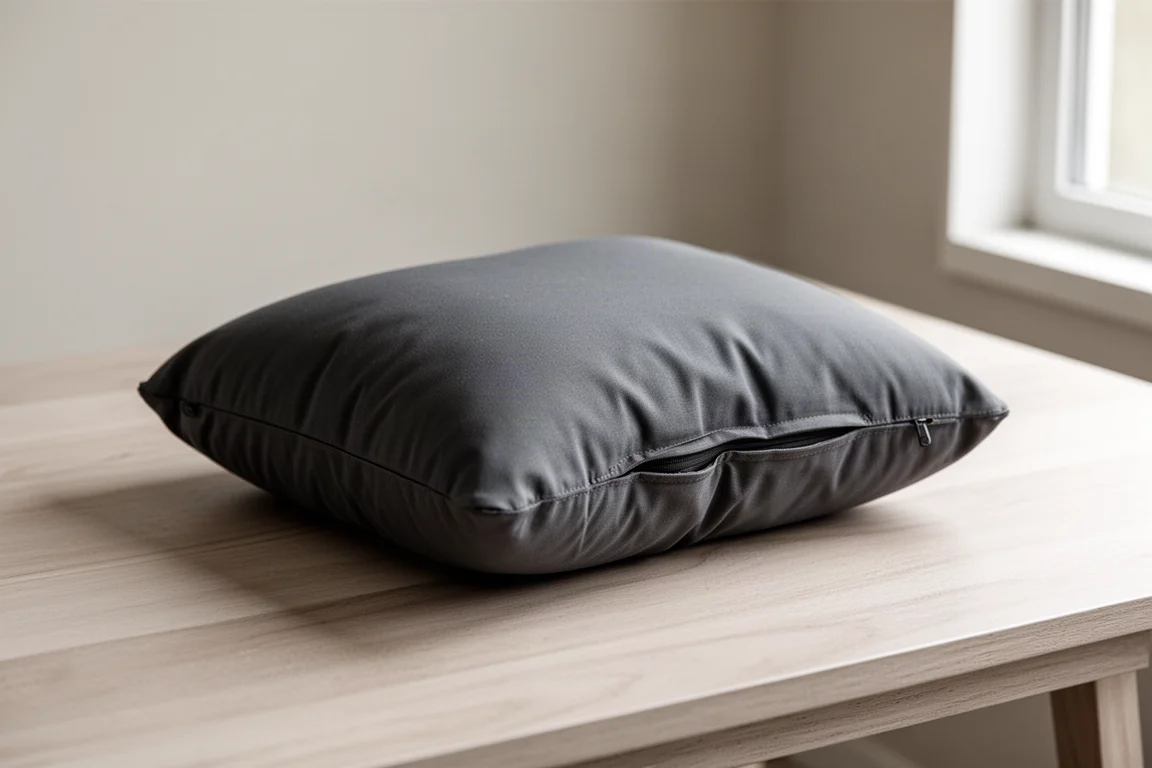
Best Cushioned Feel: NEMO Fillo Pillow
If you want the softest surface in this group, the NEMO Fillo Pillow is the one to look at. A memory foam topper roughly 2 to 3 inches thick sits on top of the inflatable body, so it feels closer to a compressible pillow than to a typical air pillow. That is the main appeal, because compressible pillows are bulkier and heavier, and this delivers a similar cushioned feel in a more packable format.
Loops on both sides accept a pad strap, so it stays put on the sleeping pad. The bottom is squared off rather than curved, which is a small compromise for anyone who likes the pillow to wrap around the shoulder or neck.
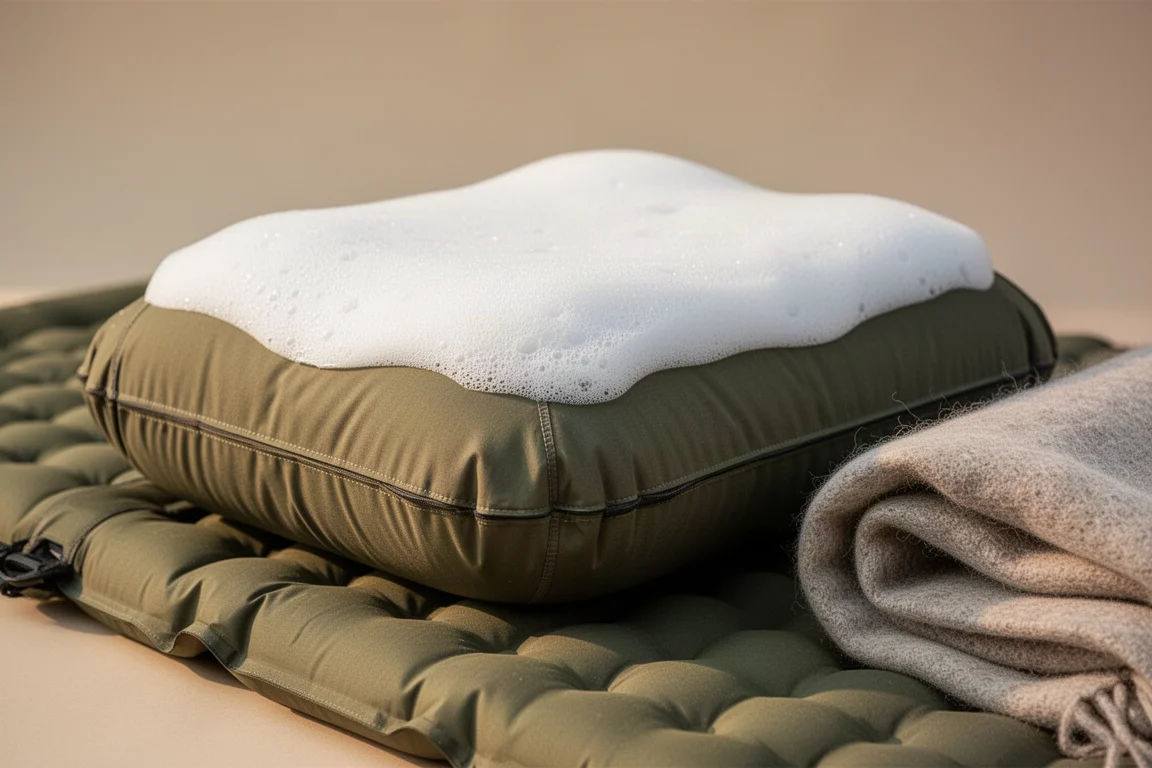
Two practical notes. The push valve works, but it is not as quick as the dual valve design found elsewhere in this guide, and at 254 g this is the heaviest pillow here, close to the weight of some compressible pillows.
The Fillo suits campers who prioritize comfort and do not mind carrying a little more weight to get it.
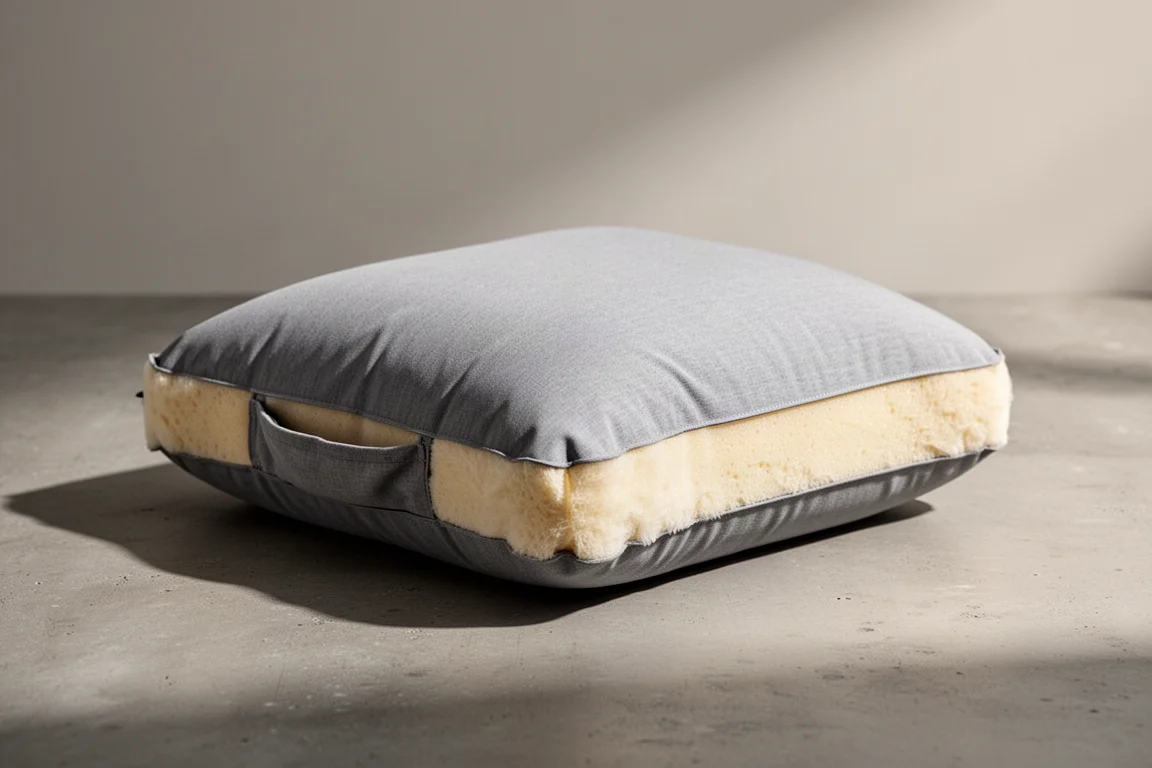
Best Lightweight Value: Trekology 2.0 Pillow
The Trekology 2.0 Pillow has been a long-standing favorite for trips where every gram counts. It weighs 90 g and costs around $20, and it was an early example of a pillow with a pad strap, a feature that has since become non-negotiable for anyone who moves around in their sleep.
The curved bottom is ergonomic around the shoulder and neck, and the fabric has a soft, slightly squishy feel rather than a slick plastic texture. Small beads on the underside help it grip the sleeping pad, and the valve is good for its class.
The main limitation is warmth. There is no foam topper and no insulated cover, so this pillow can feel cold in sub-freezing conditions. It is best treated as a three-season option.
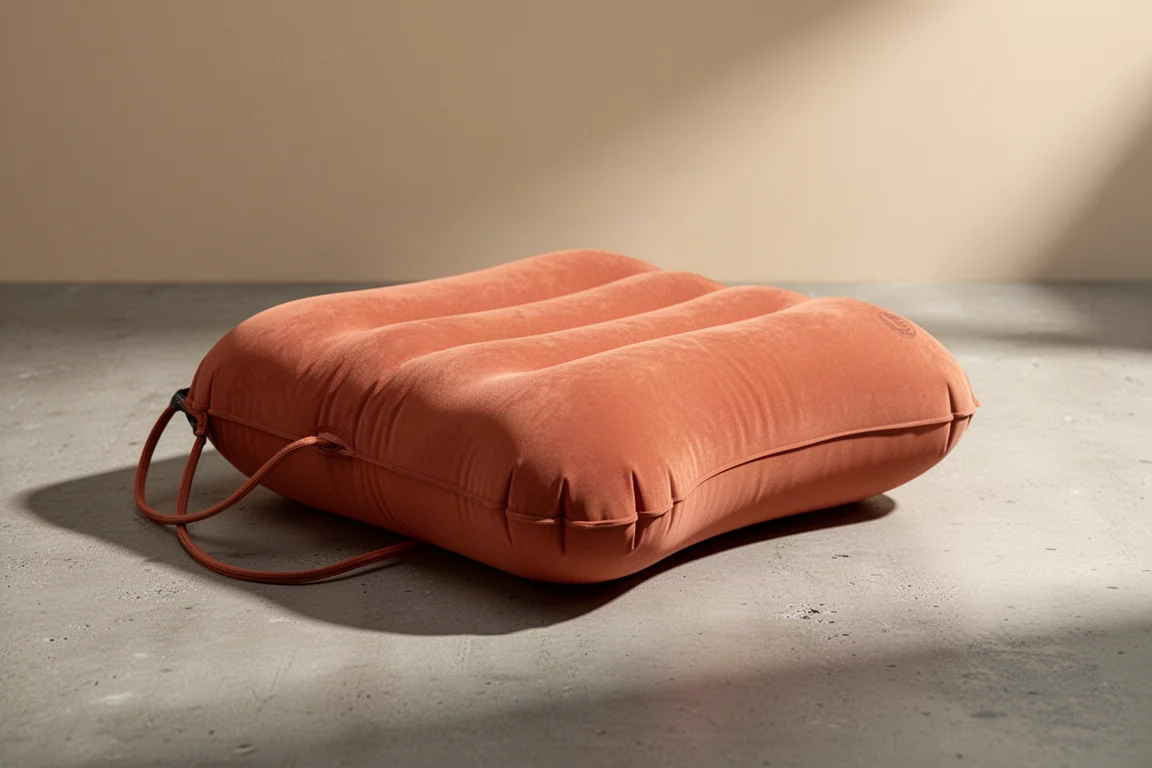
Best Budget Four-Season Option: Hikenture Pillow
The Hikenture Pillow fills the cold-weather gap left by the Trekology 2.0. A quilted pillowcase with a layer of insulation sits on top, so it stays warmer when temperatures drop below freezing, and the cover is removable for washing.
It also includes a built-in pad strap, the same valve used on the Trekology 2.0, and a curved bottom for shoulder and neck comfort. At around $20, it is one of the most affordable four-season pillows available.
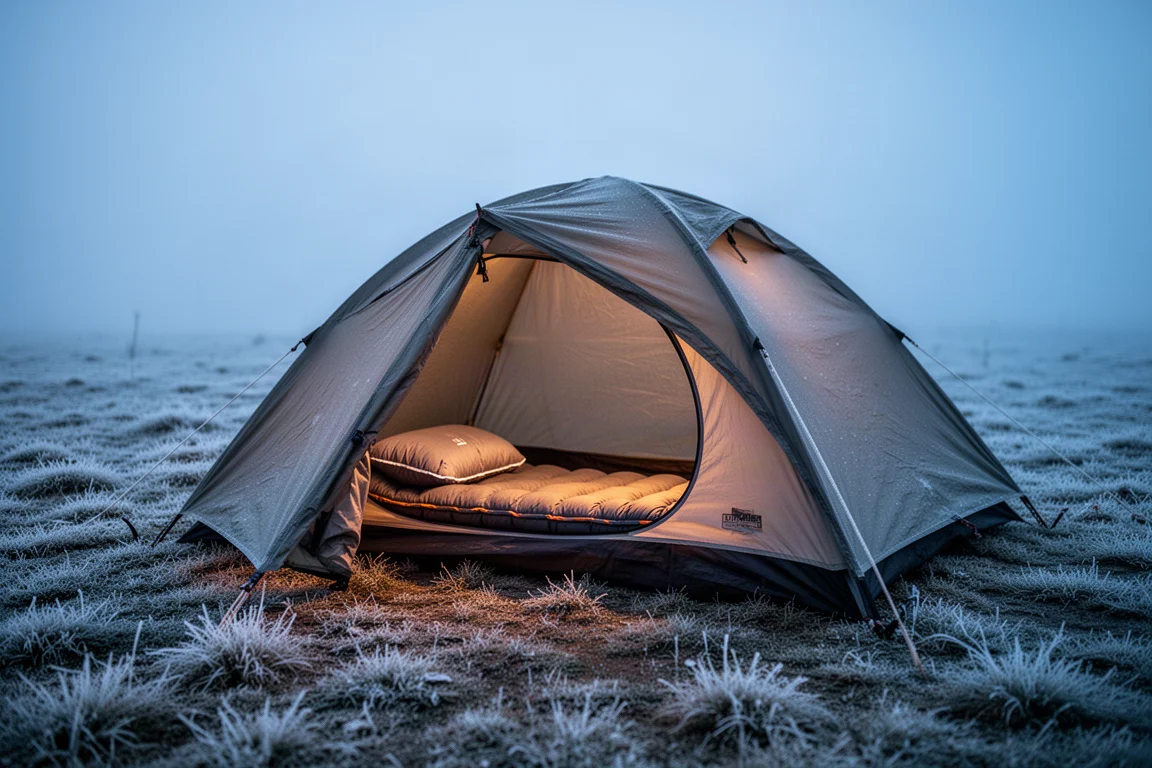
The trade-off is a small amount of stability. Because the pillowcase is a separate layer, the pillow can slide a little on smoother, slicker sleeping pads. It also weighs 147 g, noticeably more than the Trekology 2.0, which is the cost of that extra insulation.
If warmth and price matter more than weight, this is the more sensible pick.
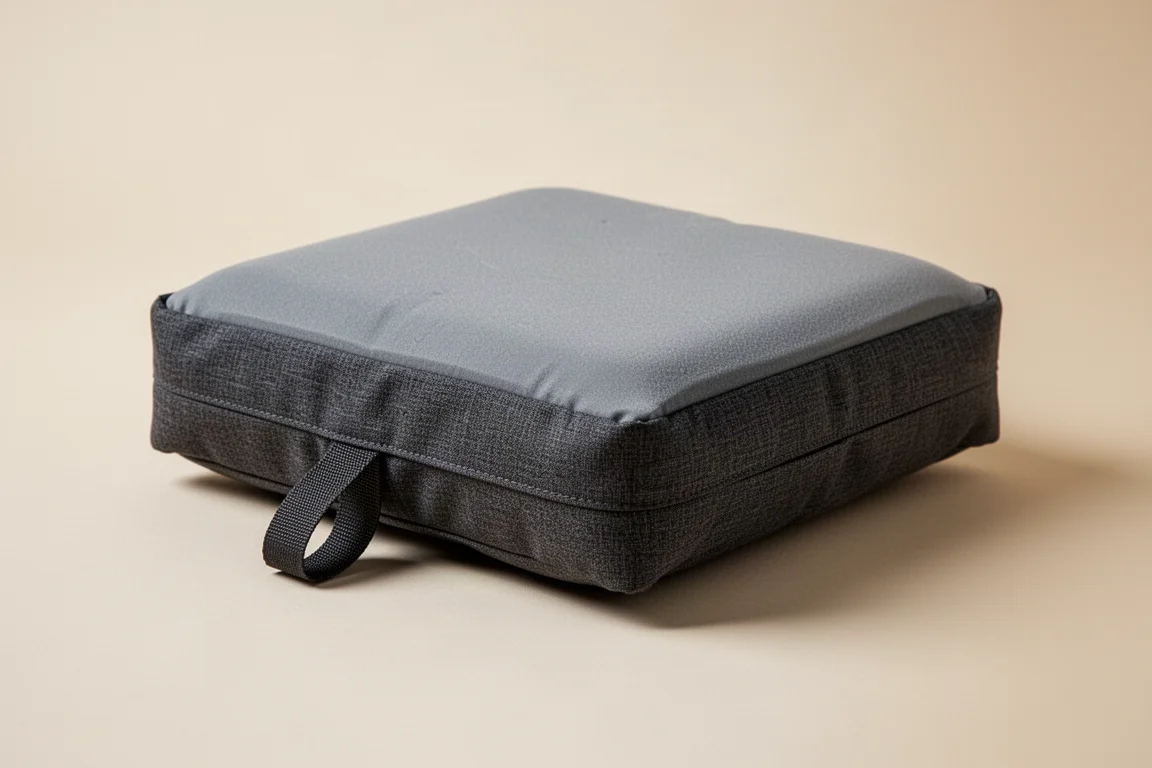
Lightest and Tallest: Sea to Summit Aeros Premium Pillow
The Sea to Summit Aeros Premium Pillow looks minimal, almost like an inflated bladder with a cover, and at first glance it seems like the least comfortable option here. In practice it earns its place for several reasons.
It weighs 72 g, making it the lightest pillow in this guide, and it is also the tallest at just over 4 inches, which is well above the minimum loft that keeps a neck aligned. The pillowcase is soft and lightly insulated, so it works across seasons, and the bottom is curved for shoulder and neck ergonomics.
Attachment works differently here. There is no pad strap, but the Sea to Summit Pillow Lock system uses velcro strips applied to the sleeping pad and a loop surface on the pillowcase, which holds the pillow firmly in place. The strips ship with Sea to Summit sleeping pads, and the brand has said that customers can email to request strips for use with other pads, with the caveat that the system will not work with every pad on the market.
The dual valve is the best in this group. One side opens for inflation and a separate flap opens for rapid deflation, which makes setup and pack-down quick. The regular size may feel small for some sleepers, and larger sizes are available at a weight penalty.
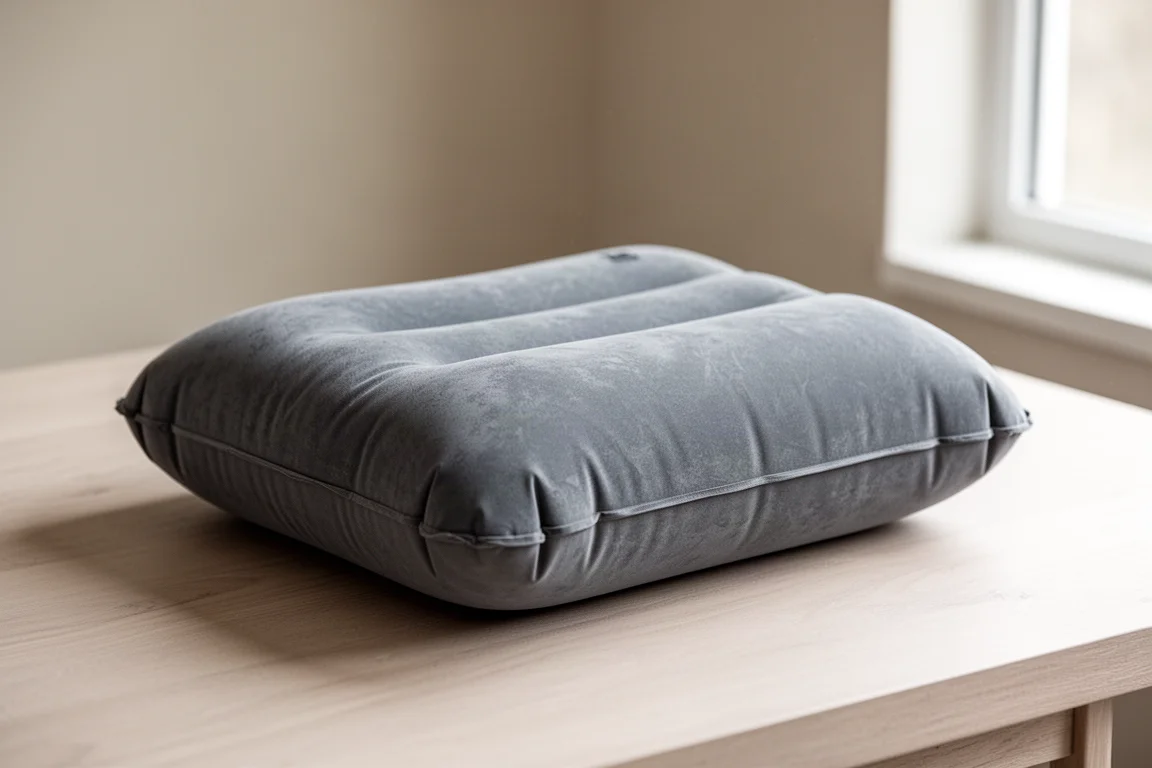
Buying Advice: Matching a Pillow to How You Sleep
The right choice depends on which compromise you would rather make.
If comfort and width come first, the Exped Mega Pillow gives you the closest thing to a home pillow, at the cost of weight and a slower valve. If you want a cushioned, foam-topped surface and can carry 254 g, the NEMO Fillo Pillow is the softest option here.
For lightweight three-season trips, the Trekology 2.0 Pillow is hard to beat at 90 g and around $20. If you camp in freezing conditions on a budget, the Hikenture Pillow adds insulation for a modest weight increase. And if you want the lightest, tallest pillow with the best valve and a secure velcro attachment system, the Sea to Summit Aeros Premium Pillow is the most refined package in this group.
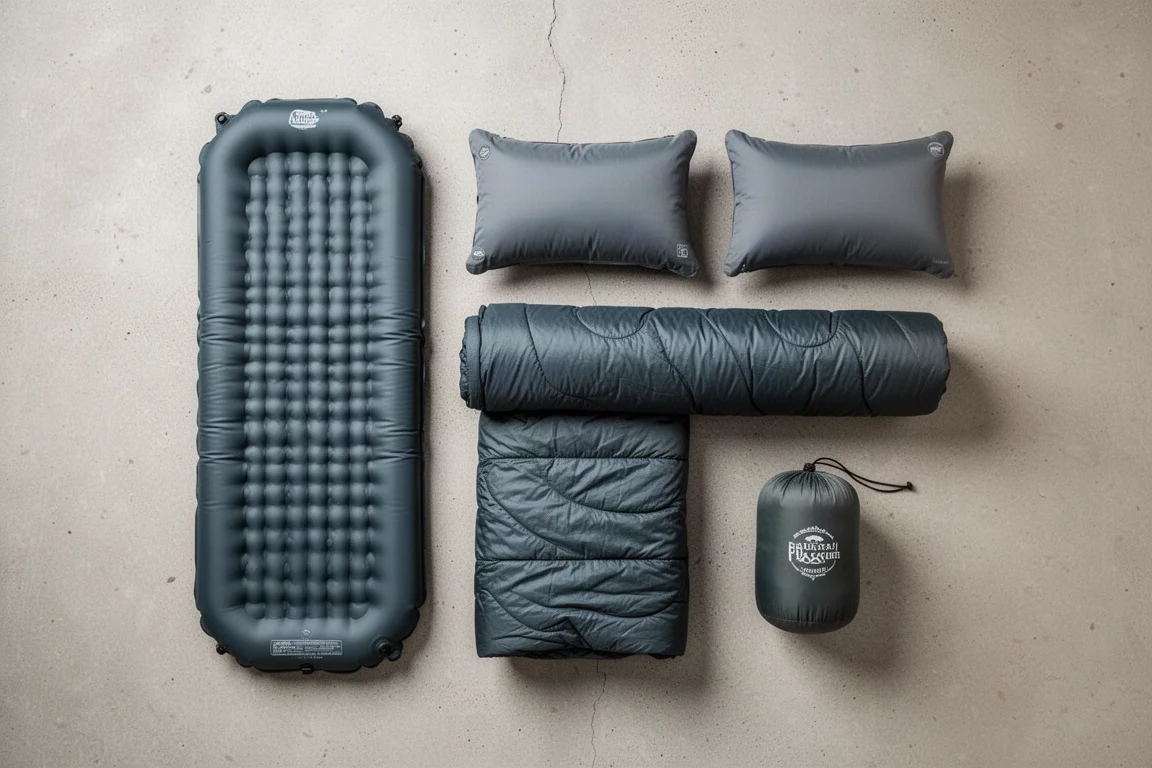
Whichever you choose, prioritize a pillow you can attach to your pad and that gives you at least 3.5 inches of height. Those two factors do more for sleep quality than any other detail.
Conclusion
A good pillow is a small piece of gear with an outsized effect on how a night outdoors feels. All five pillows here use support baffling and offer a way to stay anchored on a sleeping pad, so the decision comes down to your priorities: width, cushioning, weight, warmth, or height. Match the pillow to how you sleep and how much you are willing to carry, and the rest of your sleep system will do the rest.
Further reading
Related Reviews
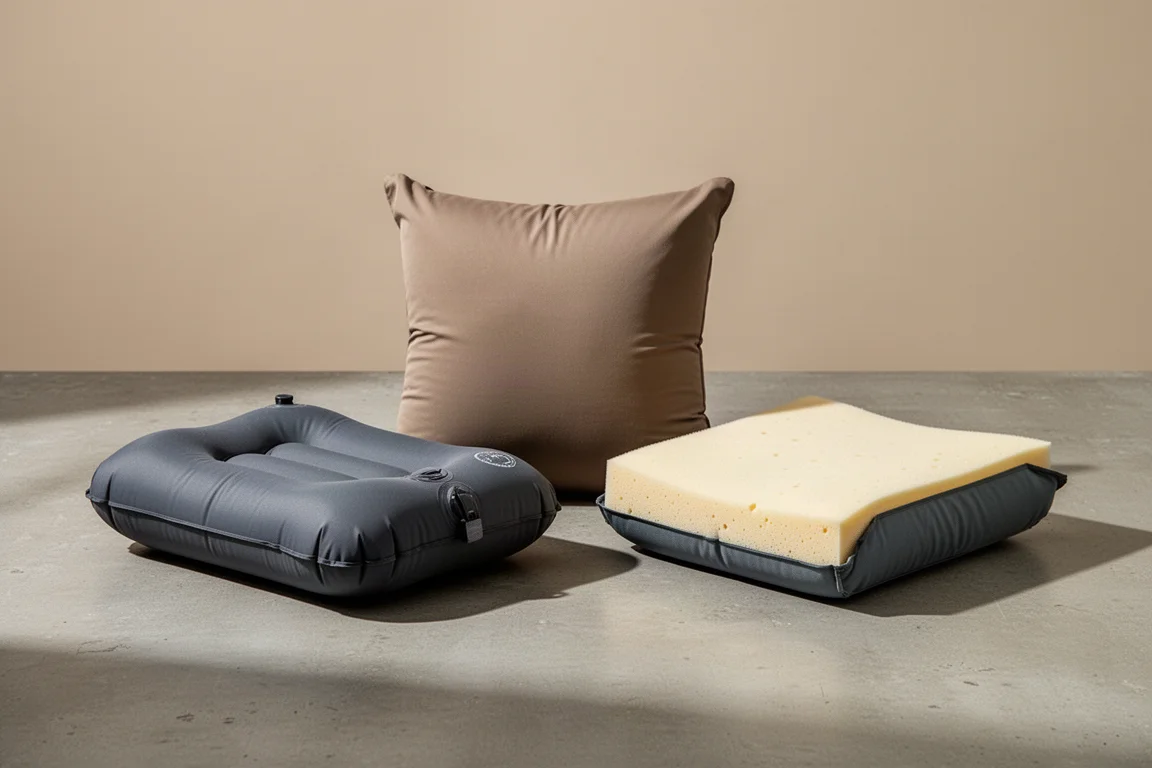
Camping Pillows
Camp Pillows Compared: Which Are Worth Buying and Which to Skip
A practical comparison of six popular camp pillows, covering air stability, pad attachment, height, weight, packed size, and value.
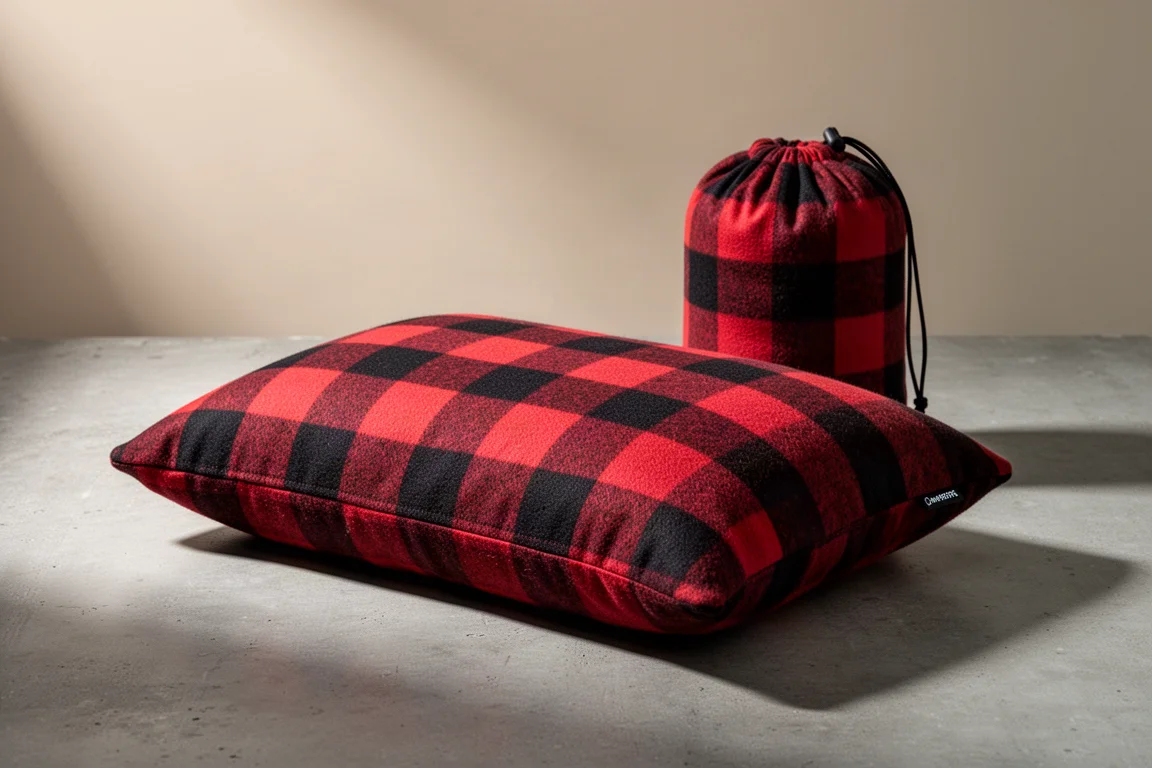
Camping Pillows
Teton Sports Camp Pillow Review: Comfort and Value for Car Campers
An affordable camping pillow with a soft flannel cover, a compressible fill, and a lifetime warranty, plus one clear trade-off to weigh before buying.

Backpacking Gear
Building a 10 lb Base Weight: An Ultralight Backpacking Gear List
A practical walkthrough of the ultralight pieces behind a 10 lb base weight, from a 765 g pack and a roomy one-person tent to a full camp chair and a dependable water filter.