Cycling
Building a Winter Road Bike: Steel, Fat Tires, and a One-By Drivetrain
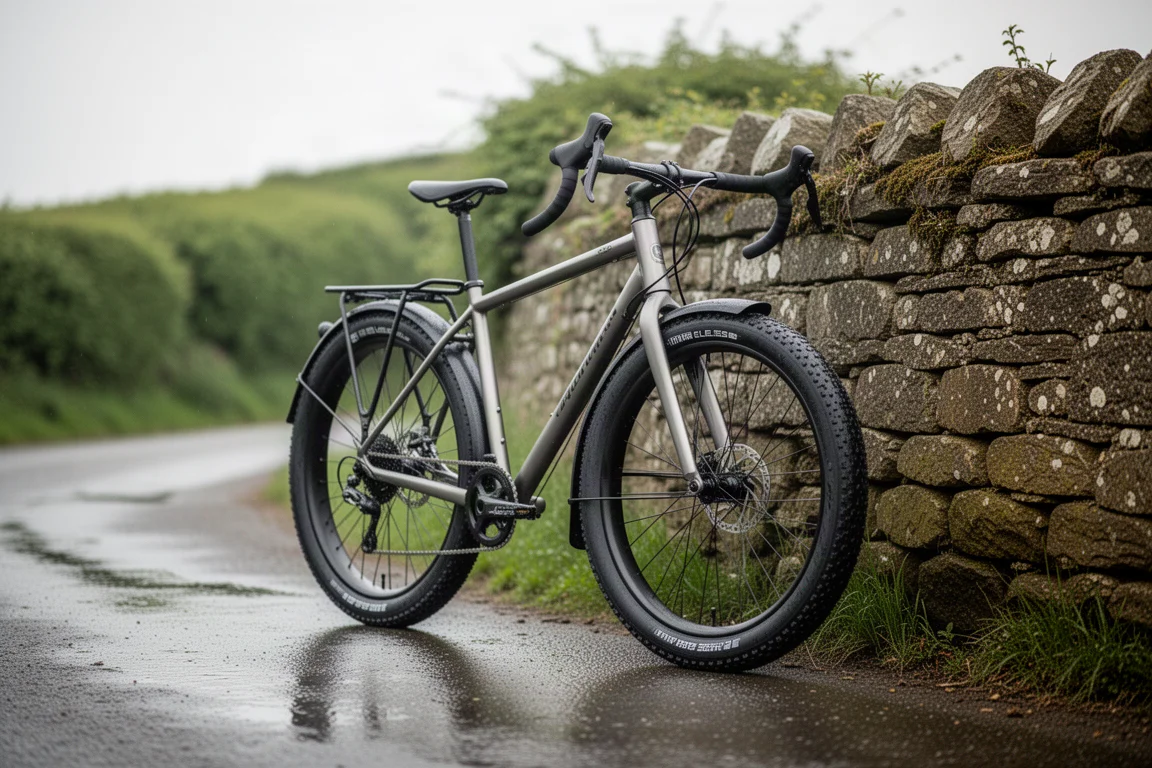
A steel gravel frame, supple 38mm tubeless tires, full mudguards, and a simple one-by drivetrain make a convincing case for a dedicated winter road bike.
Introduction
A winter road bike is not about going slower. It is about staying comfortable, safe, and consistent through months of wet leaves, grit, and cold. This build takes a steel gravel frame and turns it into a machine that keeps rolling when a carbon race bike would rather stay indoors. The recipe is simple: a compliant steel frame, wide tubeless tires at low pressure, full mudguards, and a one-by drivetrain that asks for almost no attention.
Why a Winter Road Bike Makes Sense
Narrow country lanes in winter are covered in wet leaves, runoff from fields, and mud dragged off farmland. On a race bike with 28mm tires at high pressure, that combination is sketchy. Wider tires and a slightly more relaxed geometry calm the bike down, and the low-light conditions make reliable daytime running lights and a simple computer genuinely useful.
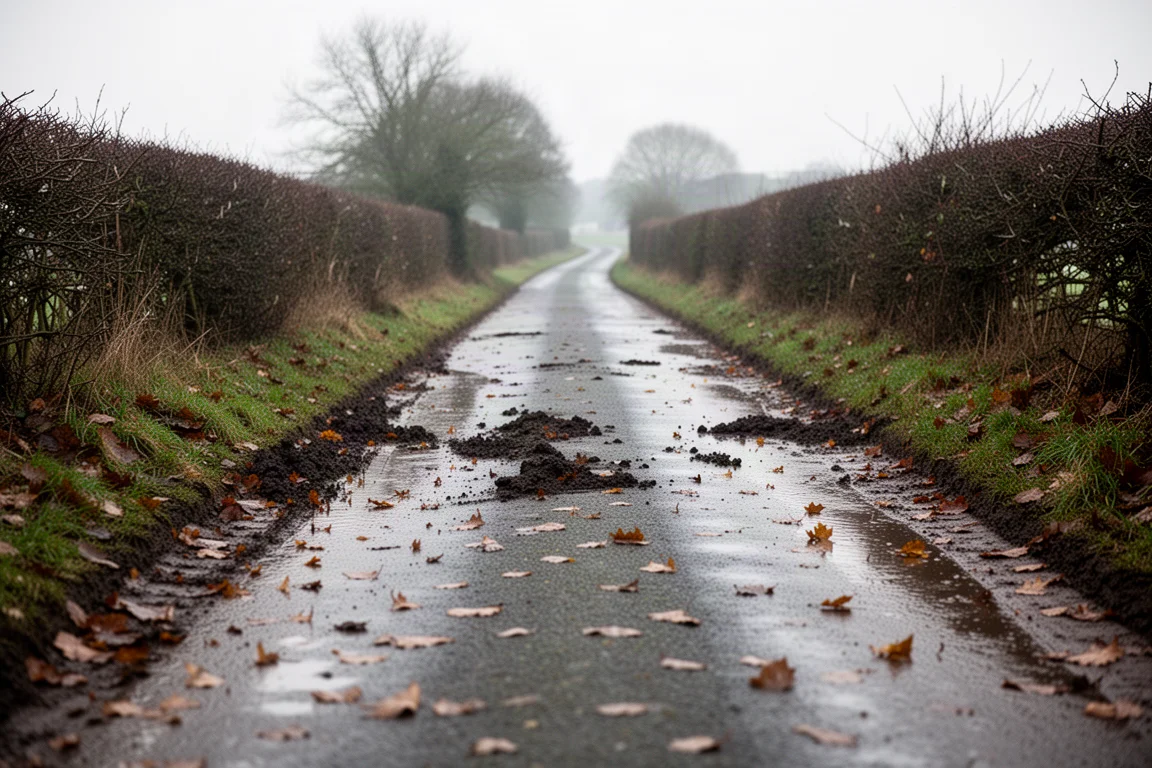
The other half of the argument is maintenance. A bike that can be hosed off, given a quick chain oil, and put back in the shed is a bike that gets ridden. That practicality, rather than outright speed, is what carries a rider through to spring.
The Frame: Fairlight Secan
The Fairlight Secan is a steel gravel frameset built from Reynolds 853 tubing. Compared with a road-focused equivalent, it has a slightly more laid-back geometry and a longer wheelbase to create clearance for wide tires, which is exactly what makes it work as a winter road bike.
Steel does two things well here. It absorbs the ripples and bumps of rough tarmac, and it copes with the sort of abuse that winter riding hands out. The frame is paired with hydraulic disc brakes, which keep stopping power predictable when rims and pads would otherwise be soaked.
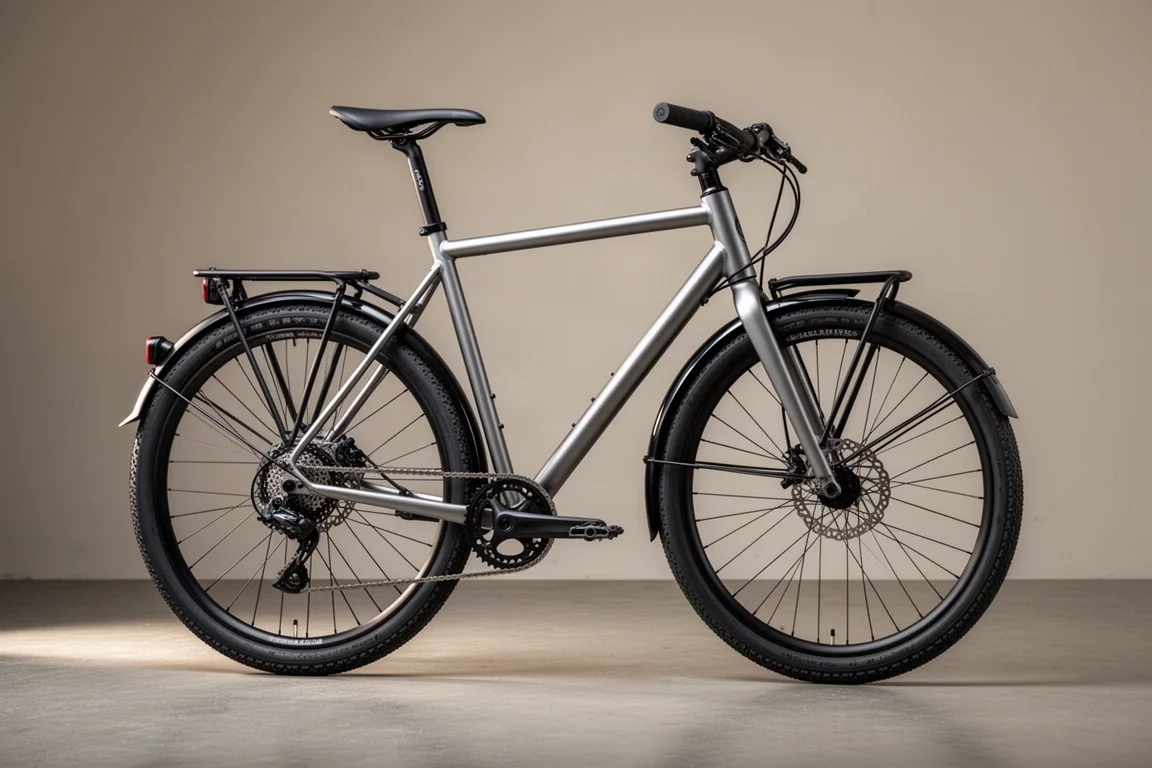
Mudguards are fitted front and rear, and they make a noticeable difference on wet roads: less spray, less filth, and a drier rider at the end of a long ride. Tire clearance and mudguard mounts are part of why this frame suits the job. Tipping the scales at 9.6kg without pedals, the complete build is still far from heavy for steel, wide rubber, and full coverage.
The Tires: Rene Herse Barlow Pass
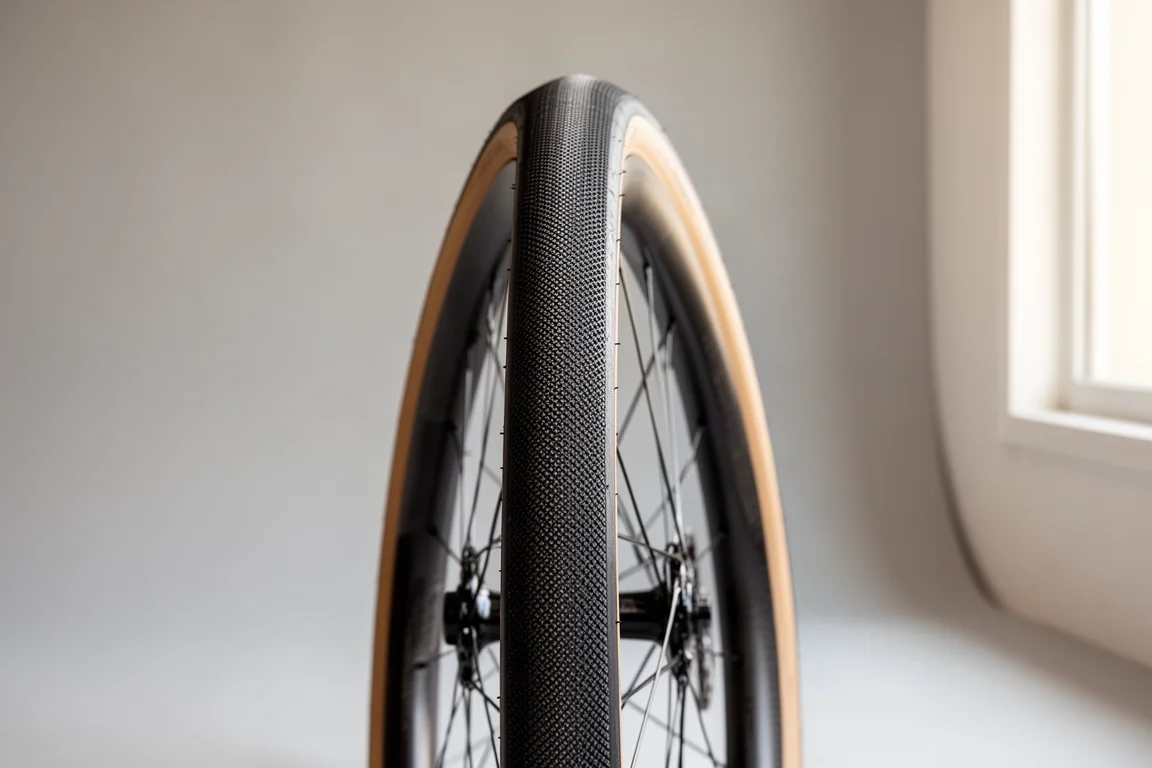
Tires do most of the work on a bike like this. The Rene Herse Barlow Pass is a 38mm tire made by Panaracer in Japan to Rene Herse’s own design, and it is set up tubeless with plenty of sealant. Pressures here run around 35 psi at the front and 40 psi at the rear.
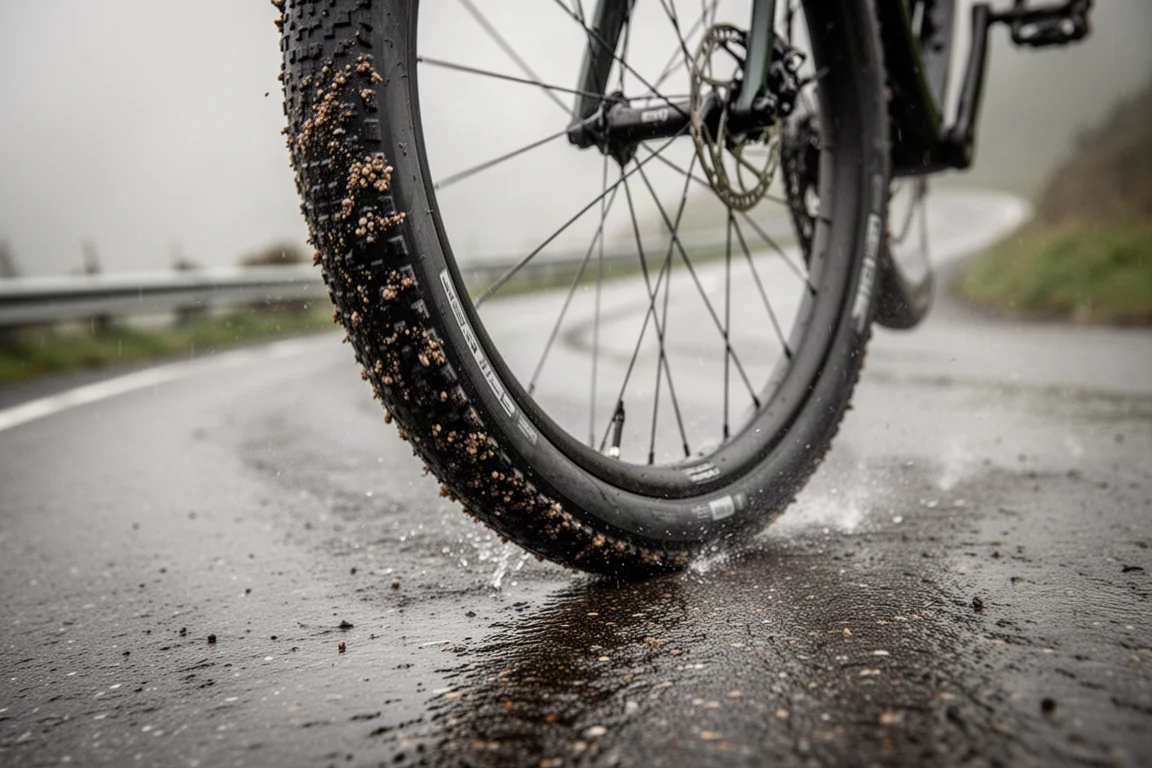
At those pressures the ride is remarkably smooth. Ripples and broken tarmac are soaked up before they reach the rider, and grip on wet, gritty surfaces is reassuring, including on narrow twisting descents where the road is slick with water and grit. The tires do not feel slow either, though they are clearly not as quick as a 28mm road tire.
The trade-off is cost. A pair of these tires runs close to 200 pounds, which puts them firmly in premium territory. They are mounted on a light carbon gravel wheelset with low-profile rims, chosen for crosswind stability rather than aerodynamics, which also helps offset some of the weight of the steel frame, the mudguards, and the tires themselves.
The Drivetrain: Shimano GRX
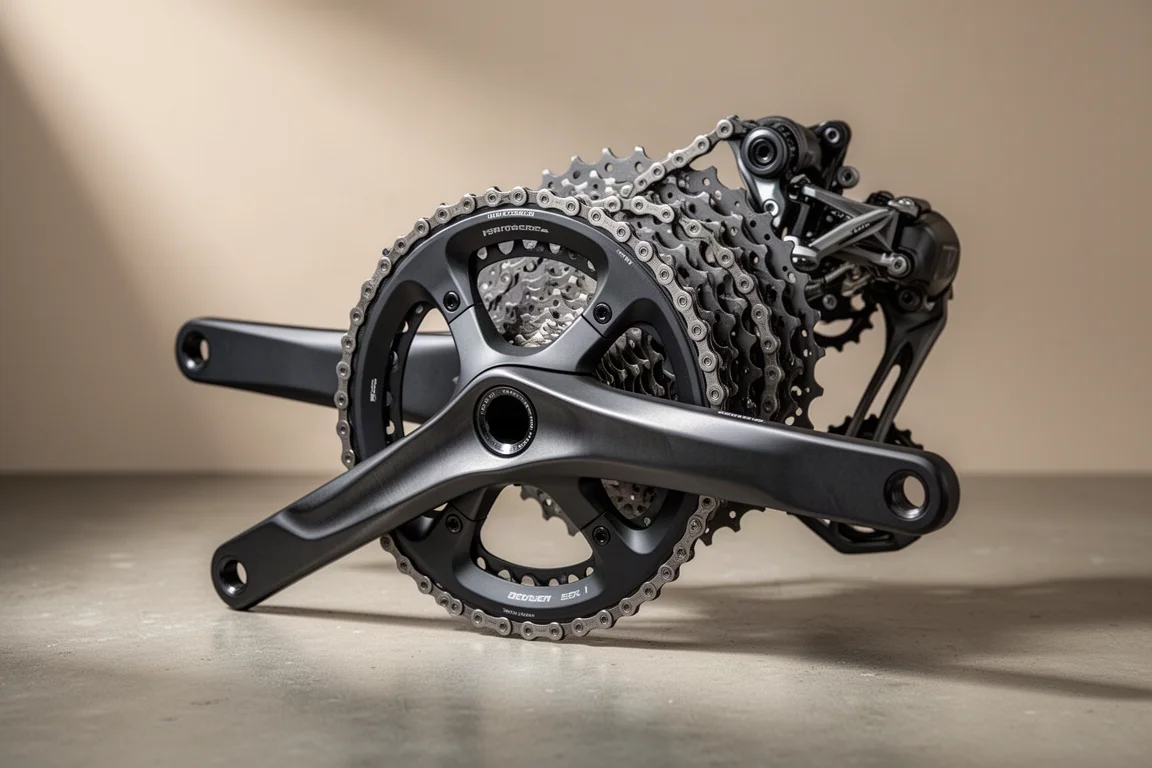
The drivetrain is deliberately simple: a one-by setup built around a Shimano GRX crankset, electronic shifting, and a wide-range 11-42 cassette at the rear. There is no front derailleur to clog with grit and no second chainring to think about.
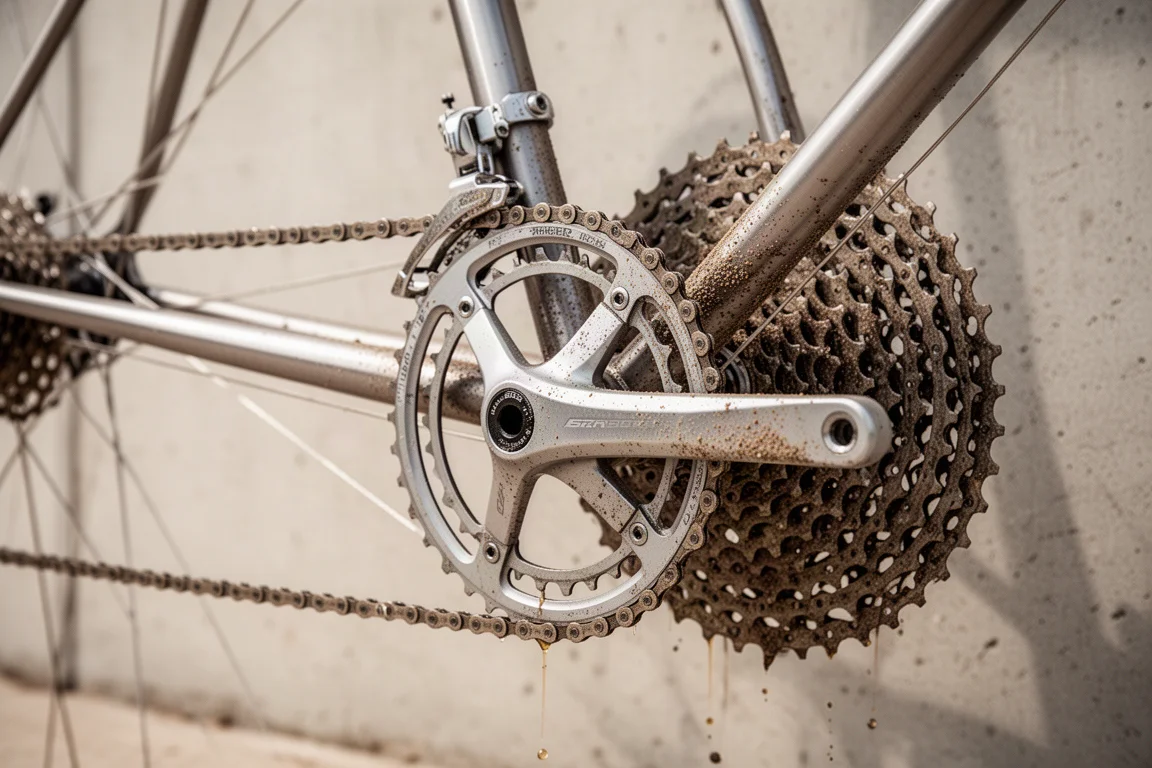
That single-ring gearing covers a wide spread, which is what matters on rolling winter routes: enough range for steep lanes and enough top end to hold a steady pace on the flat. A rider can settle in at a steady cruising speed without struggling on the climbs, and the setup keeps the bike easy to clean and easy to live with, two things that matter far more in January than marginal gains.
The Computer: Wahoo Elemnt Bolt
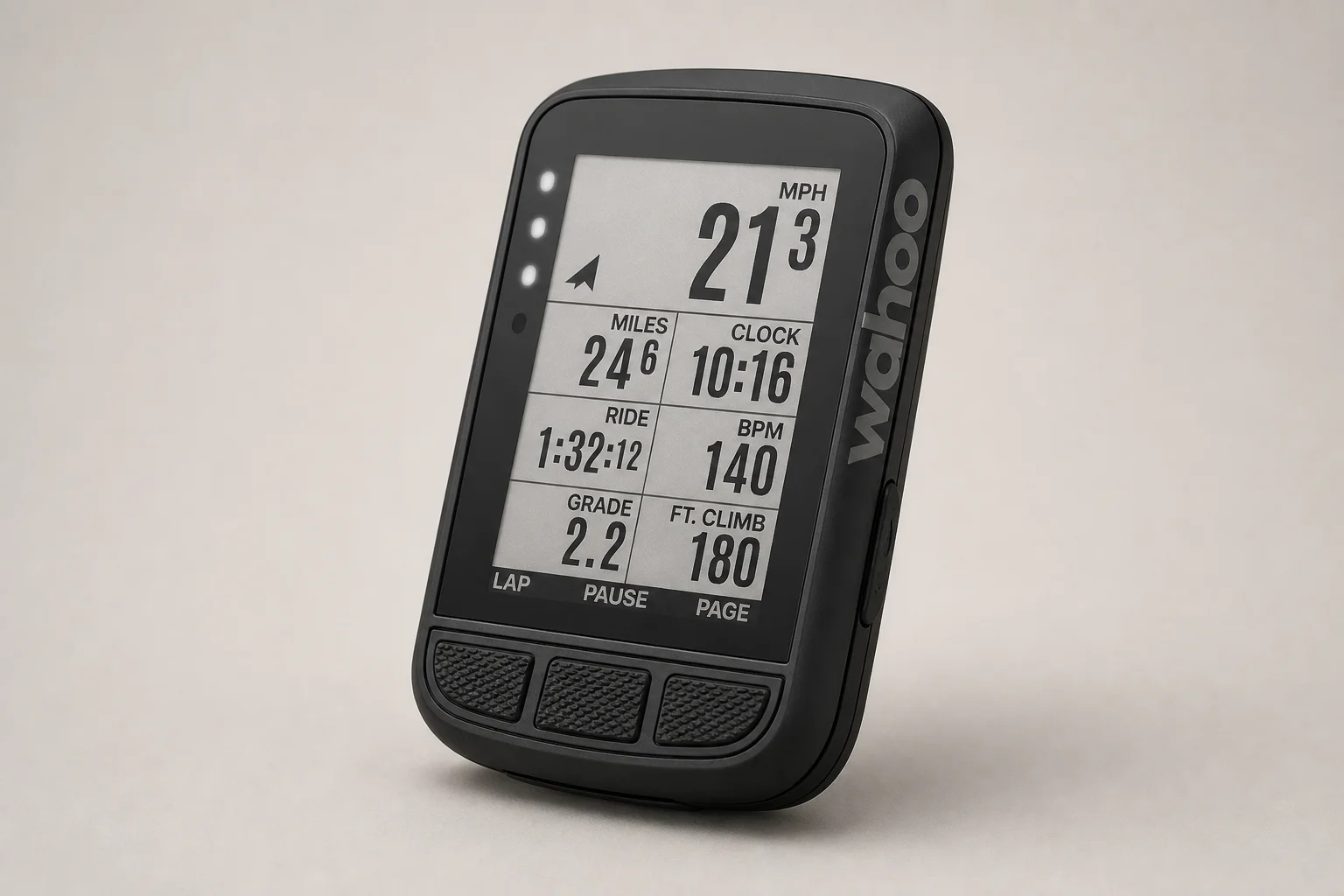
Winter rides do not need power, heart rate, or cadence data. The Wahoo Elemnt Bolt suits this build because it is small, its battery runtime is generous, and it shows the handful of numbers that actually matter: speed, distance, and elapsed time.
Mounted out front, it stays out of the way and remains readable in dull, low-contrast light. Small front and rear lights run as daytime running lights, which counts for a lot on days when the light barely breaks through at all. A flared handlebar and a short stem keep the front end compact and controlled without adding complexity.
Buying Advice
Two approaches make sense. Building around a steel gravel frameset like the Secan gives a bike that can run wide tires, take full mudguards, and switch between road and gravel duty with a wheel change, which is the more versatile route. Riders who would rather not commit to a dedicated winter machine can achieve a similar result with an endurance road bike, as long as it has clearance for wider tires and mounts for mudguards. A titanium frame is another option for this kind of rugged four-season road bike, but it is expensive.
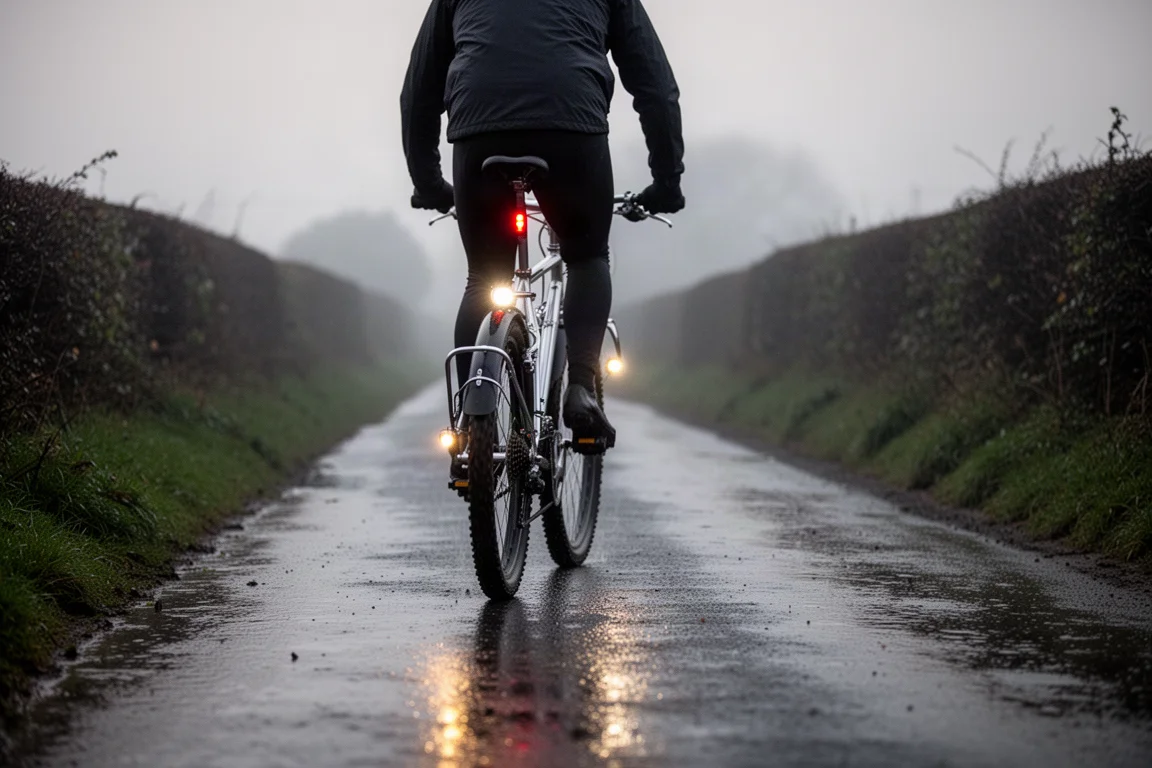
If the priority is simplicity and low maintenance, put the budget into a one-by drivetrain and a wide-range cassette rather than into lightweight components. The tires are the single biggest influence on comfort: a supple 38mm tubeless tire at low pressure changes the feel of a bike more than almost any other part, and it is the upgrade most worth paying for, even at a premium price. Mudguards, by contrast, are cheap, deeply practical, and the fastest way to make wet rides more pleasant. A rear flap long enough to reach low behind the wheel is worth adding for the benefit of anyone riding behind.
Conclusion
The appeal of this build is that nothing about it is precious. Steel in place of carbon, wide tubeless tires in place of narrow ones, one chainring in place of two, and full coverage in place of spray. It is not the fastest bike in the shed, and it is not meant to be. It is meant to be the one that still gets ridden when the roads are filthy and the days are short.
Further reading
Related Reviews
Cycling
2026 Bike of the Year and the Cycling Gear Worth Watching
A drop bar roundup for 2026 covering the Ridley Kanzo Fast 2.0, Shimano Dura-Ace Di2 R9300, Trek Checkpoint ALR Gen 3, Specialized Tarmac SL9, Garmin Fenix 9 and Insta360 X6.
Cycling
Best All-Road Bikes 2026: Six Versatile Endurance Road Bikes Worth Considering
A practical look at six all-road and endurance road bikes, from lightweight carbon speed machines to steel all-rounders and comfort-focused mile eaters.
Cycling
Best All-Road Bikes 2026: 8 Endurance Bikes for Road and Light Gravel
Eight all-road bikes that blur the line between endurance road and light gravel, compared on tire clearance, ride character, practicality, and value.