Speakers
Build or Buy? A DIY Transmission Line Speaker and Three Speakers Worth Comparing
A mass-loaded transmission line design that reaches 32 Hz in room, plus three reference points for anyone weighing a DIY build against a finished speaker.
Introduction
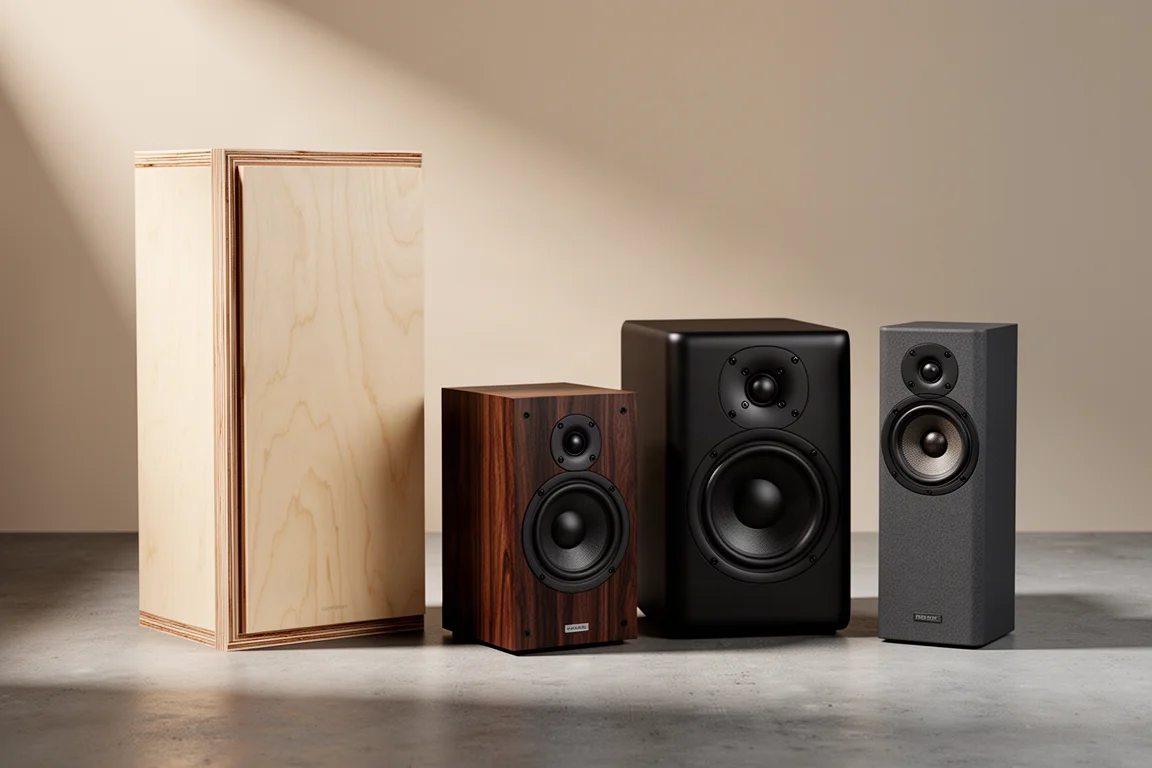
Some of the most interesting speaker designs never reach a shop shelf. The mass-loaded transmission line is a good example: it is expensive to manufacture, so most brands avoid it, and the format survives mainly in DIY designs. The Neil Blanchard MLTL 6 is a compact take on that idea, with a cabinet that sits between a bookshelf speaker and a floorstander and a set of drivers that are affordable and easy to source.
This guide covers the MLTL 6 in detail, then compares it with three speakers that belong in the same conversation: the CSS Audio Criton 1TDX, the Emotiva B2 Plus, and the ELAC Uni-Fi 2.0. Two are DIY designs and two are finished speakers, and the differences between them come down to bass depth, midrange resolution, and imaging.
What a Mass-Loaded Transmission Line Actually Does
A transmission line is not a port. A port is a hole of a set length; a transmission line is closer to a labyrinth, or a maze folded through the inside of the cabinet. The air inside that path carries mass, and the mass at the exit tunes the enclosure in a way a simple port cannot. The practical result is bass that extends below the driver’s own resonant frequency.
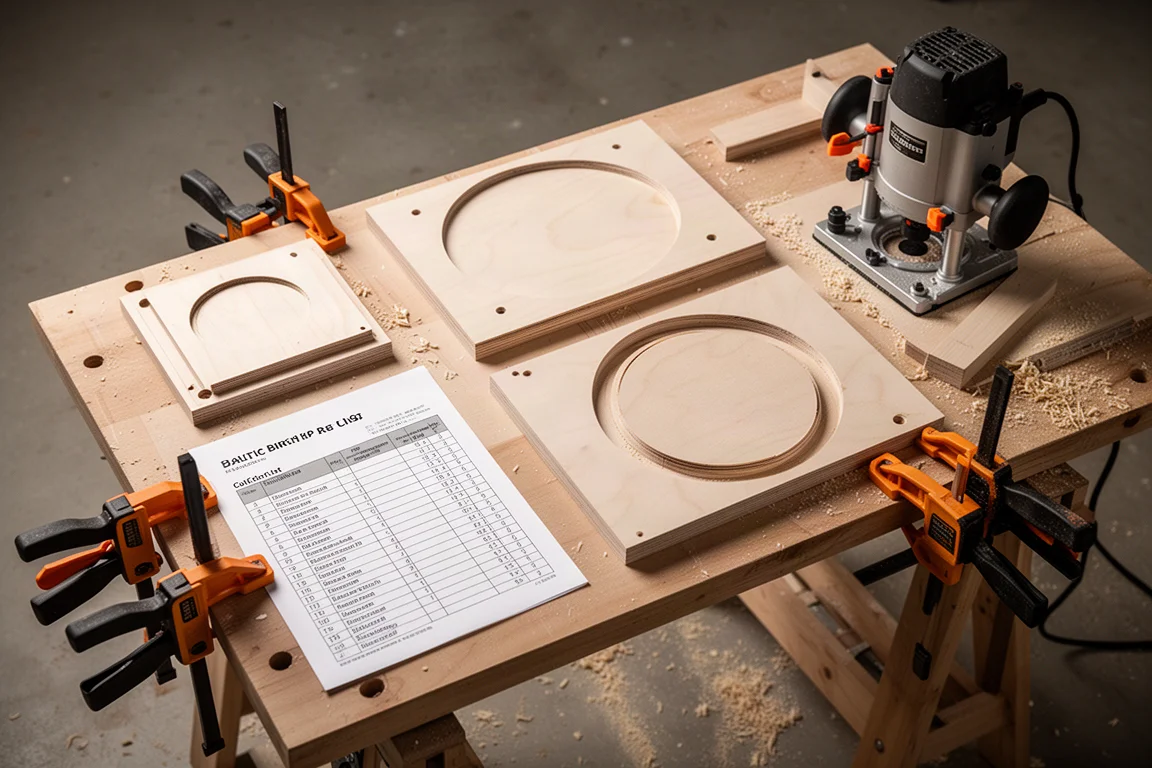
That complexity is exactly why the design is rare in commercial speakers. A folded line takes more material and more assembly work than a rectangular box with a round hole, and that cost is hard to justify on a production line. Built at home from plans, the same trade-off looks far more attractive, and the payoff is deep bass from a modest cabinet.
Neil Blanchard MLTL 6: Cabinet, Drivers, and Build Cost
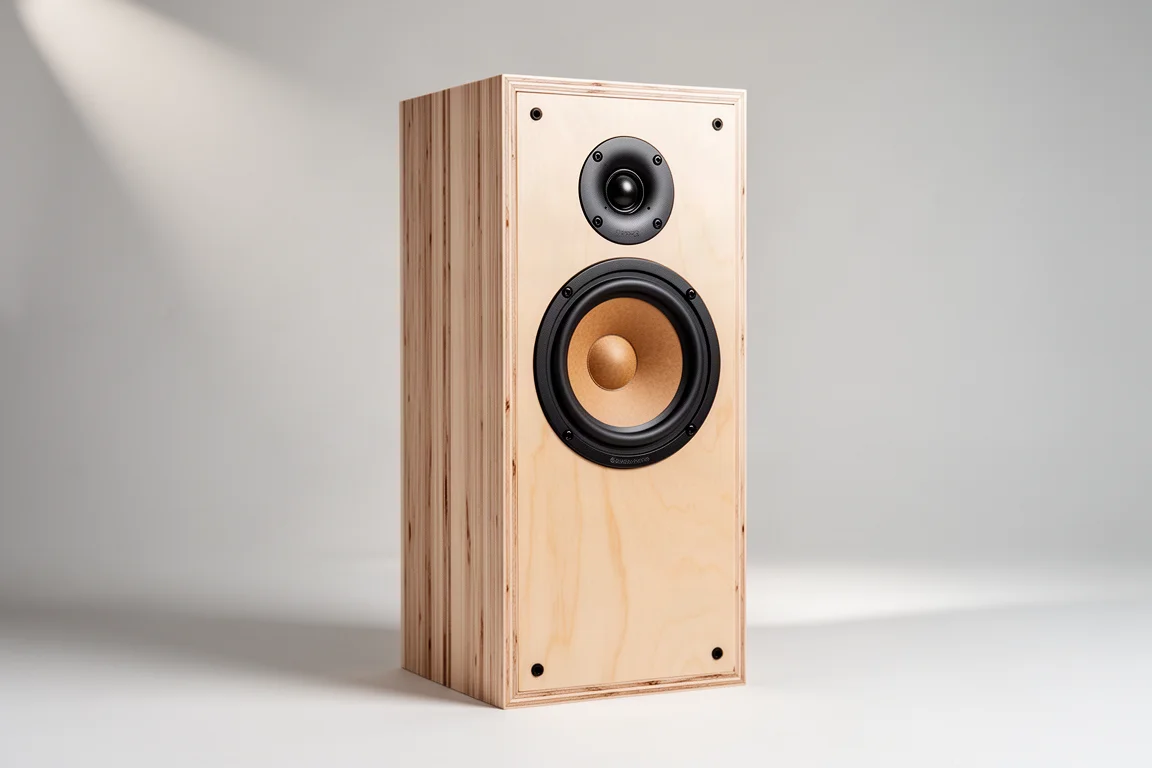
The MLTL 6 is a scaled-down version of a larger transmission line speaker from designer Neil Blanchard, revised around drivers that are easier to find: an SB Acoustics soft dome tweeter and a six inch paper woofer, both available from several retailers. The cabinet measures roughly seven to eight inches wide, 21 inches tall, and about 16 inches deep, and the transmission line exits at the rear.
In-room response reaches down to 32 Hz, which is unusual for a cabinet this size, and many tower speakers do not go that low. Efficiency is around 89 dB, so the design does not demand a powerful amplifier. The crossover uses quality parts rather than budget sandcast resistors, and the build calls for 18 mm material. Baltic birch is the simpler choice because it can be left unfinished, while MDF needs paint or veneer.
Cost is where a design like this earns its place. Plans run about $100, the driver components come in around $150 or less, and a sheet of Baltic birch adds roughly $100. That puts a complete build under $600 in parts, with your own labor on top. The plans include detailed cut lists, and the assembly is not unusually complicated for a transmission line design, which makes it a reasonable shared project if there is a younger builder at home. The design is sold as plans rather than a kit, and a flat-pack option has been discussed but is not confirmed.
How the MLTL 6 Sounds: Bass, Midrange, and Treble
Bass is the headline. It is deep, clean, and authoritative without turning bloated, and it reaches notes that usually call for a subwoofer. Because the low end is controlled rather than boosted, it should not overwhelm most rooms.
The midrange is natural and balanced, with a slightly warm character. It is not the last word in detail, which is a fair trade at this driver price, and vocals arrive with body rather than etched precision. The tuning follows a room curve, so the bass sits a little higher than the treble as the top end falls away.
Treble is clear but polite. Cymbals sound natural rather than forward, and the speaker stays comfortable at higher volumes; listeners who want more sparkle above 10 kHz can add it with tone controls or an EQ.
Imaging and soundstage are excellent. The speaker is easy to make disappear into the room, and it does not need aggressive toe-in to lock in a center image. It falls just short of a coaxial design in that one respect, and the gap is small.
CSS Audio Criton 1TDX: The Other DIY Bass Performer
The CSS Audio Criton 1TDX is the other DIY design that belongs in this comparison, and it is the only speaker here whose bass reaches the same level as the MLTL 6. It uses a larger cabinet and an upgraded crossover kit, and its low end is remarkably clean. Its in-room rating sits around 40 Hz, so the MLTL 6 still digs deeper.
Where the Criton pulls ahead is midrange detail, which is more apparent throughout the range, particularly with vocals. The two share a similar overall signature, with the MLTL 6 sounding slightly warmer. The Criton is the more expensive package of the two, and it is the closer call for anyone who values resolution over depth.
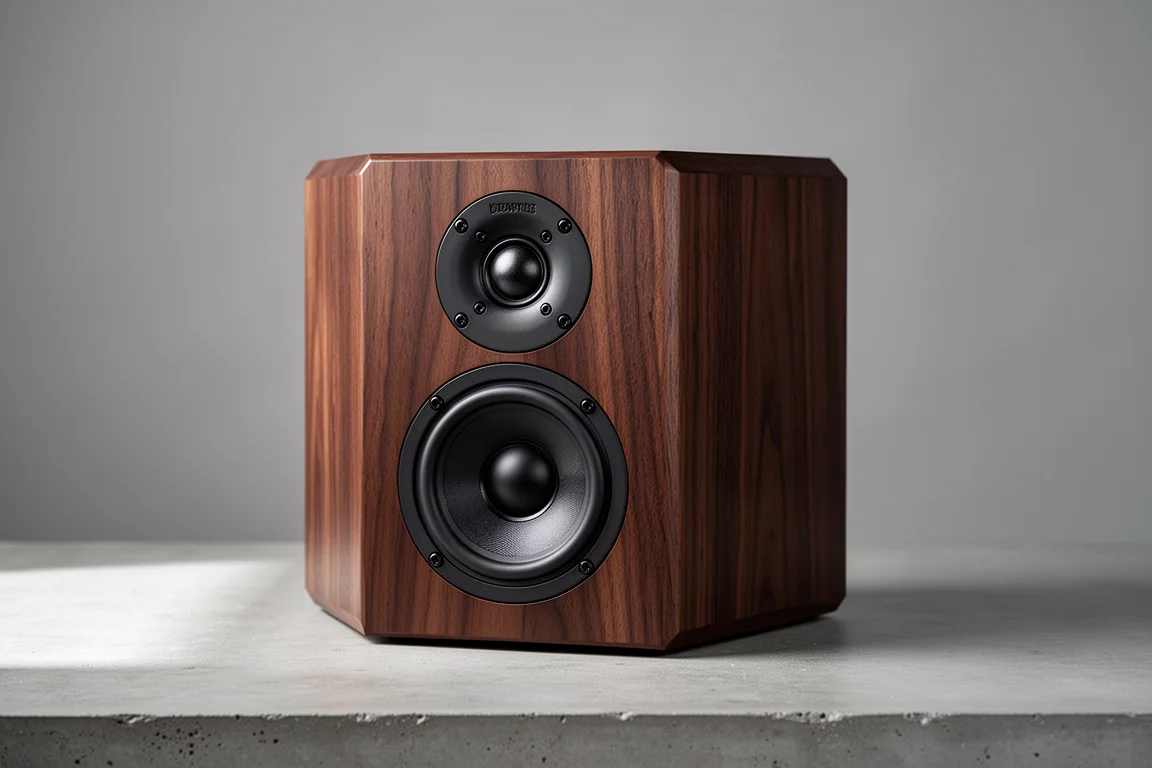
Emotiva B2 Plus: When Midrange Detail Comes First
The Emotiva B2 Plus is the detail specialist of this group. Its midrange resolves more than the MLTL 6, which is the expected trade-off when a design is built around affordable, widely available drivers. Voices and instruments carry more texture, and it is the more informative speaker if you listen closely to how a recording is put together.
For anyone who would rather buy a finished speaker than take on a woodworking project, that difference is the main reason to consider the B2 Plus. The MLTL 6 answers with bass depth that is unusual for a cabinet of its size.
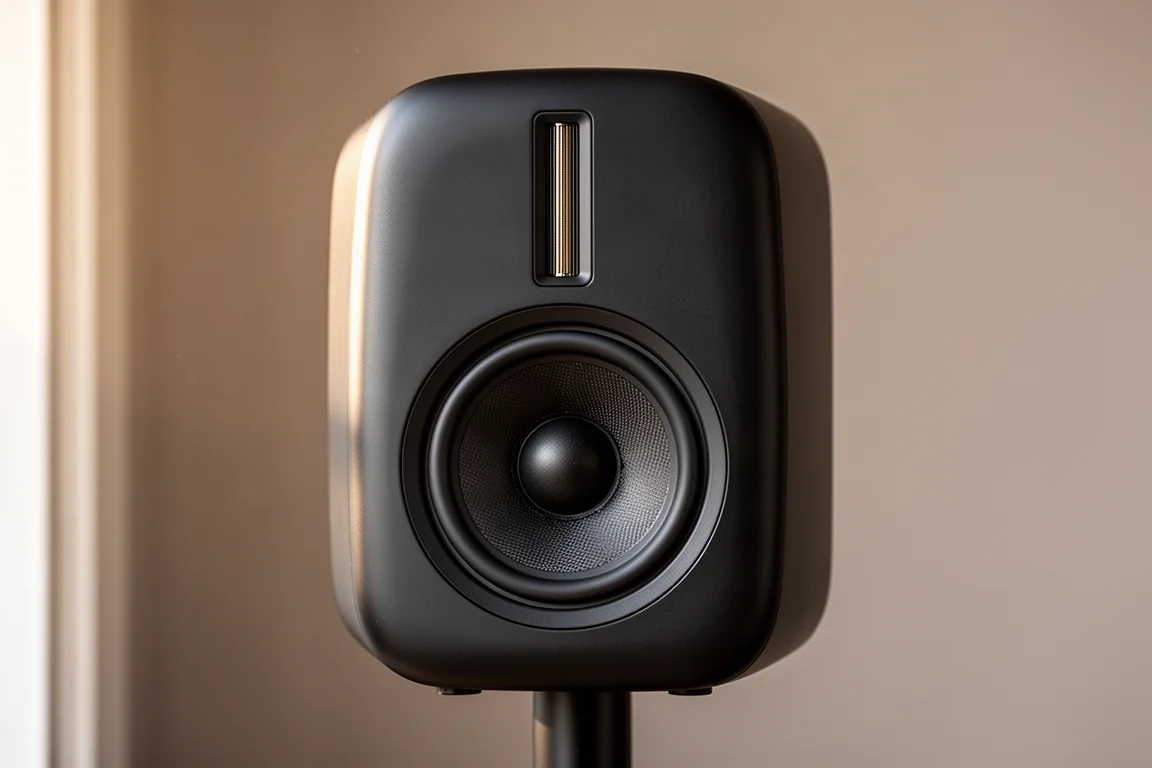
ELAC Uni-Fi 2.0: Coaxial Imaging
The ELAC Uni-Fi 2.0 uses a coaxial layout, and that gives it an imaging advantage over everything else here. The MLTL 6 places instruments in space beautifully and disappears into the room, but a coaxial design still does it better. If pinpoint image placement is your priority, the Uni-Fi 2.0 is the one to hear first.
It is also a finished speaker rather than a project, which matters if the appeal of a DIY build is limited to the result rather than the process. What it does not offer is the transmission line bass depth that makes the MLTL 6 unusual, so the choice comes down to which strength matters more in your room.
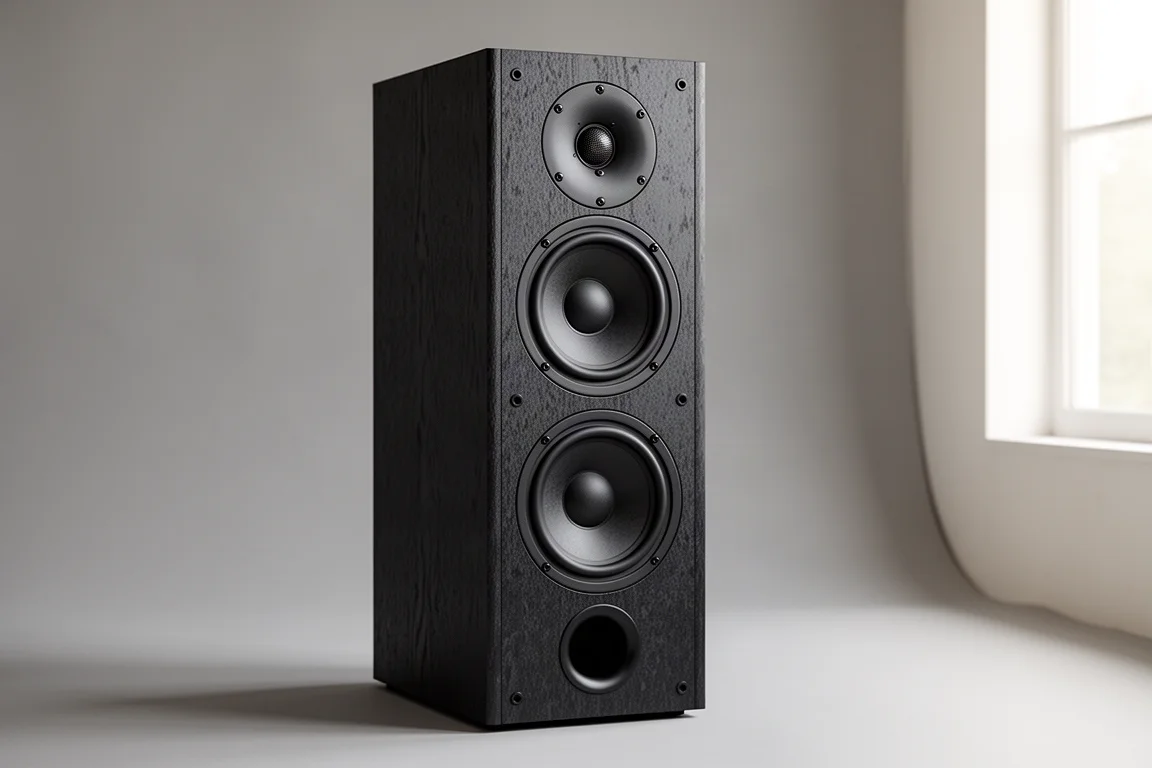
Build or Buy: Choosing Between Them
There are four speakers here and two paths through them. If you enjoy the build and want the deepest bass from the smallest possible cabinet, the MLTL 6 is the project to take on. Budget roughly $600 in parts for drivers, crossover, plans, and Baltic birch, add your own time, and expect a speaker that reaches into the low 30 Hz range and runs comfortably on modest amplification.
If you want a DIY option with more midrange resolution, the Criton 1TDX is the step up, at a higher total cost. If woodworking is not the appeal, the Emotiva B2 Plus delivers more midrange detail with nothing to assemble, and the ELAC Uni-Fi 2.0 delivers the best imaging of the group.
A few practical notes apply across the board. None of these speakers needs enormous power, and the MLTL 6 needs least of all at around 89 dB efficiency. Treble taste varies, and tone controls or an EQ can shift the balance if a stock tuning is not right for your room. If you do build, remember that the transmission line makes the cabinet more involved than a plain rectangular box, which is worth knowing before the first panel is cut.
Conclusion
The MLTL 6 shows what DIY design can do when the cost of a folded transmission line no longer has to be justified to a production line. The result is 32 Hz in-room bass from a cabinet that still fits on a stand, built from plans, a pair of SB Acoustics drivers, and a sheet of Baltic birch.
The three comparisons are useful in different ways. The Criton 1TDX shows what a little more money buys in midrange detail, the Emotiva B2 Plus shows what a finished speaker can do for resolution without a workshop, and the ELAC Uni-Fi 2.0 shows where a coaxial layout still wins. Choose the strength that matters most in your room, and either path ends with a speaker worth keeping.
Further reading
Related Reviews
Speakers
13 Under-the-Radar Speakers Still Worth Buying
Thirteen speakers that quietly stayed in production while newer models took the spotlight, from budget bookshelf pairs to a full-size tower.
Speakers
Arendal 1528 Monitor 8 Review: A Three-Way Standmount With Serious Dynamic Headroom
A three-way standmount speaker with extremely low distortion, high output capability, and deep bass for its size, plus the setup details worth knowing before buying.
Speakers
Arendal 1723 Monitor S Review: A Compact Monitor With Serious Ambition
A close look at the Arendal 1723 Monitor S, a compact MTM monitor with a waveguide-loaded tweeter, an HDF cabinet, and flexible ported or sealed operation for music and home theater.