Gardening
Build-a-Soil Living Soil Mix Review: Strong Biology, Hot Numbers
A lab-tested look at this living soil mix: impressive microbes and heavy texture, but hot salt levels and low pH make it risky for seedlings and indoor grows.
Introduction
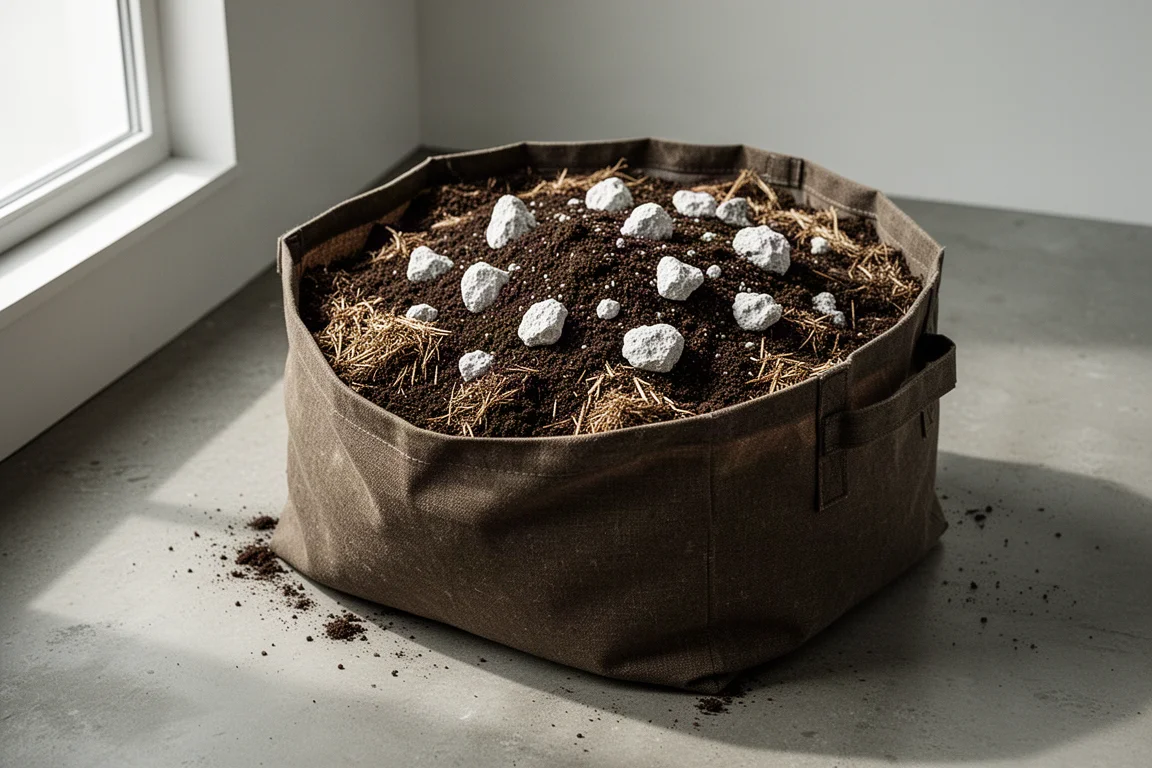
Living soil has a devoted following, and few names come up as often as Build-a-Soil, a company that champions living soil as the best way to grow and teaches people how to make their own mixes. After deciding that mixing my own was more space and effort than I could commit to, I ordered a bag to see whether the ready-made version lives up to the reputation. To keep things honest, I did what I always do: I grew with it, and I sent a sample to a university lab for analysis. The results were mixed in ways worth knowing before you spend money.
First Impressions and Texture
Out of the bag, this mix immediately looks and feels different from most potting soils. Instead of the usual perlite, it contains heavier white rocks, which turned out to be pumice. There are also rice hulls and rice bran in the blend, ingredients that feel more familiar in a kitchen than in a grow bag.
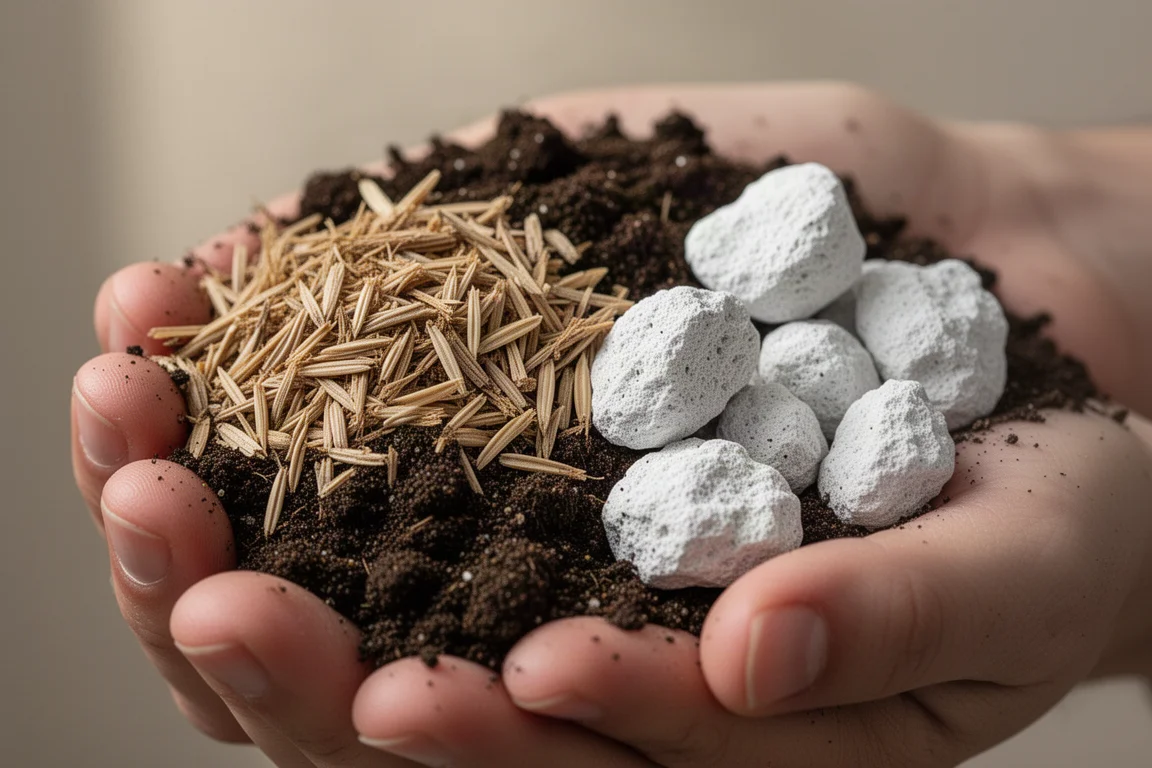
The texture is where my early concerns started. You have extremely light, fluffy organic material that compresses easily sitting right next to extremely heavy rocks, and that contrast felt too aggressive for my comfort. The overall weight of the mix was significantly heavier than every other soil I have used, with cow manure being the only exception. It is not a flaw on its own, but it is something you notice the moment you lift the bag.
The Microbial Profile Is Genuinely Impressive
Credit where it is due: the ingredient list shows real attention to soil biology. The included microbes are impressive, and Glomus (mycorrhizal fungi) is an absolute requirement for me in any living mix. The blend also includes Bacillus subtilis, one of the best bacteria for decomposing dead roots. On paper, this is exactly the biology you want in a living soil.
The Lab Test Results
Impressive ingredients only matter if the numbers back them up, so I bagged a sample and sent it for testing at the University of Delaware. The soil came back super hot. Salt levels were in the danger zone, which rules it out for starting seedlings and younger plants. If you use this mix as-is for young plants, you are likely to end up with burned foliage.
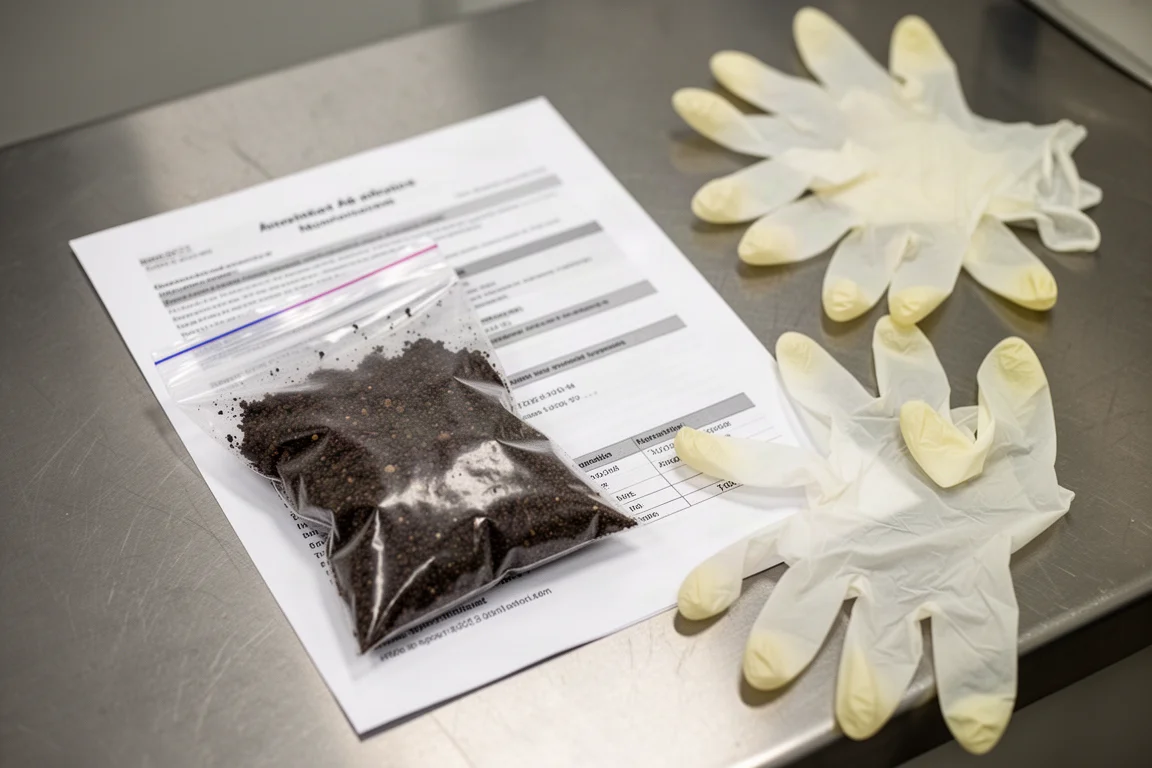
The pH also came back outside the ideal growing range, at around 5.2. The microbes in the mix may help pull it back over time, but a reading that drastic is hard to ignore. My practical takeaway: cut it with at least an equal volume of inert medium such as peat or coco coir, or expect trouble.
The Grow Test Agreed with the Lab
I grew with the mix anyway, and the harvest results lined up with the lab report: very high nutrient levels, signs of toxicity, and nitrogen burn. As a main medium indoors, it simply ran hotter than my plants could comfortably use.
What Happened to the Roots
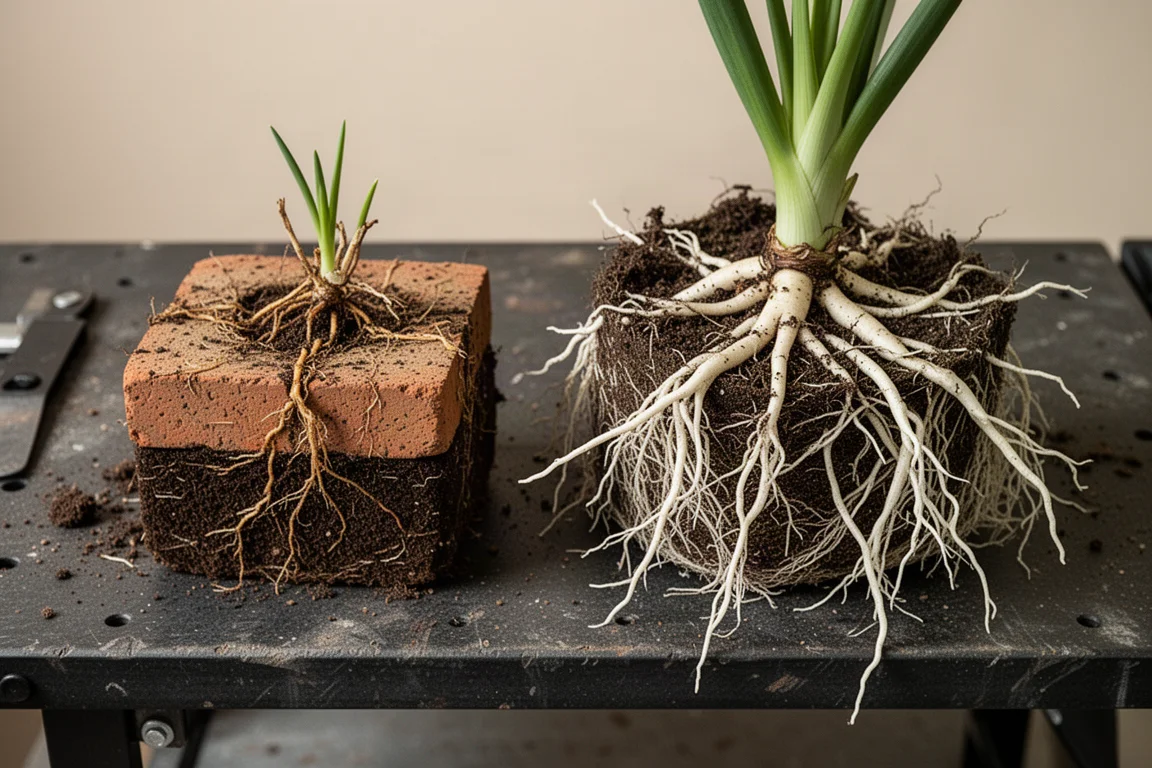
The root comparison was the most telling part of the whole test. I run identical clones in identical tents, so differences are easy to isolate. The plants in this mix showed barely any root growth compared to the same clone in different soil. My best explanation is physical: the heavy rocks compress the soft, pillowy rice hulls, which reduces oxygen access to the roots and stunts development. The root ball also visibly bricked up, turning dense and hardened rather than loose and airy.
Where This Soil Actually Makes Sense
To be fair, heat in a soil is not always a dealbreaker. Nutrient consumption is directly tied to light intensity, and outdoor sunlight is often roughly double the intensity of grow lights. A plant growing outside in a raised bed can use a much hotter mix than anything under indoor lighting. This is where the Build-a-Soil mix has a genuine home.
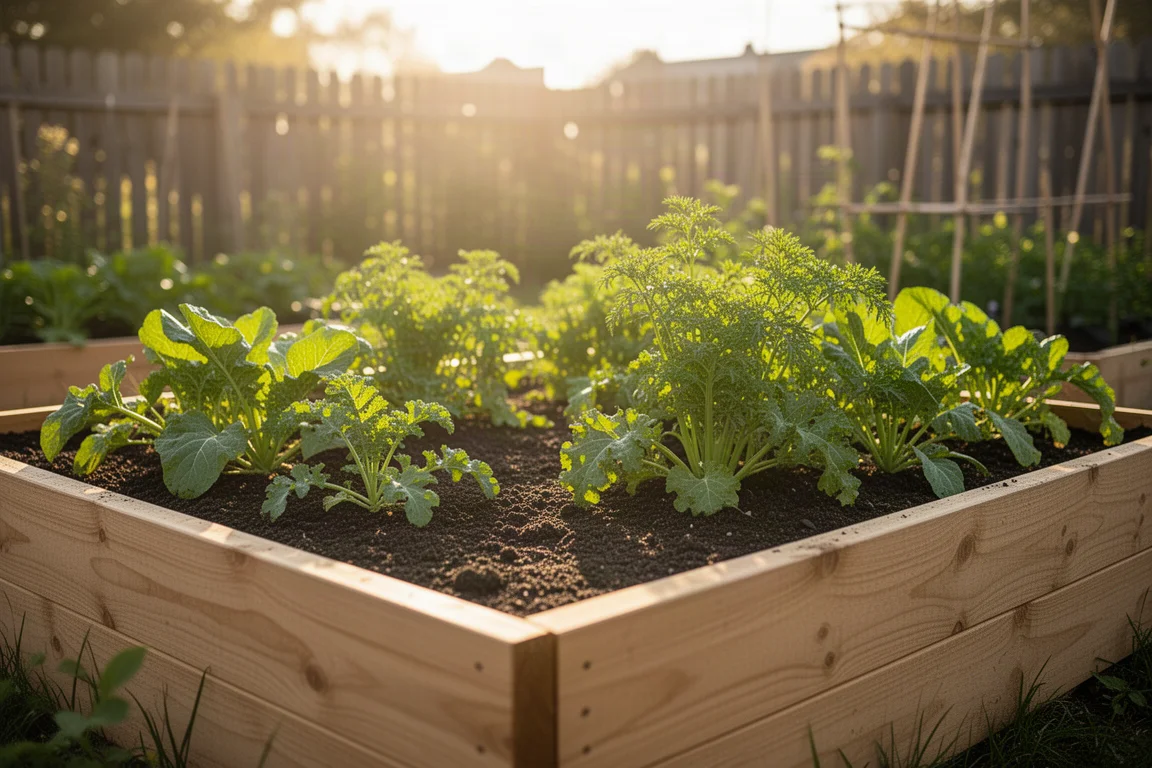
Indoors, my recommendation is clear: if you must use it, sieve out all the rocks and dilute it down before planting. There is one more indoor use case worth mentioning. Because of the dense, heavy composition, this mix works well for securing a large, top-heavy plant that needs support, almost like an anchor. That is a niche role, but a real one.
Buying Advice
If you grow outdoors in raised beds, this mix deserves consideration, and its microbial profile is legitimately strong. If you grow indoors, treat it as an amendment or top dress rather than a standalone medium, and plan to cut it heavily with peat or coco coir. Seedlings and young plants should never go straight into it.
Conclusion
The Build-a-Soil living soil mix is not a bad product, but it is a specialized one. Excellent microbes, hot salt levels, low pH, and a texture that fights aeration indoors. Match it to the right setting, an outdoor raised bed or a heavy plant needing support, and it can work. Use it as a main indoor medium uncut, and the lab numbers and my harvest both say you will regret it.
Product link
View more details for Build-a-Soil Living Soil Mix
This product is mentioned in the review. Check the specifications, options, and compatibility before buying.
View more details for Build-a-Soil Living Soil MixFurther reading
Related Reviews
Gardening
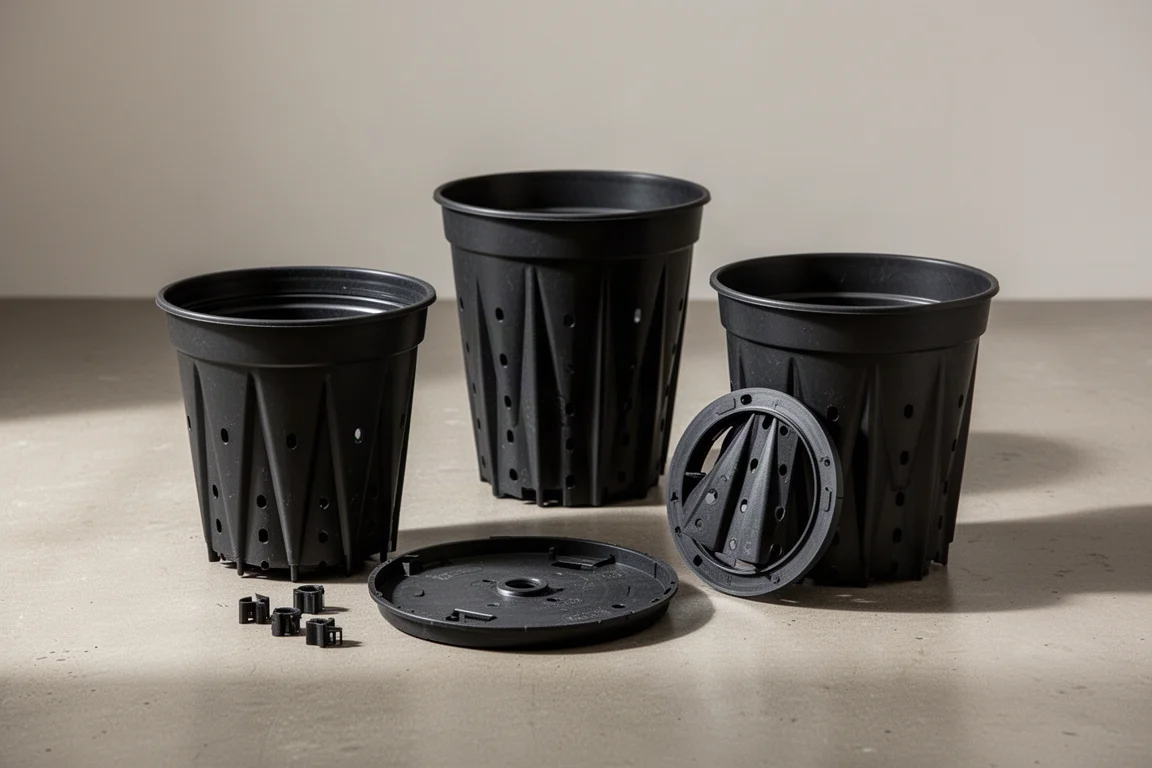
Best Air Pruning Pots: Three Brands Compared for Healthier Roots
Air-Pot by Superoots, Air Pot Pro, and Ultra Oxy air pruning pots compared, with assembly, potting mix, and watering tips for stronger root systems.
Gardening
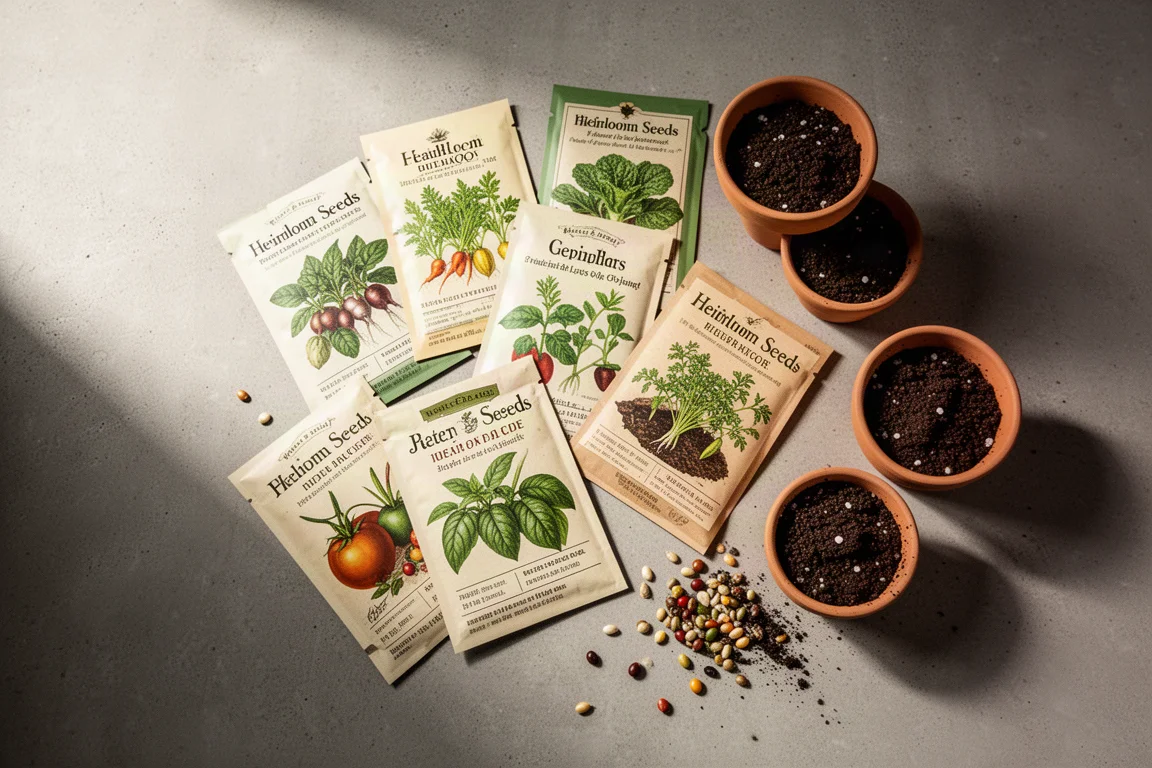
Best Baker Creek Seeds to Grow: 11 Varieties Worth Your Garden Space
From dwarf moringa and pink dandelion to the Sartre Louise tomato and a hydroponic loofah experiment, these Baker Creek seed picks cover flavor, medicine, pollinators, and pure fun.
Gardening
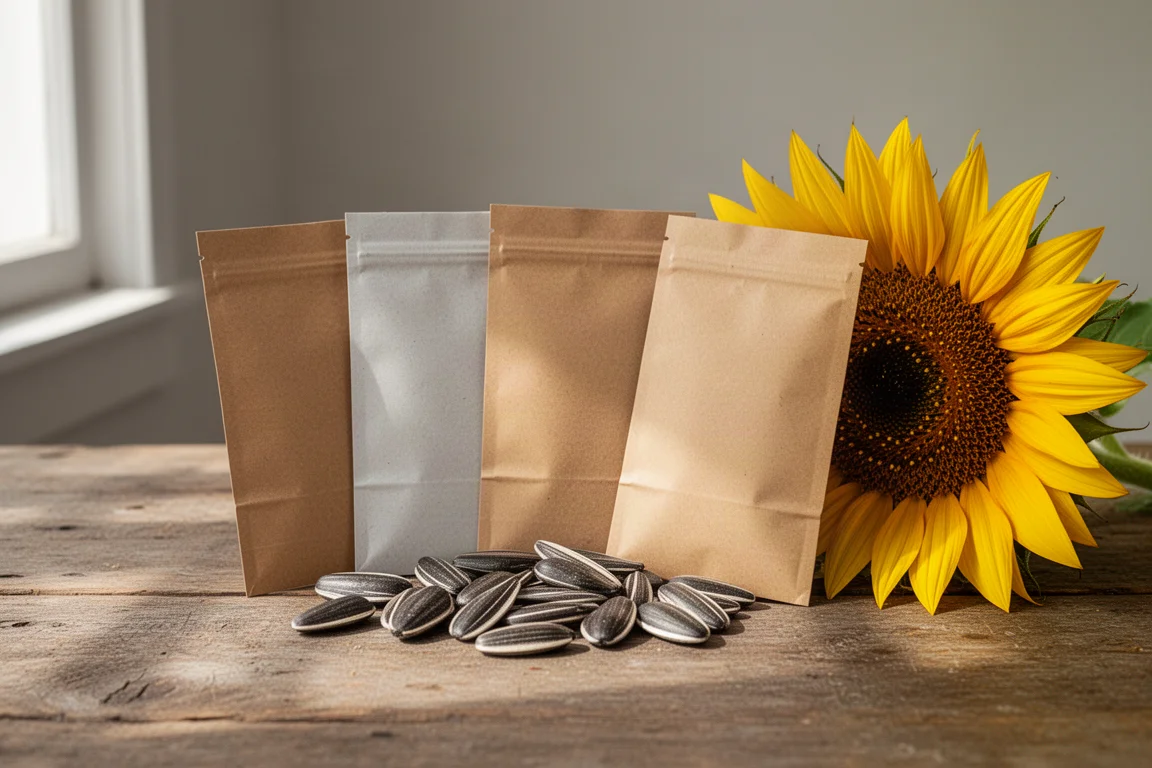
Best Giant Sunflower Seeds: Five Varieties Grown and Compared
We grew five giant sunflower varieties side by side in a small urban garden to see which ones deliver real height, big blooms, and reliable germination.