Winter Camping Gear
Budget Winter Camping Gear: Six Affordable Pieces Tested in the Cold
Six low-cost winter camping products tested on frozen ground at around -12°C, with notes on real warmth, comfort, and where the spec sheets fall short.
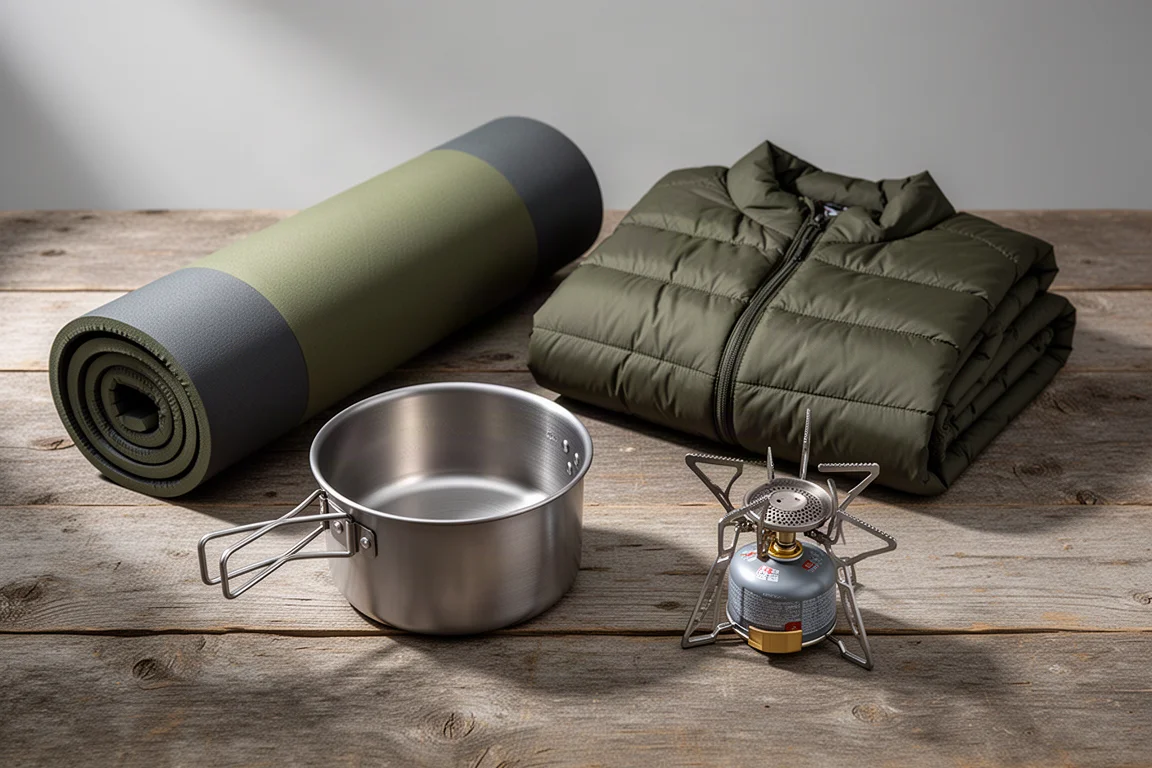
Introduction
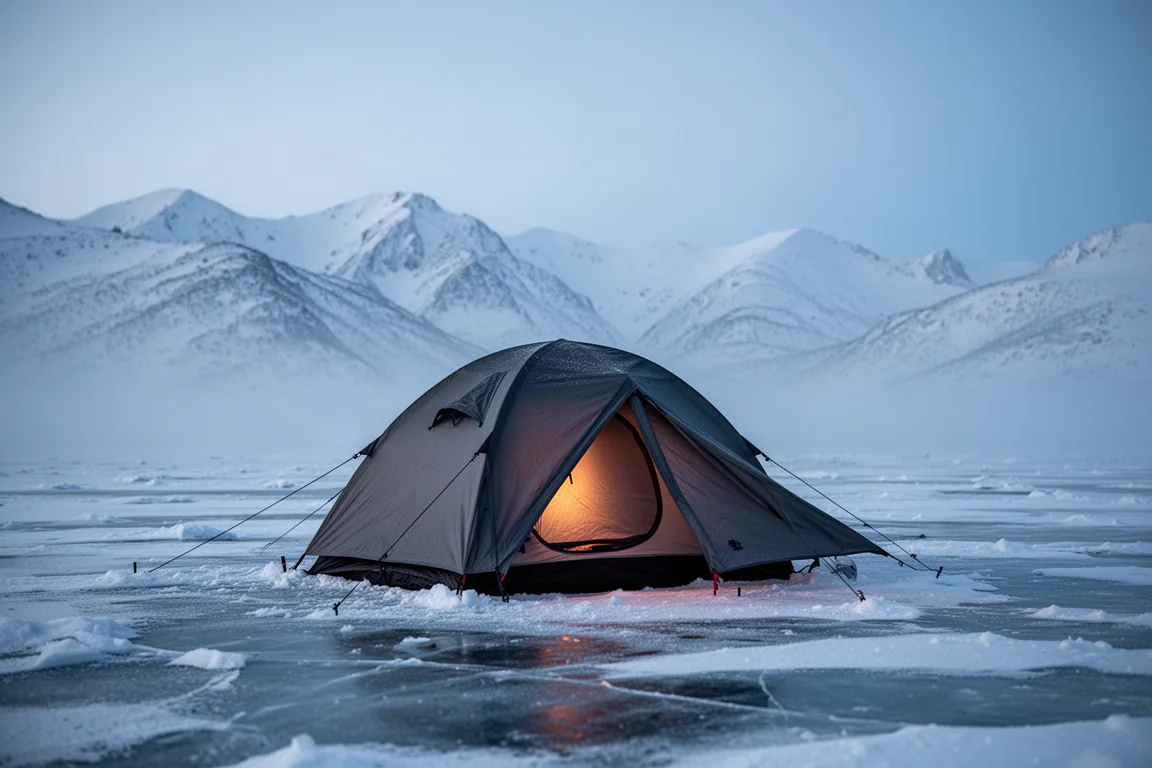
Affordable winter gear is tempting because the claimed numbers often read like premium gear. Six low-cost pieces were taken into the Canadian Rockies with overnight temperatures forecast around -12°C, frozen ground, and a light dusting of snow, to find out whether the specifications hold up in real conditions.
Because budget gear has a higher chance of underperforming, the test was deliberately run close to a vehicle. If a key piece failed, packing up and leaving was easy. That matters in winter, where a sleeping pad or an insulating jacket that does not perform can turn an uncomfortable night into a risky one.
How These Products Were Evaluated
Three sleeping pads were compared in a direct A/B format. Two pads were laid out side by side and occupied in turn over the evening, and whichever felt colder was swapped out for the third pad for the rest of the night. Every pad was fully inflated, since maximum firmness gives the most insulation, and each test was done lying on the back so the insulation underneath the sleeping bag was fully compressed. Air temperature was tracked with a Bluetooth thermometer through the night.
All three pads use the same insulation concept: suspended layers of reflective Mylar film that bounce body heat back to the sleeper, rather than down or sheets of synthetic fill. That shared design makes the comparison between them fair, and it also explains why thickness and surface area matter so much.
Comfort was judged separately from warmth, and the baffle pattern turned out to be the deciding factor. Horizontal baffles with light dimpling, and dimpled baffles on the thinner pads, produce noticeably different amounts of pressure relief. Reliability is the open question with any budget pad: a piece that performs once but fails later is not worth carrying in winter.
Naturehike Sleeping Pad and Its 8.8 R-value Claim
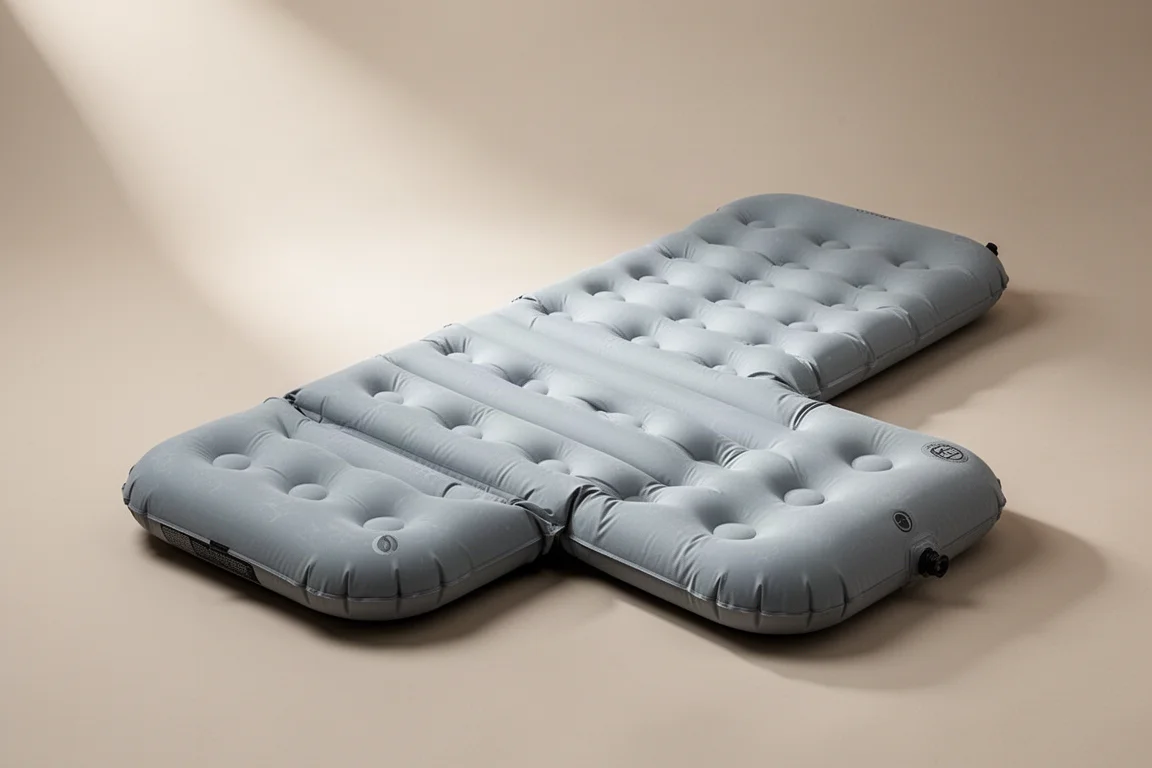
On paper this is the most ambitious pad of the group: $115, a claimed 8.8 R-value, and a 650 g weight. It is a long, wide rectangular pad, noticeably thicker than the other two, with a dimpled baffle pattern.
On a night that settled at around -12°C, it slept cold. An hour on the pad pulled heat away from the body, and a second attempt three hours before sunrise produced the same result. The claimed 8.8 figure did not translate into 8.8-level warmth. The likely reasons are physical: a large, thick pad exposes more surface area to cold air, and reflective sheet insulation may not be implemented as effectively here as on thinner designs.
Comfort is where the pad delivers. The extra thickness and the surface feel produce clear pressure relief, and it was the most comfortable of the three to lie on, which makes it a genuinely interesting option if the warmth claim is set aside.
Hikenture Sleeping Pad and Its 6.2 R-value
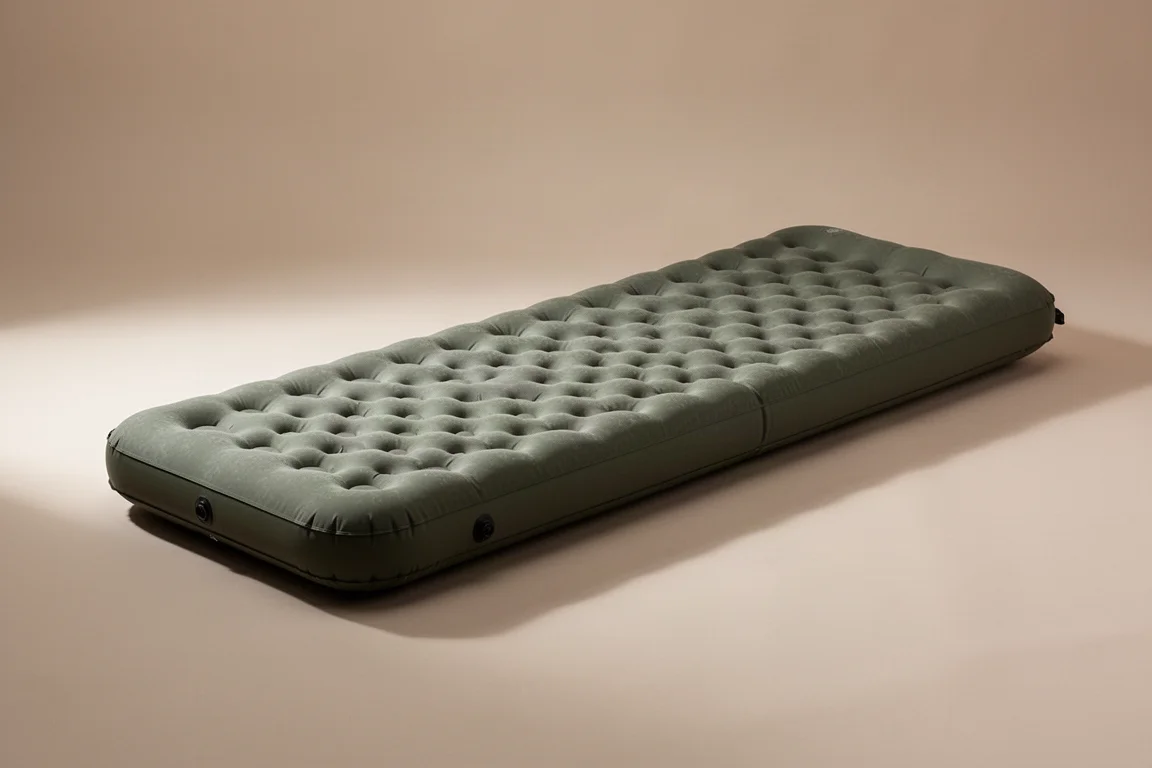
At $80 this is the least expensive pad tested, with a claimed 6.2 R-value and a horizontal baffle layout modified with light dimpling, closer in concept to the baffling used on some high-end winter pads.
Thirty minutes on it in similar temperatures produced obvious heat loss into the ground and a cold back. A 6.2 R-value should be comfortable in those conditions, so the result was disappointing for a pad that was expected to be the value pick. It remains a reasonable candidate for shoulder-season trips at milder temperatures, where its low price and adequate comfort could make sense.
Light Tour Sleeping Pad and Its 7.5 R-value
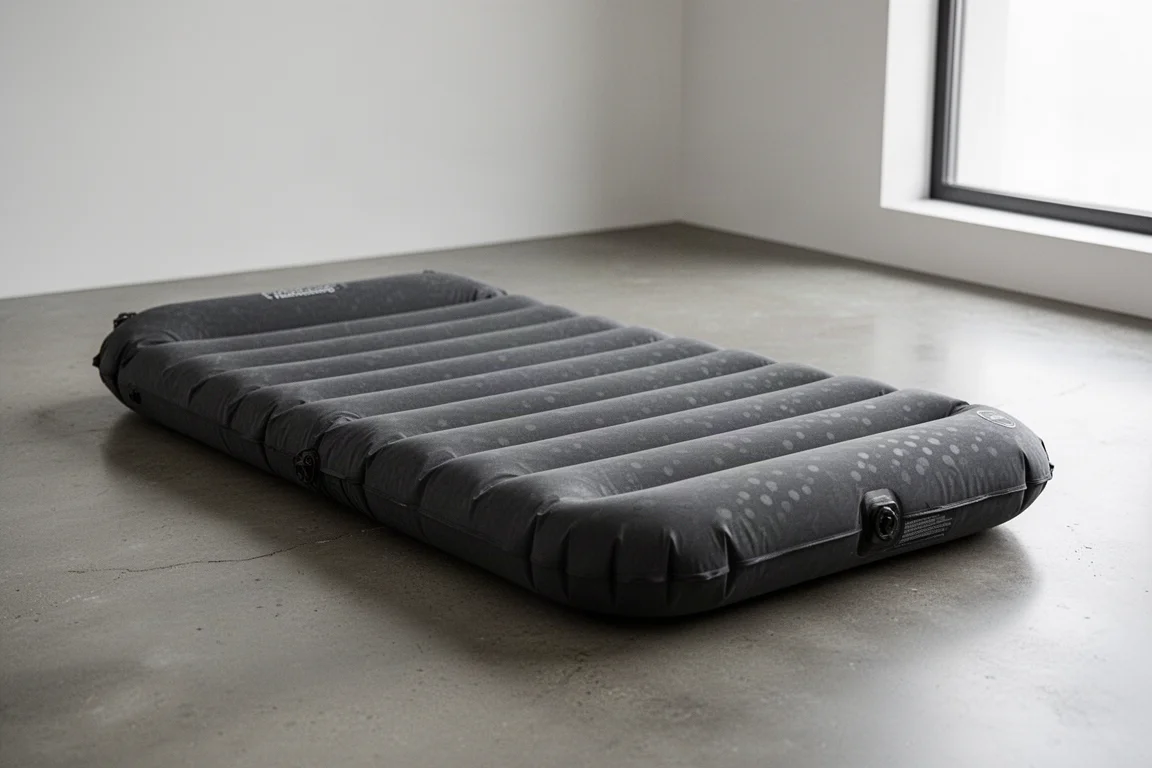
This pad sits at $95 with a claimed 7.5 R-value, a 560 g weight, a light colorway, and a dimpled baffle pattern. It is smaller and thinner than the Naturehike pad and the lightest of the three, with a weight comparable to pads rated in the 4 to 5 R-value range.
During the first hour of side-by-side testing, the reflected heat was easy to feel and the pad was genuinely warm. Overnight, with the temperature holding near -12°C, it was neither warm nor uncomfortable, sitting right at the edge of its limits. It is not as warm as the strongest winter pads available, though it may come close to some of them.
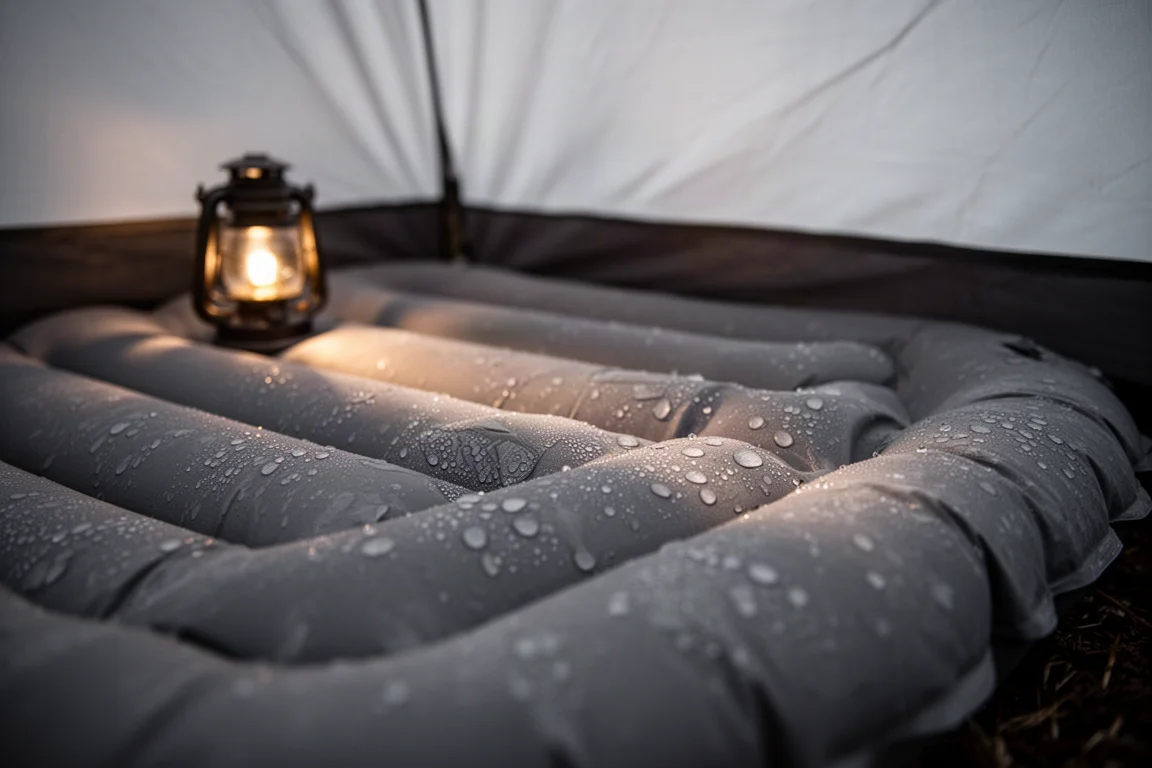
Comfort is the trade-off. The dimples are shallow, so pressure relief is modest, and the pad never feels as plush as the thicker options. Even if the 7.5 claim is optimistic, a 560 g pad at $95 that keeps a sleeper functional at -12°C is a compelling combination for anyone who is not heading into extreme cold.
Decathlon MT900 Down Jacket
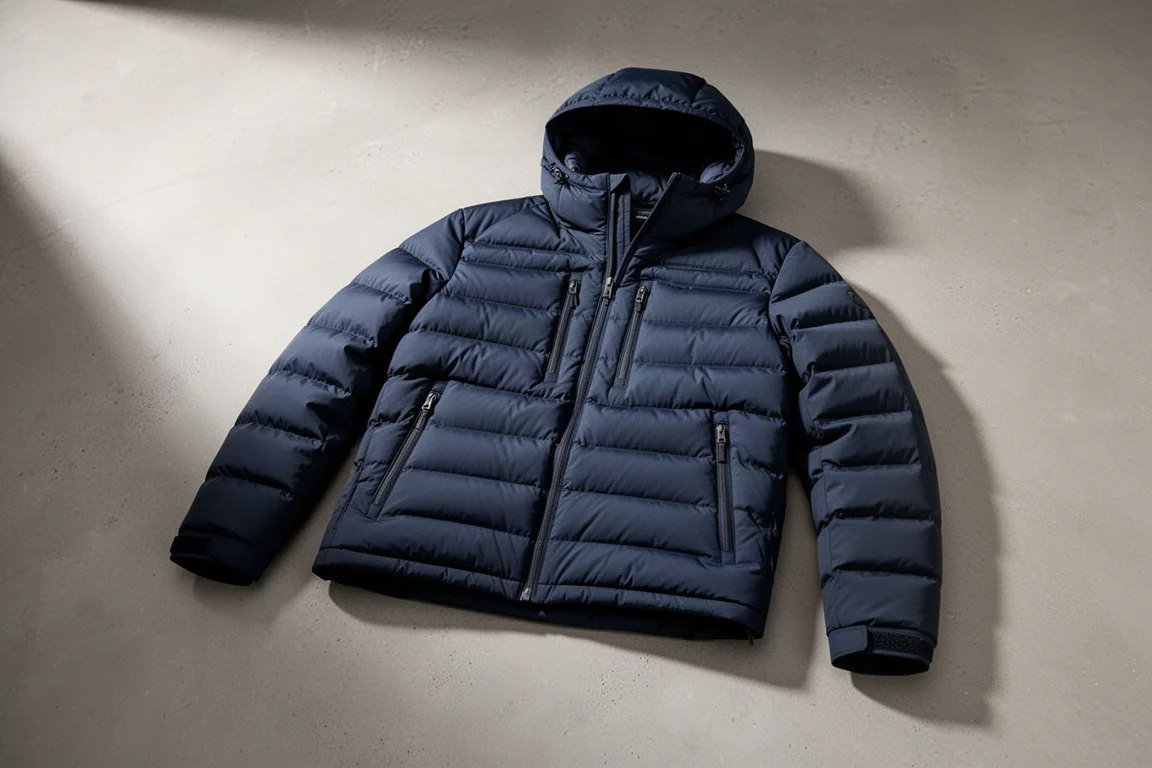
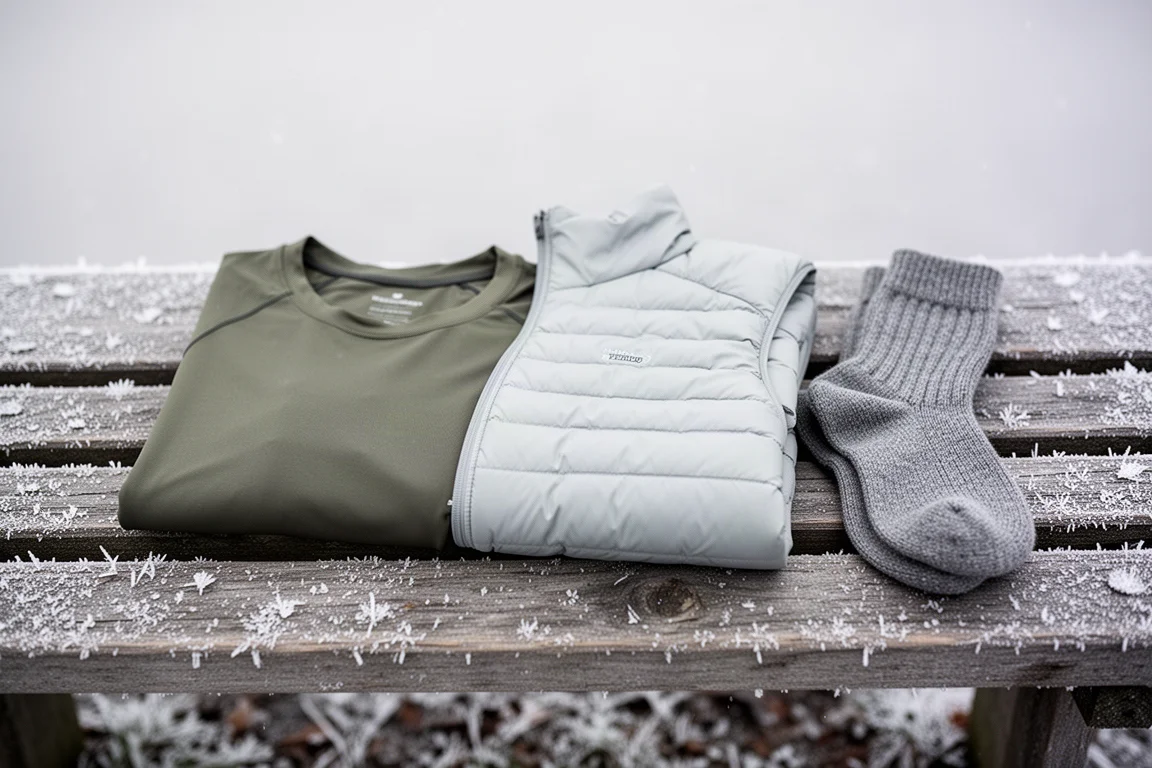
The updated MT900 costs $200 in the United States, weighs just over 600 g, and is priced considerably lower outside the US. It is advertised as warm down to -5°C in static conditions. In testing at -6 to -7°C, with only a thin synthetic base layer and a light Alpha Direct sweater underneath, it felt comfortable, and at -12°C it kept the wearer from freezing without being toasty. A more realistic static limit looks like -10°C, and with a fleece layer added, possibly -20°C.
Several things stayed the same: sewn-through baffling, which keeps it from matching the warmth of a box-baffled down jacket, relatively low fill power down that keeps the price down, a basic shell, and waterproofing on the shoulders and hood. The cuffs now get waterproofing as well, which helps when digging around in snow.
The bigger changes are in the pockets and zippers. The pit zips are gone, which saves weight but removes an easy way to dump heat when setting up camp. In their place are two chest zippers plus internal drop pockets, two on the left and one on the right. Chest pockets are genuinely useful in winter because batteries and phones stay warmer there, and the large left internal pocket fits a rehydrating freeze-dried meal.
Tomshoo 2L Titanium Pot
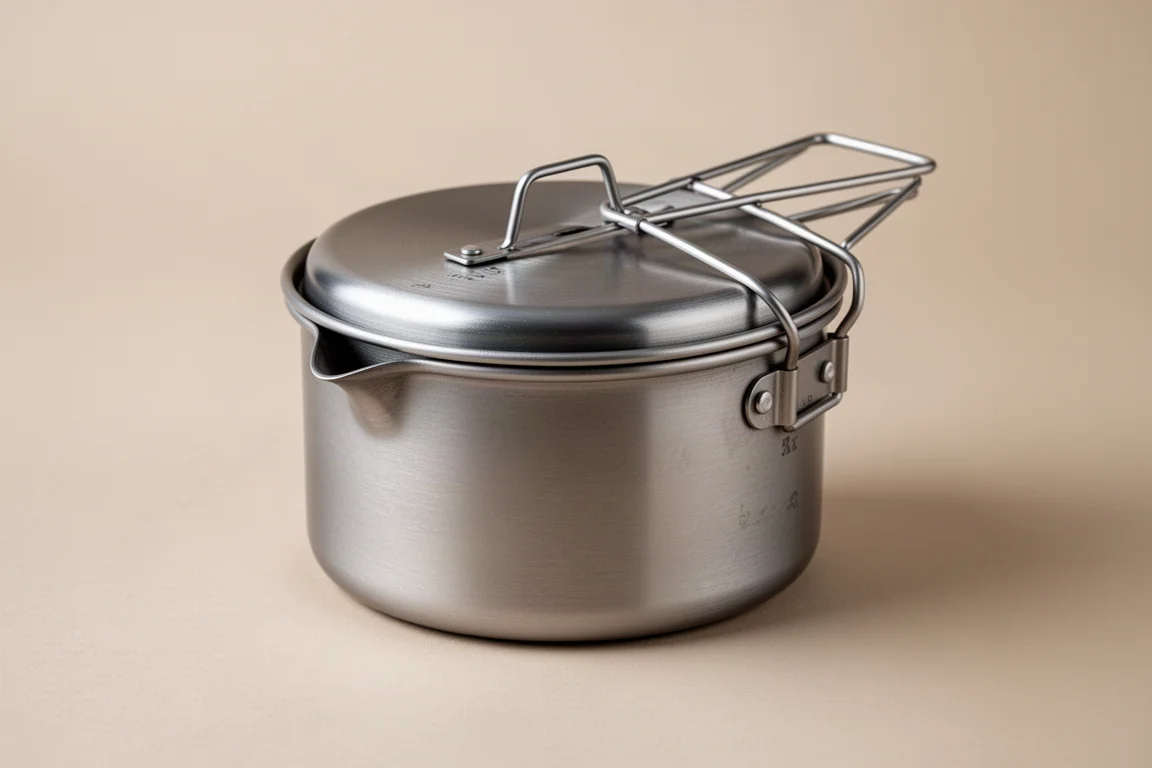
This pot holds a full 2 L to the brim, which makes it more compact than a comparable pot whose capacity is measured at about three-quarters full. It is a good size for winter camping, where melting snow is the main job and larger volumes save time.
The handle is the standout detail. It folds over the lid and locks the whole pot closed for storage, and the spout at the rim makes it easy to pour water into a bottle or directly into a freeze-dried meal without a bag or elastic band.
The lid fits a little tighter than ideal, which is the main annoyance. Everything else about the pot works, and it is the piece from this group that earned a clear recommendation.
Martin Winter Stove
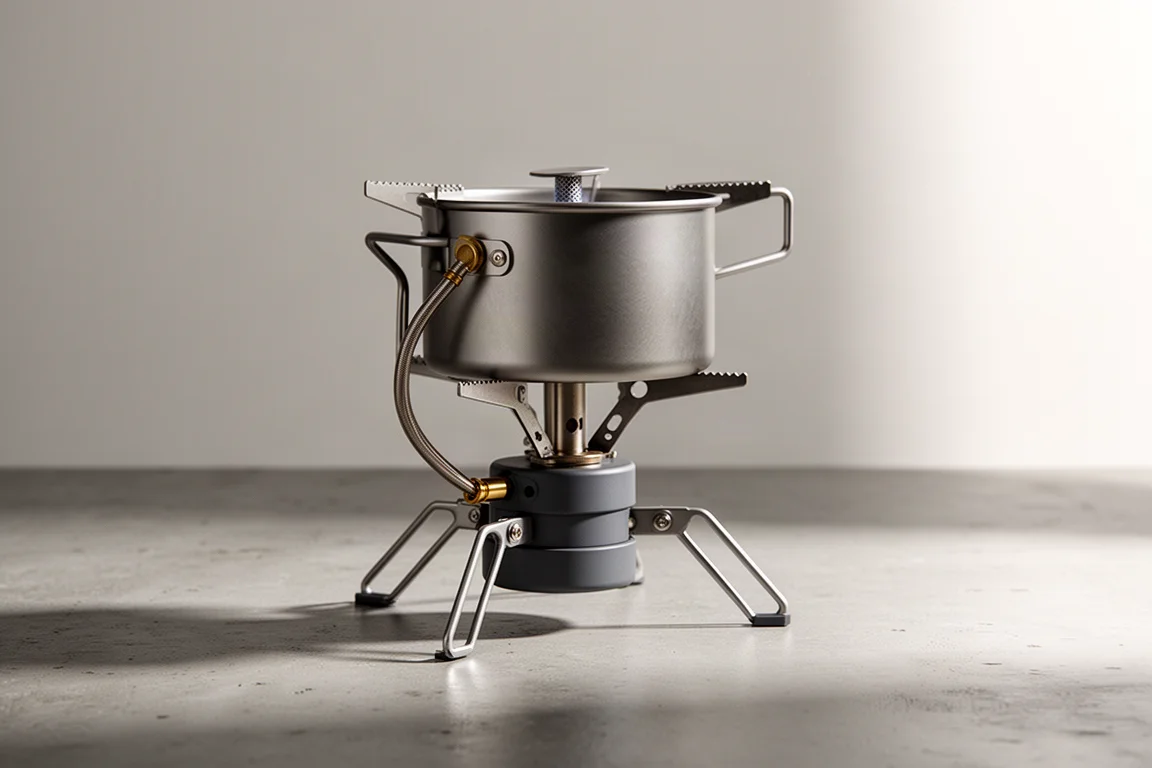
A winter stove is defined by its preheating tube, and this one costs $25 and weighs 155 g. The technique is standard for liquid fuel feed: attach the stove to an upright canister, light it, let the preheating tube warm for about 30 seconds, then invert the canister so liquid fuel runs through the tube, vaporizes, and feeds the burner.
In practice the stove sputtered and pulsed throughout. The preheating tube may simply be too narrow to pass enough liquid to produce a steady gas flow. It took about 30 minutes to reach a boil with roughly 800 ml in the pot, which is far too slow for a meal on a cold evening, and the performance does not suggest it would be much better in summer.
Overall Buying Advice
The clearest lesson from this test is that claimed R-values are not a reliable guide on budget sleeping pads. Judged instead on actual warmth, weight, and comfort, the Light Tour pad stands out for keeping a sleeper functional at -12°C while weighing only 560 g, and the Naturehike pad stands out for comfort despite sleeping far colder than its rating suggests. The Hikenture pad is the cheapest and the coldest of the three, and makes more sense for milder shoulder-season nights.
Reliability remains unproven for all three pads, and that matters more in winter than in any other season. Anyone considering budget winter gear should test it in controlled conditions, on a short trip with an easy exit, before relying on it for a multi-day route or a colder forecast. A pad that costs around $100 and performs close to a mainstream option is still good value, provided it is used within the limits it actually has rather than the limits printed on the packaging.
The jacket follows the same logic. The MT900 is a solid, lightweight option for around -10°C static use with a decent layering system, and its pocket layout is well thought out for winter. The titanium pot is a straightforward win. The stove is the one piece to leave behind.
Conclusion
Budget winter gear can work, but it needs to be chosen on measured performance rather than advertised numbers. The Light Tour pad and the Tomshoo pot delivered real value at low prices, the Decathlon MT900 jacket is a capable insulating layer within realistic temperature limits, and the Naturehike pad trades warmth for comfort. The Martin stove and the Hikenture pad are the two pieces where the price advantage does not carry through to the conditions they are meant for.
Further reading
Related Reviews
Winter Camping Gear
Affordable Winter Camping Gear: Six Budget Pieces Tested Below Freezing
Three reflective sleeping pads, an updated down jacket, a titanium pot and a $25 winter stove, assessed on frozen ground at around minus 12 degrees Celsius.
Winter Camping Gear
Best Winter Camping Gear 2026: Seven Pieces Worth Packing
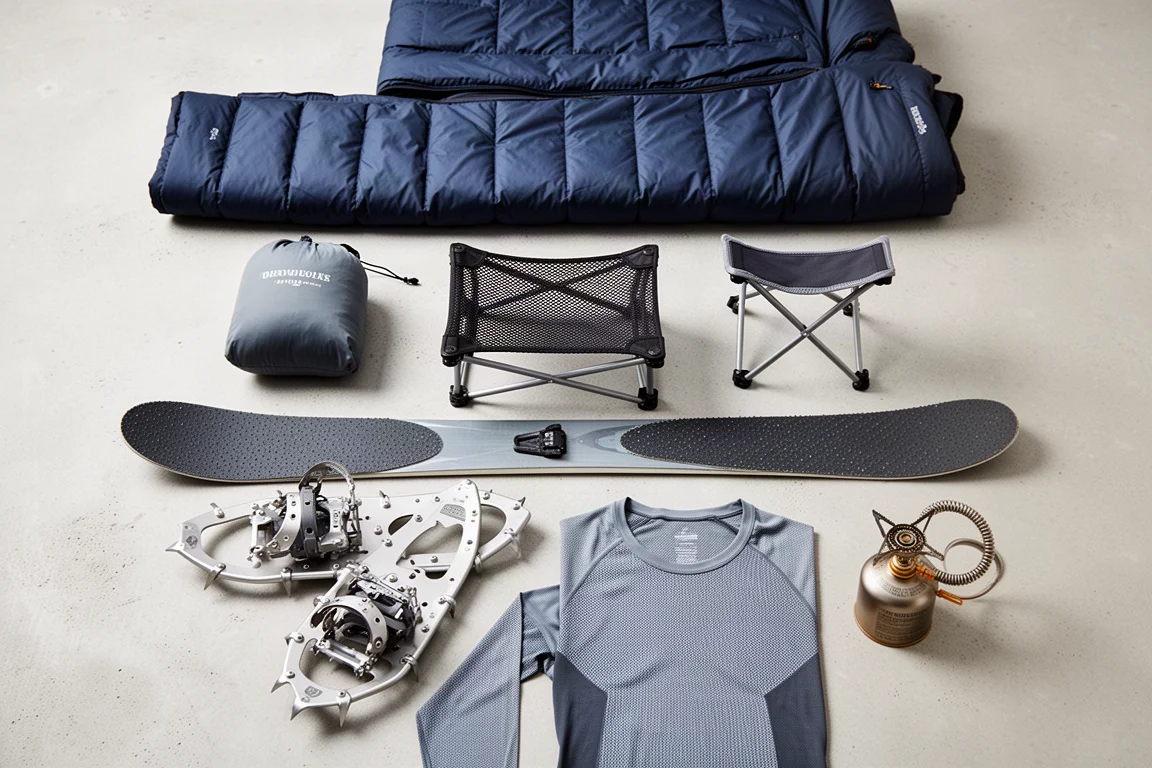
A practical look at seven winter camping items, from an insulated parka rated to minus 20 degrees Celsius to a titanium stove built for cold canisters.
Winter Camping Gear
Ultimate Winter Camping Gear List: Proven Essentials for Cold-Weather Adventures
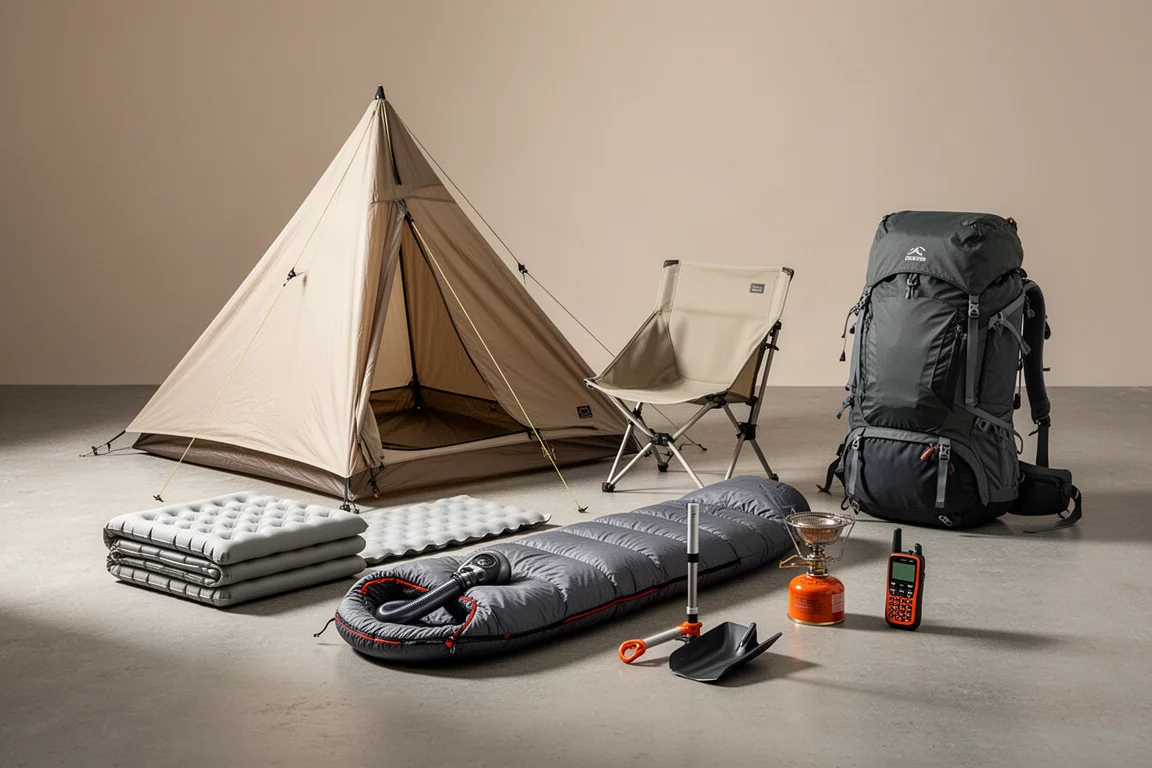
A curated list of winter camping gear that has proven itself in freezing temperatures, from shelter and sleep systems to cooking and safety essentials.