3D Printing
Budget vs Premium 3D Printers: Is the Elegoo Centauri Carbon Really Enough?
Can a $300 enclosed CoreXY printer match a $1,200 flagship setup? A practical look at the Elegoo Centauri Carbon and the Bambu Lab lineup to help you decide where your money should go.
Introduction
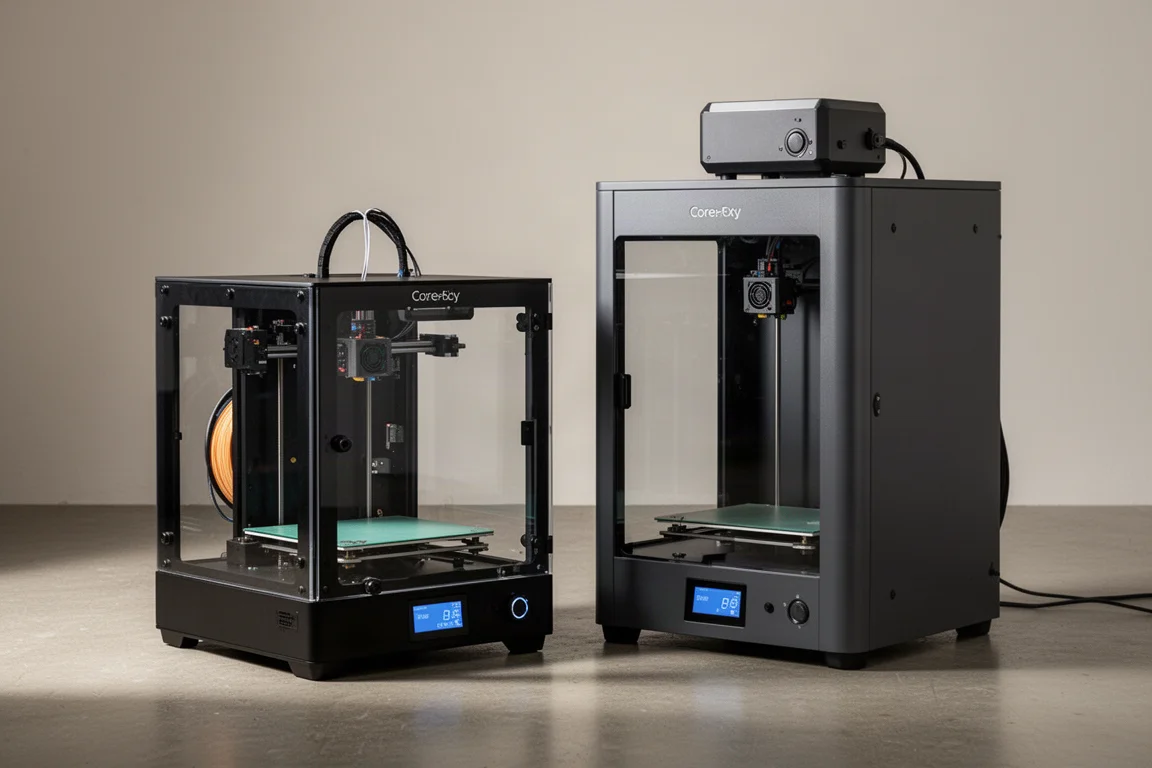
The question comes up constantly: do you need to spend around $1,200 on a top-tier Bambu Lab X1 Carbon with a multi-material system, or can an Elegoo Centauri Carbon at roughly $300 deliver essentially the same experience? The short answer is no. The longer answer is maybe, and it depends heavily on what and how you print.
We spent time with both machines side by side, comparing build quality, print output, software, and the wider Bambu Lab lineup, including the P1S, A1, and the new AMS 2 Pro. Here is how it all stacks up.
Size, Build and Everyday Details
In terms of footprint and capacity, the two flagship machines are almost identical. Both use a 256 x 256 x 256 build volume, and the textured build plates feel nearly indistinguishable. The print heads even look similar, and it is obvious the Centauri Carbon takes its design cues from the X1 Carbon.
The details separate them. The Centauri’s side panels are screwed on from the outside, which makes removing a panel for maintenance genuinely easier than prying at the X1C’s more monolithic shell. The Centauri’s door handle is also much more comfortable, and the door opens noticeably wider, whereas the X1C forces you to hook a finger into a narrow recess. Both use responsive color touchscreens, with the Bambu version feeling a bit faster, though its low-mounted position is less convenient. The X1C keeps its SD card slot accessible, while the Centauri offers a front USB port instead. Interior lighting on the Centauri could be brighter, and the Bambu’s lighter-tinted glass makes it easier to see inside the chamber.
Print Quality: Surprisingly Close
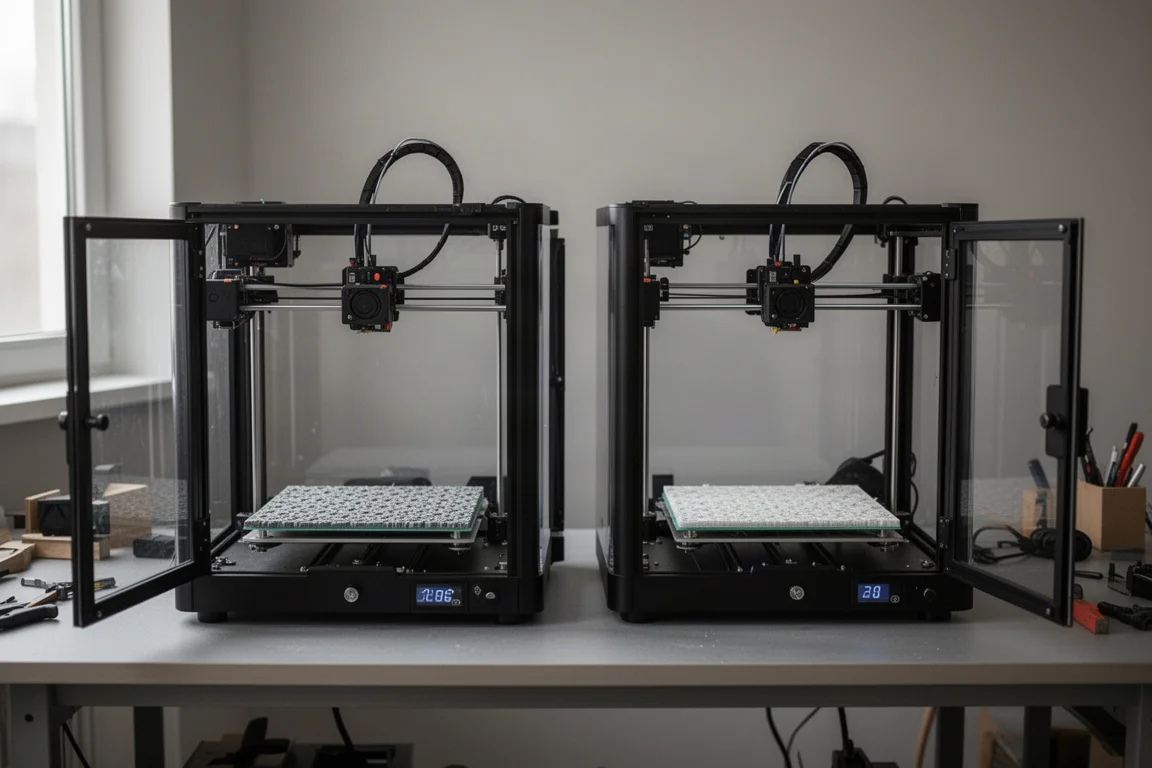
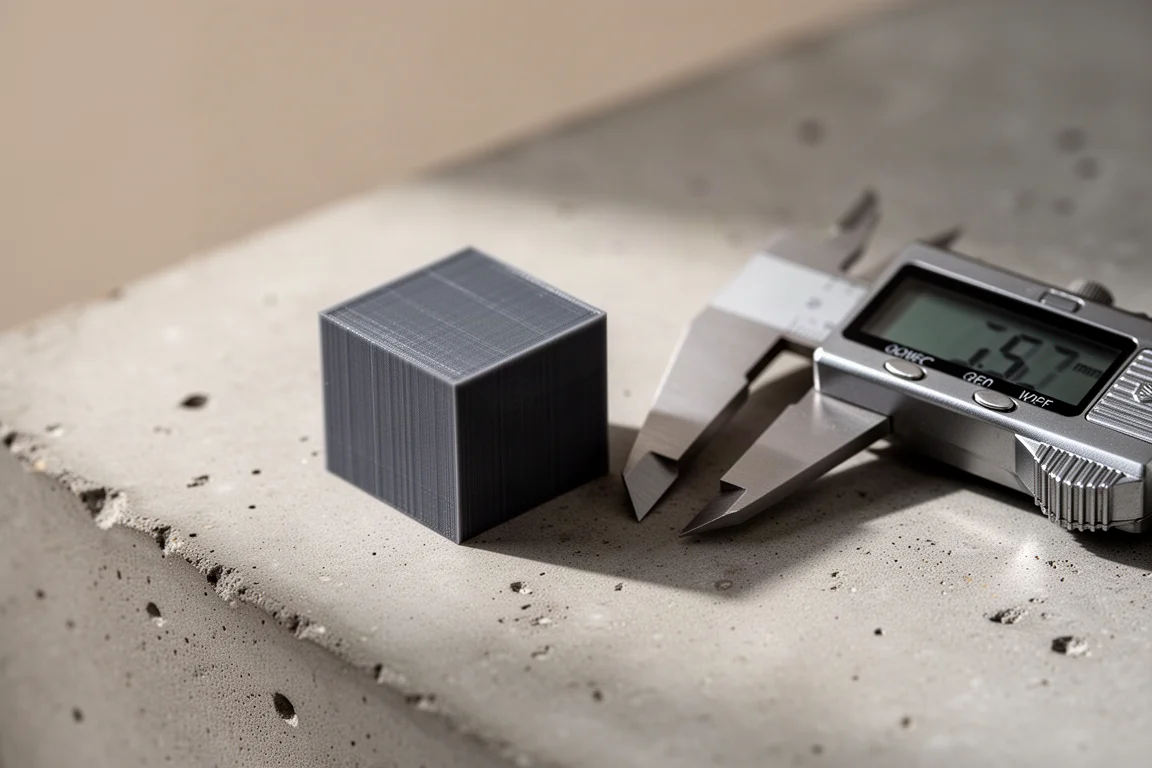
Place two identical benchmark prints side by side, one from each machine, and most people cannot tell which came from which. On very close inspection, the X1C output edges ahead slightly, but the Centauri Carbon lands within a margin of error. Out of the box, with no fuss, a carbon fiber test cube measured almost exactly its intended 20 mm dimensions.
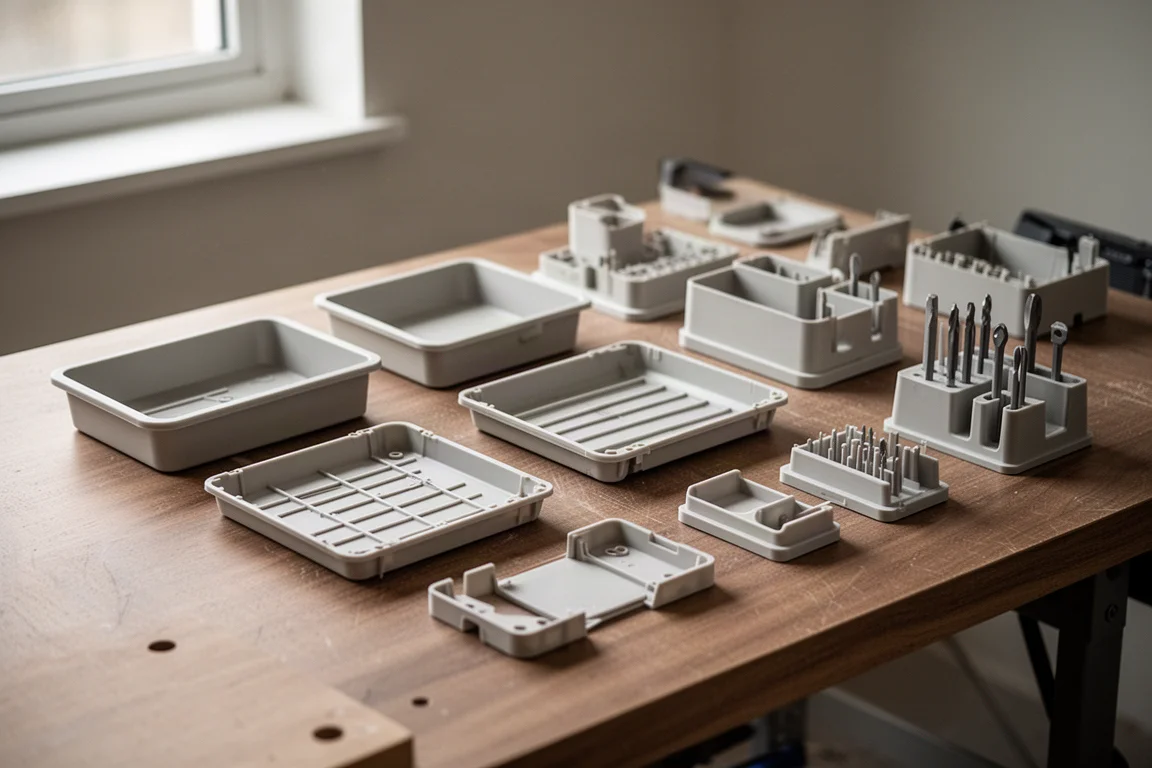
More ambitious parts came out just as well. Functional trays and battery holders printed in carbon-filled PETG and PLA looked so clean that nobody would guess they came off a 3D printer. Notably, there have been zero failed prints on the Elegoo so far, while the more heavily used Bambu has thrown a few.
Where the Centauri falls short is long-term confidence. It looks and feels a bit more assembled from off-the-shelf parts, and there has been public friction around software licensing on its controller board. It is not the first company to face that kind of issue, but it is worth knowing before you commit.
Software and Connectivity: The Mac vs Linux Question
The comparison here is less PC versus Mac and more Linux versus Mac. Bambu has locked its ecosystem down in a very controlled way, framed as a security decision, and some users remain frustrated. But that control buys real convenience: the Bambu app lets you monitor prints from anywhere, automatically reads embedded RFID tags on spools so the slicer always knows what filament is loaded, and can auto-switch to a backup spool mid-print when one runs out.
The Elegoo setup runs over your local network. Monitoring works fine at your desk, but there is no cloud access, so no checking on a print from your phone while you are out. Once you get used to remote monitoring, going back feels like losing cruise control in a car. On the flip side, if you dislike cloud dependence, the Elegoo keeps everything local.
Slicers matter less than people think. Elegoo’s slicer, Bambu Studio, and Orca are all derivatives of the same family tree, with the same core controls. The Bambu slicer has a cleaner, more visual interface and better multi-material integration, while the Elegoo one is more text-heavy. One notable gap: Bambu Studio’s printer list conspicuously does not include Elegoo machines.
Multi-Color and the AMS 2 Pro
Bambu’s AMS is the biggest practical advantage of the ecosystem. The X1 Carbon combo starts around $1,249 with the basic AMS, and with the new AMS hub you can chain four units together for up to 16 colors or filament types, including cheap support material so you are not wasting premium filament.
The new AMS 2 Pro is currently on sale, bringing a fully-loaded X1C engineering setup down to roughly $1,119. The AMS is also fully enclosed, so you can keep desiccant inside and protect moisture-sensitive filaments like carbon fiber blends.
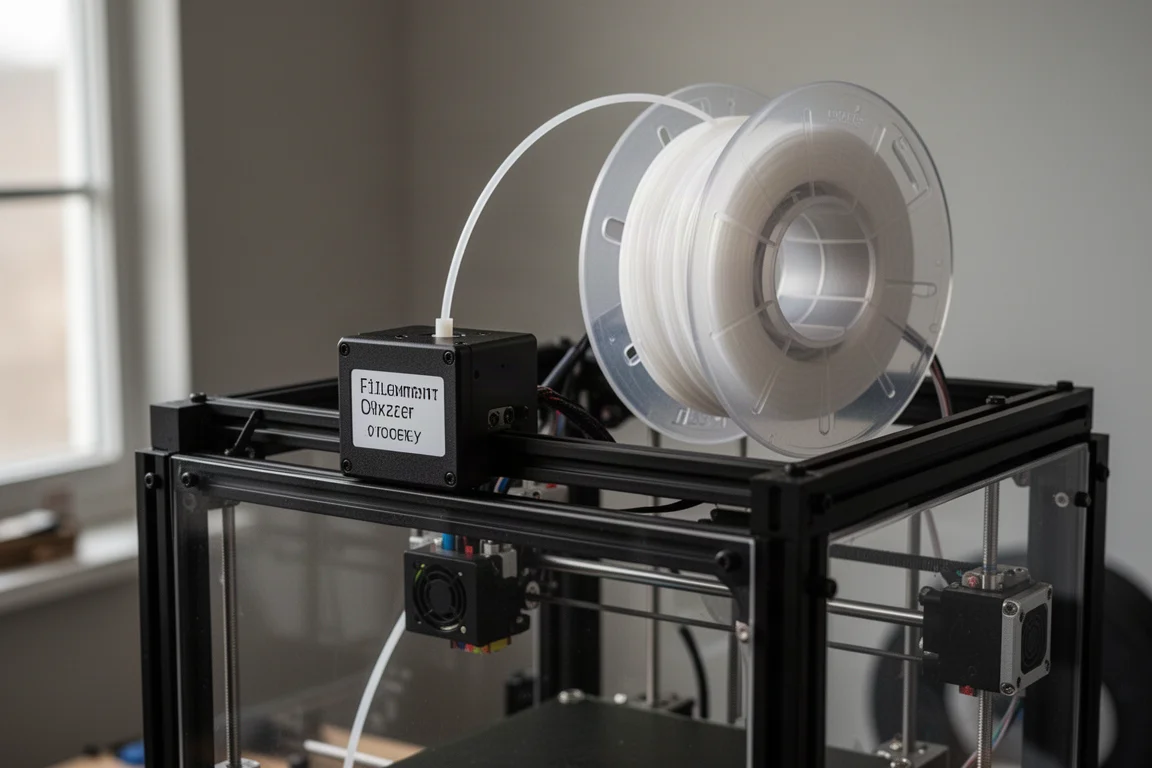
The Elegoo currently has no multi-material unit. Filament changes are a manual, multi-minute routine of heating the hotend, purging, and feeding a new spool. For occasional swaps it is perfectly manageable. For a ten-swap multi-color print, it is a genuine pain. An AMS for the Centauri has been promised, but for now that remains hope rather than hardware.
The Rest of the Lineup: P1S and A1
The Bambu Lab P1S sits between the two extremes. It does not print carbon fiber out of the box, but that is just a hotend swap away. It is enclosed, which matters more than people think: blast cold air into an open printer mid-print and you get layer lines, a visible stripe across the part where one layer cooled faster than the rest.
The Bambu Lab A1, at around $350, is a fast, simple, open-frame gem of a printer. Its optional AMS Lite keeps spools fully exposed, which is fine if you burn through filament quickly, but risky for moisture-sensitive materials or cold, drafty spaces.
Which One Should You Buy?
If you print engineering-grade filaments like carbon fiber blends and need an enclosed chamber, the Elegoo Centauri Carbon at $300 is almost absurdly good value. Add the small side dryer box and print a feeder-tube riser to relieve the sharp tube angle, and most complaints disappear. It is hard not to recommend, and you could buy two of them for the price of one Bambu flagship without an AMS.
If you print multi-color regularly or want the app-based, auto-switching, RFID-driven ecosystem, the Bambu setup justifies its price. The X1C is the development and high-end workhorse, the P1S is the reliable enclosed all-rounder, and the A1 is the easy entry point.
Conclusion
For most people, the Elegoo Centauri Carbon will be more than enough printer, and at $300 it is a genuine gem. The Bambu Lab machines earn their premium through polish, multi-color capability, and remote convenience. Match the machine to your actual workload and you will not overspend.
Product link
View more details for Elegoo Centauri Carbon
This product is mentioned in the review. Check the specifications, options, and compatibility before buying.
View more details for Elegoo Centauri CarbonFurther reading
Related Reviews
3D Printing
3D Printer Wishlist 2026: Industry Hopes and Manufacturer-Specific Improvements
A comprehensive review of what the 3D printing industry needs in 2026, from universal standards to manufacturer-specific feature requests across leading brands.
3D Printing
3D Printing Trends 2026: Multi-Material Systems, Stronger Filaments, and Desktop Metal Casting
FormNext 2025 revealed the direction of 3D printing in 2026: accessible multi-material printers, high-strength filaments, and innovative software solutions that bring industrial capabilities to the desktop.
3D Printing
Bambu Lab 3D Printer Lineup 2025: Which Model Fits Your Needs
A comprehensive breakdown of Bambu Lab's current printer lineup, from mid-range workhorse models to flagship multifunction machines, with honest trade-offs for each.