Indoor Cycling
Budget Indoor Training Setup: Van Rysel D900, Rouvy and the Gear That Matters
A complete indoor cycling setup for under £1,000, built around the Van Rysel D900 trainer and Rouvy, with practical guidance on fans, device stands, mats and bike protection.
Introduction
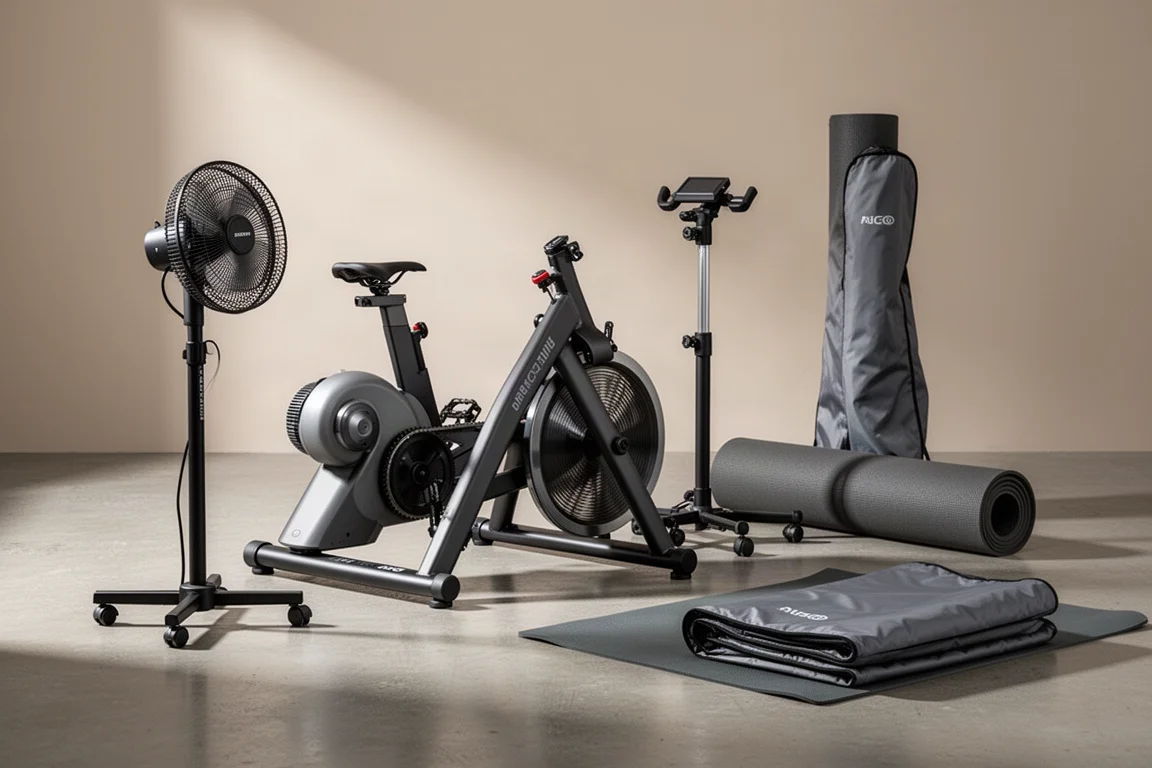
Indoor training has a reputation for being expensive, but a setup that covers everything you actually need does not have to cost a fortune. A workable indoor space comes down to four things: moving air, somewhere to put a screen, a trainer that suits your riding, and software that fits your budget. Everything else is detail.
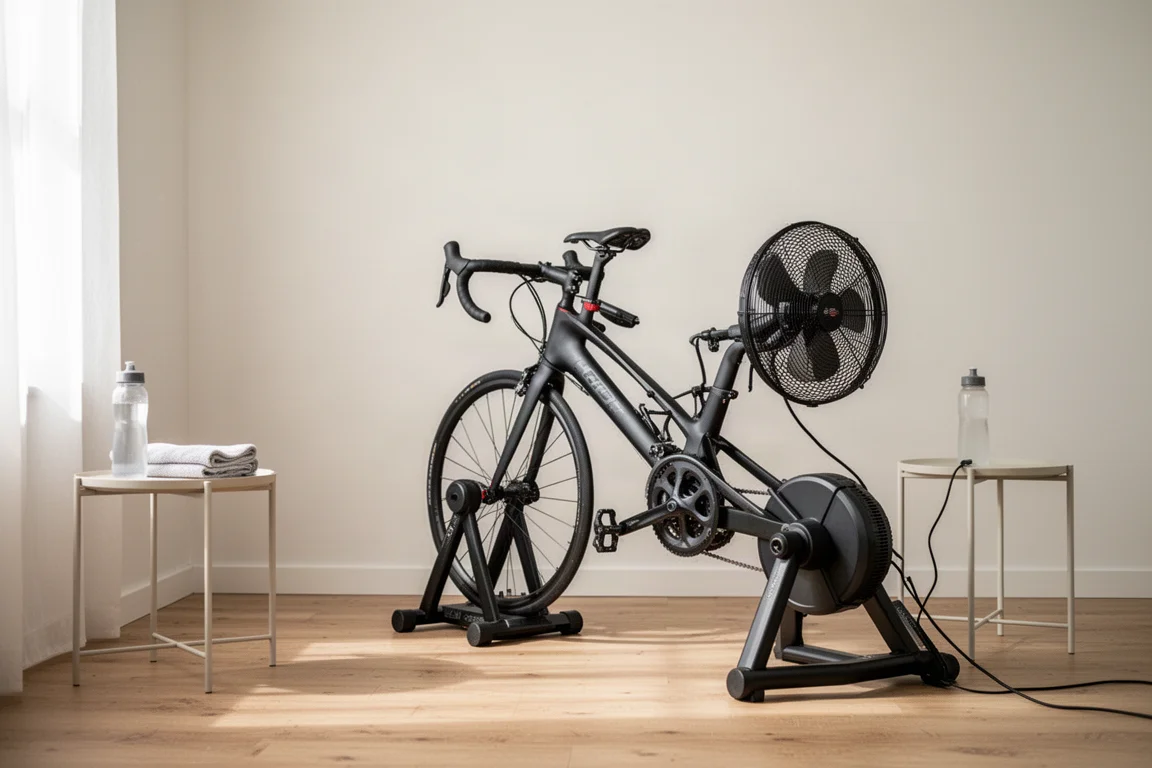
The setup outlined here came in comfortably under £1,000, and the parts that mattered most were not the ones that cost the most. This guide walks through each element in turn, including where it is worth spending and where a cheaper alternative does exactly the same job.
Ventilation and Comfort: The Most Overlooked Upgrade
The first thing to sort out is a fan, because indoor sessions get hot quickly and ventilation makes a bigger difference to comfort than almost anything else.
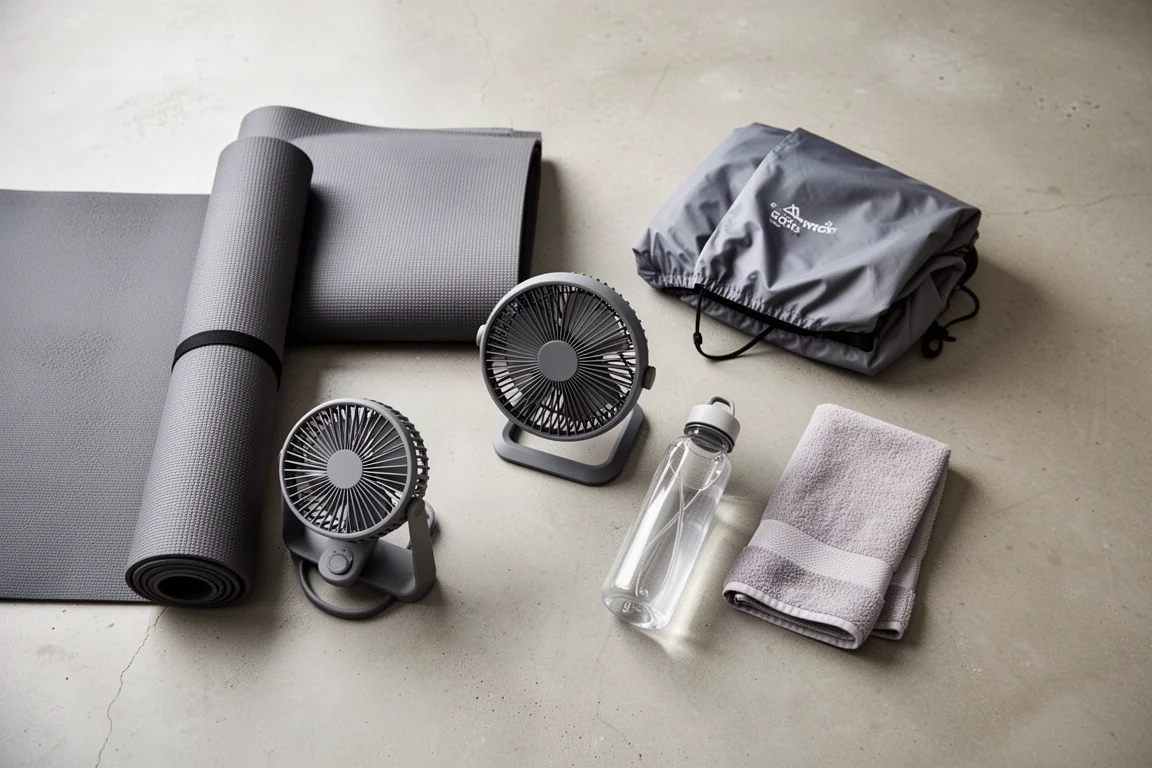
Desk fans rarely move enough air. Cycling-specific fans do, but they often cost a lot because they bundle in smart features that many riders never use, when most of the time you simply want full power. Fans originally designed for home renovation work, built to dry out walls by pushing large volumes of air upward, turn out to suit indoor training well. Look for a model with a few power settings and adjustable tilt positions, and it will do the job for far less.
Keep a towel and a drinks bottle within reach as well. Both are inexpensive, and both matter more than they sound once a session runs long.
Device Placement and Floor Protection
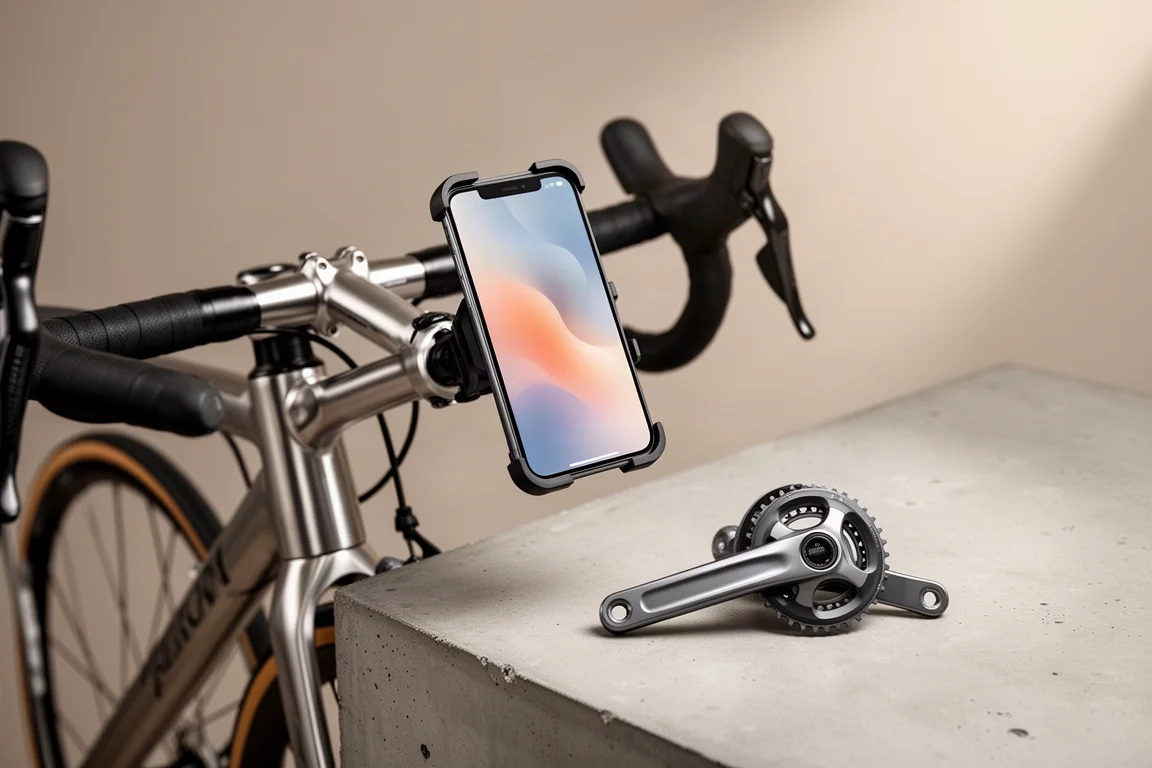
You need a stable place to put a phone, tablet or laptop. A shelf or a window sill works well if you have one. If not, a wheeled stand that sits in front of the bike is a simple and effective solution: it is height adjustable, so it suits most bike sizes, it moves out of the way easily, and it does not need to cost much.
A training mat is worth having even when noise is not a concern, because it catches sweat and drink spills before they reach your flooring. In a flat it does double duty by reducing how much sound travels through the floor. A general-purpose mat costs less than the cycling-specific equivalents and works in the same way.
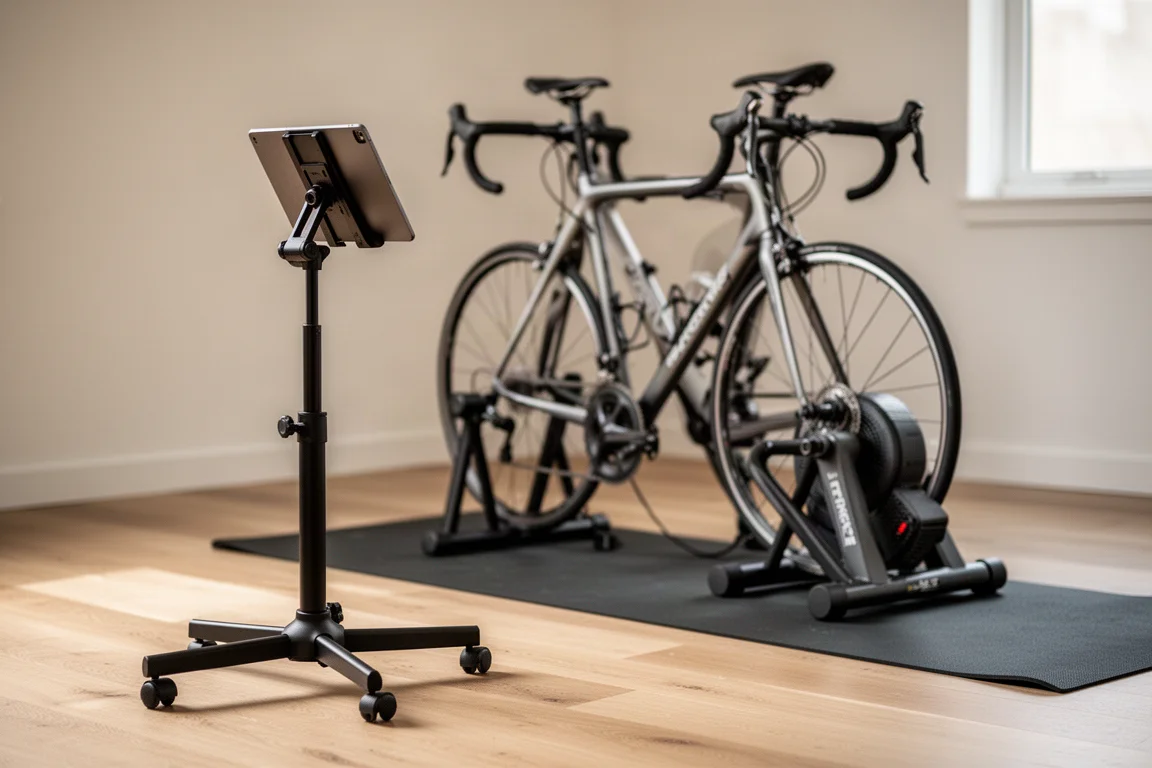
The trade-off is that a general-purpose mat may be slightly softer and slightly less hard-wearing than a cycling-specific one. If you already own something that fits the space, use it. The point is coverage under the bike and trainer, not branding.
The Trainer: Van Rysel D900
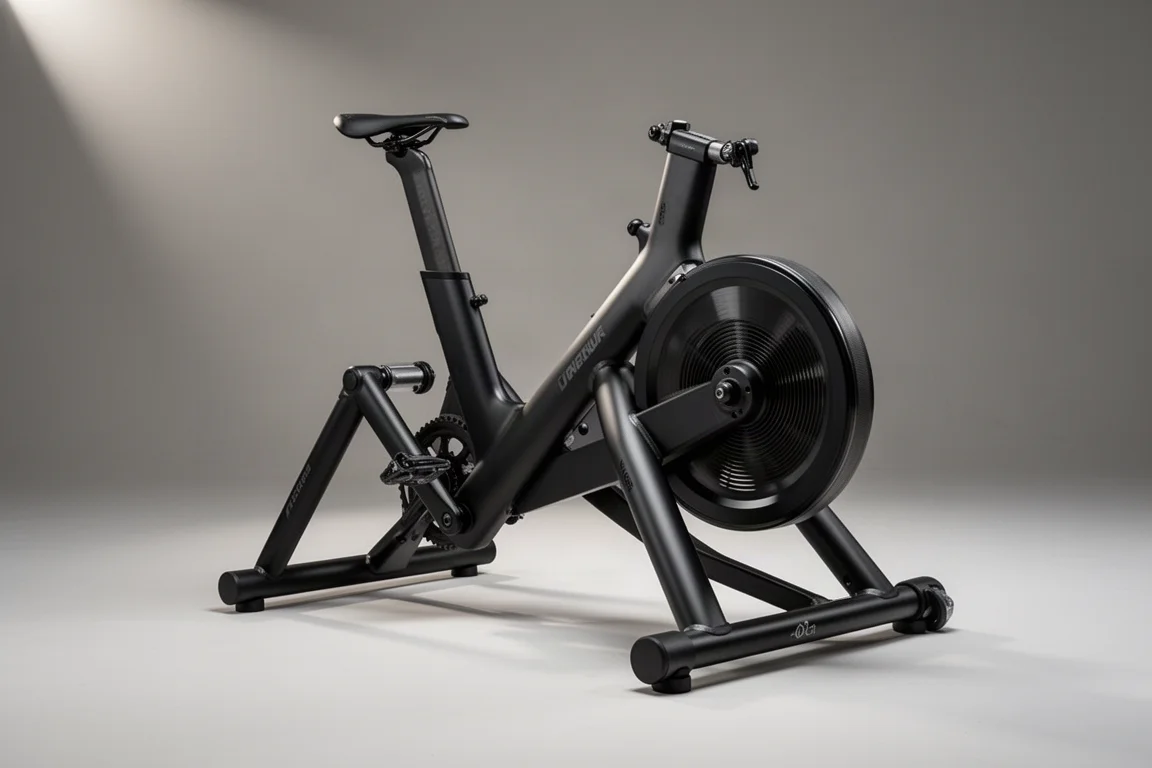
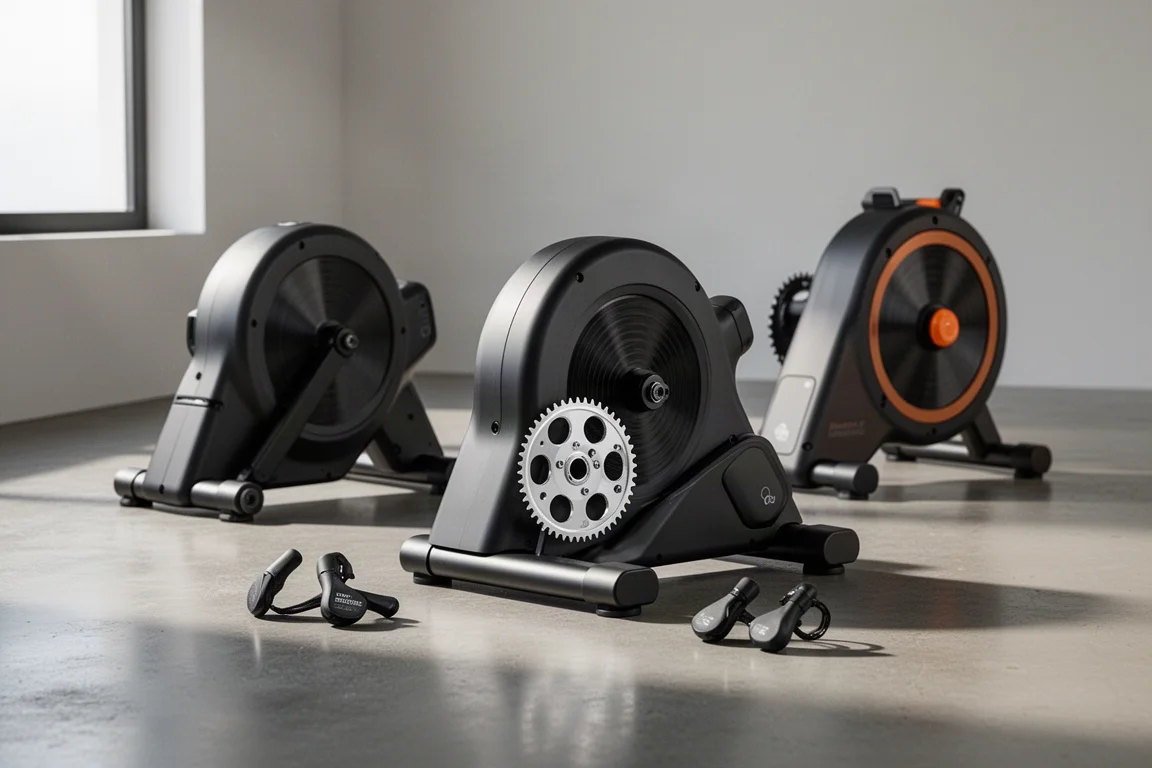
The turbo trainer is usually the most expensive part of an indoor setup, so it is the piece worth choosing carefully. The Van Rysel D900 is a direct drive unit that offers inherently good value and will cater for the vast majority of riders.
Its direct drive design brings real benefits: the unit feels stable under hard efforts, the pedal feel is smooth, and ERG mode stays manageable rather than spiralling when your cadence drops. The one area where it may start to let itself down is higher-level esports racing, where the most demanding resistance changes and racing dynamics matter more.
The Software: Rouvy
Software is where indoor training costs can creep up, and Rouvy has moved in the opposite direction. The platform represents good value, and its newer subscription formats are notably flexible: you can pause a subscription, or ride for free with a 20 km per month limit.
Day passes start from less than $3, and they can also be used by riders who have paused their subscription. Against a backdrop of price rises from other platforms, that flexibility matters for anyone who trains in blocks rather than all year round. Rouvy has also added 25 routes from the 2024 edition of the Vuelta a España, so you can ride the same roads the pros raced.
Protecting Your Bike from Sweat
Sweat is more damaging to a bike than most riders expect. The salt in it is corrosive, and when it works its way into the headset it can lead to a very expensive repair bill. Protecting the front end of the bike is cheap insurance.
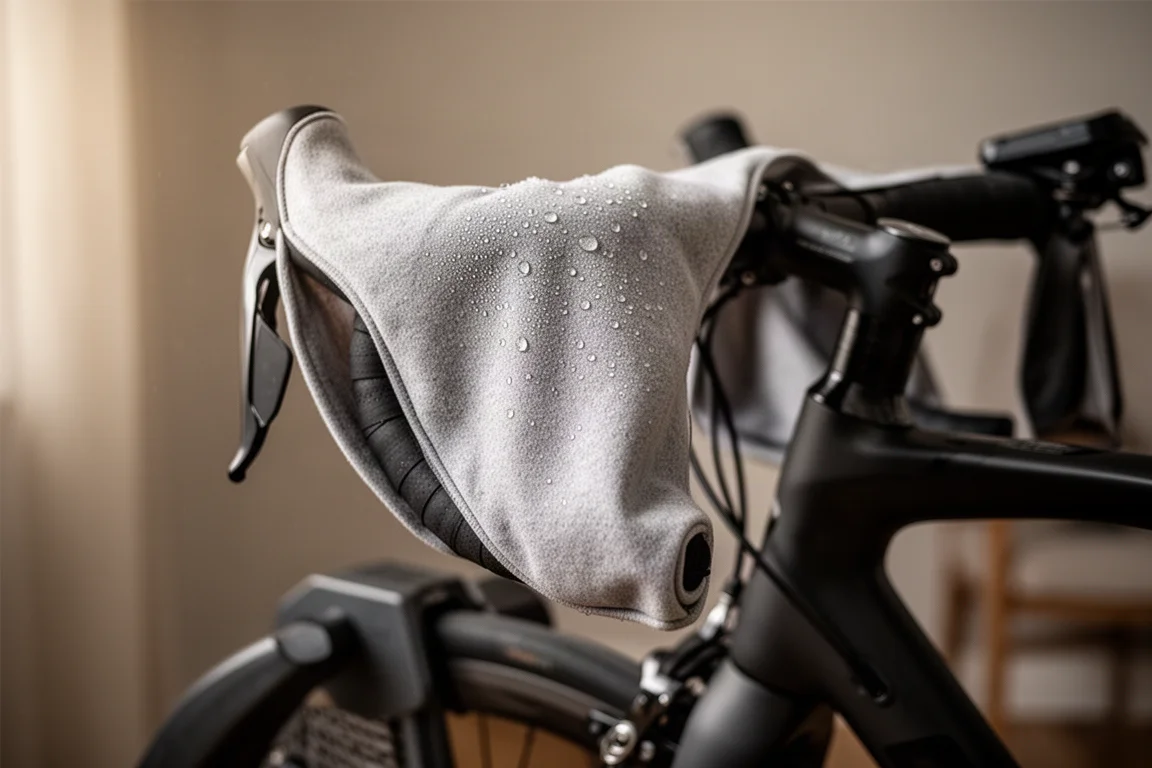
A simple bike cover is the practical answer. It is inexpensive, and unlike a towel it stays in place during big efforts. Cover the handlebar and stem area before you start, and wipe the bike down when you finish.
What a Setup Like This Costs
The trainer is the largest single cost, and it is the part where spending more tends to buy something real. The supporting items, a fan, a device stand, a mat and a bike cover, are all inexpensive and easy to source outside cycling-specific brands. Software can be paid for in whichever format matches how much you actually ride.
Added together, the full setup came in under the £1,000 mark. That is the useful takeaway: a complete indoor training space does not require compromising on the parts that affect how the bike feels to ride.
Buying Advice
Spend on the trainer, and on the software format that fits your habits. Save on the fan, the stand, the mat and the cover, where general-purpose products do the same job as cycling-specific ones at a lower price.
Prioritise ventilation first, because it affects every single session. Then protect the bike, since sweat damage is expensive to put right. If you ride year-round, a full subscription makes sense; if you ride in blocks, pausing or using day passes will usually cost less. Either way, the total outlay stays modest.
Conclusion
A well-chosen indoor setup does not have to be a large investment. With a direct drive trainer that suits most riders, flexible software, and a handful of inexpensive accessories, you can build a space that is comfortable, quiet enough for a flat, and kind to your bike, all for under £1,000.
Further reading
Related Reviews
Indoor Cycling
Best Budget Smart Indoor Trainer Setups: Six Options Worth Considering
Smart indoor trainers keep getting better while prices come down. Six setups and components worth considering, from the cheapest Zwift-ready option upward.
Indoor Cycling
Best Budget Smart Indoor Trainers for Immersive Cycling in 2026
A practical guide to affordable smart indoor trainer setups, including budget and mid-range options with virtual shifting.
Indoor Cycling
Best Indoor Cycling Apps and Smart Trainers: A Winter Buying Guide
A practical look at the indoor training platforms and smart trainers that matter this season, from a new challenger to Zwift to the entry-level trainer that stands out on value.