Cycling Helmets
Budget Cycling Helmets Compared: Van Rysel RCR vs Met Trenta vs Kask Protone
Three affordable cycling helmets tested side by side. The Van Rysel RCR offers exceptional value, while the Met Trenta and Kask Protone provide proven alternatives at different price points.
Introduction
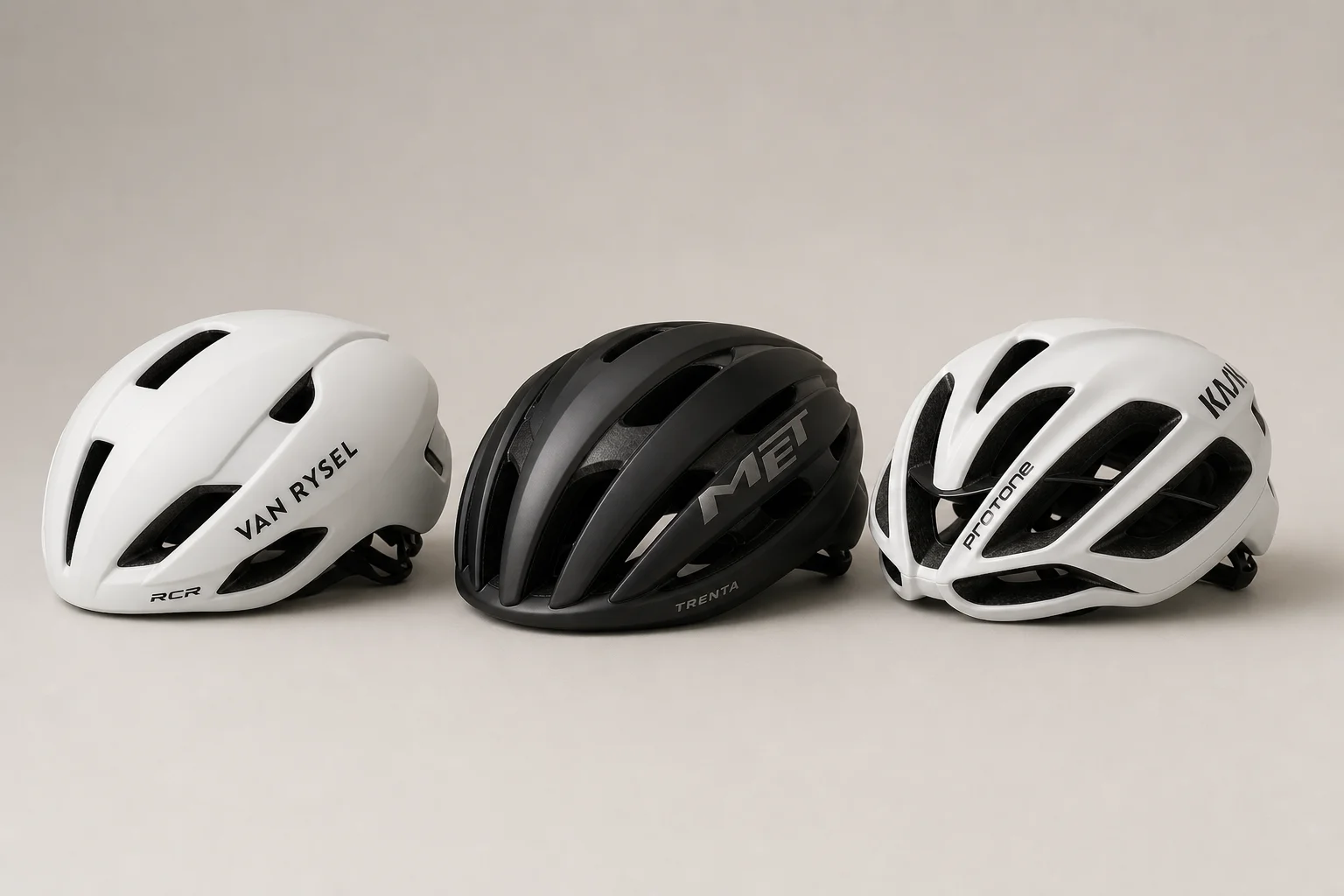
Finding a reliable cycling helmet that doesn’t demand a premium price is increasingly difficult. Three helmets stand out for offering genuine value: the Van Rysel RCR, the Van Rysel FCR, the Met Trenta, and the Kask Protone. Each addresses the same core need—protection and ventilation—but with different approaches to price and design.
Van Rysel RCR: The Value Leader
The Van Rysel RCR is among the most affordable helmets worn in professional cycling. At approximately 90 euros (or around 13,000 yen in Japan), it undercuts most competitors while maintaining a professional standard. The matte white finish gives it a more premium appearance than the price suggests, and the removable stickers allow customization without permanent marking.

The RCR features substantial ventilation inlets and includes MIPS rotational protection technology. Weight comes in at 272.5 grams in size medium, making it competitive with more expensive options. The helmet’s design is clearly inspired by proven aerodynamic principles, though it prioritizes cooling over pure speed optimization.
Van Rysel FCR: The Aero Alternative
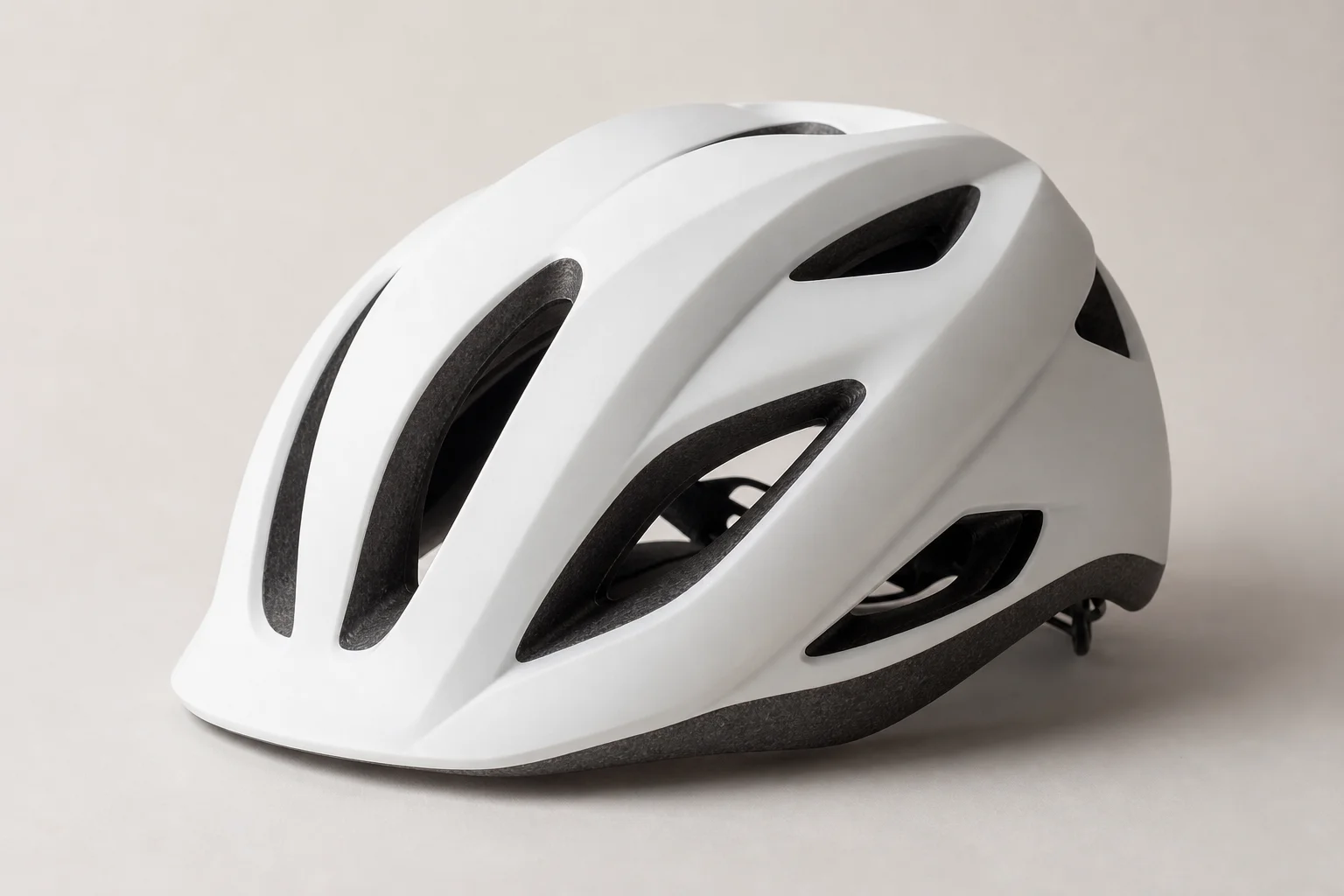
Van Rysel also produces the FCR, their aerodynamic-focused variant. Priced around 100 euros, it sits just above the RCR and offers a more streamlined profile for riders prioritizing speed over maximum ventilation.
Design and Ventilation
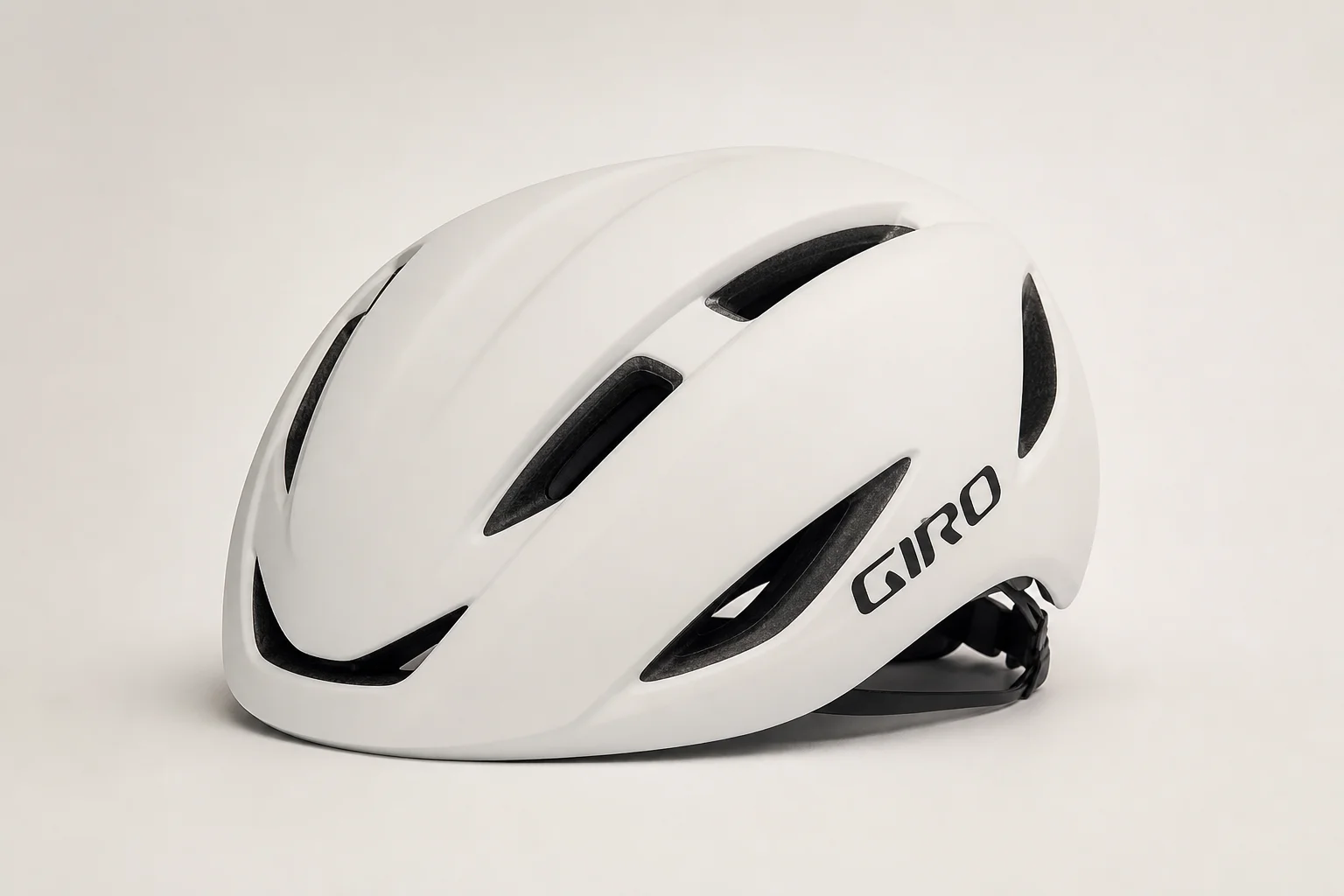
The Van Rysel RCR’s ventilation design is immediately noticeable. Large inlet ports dominate the front and sides, creating a visual similarity to the Kask Protone—a helmet that has proven its cooling effectiveness across countless summer rides. The extensive venting makes it particularly suited to hot, humid conditions where airflow becomes critical.
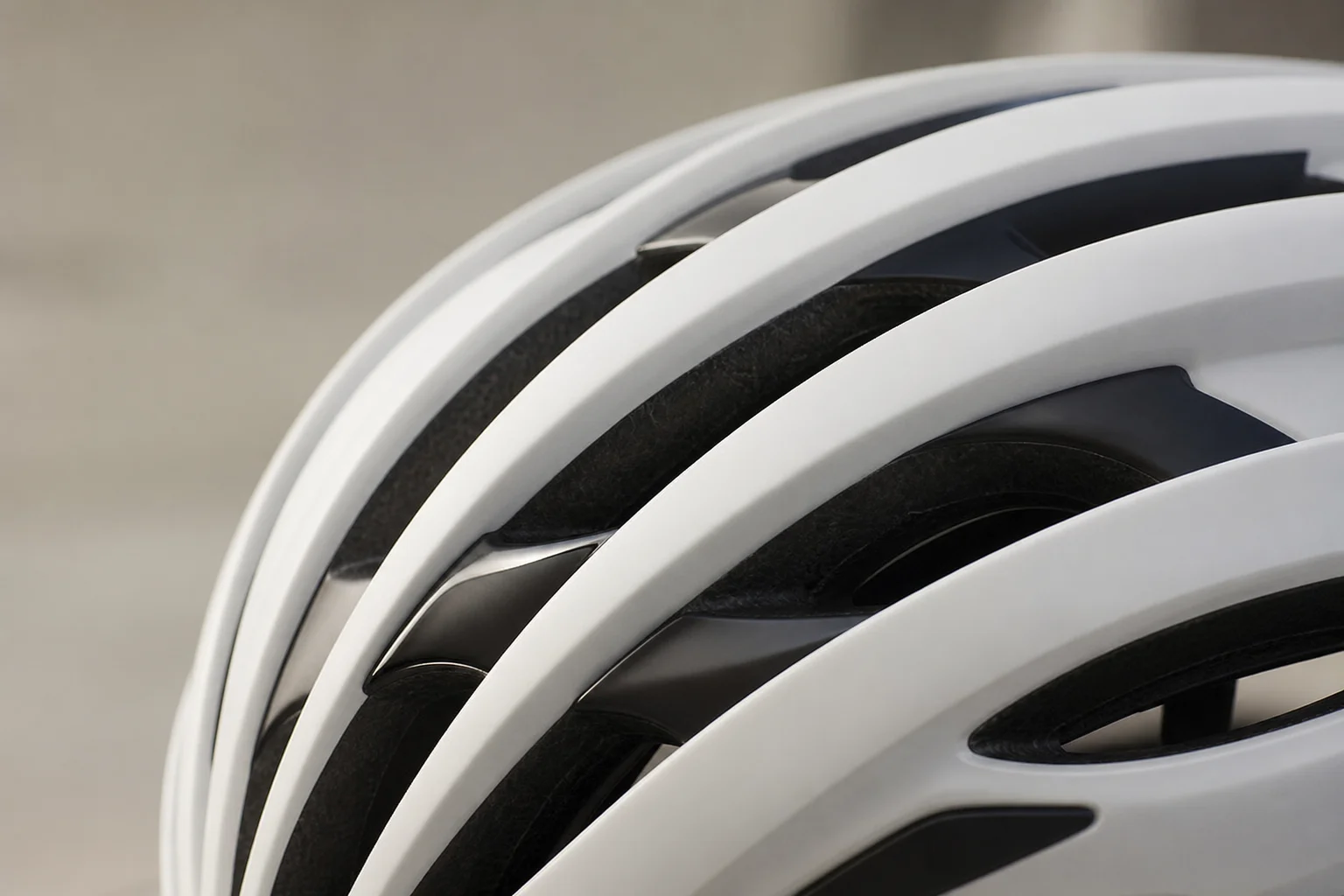
The matte white finish is practical beyond aesthetics. In high heat and humidity, a white helmet reflects more solar radiation than dark alternatives, potentially reducing the perceived temperature increase that riders experience. This is not purely psychological; the difference between a black and white helmet in 39-degree heat with high humidity is measurable.
Fit and Adjustment
A key difference emerges when comparing the fit systems. The Met Trenta allows adjustment of the ear loop position, letting riders customize where the loops sit relative to their ears. The Van Rysel RCR offers no such adjustment—the loops are fixed in position.
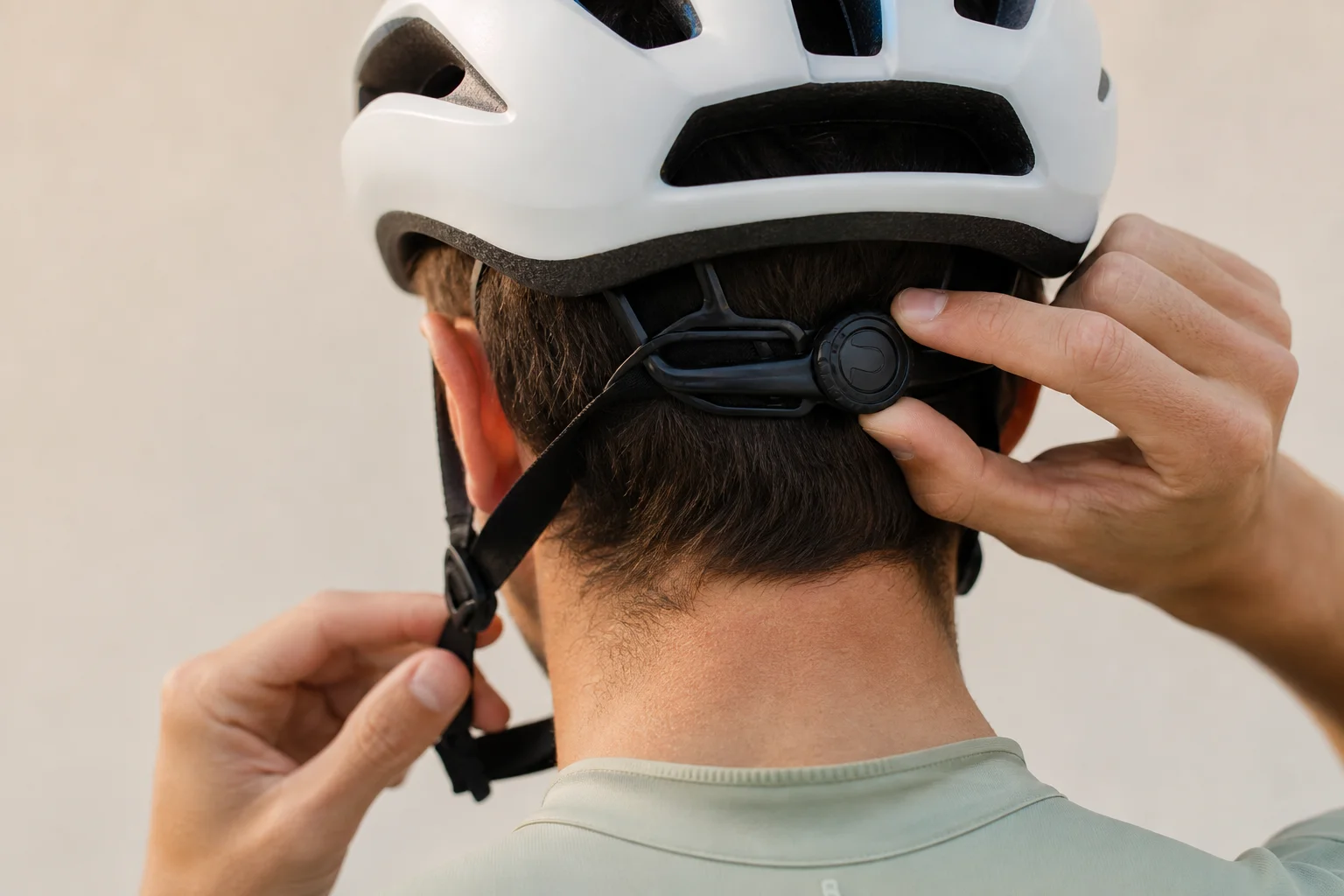
For most riders, this fixed position works well. The loops sit in a neutral spot that accommodates various head shapes. However, riders who wear cycling caps—a common practice for sun protection—may find the loops shift position when the cap is added underneath the helmet. This can cause the loops to sit slightly forward of the ear, creating minor discomfort during longer rides.
Real-World Fit Testing
When worn without a cap, the Van Rysel RCR fits comfortably for most head shapes. It avoids the pronounced “mushroom head” appearance that some helmets create, though it is slightly more rounded than the Met Trenta. The adjustment dial works smoothly, and the overall fit is secure.

Adding a cycling cap underneath—a practical choice for riders who want scalp protection during extended sun exposure—shifts the helmet position slightly upward. This movement can cause the ear loops to move forward, potentially creating a less-than-ideal fit. Riders who regularly wear caps may prefer the Met Trenta’s adjustable loop system, which allows compensation for this shift.
Met Trenta: The Proven Standard
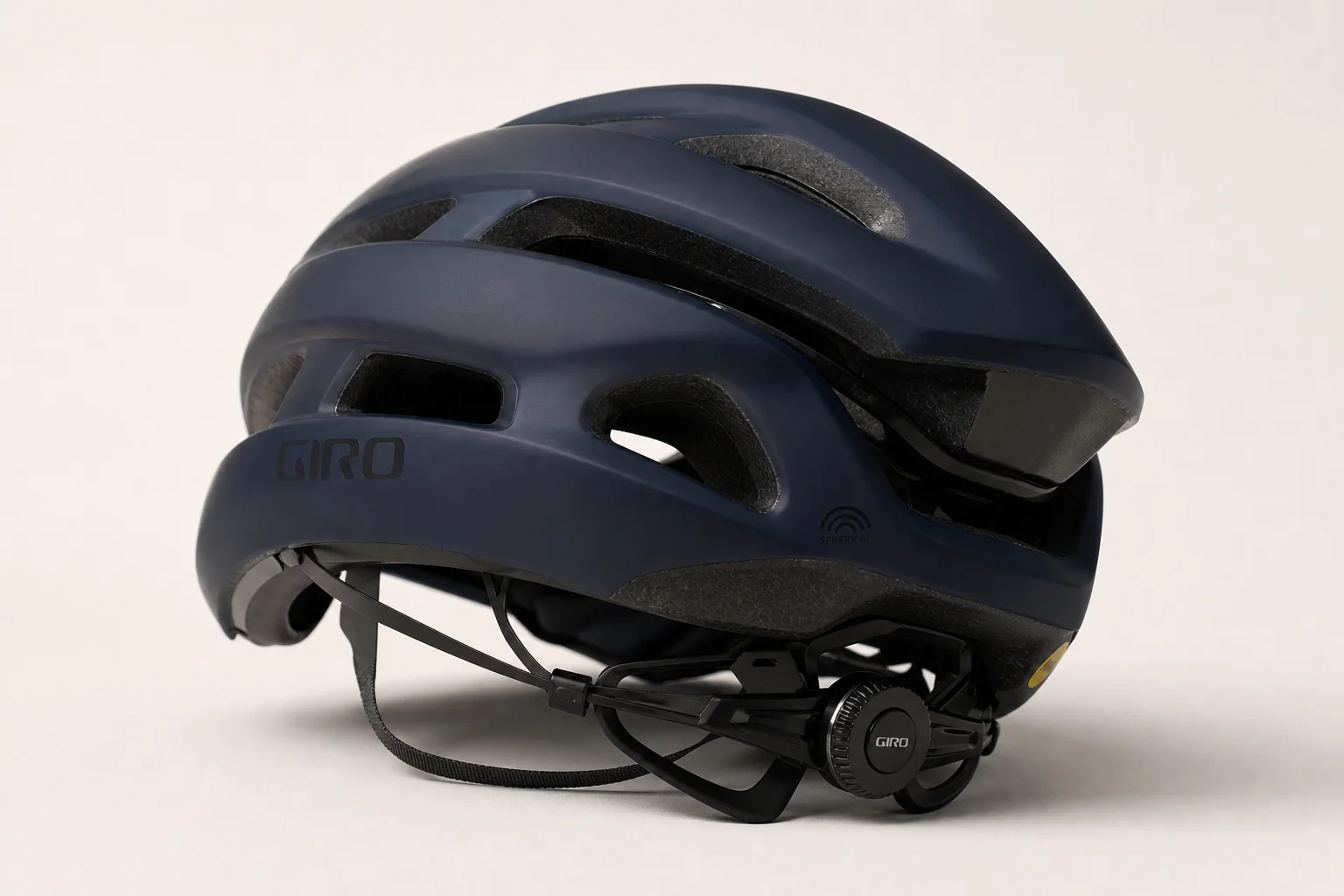
The Met Trenta remains a reliable choice at approximately 25,000 yen in Japan. At 260.4 grams, it is slightly lighter than the Van Rysel RCR. The helmet includes MIPS protection and offers the critical advantage of adjustable ear loop positioning, making it more adaptable to different head shapes and cap-wearing habits.
Kask Protone: The Established Alternative
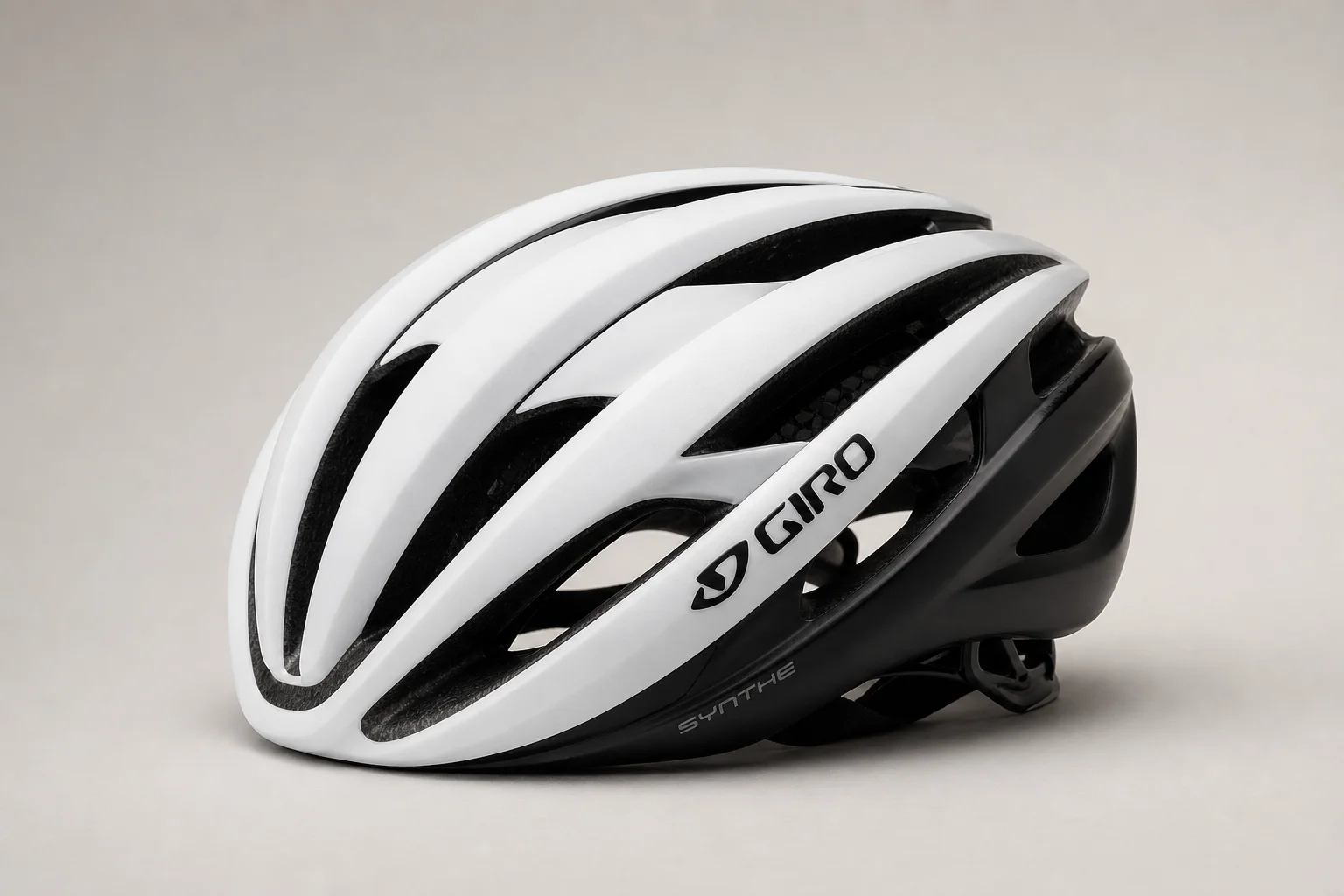
The Kask Protone has earned its reputation through consistent performance. Its ventilation design directly influenced the Van Rysel RCR’s approach, and it remains a solid choice for riders seeking proven cooling performance and reliable fit.
Conclusion
The Van Rysel RCR delivers exceptional value for budget-conscious riders, particularly those in regions where pricing is favorable. Its ventilation, MIPS protection, and visual design justify the low price. The Met Trenta offers slightly better fit customization and a proven track record. The Kask Protone remains a dependable alternative. For most riders, the Van Rysel RCR represents the best entry point into quality helmet protection without significant financial commitment.
Further reading
Related Reviews
Cycling Helmets
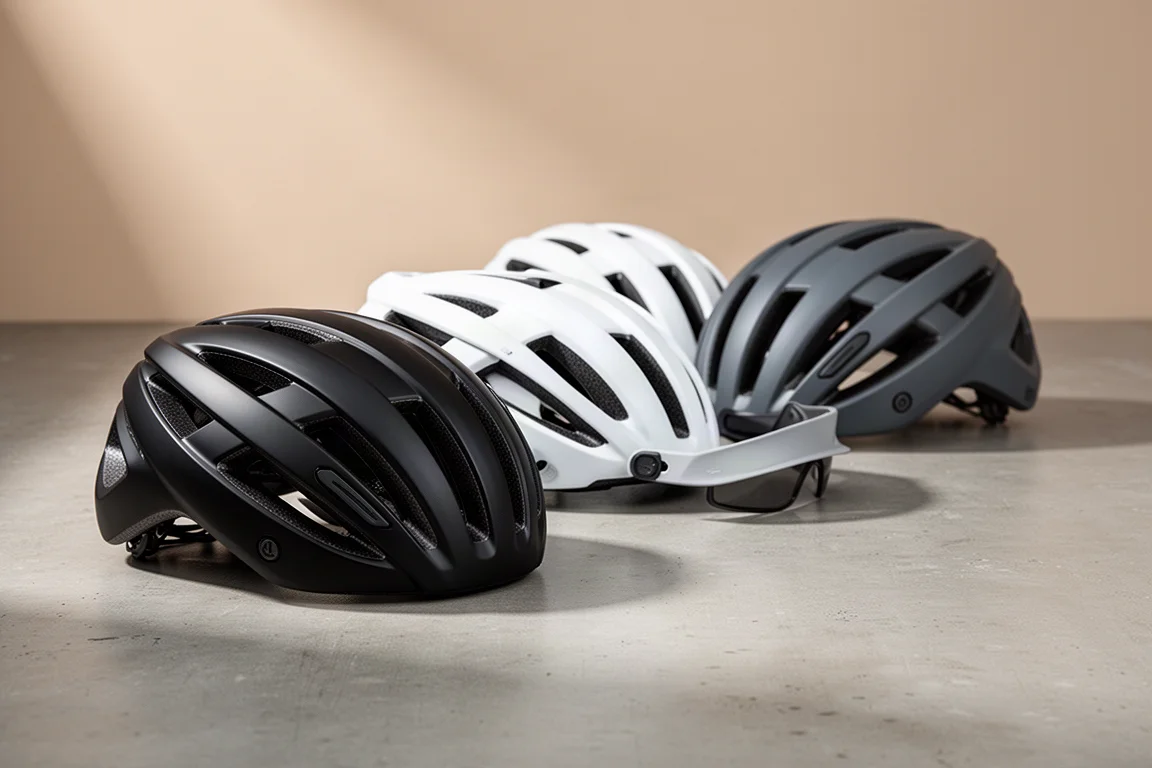
ABUS AirBreaker 2 Review: A Climbing Helmet Rebuilt Around Airflow
The ABUS AirBreaker 2 keeps its aero profile and reworks ventilation with wider vents, added side intakes, an internal chimney, ActiCage and MIPS Air Node Pro.
Cycling Helmets
Best HJC Cycling Helmets 2026: Five Options from Entry-Level to Carbon Flagship
A practical guide to five HJC cycling helmets, how to dial in the right fit, and what SLID rotational protection adds at each price point.
Cycling Helmets
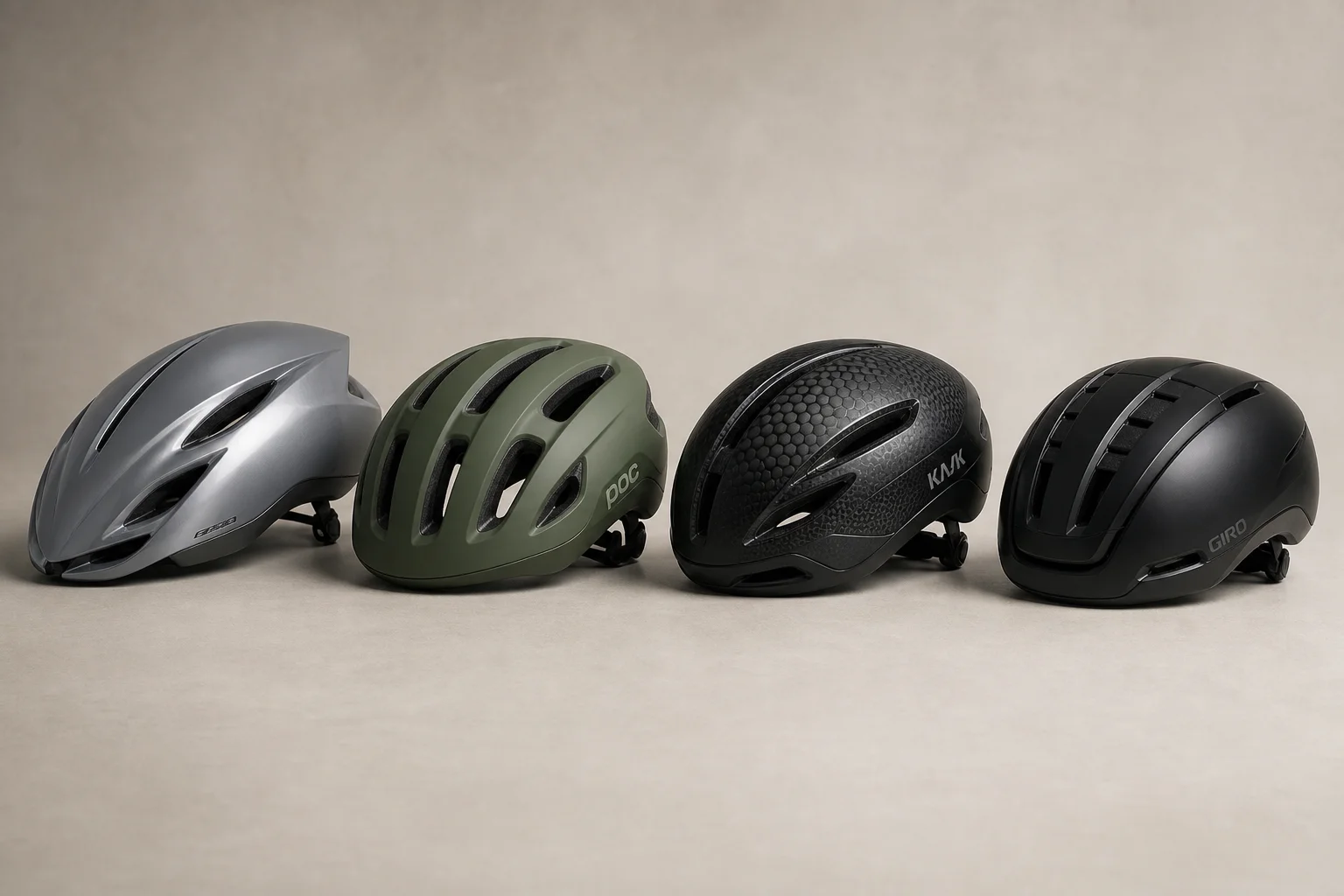
Best Road Cycling Helmets 2026: Four Premium Options Compared
A detailed comparison of four high-end road cycling helmets, from the aerodynamic Kask Protone Icon to the innovative Bolle Furo, with real strengths and trade-offs.