Cycling Accessories
Budget Cycling Accessories Tested: 7 Affordable Picks and One to Skip
A practical look at seven low-cost cycling accessories, from a front camera and light combo to bikepacking bags, with clear verdicts on what is worth buying.
Introduction
Premium cycling gear gets most of the attention, but the accessories many riders actually add to their baskets sit at the opposite end of the price scale. Bought online for the cost of a couple of inner tubes, some of this kit turns out to be genuinely useful, while other pieces quietly make the case for spending a little more.
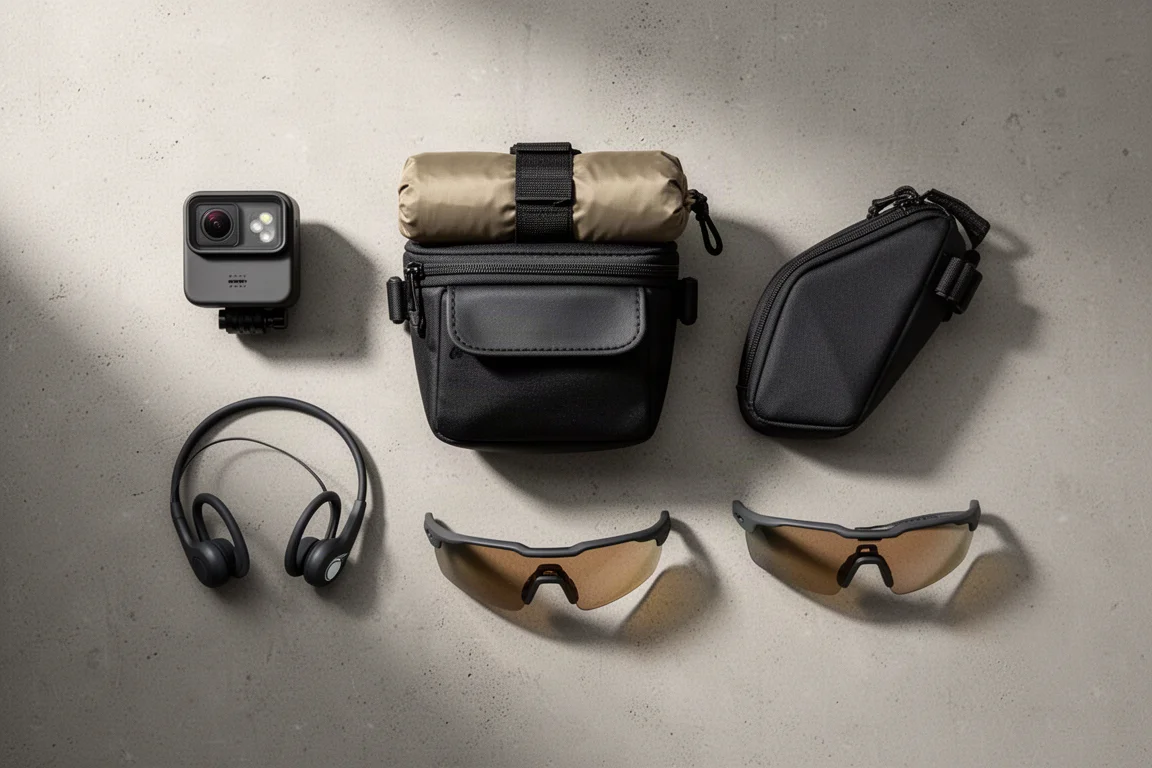
We worked through a basket of low-cost cycling accessories to see how they hold up in everyday use: a front camera and light combo, performance sunglasses, bone conduction headphones, two bikepacking bags and a small chain tool. Some are excellent value, one is best left out of the basket, and a few have a more expensive counterpart worth knowing about.
How We Judged These Accessories
Every item here was judged on the same practical questions. Does it do the job it claims? Does it survive regular use? And does it make sense at its price, or does a slightly more expensive alternative deliver a meaningfully better experience?
Fit and comfort mattered as much as headline numbers, because budget kit usually fails in the details rather than on the specification sheet. Where a product has a well-known counterpart, we weighed whether the upgrade justifies the extra spend.
Where a cheaper product does the basics well, it earns a recommendation. Where a compromise shows up in daily use, that belongs in the verdict rather than in a footnote.
Techalogic CF1: A Budget Camera and Light Combo
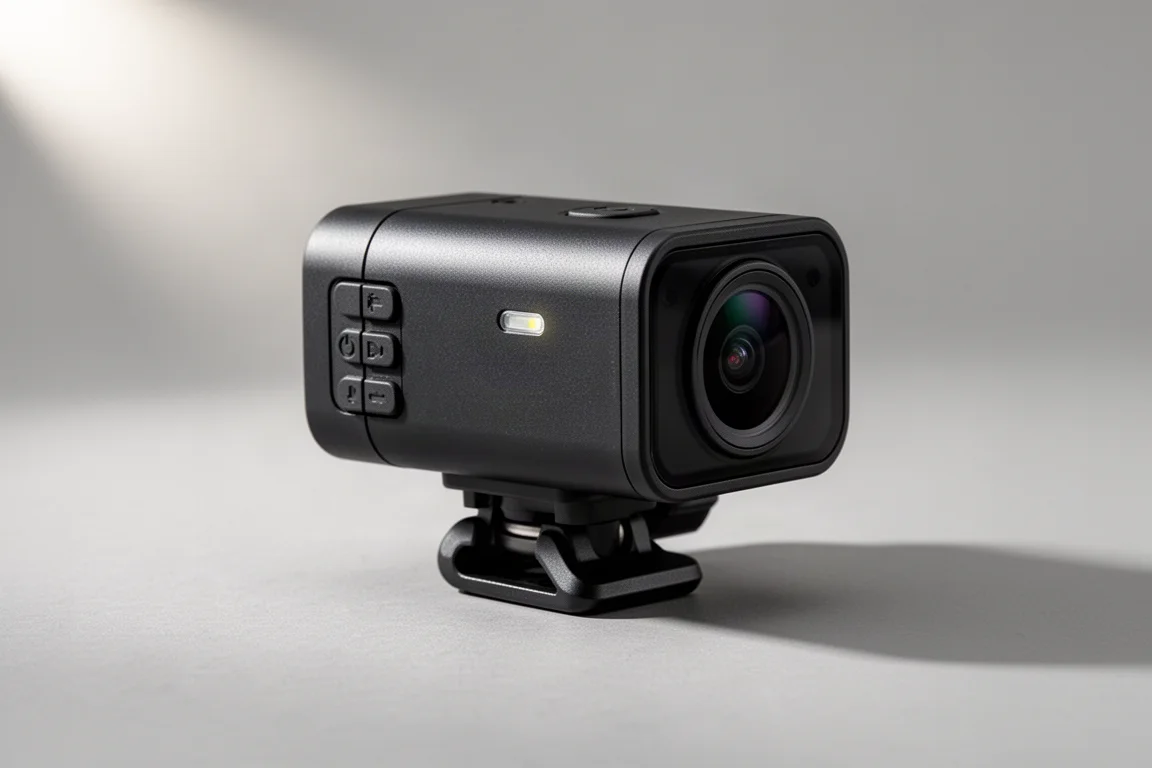
The Techalogic CF1 combines a front-facing camera with an integrated light. It is best understood as a dash cam for the bike rather than a rival to an action camera. The body is boxy and basic, and while the light is rated at 400 lumens, it does not throw light as far as other units with the same rating. On well-lit roads that is fine. On unlit lanes, a dedicated front light remains the better tool.
Filming is where the CF1 earns its place. Footage is of high quality, so an incident or an unexpected close pass is captured in high definition. Controls are deliberately simple: three buttons on the side for power, the light and a still image, plus a single LED indicator in place of a screen. Battery life reaches four hours with filming and the light running together, or up to seven hours when filming alone.
Cycliq Fly12: The Feature-Rich Camera Upgrade
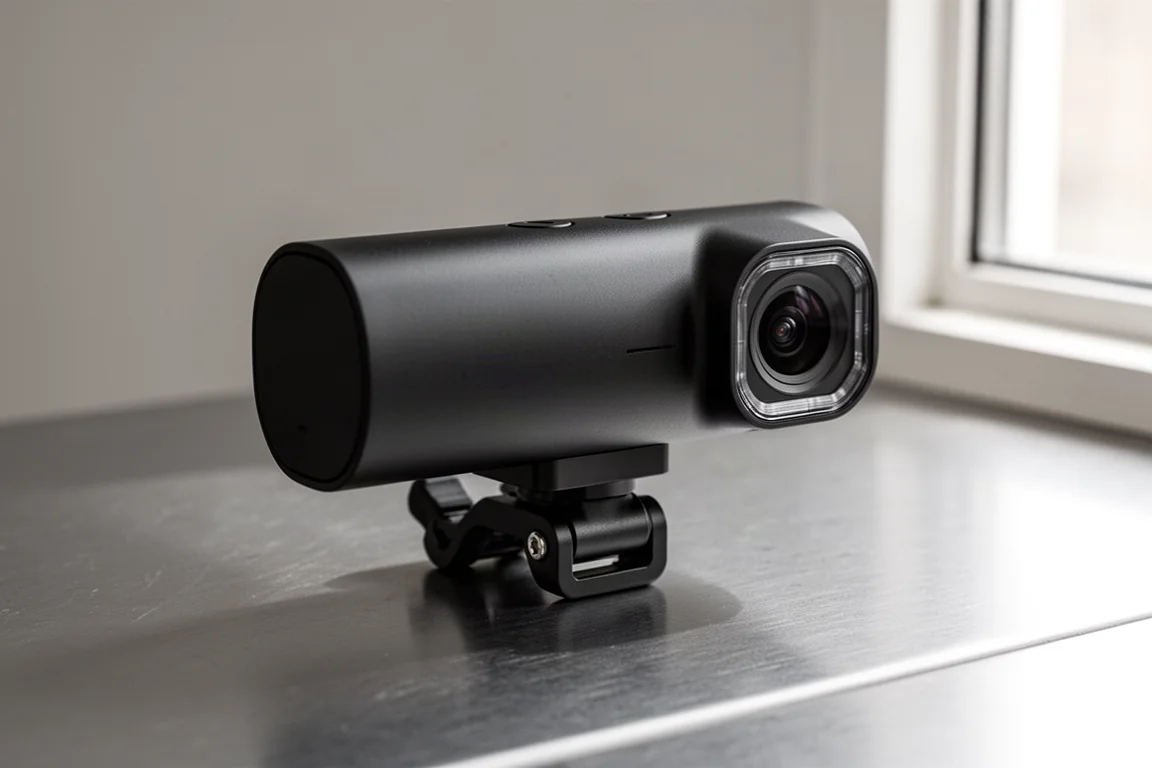
Riders who want more from a camera and light unit should look at the Cycliq Fly12. It is packed with features and priced accordingly, at roughly three times the cost of a simple combo. That premium buys a more complete package, and it is the obvious alternative for anyone who finds the budget option too basic.
For most riders, though, the question is straightforward. If a simple camera and light combination covers the commute and the weekend ride, the extra spend is optional rather than essential.
Tifosi Rail: Performance Sunglasses Worth the Step Up
Photochromic sunglasses at the affordable end of the market are one of the better value categories in cycling kit, but they come with limits. The tint range is usually narrower at both ends, they are not suitable for night riding, and they can struggle when light changes quickly, such as when you move in and out of woodland.
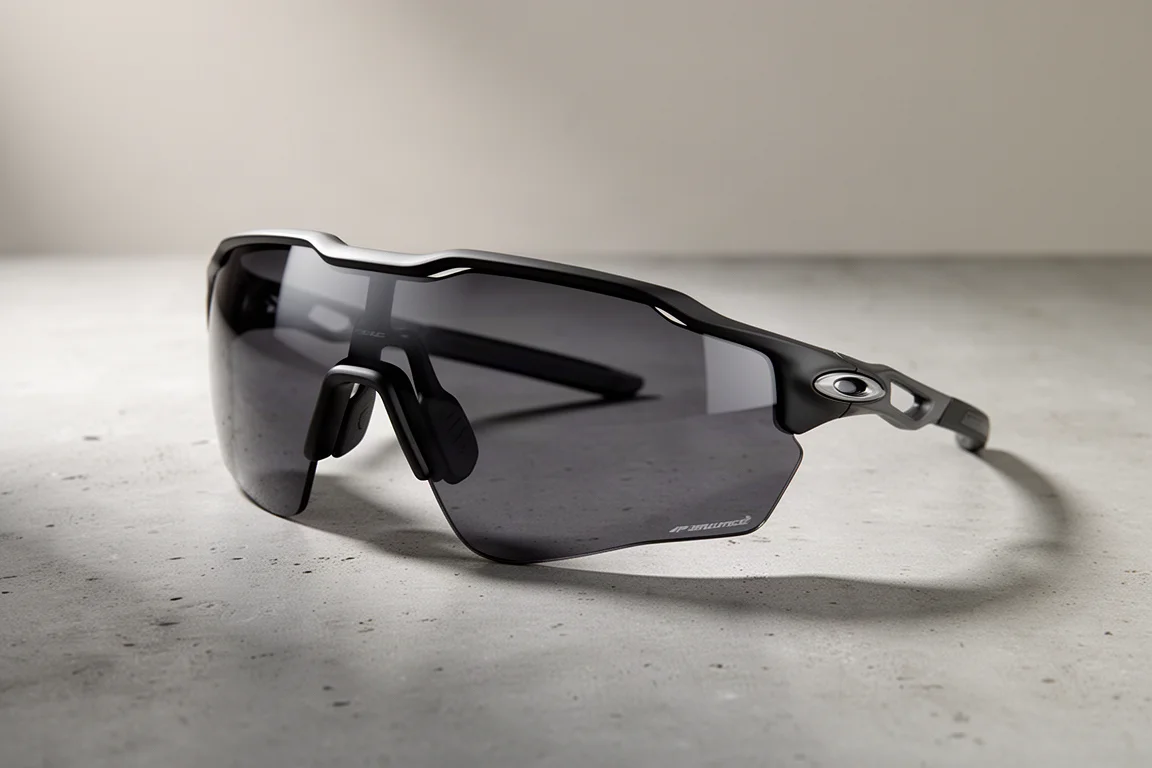
The Tifosi Rail sits in a more performance-oriented bracket at $79.95, which makes it a sensible answer for riders who want eyewear that copes with faster shifts in light. Beyond that price, the gains become marginal, which is why this is a reasonable place to stop.
Shokz OpenRun: Bone Conduction Headphones With More Bass
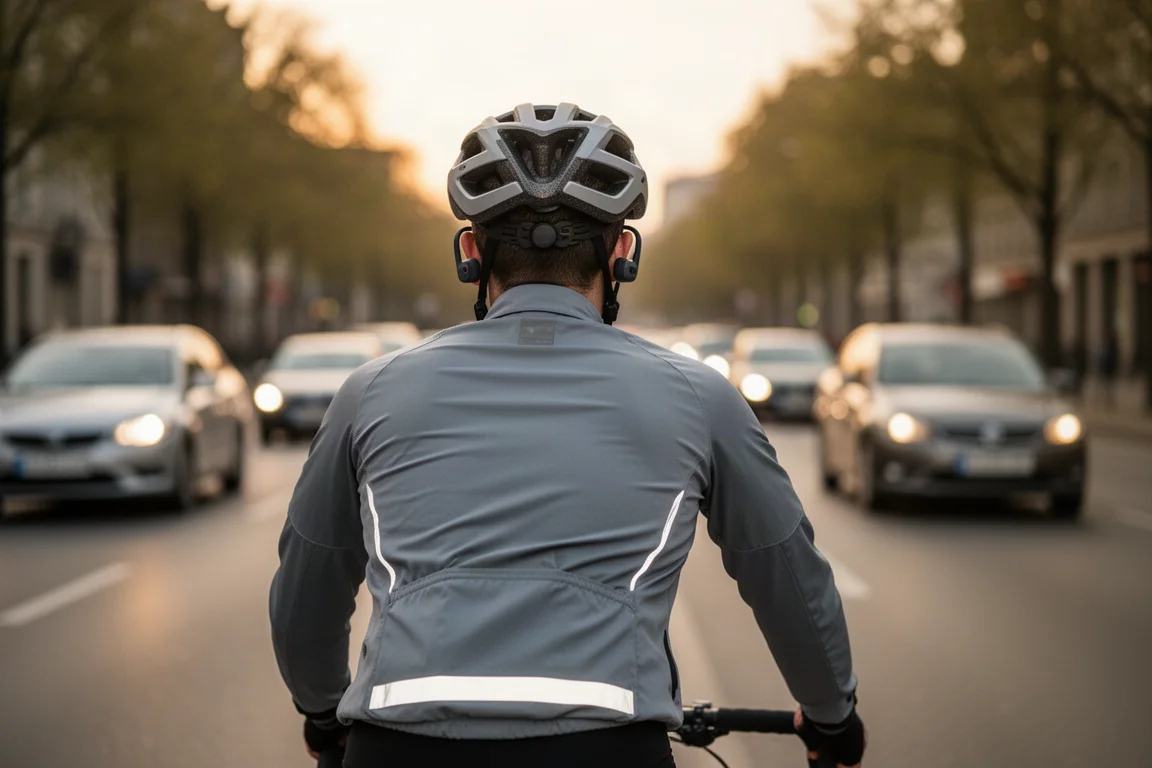
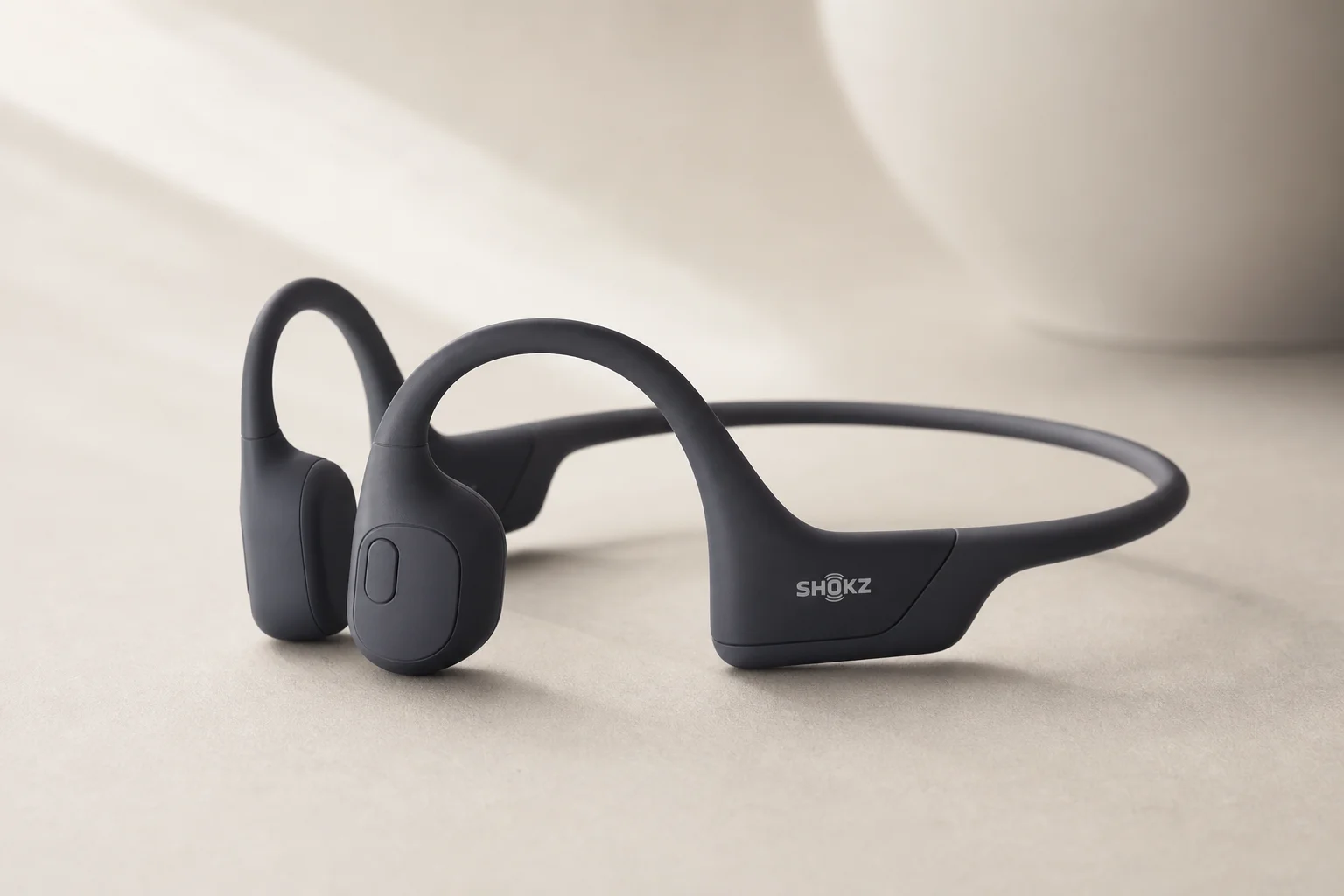
Bone conduction headphones transmit sound through the cheekbone instead of the ear canal, which means traffic noise still reaches you while you ride, and indoor training sessions do not fill the earpieces with sweat. The Shokz OpenRun is the better-known option in this category, at around £130.
That price buys noticeably better bass handling than cheaper units, which can sound thin and tinny, and charging is handled by a proprietary magnetic clip-on cable rather than a micro USB port. Riders who want the more complete experience will find it here, as long as the price premium is acceptable.
Restrap Bar Bag: The Bikepacking Upgrade
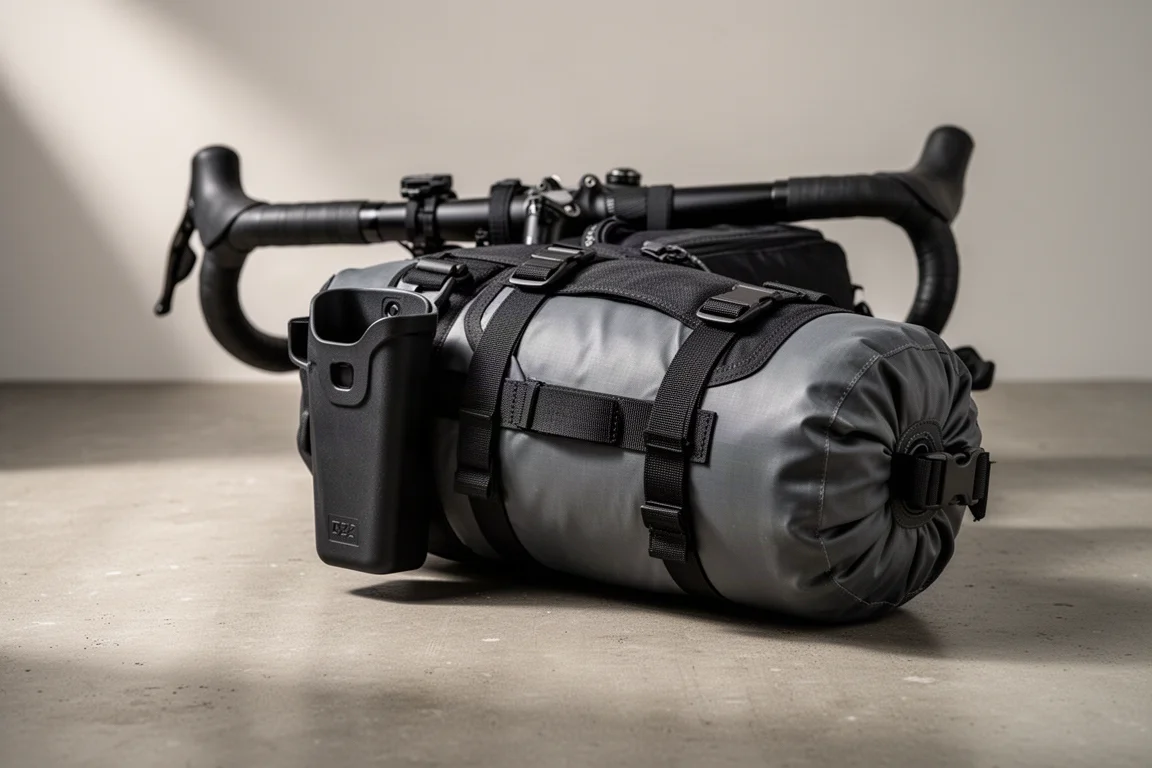
The Restrap Bar Bag is the option to consider once a budget handlebar bag stops being enough. At around £100 it costs several times more than the cheapest holster and dry bag designs, and in return it is a far more capable bag for riders who pack a bike regularly or ride rougher terrain.
The upgrade makes most sense for riders who bikepack often. For occasional overnighters, a budget bag is usually the smarter spend.
Rhinowalk Giant Saddlebag: Budget Bikepacking Storage
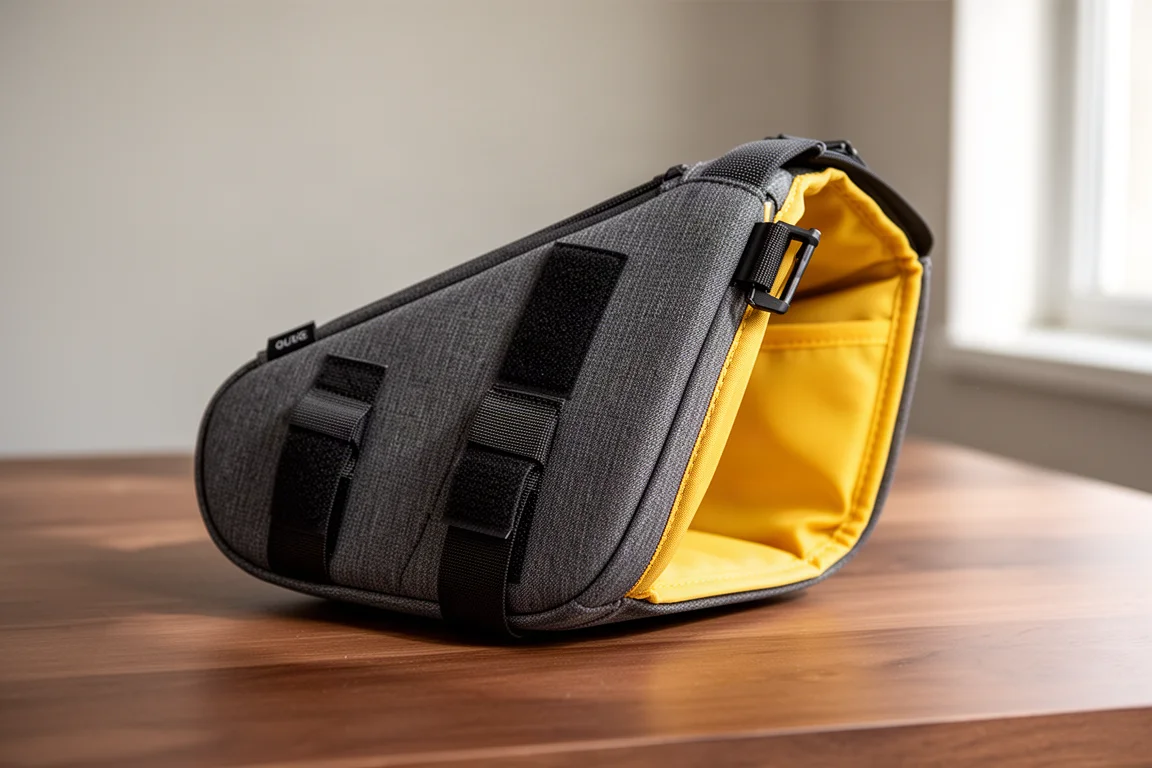
The Rhinowalk Giant Saddlebag gets a lot right for the money. The best detail is the bright yellow internal lining, which makes it far easier to find small items at the bottom of the bag. Outside, there is webbing for stashing a waterproof and a hook for mounting a rear light.
Mounting uses two Velcro straps plus clips, and the bag stays rock solid on most terrain, though it will move more as the load gets heavier. The seams are not taped, so anything that has to stay dry belongs in a dedicated dry bag inside.
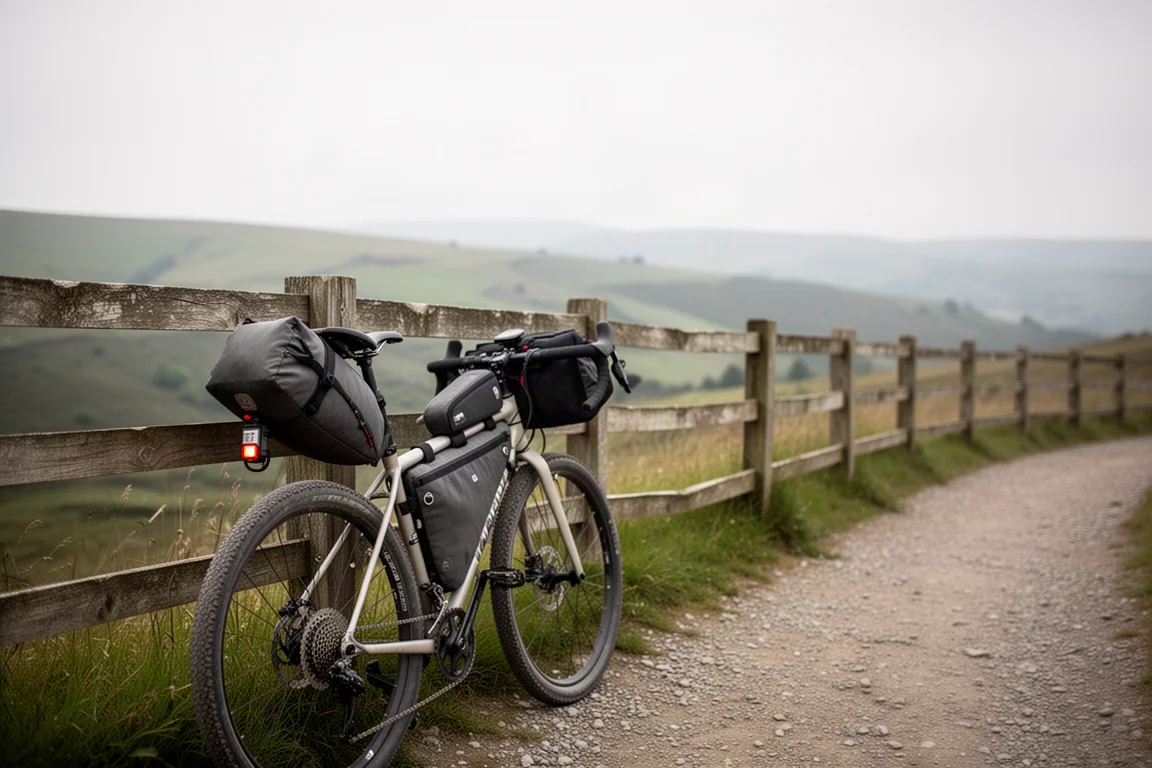
For riders dipping a toe into bikepacking, this is a strong match at a very small cost.
Rehook: Convenient, But It Treats the Symptom
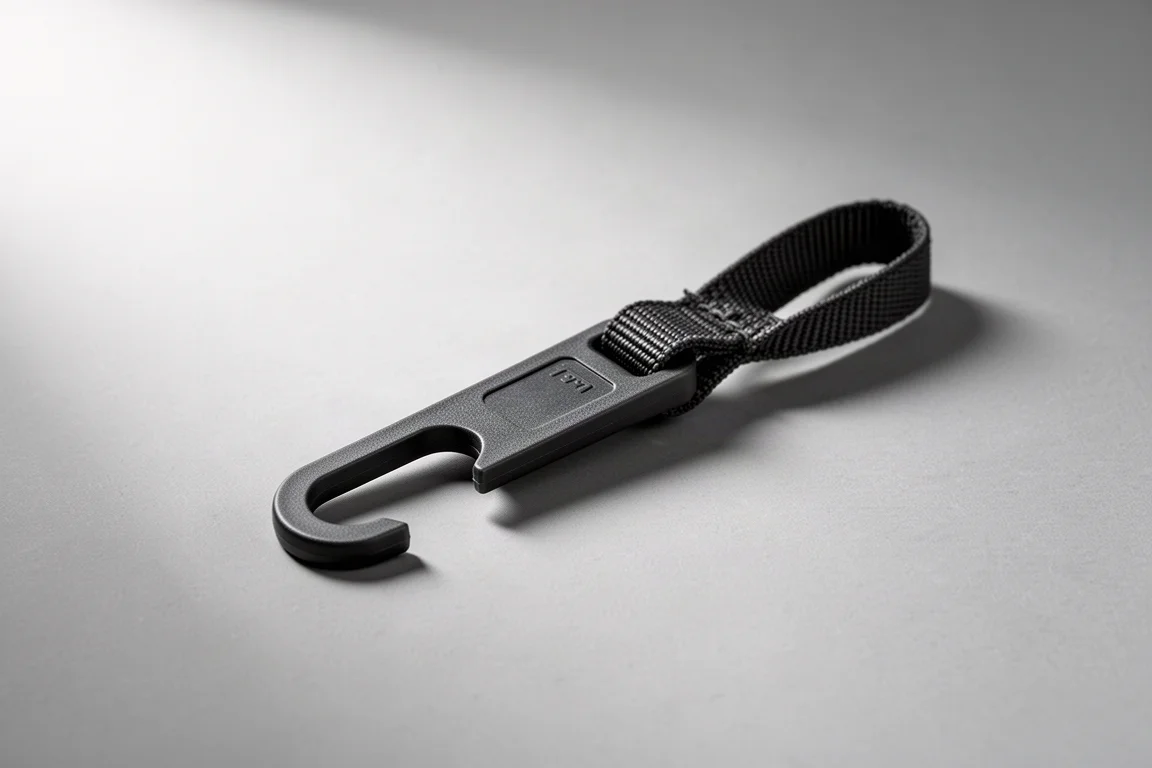
The Rehook is a small tool for refitting a chain that has dropped off the chainring. In use it is genuinely good: it sits inside the wider links of the chain and lets you loop the chain back onto the ring, which is a far nicer experience than fishing around with a leaf or a twig. It weighs only 20 grams and has an elasticated strap for mounting to the frame.
The problem is what it represents. A chain should not drop often enough to justify a dedicated tool, and if it does, the cause is usually chain wear, gear indexing or chainring wear. Fixing those is the real solution. A disposable glove is lighter and cheaper, though it does add single-use plastic to every ride. For most riders this is one to leave out of the basket.
Buying Advice: Where the Money Is Best Spent
Budget cycling accessories make the most sense in categories where the technology is simple. Bags, storage and small tools are hard to get badly wrong, and a low-cost saddlebag or handlebar bag can cover a first bikepacking trip without any real compromise.
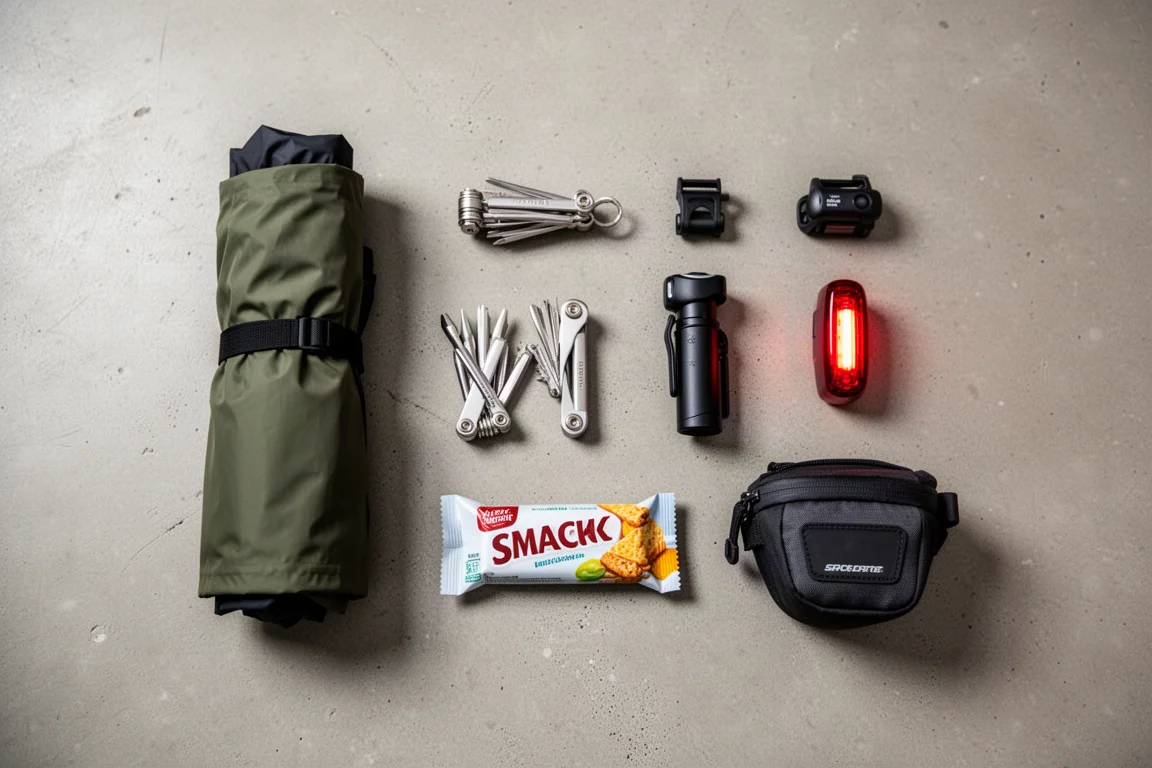
Performance categories are different. Lights, cameras and eyewear are the areas where cheap kit most often shows its limits, and where spending a bit more tends to pay off in output, lens behaviour or durability. Riders who only occasionally need a piece of kit can usually stay at the budget end. Riders who use it several times a week will feel the difference.
Conclusion
The budget end of cycling kit is more interesting than it looks. The camera and light combo covers commuting and incident recording well, the bone conduction headphones and bikepacking bags deliver real value, and the sunglasses bracket has a sensible upgrade point for riders who want more.
Not everything earns a place. The chain refitting tool solves a symptom rather than a problem, and it is the one item here that most riders can skip. Everything else comes down to how often you ride and what you need the kit to do.
Further reading
Related Reviews
Cycling Accessories
7 Inexpensive Everyday Products That Are Brilliant for Cyclists
Seven cheap household products that solve real problems for cyclists, from portable bike washing and dry shoes to clean bottles and protected paintwork.
Cycling Accessories
Amazon Cycling Accessories Worth Buying: Five Practical Picks
A basket of low-cost cycling accessories judged on real-world use, from a dash cam style camera and light combo to bone conduction headphones and one tool best left on the shelf.
Cycling Accessories
Electric Bike Pumps Compared: AS2 Pro Tiny Pump vs AS2 Pro Max
A practical look at two battery-powered bike pumps: what they do well, where they fall short, and which one suits which kind of rider.