Cycling Accessories
Budget Bike Upgrades That Make Your Bike Feel Better
From free tire pressure tweaks to affordable bar tape and supple performance tires, these upgrades genuinely change how your bike rides.
Introduction
Some bike upgrades cost a lot of money and make almost no noticeable difference to how a bike rides. The changes covered here are the opposite. They genuinely affect how the bike feels, and on purpose they are ordered from cheapest to most expensive. In fact, a few of the most effective ones cost nothing at all.
Two Free Upgrades That Change Ride Feel
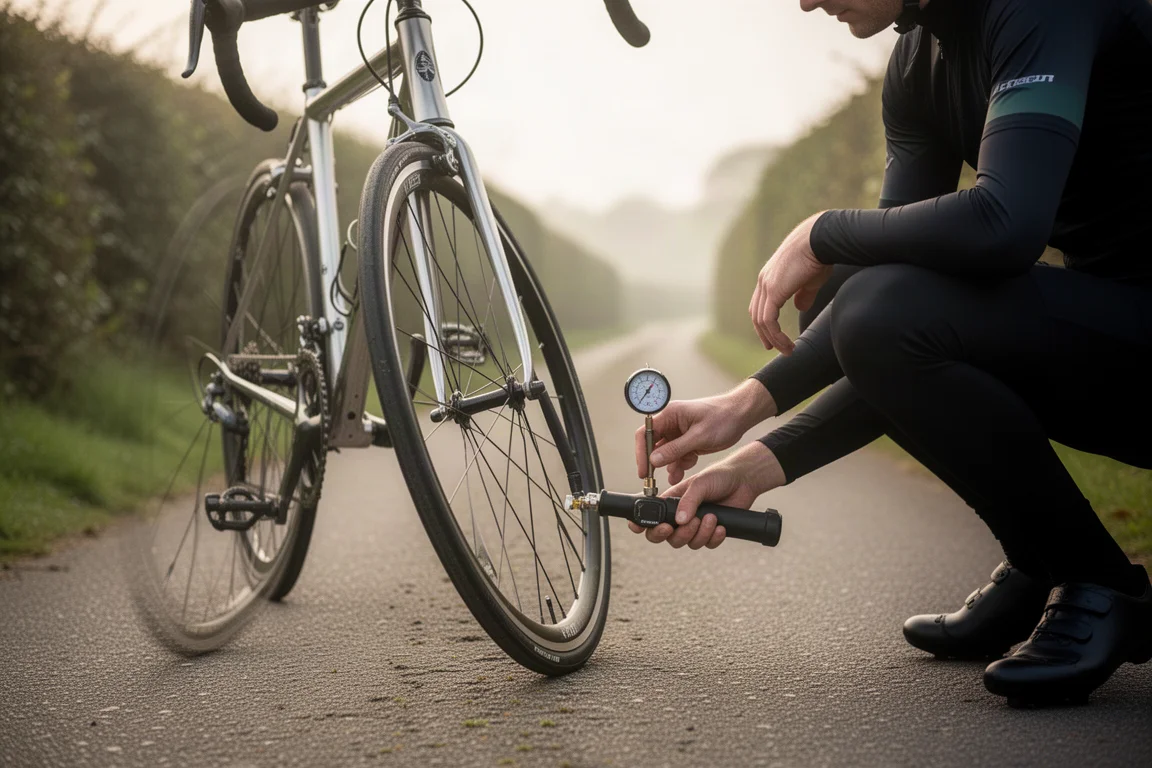
Tire pressure is the best place to start because it is free and immediately noticeable. Putting too much air in the tires can make any bike ride poorly. Rock-hard tires can feel fast, but on bumpy roads they often are not. Every time the surface is uneven, the tire bounces and skips instead of absorbing the impact. Get the pressure right and the bike glides over bumps while staying responsive and confidence-inspiring when accelerating and cornering.
Most tire sidewalls show a recommended pressure range, sometimes written in both bar and psi. Staying inside that range matters. Too low and the tire can bottom out on bumps and risk damaging the wheel. Too high and the tire can blow off the rim. Within the range, the right pressure depends on how heavy the rider and bike are, and what kind of surface the ride covers. Lighter riders can run lower pressures, while taller or heavier riders need more air for the same feel. Online calculators from SRAM and Silca are easy starting points, and because this upgrade is free, experimenting and fine-tuning later costs nothing.
Lever position is the second free upgrade. Road and gravel bikes often arrive from the shop with brake levers angled too far down the handlebars, which rolls the wrists forward. Most riders, particularly newer ones, feel better with the levers tilted slightly up, so the hands can lean into them naturally. A too-forward position can create tension through the shoulders and discomfort through the neck. The job is fiddly: unwrap the bar tape, loosen the shifter with an Allen key, move it, retighten, and wrap the tape back on. Set aside at least half an hour.
Bar Tape: The Touchpoint You Actually Feel
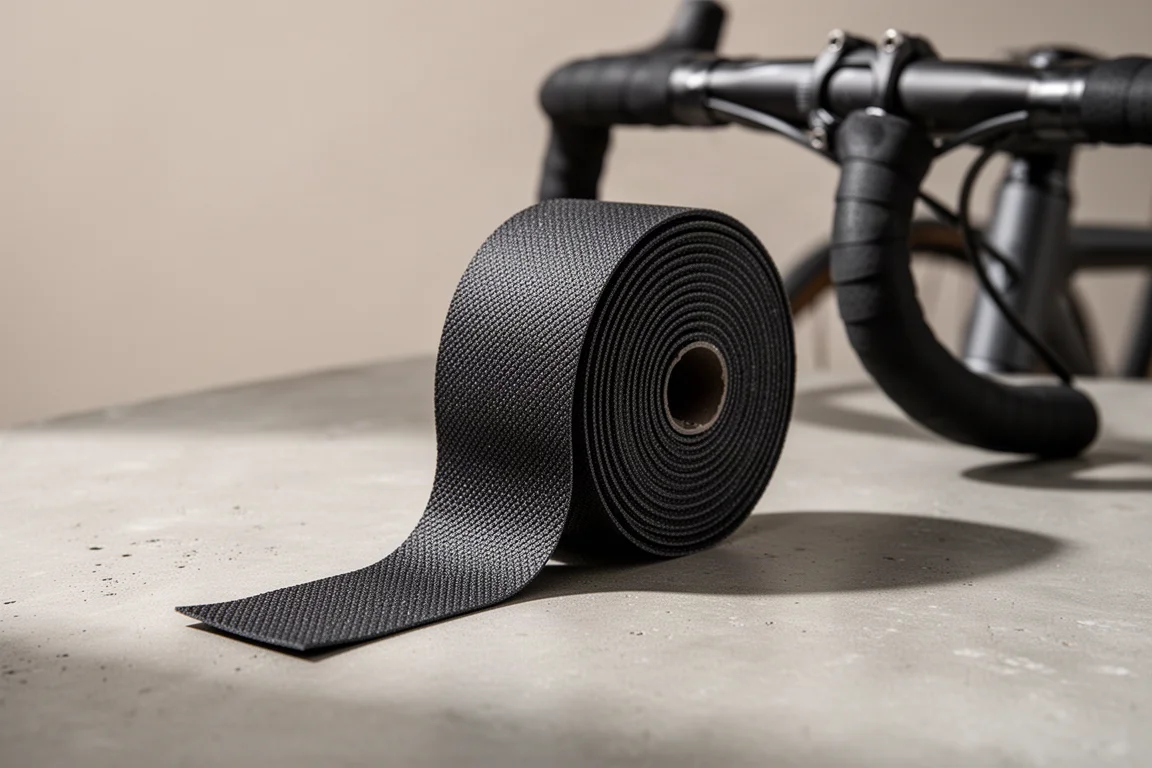
Bar tape is worth upgrading because the hands stay in contact with it for hours on every ride. Many budget bikes ship with cork tape, a cork and polyurethane mix that some riders love but others find slippery as soon as hands get sweaty or wet. A grippier tape with an anti-slip surface feels more premium, and it does not have to cost premium money.
BBB Flex Ribbon is an affordable bar tape that delivers a grippy, premium feel without the price of some top brands. It lasts well, can be re-wrapped without falling apart, and comes in different thicknesses. Riders who want extra cushioning for off-road bikes or cobblestones can choose a thicker version for a small price increase.
Wider Tires: More Comfort and Control
Tire widths have grown steadily over the past decade, and the shift is not just about looks. From a comfort, practicality, and enjoyment perspective, wider is genuinely better. Not long ago, road bikes typically ran 25 mm tires with rim brakes and limited clearance. Now 32 mm tires are common on road bikes, and some racing frames officially accept 34 mm and beyond.
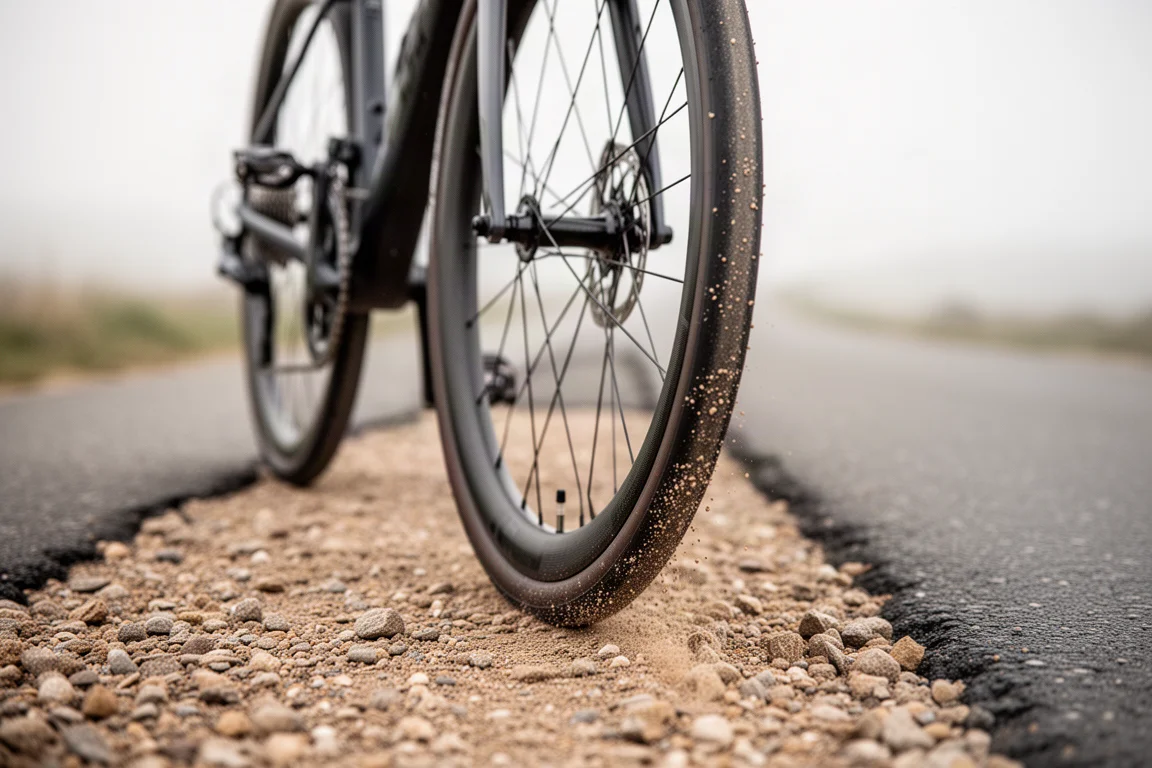
Wide tires run at lower pressure feel noticeably smoother, especially on imperfect roads. They also make turning onto a gravel track mid-ride far less intimidating. Spending hours being shaken by road vibration takes a toll, so the smoother, more forgiving feel of wide tires can even lead to a faster and more enjoyable ride overall.
Supple Tires: Fast, Flexible, and Fun
A supple tire is flexible and pliable, deforming easily over road and trail imperfections. Supple tires make the bike feel smoother and more connected, and in most cases they are faster too. The trade-off is price. The more supple a tire gets, the more it tends to cost, and tires are consumables. Once a rider experiences the ride quality of a supple tire, going back to a stiffer one is painful.
A few factors make a tire supple. A thinner tread means less material and less stiffness. The casing, the fabric structure inside the tire, matters even more. A higher threads-per-inch (TPI) count means thinner, more flexible threads with less rubber filling the gaps. Cotton casing is more flexible than nylon but more expensive. The downside is punctures. Thinner tires are more likely to cut, so every rider needs to find their own balance between ride quality and durability.
Continental GP 5000: The Proven All-Rounder
For riders who want a supple road tire without chasing the extreme, the Continental GP 5000 is one of the most balanced choices. It delivers the responsive, fast feel that road riders look for while keeping a level of durability that works for everyday riding.
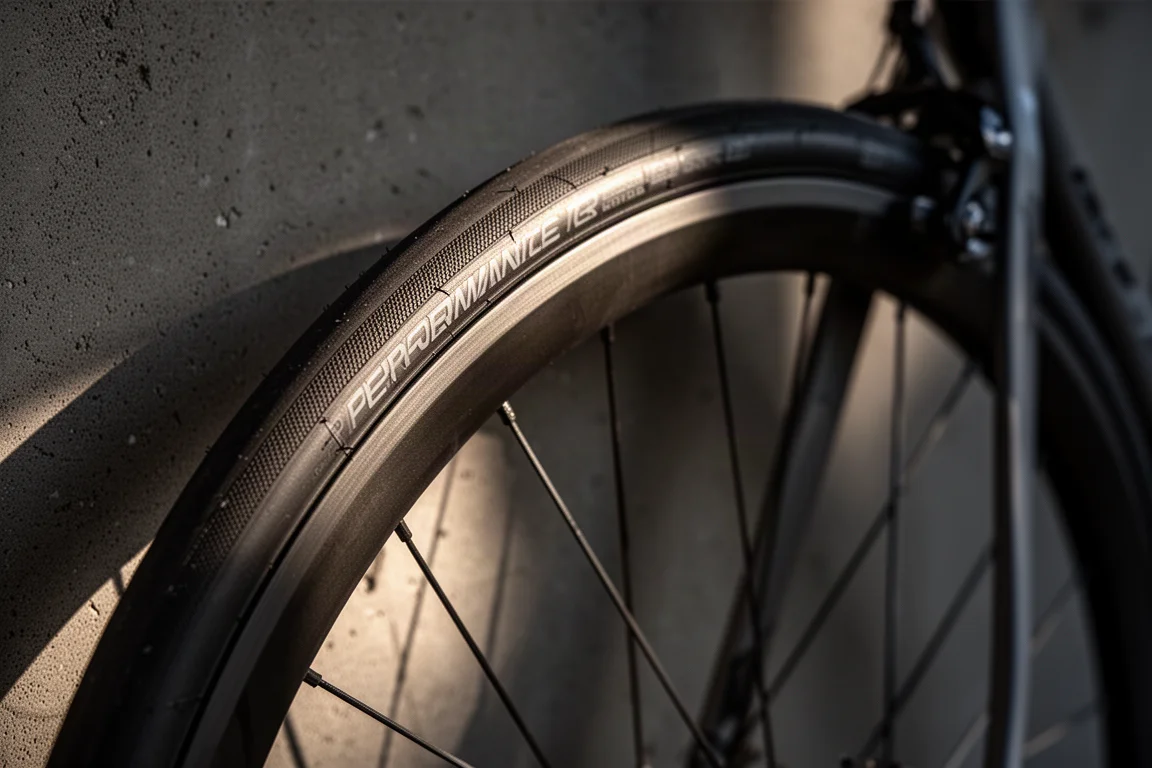
The GP 5000 earns its reputation as a tire that does many things well. It is light enough to feel lively, supple enough to smooth rough surfaces, and practical enough for riders who are not ready to accept the fragility of dedicated racing tires.
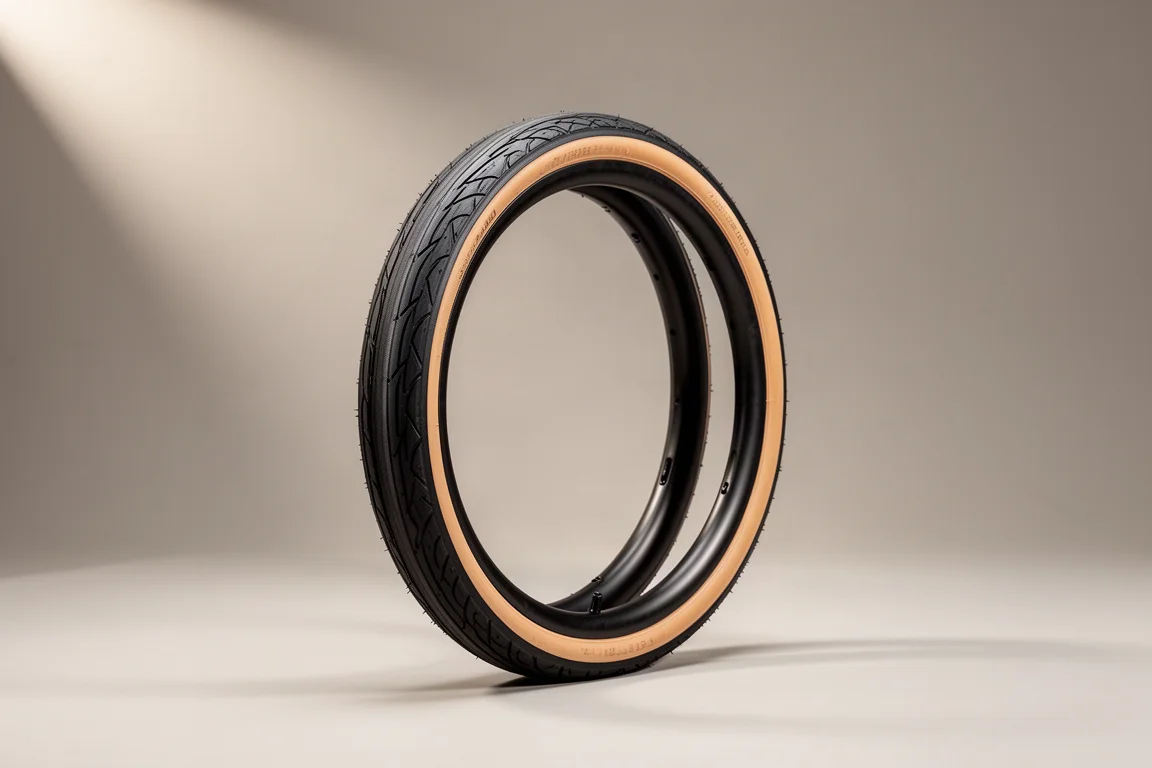
Vittoria Corsa Pro: The High-Performance Alternative
The Vittoria Corsa Pro is another strong option for riders who put ride quality first. It approaches the same goal from a performance angle, with a supple casing that transmits plenty of road feedback while keeping the speed and responsiveness expected from a modern race-style road tire.
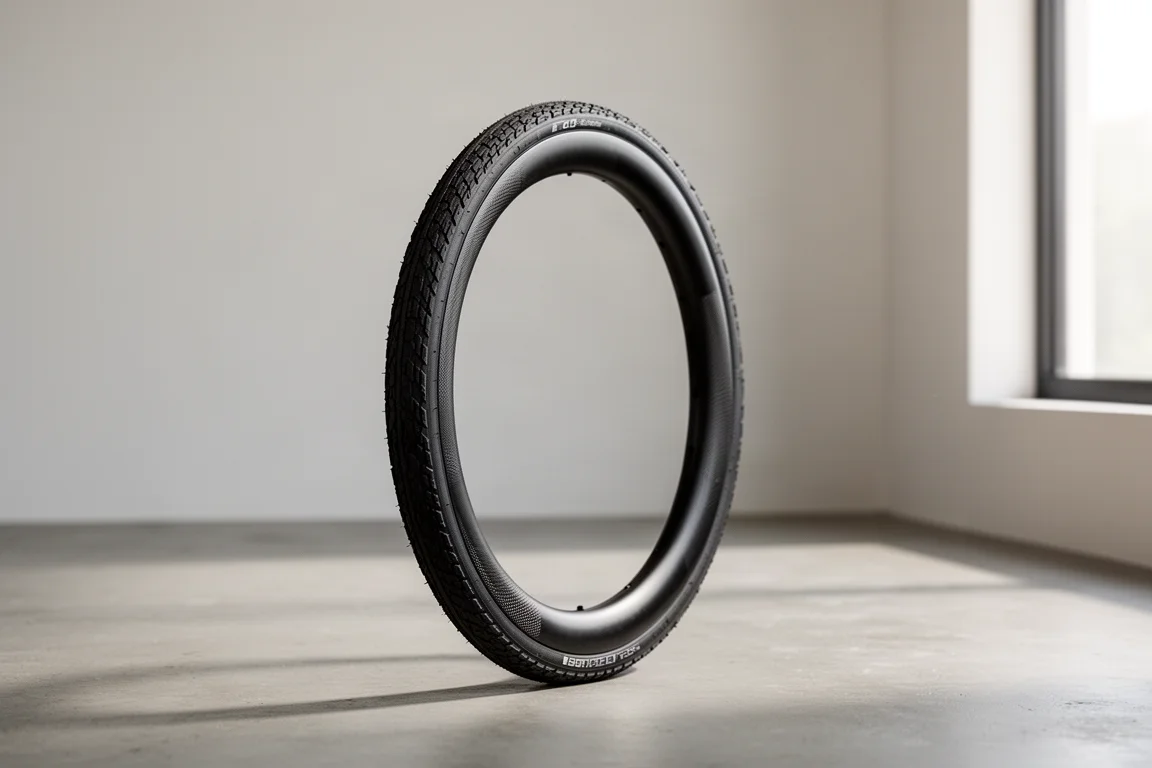
Schwalbe Marathon: The Puncture-Proof Choice
At the other end of the spectrum sits the Schwalbe Marathon, a tire built around durability. It is the kind of tire that basically never punctures, which makes it a sensible pick for riders who value reliability above everything else. The cost is ride feel. Compared with supple performance tires, the Marathon does not offer the same smooth, flexible ride. That trade-off between protection and comfort is worth thinking about before buying.
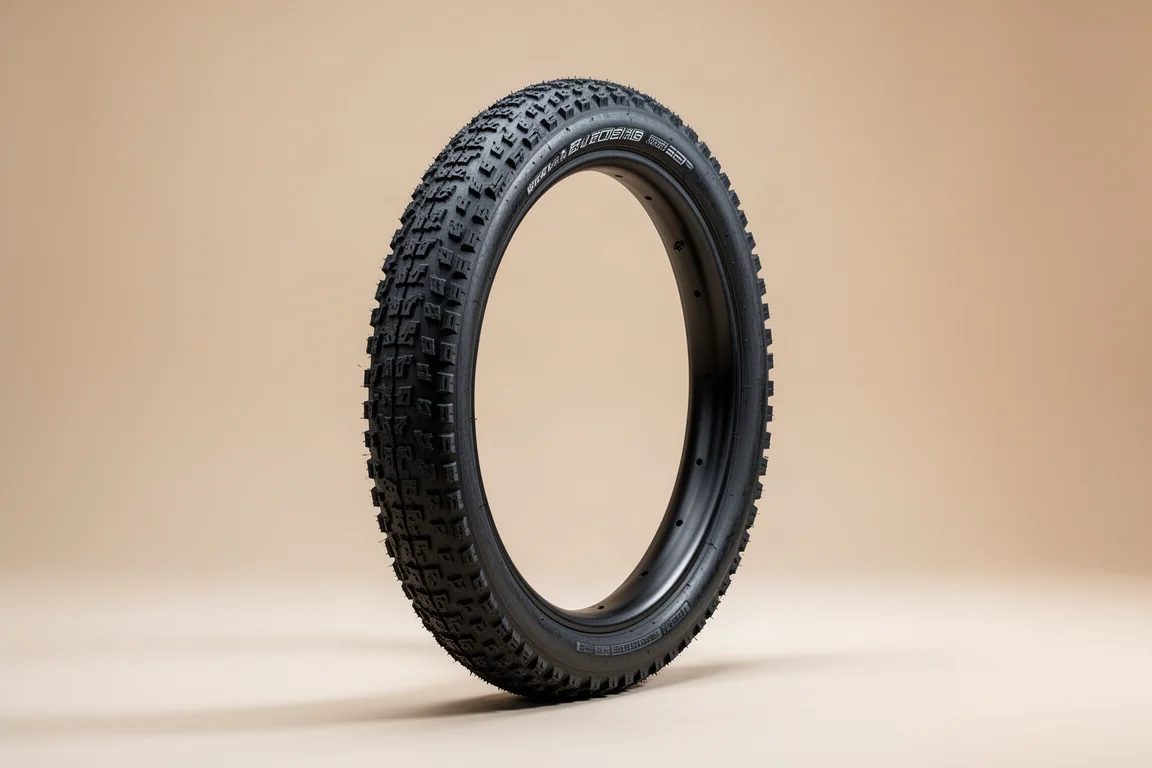
TPU Tubes, Latex, and Tubeless: Small Swaps, Big Feel Change
Changing the inner tube is another way to change how the bike feels. Standard butyl tubes can be swapped for TPU tubes made from thermoplastic polyurethane, which are extremely light and small, and the difference is noticeable as soon as they are fitted. Latex tubes feel fantastic too, but they are porous and lose air quickly, needing inflation before every ride. Both cost more than butyl, may puncture more often, and often need special patches for repairs.
Tubeless setups remove the inner tube altogether. Liquid sealant inside the tire, plus special valves and tape, keep the system airtight. Tubeless rides very well because material is removed completely, and it allows lower pressures without the risk of pinch punctures. Small holes can even seal themselves as the sealant solidifies under pressure change. In practice, tubeless works best on larger-volume tires, and it requires carrying spares and accepting the occasional mess.
Professional Bike Fit: The Upgrade Underneath Everything
Every upgrade in this guide affects how a bike feels, but nothing matters more than making sure the rider is in the right position. A professional bike fit is the single best thing a rider can do to make a bike ride better. It is not accessible to everyone, and good fitters are not cheap, but the payoff is significant. It is possible to spend on everything else and still feel terrible if the bike is the wrong size, the weight distribution is off, or the saddle is set too high or too low.
A good fitter assesses flexibility, mobility, and any prior injuries, takes measurements as a starting point for component sizes, and learns what kind of riding the rider wants to do. They analyze the rider on the bike, experiment with positions, check footwear, and ideally do this before the bike is bought, which can save a lot of money. Finding a good fitter is genuinely difficult, and a full fit is an investment, but the knowledge gained carries forward and makes future bike purchases far easier.
Overall Buying Advice
Start with the free wins: correct tire pressure and lever position. Then look at bar tape for an immediate, affordable improvement in everyday feel. Wider tires and supple tires deliver the biggest ride-quality jump on rough roads, with the Continental GP 5000 and Vittoria Corsa Pro as balanced sweet spots and the Schwalbe Marathon as the durability-first alternative.
Inner tubes, latex, and tubeless setups refine the feel further, and a professional bike fit ties everything together by making sure the rider is positioned correctly. Working through the list in order is the most practical approach, because each change builds on the last.
Conclusion
A better-feeling bike does not require a huge budget. The most meaningful improvements start at zero cost, and the affordable upgrades in between can transform how a bike rides. Prioritize the changes that match the kind of riding you do, and the result is a bike that feels faster, smoother, and far more enjoyable.
Further reading
Related Reviews
Cycling Accessories
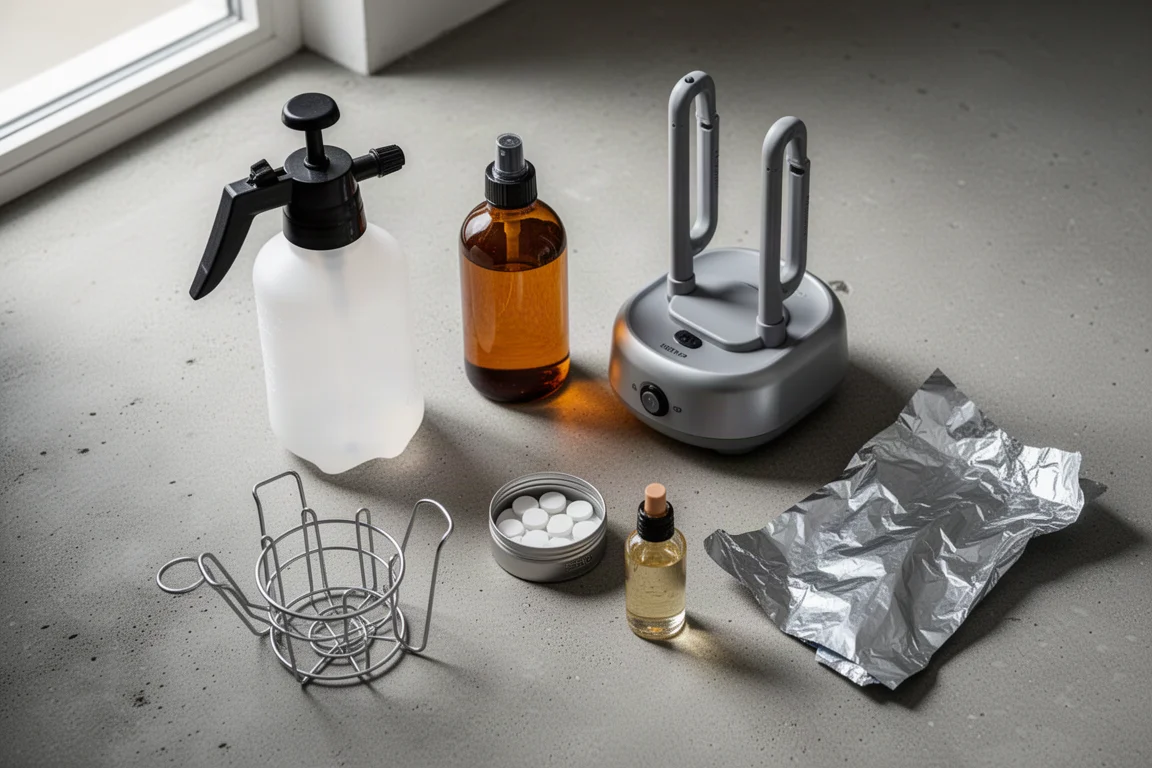
7 Inexpensive Everyday Products That Are Brilliant for Cyclists
Seven cheap household products that solve real problems for cyclists, from portable bike washing and dry shoes to clean bottles and protected paintwork.
Cycling Accessories
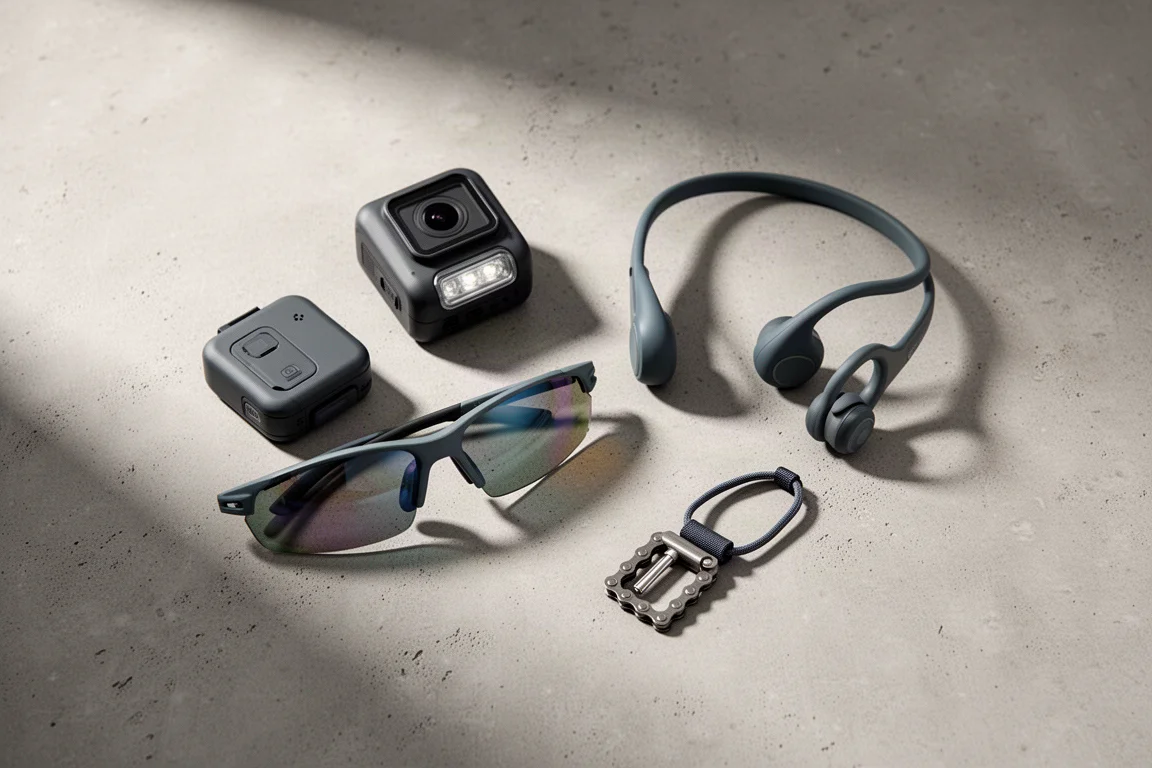
Amazon Cycling Accessories Worth Buying: Five Practical Picks
A basket of low-cost cycling accessories judged on real-world use, from a dash cam style camera and light combo to bone conduction headphones and one tool best left on the shelf.
Cycling Accessories
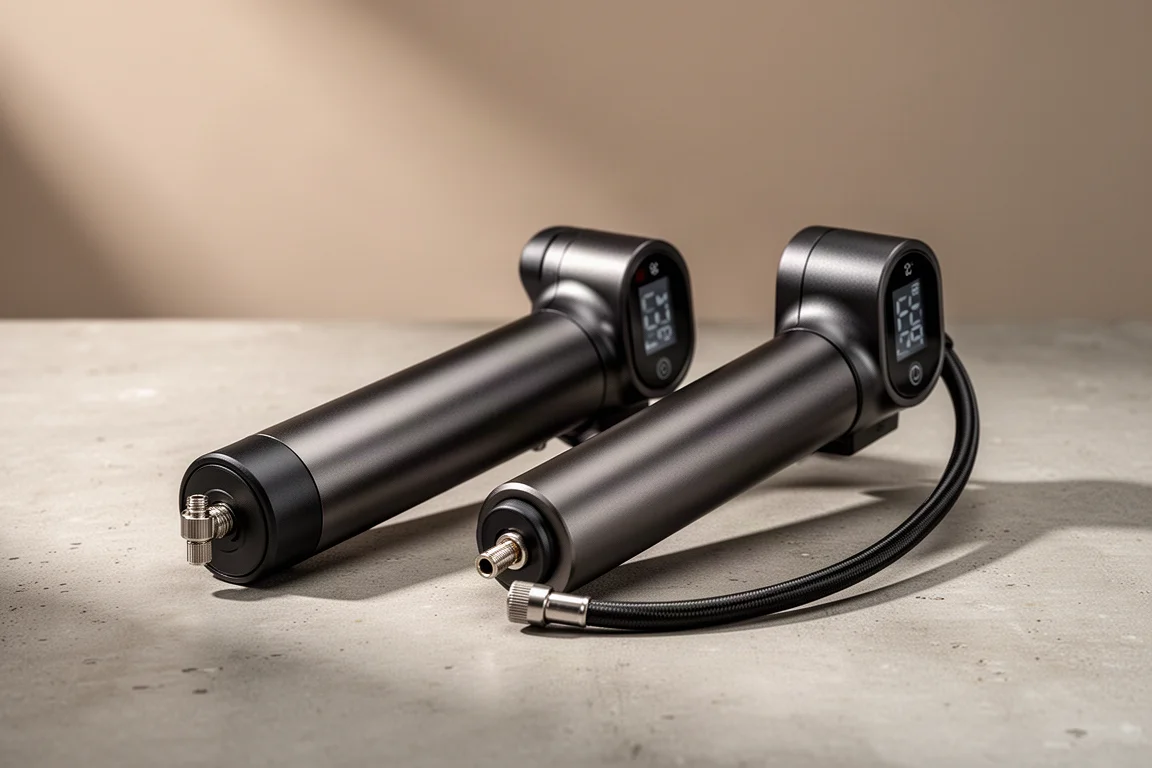
Electric Bike Pumps Compared: AS2 Pro Tiny Pump vs AS2 Pro Max
A practical look at two battery-powered bike pumps: what they do well, where they fall short, and which one suits which kind of rider.