Work Footwear
Brunt Marin vs Brunt Omen: What Changes With the Next Generation
A closer look at the next-generation Brunt Marin and the Brunt Omen, including the new slip-resistant soles, updated insoles, and improved waterproofing details.
Introduction
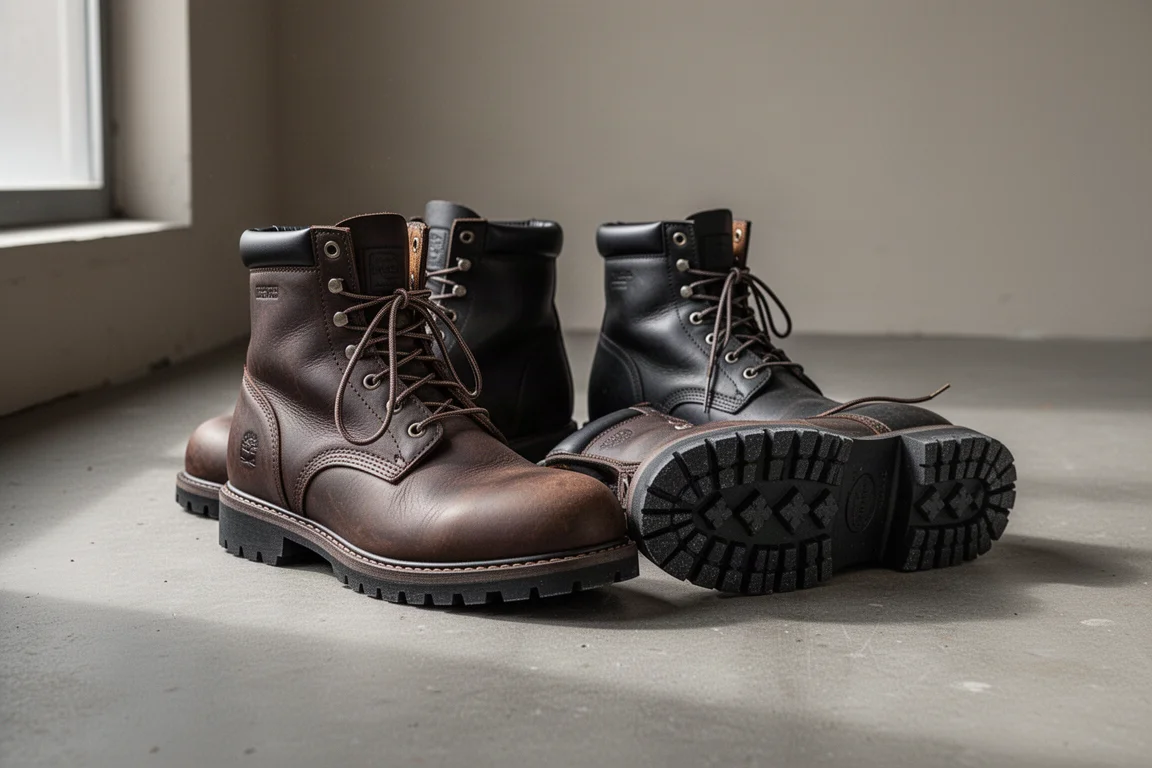
Brunt has been steadily building a reputation for work footwear that tradespeople can actually wear on the job, and two models illustrate where the brand is heading: the Brunt Omen and the next-generation Brunt Marin. Both share the most important update in the lineup, a completely reworked sole, and both address the single biggest complaint about the original Marin.
If you already own the original Marin and are wondering whether the new version is worth a look, the short answer is that the changes are real, visible, and concentrated where they matter most: grip, comfort, and waterproofing details.
Why the Original Marin Fell Short
The original Brunt Marin did a lot of things well. Over months of use on a variety of jobs, including junk removal and landfills, the boot held up under heavy, punishing work. The construction took a beating and kept going, which is exactly what you want from footwear in this category.
The problem was traction. The original sole was not slip resistant, and on wet metal surfaces, such as stepping onto a metal trailer in the rain, the boots became genuinely risky. Sliding around on slick surfaces was enough to stop wearing them for most wet-weather work.
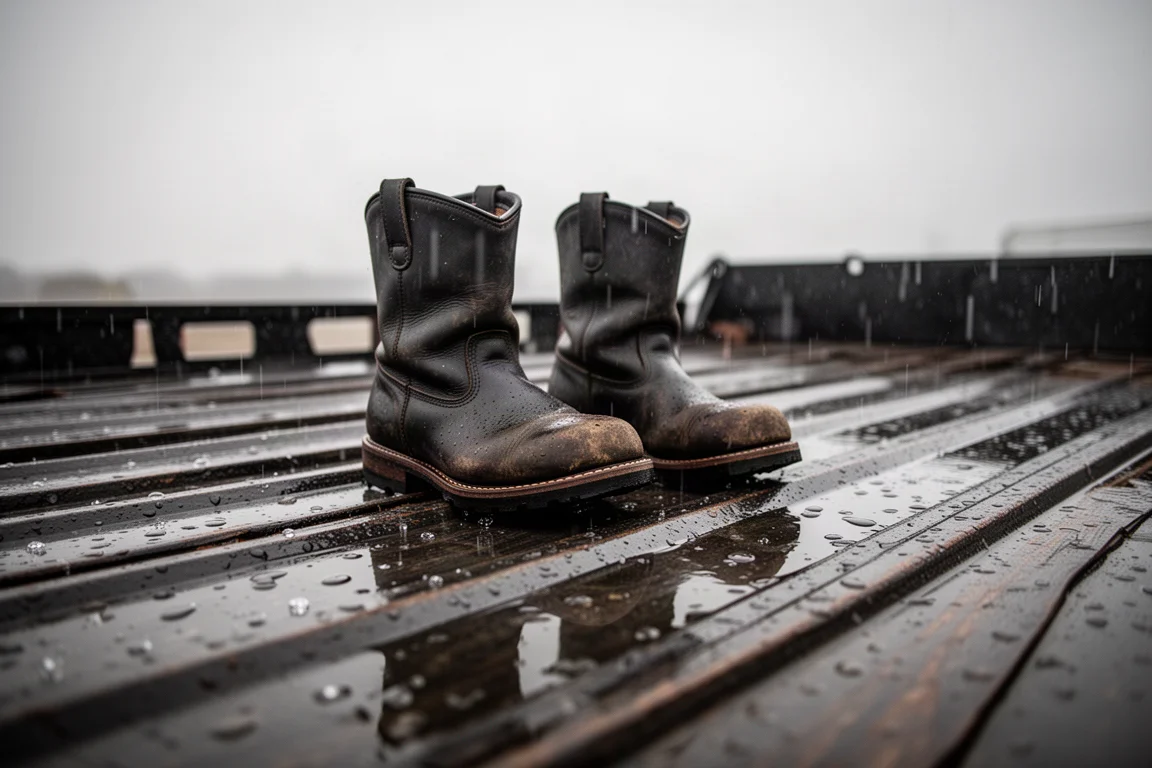
That complaint was clear enough that Brunt responded directly, redoing the soles across the next generation. That decision shapes everything about both models below.
Brunt Omen: The New Sole Changes the Story
The Brunt Omen has been worn heavily in recent weeks, including grinding work and tree work, and the new sole is the standout. Brunt’s new cushioning, branded as Brunt Cushion, makes these noticeably more comfortable, to the point of wearing them every single day.
The new soles are slip resistant, oil resistant, and non-marking. Compared side by side with the original, the difference is obvious: the older sole is harder and slicker, while the new compound is softer and delivers significantly better grip. The Omen also carries the new horizontal Brunt logo, which is the quick visual cue that you are looking at the next generation.
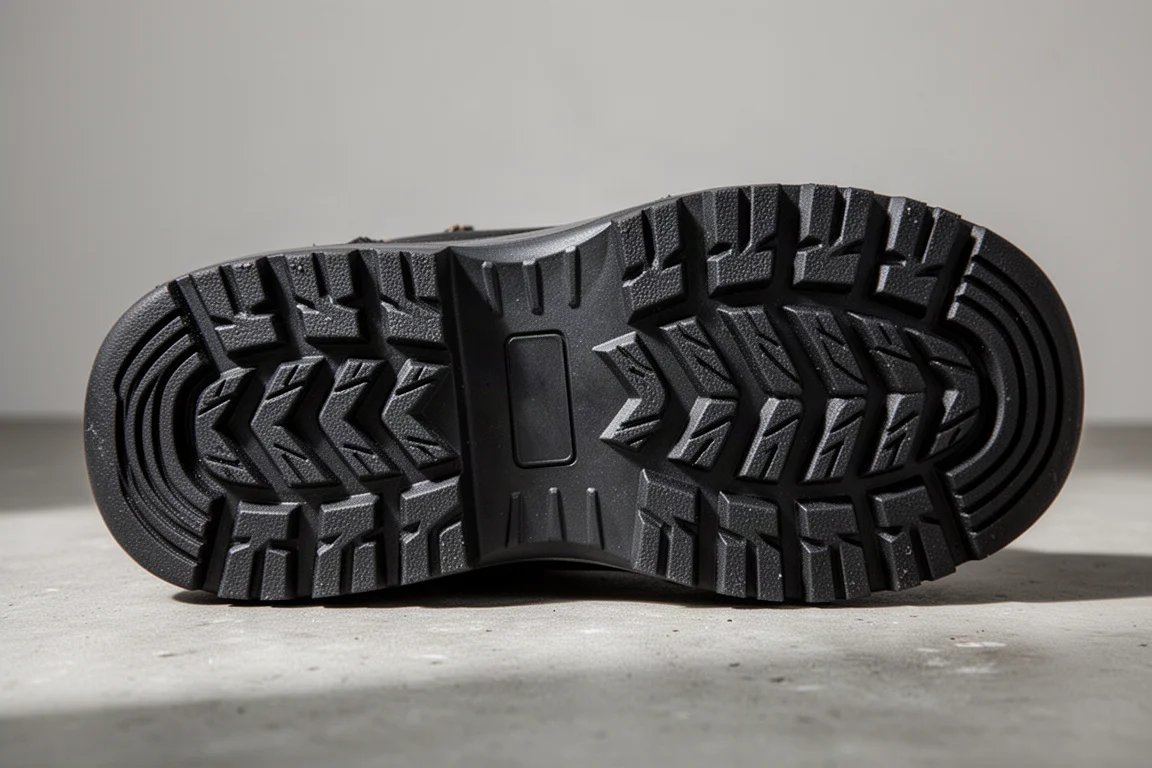
One open question is durability. A softer, grippier sole often raises concerns about how quickly it will wear down under daily jobsite use, and that is something only extended wear will answer. So far, the traction fix alone makes the Omen feel like a clear step in the right direction.
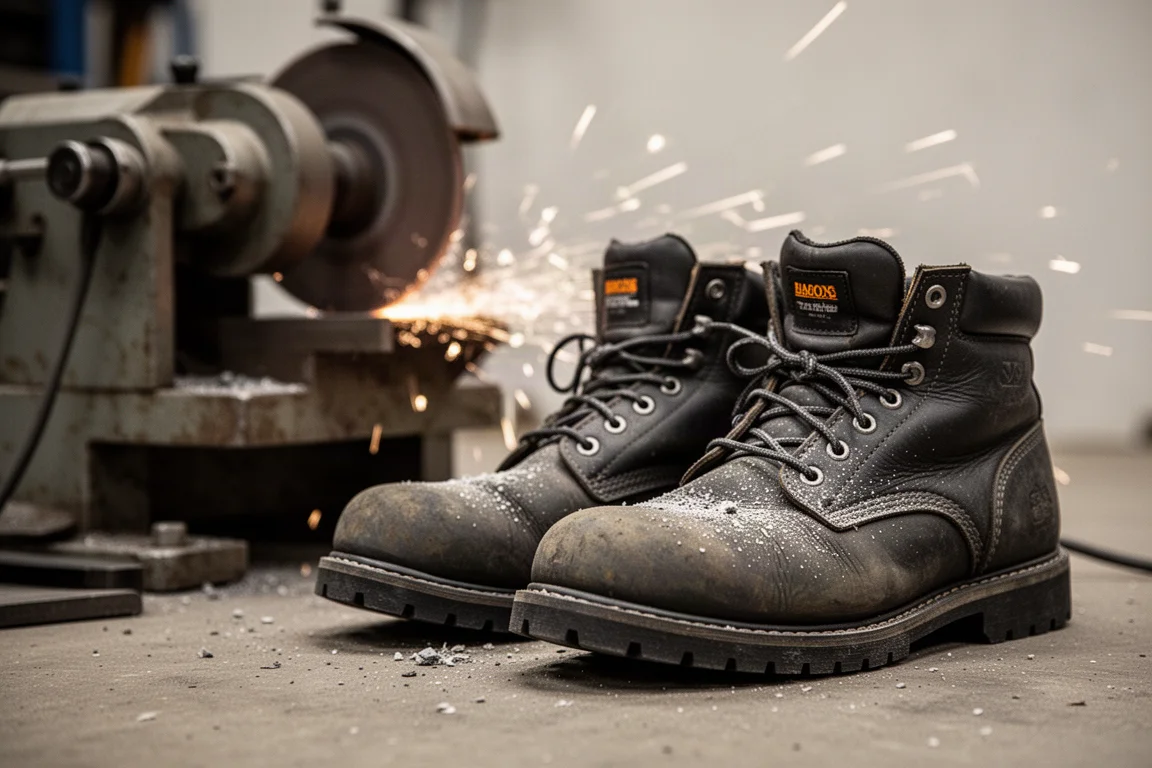
Comfort is the other major upgrade. The Omen ships with a new insole alongside the new sole, and the combination has been a massive improvement in day-to-day wear. For anyone whose original complaint was slipping, that problem has been fixed.
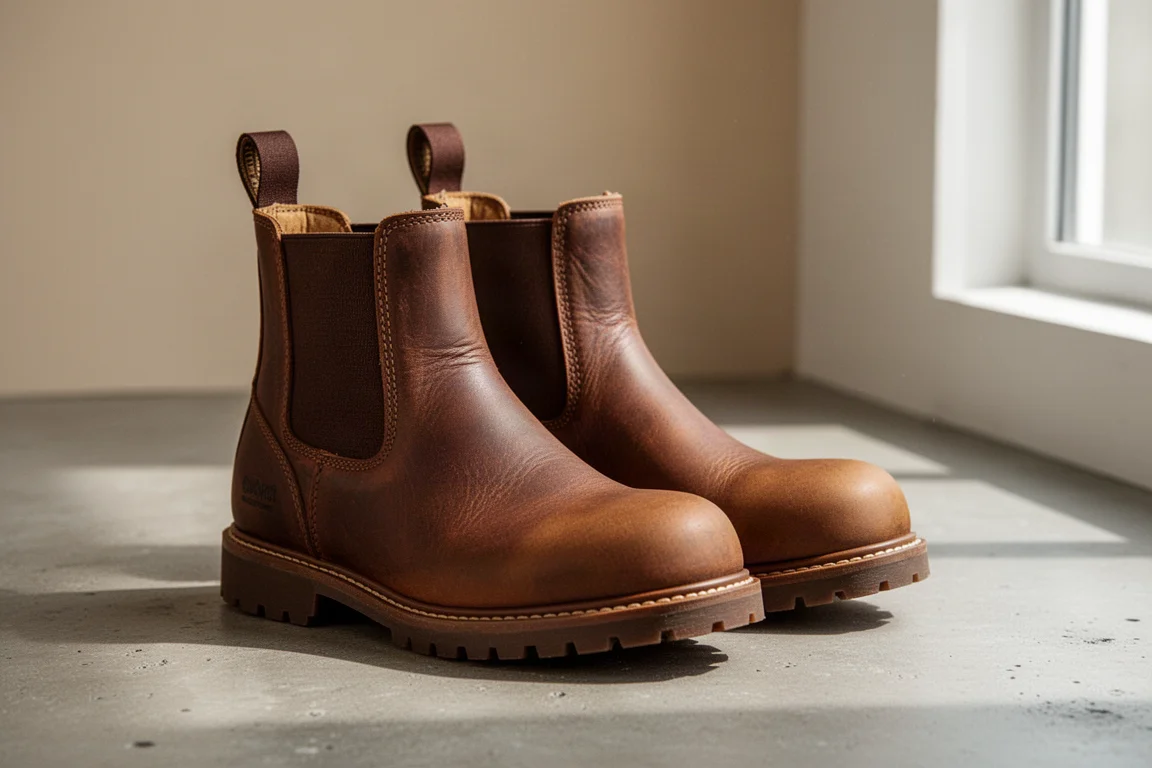
Brunt Marin: What Is New in the Next Generation
The next-generation Marin takes the same formula and applies it to the model that needed it most. The headline change is the all-new sole, which should resolve the sliding issue that plagued the original on wet surfaces.
Out of the box, a few other updates are visible. Both generations claim waterproofing, but the new version’s waterproofing feels more apparent right away. The stitching has also been upgraded, with triple stitching at the top of the upper where the original used two stitches, and additional reinforced spots elsewhere.
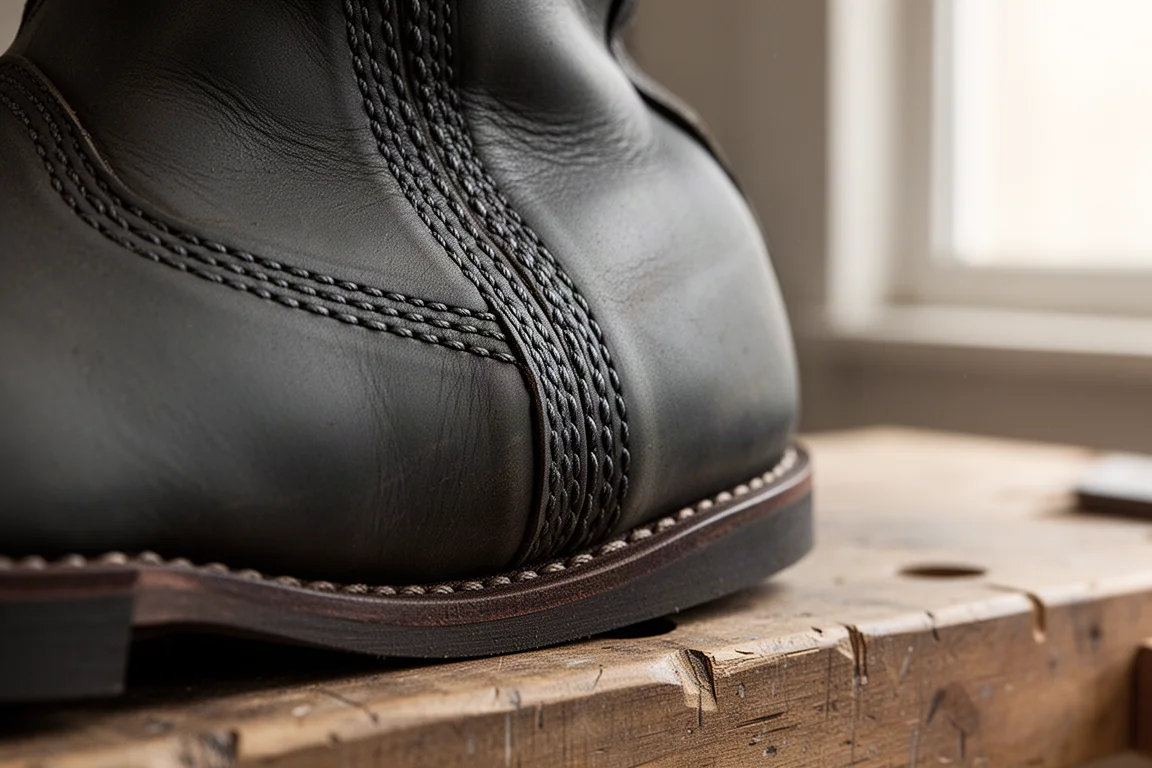
Inside the boot, there is more evidence of rework. The original had a plain all-black interior, while the new version shows new interior materials and noticeably more finishing work on the inside. The laces, for the most part, are unchanged, which fits the overall picture: the sole was the priority, and the supporting changes are refinements rather than a redesign.
Buying Advice
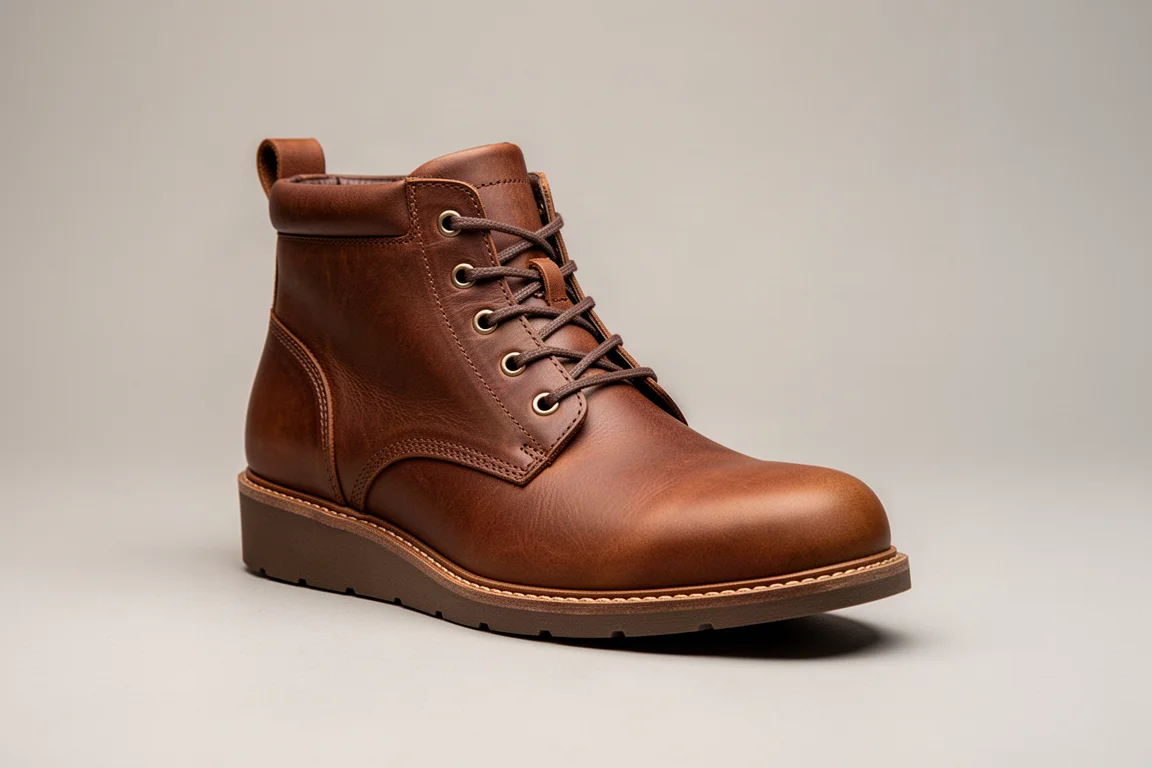
If you already own the original Marin and it still fits and grips adequately for your work, the two visible differences in the next generation are the new sole and the triple stitching. If slipping on wet surfaces was your complaint too, the new sole is the reason to consider an upgrade.
If you are choosing between the two new models, the Omen has the longer track record with the new sole and has already proven the fix in heavy use. The next-gen Marin applies the same improvements to a different silhouette, so the choice comes down to which style and fit you prefer.
Conclusion
Brunt listened to its biggest criticism and rebuilt the sole from the ground up, and the results are convincing. The Omen demonstrates what the new sole and insole deliver in daily heavy use: far better traction, oil resistance, non-marking performance, and much improved comfort. The next-generation Marin brings those same gains, plus triple stitching and refined waterproofing, to the boot that needed them most. For work where wet or oily surfaces are part of the job, the new generation is a meaningful upgrade over the original.
Further reading
Related Reviews
Work Footwear
LARNMERN Composite Toe Work Sneakers Review: Safety Toe Comfort Around $50
A lightweight, breathable work sneaker with a composite toe and a puncture-resistant build, cut open to see what is really inside.

Backpacking Gear
Building a 10 lb Base Weight: An Ultralight Backpacking Gear List
A practical walkthrough of the ultralight pieces behind a 10 lb base weight, from a 765 g pack and a roomy one-person tent to a full camp chair and a dependable water filter.

Road Bikes
10 New Road Bikes Worth Watching: Aero, Titanium, Steel and Endurance Standouts
A practical roundup of 10 new road bikes, from aero flagships chasing single-watt gains to titanium, steel and endurance platforms built for real roads.