Aquarium Filtration
BRS High Capacity GFO Review: Lower Maintenance Phosphate Control for Reef Tanks
Twice the density, half the dose: a practical look at BRS High Capacity GFO, who it suits, and what to check before you buy.
Introduction
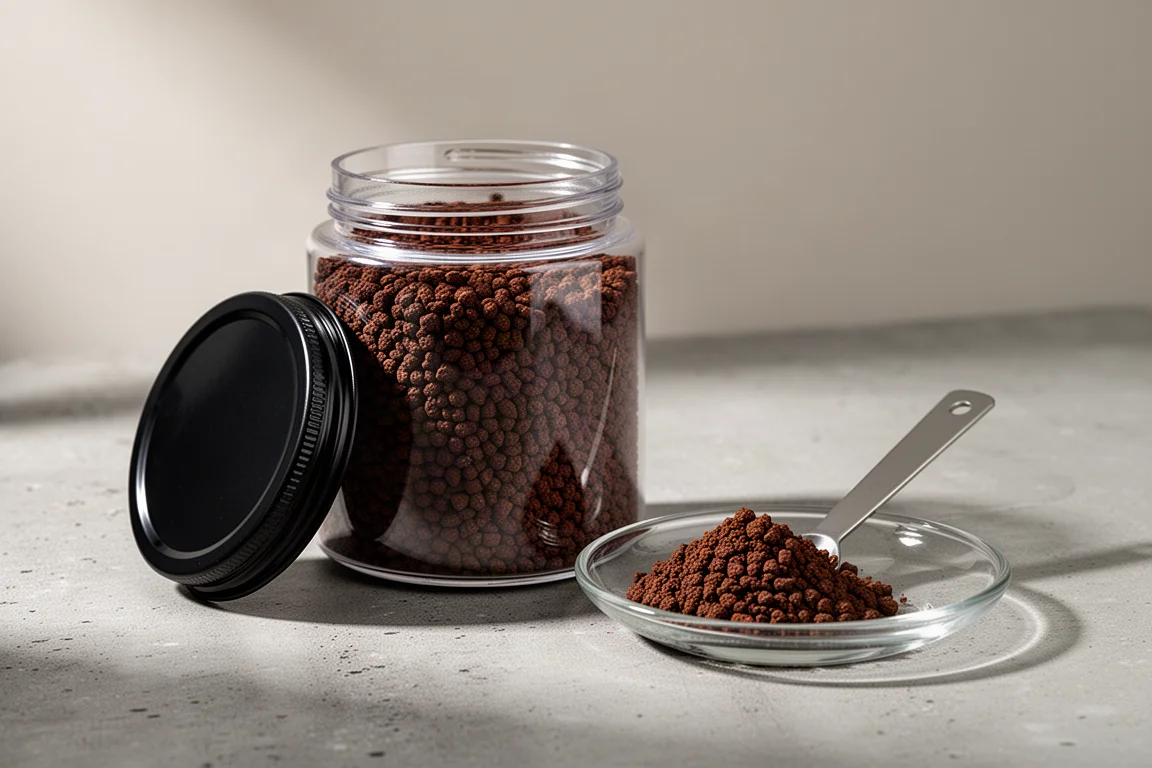
Granular ferric oxide, usually shortened to GFO, is one of the most widely used chemical filter media in reef keeping. It traps and removes phosphate from the water, and it can be run either in a media bag or, for better results, inside a reactor.
BRS High Capacity GFO keeps the same idea but changes the physical structure of the media. It is twice as dense and twice as hard as the standard version, which gives it roughly twice the phosphate absorbing capacity in the same volume. That single difference shapes everything about how it is dosed, rinsed, and replaced.
Who This Product Is For
This media makes the most sense for two kinds of reefers. The first is anyone running a large display tank, several systems, or a propagation setup, where phosphate removal efficiency matters and reactor space is limited. The second is the reefer who simply wants a GFO that is easier to live with day to day, because the harder granules produce less dust to rinse and are far less likely to compact into a solid block.
Owners of small all-in-one or nano tanks should think about it differently. At that scale a small media bag is often the more convenient choice, and because so little media is used, the drop in efficiency is not something you feel at replacement time.
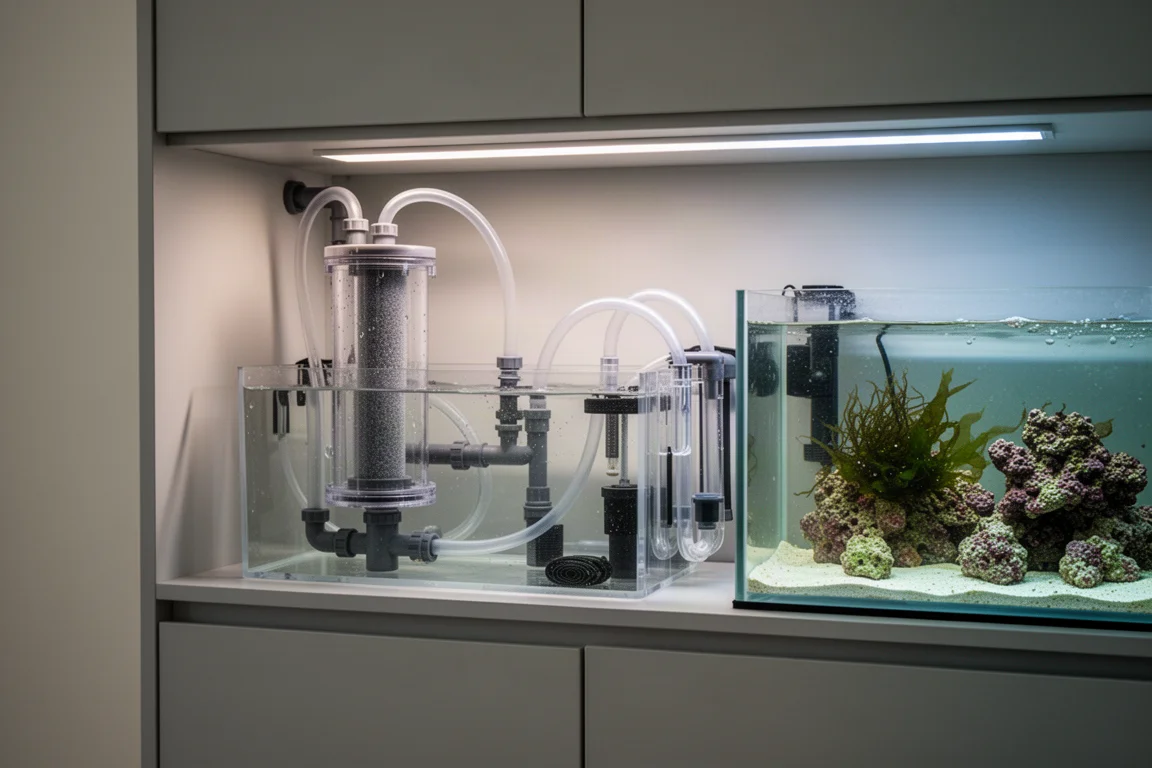
Size selection follows the same logic. The quarter gallon and half gallon jars will last the average reefer a long time, while the one gallon jar and the five gallon bucket are aimed at very large display tanks, multi-tank setups, and large propagation systems.
Main Strengths
The headline benefit is simple: half the media does the same job. Standard GFO is typically dosed at one tablespoon per four gallons of aquarium water. BRS High Capacity GFO is dosed at one tablespoon per eight gallons, which lines up neatly with its doubled capacity. Fewer scoops, more phosphate absorbing power in the same reactor, and less media to store.
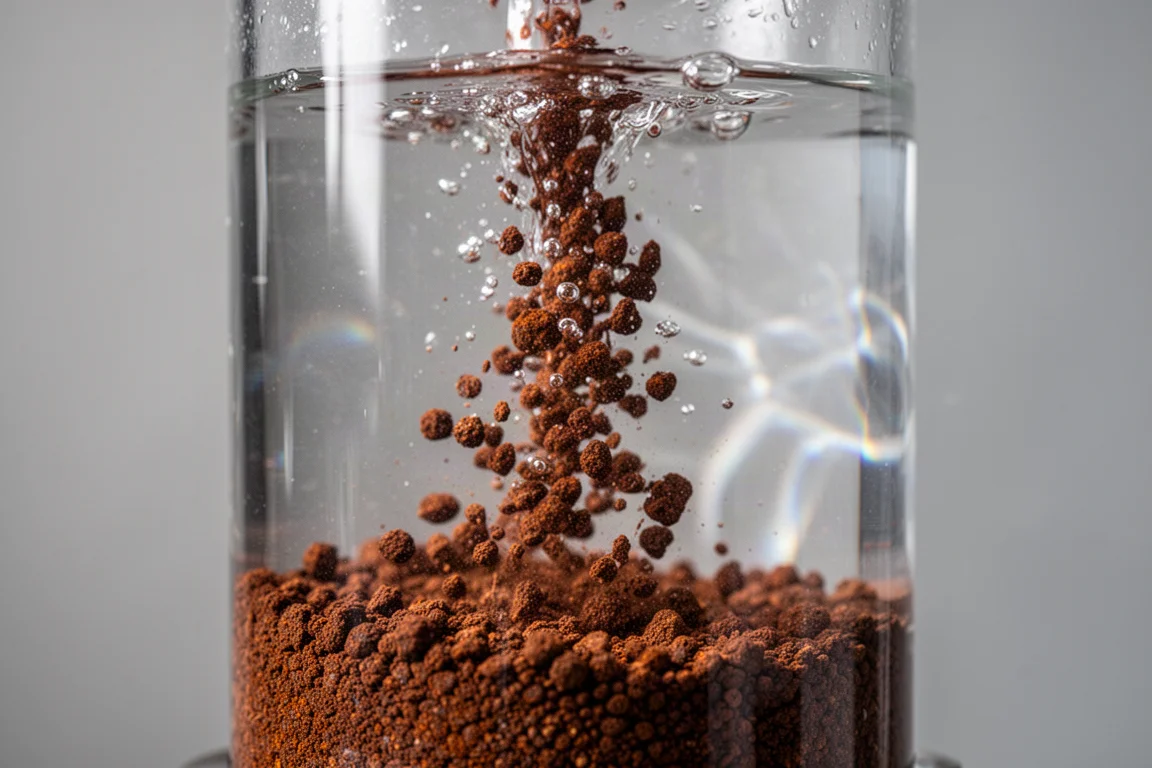
There is a second advantage that shows up in daily use rather than on paper. Because the granules are dense and hard, they shed far fewer dusty fines, so rinsing before use is quicker and less messy, and the media lasts longer before it needs attention.
Half the Media, Same Phosphate Removal
The dosing ratio is the practical expression of the density claim, and it is the number worth remembering. Using roughly half of what you would measure out with standard GFO keeps your routine the same while stretching each jar further. For large systems, that difference is felt both in reactor capacity and in how often a fresh batch is needed.
Less Compacting, Less Rinsing
GFO is normally rinsed thoroughly before it goes anywhere near a tank, to wash away the dusty fines. Denser, harder granules produce less of that dust and resist compacting into a block, which matters most when the media sits in a bag rather than a reactor. In a bag, that resistance to clumping translates directly into a longer useful life.
Dosing and Testing: Getting the Amount Right
It is important not to use too much at once. Dropping phosphate levels too quickly can have a negative impact on corals, and driving phosphate all the way to zero is not the goal either, since phosphate is a necessary nutrient for the organisms in a reef tank.
The reliable approach is to test first. Measure your phosphate level, note how high it is, then add the recommended amount of media. After four to eight weeks, test again and see whether the reading has settled into your target range, which for most reefers is somewhere between 0.01 and 0.04 milligrams per liter, or ppm. If phosphate is still higher than you would like, add a little more media the next time you replace it and repeat until you reach your target.
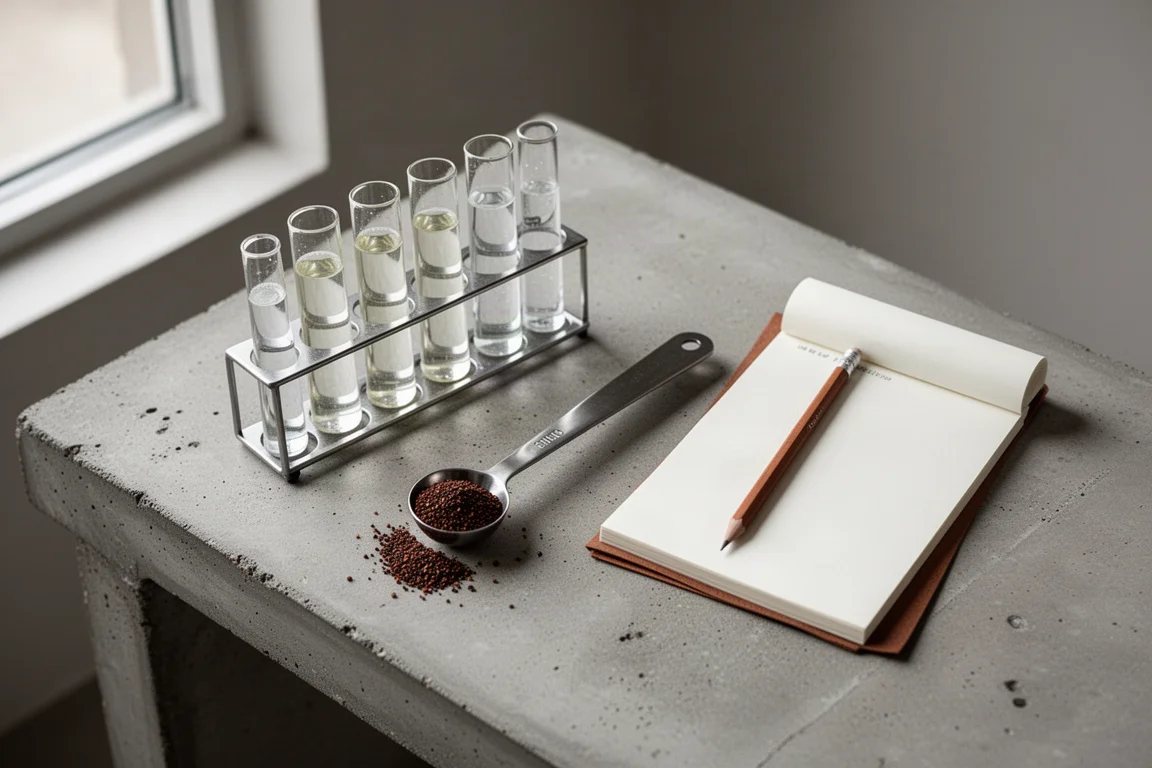
Rinsing applies no matter how you run the media, in a bag or a reactor. A thorough rinse before it enters the tank removes the fines and keeps the water clear. A reactor gives you the extra benefit of being able to rinse and gently tumble the media in place, which prevents compacting and helps it stay effective for longer.
When to Replace the Media
Replace the media completely after four to eight weeks, or sooner if phosphate starts climbing again on your test kit. A rising reading is usually the clearest sign that the media is exhausted and no longer doing useful work.
Buying Advice
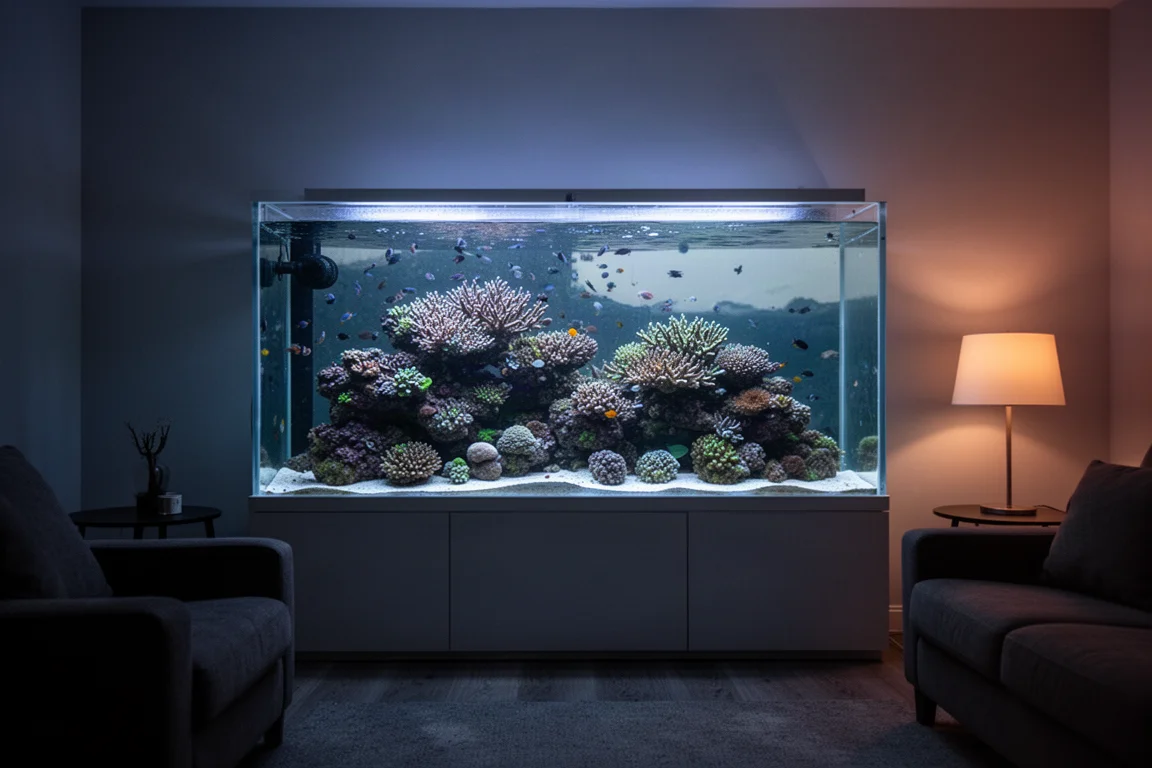
The decision comes down to how you want to run phosphate control. A reactor remains the most efficient option, since it lets the media tumble gently and delivers the most contact between water and granules, which is where a denser, harder media like this one pays off. A dedicated media reactor sized to your system will also make rinsing and replacement far less fiddly than working inside a filter bag.
For a small all-in-one or nano tank, a media bag is still perfectly reasonable. It takes up less space, it is quicker to swap, and the efficiency you set aside is not significant at that volume. In that case, choose the smallest jar size, since even the quarter gallon jar will cover a long stretch of replacements. Larger systems should weigh the one gallon jar or the five gallon bucket against how many tanks and reactors are being fed.
One more thing worth building into the plan is a test routine. Whatever media you choose, tracking phosphate before and after each batch is what turns a blind replacement schedule into a controlled one. If your phosphate is climbing and you want a media that needs less of everything, this higher capacity version is a sound place to start.
Conclusion
BRS High Capacity GFO is at its best when you want the same phosphate removal with less media, less dust, and less compacting. Its doubled density and hardness translate into a half dose, a longer lasting bag, and more absorbing power inside the same reactor. The trade-off is a higher cost than standard GFO, which the reduced dosing largely offsets over the life of a jar.
Pair it with a proper test routine, replace it every four to eight weeks or when phosphate rises, and it becomes a straightforward, low maintenance part of reef keeping rather than a chore.
Product link
View more details for BRS High Capacity GFO
This product is mentioned in the review. Check the specifications, options, and compatibility before buying.
View more details for BRS High Capacity GFOFurther reading
Related Reviews
Aquarium Filtration
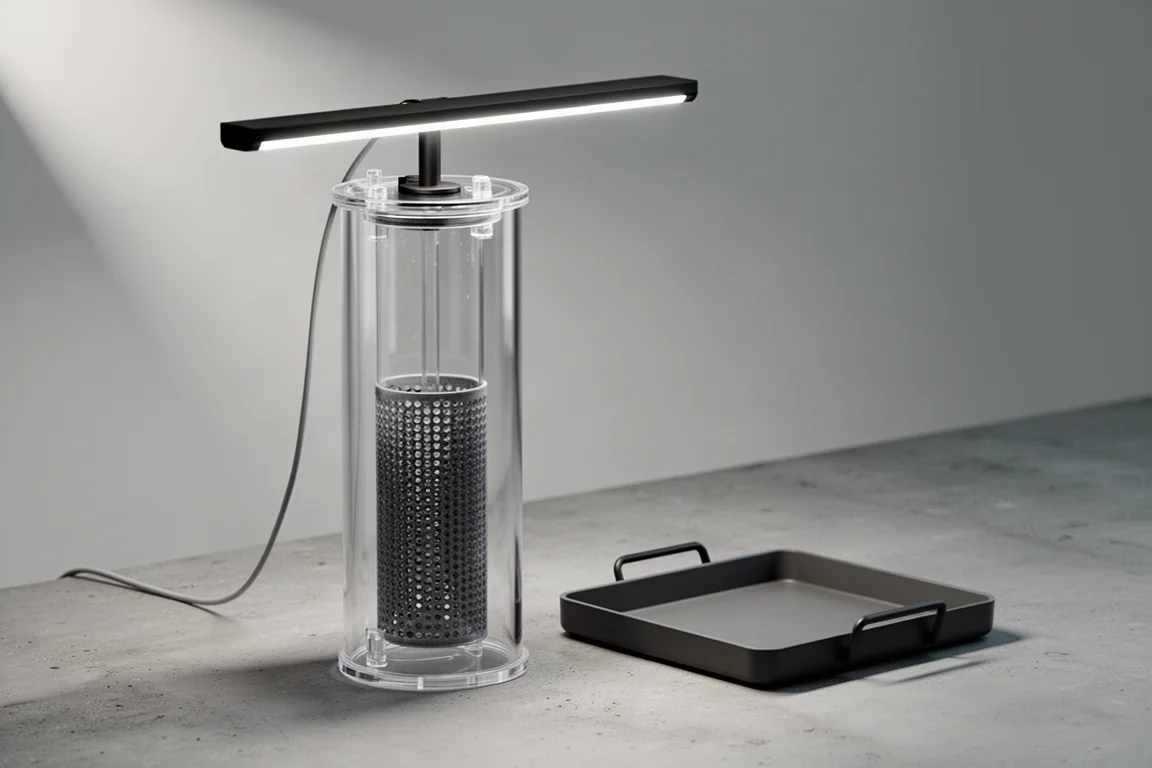
Adaptive Reef Refugium Reactor Review: A Simple Way to Grow Nuisance Algae Outside Your Display
A vessel designed to grow nuisance algae in a controlled space so it stops taking over the display tank, with an adjustable stand, a removable basket, and a single LED light on top.
Aquarium Filtration
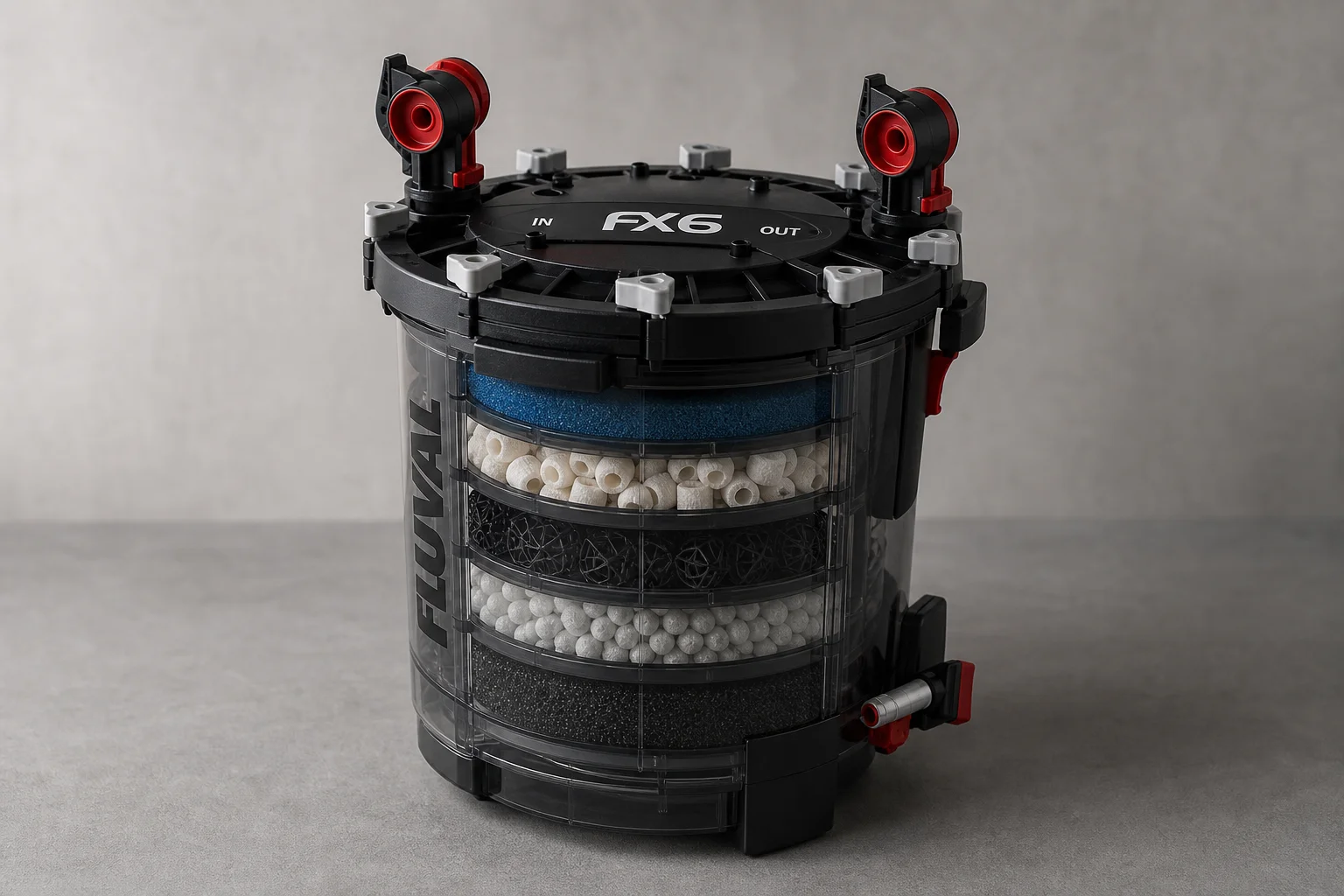
Affordable Aquarium Filter Media: Testing Budget Alternatives to Expensive Biomedia
Can cheap pot scrubbers replace expensive ceramic biomedia in a canister filter? One aquarist tests the theory on a heavily stocked 210-gallon tank.
Aquarium Filtration
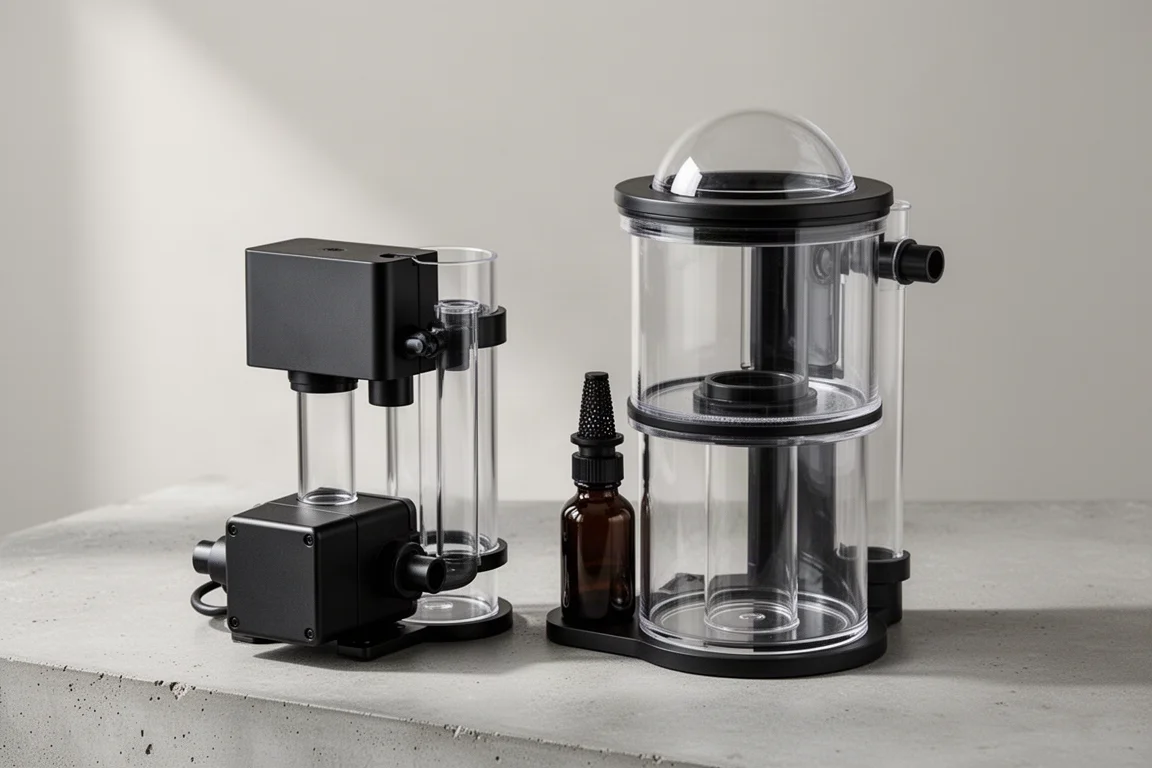
AquaMaxx Bullet 2 and Bullet 3 Review: Hang-On Protein Skimmers Compared
A closer look at two larger AquaMaxx hang-on protein skimmers, covering capacity ratings, clearance needs, and the design details that separate the Bullet 3 from the Bullet 2.