Reef Tank Adhesives
BRS General Bonding Glue Review: A Thin Cyanoacrylate for Reef Tanks
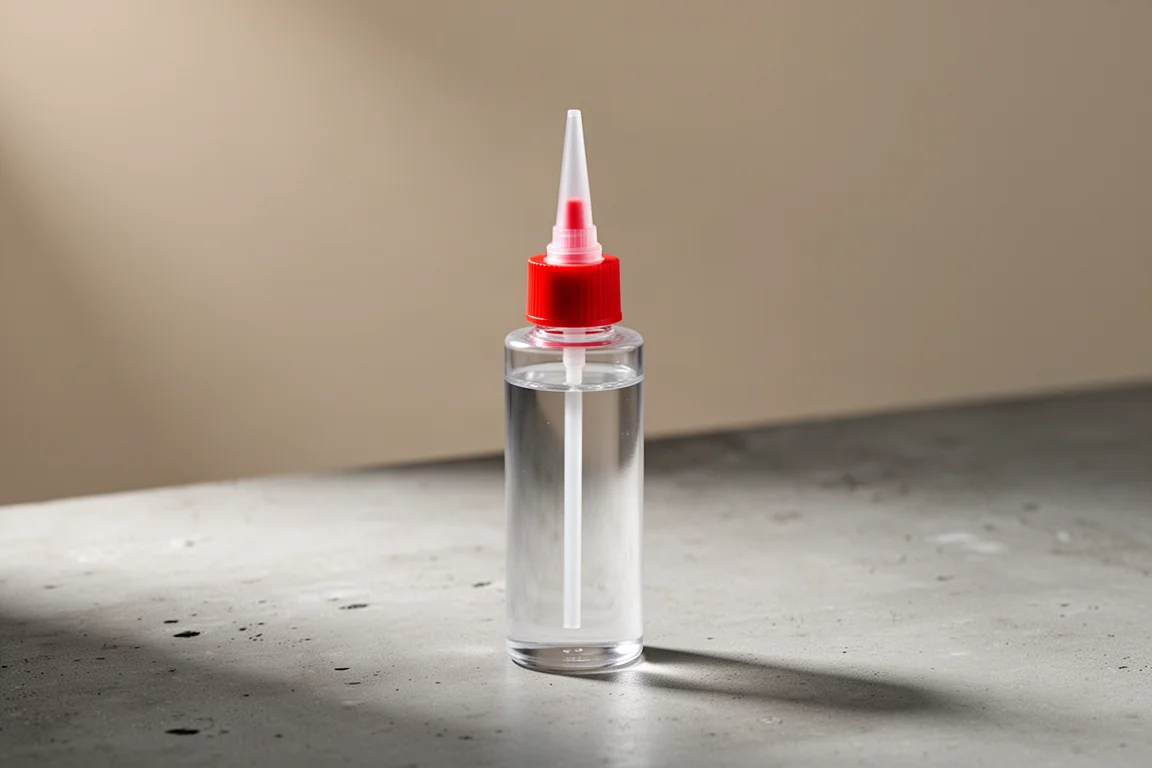
A thin, water-like cyanoacrylate for frag mounting, aquascaping, and quick repairs on reef tank gear, offered in one-ounce and one-pound bottles.
Introduction
Reef keepers have leaned on cyanoacrylate glue for a very long time. It sets fast, bonds to just about anything, and can even weld or fuse some plastic materials together, which makes for strong and permanent repairs. Just as importantly for aquarium use, it is non-toxic to reef inhabitants.
Gel formulations tend to get the spotlight because they stay where you put them and form a thick collar around the base of a frag. The BRS General Bonding Glue takes the opposite approach. It is a thin, water-like cyanoacrylate built to run into cracks and crevices and to slip between two surfaces you want to sandwich together, without pushing a mess of sticky gel out of the sides.
That difference in consistency shapes everything about how this glue is used, from fragging to aquascaping to quick fixes on gear that has seen better days.
Who This Product Is For
This bottle suits reefers who want a fast, flowable adhesive rather than a thick gel. If you frag corals regularly, it lets you bond a frag to a plug with a small amount of product and a short hold. If you build and adjust aquascapes, the thin consistency travels into the contact points between rocks instead of sitting on top of them. And if you keep a drawer of damaged reefing gear, it gives you a way to hold things together while a replacement part is on its way.
It is also a reasonable choice for anyone who dislikes working with gel because of how much it spreads. A thin glue can be applied in much smaller amounts, and in places where a visible glob would be awkward or out of place.
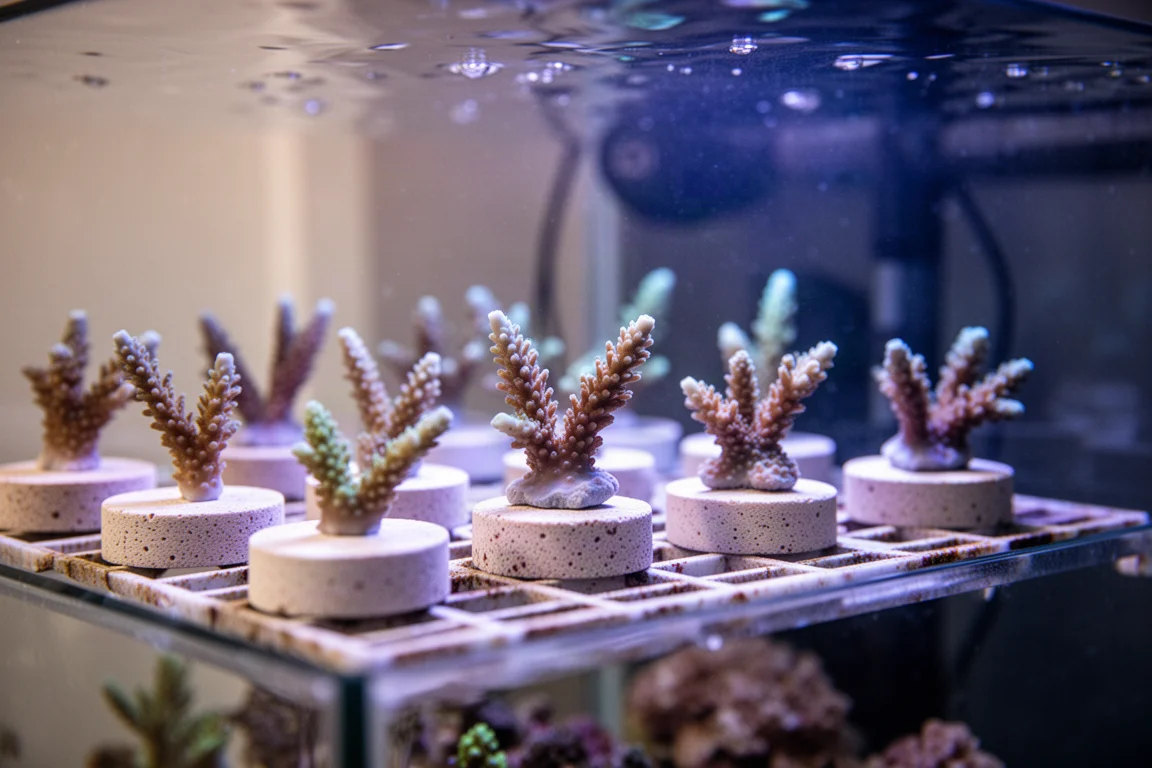
For hobbyists running a single small tank who only mount a frag now and then, one small bottle will go a long way. The glue is not limited to a single task either. Frags, rock, sand, cracked plastics on pumps, broken acrylic accessories and damaged impellers all fall within its range.
Main Strengths
The headline strength is consistency. A water-like cyanoacrylate can sneak into cracks and crevices and run between two surfaces that need bonding, which is exactly where a gel struggles. That makes it well suited to rock joints where the contact points are small and hard to reach.
It is 100 percent reef safe and non-toxic to tank inhabitants, so it can be used around the aquarium environment with confidence.
Its bonding range is broad. Frags, rock, sand, cracked plastics on pumps, broken acrylic pieces and damaged impellers are all fair game. Because the same bottle handles aquascaping and equipment repairs, it earns a place as a general-purpose consumable rather than a single-task tool.
For repairs specifically, it works well as a holding fix. Bonding an impeller back onto its magnet keeps a pump running while a replacement is in transit, and the same approach applies to acrylic dosing tube holders, chipped corners on acrylic acclimation boxes, cracked pump covers and intake guards, broken ornaments and decor. Some reefers have even built their own frag racks with glue of this type.
Practical Uses: Fragging, Aquascaping, and Gear Repairs
For fragging, the best bond starts with preparation. Pat-dry both the surface of the plug and the surface of the coral frag, and make sure the two surfaces are relatively flat and come together with little to no extra space between them. Apply a small amount of glue to the frag plug, gently press and hold the frag against the plug for a few seconds, then place the frag into a container of aquarium water to finish curing.
For aquascaping, the useful method is to drip the glue into the crevice or crack created by the contact points of the rocks. Because it is so thin, it runs directly between those contact points, covering both surfaces and bonding them together. The same property makes it a good choice for hiding a joint. On a dry joint, start by adding a little glue, dust sand and small rock rubble over it, then drip more glue into that pile. The glue travels through the granules, gluing them to each other and to the joint below. Work slowly and layer it little by little until the joint looks the way you want.

Gear repair is the third use case. A detached impeller, a split acrylic holder or a chipped corner is often fixable in minutes, which buys useful time while a replacement part ships.
Tips for a Clean, Controlled Application
Thin glue travels farther than gel, so a little preparation pays off before you start.
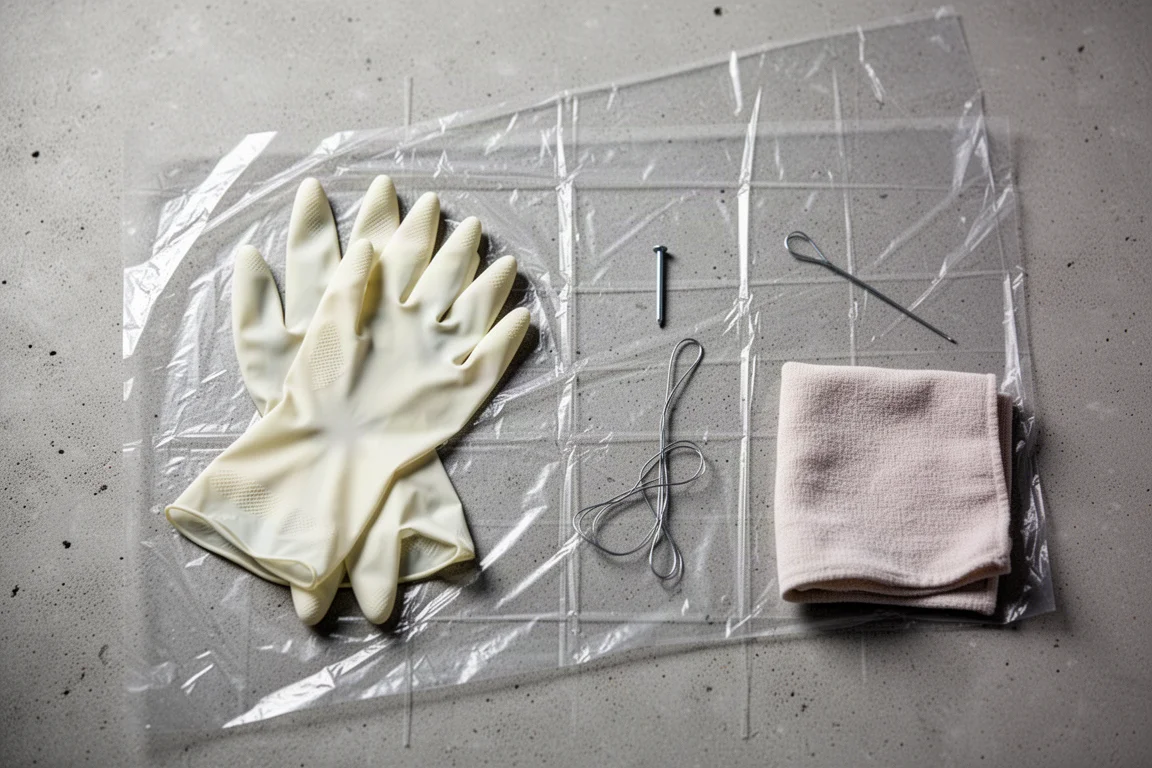
Begin with a drop sheet. A piece of plastic such as a garbage bag or a recycling bag, or simply a cardboard box, catches drips and splashes and protects the work surface underneath.
Wear gloves. Bonding your skin together is not a disaster, but picking dried patches of glue off your hands for weeks is genuinely annoying, and it is easy to avoid.
When you open the bottle tip, use a pen or a finishing nail rather than scissors or a razor blade. You want a tiny opening. Even a sewing-needle-sized hole is enough to get the glue flowing, and a small hole gives far better control over the flow rate.
Keep the inner red cap. Leaving it on the bottle does a good job of keeping the glue fresh, and if the bottle is ever knocked over or dropped, that inner cap stays put instead of flying off the way the small red tip can. That saves you from cleaning glue off the floor.
For precision work, the exposed wire end of a twist tie makes an excellent applicator. Remove the cap, dip the wire into the glue, and use the thin coating it picks up to place very small amounts exactly where you need them. That technique is ideal for intricate repairs where a squeezed drop would be far too much.
Things to Consider Before Buying
The main trade-off is control. Because this is a thin, running glue rather than a gel, it moves. If you prefer an adhesive that stays exactly where it lands and builds a thick collar around a frag base, a gel may still be the better fit for that specific job.
Preparation also matters more here than with a gel. For the strongest frag bond, both surfaces need to be pat-dry, relatively flat, and brought together with little or no gap. Working over a protected surface and wearing gloves keeps the process clean, since thin glue can travel further than expected once it starts flowing.
Finally, think about volume. The glue has a long shelf life and does not go bad quickly, but a large bottle only makes sense if you will realistically work through it.
Bottle Sizes and Long-Term Value
The BRS General Bonding Glue comes in two sizes: a one-ounce bottle and a one-pound bottle. Most reefers will get plenty of use from the smaller bottle, because a little goes a long way with a thin glue.
The larger bottle is for anyone who wants to stock up, uses a lot of glue, or has a habit of losing small bottles. One pound is equal to 16 of the one-ounce bottles, which works out to roughly $80 worth of glue for $35. That is a substantial saving if you know you will use it. The glue does not exactly go bad, so even a slow, occasional user can work through it over time.
Buying Advice
Match the bottle to your habits. If you mount the occasional frag or make the odd repair, the one-ounce bottle is the sensible starting point. If you frag often, aquascape regularly, or simply prefer to buy once, the one-pound bottle delivers far more glue per dollar at roughly $35 for the equivalent of 16 one-ounce bottles.
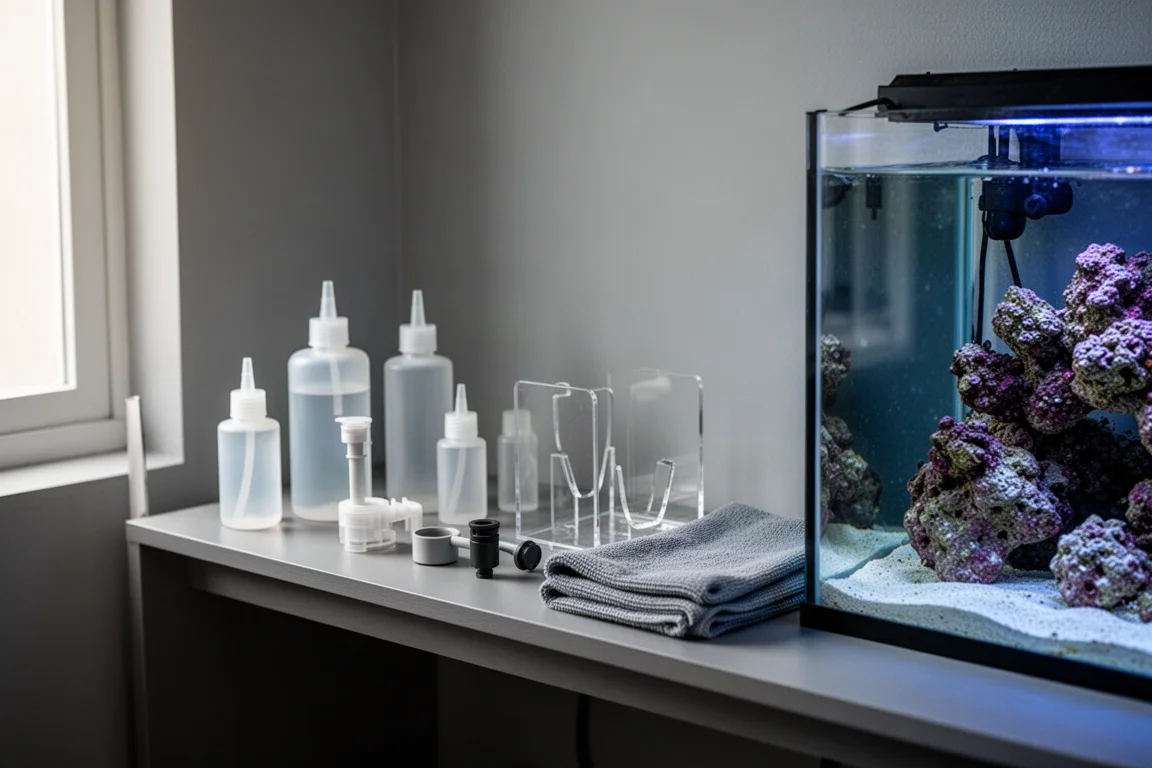
Whichever size you choose, pair it with a couple of inexpensive accessories: gloves and a plastic drop sheet. Together they make the difference between a clean, controlled session and an afternoon spent cleaning up.
Conclusion
The BRS General Bonding Glue is a focused tool rather than a replacement for gel. Its thin, water-like consistency lets it reach cracks, crevices and tight contact points that gel cannot, and the same bottle covers frag mounting, aquascaping, and repairs to pumps, acrylic parts and impellers. It is reef safe, available in two sizes that suit very different usage levels, and the one-pound bottle offers a large amount of glue for the money. If a flowable cyanoacrylate fits the way you work on your tank, this is an easy bottle to keep on the shelf.
Product link
View more details for BRS General Bonding Glue
This product is mentioned in the review. Check the specifications, options, and compatibility before buying.
View more details for BRS General Bonding GlueFurther reading
Related Reviews

Backpacking Gear
Building a 10 lb Base Weight: An Ultralight Backpacking Gear List
A practical walkthrough of the ultralight pieces behind a 10 lb base weight, from a 765 g pack and a roomy one-person tent to a full camp chair and a dependable water filter.

Road Bikes
10 New Road Bikes Worth Watching: Aero, Titanium, Steel and Endurance Standouts
A practical roundup of 10 new road bikes, from aero flagships chasing single-watt gains to titanium, steel and endurance platforms built for real roads.
Saltwater Aquarium Setup
10 Questions About Cycling a Saltwater Aquarium: What You Need to Know
Essential questions and answers for cycling a reef tank or saltwater aquarium, from biome building to light management and bacterial supplements.