Road Bikes
Bridge Surveyor Review: Race Bike Speed With Room for 40 mm Tires
A full carbon all-road bike with race geometry, generous tire clearance and a frame and fork made in Toronto. Here is what 600 km of real riding revealed.
Introduction
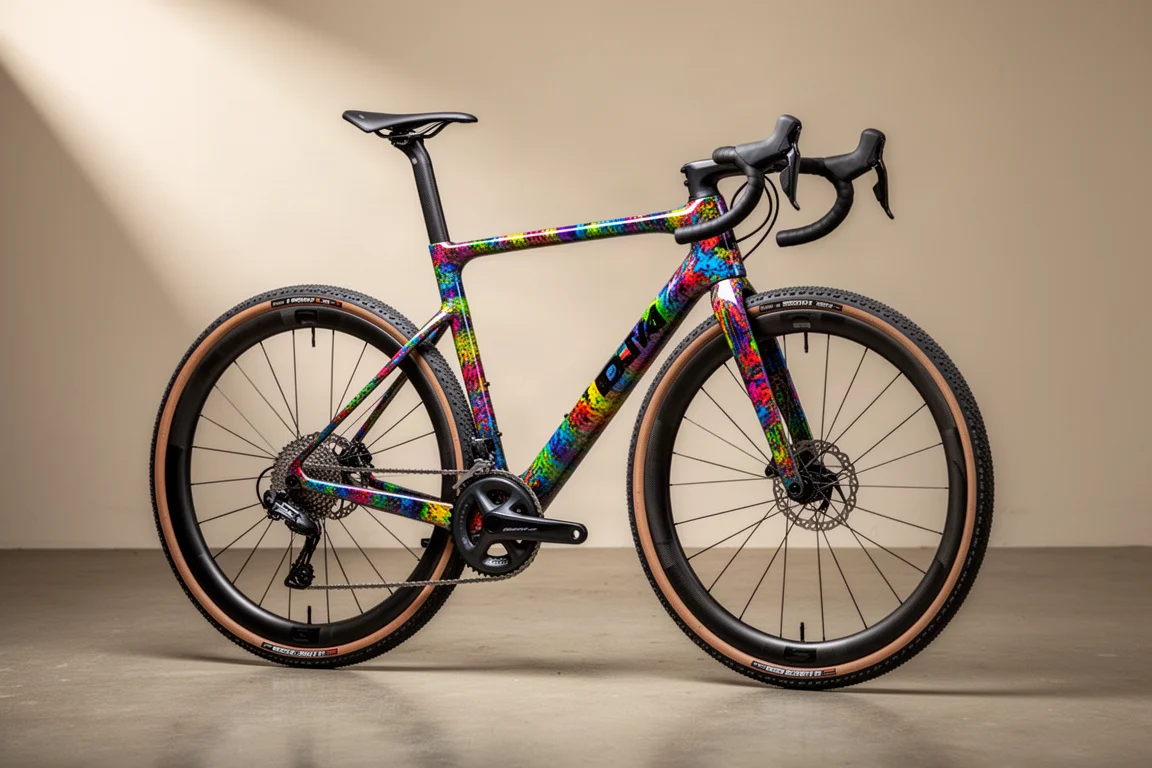
Some bikes are simple to place. The Bridge Surveyor is not, and that is exactly why it stands out. It is a full carbon road bike built around race geometry, with the low stack and long reach that comes with it, yet it accepts tires up to 40 mm wide. That single combination puts it in a space of its own: more versatile than a race bike, faster than an endurance bike, and far better optimised for road riding than a gravel bike.
Bridge was founded by Mike and Frank in Toronto, Canada, with the ambition of building a bike that did not really exist in the market. Race bike speed and agility, bigger tire clearance than most road bikes, and a frameset that could be set up for road, gravel, or anything in between.
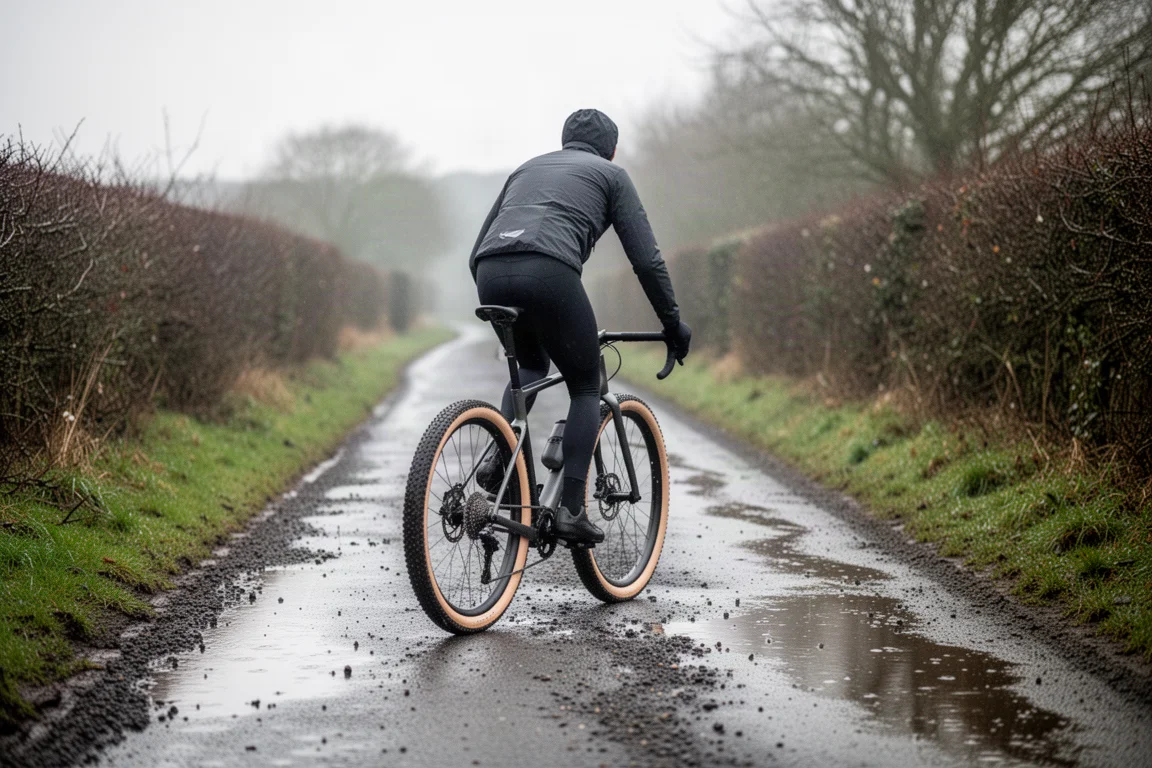
This is a long-term ownership account rather than a first impression. The bike was ordered late last year, arrived just before Christmas, and has covered roughly 600 km, about 400 miles, since. The riding has been almost entirely on road, with dirt and gravel paths mixed in when conditions allowed.
Who the Bridge Surveyor Is For
The Surveyor is aimed at riders who want race bike handling but do not want to be capped at 32 or 34 mm tires. That includes riders who spend most of their time on tarmac but want the option of a dirt path or a light gravel track without changing bikes.
It also suits riders who value comfort and grip over outright weight. The 36 mm tires fitted here add volume and traction, and the frame still feels quick.
It is a less obvious choice for riders chasing the lowest possible build weight, or for anyone who wants a dedicated gravel bike with a more upright position and slower, more stable steering.
Five sizes are offered, and the 55 cm frame used here matches the fit dimensions of a familiar race bike, which means the position on the bike feels familiar from the very first ride.
Race Geometry With Room for Wider Tires
The geometry numbers are deliberately close to a race bike. Compared with a pure race frame, the Surveyor is a few millimetres taller and shorter, the wheelbase is slightly longer, the bottom bracket sits lower, and the head angle is one degree slacker.
That combination keeps the quick, agile feel of a race bike while adding stability at speed and over rough ground. Against an endurance road bike, the Surveyor is clearly lower and longer, which is why it feels racier rather than more relaxed.
The payoff is clearance for tires up to 40 mm. That is the detail that makes the whole concept work, because it allows a wide, comfortable, grippy tire without giving up the responsive front end and fast steering that define the ride.
Frame, Fork, and the Toronto Manufacturing Story
Both the frame and the fork are manufactured in house in Toronto. That is unusual. Many brands that build their own frames still buy forks from a specialist supplier, partly because a fork is a safety critical component and difficult to get right.
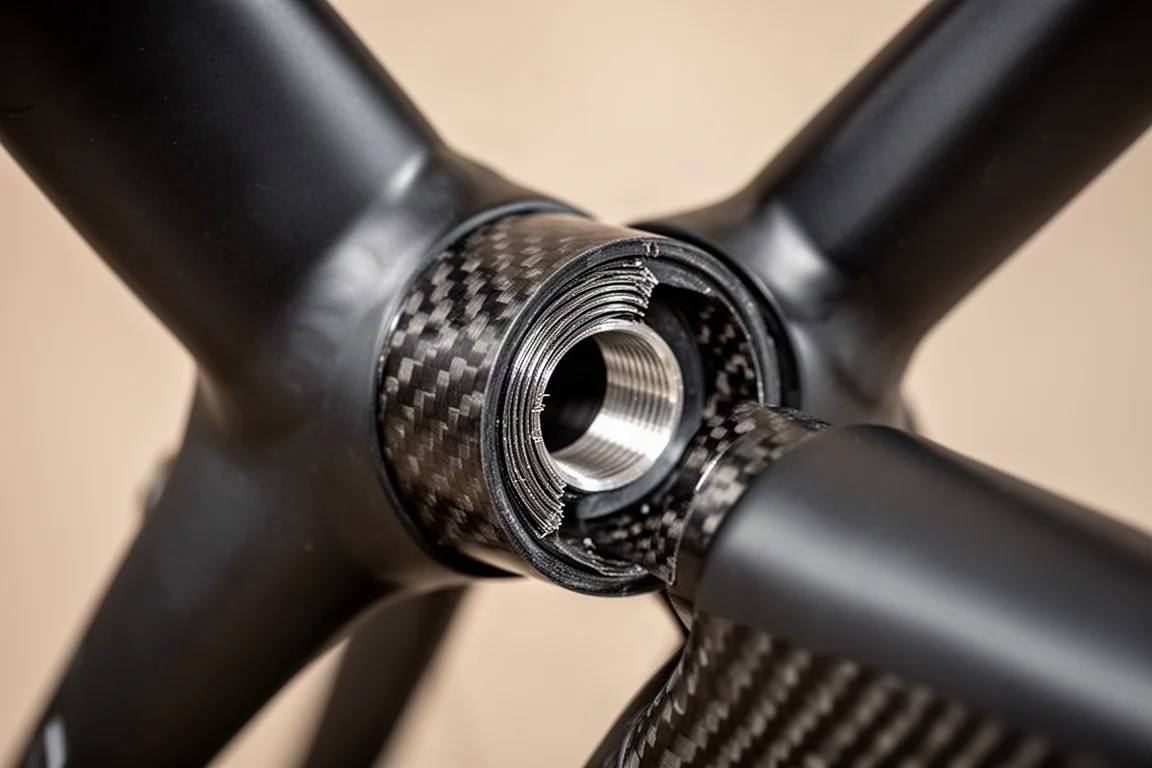
The bottom bracket is equally unusual. It is a T47 threaded design, but the threads are carbon fibre rather than metal threads bonded into a carbon shell. It is a feature that raised eyebrows when the bike launched, and it has held up well so far.
Modern touches include fully internal routing at the front. Traditional touches include a round seat post and an external seat clamp, both of which make the bike easier to live with and to service.
Build Details and Customization
The wheelset is a carbon set from the brand’s more affordable Foundation line, with a 40 mm deep aero rim, a 25 mm internal rim width, and a hookless profile. Sapim CX-Ray spokes are used, with the nipples concealed inside the rim, and the claimed weight is just over 1,500 g. UK pricing is £1,800 for the pair, unchanged since the line launched.
The tires are 36 mm semi-slicks. The centre section is essentially slick and rolls quickly on tarmac, while the shoulder tread adds grip on gritty corners and opens up dirt paths and light gravel.
The drivetrain is a 1x setup. It pairs gravel shifters and cranks with a Shimano mountain bike rear derailleur and a 10-45 cassette, which gives tighter spacing and smoother progression than a very wide range cassette. A 46 tooth chainring is fitted, with a 48 tooth under consideration.
Up front is a one-piece carbon handlebar with flared drops and a sturdy computer mount, matched with a carbon seat post and a short-nose saddle. Colour-matched headset, seat clamp and through axle finish the build. Stock colours are available, and there is also a custom colour programme for riders who want something more personal.
How It Rides
Over 600 km of winter riding, almost all of it on road, the bike has been exactly what was hoped for. The semi-slick tires give up very little speed to a slick road tire, and the extra volume adds comfort on rough, potholed, wet and icy surfaces.

The ride quality is the standout. It is smooth but still snappy and agile, closer in character to a race bike than an endurance bike, just with a calmer, more planted feel over broken ground. It also handles dirt and gravel confidently when the trails are dry enough.
Since the bike launched, nothing else has arrived that does quite the same thing. Race bikes are still limited to narrower tires, and endurance bikes with similar clearance use different geometry. The Surveyor remains ahead of the curve.
Things to Consider Before Buying
- The frameset is a premium purchase at $6,500 Canadian, and a complete build with top-end components adds considerably more.
- A 1x drivetrain needs some tuning. Chainring size has to be matched to the cassette and to the terrain and speeds you actually ride.
- Tire choice shapes the character of the bike. Semi-slicks make it fast on road, while a more aggressive tread moves it closer to a gravel bike.
- Weight was not a priority in this build, and the bike is not aimed at riders who measure a bike by the scale alone.
- The carbon threaded bottom bracket is a genuinely unusual design. It has performed well so far, but it is a long-term durability question worth keeping in mind.
Buying Advice
The frameset is the starting point, and the price sits in line with other premium carbon framesets rather than above them. If you already have components, or you can find a discounted groupset, building the bike up yourself can bring the total cost down considerably.
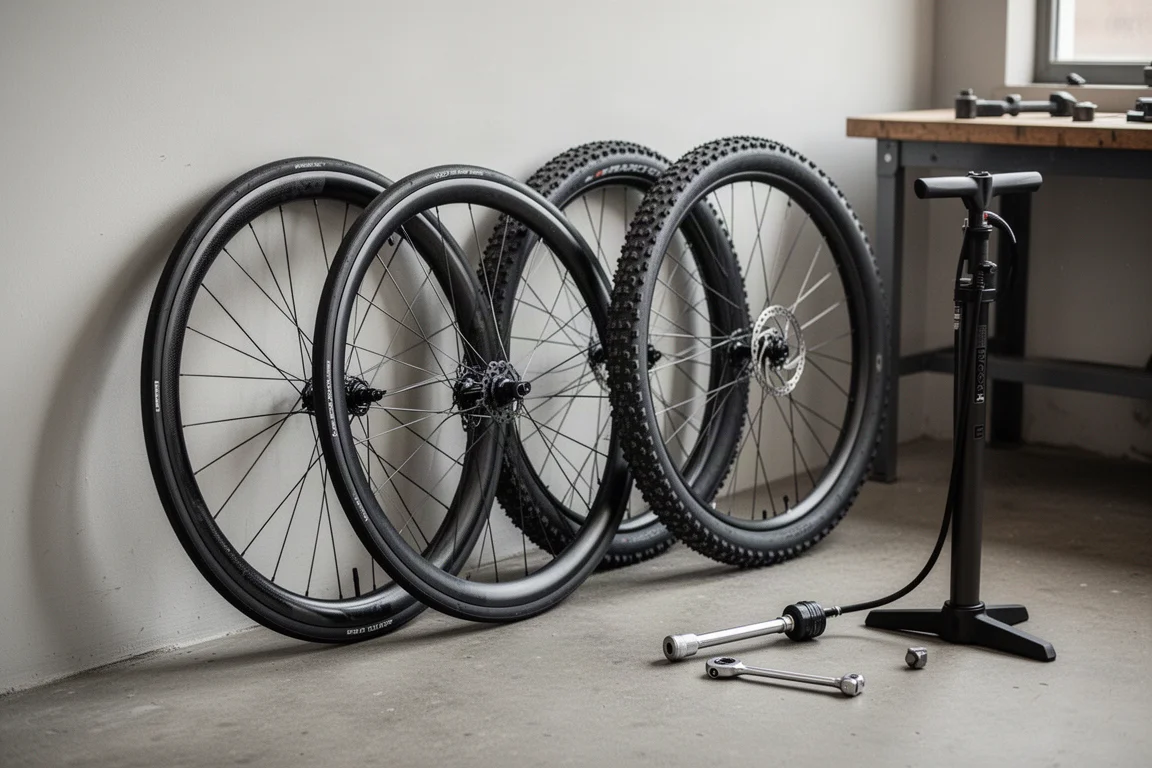
Because the frame accepts both 1x and 2x drivetrains and uses a UDH dropout, the build can be tailored to road, gravel, or a mix of both. Decide early whether you want a fast road setup with semi-slicks or a more off-road leaning build, because that choice drives the gearing, the tires and the wheelset.
Conclusion
The Bridge Surveyor does something few bikes manage. It delivers race bike geometry and race bike agility, then adds the tire clearance to make that speed usable on real roads and light gravel. Six hundred kilometres in, it still feels like the right decision.
For riders who want one bike that is fast on tarmac, comfortable over rough surfaces, and capable of the occasional dirt path, this is a genuinely compelling answer.
Product link
View more details for Bridge Surveyor
This product is mentioned in the review. Check the specifications, options, and compatibility before buying.
View more details for Bridge SurveyorFurther reading
Related Reviews

Road Bikes
10 New Road Bikes Worth Watching: Aero, Titanium, Steel and Endurance Standouts
A practical roundup of 10 new road bikes, from aero flagships chasing single-watt gains to titanium, steel and endurance platforms built for real roads.
Road Bikes
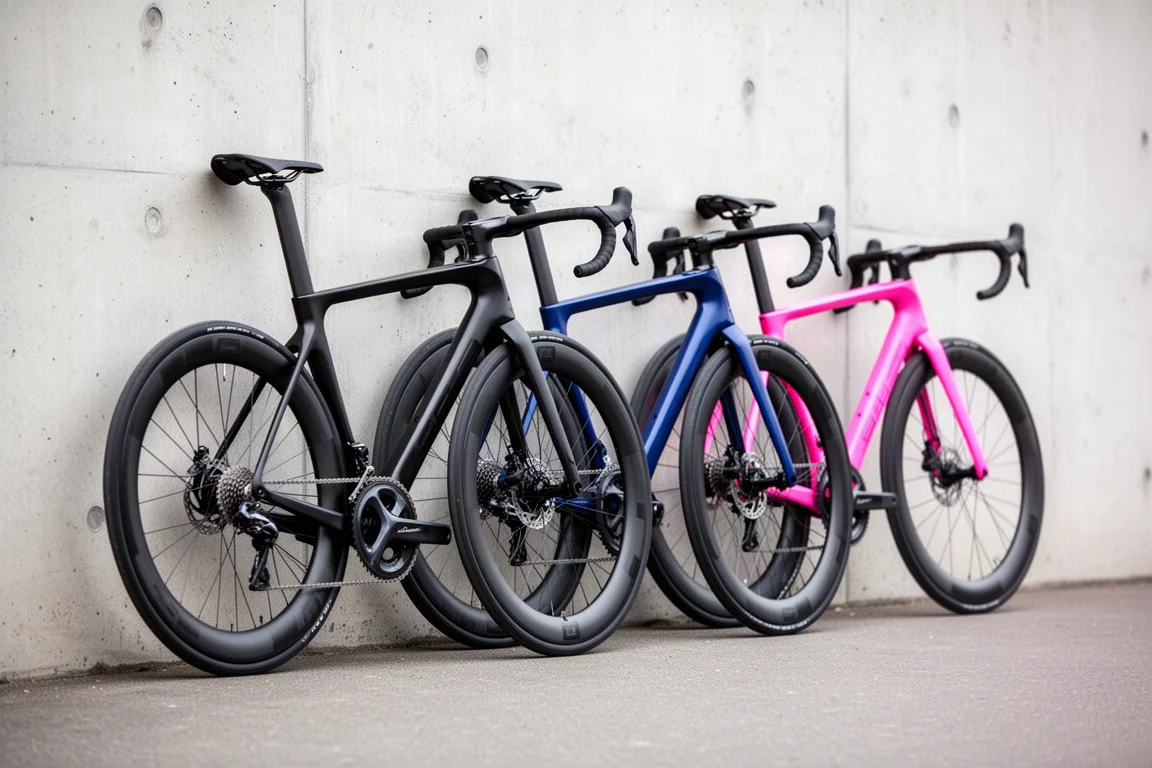
2026 Tour de France Road Bikes: Six Race Machines Worth a Closer Look
Six race bikes from the 2026 Tour de France grid, reviewed for paint, silhouette, wheels and the specification details that matter to buyers.
Road Bikes
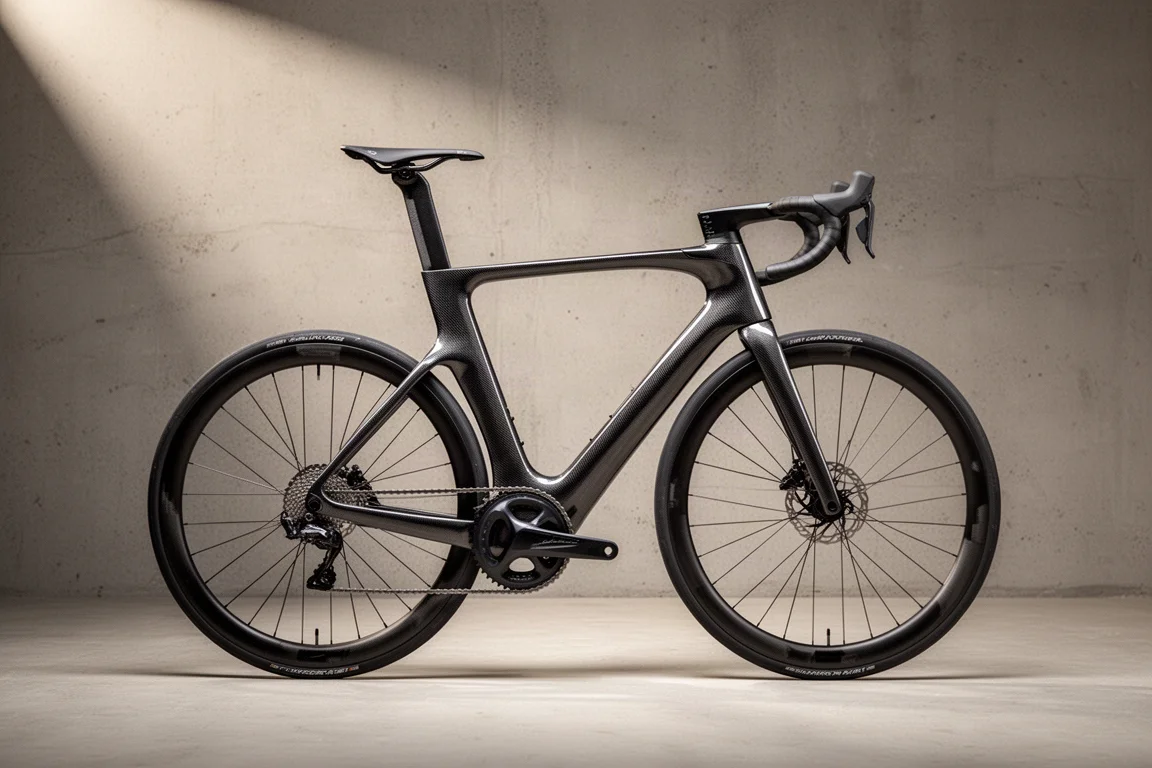
3T Strada Italia Review: A Radical Aero Road Bike That Rides Smooth
A made in Italy carbon aero road bike with a deep head tube, wide tire clearance and a genuinely comfortable ride. Here is what to know before buying.