Work Lights
Brawn Foldable Dual Pen Light vs Snap-on ECPD032: Which Folding Pen Light Makes More Sense?
Two folding pen lights go head to head on output, flexibility, charging, battery access, and everyday usability to help you pick the right shop light.
Introduction
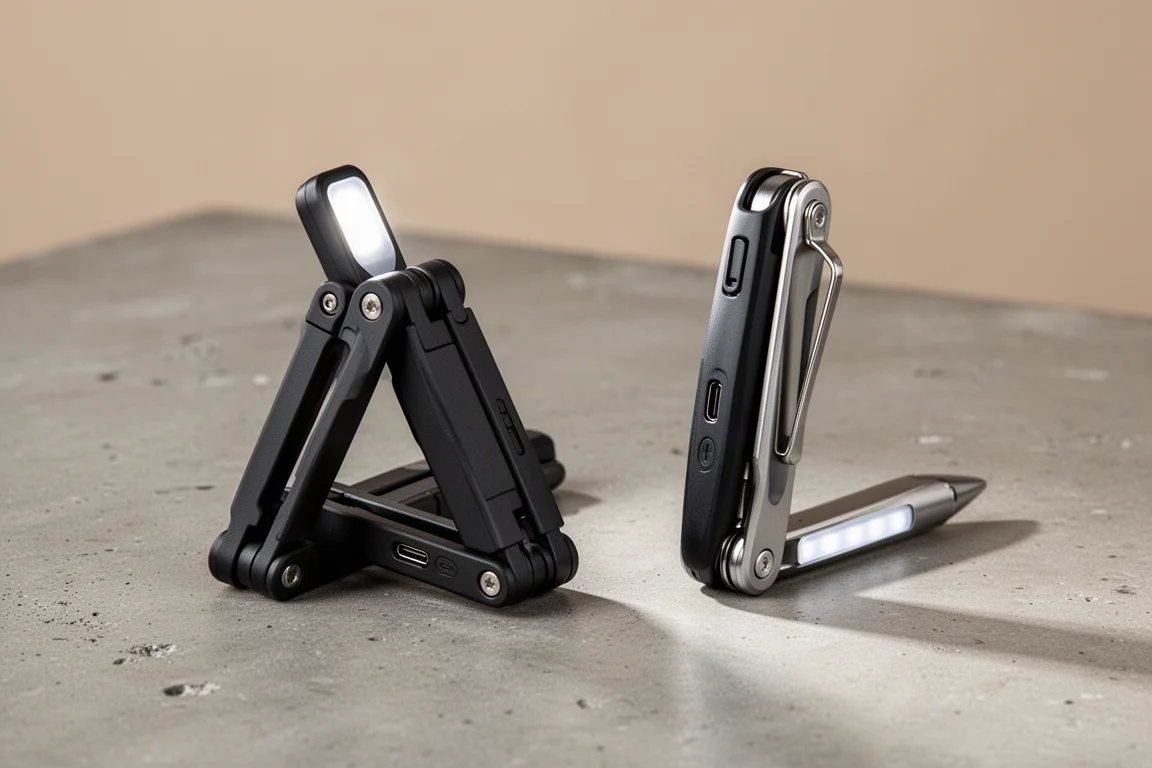
Folding pen lights occupy a sweet spot: small enough to pocket, flexible enough to wedge into places a conventional torch simply cannot reach. Two lights dominate the conversation in this category: the Brawn foldable dual pen light and the Snap-on ECPD032. Both share the same clever articulated form factor, but they differ noticeably in output, build, charging, and price. Here is how they stack up.
Brawn Foldable Dual Pen Light
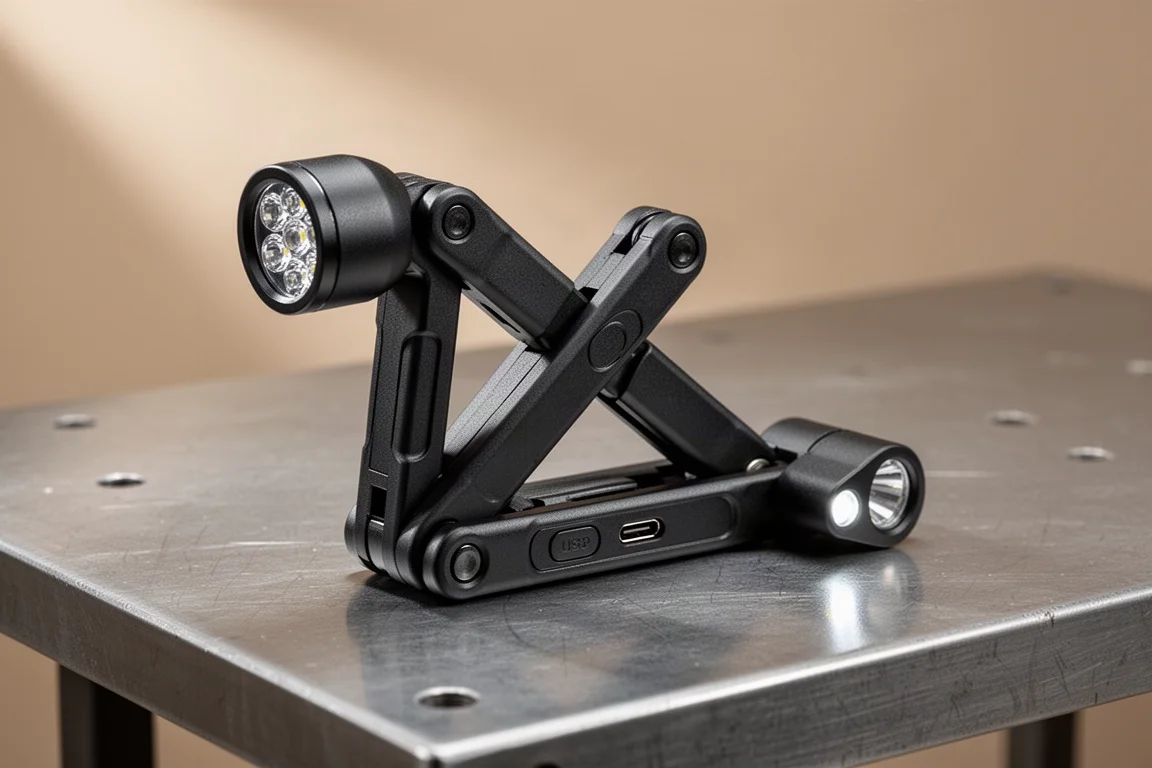
The Brawn is the beefier of the two, coming in at essentially eight ounces. What it lacks in svelte proportions it makes up for in output and flexibility. The main end offers two brightness settings, a high of 500 lumens and a low of 155, while the opposite end carries a small 65-lumen flashlight mode. A light like this is not about raw power: it is built for close-quarters work such as plumbing, HVAC, engine bays, undercarriages, and dashboards, where you need a tiny spot to slide a light into and enough flexibility to wedge it at an angle.
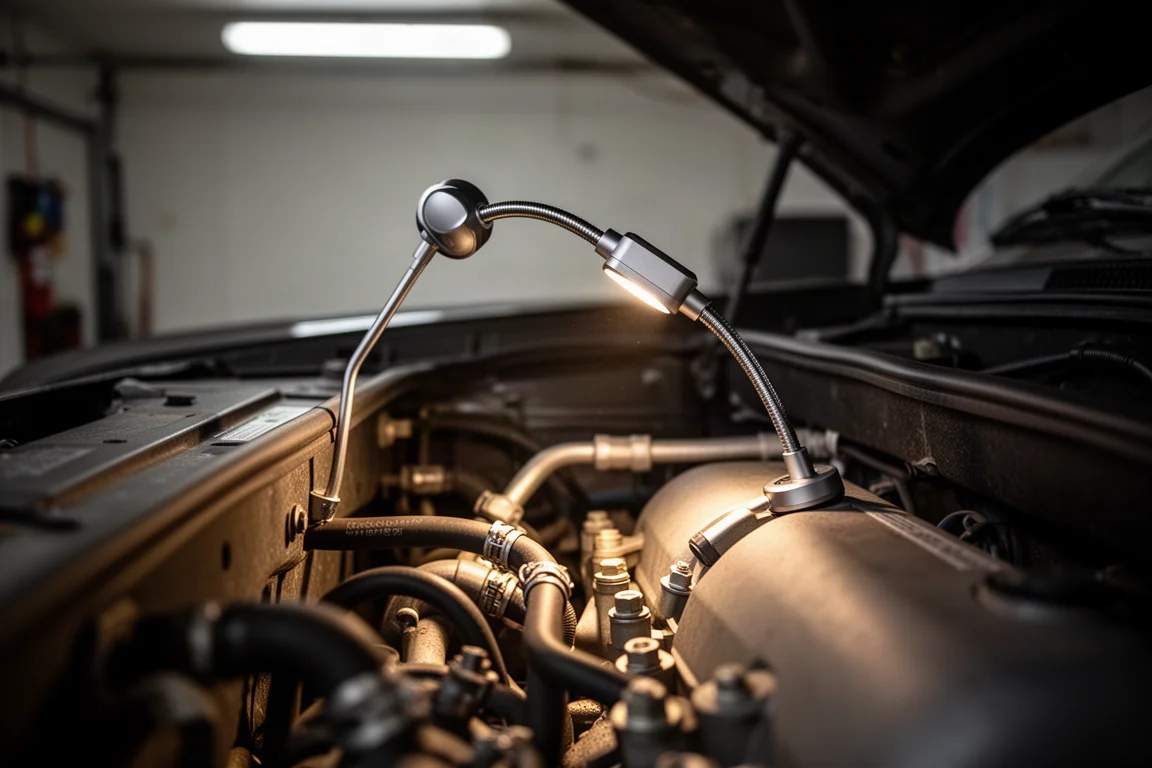
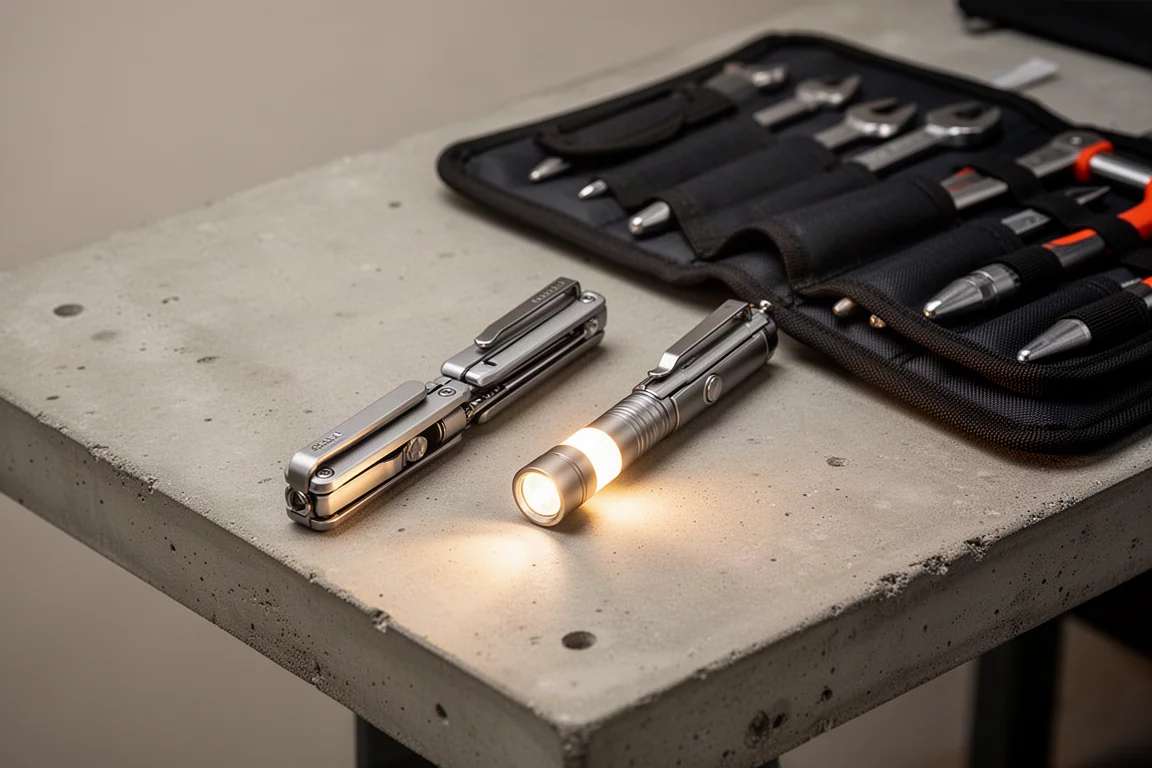
The dual-hinge design is the standout feature. Two joints allow the light to fold all the way around, giving you essentially 360 degrees of rotation, which makes it far easier to store in a toolbox and to aim light exactly where you need it. Earlier versions of this style of Brawn light lacked the second joint, felt less refined, had lower lumen counts, and charged over micro USB. This generation is a clear step forward.
Snap-on ECPD032 Pen Light
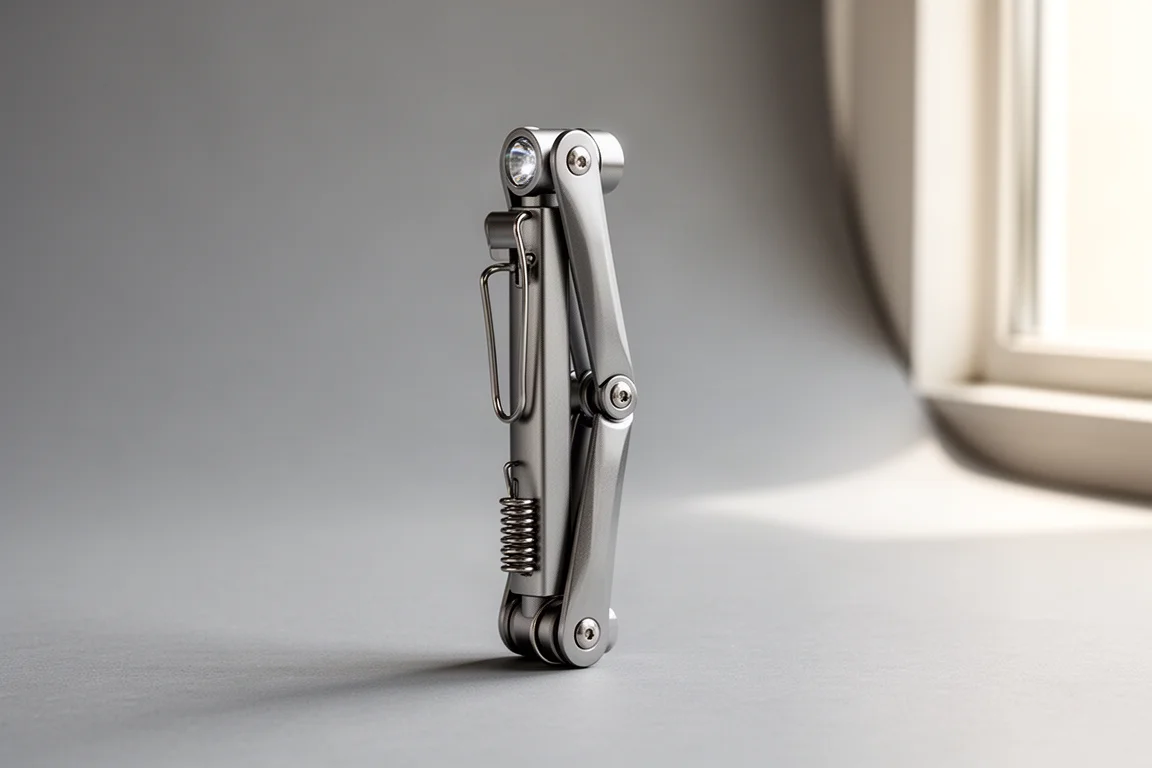
The Snap-on ECPD032 is the lighter, more pocketable option at about 3.6 ounces, with a pocket clip that leans into the classic pen light role. Despite its slim profile, it also uses the dual-joint folding design, letting the light fold all the way around for compact storage. Maximum output tops out around 300 lumens, which suits its close-quarters purpose just fine.
One usability quirk is worth knowing before buying: pressing the button cycles to the next mode rather than cutting straight to off, so you have to click through all settings before the light shuts down. If you have been in a mode for a while and want it off immediately, that extra cycling can be a mild annoyance in daily use.
Charging, Battery, and Build
The Brawn charges over USB-C with a red-to-green charging indicator and its own battery status light, which is a modern and welcome setup. The 18650 battery is removable, so you can swap it out when it wears out rather than retiring the whole light. One caveat: the O-ring on the battery compartment is on the flimsy side, and the threads were stiff enough out of the box to benefit from a dab of silicone grease. The construction is all plastic, including the detent balls, and individual LEDs are visible inside the head, so it reads as a decent, capable tool rather than a premium one.
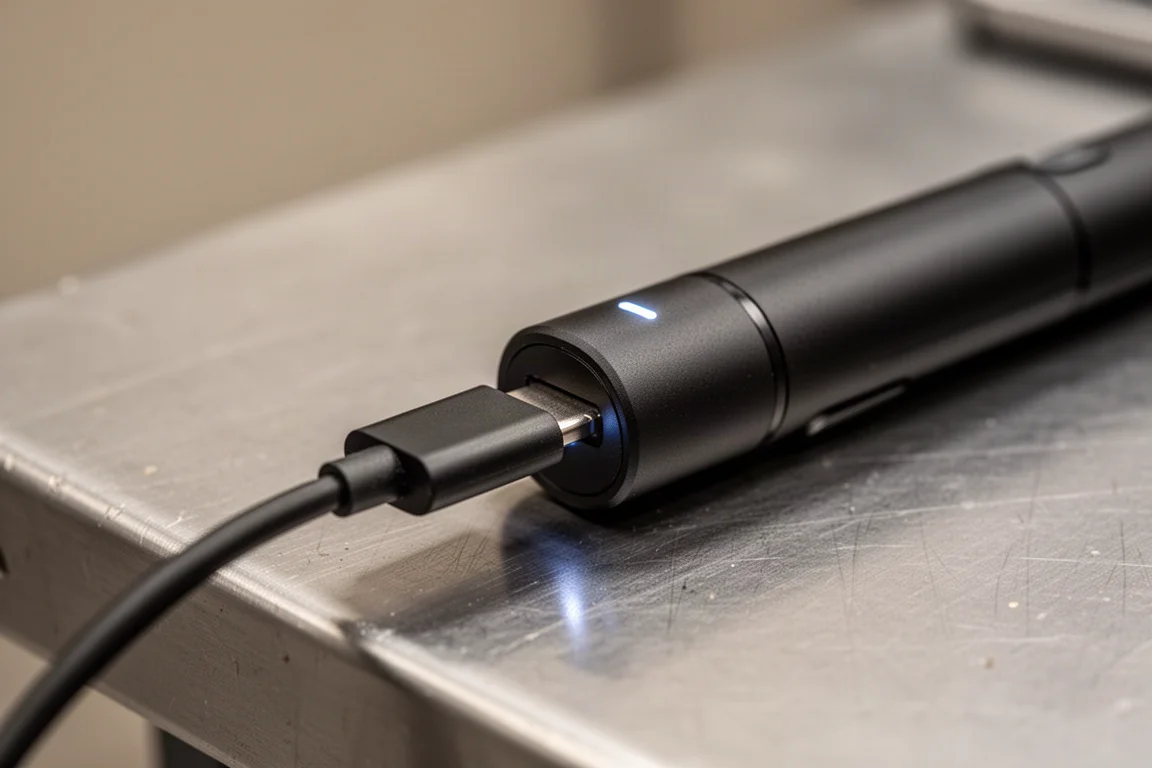
The Snap-on is the more solid, tightly finished unit of the two, though its battery indicator uses a green light on a green background, which can be hard to read. It also carries a Snap-on price tag of roughly 70 to 80 dollars off the truck, a considerable premium for a small Chinese-made light.
Snap-on ECPD032 Pen Light Everyday Usability
In daily use, the two lights reward different habits. The Brawn’s switch is easy to press, so easy that it can turn on accidentally in a toolbox, but its mode memory means one click takes it off after a few seconds of use. That single detail is what tips many users toward the Brawn: you click it off and move on without cycling through modes.
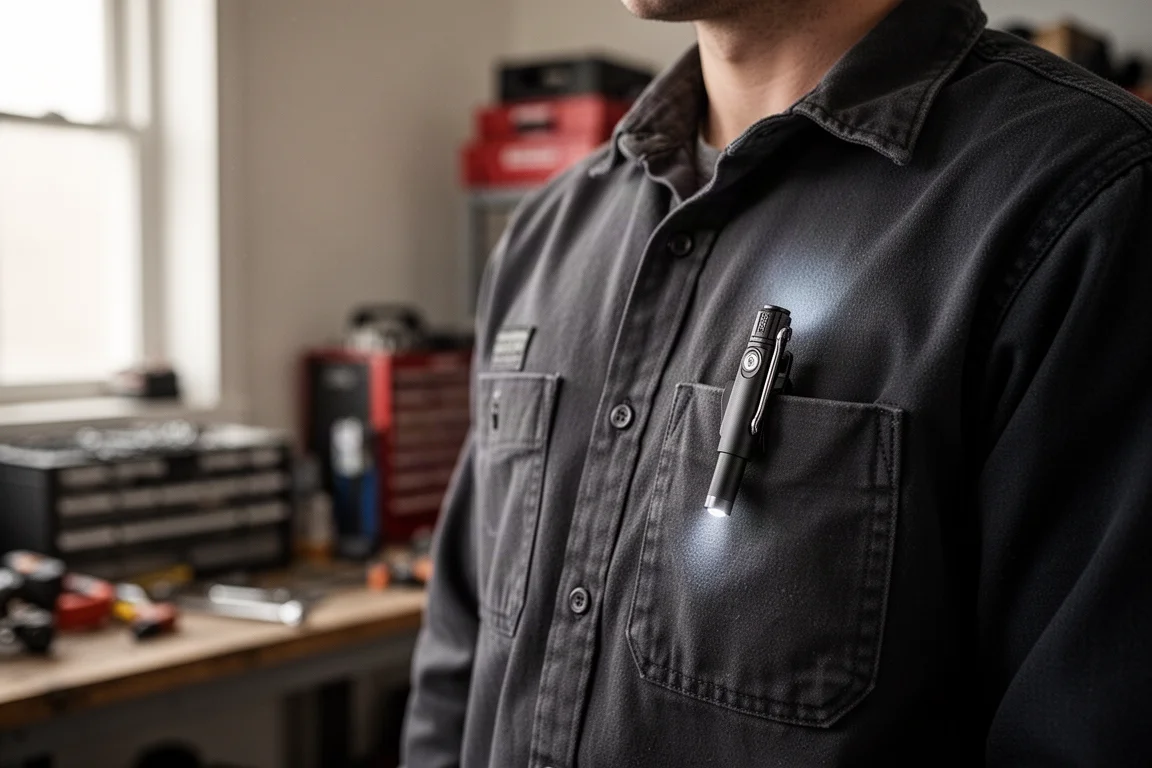
The Snap-on’s lighter weight and pocket clip make it the more natural carry light, and its stouter construction suggests it will shrug off rough handling. Both of these lights tend to live hard lives: dropped on concrete, left in compartments, carried everywhere, so durability matters in this category more than in most.
Buying Advice: Which One Should You Get?
If you want this form factor and you do not mind the extra weight, the Brawn is a genuinely good choice, especially at around 44 dollars on Amazon, roughly half the Snap-on’s price. The combination of 500-lumen output, USB-C charging, a replaceable 18650 battery, and the dual-hinge folding design makes it a compelling value. Many users would rather own two Brawns than one Snap-on, purely for the convenience of having a light that switches off on demand.
The Snap-on makes sense if you value the lighter weight, tighter build quality, and off-the-truck availability, and you do not mind the mode-cycling behavior or the premium price. It is a solid, well-finished light that does exactly what a folding pen light should.
Conclusion
Both lights deliver on the core promise of a folding pen light: flexible, pocket-sized illumination for tight spaces. The Brawn wins on output, modern charging, battery serviceability, and price, while the Snap-on counters with lighter weight and more solid construction. For most buyers shopping on value and features, the Brawn is the easier recommendation.
Further reading
Related Reviews

Work Lights
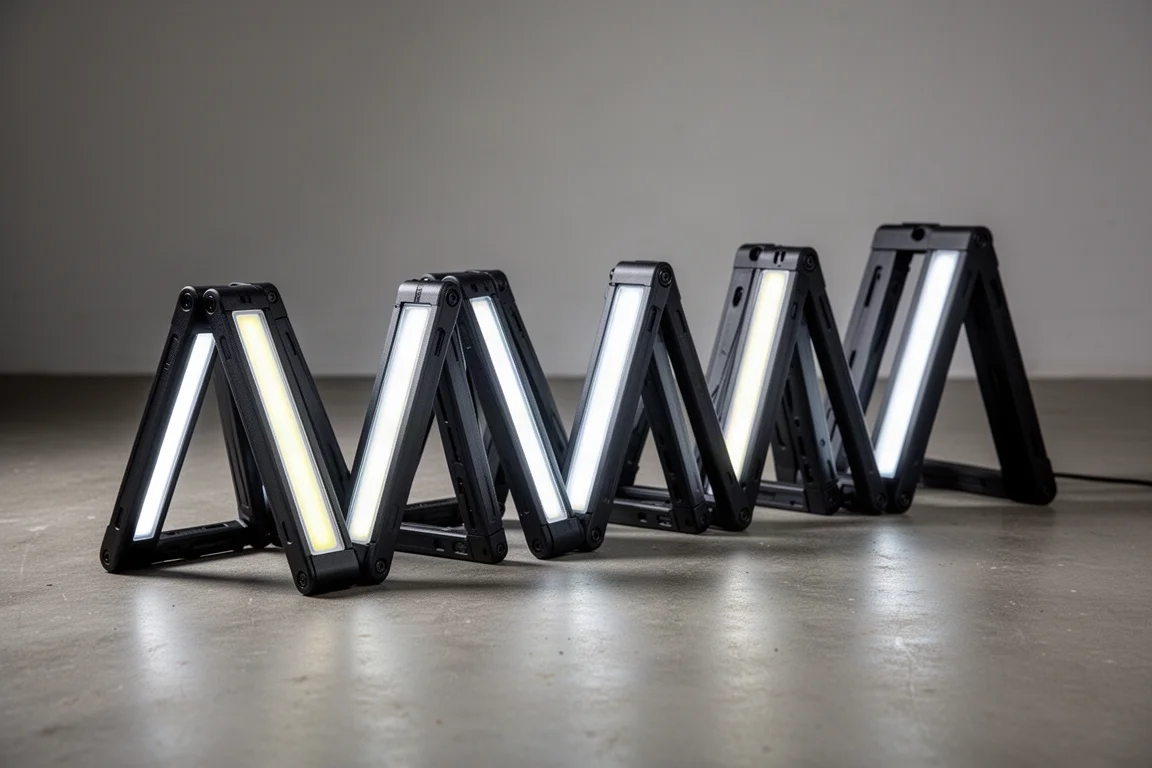
Milwaukee M12 Rover Review: A Compact Work Light That Goes Where You Do
The Milwaukee M12 Rover is a compact, versatile work light with three brightness levels, multiple mounting options, and USB-C charging for your devices.
Work Lights
Best Folding Work Lights Compared: Budget Picks to Tool Truck Tough
Seven folding work lights tested for real lumen output, runtime, charging, and drop durability, from a $20 Amazon seller to Snap-on.
Work Lights
Best Hinged Work Lights: 7 Options for Aiming Light Exactly Where You Need It
From classic Maglite designs to modern dual-hinged stick lights, seven work lights that make it easy to aim a beam into tight spaces.