Headphones
Bowers & Wilkins PX8 S2 vs Sennheiser HDB 630: Which Premium Wireless Headphone Fits You?
A side-by-side look at two premium wireless headphones: the PX8 S2's engaging, muscular tuning against the HDB 630's neutrality, EQ flexibility, and 60-hour battery.
Introduction
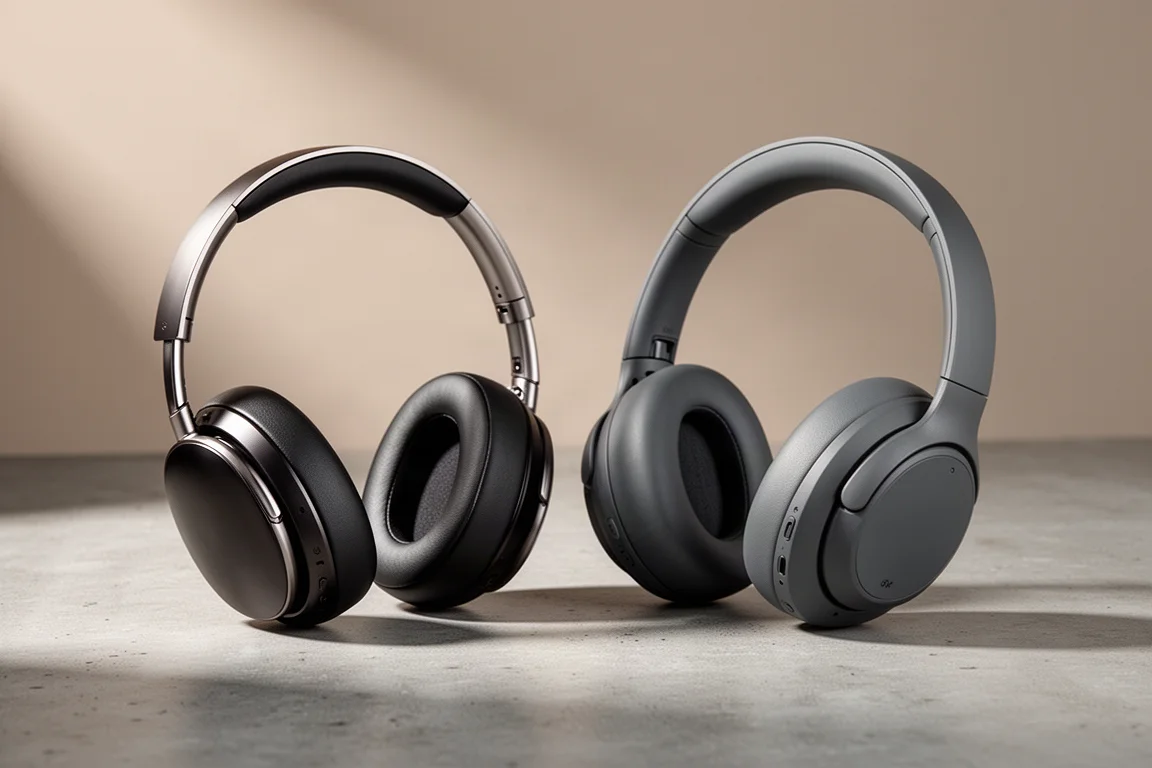
Two premium wireless headphones sit at the centre of this comparison. The Bowers & Wilkins PX8 S2 arrives at €729, while the Sennheiser HDB 630 costs €230 less. The real question is not which one is better in the abstract. It is whether the Bowers premium buys enough extra performance and build quality to matter in daily use.
They take different routes to the same goal. The PX8 S2 pushes music forward with presence and punch. The HDB 630 observes it with neutrality and restraint. Both are serious headphones, and both make a strong case for themselves depending on what you value most.
How These Two Headphones Compare
The two designs diverge at the driver and amplification stage. The PX8 S2 uses 4 cm carbon cone drivers mounted at an angle inside each ear cup, and each driver is powered by its own dedicated amplifier rather than a system on a chip. That arrangement helps explain the extra volume headroom the Bowers offer, which becomes obvious with quieter recordings. On a weak original 1984 mastering, the PX8 S2 can still bring the material to life with headroom to spare, while the HDB 630 comes close to its maximum output.

Both headphones share more than they differ on the connectivity side. Each supports aptX Adaptive with Android phones, and each can run in USB DAC mode. The PX8 S2 adds aptX Lossless when the source hardware supports it, whether that is an Android phone with native support or a dongle. iPhones offer only AAC, so a dongle is where that extra codec support earns its keep. The codec conversation matters far less than the drivers, the amplification, and the ear cup construction, but it is worth knowing before you buy.
Bowers & Wilkins PX8 S2: An Engaging, Muscular Sound
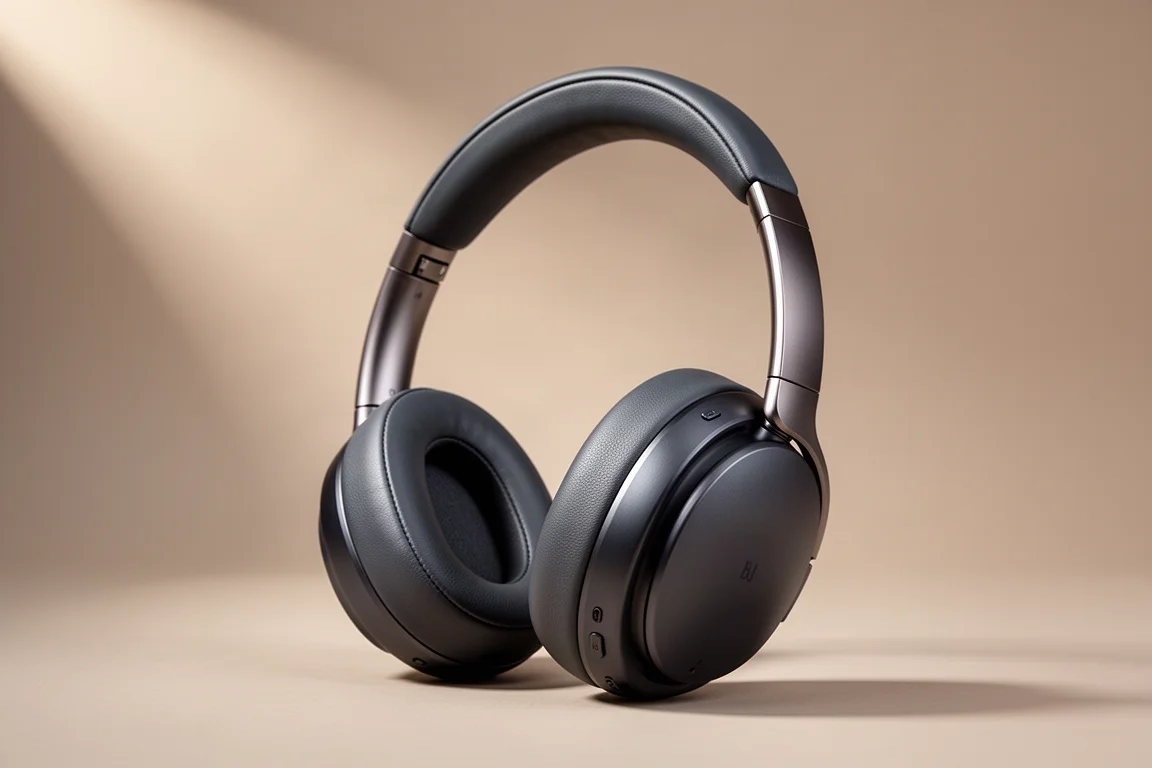
The PX8 S2 is tuned to involve the listener. Its combination of presence, punch, and tonal density is more forgiving of Bluetooth limitations than the more transparent approach of the HDB 630, and it masks AAC shortcomings more effectively. Bass lands with proper attack and intact texture, and the low end sits a step ahead of the HDB 630 for definition. Dynamics are a further strength, with smaller details arriving and departing with more vigour.
There are trade-offs to that character. The treble presentation is eager and may fatigue some listeners on 1980s rock, and the low-end weight can be too much on bass-heavy electronic material. Curiously, the PX8 S2 seems optimised for listening with noise cancellation switched off, where microdynamics and textural detail come through with slightly greater clarity in a quiet room. The difference is not dramatic, but it is noticeable.
Sennheiser HDB 630: Neutrality, EQ, and Battery Life
The HDB 630 keeps a more polite, convivial distance. It presents guitar work with technical accuracy and captures notes faithfully, though it can miss some of the textural information that makes acoustic instruments sound believable. Its presentation is more distant and more coherent, sitting in front of the face rather than close to the head. Think of it as accurate but emotionally reserved.
Battery life is the clearest practical divide. Sennheiser quotes 60 hours for the HDB 630, which is about as good as it currently gets, while the Bowers manage roughly half of that. Both last a long journey without trouble, but anyone who charges headphones monthly rather than weekly will feel the difference.
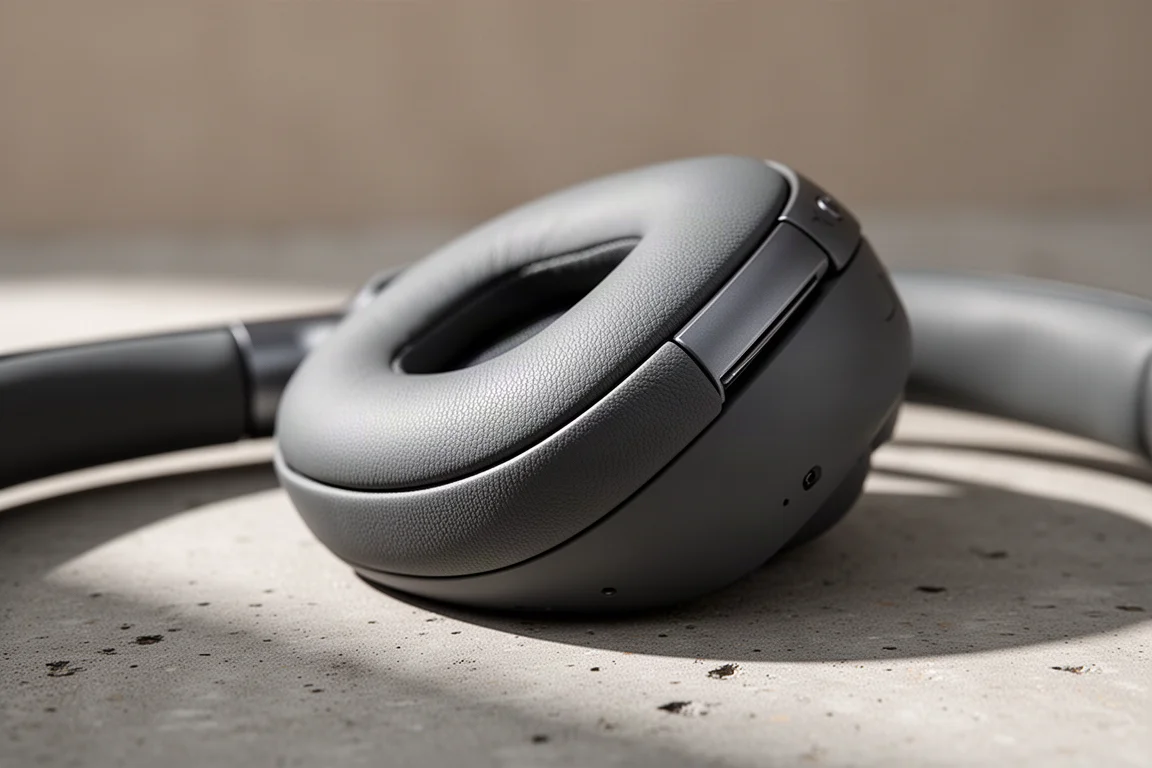
The app experience swings the other way. Sennheiser offers a parametric EQ with genuinely useful sound sculpting and in-app customisation of noise cancellation. Cancellation effectiveness itself sits slightly behind the Bowers, but the HDB 630 maintains its composure regardless of what the ANC is doing, which makes it the more predictable of the two.
Comfort and Fit: Two Different Compromises
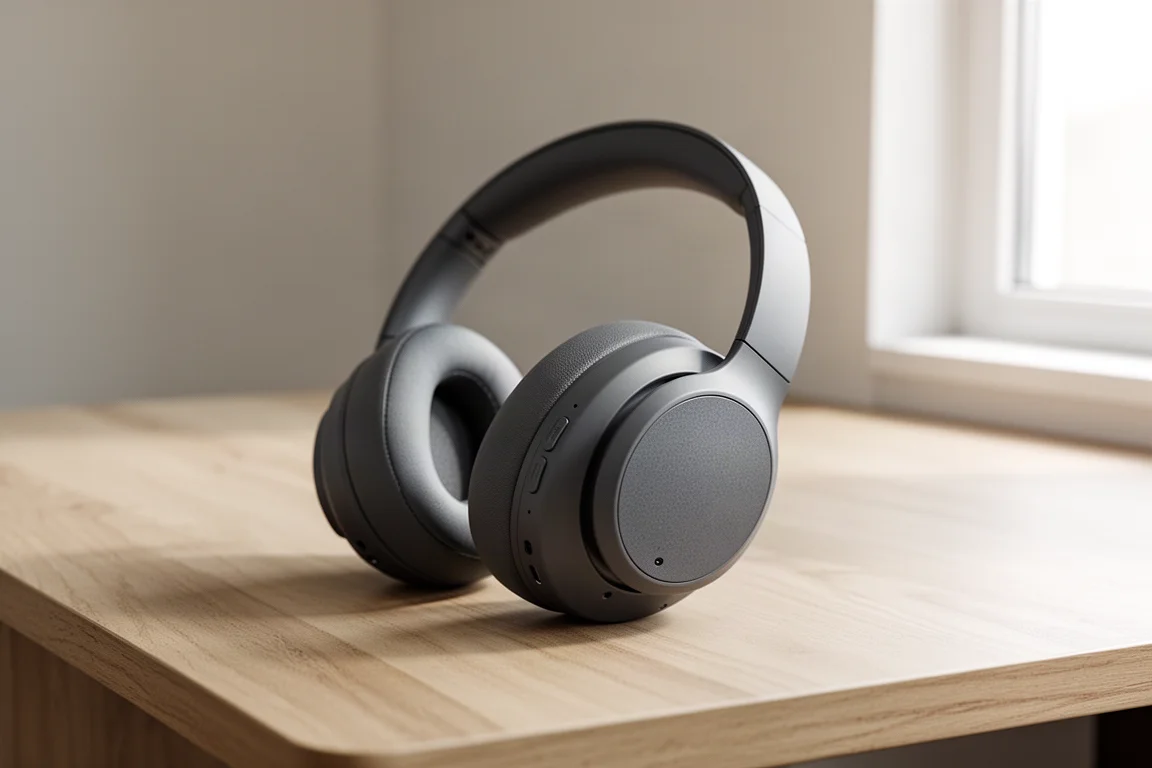
At 310 g for the PX8 S2 and 311 g for the HDB 630, weight is not a differentiator. Comfort splits along other lines. The Bowers apply higher side clamping force, which can create a pressure point on the top of the head after a few hours of listening. The HDB 630 can be worn through entire working days without that sensation.
The twist is heat. The PX8 S2 ear pads run cooler and are less sweaty in warmer weather, so the choice comes down to which compromise you would rather live with: pressure or perspiration.
Controls, Calls, and App Experience
Call quality is acceptable on both, with no complaints from the people on the other end. The PX8 S2 puts eight microphones to work: two monitoring driver output, four reading external noise, and two handling voice calls.
The physical controls are a clearer point of difference. The Bowers use click buttons, while the HDB 630 relies on touch gestures that can be fiddly, particularly the pinch gesture that adjusts noise cancellation intensity. Powering down is also simpler on the PX8 S2: one thumb pull on the back of the left ear cup is enough, rather than holding the headphones to your ear to listen for a shutdown chime. Auto pause when lifting an ear cup works more reliably on the Bowers as well.
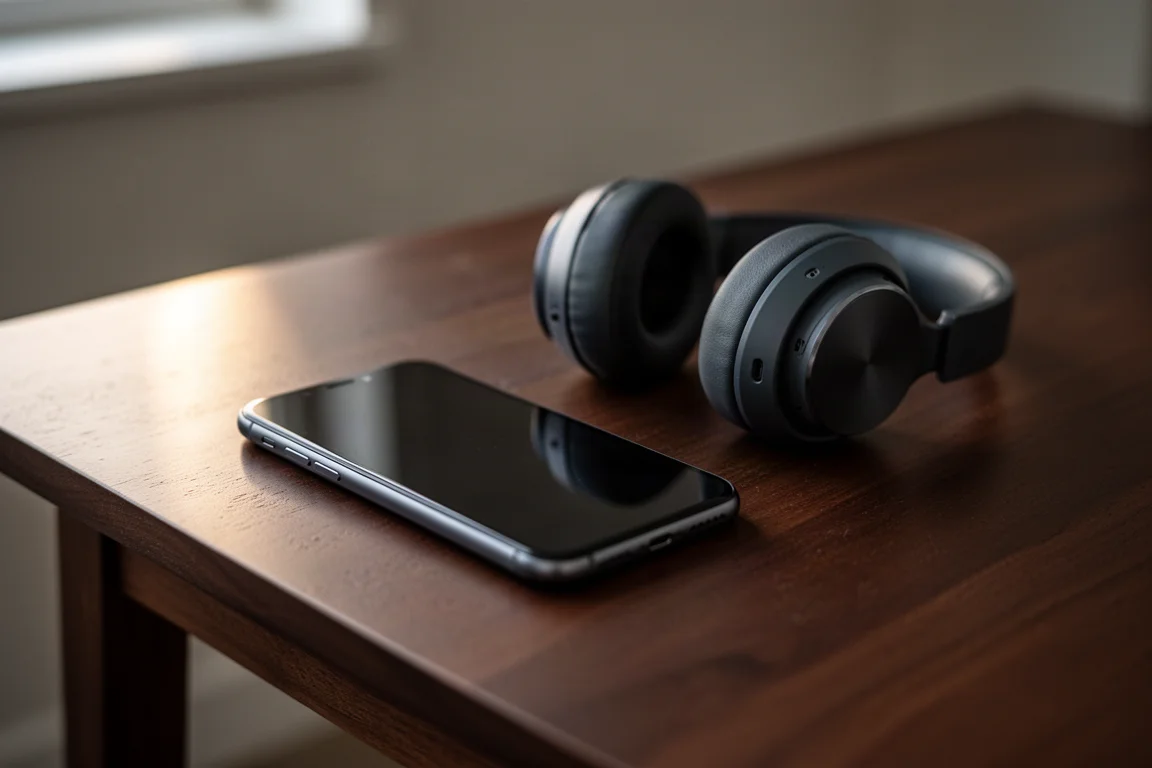
The apps do not mirror the hardware philosophies. The Bowers & Wilkins music app is rudimentary next to Sennheiser’s, with noise cancellation limited to on or off and a five-band graphic EQ. The counter-argument is fair: headphones that need extensive EQ to sound good were probably the wrong purchase. The PX8 S2 needs minimal tweaking, while the HDB 630 invites it.
Build Quality, Materials, and Value
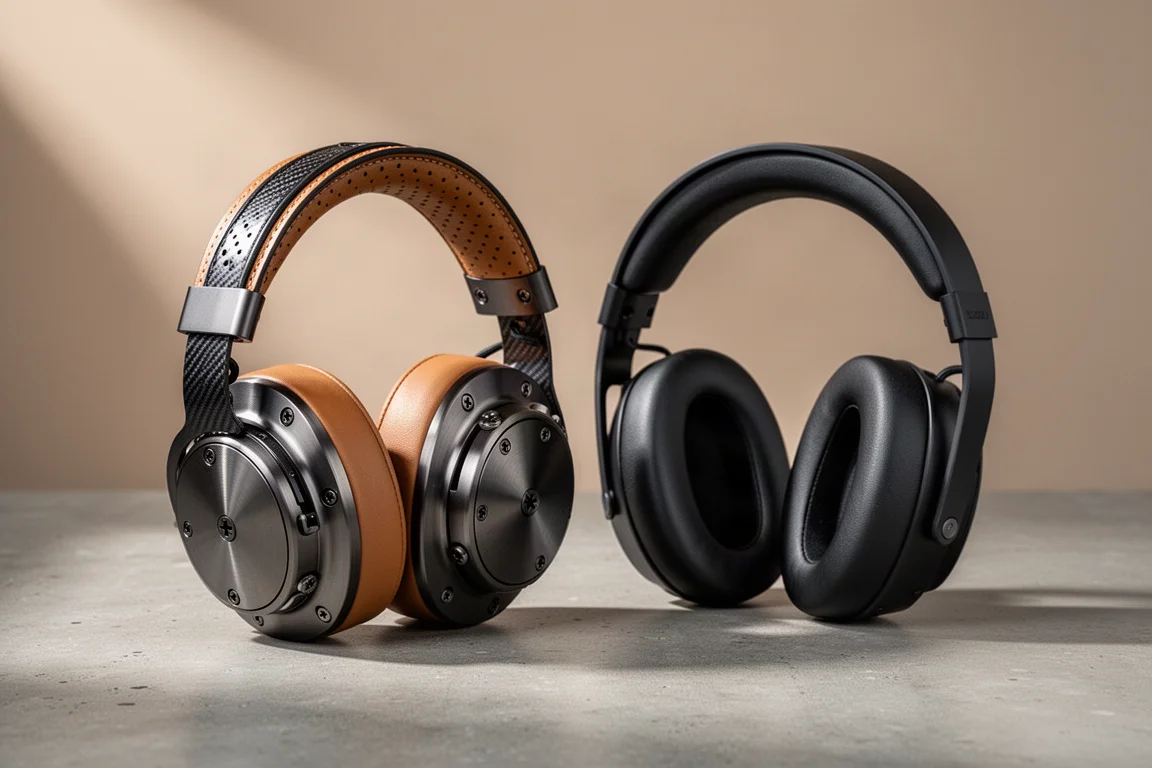
The PX8 S2 uses metal arms and a luxurious finish that feels appropriate for the price. The HDB 630’s plastic construction feels less impressive for the money. Both are made in China, but fit and finish favour the Bowers & Wilkins. The PX8 S2 also has a slimmer visual profile and a shallower carry case, which matters if you would rather not look like you are wearing a helmet in public.
Buying Advice: Which Headphone Suits You
Choose the Sennheiser HDB 630 if you want target curve neutrality with real EQ flexibility, a 60-hour quoted battery, and a lower price point, and you are willing to accept fewer construction niceties and a more reserved presentation.
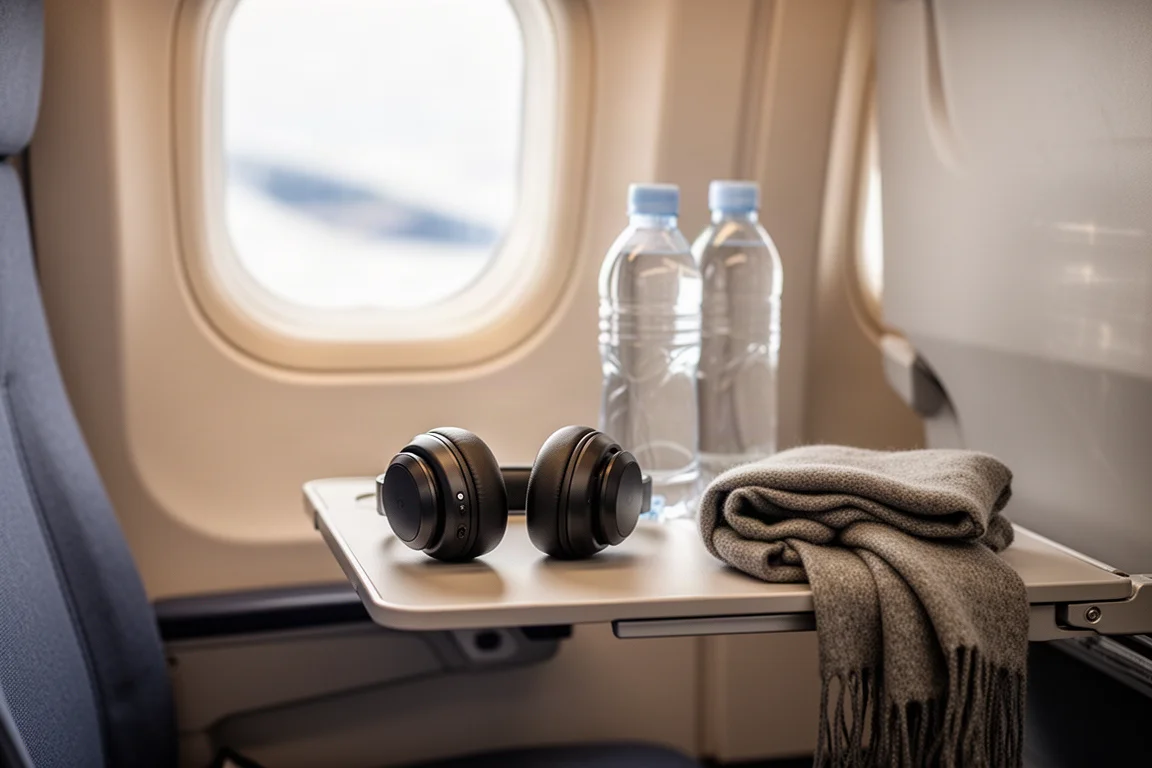
Choose the Bowers & Wilkins PX8 S2 if you want your headphones to pull you into the music. The extra €230 buys greater tonal intensity, more volume headroom, better materials, and a slimmer profile, at the cost of shorter battery life and a tuning that can feel assertive on bright or bass-heavy recordings.
Conclusion
Both headphones are worth owning, and the right answer depends on how you listen. If you want to work through an album while staying productive, the HDB 630 is the more accommodating tool. If you want to stop what you are doing and actually listen, the PX8 S2 is the one that makes music matter.
Further reading
Related Reviews
Headphones
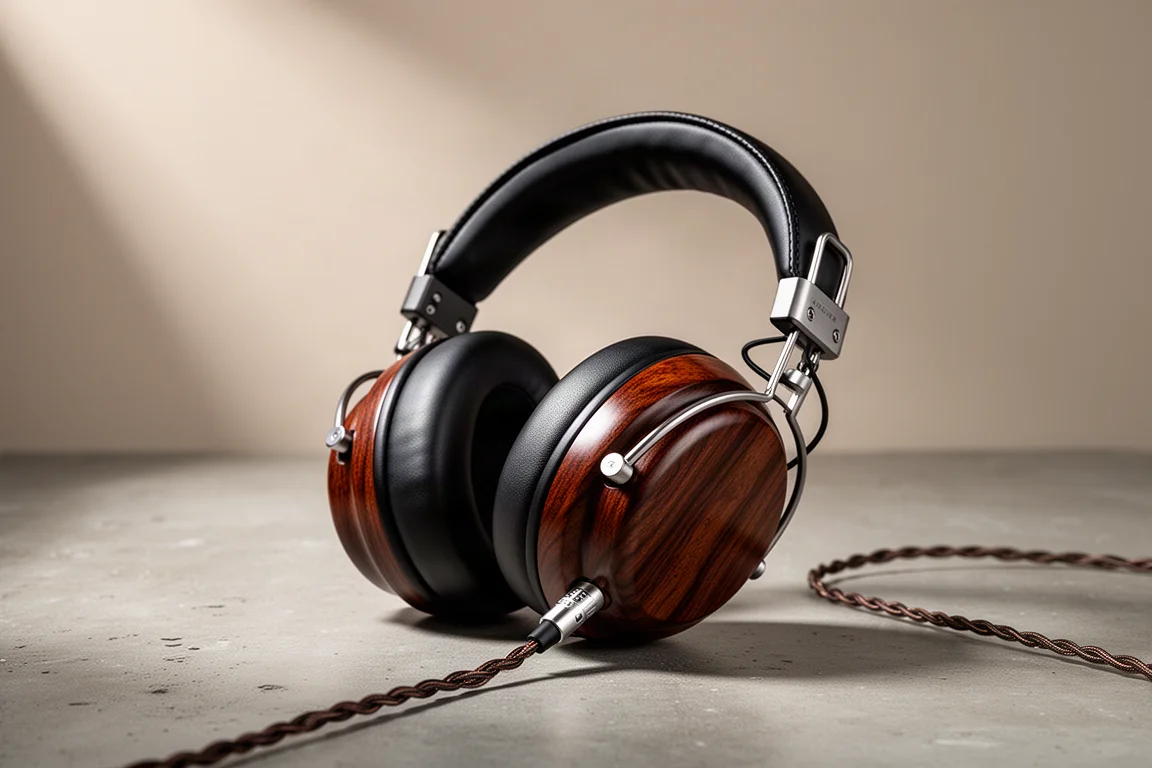
Apos Audio Caspian Review: Warm Bass, Solid Build, and a Detail Trade-Off
The Apos Audio Caspian is an easy-to-drive open-back headphone with standout bass and a warm, relaxed tuning, though mid-range and treble detail trail the competition.
Headphones
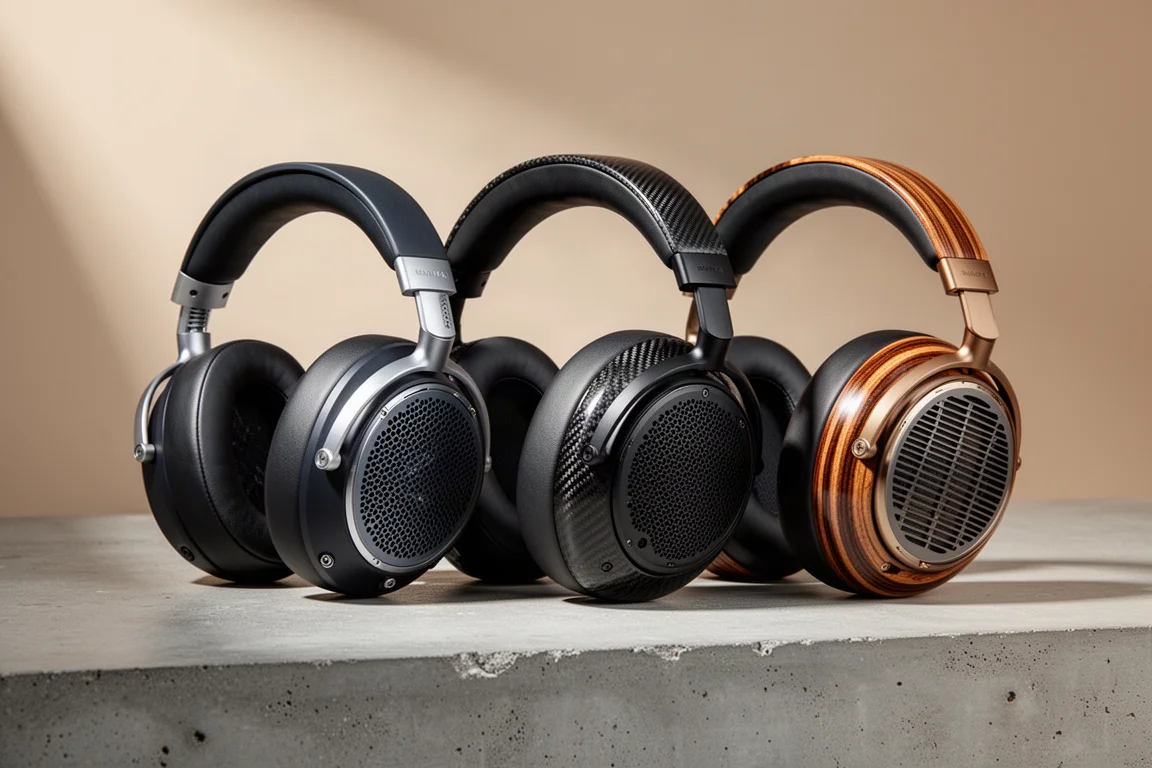
Audeze LCD-X vs LCD-XC vs LCD-3: Which High-End Headphone Fits Your Setup
A practical comparison of three Audeze planar magnetic headphones under $2,000, covering the open-back LCD-X, the closed-back LCD-XC, and the wood-ringed LCD-3.
Headphones
Audeze LCD-X vs HiFiMan Edition XS: Two Open-Back Headphones Compared
A practical comparison of the Audeze LCD-X and the HiFiMan Edition XS, covering build quality, comfort, sound signature, and which listener each one suits.