Headphones
Bowers & Wilkins PX8 Review: Premium Noise Cancelling With Real Refinement
A close look at the Bowers & Wilkins PX8, from its aluminium and Napa leather build to its carbon fibre driver, and how it stacks up against the PX7 S2, Sony WH-1000XM5, AirPods Max, Focal Bathys, and Mark Levinson No. 5909.
Introduction
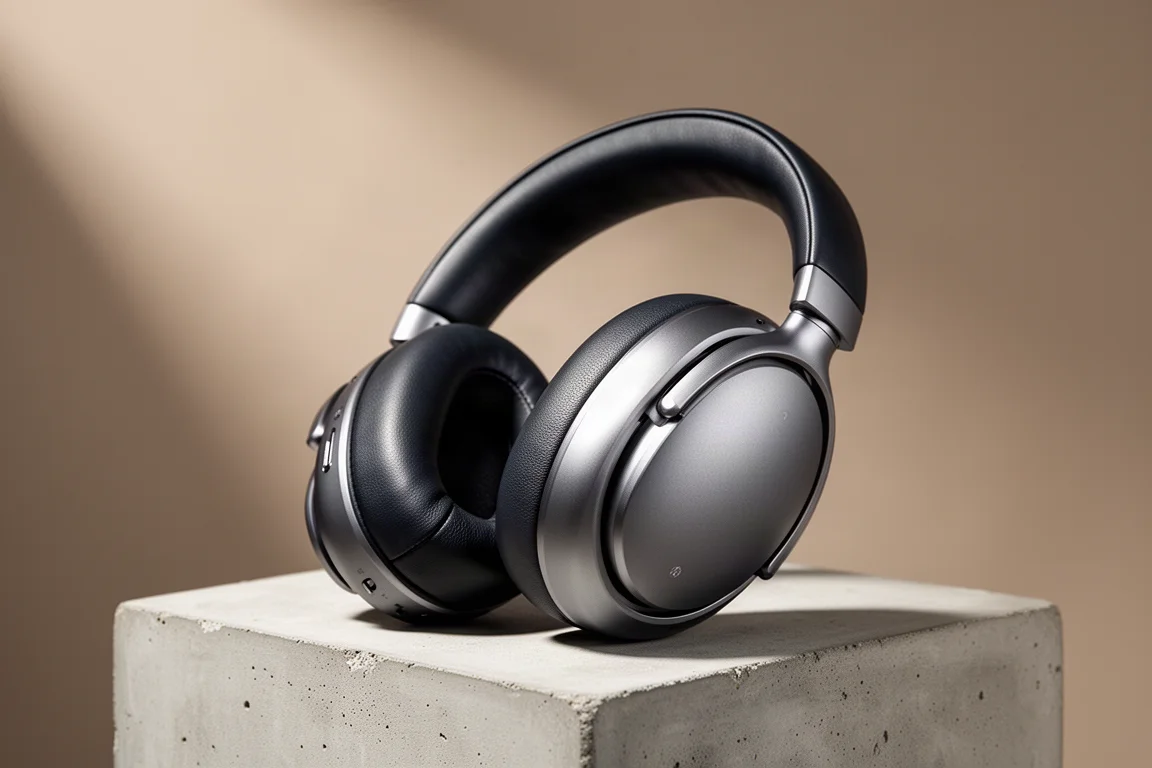
The Bowers & Wilkins PX8 is the brand’s flagship wireless noise cancelling headphone, positioned at around €699 in Europe. It shares its overall size and its ear cup button layout with the more affordable PX7 S2, which sells for around €429, so the two look closely related at a glance. The real differences live in the materials, in the driver, and in the way the two models handle dynamics.
This article covers what the PX8 gets right, where the step up over the PX7 S2 is subtle rather than dramatic, and how it sits against other premium wireless headphones in the same conversation.
Who This Headphone Is For
The PX8 suits listeners who want one pair of headphones to cover commuting, air travel, shared offices, and long evenings at home. It makes the most sense for people who care about how a product feels in the hand and on the head, not only about how it sounds.
It also suits listeners who like a full, punchy low end. The PX8 keeps the bass-forward character of the PX7 S2 but adds more dynamic punch and reflex, which shows up both in the low end and in small, flickering details.

Anyone weighing the PX8 against the PX7 S2 should know that the sound difference between them is best described as an audiophile difference. It will matter to listeners who are obsessive about sound quality, and it may matter far less to everyday listeners who mainly want good wireless sound and effective noise cancelling.
Main Strengths
The case for the PX8 rests on three things: a substantial upgrade in materials, a softer and more comfortable fit, and a cleaner, more transparent sound than the model below it.
Design, Materials, and Build Quality
The industrial design follows the PX7 S2 closely, but the materials do not. The PX8 uses an aluminium skeleton and aluminium-structured ear cups, where the PX7 S2 relied on a composite material that is essentially plastic. The headband covering, the outside of the ear cups, and the ear pads are all finished in Napa leather, which is extremely soft to the touch.
The result is a headphone that looks and feels like a clear step up. The PX8 weighs 320 grams, roughly 15 to 17 grams more than the PX7 S2, and it matches that model in overall size.
Comfort Over Long Listening Sessions
Cushioning on the PX8 is broadly similar to the PX7 S2, yet the softer Napa leather ear pads make the newer model easier to wear for longer stretches. That is one of the more practical advantages of the upgrade, and it is the kind of difference that only becomes obvious after an hour or two of listening.
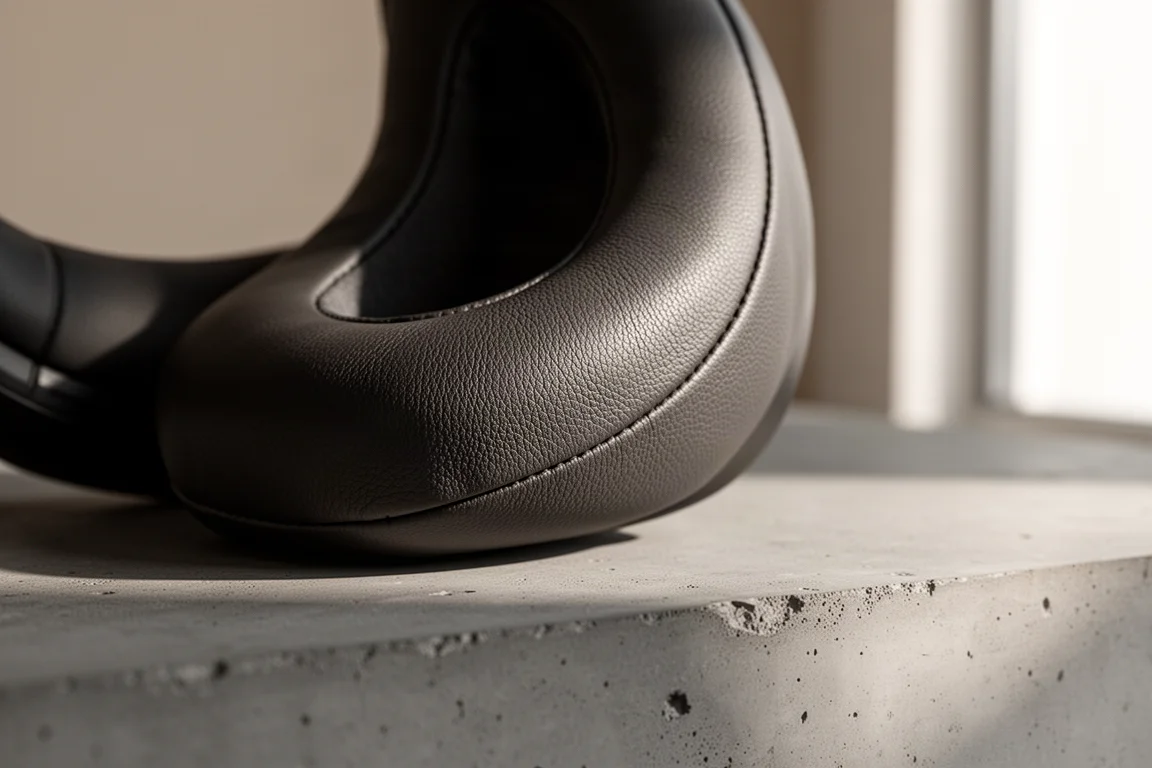
The PX8 also holds its position firmly, with side clamping force that feels more robust than the Focal Bathys, while the leather pads keep that pressure from becoming obvious over time.
Sound Quality and the Carbon Fibre Driver
The PX8 uses a new carbon fibre driver developed by Bowers & Wilkins for headphones. The PX7 S2 used a bio-cellulose driver, which has a papery character. The change is almost certainly the main reason the PX8 sounds cleaner, more transparent, and clearer than the PX7 S2.
That said, the difference is not dramatic. Both headphones are fairly bass-intensive, and the PX8 adds more dynamic punch, more dynamic reflex, and a top end that shimmers more obviously. Those qualities are easiest to hear on dense electronic material and on tracks built around small, flickering sounds.
How the PX8 Compares on Sound
Against the Sony WH-1000XM5, the picture is mixed. The Sony remains the stronger option for unpredictable environments such as busy streets, but on sound the PX7 S2 already edges past it, and the PX8 pushes further still, making both the Sony and the PX7 S2 sound slightly veiled by comparison, even though all three share a fairly similar house sound with a strong low end.
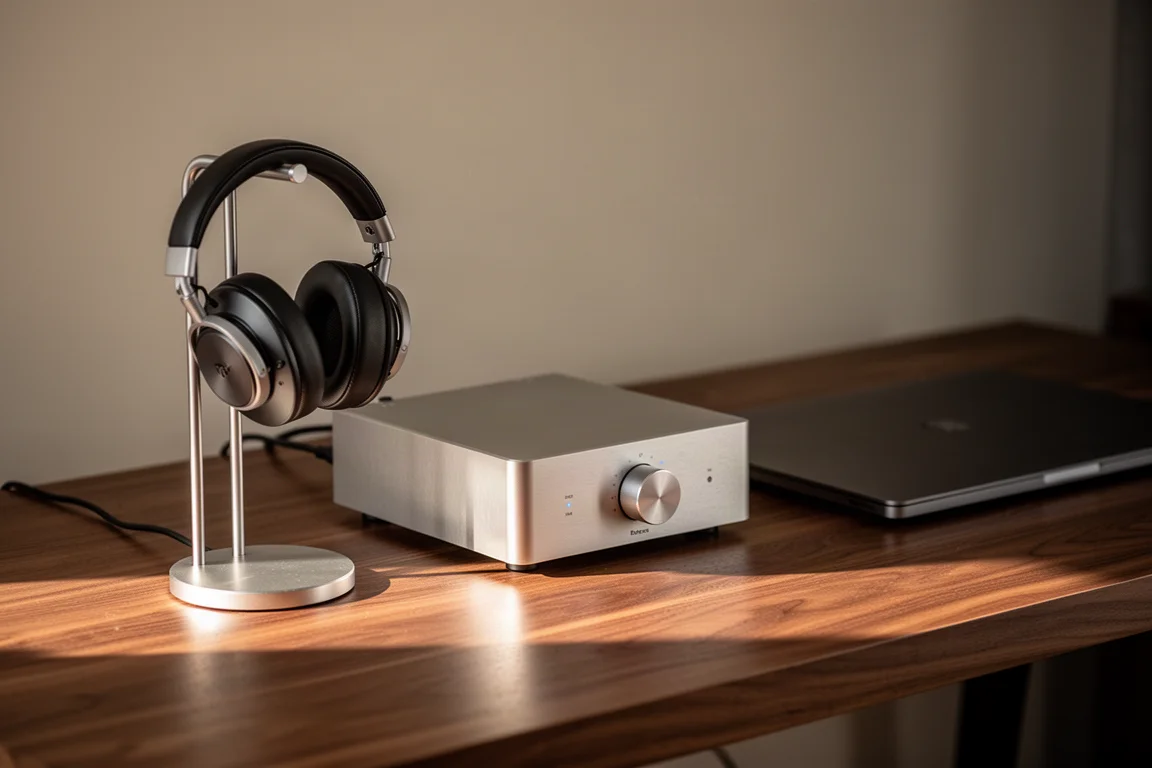
The Apple AirPods Max, at around €649 in Europe, is priced close to the PX8. The PX8 is a little more transparent, though not by much, and it wins on dynamic punch and drive. The tuning also differs: the PX8 avoids the mid-bass dip of the AirPods Max and keeps its sub-bass tighter, while the Apple headphone swings more in the low end and sounds fuller at lower volumes.
The Focal Bathys favours detail and spaciousness. Its bass presence is more mid-bass enriched, and the PX8 cannot match it for head stage width and size. The PX8 counters with a more intimate, more present sound that punches harder, and it gives up nothing in refinement. The Mark Levinson No. 5909, at €999, sits higher again: its ear cups are deeper by roughly a centimetre, it is the more transparent headphone, especially through the midrange, and it can make the PX8 sound slightly veiled. It also offers a wired passive mode with no active circuits. The PX8 answers with bigger, bolder, punchier bass, which can sound a little unnatural straight after the Mark Levinson but works well for electronic music and for adding low-end weight when noise cancelling is engaged on a busy street.
Wearability separates these headphones as much as tuning does. The Bathys is heavier at around 350 grams and feels bigger, with an illuminated logo that draws attention, which makes it harder to wear out on the street without feeling conspicuous. The PX8 is the more understated and discreet design, and for many buyers that will matter more than the last increment of sound quality.
Active Noise Cancellation and Call Quality
The PX8 uses a slightly amended microphone array compared with the PX7 S2, and it may be a touch better at active noise cancellation, though the margin is small enough to be hard to confirm. The Sony WH-1000XM5 is still the better performer on busy streets. In more predictable environments, where there are no sudden loud bursts of noise, the PX8, the PX7 S2, and the Sony are difficult to separate.
The Focal Bathys is roughly equal to the PX8 on noise cancelling and no better, and neither matches the Sony in unpredictable conditions. Both handle steady background sound well, including the hum of conversation, a coffee machine in the distance, and crockery clatter. The PX8 blocks high-frequency sound more effectively and sounds more rolled off.
Call quality is a genuine strength, with clear and crisp voice pickup. It is not flawless: the Bathys sounds richer and more sonorous on calls, while the PX8 can develop a metallic edge in the upper mids that becomes grating over a longer conversation.
Things to Consider Before Buying
The PX8 costs more than €200 above the PX7 S2, and the sound improvement alone may not justify that gap for everyone. The build quality, materials, and overall look and feel make a stronger case for the premium.
The tuning is deliberately full in the low end. Listeners who prefer a leaner, more neutral balance, or who are sensitive to prominent bass, may find the PX8 too rich, particularly when a more transparent rival is heard immediately afterwards.
Noise cancelling is very good in steady environments but not the class leader in unpredictable ones. If blocking sudden, loud street noise is the top priority, the Sony remains the more effective choice.
Finally, the PX8 is at its best as a wireless headphone. Anyone who expects the flexibility of a fully passive wired mode should note that this is a feature found on at least one more expensive rival rather than here.
Buying Advice
For listeners who want a premium wireless headphone that feels substantial, wears comfortably for hours, and delivers a punchy, refined, bass-forward sound, the PX8 is an easy recommendation. The aluminium and Napa leather construction is the part of the upgrade that is felt every single day, and that is what separates it most clearly from the model below.
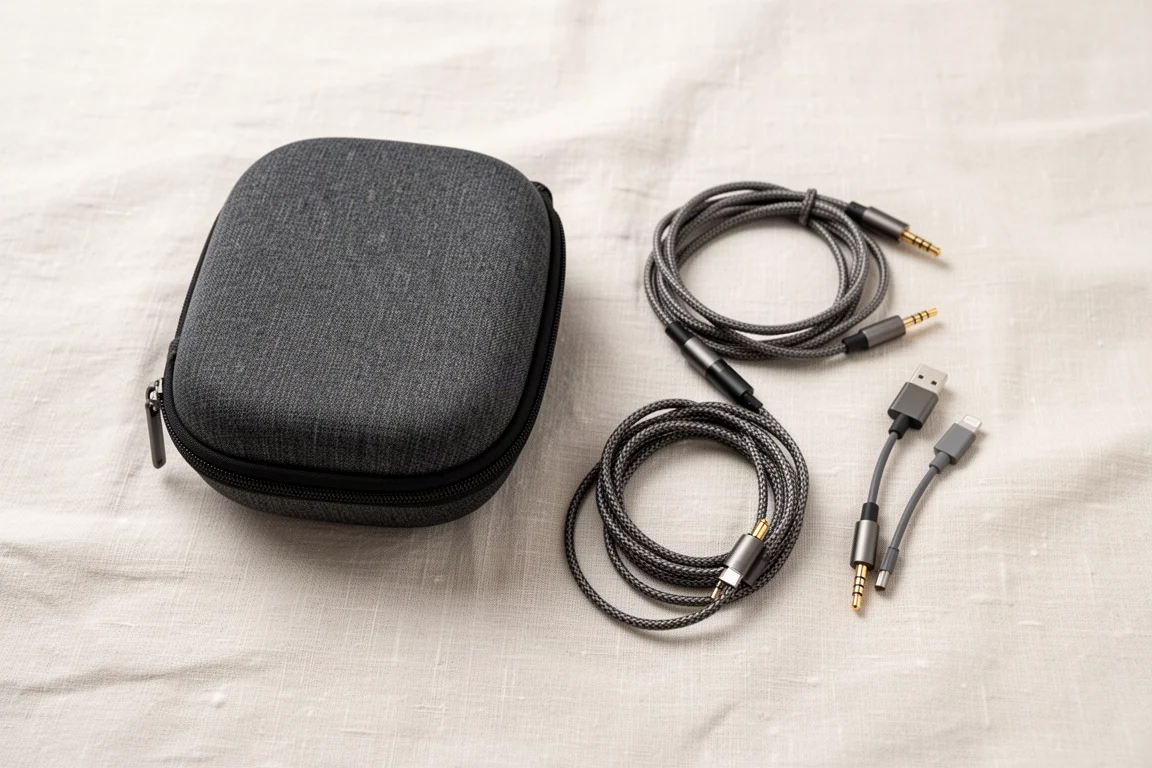
If the budget is genuinely stretched, the PX7 S2 remains a terrific headphone and not a significantly lesser one, so there is no reason to feel short-changed by choosing it. If maximum transparency and layer separation matter more than bass weight, the Focal Bathys and the Mark Levinson No. 5909 both go further, at a higher price and, in the Bathys case, with a bulkier and more conspicuous design. Buyers who value a discreet, understated headphone that still sounds excellent should feel confident staying with the PX8.
Conclusion
The PX8 is a considered upgrade rather than a reinvention. It keeps the shape, the app, and the general character of the PX7 S2, then adds better materials, softer leather, a carbon fibre driver, and a modest lift in clarity and dynamics. The sound gap is real but subtle, while the gap in build and comfort is obvious the moment the headphones come out of the case. For buyers who want one premium wireless headphone that feels as good as it sounds, the PX8 makes a persuasive case.
Product link
View more details for Bowers & Wilkins PX8
This product is mentioned in the review. Check the specifications, options, and compatibility before buying.
View more details for Bowers & Wilkins PX8Further reading
Related Reviews
Headphones
Apos Audio Caspian Review: Warm Bass, Solid Build, and a Detail Trade-Off
The Apos Audio Caspian is an easy-to-drive open-back headphone with standout bass and a warm, relaxed tuning, though mid-range and treble detail trail the competition.
Headphones
Audeze LCD-X vs LCD-XC vs LCD-3: Which High-End Headphone Fits Your Setup
A practical comparison of three Audeze planar magnetic headphones under $2,000, covering the open-back LCD-X, the closed-back LCD-XC, and the wood-ringed LCD-3.
Headphones
Audeze LCD-X vs HiFiMan Edition XS: Two Open-Back Headphones Compared
A practical comparison of the Audeze LCD-X and the HiFiMan Edition XS, covering build quality, comfort, sound signature, and which listener each one suits.