Speakers
Bowers & Wilkins 805D4 Signature Review: A Compact Reference Speaker and a Larger Alternative
A close look at the limited-edition Bowers & Wilkins 805D4 Signature standmount, how it behaves in small and large rooms, and how the Arendal Sound 1528 Bookshelf 8 compares.
Introduction
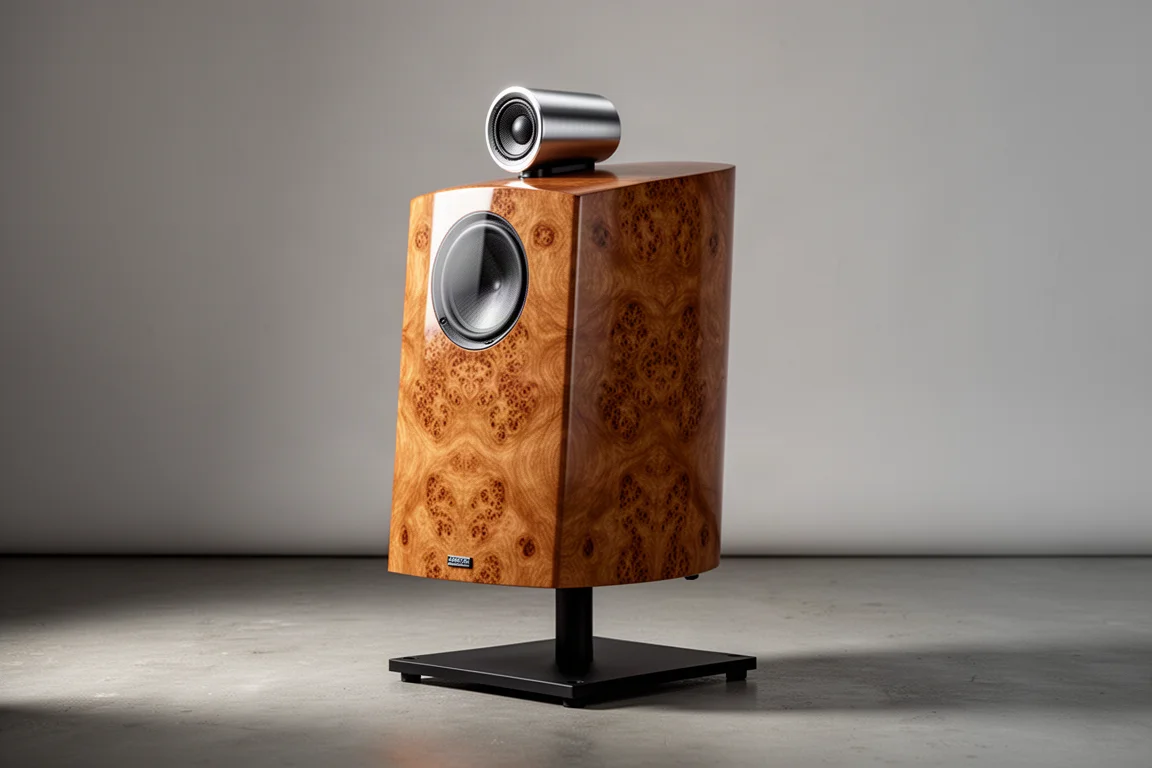
The Bowers & Wilkins 805D4 Signature sits at the compact end of a limited-edition range that represents the eighth generation of the 800 Series. It brings the driver technology and cabinet craft of the larger models down into a standmount that measures roughly 13 inches tall, 7 inches wide and 9 inches deep, and weighs about 33 to 34 pounds.
At $13,500 per pair it is not aimed at the value shopper. It is aimed at someone who wants a small speaker that behaves like a reference monitor, and who accepts the compromises that come with a single 6.5-inch driver in a modest cabinet.
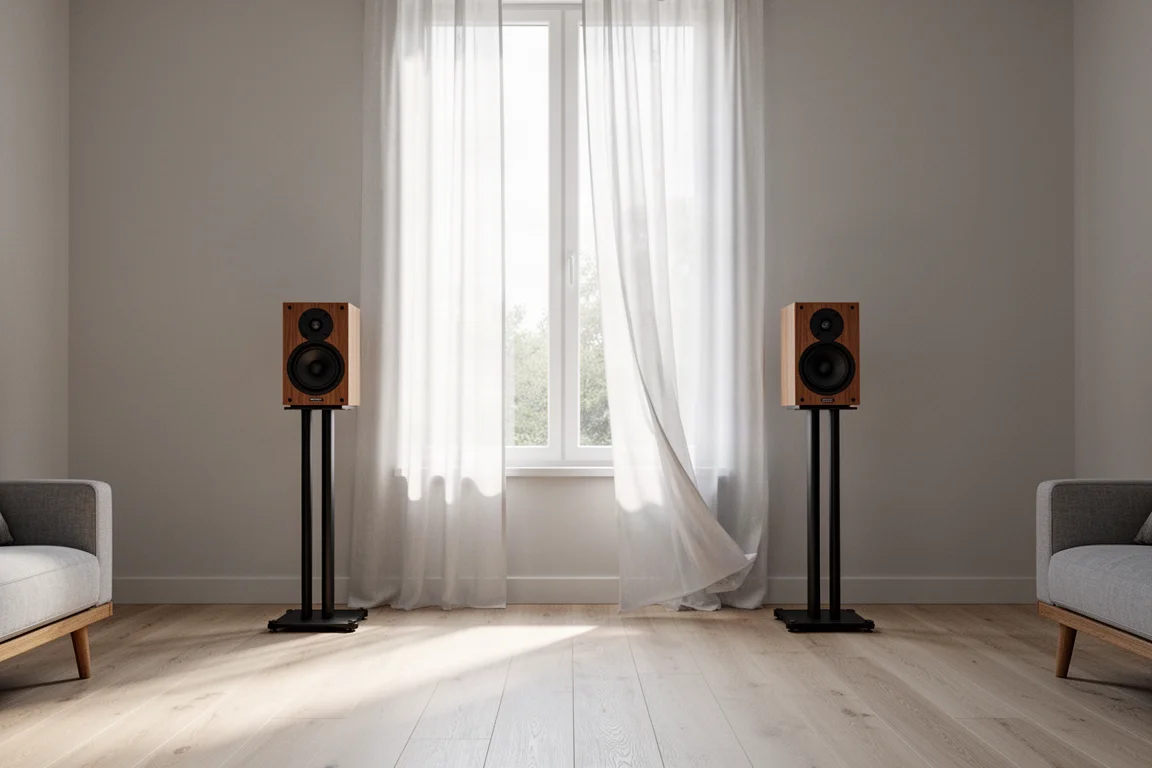
In a small to medium room those compromises largely disappear. In a large, open space they become the deciding factor, and they shape almost everything worth knowing before you buy.
What to Listen For in a Compact Reference Speaker
Four technical details separate a genuinely capable small speaker from a merely expensive one.
The first is cone behaviour. A stiff driver whose resonances are pushed outside its operating bandwidth keeps the midrange clean, which matters more in a two-way design than in a larger multi-way cabinet.
The second is tweeter isolation. Mounting the high-frequency unit in its own decoupled housing keeps cabinet vibration away from the most delicate part of the frequency range, and it is a large part of why some small speakers sound unexpectedly open.
The third is crossover execution. Upgraded components, physically separated from magnetic interference and vibration, preserve low-level detail that would otherwise be smeared.
The fourth is the electrical load. Sensitivity, minimum impedance and recommended amplifier power tell you whether the amplifier you already own is enough, or whether the speaker will push it into discomfort.
The fifth consideration is not technical at all. It is room size, and it is the one buyers most often underestimate.
Bowers & Wilkins 805D4 Signature: Design and Build
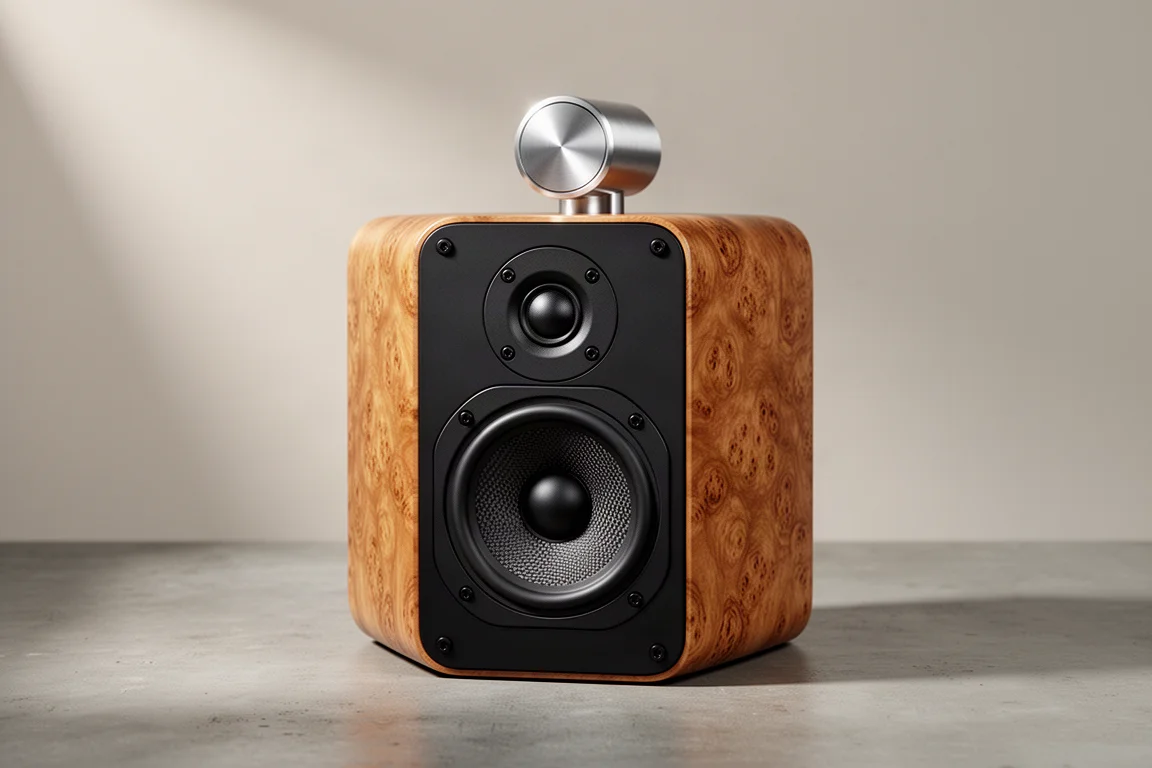
The mid and bass driver is a 6.5-inch Continuum cone. Bowers & Wilkins used finite element analysis to ensure the cone’s resonances fall well outside the driver’s bandwidth, and the material is a clear step up from the Kevlar cones used in earlier generations. It is a very stiff cone, and it comes across as the more neutral sounding of the two approaches.
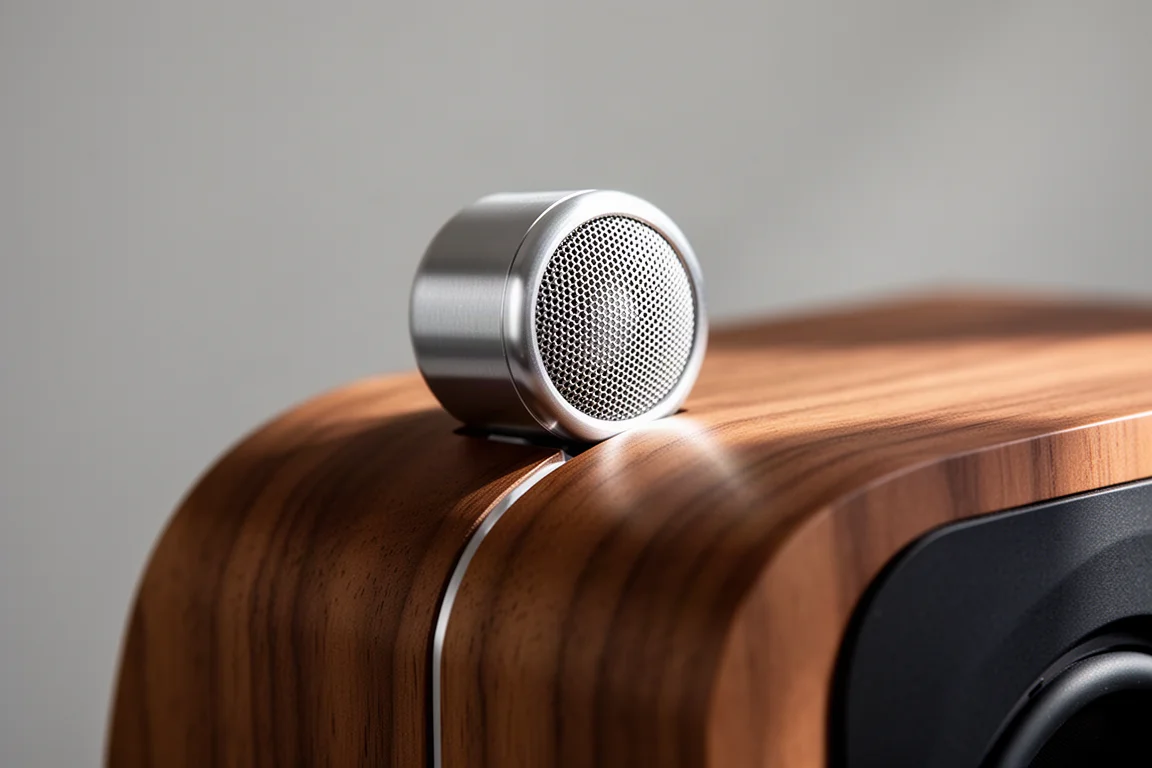
Above it sits a 1-inch diamond tweeter housed in its own extruded aluminium turbine. That housing is mechanically isolated from the cabinet, so the tweeter appears to float slightly above the top panel rather than sitting flush against it. The mesh over the tweeter has also been revised, with the aim of improving off-axis performance.
The crossover is where the Signature version separates itself most clearly from the standard model. Its components have been upgraded and moved into their own extruded heatsink enclosure behind the speaker, which keeps magnetic interference and vibration away from both the crossover parts and the drivers themselves.
Connections are handled by five-way binding posts that feel thick and genuinely high quality. They are arranged horizontally in a single row of four rather than in the two vertical columns most speakers use. It is an unusual layout, but it looks deliberate once the jumper bars are fitted. Bi-wiring and bi-amping are both possible, though a single amplifier is enough for the vast majority of systems.
The electrical numbers are friendly. Sensitivity is rated at 88 dB, impedance does not dip below roughly 5 ohms, and the recommended amplifier power range is 50 to 120 watts. That makes this a relatively easy load. An AVR can drive it comfortably, particularly when the speakers are bass managed, and a quality integrated amplifier in the 90-watt-per-channel class has no trouble at all.
The finish is part of the story. The California burl veneer is striking, and the contoured cabinet involves a lengthy finishing process carried out in the UK. That process is a significant reason the price sits where it does.
Bowers & Wilkins 805D4 Signature: Sound Quality and Room Matching
On jazz vocals the presentation is spacious and airy. Piano decays ring out naturally, and the phantom centre image locks in firmly between the speakers. Bass impact from a single 6.5-inch driver is better than the cabinet size suggests, and the sense of air around drums and percussion is a direct benefit of that isolated tweeter.
The treble can lean forward on some recordings, and sibilance is occasionally a little more pronounced than on a warmer sounding alternative. Reducing toe-in solves most of it while keeping imaging precise, and leaving the speakers closer to forward facing proved the more balanced option in practice.
On dense electronic and rock material the effect is genuinely three-dimensional. Decorrelated sounds, small percussive details and background textures are all easy to pick out, and the presentation can feel closer to a surround mix than to two channels. Detail retrieval is the headline strength.
Deep bass is the headline limitation. On bass-heavy R&B the lowest octaves simply are not there, and a subwoofer becomes necessary rather than optional.
Room behaviour decides how large that limitation feels. In a roughly 5,500 cubic foot room with the speakers about 6 feet from the front wall, the 805D4 Signature rolled off at approximately 60 Hz and could not match a larger three-way design below 40 Hz. Moved into a smaller room, roll-off dropped to about 40 Hz with F10 near 30 Hz, producing deep, articulate bass and a convincing full-range impression from a very small cabinet. In that setting the imaging and spatial cues were exceptional, with more energy off the sidewalls and more three-dimensional placement than much larger tower speakers managed.
Arendal Sound 1528 Bookshelf 8: The Larger Alternative
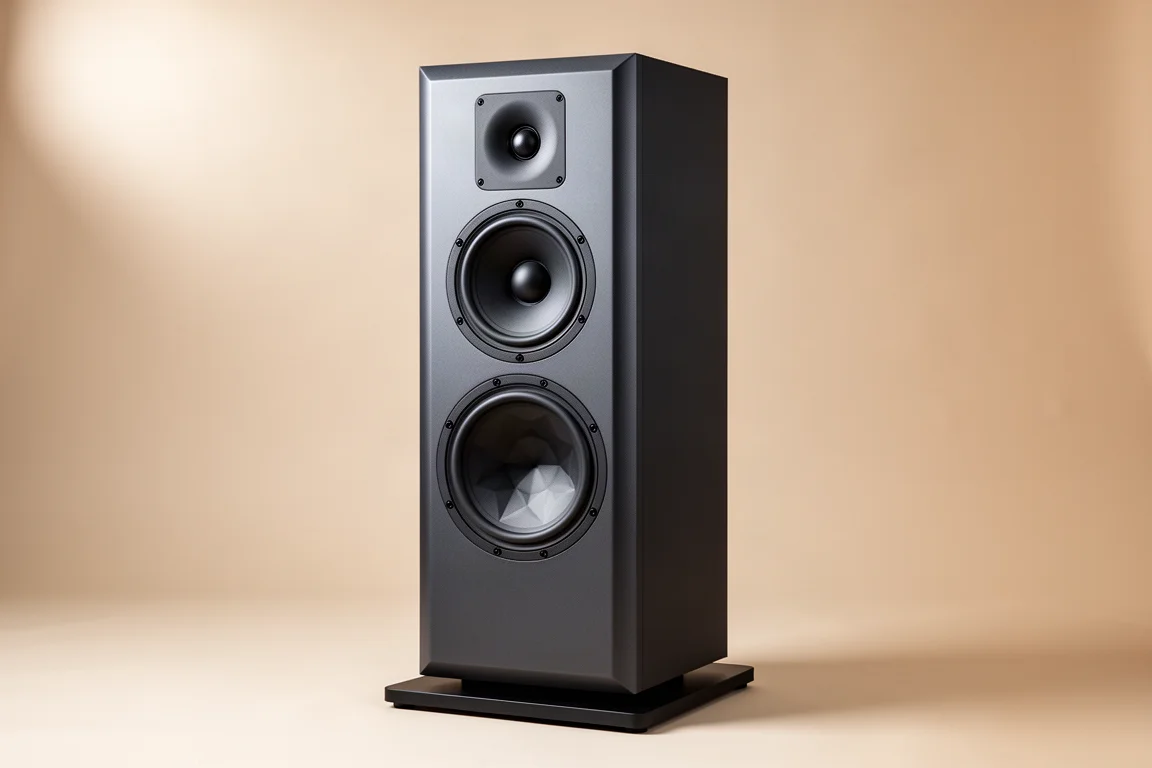
The Arendal Sound 1528 Bookshelf 8 is a different animal. It is a three-way design built around an 8-inch driver, and its cabinet is considerably larger. That extra volume and cone area translate directly into low-frequency output: below 40 Hz it delivered substantially more bass, and around 25 Hz it measured roughly 17 dB more output than the Bowers & Wilkins.
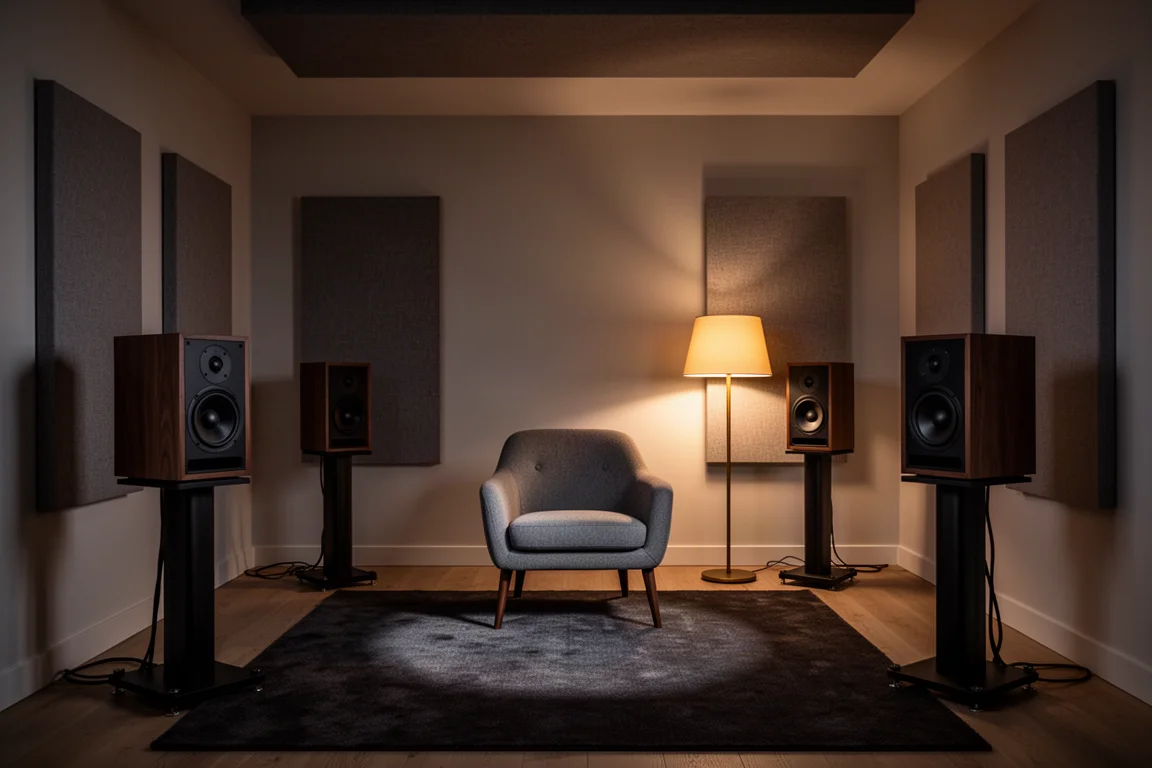
What that buys you is weight and foundation. On bass-heavy material the Arendal simply has more to give at the bottom end, and vocals come across a touch fuller and less forward. The Bowers & Wilkins counters with more air, a more open upper register and a stronger sense of space around instruments, and on some recordings it revealed low-level details that the larger speaker smoothed over.
Both presentations are legitimate, and both sounded excellent on the same material. The difference is philosophy rather than quality: one design prioritises spaciousness and detail, the other prioritises scale and low-frequency authority.
Room Matching and Placement Notes
Boundary interference is the first thing to plan for. A standmount placed about 6 feet from the front wall in a large room can show an audible suckout between roughly 30 and 50 Hz, and it is obvious from the listening position when no subwoofer is in the system.
Room gain works in your favour in smaller spaces. The same speaker that rolled off at 60 Hz in a large room held on down to about 40 Hz in a smaller one, which is why sizing the speaker to the room matters more here than raw specifications suggest.
Toe-in is worth experimenting with. Aggressive angles emphasise the treble, while a near forward-facing setup kept imaging precise and reduced brightness on sibilant recordings.
Acoustic control is close to essential with a detail-oriented speaker. Sidewall symmetry and treatments that reduce excessive reverberation let the speaker reveal what it is capable of instead of reflecting the room back at you.
Subwoofer integration is the final piece for larger spaces. One well-integrated subwoofer transforms the low end, and two properly integrated subwoofers will produce genuinely full-range sound.
Buying Advice: Which Speaker Fits Your System
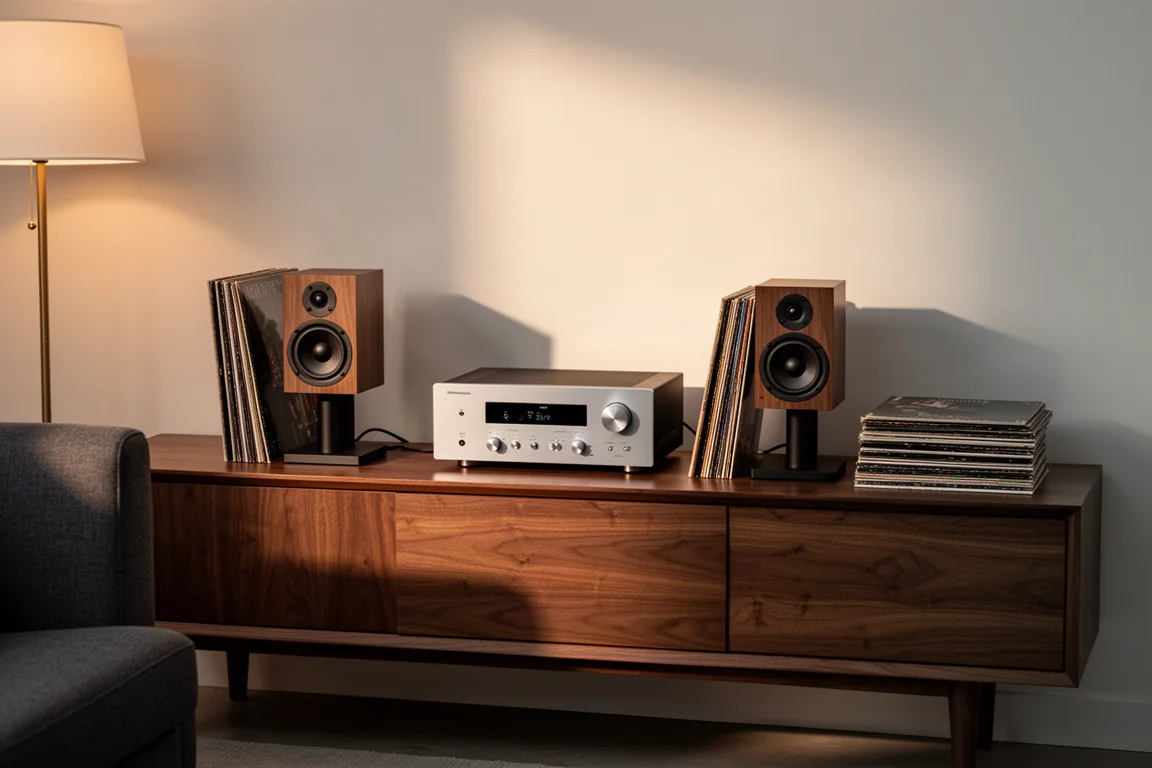
Choose the Bowers & Wilkins 805D4 Signature if your room is small to medium, if imaging and detail matter more to you than low-frequency weight, and if the price is not a barrier. It is a limited-edition design with a finish that draws attention, and it works beautifully on stands with a modest subwoofer in a bedroom or study. It also carries the credibility of a brand whose speakers are used as references in studios and concert halls, including Abbey Road, Skywalker Ranch and the Boston Symphony Orchestra.
Choose the Arendal Sound 1528 Bookshelf 8 if you want more bass without adding subwoofers, if you have the space for a larger cabinet, and if a fuller, weightier presentation suits the music you listen to most.
If your listening room is genuinely large, neither compact option replaces a full-size tower. The 805D4 Signature is at its best when it is matched to a room it can pressurise, and the same logic applies to the Arendal. Buy the speaker that fits the space, then decide whether a subwoofer is needed to finish the job.
Conclusion
The Bowers & Wilkins 805D4 Signature is an expensive small speaker, and it is honest about what it is: a reference-grade standmount for listeners who value detail, air and imaging above all else. Give it a room it can work with and it sounds far larger than its dimensions suggest. Put it in a very large space without subwoofers and it will tell you so immediately.
The Arendal Sound 1528 Bookshelf 8 answers a different question, trading some of that openness for low-frequency output that a compact cabinet cannot match. Neither is the safer purchase in the abstract. The right one is simply the one that suits your room, your amplifier and the way you listen.
Further reading
Related Reviews
Speakers
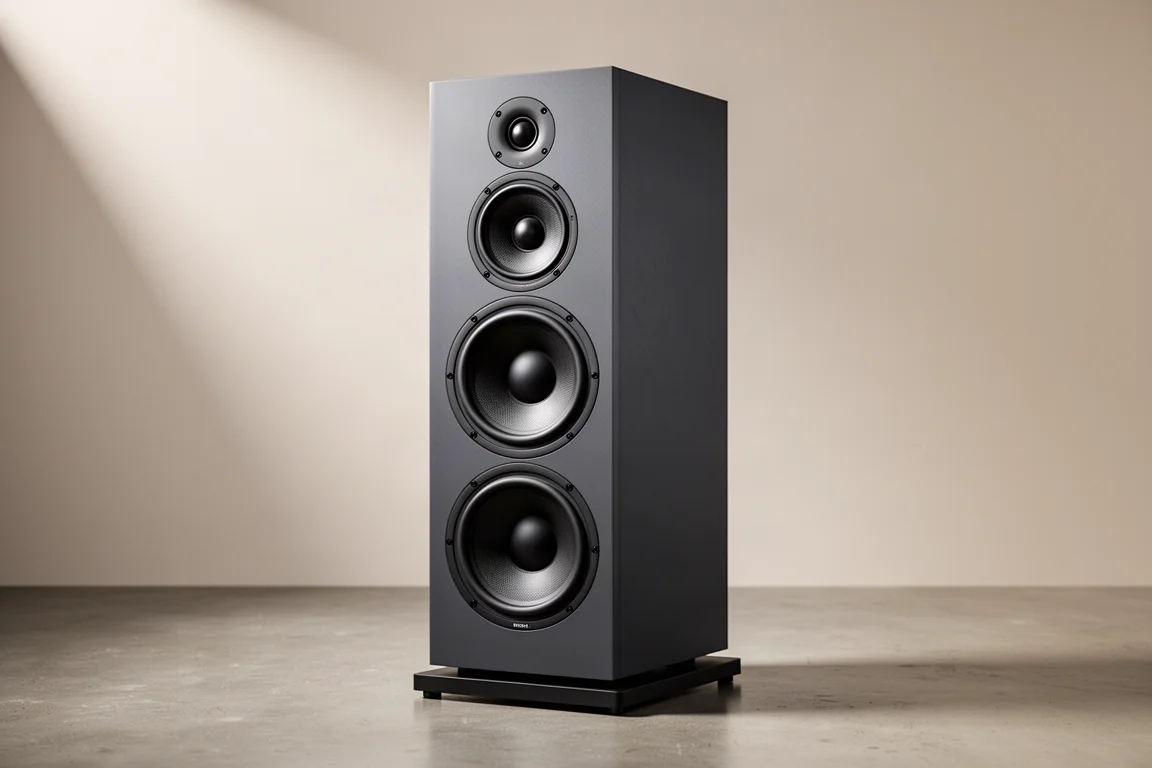
13 Under-the-Radar Speakers Still Worth Buying
Thirteen speakers that quietly stayed in production while newer models took the spotlight, from budget bookshelf pairs to a full-size tower.
Speakers
Arendal 1528 Monitor 8 Review: A Three-Way Standmount With Serious Dynamic Headroom
A three-way standmount speaker with extremely low distortion, high output capability, and deep bass for its size, plus the setup details worth knowing before buying.
Speakers
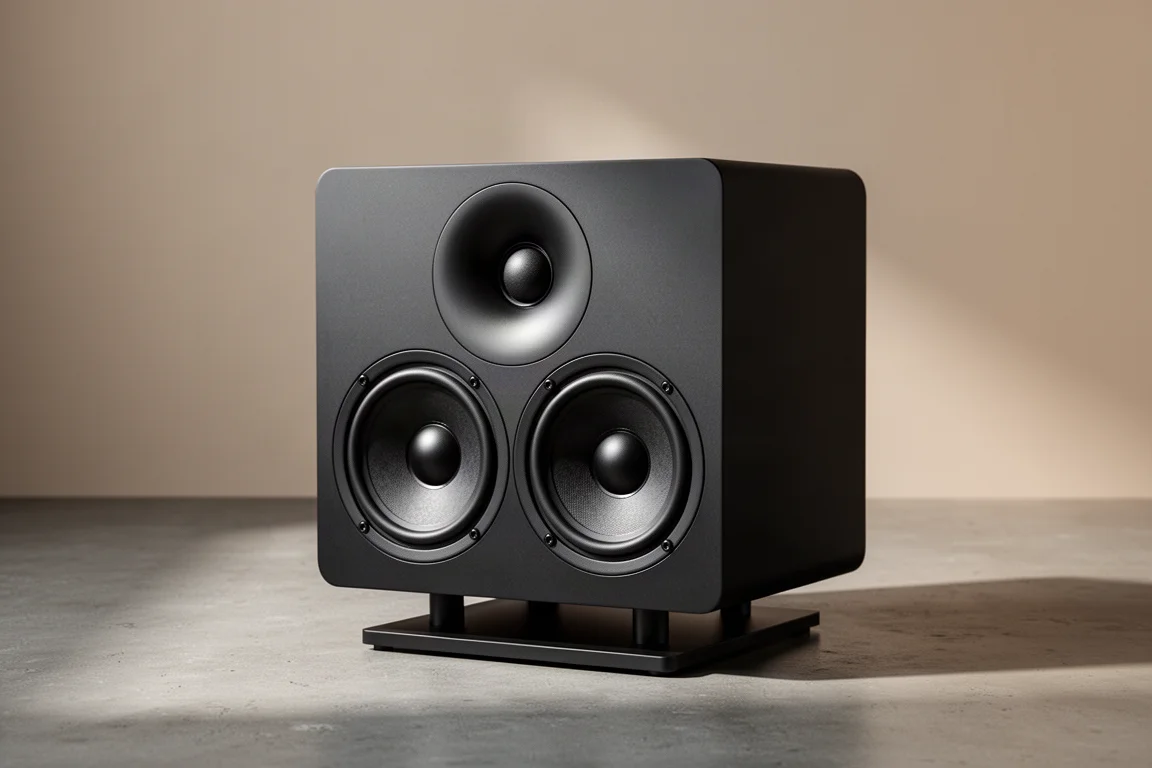
Arendal 1723 Monitor S Review: A Compact Monitor With Serious Ambition
A close look at the Arendal 1723 Monitor S, a compact MTM monitor with a waveguide-loaded tweeter, an HDF cabinet, and flexible ported or sealed operation for music and home theater.