Floorstanding Speakers
Bowers & Wilkins 801 D4 and 802 D4: Choosing Between Two Flagship Floorstanders
A practical look at the Bowers & Wilkins 800 Series Diamond 801 D4 and 802 D4, covering shared technology, sound character, amplifier demands, and which model fits which room.
Introduction
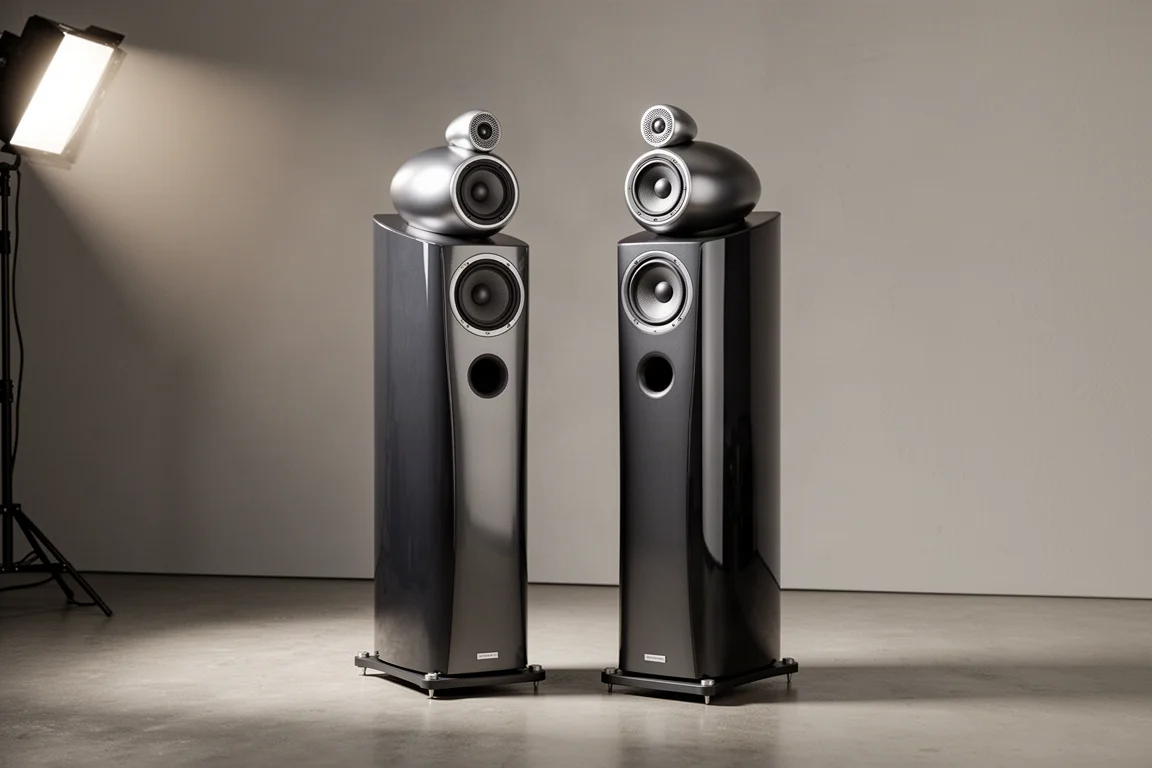
The Bowers & Wilkins 800 Series Diamond range sits at the top of the company’s floorstanding lineup, and the D4 generation is designed and built in the UK. The 801 D4 and the 802 D4 are the two models that anchor that range. Both are large, heavy, heavily braced floorstanders that share most of their core technology, so the decision between them comes down to cabinet size, bass output, and how much space you can give them.
Shared Design and Technology
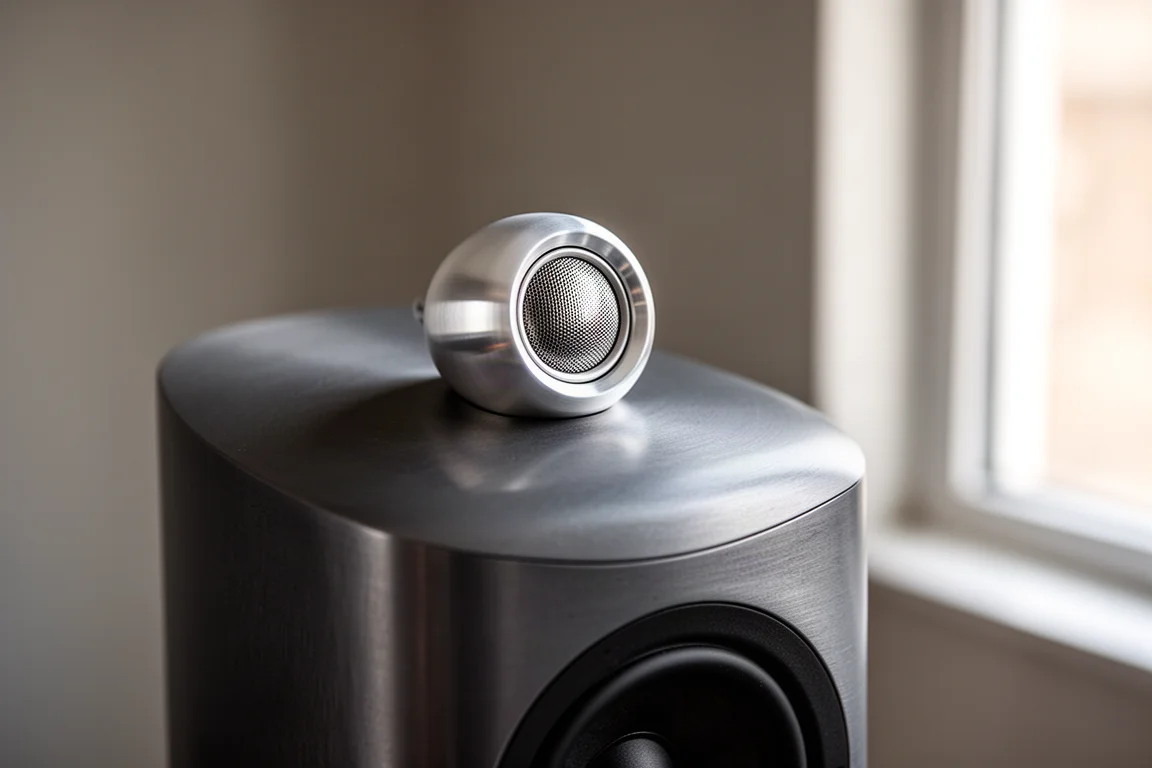
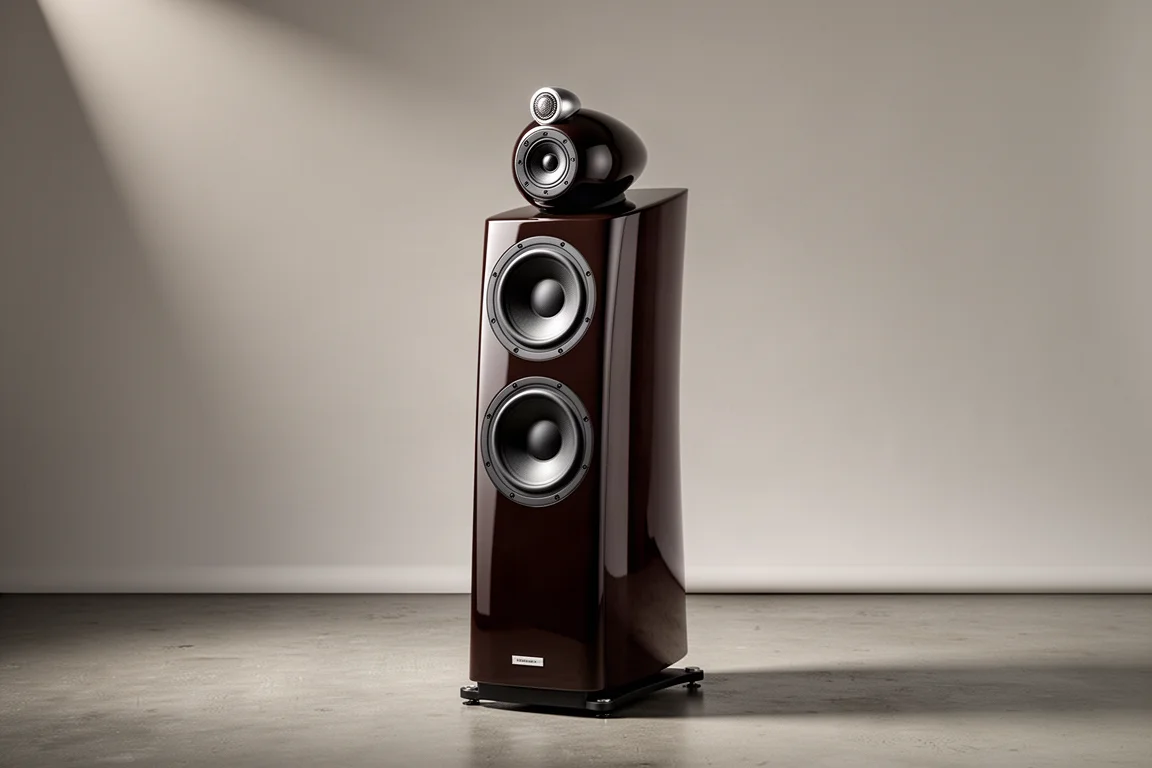
Both speakers use the same diamond dome tweeter, mounted in a machined aluminium housing that sits on top of the now familiar turbine head. That head carries the midrange driver, a six-inch Continuum cone. For the D4 generation the suspension behind that cone changed: instead of a conventional spider, the driver uses what the company calls a biomagnetic suspension. It is a more open structure with lower mass than a spider, which reduces reflections coming back off the rear of the midrange cone.
The cabinets are heavily braced internally, and both models are ported designs. The D4 cabinets are also noticeably curvier and rounder than the previous D3 generation, which gives them a sleeker, more contemporary look in a room.
Bowers & Wilkins 801 D4
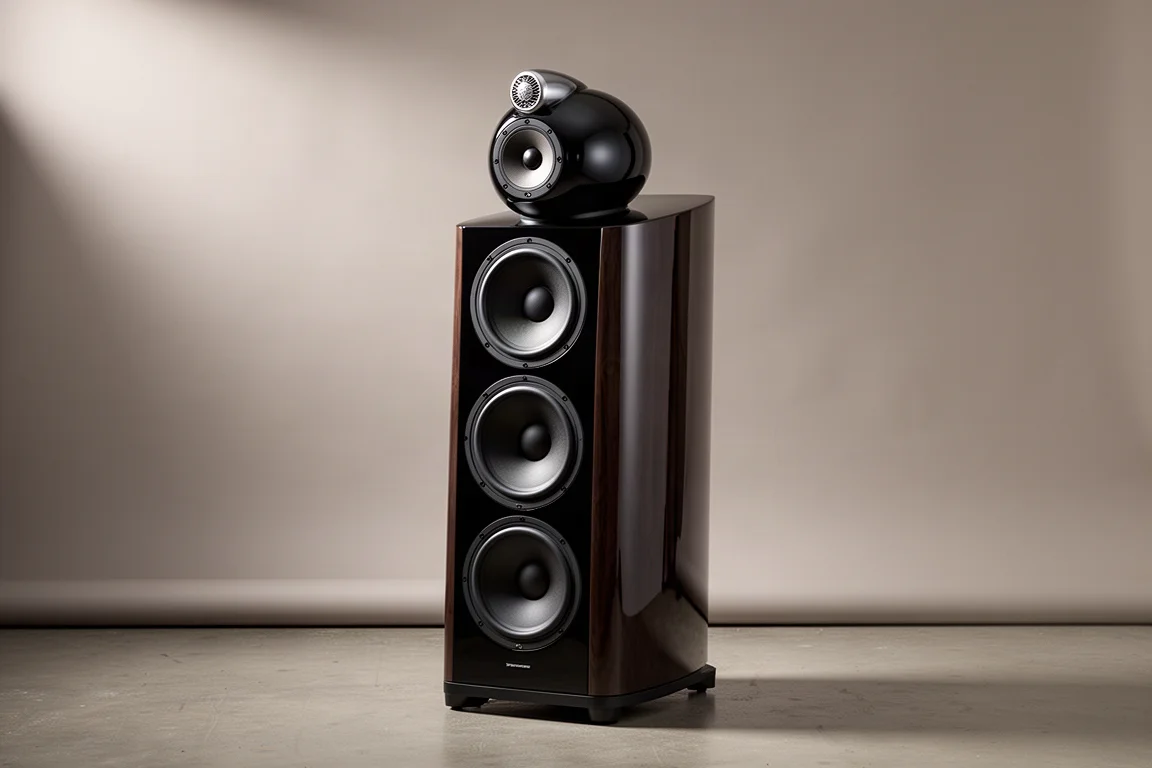
The 801 D4 is the larger of the two. It uses two 10-inch Aerofoil woofers in a ported, heavily braced cabinet, and it is the model that delivers the greater low-frequency weight.
Its scale is the main reason to choose it. In a large room, with material that carries real bass content, the 801 D4 produces deep, fast bass transients and a sense of physical power that smaller speakers cannot match.
Bowers & Wilkins 802 D4
The 802 D4 is the smaller sibling, though it remains a big, heavy floorstander. Its two Aerofoil woofers measure 8 inches. Everything above them is shared with the 801 D4: the same diamond dome tweeter, the same turbine head, and the same six-inch Continuum midrange with the biomagnetic suspension.
Tonally the 802 D4 tracks its larger sibling closely. Clarity, resolution, and liveliness are all present, and the main difference is scale in the lower registers.
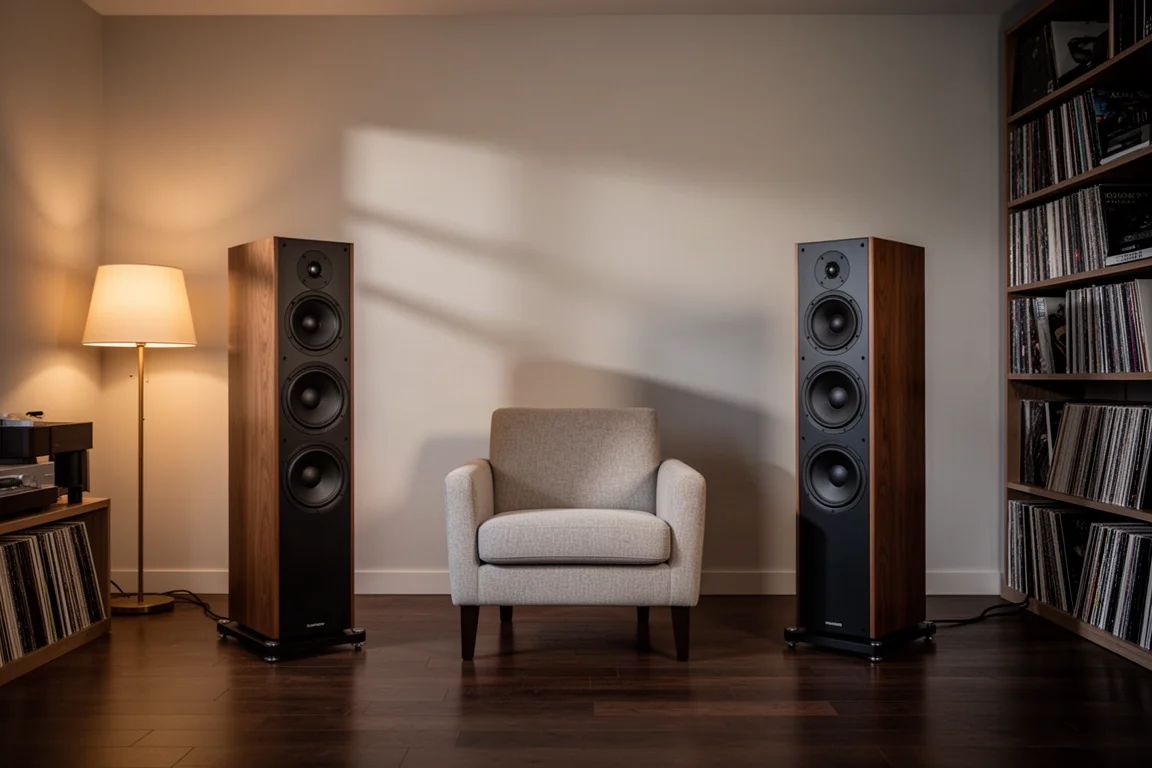
One point in the 802 D4’s favour is integration. The blend between its woofers and its midrange driver feels slightly more of a piece, giving the impression of a more seamless, more integrated design overall. Very careful placement could close that gap on the 801 D4, but as delivered the smaller model holds a small edge here.
Sound Quality, Dynamics, and Imaging
These speakers are powerful first and foremost. They can be played loudly without complaint, and their transparency and clarity are immediately obvious. The balance leans neutral to bright and forward, but it stays clean and immaculate rather than turning harsh, which makes longer listening sessions easy.
Bass is a particular strength. Transients arrive quickly, as sharp jolts of energy rather than soft, rounded swells, which gives percussive and bass-heavy material a strong sense of drive.
Imaging is precise. Detail resolution is high enough to follow the dynamics of a solo piano performance, including how hard or softly each note is struck, and to hear how a vocalist moves closer to or further from the microphone between tracks. The overall effect is a performance happening in the room rather than sound emerging from a box.
How the 801 D4 and 802 D4 Differ in Sound
The two models sound essentially the same. The difference is bass: the larger 801 D4 moves more air and delivers more low-frequency weight. If you have a very large room, or if deep bass is a priority, that alone can tip the decision toward the 801 D4.
Against that, the 802 D4’s slightly better driver integration is worth weighing. In a medium-sized room, or for listeners who value a seamless, cohesive presentation over maximum bass output, the smaller model can be the more satisfying choice. Careful positioning of either speaker narrows the gap.
Amplifier Matching and Room Setup
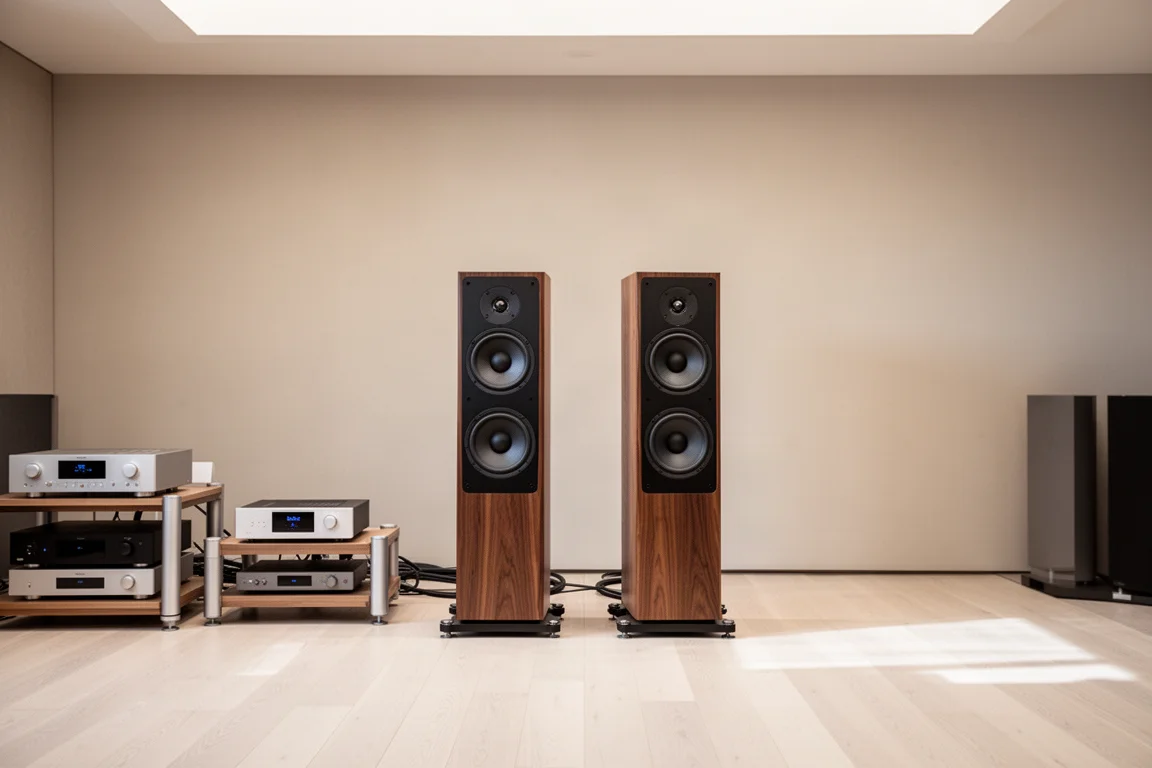
Both models are rated at eight ohms nominal, but their minimum impedance drops to three ohms, which is low. That means they need an amplifier comfortable with a four-ohm load and capable of delivering plenty of current. Around 200 watts per channel is a sensible starting point for a comfortable margin.
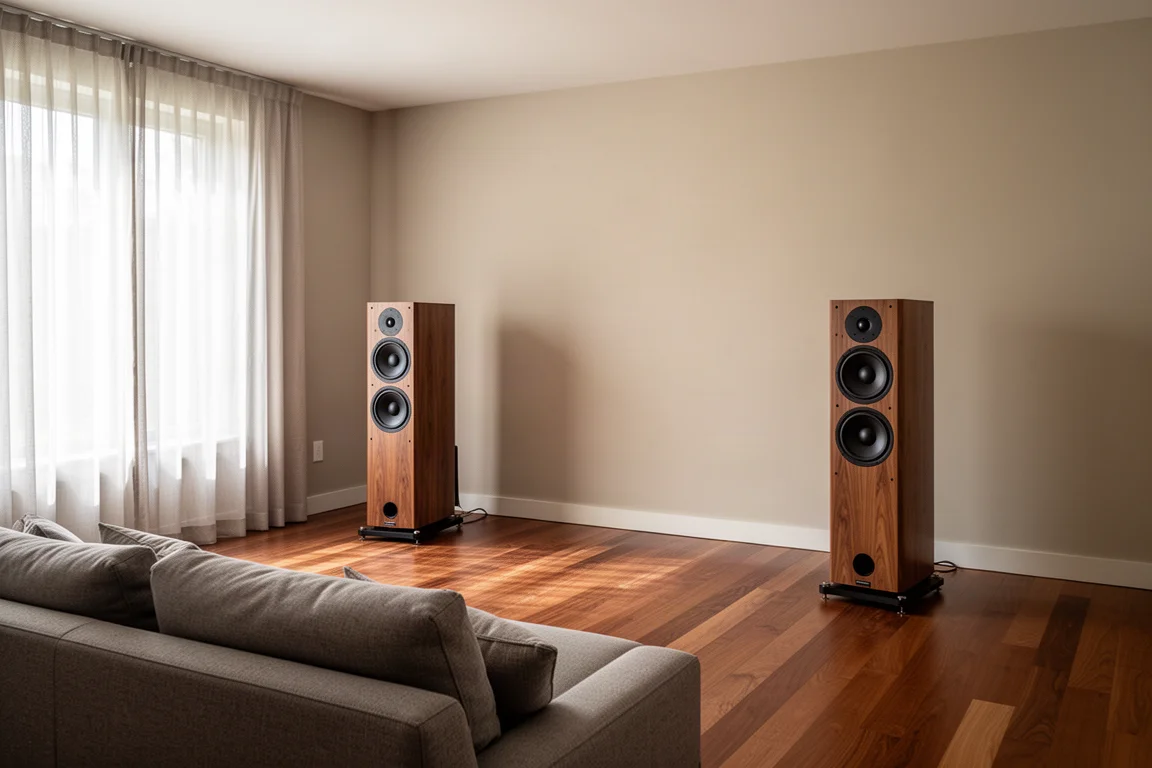
Room placement matters just as much. These speakers need space to open up and breathe, and moving them roughly two feet out from the wall behind them made a clear difference to the sense of openness in the sound.
Buying Advice
Speakers at this level deserve an audition rather than an assumption. The two models sit in the region of $26,000 to $35,000 per pair, and at that level it is worth travelling to hear them if no dealer is nearby.
They suit listeners who want resolution, clarity, precise imaging, and dynamic, powerful bass. If that describes the sound you are chasing, and you have the room and the amplification to support them, both the 801 D4 and the 802 D4 are worth investigating.
Conclusion
The 801 D4 and 802 D4 share their tweeter, midrange, and cabinet philosophy, so the choice between them is mostly about bass weight, room size, and integration. Choose the 801 D4 for a large room and maximum low-frequency presence. Choose the 802 D4 if you want a slightly more cohesive blend and can accept less bass extension. Either way, match them with a high-current amplifier and give them room to breathe.
Further reading
Related Reviews
Floorstanding Speakers
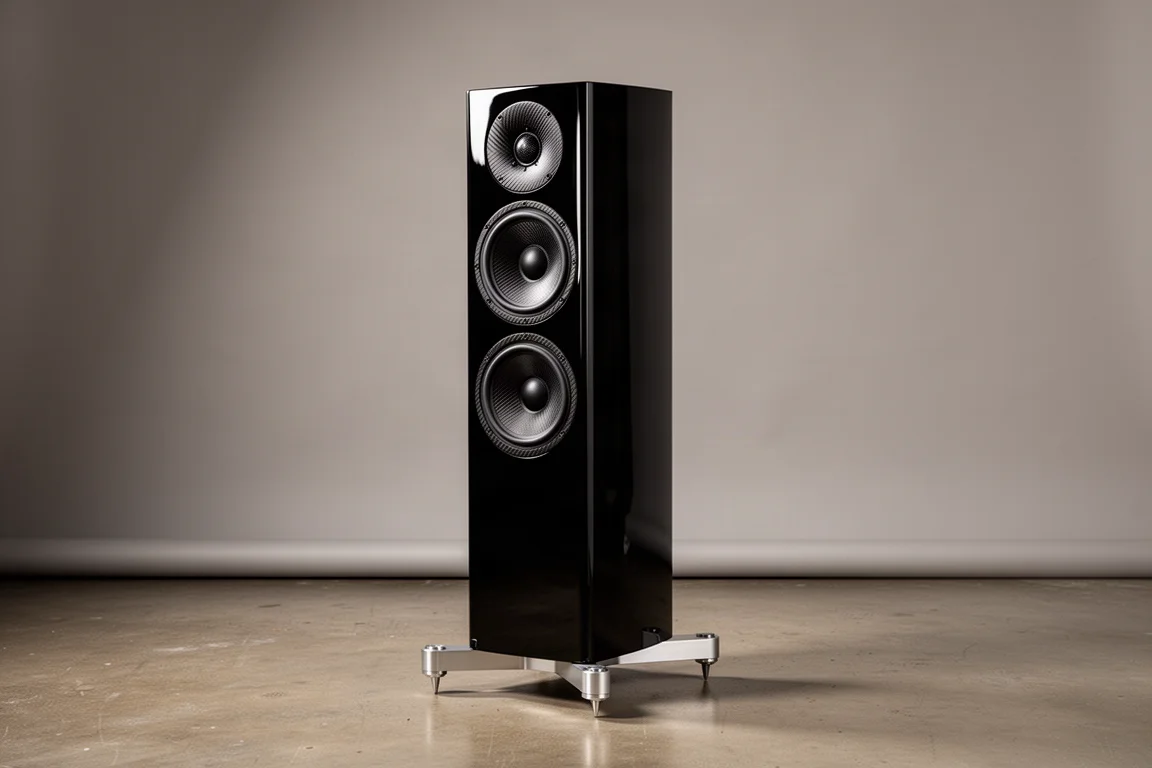
Acoustic Energy AE109 Mark II Review: A Refined Floorstander at £699
The Acoustic Energy AE109 Mark II is a slim, warm sounding floorstander that delivers clarity, midrange body and strong imaging in small to medium rooms.
Floorstanding Speakers
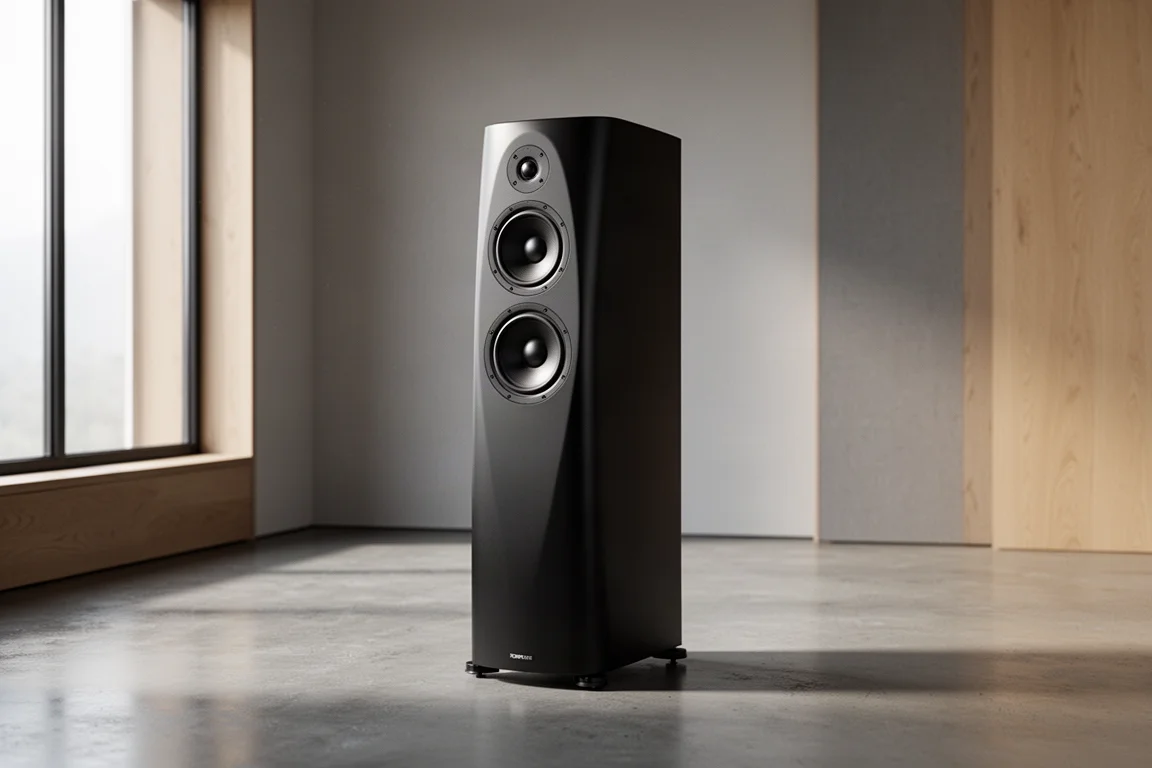
Acoustic Energy AE509 Review: A Slim Floorstander With Deep, Defined Bass
A practical look at the Acoustic Energy AE509, a slim floorstanding speaker with carbon fibre drivers, deep and well-defined bass, and an easy-going character that rewards careful system matching.
Floorstanding Speakers
Arendal 1528 Tower 8 Review: Reference Neutrality With Real Demands
A close look at the Arendal 1528 Tower 8, a nearly five-foot, 200-pound floorstander that rewards generous space, serious power, and high listening levels with reference-grade neutrality.