Floorstanding Speakers
Bowers & Wilkins 703 S3 Review: A Detail-First Floorstander That Rewards Careful Matching
A three-way floorstander with a decoupled tweeter on top, a Continuum cone midrange and twin Aerofoil bass drivers, and a presentation that is revealing, detailed and unusually strong at low volumes.
Introduction
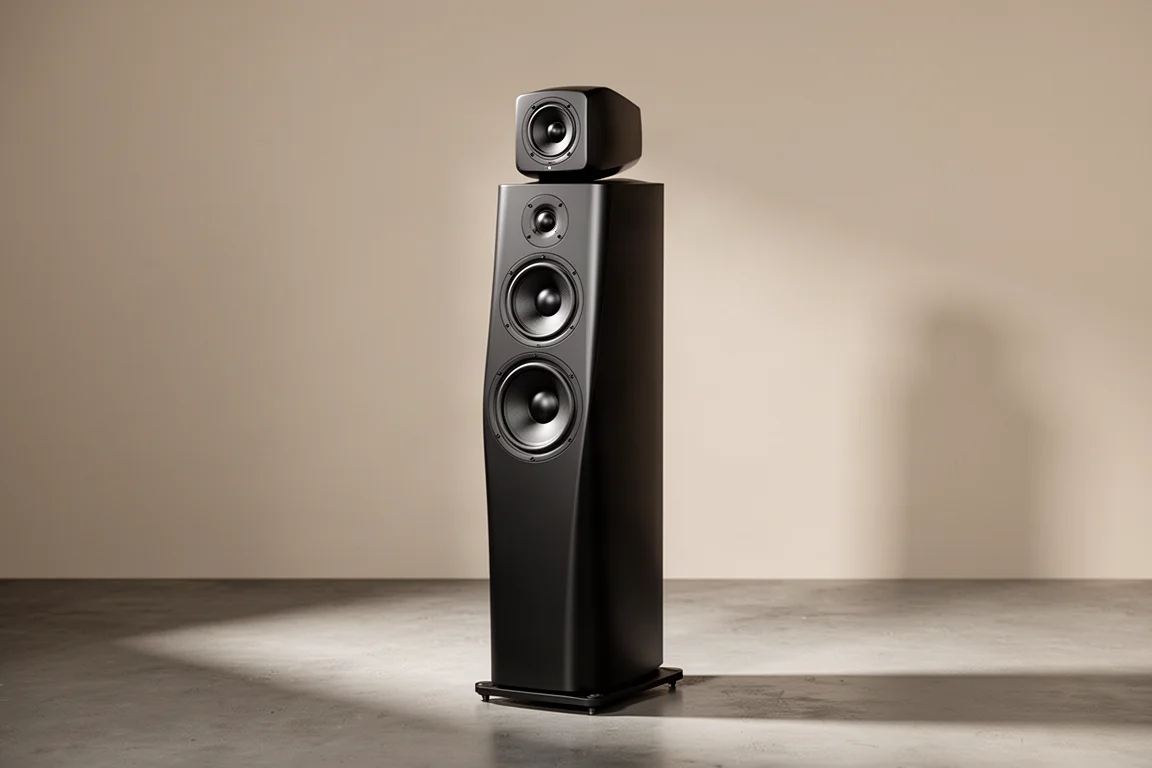
The Bowers & Wilkins 703 S3 is the third generation of the company’s 703 floorstander. It belongs to the 700 Series, which sits above the entry-level 600 Series and below the flagship 800 Series, and it is a three-way floorstanding design.
It is also the most affordable floorstander in the 700 Series to carry the tweeter-on-top arrangement that defines the range, and the build quality is exquisite. Fit and finish sit at a level that makes the speaker feel as considered as it looks.
Who the Bowers & Wilkins 703 S3 Is For
The 703 S3 suits listeners who want a revealing, detail-first system and are prepared to match the rest of the chain carefully. It also works unexpectedly well for late-night film and television, because the clarity it brings to vocals, and therefore to dialogue, holds up even at very low volume levels.
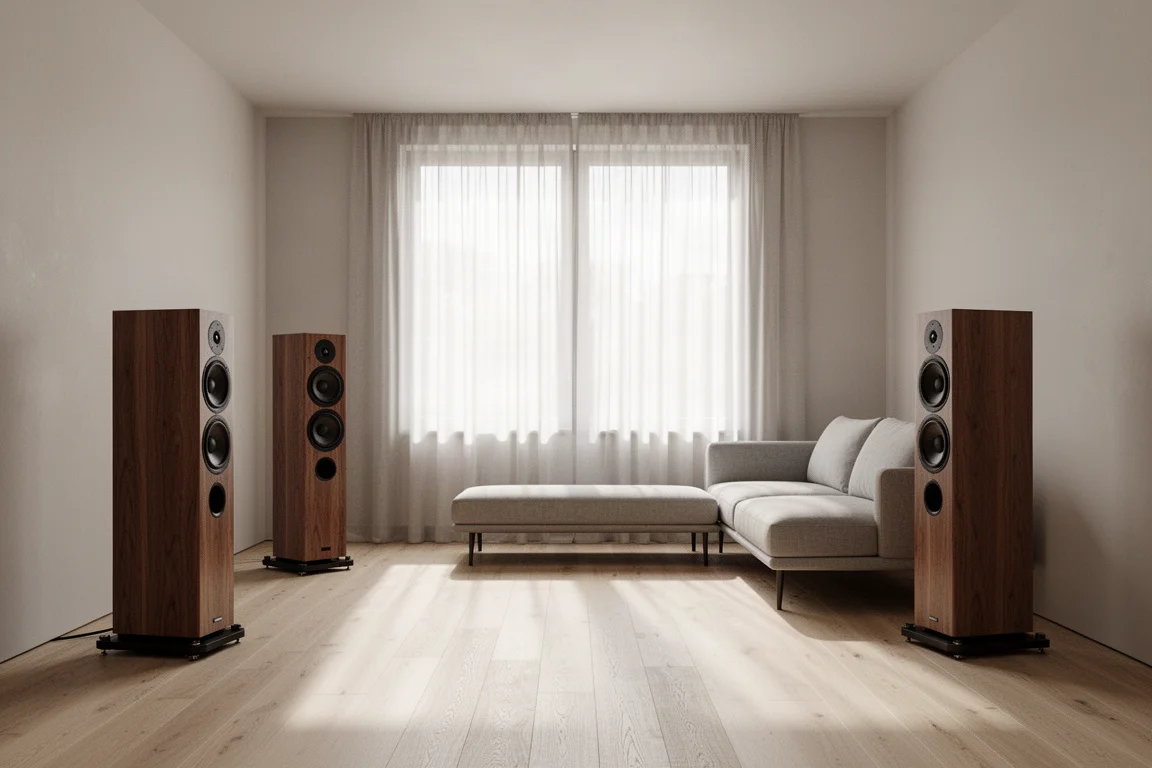
It is a less natural fit for anyone who wants a warm, laid-back, forgiving presentation straight out of the box. The top end is energized and can be provoked by the wrong amplifier or source component, so this is a speaker that rewards a deliberate system rather than an accidental one.
Design and Build Quality
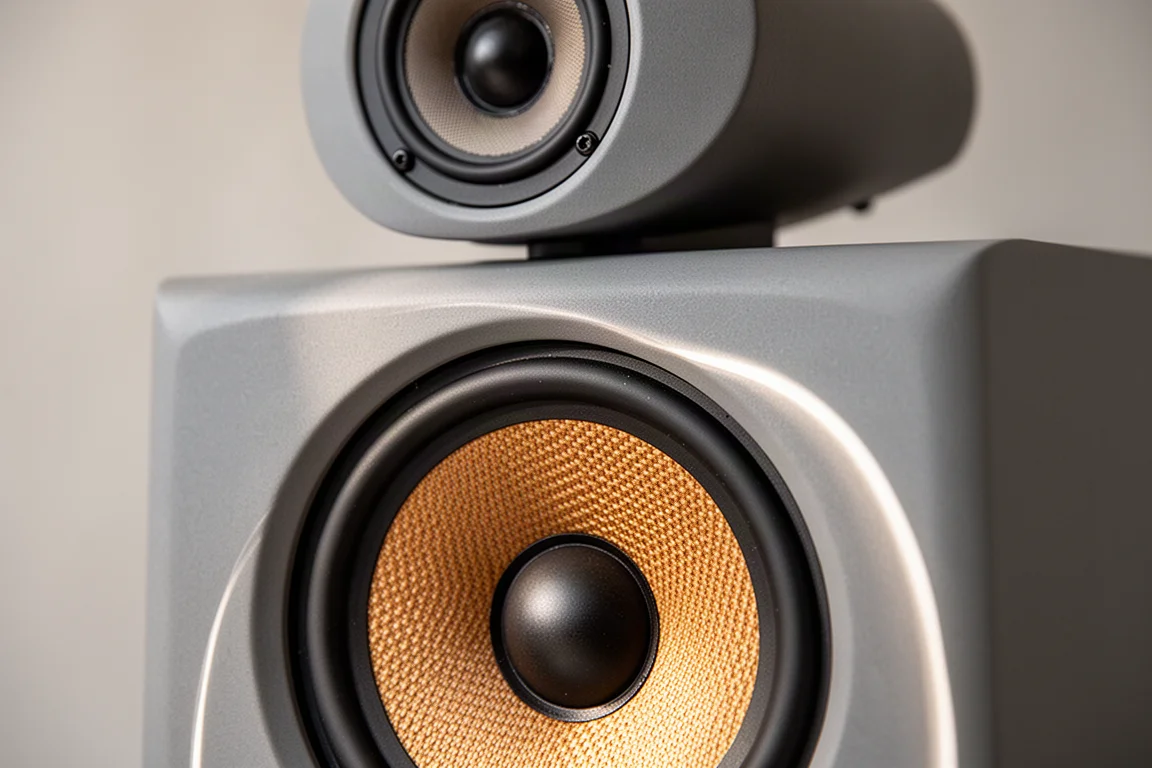
Most of the interesting engineering sits in the tweeter. The one-inch carbon dome tweeter lives in its own enclosure, decoupled from the main cabinet so that vibrations from the other drivers cannot disturb it. It fires into a long, tapered aluminium tube designed to absorb as much of the rearward energy as possible, which in turn reduces distortion in the tweeter’s forward output.
The front baffle is gently curved. Part of that is aesthetic, but it also makes the baffle quieter, reflecting less sound back into the room than the flat baffle used on earlier generations of the 703.
Below the tweeter sits a dedicated six-inch midrange driver, which Bowers & Wilkins describes as a decoupled Continuum cone fixed suspension transducer. The Continuum cone material is claimed to behave better around breakup modes than the Kevlar cone used in the S2 version, and behind the driver sits a biomimetic suspension system that does the job of a conventional spider.
Two six-and-a-half-inch Aerofoil profile bass drivers handle the low end, augmented by a rear-firing reflex port. Together they extend low frequency output down to 46 Hz. Sensitivity is rated at 90 dB with an 8 ohm nominal impedance.
How the 703 S3 Sounds
Because the tweeter sits higher than on most speakers, the soundstage is correspondingly tall, and image focus is sharp. Bass is neither overcooked nor underdone. In a large room it simply sounds right, and the most accurate way to describe it is that it does not draw attention to itself at all, which here is a compliment.
Adding a pair of subwoofers to the system did not feel necessary. There is more to gain in a smaller room, where a subwoofer lets you move the lowest frequencies away from the speaker, place them where they behave best, and dial in the level. In a large, acoustically open room there is far less bass buildup to manage.
The tweeter on top does dominate proceedings, though not in a negative way. With the right amplifier, or the right EQ, the result is laser-guided instrument placement and a cleaner view of the space between instruments than is common. Layered productions such as David Byrne and Brian Eno’s My Life in the Bush of Ghosts make it easy to follow where a sound starts and where it finishes.
Detail retrieval is a strength throughout. Voices gain grit and texture, bass notes reveal their surface character, and the speaker stays communicative rather than clinical. Turned up loud with a well-matched amplifier, it does not become bright or exhausting. Turned down late at night, it stays articulate.
There are two criticisms worth naming. On some material the presentation can sound a little cool, and it can come up slightly short on macrodynamic punch next to warmer-sounding alternatives.
Amplifier Matching and Room Correction
Amplifier choice matters more here than with most speakers. A warmer, richer, fuller integrated amplifier is a natural partner: the Marantz Model 30 needed no EQ at all and struck a good balance between relaxed listening and an edge-of-the-seat one.
A crisper, cleaner amplifier such as the Lyngdorf TDAI-3400 pulls the speaker in the other direction, and that is where room correction earns its keep. Applying correction lifted a small dip between two and four kilohertz and brought down a slight peak at nine kilohertz, which is a useful reminder of how much the top end shapes the overall character.
Living With the 703 S3
These tweeter-derived qualities are addictive over time. The speaker is excellent for late-night television, where its vocal clarity keeps dialogue intelligible at volumes that would leave many speakers sounding muddy.
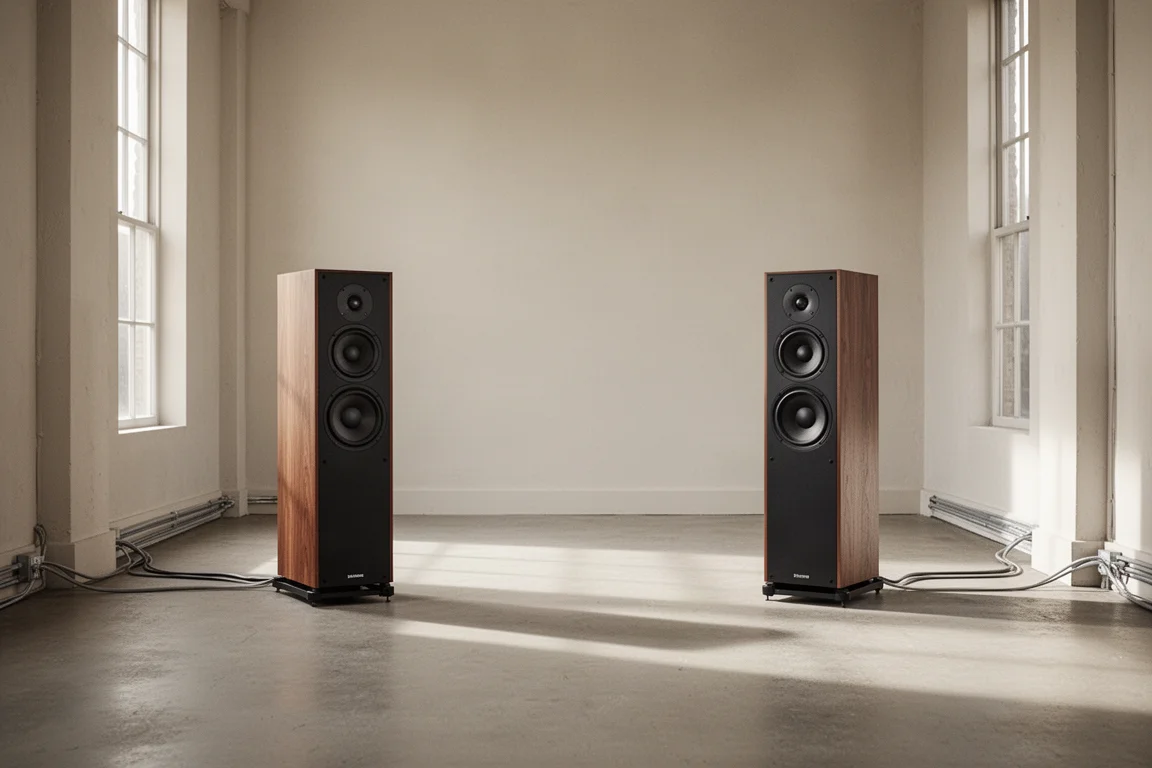
It is equally happy with quieter, more intricate material. Vocal twists and turns, small shifts in enunciation, and fine detail all remain audible when the volume comes down. That combination of high-volume composure and low-volume insight is unusual, and it is the main reason the 703 S3 grows on you rather than wearing you down.
Things to Consider Before Buying
The main consideration is the rest of the system. This is not a plug-and-play, forgiving speaker. Its energized top end will expose a bright source or a hard-sounding amplifier, so budget for careful matching or for a component with usable EQ or room correction.
Room size matters too. In a smaller space the bass may feel like more than the room can comfortably absorb, and a subwoofer with proper placement and level control becomes a more attractive option than it is in a large room.
Finally, this is a tall floorstander with the tweeter mounted high above the cabinet. Listening height and seating distance are worth thinking about before you commit.
Buying Advice
Buy the 703 S3 if you want a detail-first floorstander with a tall, precisely focused soundstage, and if you are willing to build the system around it. A warmer integrated amplifier makes it easy to live with, while a cleaner, more clinical amplifier needs room correction or EQ to sound its best.
If you want warmth and forgiveness out of the box, or you listen mainly at high volume to heavily compressed material, look elsewhere or plan to spend time on setup. For everyone else, the combination of build quality, resolution, and low-level clarity makes a strong case, particularly if the speaker will also anchor a film and television system.
Conclusion
The Bowers & Wilkins 703 S3 is a beautifully made three-way floorstander whose decoupled tweeter on top defines its character. It is revealing, detailed and remarkably good at low volumes, but it asks for careful amplifier matching and a room that can take its bass. Get those two things right and it is a genuinely rewarding speaker to live with.
Product link
View more details for Bowers & Wilkins 703 S3
This product is mentioned in the review. Check the specifications, options, and compatibility before buying.
View more details for Bowers & Wilkins 703 S3Further reading
Related Reviews
Floorstanding Speakers
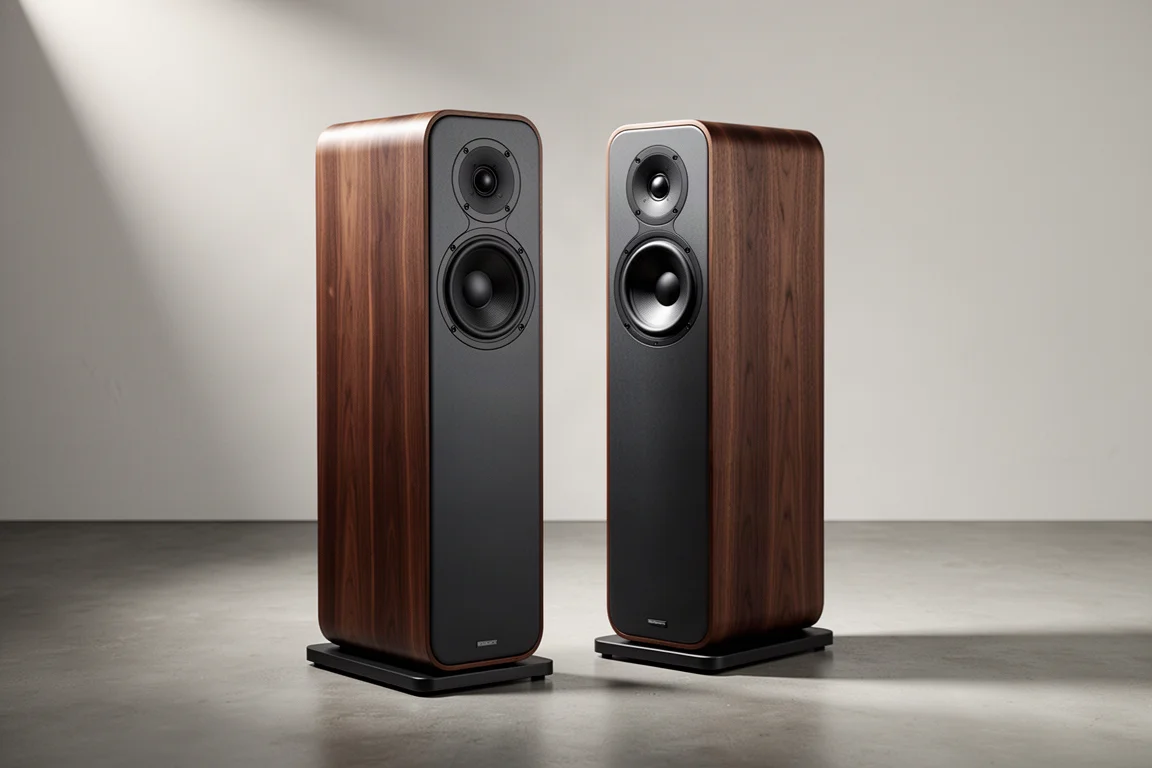
Acoustic Energy AE109 Mark II Review: A Refined Floorstander at £699
The Acoustic Energy AE109 Mark II is a slim, warm sounding floorstander that delivers clarity, midrange body and strong imaging in small to medium rooms.
Floorstanding Speakers
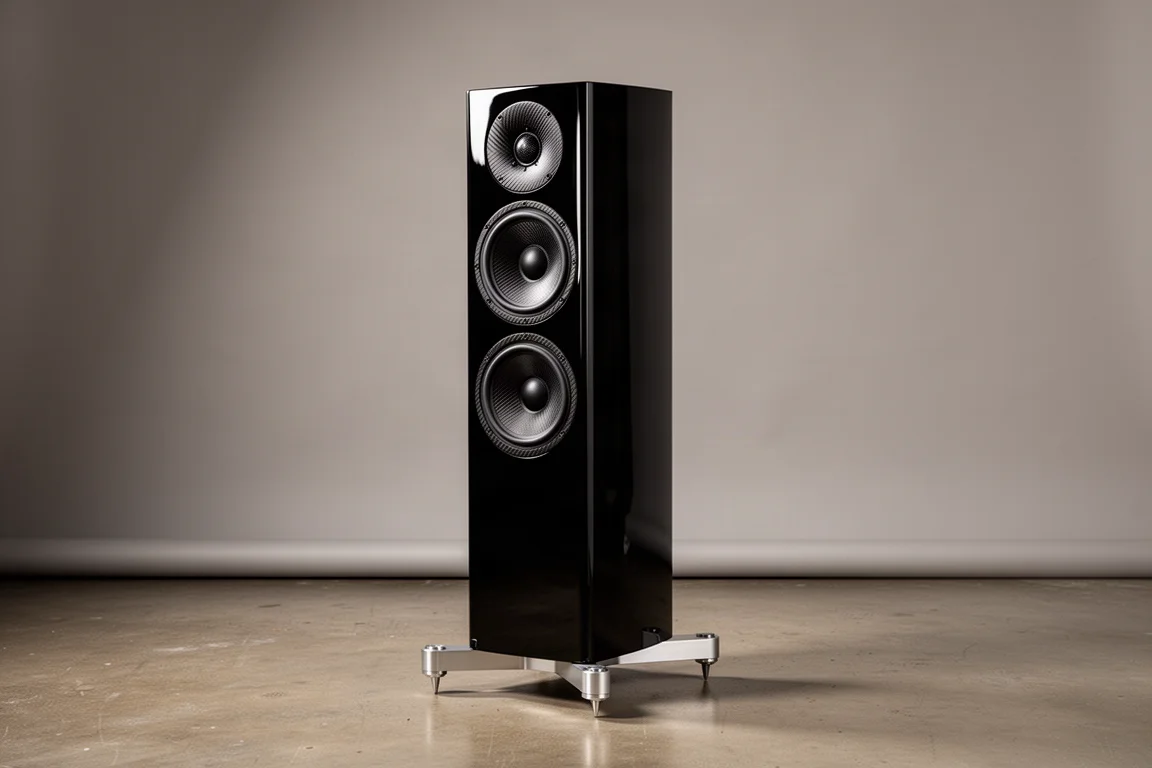
Acoustic Energy AE509 Review: A Slim Floorstander With Deep, Defined Bass
A practical look at the Acoustic Energy AE509, a slim floorstanding speaker with carbon fibre drivers, deep and well-defined bass, and an easy-going character that rewards careful system matching.
Floorstanding Speakers
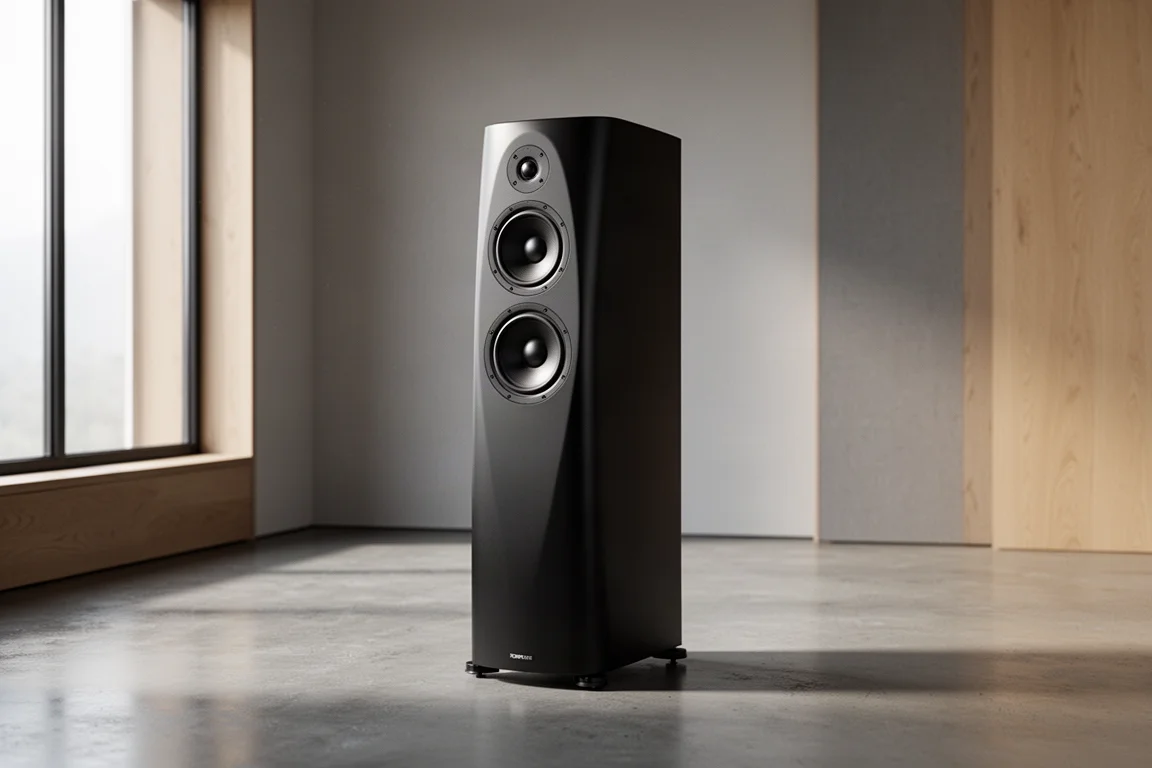
Arendal 1528 Tower 8 Review: Reference Neutrality With Real Demands
A close look at the Arendal 1528 Tower 8, a nearly five-foot, 200-pound floorstander that rewards generous space, serious power, and high listening levels with reference-grade neutrality.