Soundbars
Bose Soundbar 600 Review: A Small Atmos Bar With a Big Surround Impression
A compact Atmos soundbar with five drivers and TrueSpace processing, clear dialogue at low volumes, and the bass, input, and finish trade-offs to weigh first.
Introduction
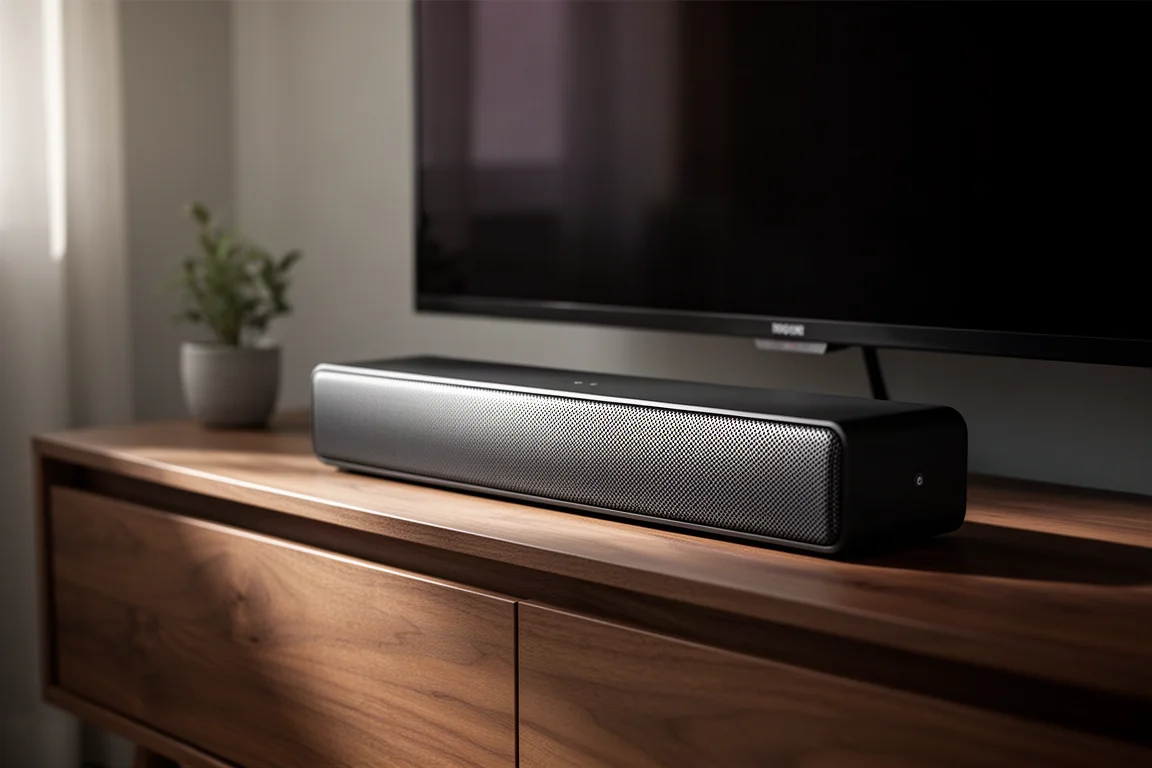
The Bose Soundbar 600 is the smallest bar in Bose’s lineup to include upward-firing drivers, and it sells for under $500. That price places it in the same conversation as several well-known compact bars, so the interesting question is not what it includes, but how much of a surround experience it can create from a single, small enclosure.
The short answer is a surprising amount. The 600 is a deliberately simple product: one HDMI eARC input, one optical input, a handful of streaming options, and an optional path to a fuller system. What it does with five drivers and Bose’s TrueSpace processing is the reason it deserves attention.
Who This Soundbar Is For
This is a bar built for bedrooms, offices, apartments, and smaller living rooms, the kind of space where a full surround system with a separate subwoofer is more trouble than it is worth. It is also a strong pick for anyone who regularly struggles to follow dialogue at modest volume levels.
Because the 600 is expandable, it can grow with a room. Adding the Base Module 500 wireless subwoofer and compatible wireless surrounds turns it into a fuller system, though that also moves the total cost well beyond the price of the bar alone.
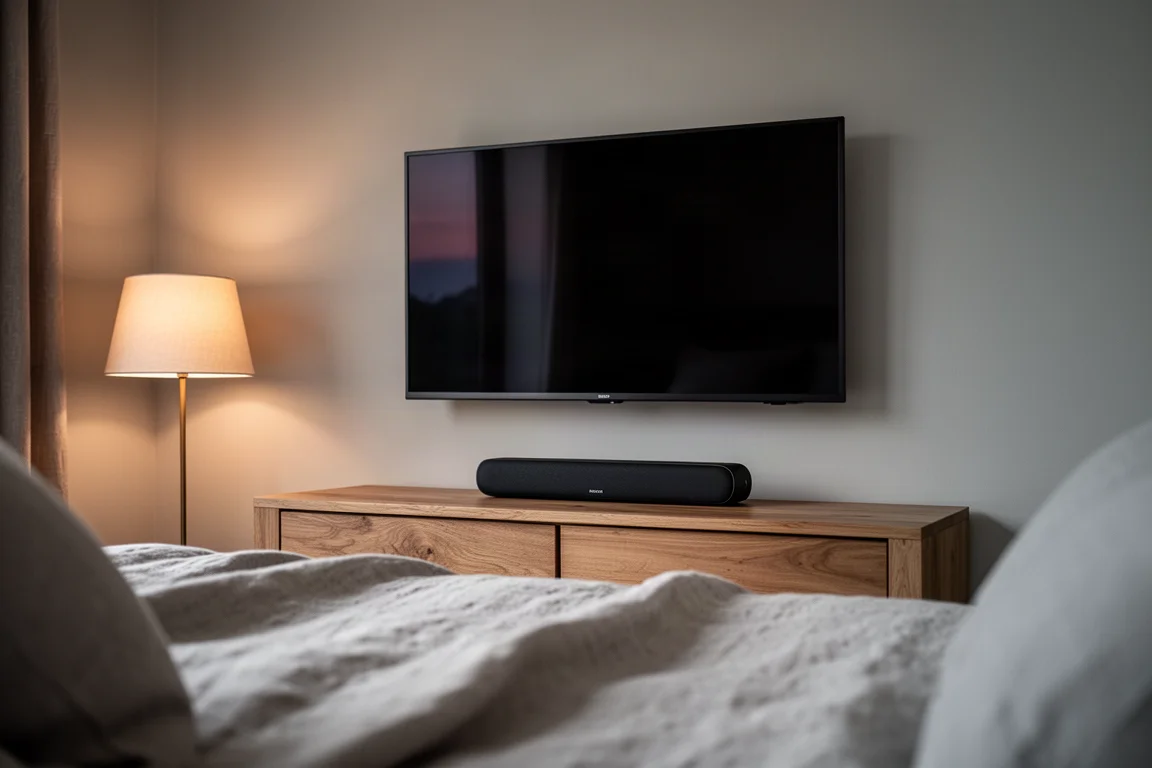
In a smaller room, the bar’s own bass output is often enough that a subwoofer does not feel automatically required. In a large, open-plan space, the same bar benefits noticeably from the optional subwoofer.
Design, Inputs, and Connectivity
Bose has built the 600 from robust materials, including a metal wraparound grille. It is available in black only, which is worth noting if the rest of a room’s setup leans toward lighter finishes.
Connectivity is intentionally limited. There is a single HDMI eARC input and an optical input for older televisions, plus a USB port that is for service only. For streaming, the bar can join a home Wi-Fi network and supports Bluetooth, AirPlay 2, Spotify Connect, and Chromecast through the Bose Music app. Alexa and Google Assistant are both supported.
Expansion follows the same approach as the Sonos Beam Gen 2. The Base Module 500 wireless subwoofer adds $399, and compatible wireless surrounds are similarly priced, which brings a fully equipped system to just under $1,300.
Main Strengths: Dialogue Clarity and Detail
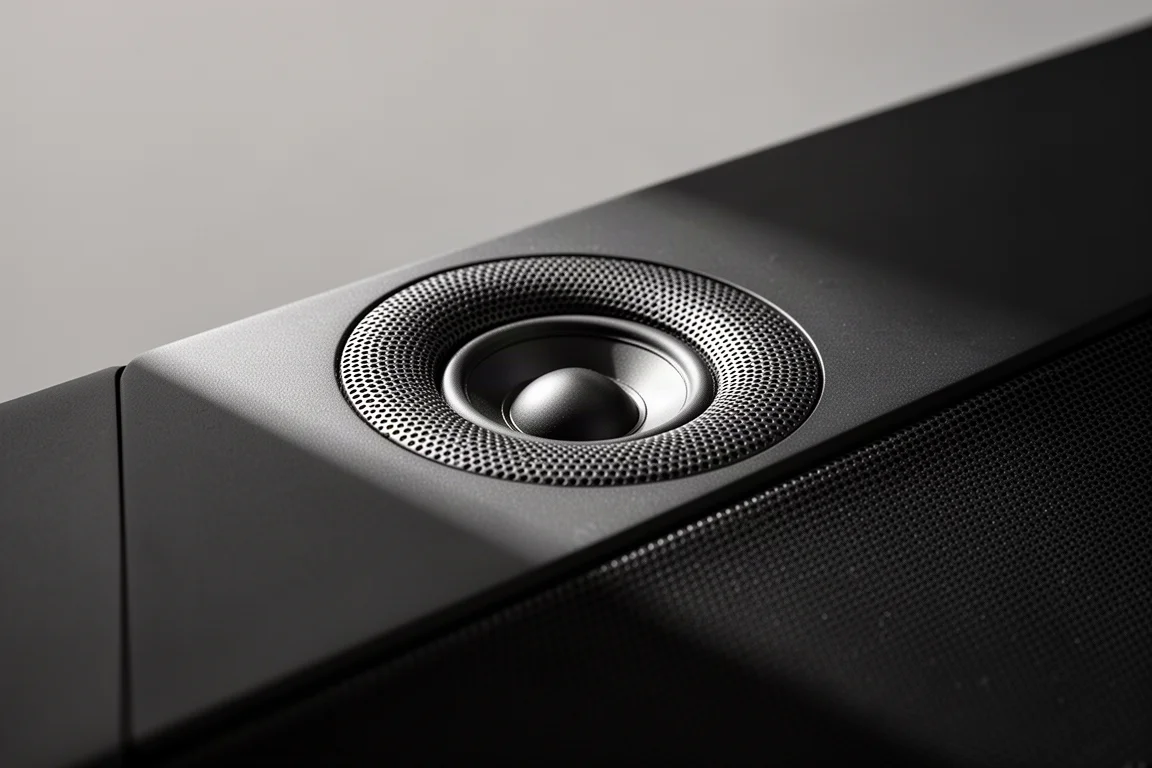
The 600 uses five drivers: a center-mounted tweeter for dialogue, two upward-firing woofers for Atmos and overhead spatial effects, and two side-firing drivers that spread sound laterally. That layout gives the bar a much larger sonic footprint than its physical size suggests.
Bose’s TrueSpace processing upmixes less demanding signals, such as stereo and Dolby Surround, into something closer to an Atmos-like presentation. The tuning is neutral leaning, with clarity and intelligibility as the headline traits. Dialogue carries a genuine sense of presence and detail, and the bar stays articulate at lower volumes, which matters in a bedroom or a shared space.
The tweeter is crystal clear, and the 600 shows noticeably more treble extension and less roll-off than the Sonos Beam Gen 2. It does not come across as forward or fatiguing. Push the volume to around 80 dB and a hint of grain appears; push it past 85 dB and the highs are audibly rolled off, most likely to protect the drivers.
That restraint at extreme volume is common in compact bars, and in normal listening conditions it never becomes an issue.
Main Strengths: Soundstage and Atmos Immersion
Soundstage is where the 600 separates itself from most small bars. It casts a wide, enveloping presentation without any surround speakers attached, and the effect holds up with content that was not mixed for Atmos.
Rooms with parallel walls and ceilings in the range of eight to ten feet get the most convincing result from the TrueSpace processing. In that kind of space, effects can be genuinely difficult to place, which is the highest compliment a virtual surround implementation can receive. Dynamically, the bar is also a step ahead of the Sonos Beam Gen 2.
Setup, App, and Everyday Use
Setup is close to plug and play. Connect the included HDMI cable between the bar and a television’s HDMI ARC or eARC input, and the bar is ready. The Bose Music app handles network setup, Bluetooth pairing, tone adjustments, and channel levels, but none of that is required if the factory tuning suits the room.
There is no automatic room calibration, so tone and channel levels have to be adjusted manually. The app itself works well, though on an older phone it occasionally failed to connect to the bar on the first attempt, while a newer phone connected without issue. The included remote is functional, and fine tuning is best done in the app.
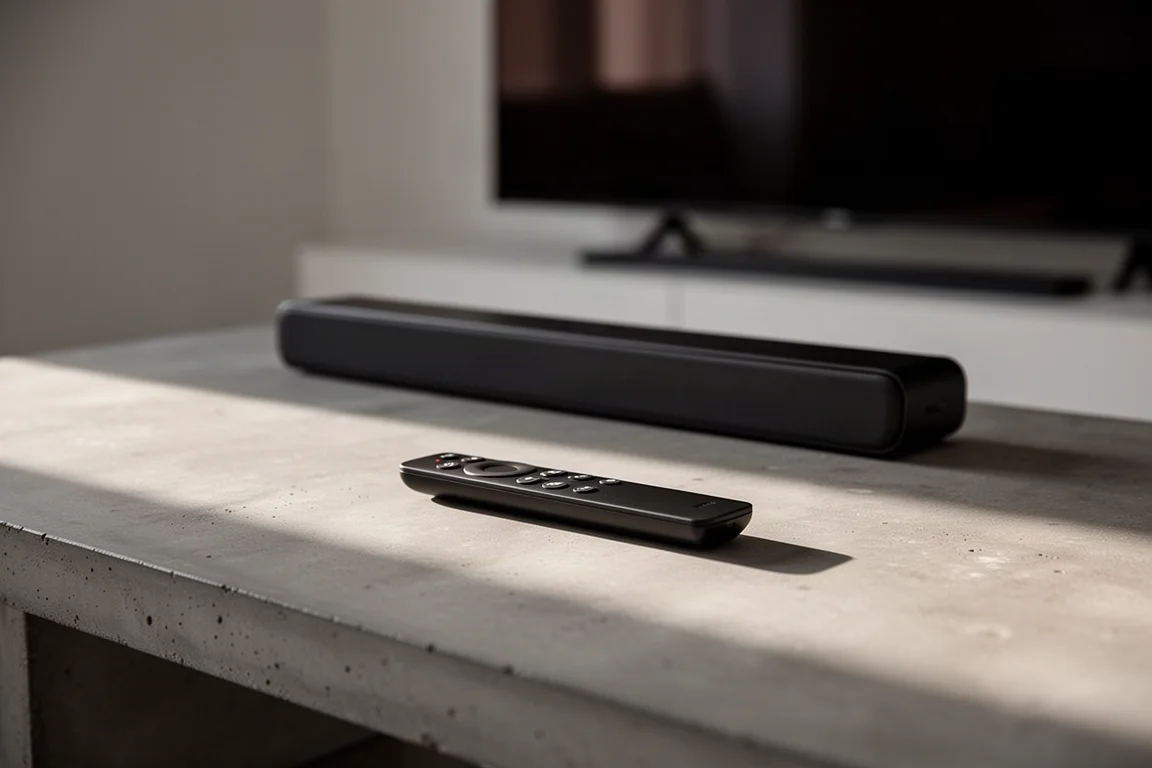
For day-to-day television use, the app is optional. Once the bar is connected, it behaves like a straightforward upgrade to built-in TV speakers.
Things to Consider Before Buying
Bass output reaches down to roughly 50 Hz. That is enough low-mid weight for small and medium rooms to sound natural, but in larger or open-plan spaces the Base Module 500 is closer to a requirement than an upgrade. Compared with the Sonos Beam Gen 2, the Bose has less added low-mid bass weight, which makes the Sonos sound fuller while the Bose stays more neutral.
The finish options are limited to black, and there is no auto room calibration. Input flexibility is minimal, so anyone who needs to switch between several sources should plan accordingly.
How It Fits Alongside Other Soundbars
At a similar price to the Sonos Beam Gen 2, the Bose 600 is the more impressive performer for surround immersion and low-volume intelligibility when neither bar has a subwoofer or surrounds attached. Bars such as the Polk MagniFi Mini AX and the LG Eclair cost less and give a stronger sensation of bass, though they do not actually play deeper, and both rely on a separate subwoofer. The JBL Bar 5.1 is a more neutral performer with excellent value at its asking price and includes a subwoofer, but it is not an Atmos bar, and its subwoofer needs careful placement to sound right. Once the Bose 600 is fully equipped with the subwoofer and surrounds, its price climbs into range of the Samsung Q990B, which counters with HDMI switching, more channels, and Atmos-enabled surrounds. Within Bose’s own range, the 600 gets close enough to the Soundbar 700 to make the 700 a hard sell, while the Soundbar 900 is a clear step up for larger rooms.
Buying Advice
The 600 makes the most sense as a standalone bar in a bedroom, office, or smaller living room, where its own bass output is sufficient and its dialogue clarity is the main draw. Buyers with larger spaces should budget for the Base Module 500 at $399, and add surrounds only if the room genuinely supports them. A complete Bose 600 system lands just under $1,300, at which point the alternatives above deserve a direct comparison.
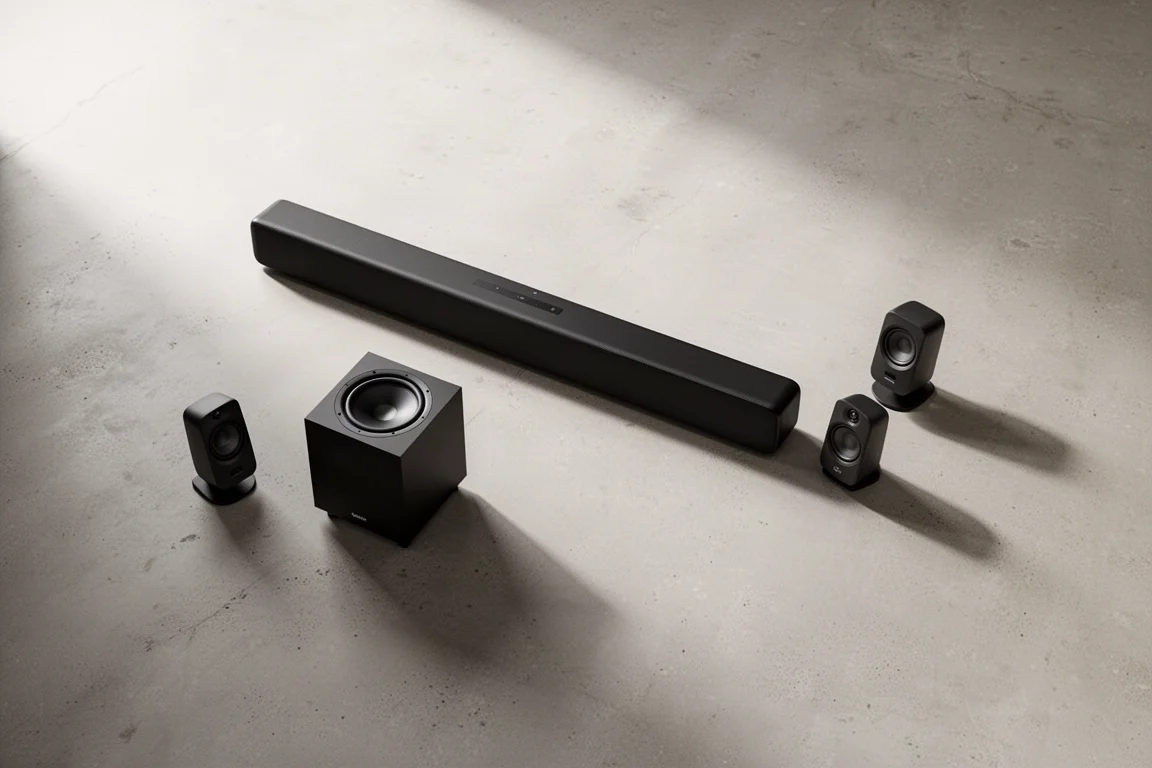
If the goal is simply better sound from a television in a modest room, the bar on its own is the cleaner purchase, and it is one of the more convincing compact Atmos bars available at its price.
Conclusion
The Bose Soundbar 600 keeps its feature list short and spends its effort on the things that matter day to day: clear dialogue at low volume, a wide and enveloping soundstage, and a genuinely simple setup. Its bass is honest rather than deep, it comes in black only, and it lacks automatic room calibration. For smaller rooms and apartment living, those trade-offs are easy to accept.
Product link
View more details for Bose Soundbar 600
This product is mentioned in the review. Check the specifications, options, and compatibility before buying.
View more details for Bose Soundbar 600Further reading
Related Reviews
Soundbars
Bang & Olufsen Premiere Review: A Compact Soundbar Built to Last
A close look at the Bang & Olufsen Premiere, a compact soundbar with deep bass for its size, automatic sound profiles, and a clear modular upgrade path.
Soundbars
Best Dolby Atmos Soundbars: Six Picks for Movies, Music, and Small Rooms
A practical roundup of six Dolby Atmos soundbars, from compact dialogue-focused bars to expandable systems and an all-in-one flagship.
Soundbars
Bluesound Pulse Cinema Review: A Music-First Soundbar With a Software Catch
A close look at the Bluesound Pulse Cinema, a 3.2.2 soundbar with a genuinely expressive midrange and natural tone, plus the app and expansion limits worth knowing before you buy.