Cycling Aero Gear
Body Rocket: On-Bike Drag Testing and the Aero Gear That Made a Difference
Body Rocket measures drag while you ride. Here is what the system does, how a time trial helmet and a skinsuit compared, and what to weigh up before buying.
Introduction
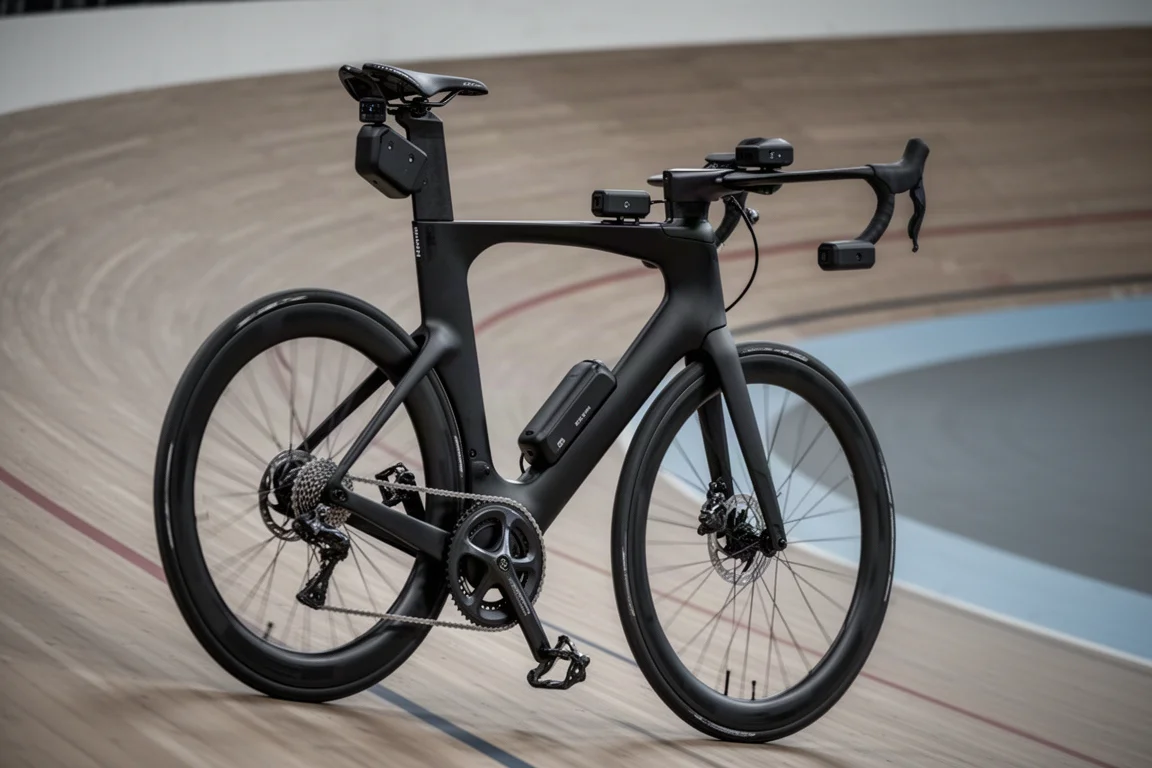
Several brands have promised real-time, on-bike drag measurement over the years, and none of those systems has reached the mainstream. Body Rocket is the latest attempt, and a velodrome test session suggests the concept is closer to working than it has ever been. The system measures the force pushing against a rider as they move through the air, then sends a drag figure to a display on the bike.
The same session compared two helmets and a skinsuit, and those results are useful in their own right. Position changes produced the largest gains, a dedicated time trial helmet added a clear saving, and the skinsuit only paid off once the pace rose. This article covers what the system does, what the gear delivered, and what to weigh up before buying.
What On-Bike Drag Measurement Actually Does
In a wind tunnel, the instrument that measures drag is a scale sitting underneath the bike. Body Rocket takes that scale and moves it to the contact points, so the system measures the resistive force against the rider as they push through the air rather than measuring the airflow passing over them.
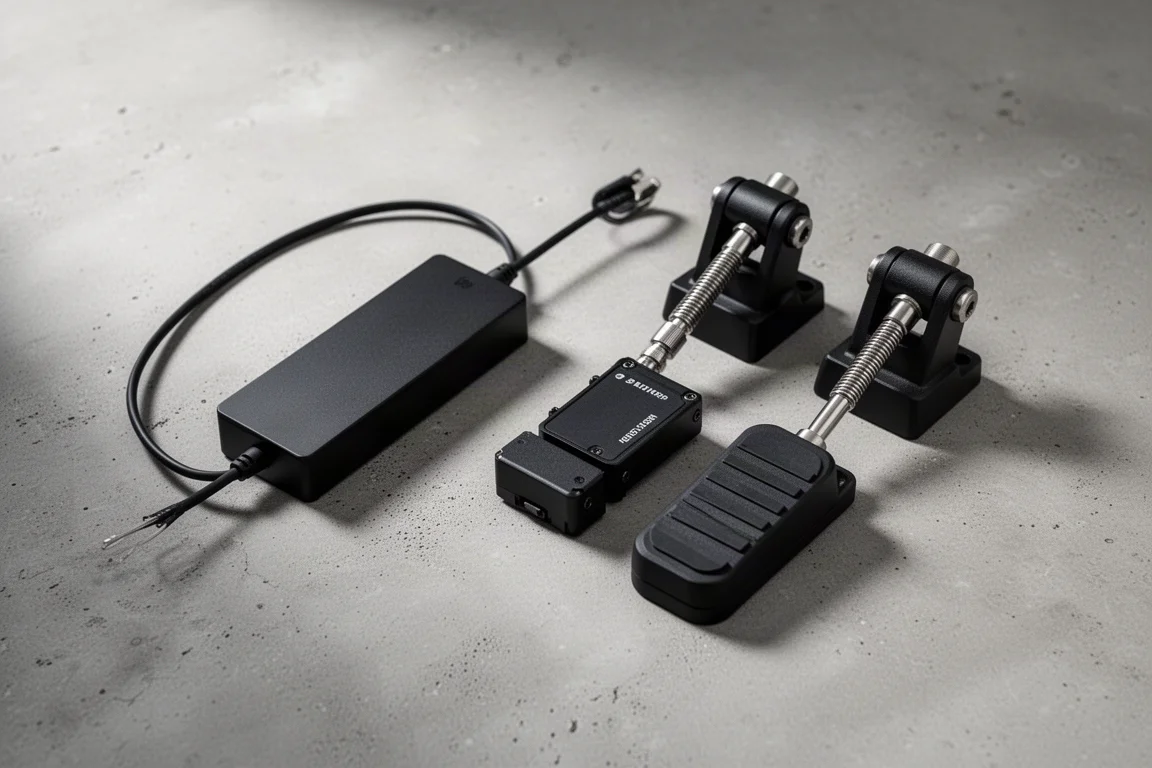
Sensors sit under the handlebar extensions, beneath the saddle and in the pedals. The readings travel to a central processor, and the resulting drag figure appears on a display mounted up front. A separate wind speed sensor, supplied by a partner company, provides the airspeed data the calculation depends on. The company has said it intends to develop its own version of that sensor for production units, with its own technology and packaging.
One detail that makes the package more practical is that the pedal sensors also function as power meter pedals. A rider who fits the system does not need to run a separate power meter on the bike.
The other half of the system is software. An individualised artificial intelligence network, known as Brian, acts as an aerodynamic assistant. It builds a testing protocol from the rider’s setup, reviews the data afterwards, and identifies which runs produced the lowest drag. It can also flag whether the data can be trusted when conditions change or lap times vary widely, which is arguably the more valuable function of the two.
Body Rocket: A Wind Tunnel on Your Bike
The version used in testing was a beta unit fitted to a time trial bike. The electronics appeared as a small box on the frame, and the company has said production versions will hide those components inside the other parts of the system. A more polished prototype shown alongside it looked noticeably cleaner and more integrated.
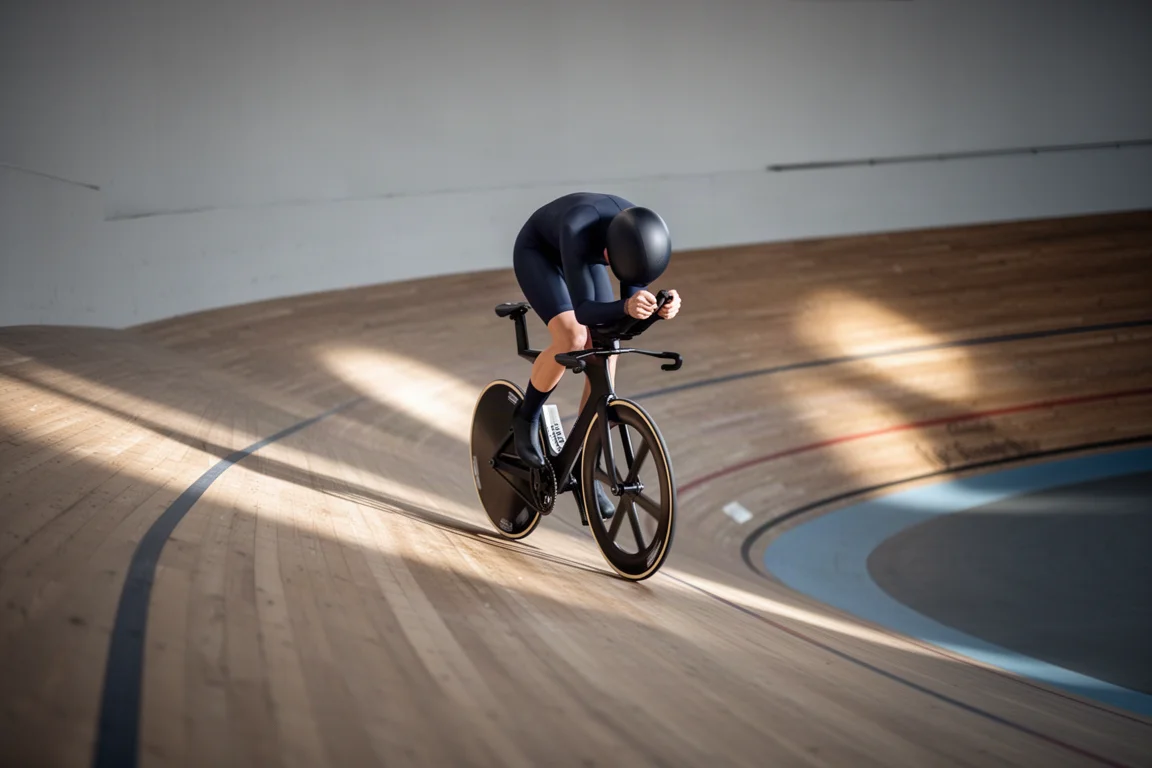
For the session, the assistant recommended a parameter sweep: short reach, long reach, extension angle increase and extension angle decrease. This is the approach professional aerodynamicists take, testing to the extremes to see how a rider’s body reacts and then adjusting from there. The recommendation was to change position first, because position has the biggest impact, before moving on to helmets and clothing.
Beyond the protocols, the assistant can analyse uploaded results, point to the runs with the lowest drag, and flag whether the data can be trusted. Early research also suggests that a camera placed at the side of the track can estimate joint positions from video, giving torso angle and head angle without motion capture markers or inertial measurement units, and showing whether a rider’s position drifted during a session.
On availability, the company has been running beta testers since December of the previous year and is readying a pre-sale campaign, with the system expected to be available to buy in September and delivery targeted for the following April. Pricing has not been locked in, but the expected range is between $2,500 and $3,000. On fit, there is a stated plan to cover around 70 percent of the triathlon bikes seen at Kona, while road bikes are a harder problem because of the far greater variety of saddle rails and handlebar systems.
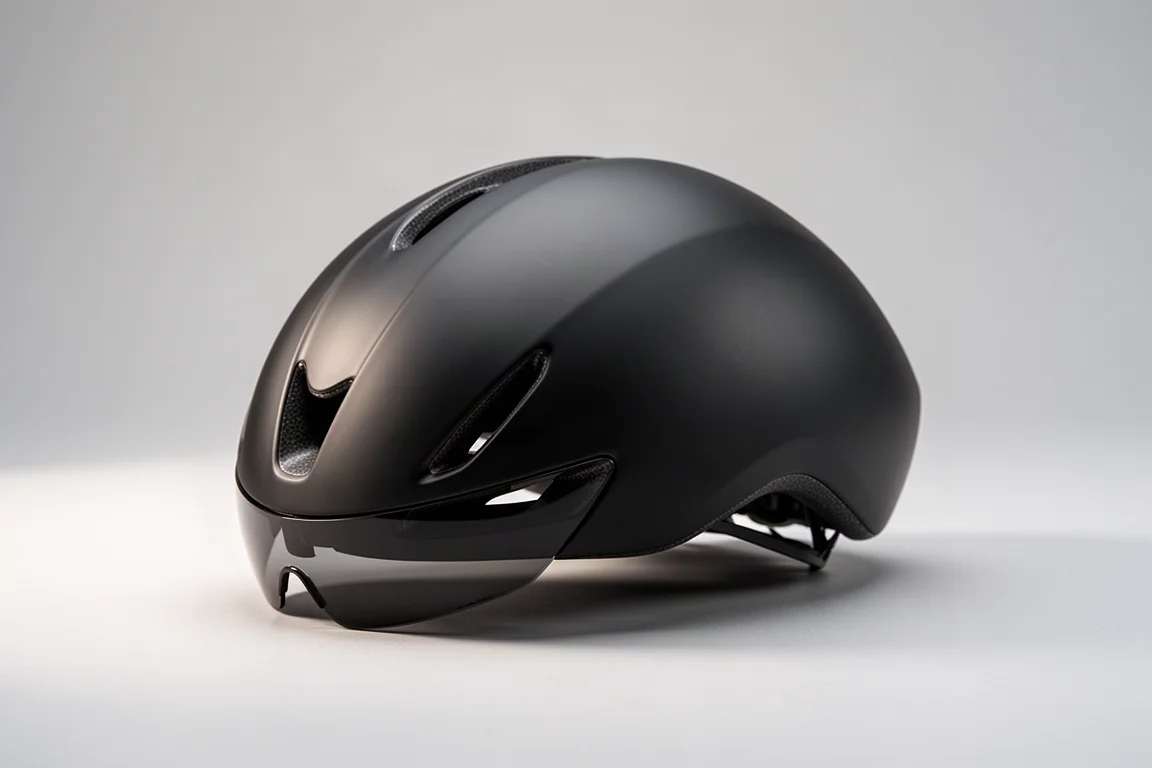
Kask Bambino Pro Evo: The Time Trial Helmet
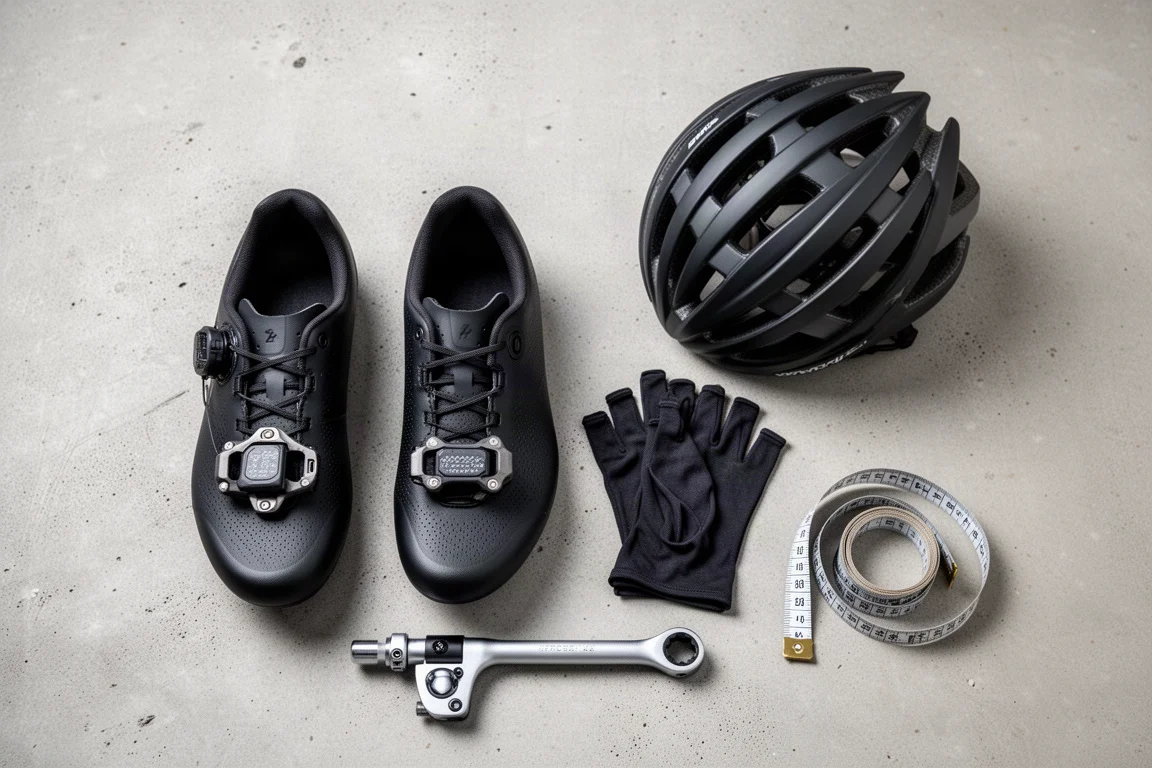
The first equipment change was a dedicated time trial helmet. Swapping from the road helmet to this design produced a saving of up to 13.2 watts in the same position, which is a substantial return from a single component.
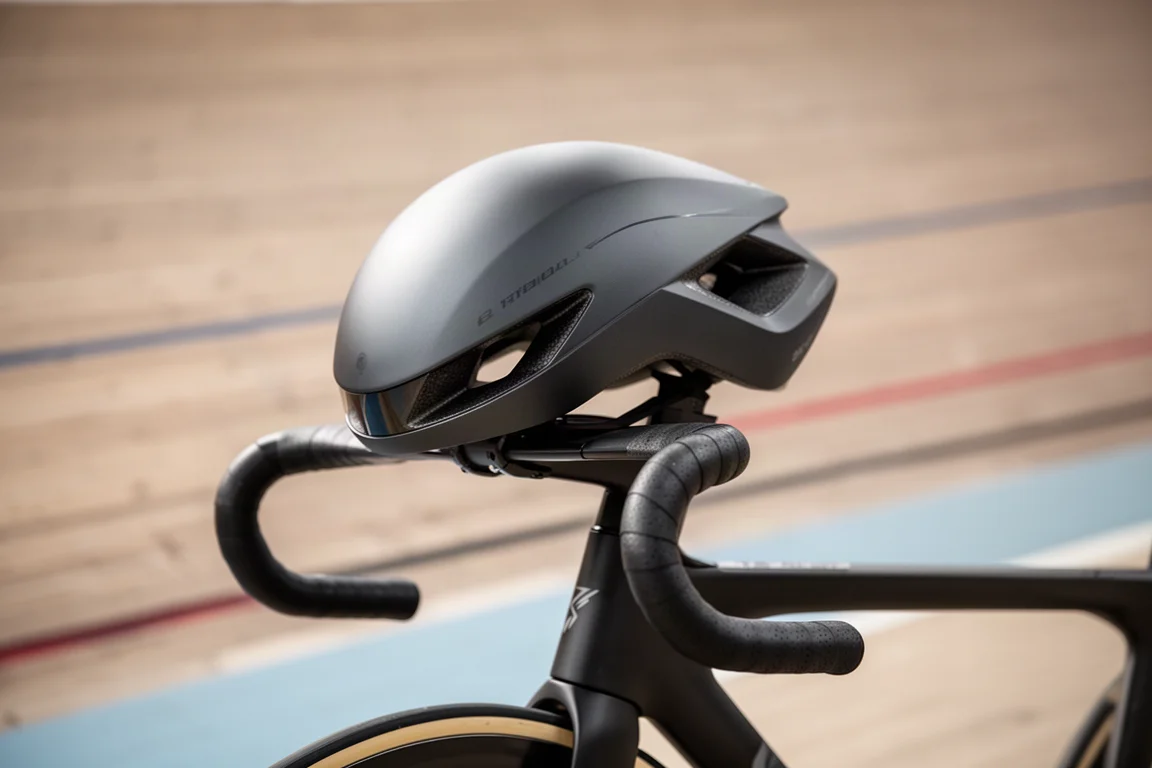
That figure is worth putting in context. The change takes seconds to make and costs nothing in fitness, which is exactly why aerodynamic equipment testing appeals to riders who already train hard. The size of the gain will vary with position, speed and conditions, but the direction of the result matches the purpose of the design.
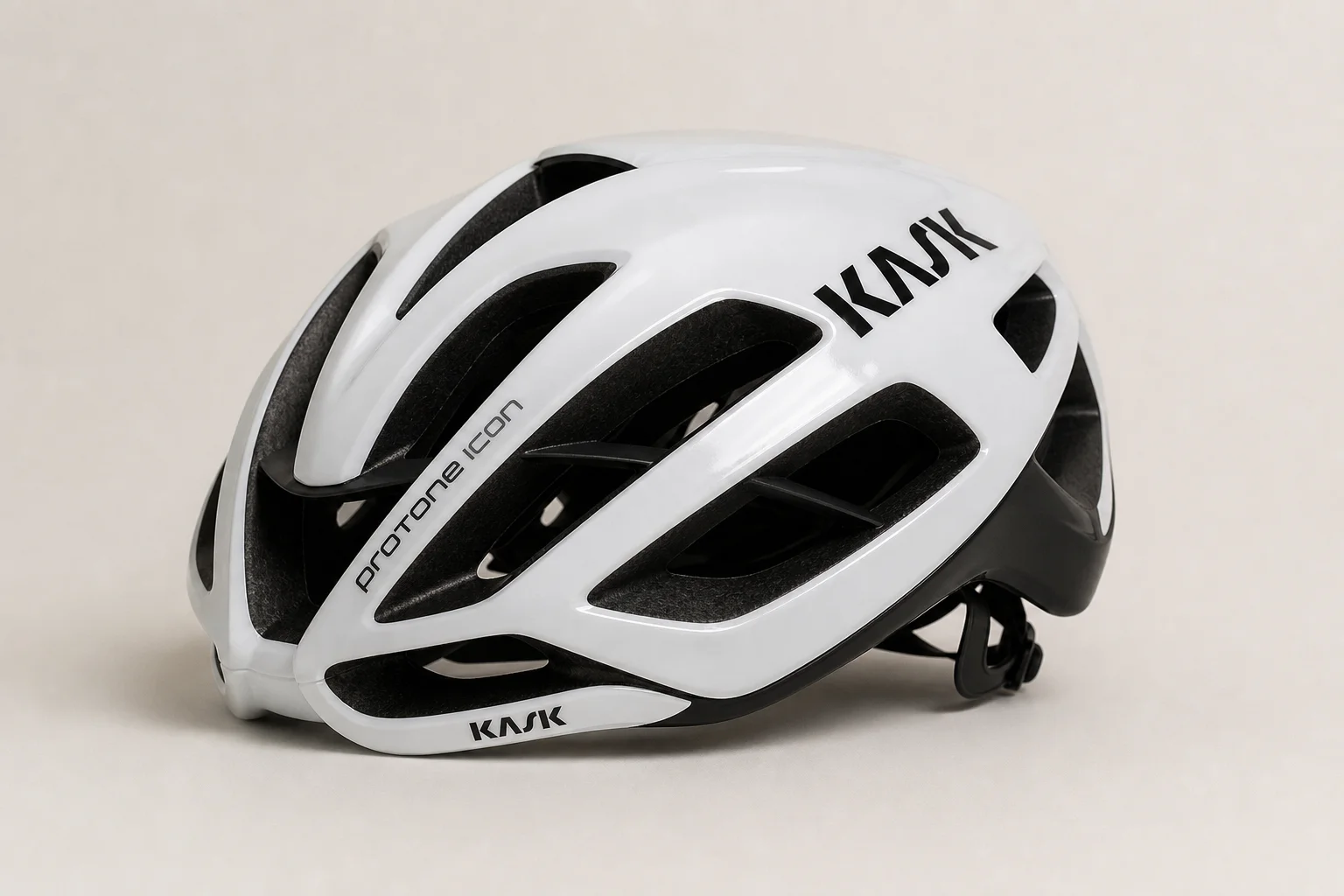
Kask Protone Icon: The Road Helmet Baseline
The road helmet served as the baseline for the helmet comparison. Riders spend most of their time in this kind of helmet, so it is the right reference point: it shows what a rider already owns before spending anything on a specialist design.
That baseline is what gives the comparison its value. A saving is only meaningful when it is measured against the setup a rider actually uses week to week, in the same position and on the same day, rather than against a headline figure from a different test.
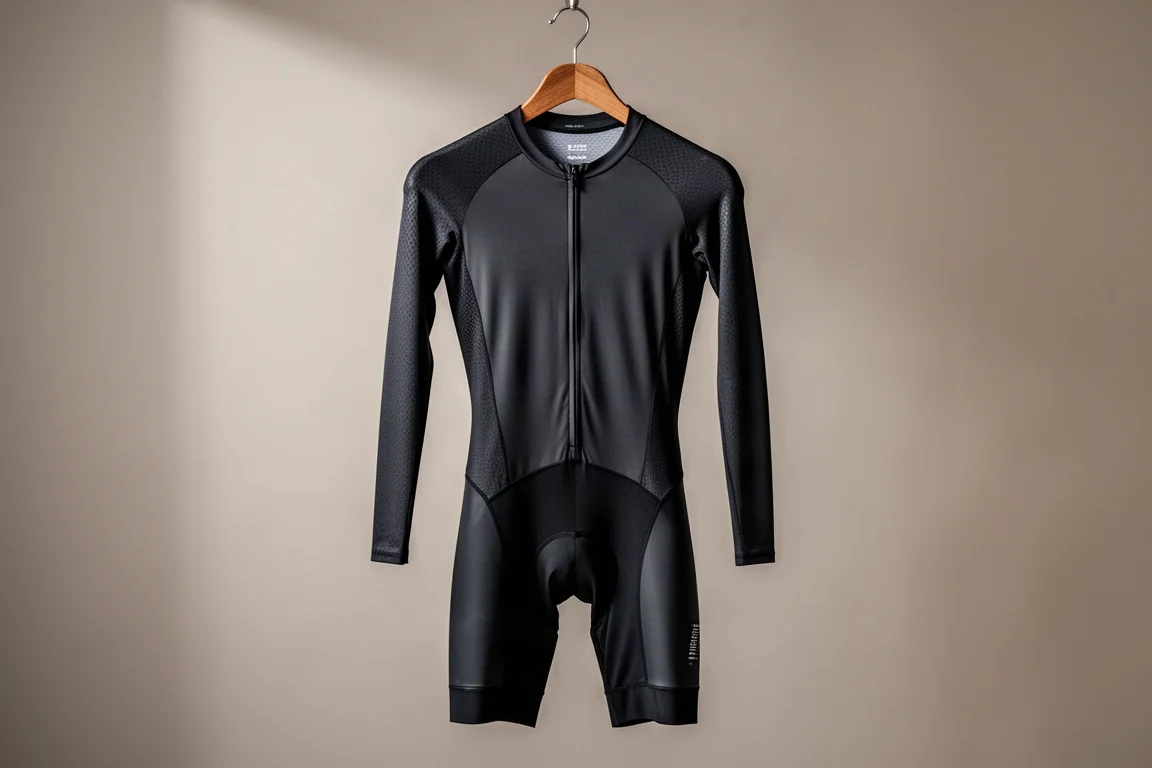
NoPinz Flow Suit: Where the Gains Depend on Speed
The skinsuit was the third change, and the result was more nuanced than the helmet. At the pace ridden during the session, the suit produced only a small gain. The explanation is that skinsuits are developed and tested at higher air speeds, and the rider was simply not going fast enough for the fabric and fit to work as intended.
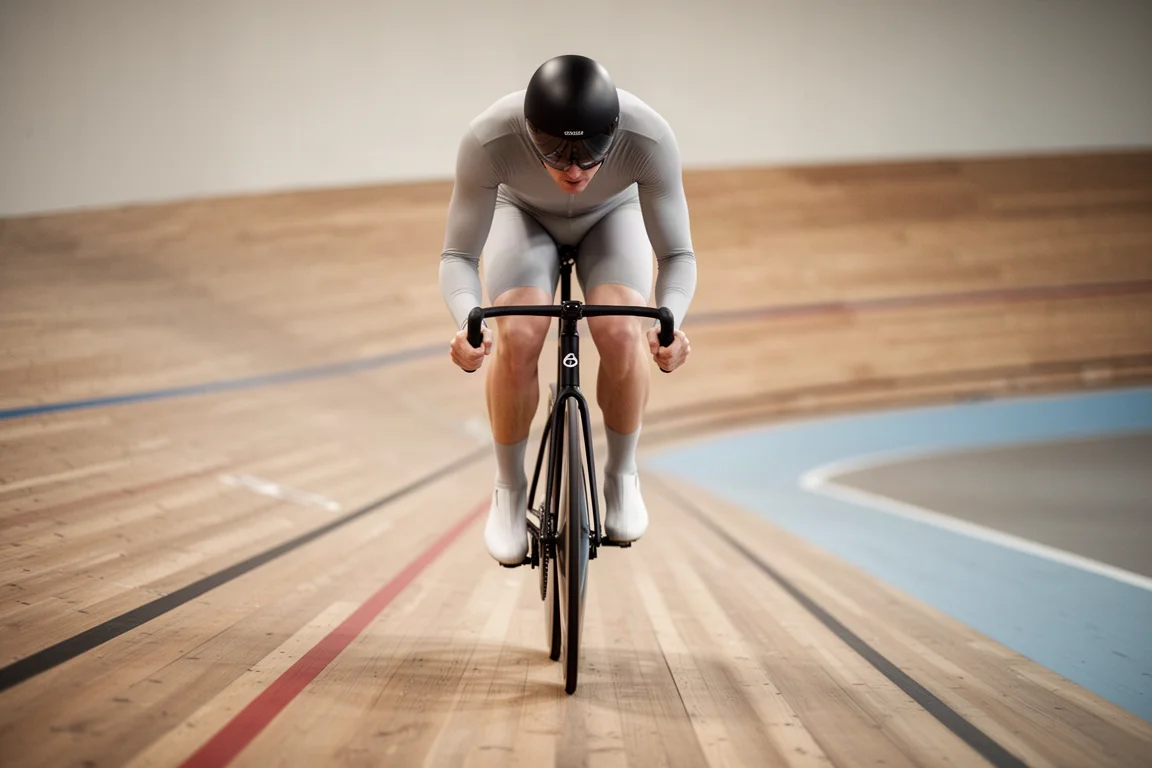
That does not make the suit a poor choice. It makes it a conditional one. A faster rider who holds higher speeds for longer should see more from it, and the same session showed the suit beginning to deliver once the pace was opened up. For riders at the slower end of the field, a helmet change is likely to offer a more reliable return.
What the Testing Session Showed
The baseline run produced a drag figure of 0.204 square metres. Increasing reach, which often helps, made things worse in this case: the rider moved around more and head position suffered, and drag went up.
Total saving from the first run to the best configuration came to 9.6 watts. The single largest contributor was position, worth 20.4 watts on its own. That comparison is the clearest argument for testing position before spending on equipment.
Only five runs were completed in roughly half a day, and that is part of the appeal. A rider with their own system could repeat the process as often as they like, rather than booking a limited block of wind tunnel time.
Overall Buying Advice
The order of operations matters more than any single product. Position changes delivered the biggest gain by a wide margin, a time trial helmet added a clear saving on top, and the skinsuit only made sense at higher speeds. Riders working through the same list should start with position and work down.
On price, the company has framed the system against wind tunnel access and against the original SRM power meter, which cost roughly the same at launch about 25 years ago. That argument only holds if the system gets used often. A rider who tests once and leaves it in the garage will not see the value, while one who runs regular sessions will.
Compatibility is the other consideration. There is a stated plan to cover around 70 percent of the triathlon bikes seen at Kona, and road bikes are a harder problem because of the sheer variety of saddle rails and handlebar systems. Anyone on a road bike should confirm fitment before committing.
Conclusion
Body Rocket works, and the data moved in the expected direction as changes were made. The interesting part is not that a drag figure appears on a screen, but that the gear comparisons it enabled were clear enough to act on. Position first, then a time trial helmet, then a skinsuit if the pace justifies it. For riders who test regularly, that is a more useful roadmap than any single purchase.
Further reading
Related Reviews

Backpacking Gear
Building a 10 lb Base Weight: An Ultralight Backpacking Gear List
A practical walkthrough of the ultralight pieces behind a 10 lb base weight, from a 765 g pack and a roomy one-person tent to a full camp chair and a dependable water filter.

Road Bikes
10 New Road Bikes Worth Watching: Aero, Titanium, Steel and Endurance Standouts
A practical roundup of 10 new road bikes, from aero flagships chasing single-watt gains to titanium, steel and endurance platforms built for real roads.
Saltwater Aquarium Setup
10 Questions About Cycling a Saltwater Aquarium: What You Need to Know
Essential questions and answers for cycling a reef tank or saltwater aquarium, from biome building to light management and bacterial supplements.