Road Bikes
Boardman SLR Review: SRAM Rival AXS and Shimano 105 Di2 Compared
A close look at the limited edition Boardman SLR, the second-generation SRAM Rival AXS groupset it debuts, and how Shimano 105 Di2 compares for riders shopping a mid-range carbon road bike.
Introduction
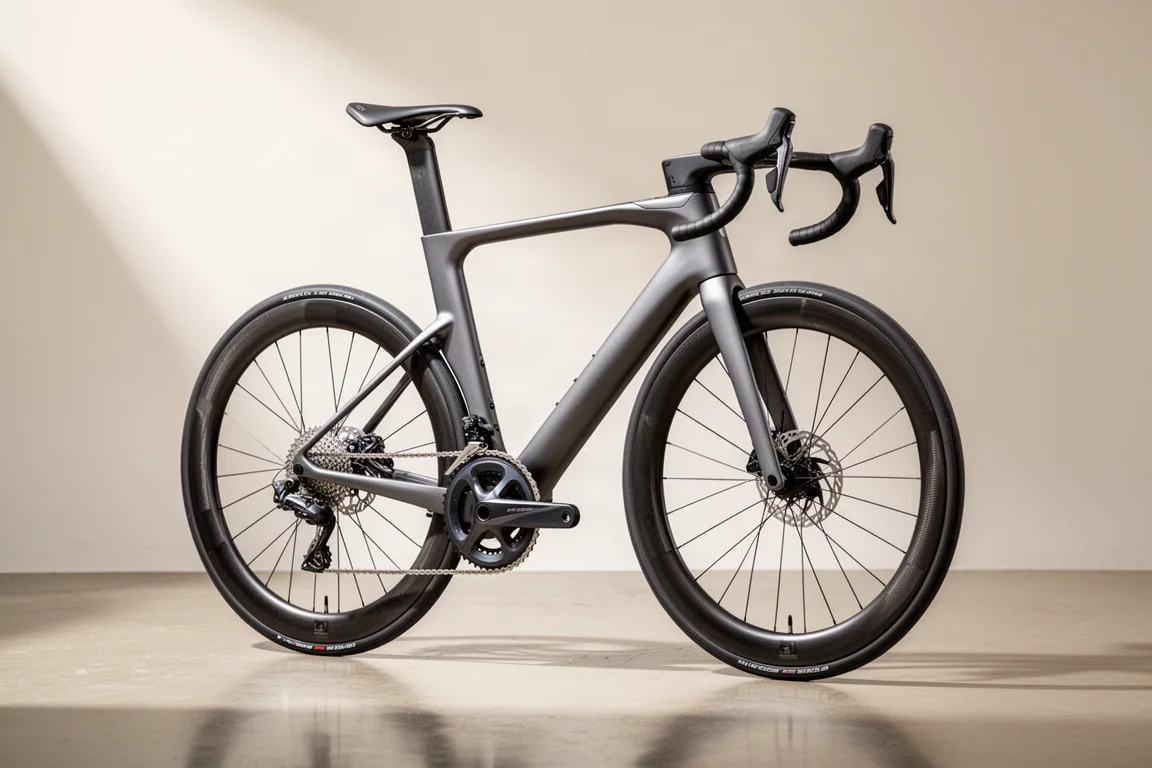
The Boardman SLR is the brand’s flagship road bike, and this limited edition build is the launch platform for the second generation of SRAM’s third-tier wireless electronic groupset, Rival AXS. It pairs a carbon race frame with a one-piece Vision Metron cockpit, Boardman’s own wheels and Goodyear tires, and a paint finish created to mark the new groupset.
At £3,100, the SLR sits at the value end of the carbon road bike market, and it is expected to sell out quickly. There is one important catch: Boardman bikes are sold in the UK only, so riders elsewhere cannot buy one.
This guide covers the bike itself, the groupset that defines it, and how the closest alternative, Shimano 105 Di2, compares.
Why the Boardman SLR Stands Out
The SLR is not a brand new nameplate. It is an update to a model that has been part of the range for several years, and the current version arrived as Boardman’s flagship road platform. The frame is carbon, the geometry is race-focused, and the ride quality is the kind usually associated with a considerably more expensive bike.
Value is the headline. At £3,100, the SLR undercuts comparable builds from better-known brands by a meaningful margin. Riders looking at a rival carbon race bike with an older Rival groupset or 105 Di2 should expect to pay roughly £400 more for the equivalent specification.

Part of what keeps the price down is the parts selection: Boardman’s own wheels, Goodyear tires and a groupset that prioritises performance over weight. Nothing about the build feels like a compromise on the road, and the limited edition finish adds a level of visual polish that is unusual at this price.
Boardman SLR: The Bike
The SLR rides the way a modern carbon race bike should. It is fast, immediate and responsive, with steering and power delivery that feel direct rather than relaxed. Comfort is better than the category suggests, and most of that comes from the 30 mm tires rather than the frame.
The seatpost is an oversized aero shape, which flexes less than the skinnier posts now appearing on some top-end race bikes. It is not uncomfortable, but it does mean the tires are doing most of the work once the road surface turns rough.
Weight comes in at 8.2 kg as measured, which is competitive for the money. Bikes at the very top of the market sit around 7 kg, and dropping below that threshold generally means spending around £10,000, roughly three times the price of this build.
The limited edition adds a one-piece Vision Metron carbon cockpit with a sweep-forward shape. It fits a 181 cm rider on a medium frame well, and the shape stays comfortable over longer rides. The trade-off with any one-piece bar and stem is fit adjustment: changing stem length or bar width means a trip to the bike shop rather than a quick swap.
The bike ships with inner tubes, so a tubeless conversion is the simplest next step for riders who want to trim weight and reduce puncture risk.

SRAM Rival AXS: The Groupset Story
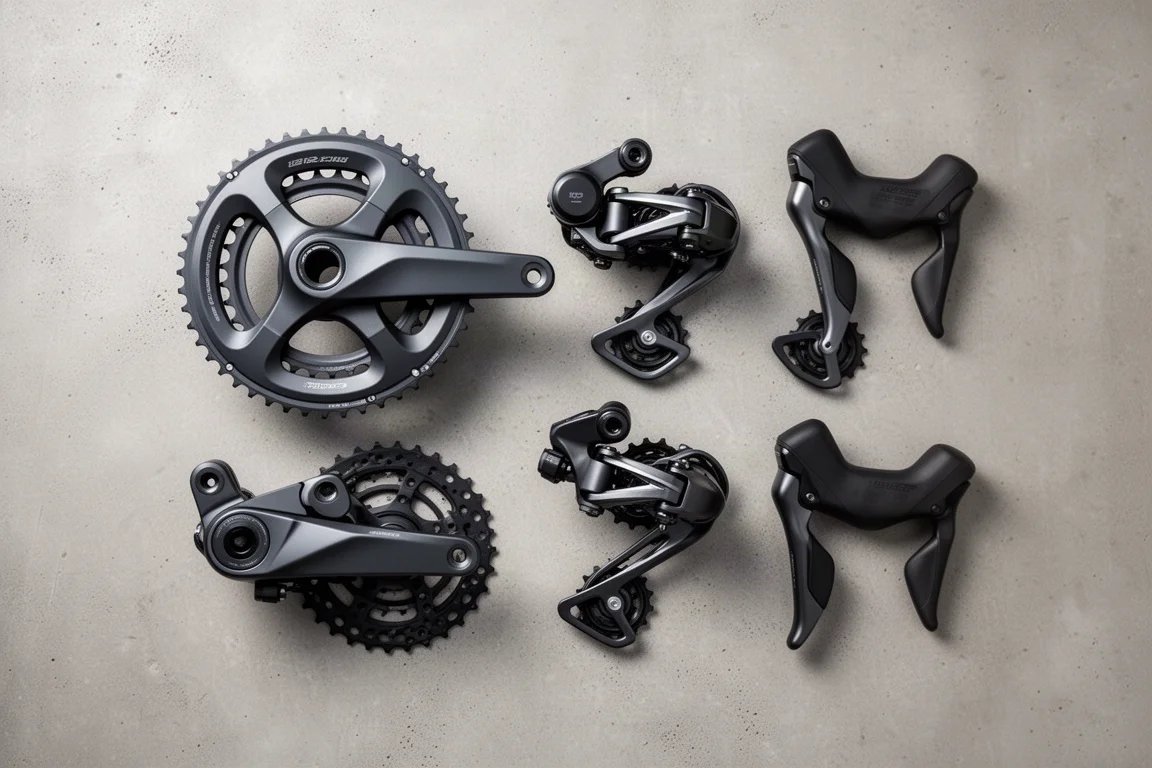
SRAM Rival AXS is the third tier of the company’s wireless electronic disc brake range, and this second generation carries the same fundamental technology and the same improvements introduced on Red and Force. The pitch is straightforward: top-level performance, less concern about weight, and a lower price.
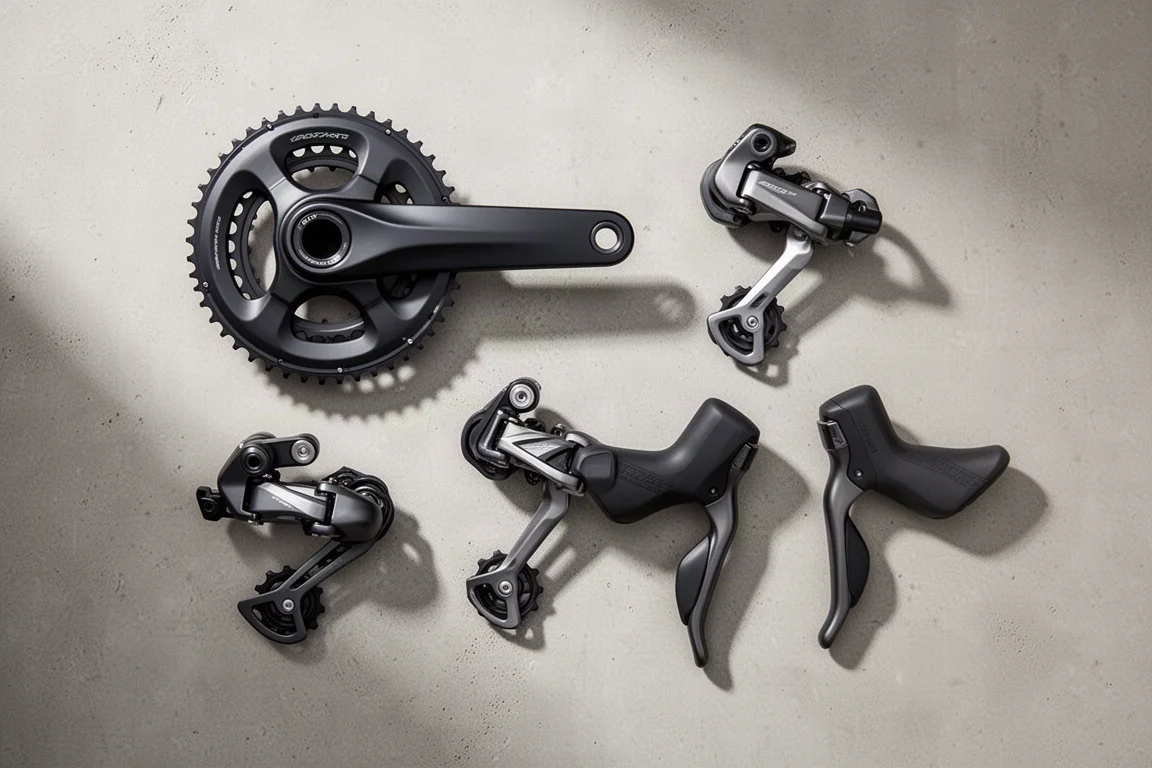
The hoods are the biggest change and the strongest reason to consider this groupset. The shape is longer, narrower and more rounded than the previous generation, with plenty of room for the palm and a natural place to rest the hand. It is a substantial ergonomic step forward, and it compares well with the hoods on Shimano 105 Di2.
Brake feel is the other standout. Lever action is exceptionally light, and one-finger braking is realistic on descents and through corners. Modulation is easy to read and there is plenty of power when you need it. The front derailleur has also been updated with a stiffer, narrower cage, improved shift quality and automatic trim adjustment, a feature the first generation lacked.
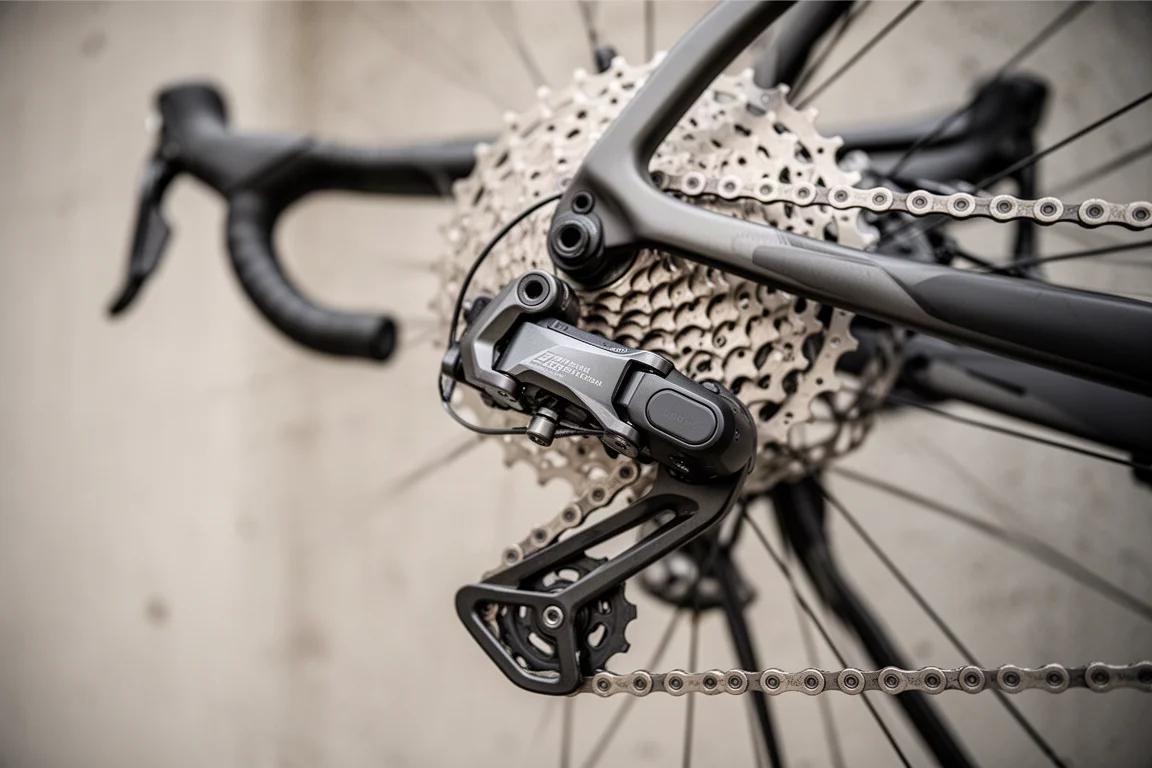
Shift speed is quick and consistent. Compared with the first-generation Rival, the difference in real riding is minimal: press the lever and the gear changes. Battery placement and battery technology carry over unchanged from the previous generation. The one feature missing here is the extra bonus buttons found on Force and Red, though 105 Di2 does not offer them either.
Rival AXS Cranks, Gear Ratios, and Long-Term Costs
The cranks are the most debated part of the new groupset. A hole through the crank arm saves weight, and the look divides opinion. The chainrings are now a single piece that threads onto the crank arm, which saves weight and adds stiffness, but it also means that if you wear out either the big or the small ring, you replace both. A complete chainring set costs around £120, which is modest next to higher-tier SRAM options.
Gear ratios remain one of the strongest arguments for SRAM groupsets. This build uses a 48/35 chainset with a 10-36 cassette, a combination that makes steep climbs and long mountain days noticeably easier than the gearing typically found on Shimano or Campagnolo builds.
The groupset itself starts from £1,400, with no power meter option at that price. It is also backwards compatible, so riders with an older SRAM-equipped bike can upgrade without changing the rest of the drivetrain.
Shimano 105 Di2: The Closest Alternative
Shimano 105 Di2 is the other third-tier electronic groupset, and it sits in a similar price bracket. Its recommended retail price is around £300 higher than Rival AXS, which matters more at full price than at discounted high street pricing.
On outright shift speed, 105 Di2 still holds a slight edge, particularly when the bike is up on a work stand. Out on the road the gap is hard to notice: both systems change gear the moment you press the lever.
The more meaningful difference is at the hoods. The 105 Di2 lever leaves less space between the brake lever and the handlebar, so fingers placed behind the lever can be squeezed when you pull the brake. Rival AXS leaves noticeably more room, a small detail that shows up on every ride.
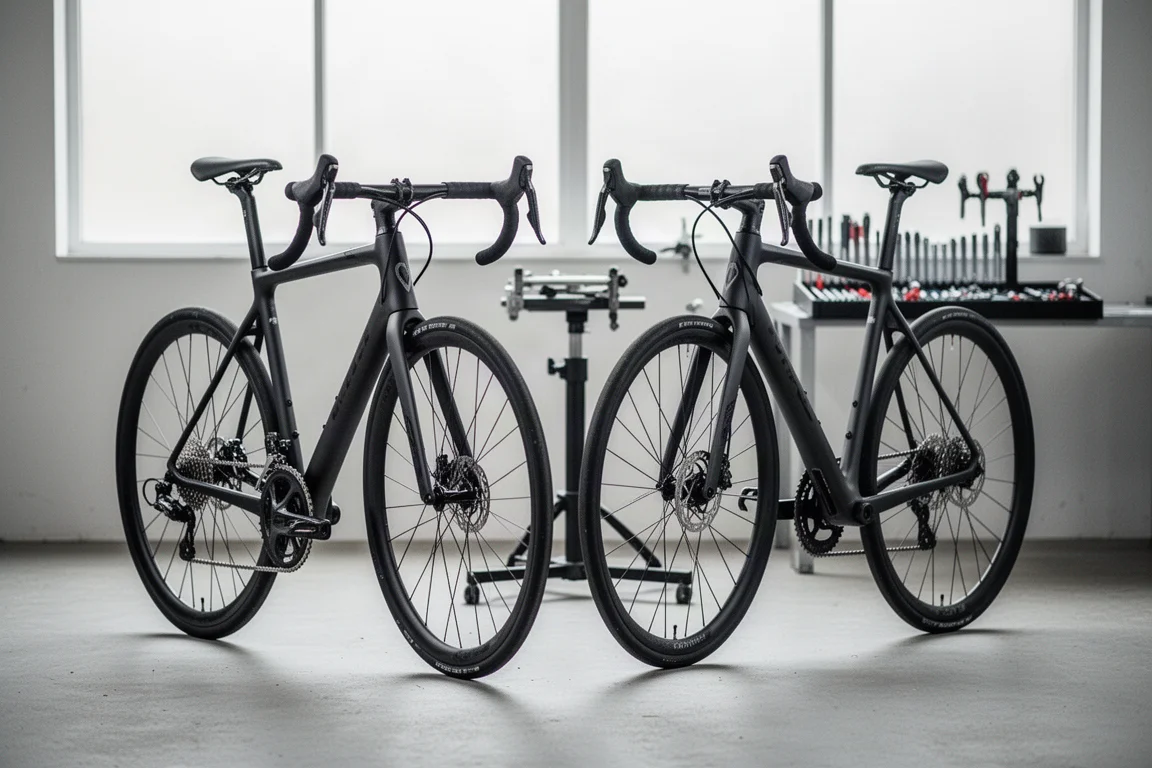
Like Rival AXS, 105 Di2 does not offer the extra bonus buttons found further up the Shimano range. For riders choosing between the two, the decision usually comes down to hood comfort, brake feel and price rather than shifting performance.
Ride Feel, Weight, and Real-World Pace
Put together, the SLR and Rival AXS make a fast, immediate and responsive package. The frame reacts quickly to input, comfort is good for a race bike, and the wide gear range keeps long climbs manageable. Shifting stays quick and predictable whatever the terrain.
The bike is not the lightest carbon race machine available, at 8.2 kg measured, but the price has to be weighed against that. Weight is the one area where spending more genuinely buys something, and the gap to a top-end build is smaller than the price difference suggests.
Riders who want to close part of that gap have an easy option: the bike still runs inner tubes, so a tubeless setup is the obvious first upgrade.
Buying Advice: Who Should Buy What
Riders in the UK who want a carbon race bike with electronic shifting at a keen price should look closely at the SLR. It is a limited edition, and stock is expected to disappear quickly, so timing matters more than usual.
Riders who already own a SRAM-equipped bike have a different decision to make. Rival AXS is backwards compatible, and the hoods and the brakes are the two areas where an upgrade is genuinely felt. If minimum weight is the priority, the new groupset is less compelling.

Riders weighing Rival AXS against 105 Di2 should start at the hoods. Rival AXS offers more room between the lever and the bar along with a lighter brake action, while 105 Di2 has a slight edge in shift speed and a higher recommended retail price. Neither system includes the bonus buttons found further up the range.
Riders outside the UK cannot buy a Boardman, so the groupset comparison is the part of this guide that will be relevant to them.
Conclusion
The Boardman SLR is an unusual combination of a race-ready carbon frame and a brand new groupset at a price that undercuts most of the competition, and the main limitation is availability rather than the bike itself. For UK riders, it is one of the strongest value propositions in the mid-range carbon road bike market.
SRAM Rival AXS delivers the parts of the range-topping groupsets that matter most day to day, the hoods and the brakes, while keeping the price and the wide gear ratios that make long climbs easier. The cranks are the one element likely to divide opinion, both in appearance and in the cost of replacing worn chainrings.
Shimano 105 Di2 remains a strong alternative, quicker on the work stand and slightly more expensive at retail, but less comfortable at the hoods. Either way, the third tier of the electronic groupset market now delivers performance that leaves very little to be desired on the road.
Further reading
Related Reviews

Road Bikes
10 New Road Bikes Worth Watching: Aero, Titanium, Steel and Endurance Standouts
A practical roundup of 10 new road bikes, from aero flagships chasing single-watt gains to titanium, steel and endurance platforms built for real roads.
Road Bikes
2026 Tour de France Road Bikes: Six Race Machines Worth a Closer Look
Six race bikes from the 2026 Tour de France grid, reviewed for paint, silhouette, wheels and the specification details that matter to buyers.
Road Bikes
3T Strada Italia Review: A Radical Aero Road Bike That Rides Smooth
A made in Italy carbon aero road bike with a deep head tube, wide tire clearance and a genuinely comfortable ride. Here is what to know before buying.