Ski Boots
BOA Ski Boots Roundup: Five Models Worth Knowing
A practical look at five BOA-equipped ski boots from K2, Salomon, and Fischer, plus how the wrap-style closure changes fit and what to check before buying.
Introduction
BOA has moved from novelty to a genuine option in ski boots. Instead of the traditional lower buckles, a rotary dial and a thin steel cable wrap the lower shell around the foot, and the effect on fit is more substantial than the mechanism suggests.
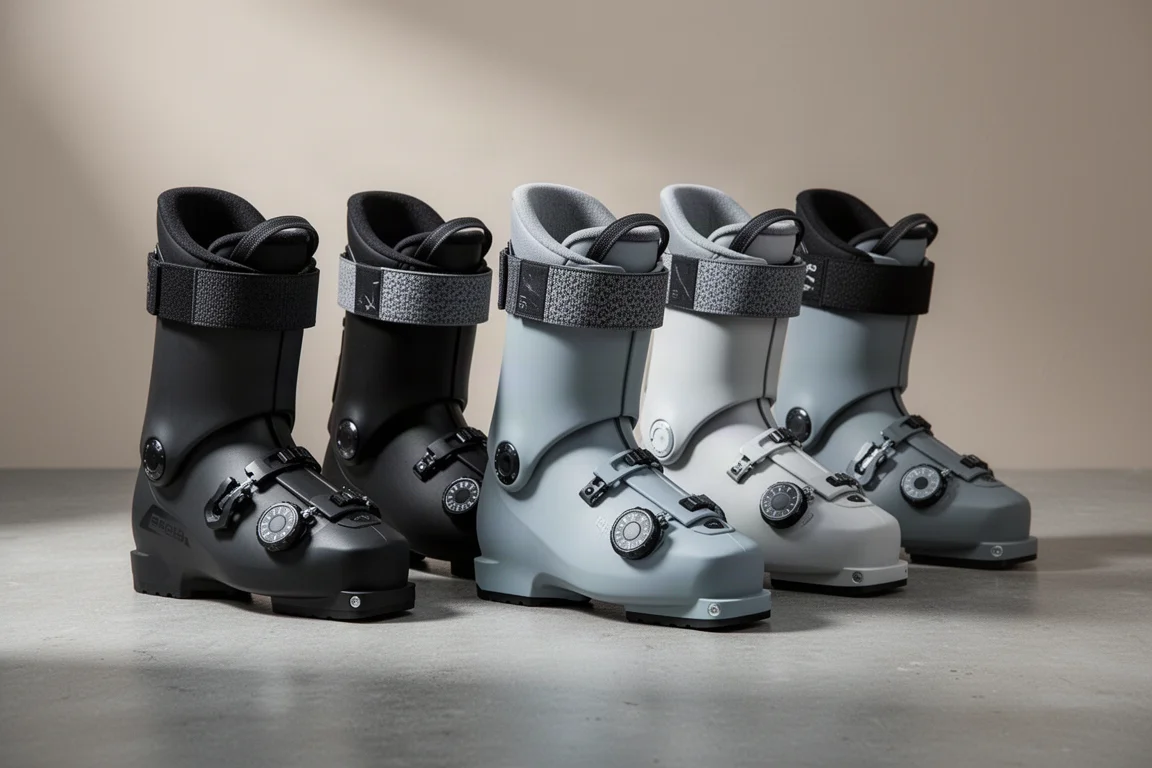
This roundup covers five BOA models from K2, Salomon, and Fischer: two K2 boots that are available now, a third K2 model shown ahead of its retail release, a 130-flex Salomon, and a 140-flex Fischer built on the brand’s top-end race platform. Each brand approaches the forefoot design a little differently, so the details are worth comparing side by side.
How BOA Changes the Fit
Buckles push down on the shell. The BOA system pulls both sides of the lower shell inward, so the boot wraps the foot rather than compressing it from above. That difference matters most across the top of the foot, where a high instep often forces skiers into a larger size or a different boot altogether.
K2 leans on this in its product literature, positioning the closure as a way to reduce the need for a dedicated low-volume boot. Most BOA models are built on a mid-volume 100 mm forefoot last, and the dial can cinch the shell down to roughly a 97 mm equivalent. The K2 Recon 120 Boa is listed with an effective last range of 97 to 106 mm, which is a wide spread for a single shell.
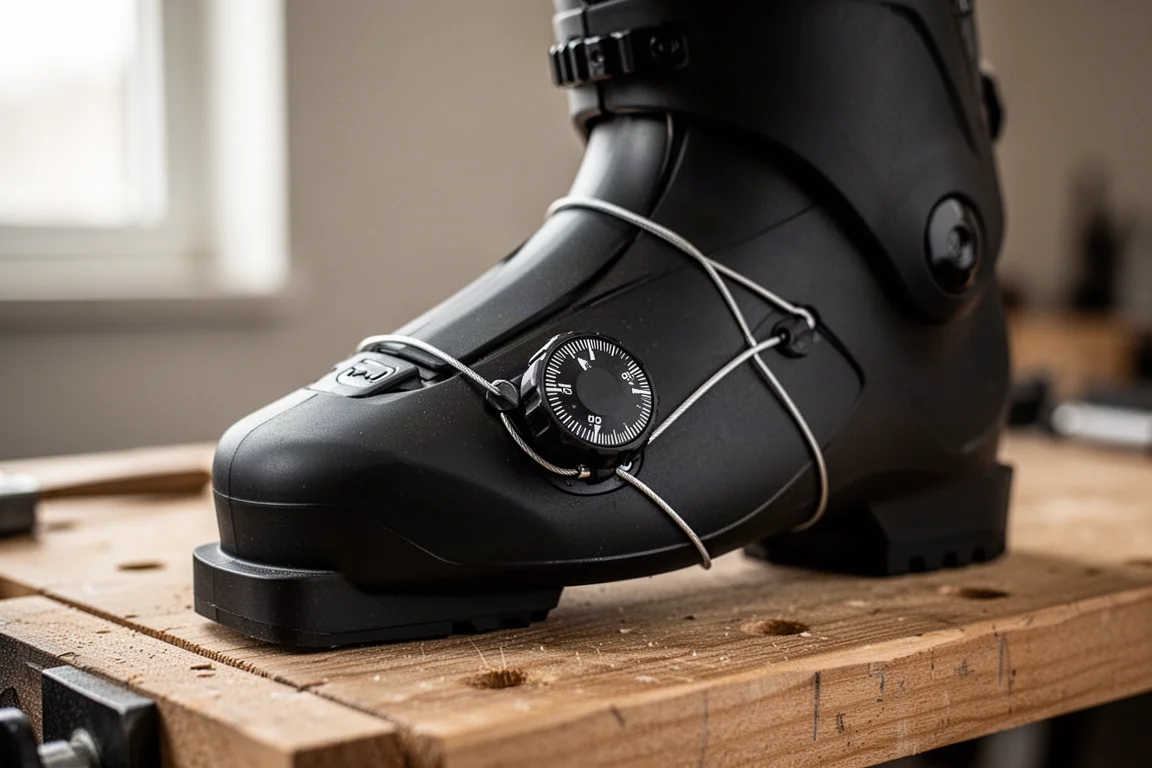
On snow, the practical gain is continuous adjustment. A buckle gives you a position; the dial gives you a range, and you can tighten or release the lower shell without changing the rest of the boot’s fit. Because the two lower buckles on a traditional boot are the less influential pair, adding precision there changes how the lower shell holds the foot rather than how the cuff drives the ski.
K2 Recon 120 Boa
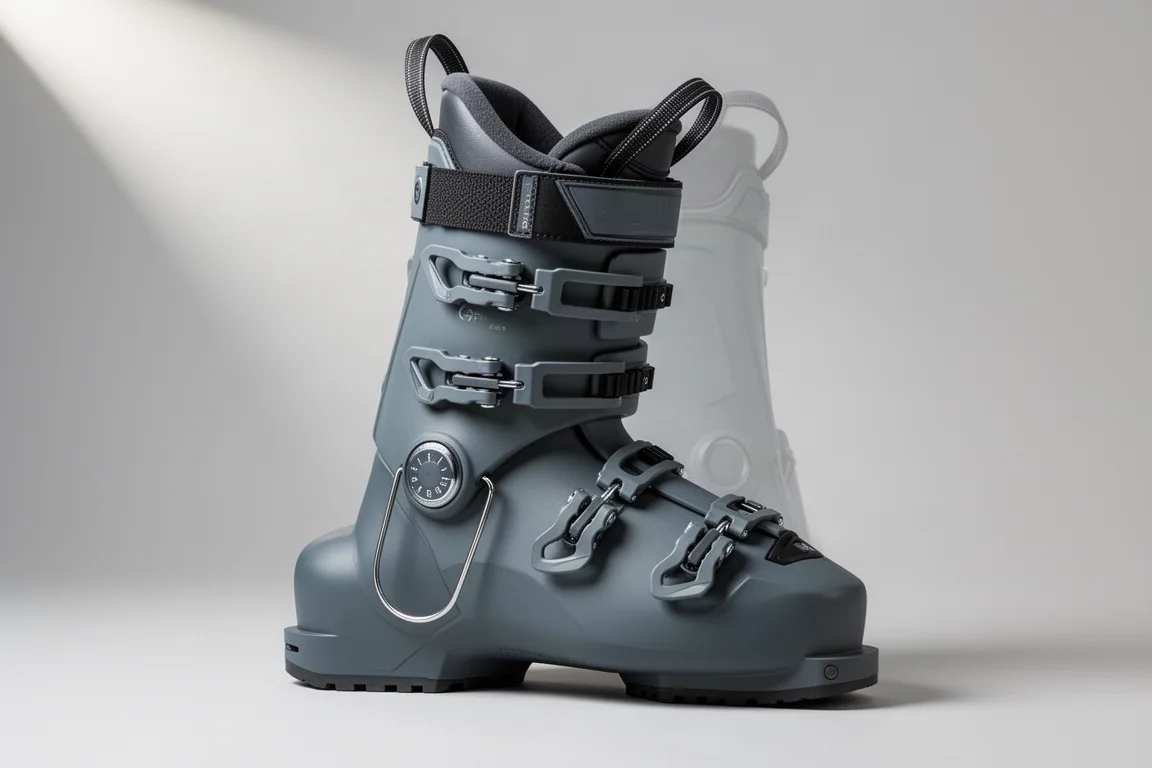
The Recon 120 Boa is the men’s model in K2’s launch pair, with a 120 flex and the mid-volume 100 mm shell described above. The stated 97 to 106 mm last range makes it an unusually flexible starting point, particularly for skiers with a high instep who normally have to size up or have the shell punched out.
K2 Anthem 95 Boa
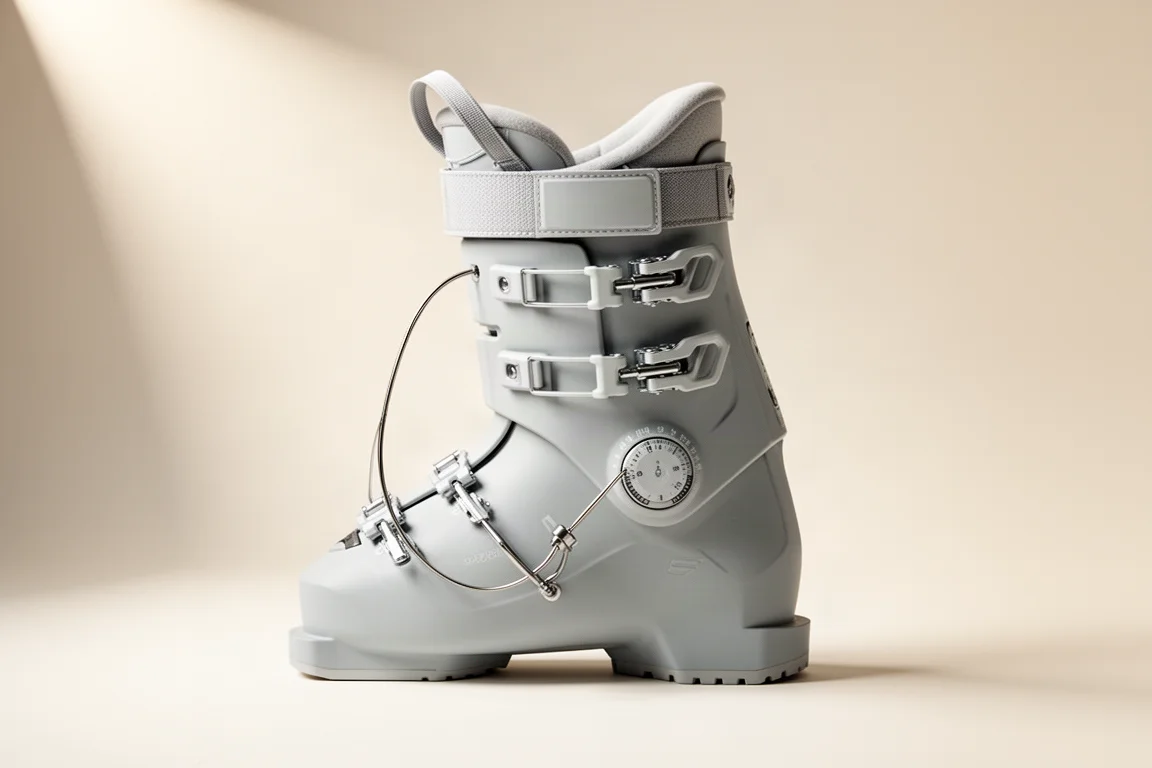
The Anthem 95 Boa brings the same closure design to a women’s boot with a 95 flex. The softer flex and the wrap-style lower shell suit skiers who want a comfortable, easily adjusted fit without a stiff, race-oriented cuff.

Both K2 models share the same core idea: a mid-volume shell that the dial can pull in to suit a narrower foot. That makes them a natural pair for households shopping the same category, with flex rather than closure as the main decision.
K2 Mindbender 130 Boa
The Mindbender 130 Boa extends the system into K2’s freeride line with a 130 flex. It has been shown ahead of its retail release, so availability will follow the two models above. Skiers who already like the Mindbender shape and want the wrap-style lower closure have a clear reason to wait for it.
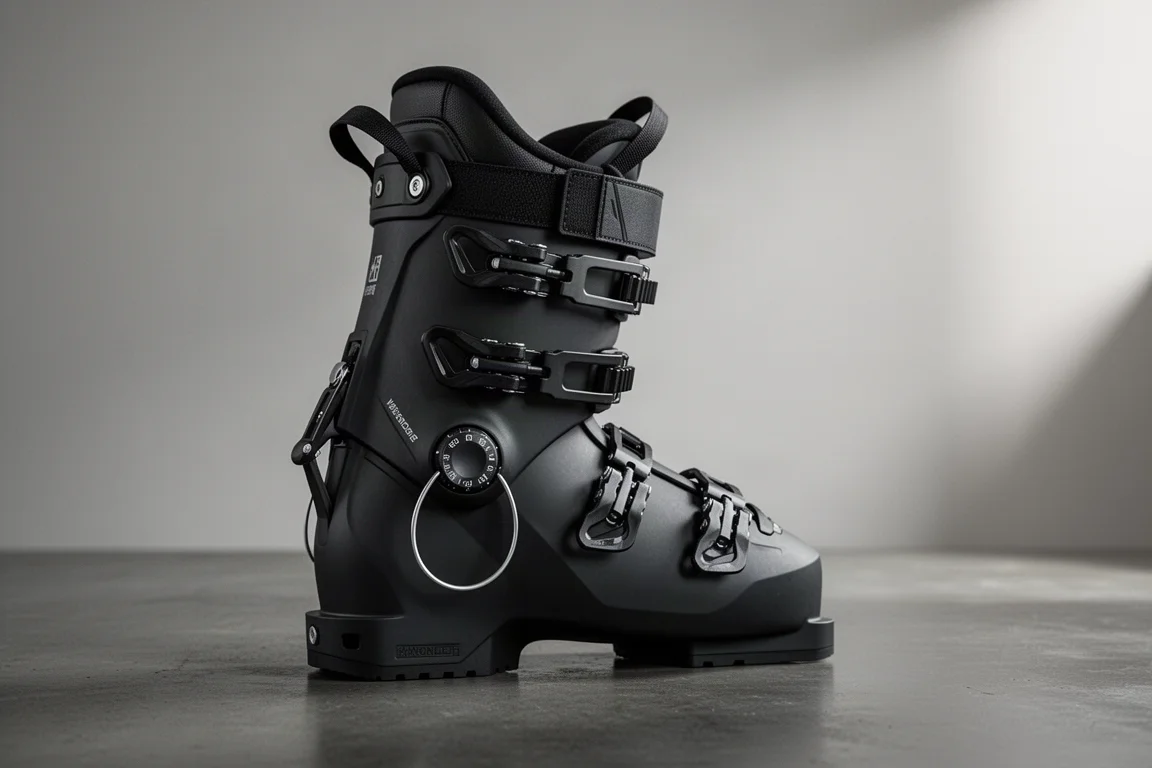
Salomon S/Pro Supra 130 Boa
Salomon’s S/Pro Supra 130 Boa keeps the 130 flex and the fit of the S/Pro 130 and X-Pro 130 platforms, with the lower buckles replaced by the dial. Early on-snow time with this boot points to the same conclusion as the K2 models: it is not a higher-performance boot than its buckle counterpart, but the finer fit adjustment has a real effect on how it skis.
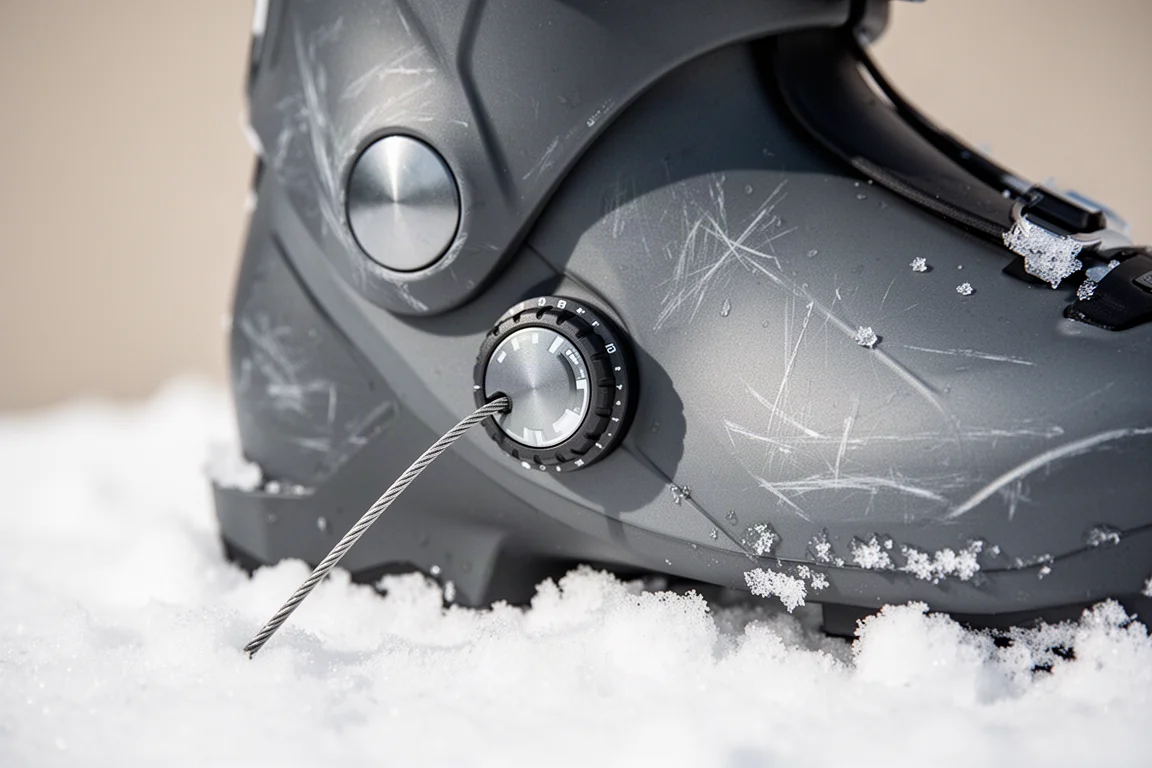
The mechanism also holds up to abuse. In a deliberate impact test the dial snapped off and clicked straight back into place, and replacement parts are expected to be widely available. That answers the most common concern about the system, which is what happens when a boot takes a hit on a rail or a rock.
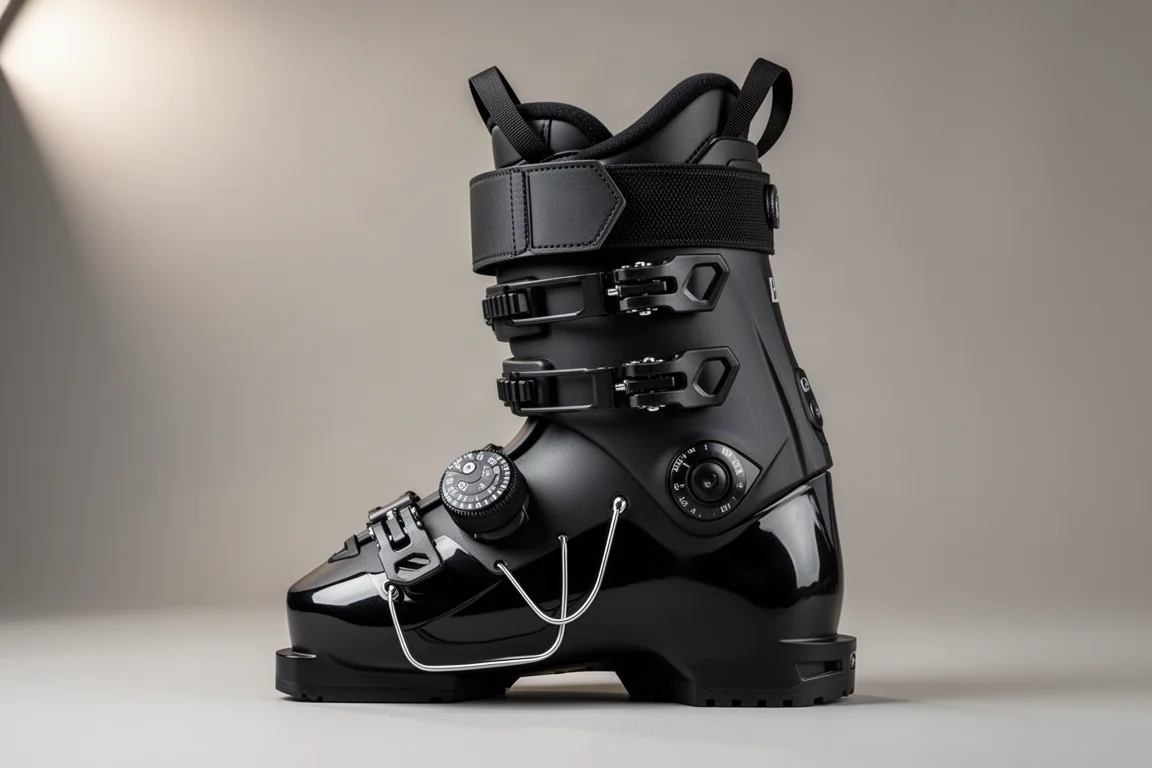
Fischer RC4 Pro 140 Boa
Fischer’s RC4 Pro 140 Boa sits at the top of the range: a 140 flex, a 100 mm last, a ZipFit liner, and BOA closure. It packs the stiffest flex, a performance liner, and the wrap-style lower shell into one boot, and it signals that BOA is being applied to race-oriented product rather than only to all-mountain models.
Buying Advice
The most useful thing to know about BOA in ski boots is that it is not replacing buckles. Every brand offering a BOA model also offers the same boot without it, so the decision stays a fit decision rather than a technology decision.
Start with volume and flex. A mid-volume 100 mm shell with a dial that can cinch to roughly a 97 mm equivalent covers a wider range of feet than a fixed last, which helps high-instep skiers in particular. Then match the flex to the skier: 95 for a lighter women’s all-mountain boot, 120 for a versatile men’s all-mountain boot, 130 for strong skiers who want more support, and 140 for the stiffest, most race-oriented option here.
If you already own a boot that fits well, there is little reason to switch purely for the closure. If you have struggled with forefoot pressure, a high instep, or a shell that feels either too narrow or too roomy, the adjustable lower shell is worth trying on before you commit.
Conclusion
Five BOA boots, three brands, and one shared idea: pull the lower shell around the foot instead of pressing down on it. The K2 Recon 120 Boa and K2 Anthem 95 Boa are the models you can buy now, the K2 Mindbender 130 Boa adds a stiffer freeride option, the Salomon S/Pro Supra 130 Boa applies the system to a proven 130-flex platform, and the Fischer RC4 Pro 140 Boa shows how far up the range it can go. Pick by fit and flex first, and the closure becomes an easy call.
Further reading
Related Reviews
Ski Boots
2027 Ski Boot Roundup: Six 130-Flex Boots Worth Knowing
Six 130-flex ski boots for 2027, plus a low-volume liner upgrade, compared on weight, fit, flex feel, and ease of use.
Ski Boots
Armada AR One Ski Boot Review: A Three-Piece Cabrio That Finally Gets It Right
Armada's first ski boot blends three-piece Cabrio design with Atomic engineering, a heat-moldable shell, and a 100mm last that fits better than any Cabrio before it.
Ski Boots
Armada AR1 Ski Boot Review: A Cabrio and Overlap Hybrid for Park and Freeride Skiers
Armada's first ski boot pairs a three-piece cabrio shell with overlap-style buckles and a cable-driven slingshot buckle. Here is where it shines, and what to weigh before buying.