Ski Boots
BOA Ski Boots Explained: Single Dial vs Double BOA Fits
A practical look at how BOA closure systems fit into modern ski boots, which models offer it, and where buckles still win.
Introduction
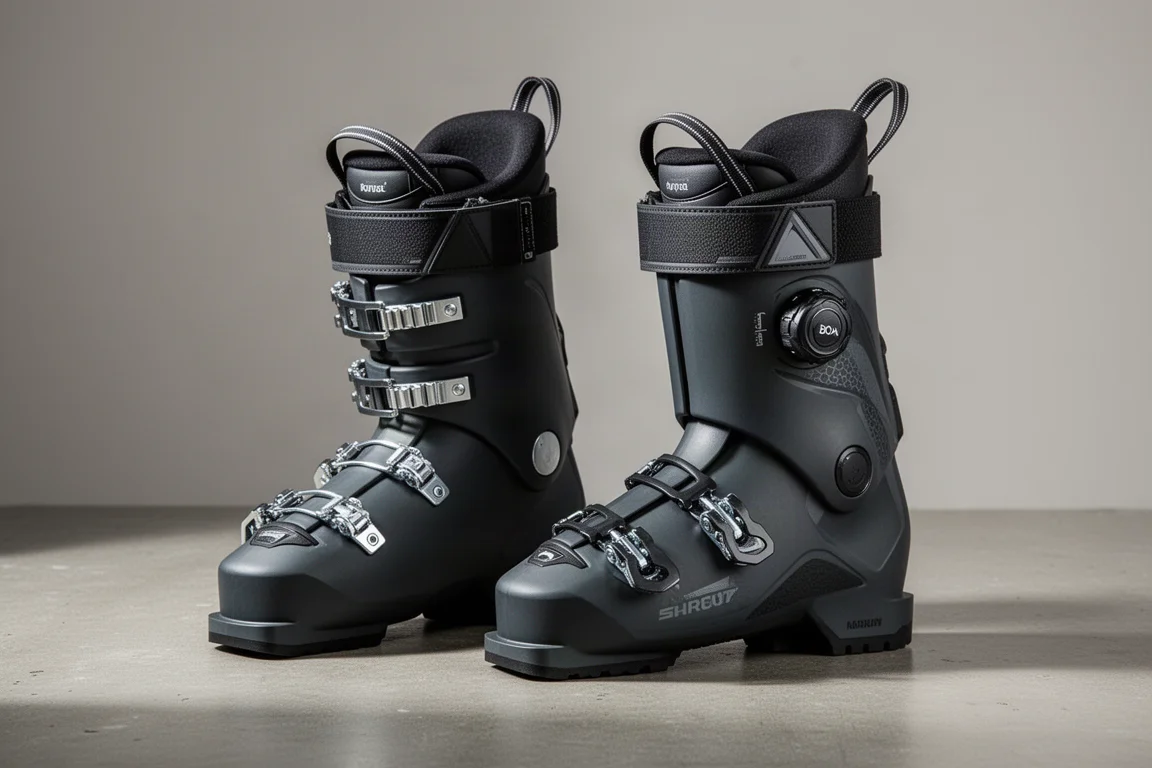
BOA closure systems have gone from a novelty in ski boots to a genuine part of the lineup at most major brands. Some boots use a single dial on the lower shell, some use a double BOA setup with a second dial on the cuff, and plenty of boots keep traditional buckles. The short version from boot fitters with a large sample size of sold boots and customer feedback: fit first, closure second. The system closing the boot matters, but the internal mold and the fit of the shell matter more.
What BOA on the Shell Changes
The key misconception worth clearing up is that BOA magically makes any boot fit any foot. It does not. The internal mold is identical whether a boot closes with buckles or BOA. A clear example is the Atomic Hawx Prime, which was sold in both a four-buckle version and an upper-buckle, lower-BOA version with the same inside. The fit, liner and mold are the same; only the way you close it differs.
The real difference is how pressure is applied. BOA keeps wrapping as you tighten, which helps preserve the shell’s shape over the top and sides of the foot. Buckles, at a certain point, go from wrapping to collapsing the top of the boot. For skiers with sensitive insteps, that wrapping behavior has been a genuine problem solver, and feedback on lower-shell BOA has been overwhelmingly positive.
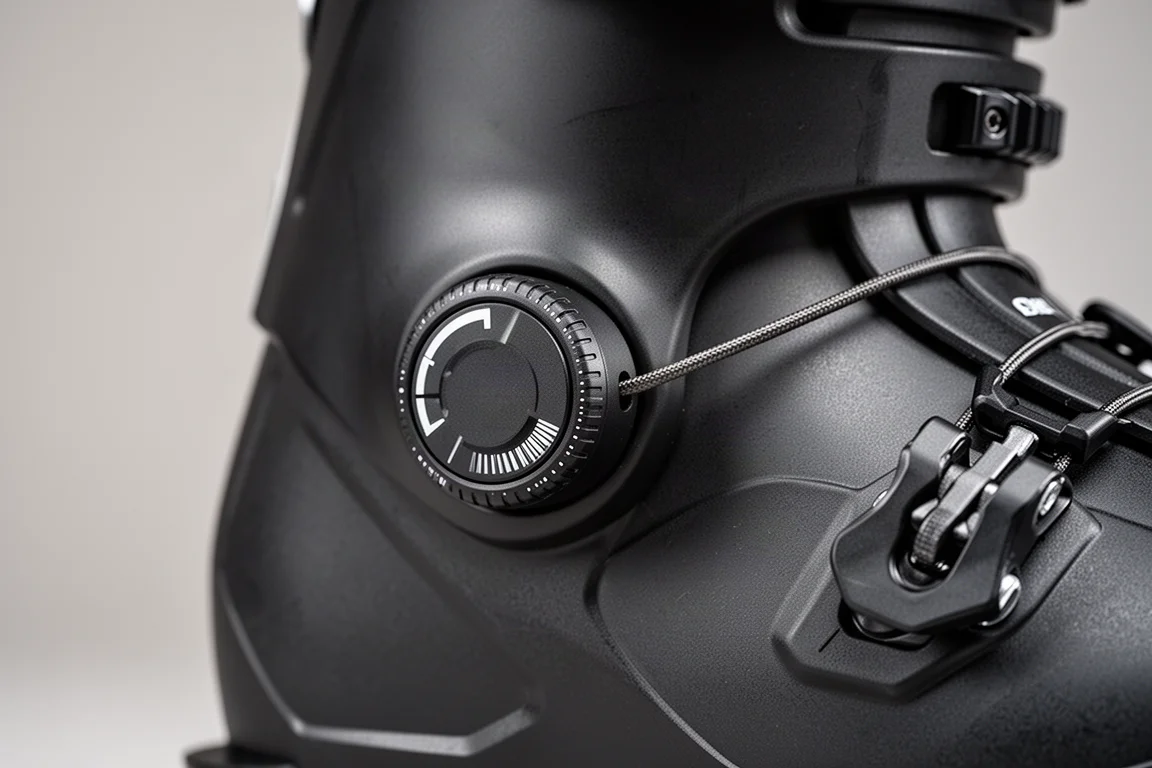
The trade-offs are real but narrow. Going from two lower buckles to one dial means everything tightens at the same rate, so you lose independent micro-adjustment across the forefoot. Some skiers, particularly racers and stronger skiers, also note that buckles add more structure and better energy transmission on the lower shell, since a cable lets the boot twist more under heavy force. For the average skier, that difference is hard to feel.
Durability and the Pop-Off Question
A common worry is whether the dial will break. In practice, feedback has been excellent: only a handful of dial replacements across a large number of boots sold, most caused by clipping the dial on stairs, the same way buckles get bent. When a BOA dial pops off, it is designed to do so and designed to snap right back on if the retainer clip stays in place. Buckles, by contrast, tend to bend when clipped.
The system is overbuilt for skiing. The dial hardware has been rated to support several hundred pounds of tension, and BOA hardware is replaceable and backed by a lifetime warranty at BOA retailers. The cable-cutting horror stories borrowed from snowboard boots largely do not apply, because skiers are not resting a board edge on the cable.
What BOA on the Cuff Adds and Loses
Double BOA boots, with a second dial on the upper cuff, are newer and the sample size is smaller. The headline benefit: a cuff dial uses a 4:1 gear ratio and lets you tighten without first loosening, so skiers with high compression tolerance who could never get buckles tight enough can finally achieve a snug, responsive fit.
The main cost is the same as on the shell: one adjustment instead of two. Cuff shapes vary across brands, and a single cable tightens both sides of the leg at the same rate. If your lower leg shape does not line up with the cuff, you can end up painfully tight at the ankle bone before the upper feels snug. Buckles handle varying leg shapes better because each side can be tightened independently.
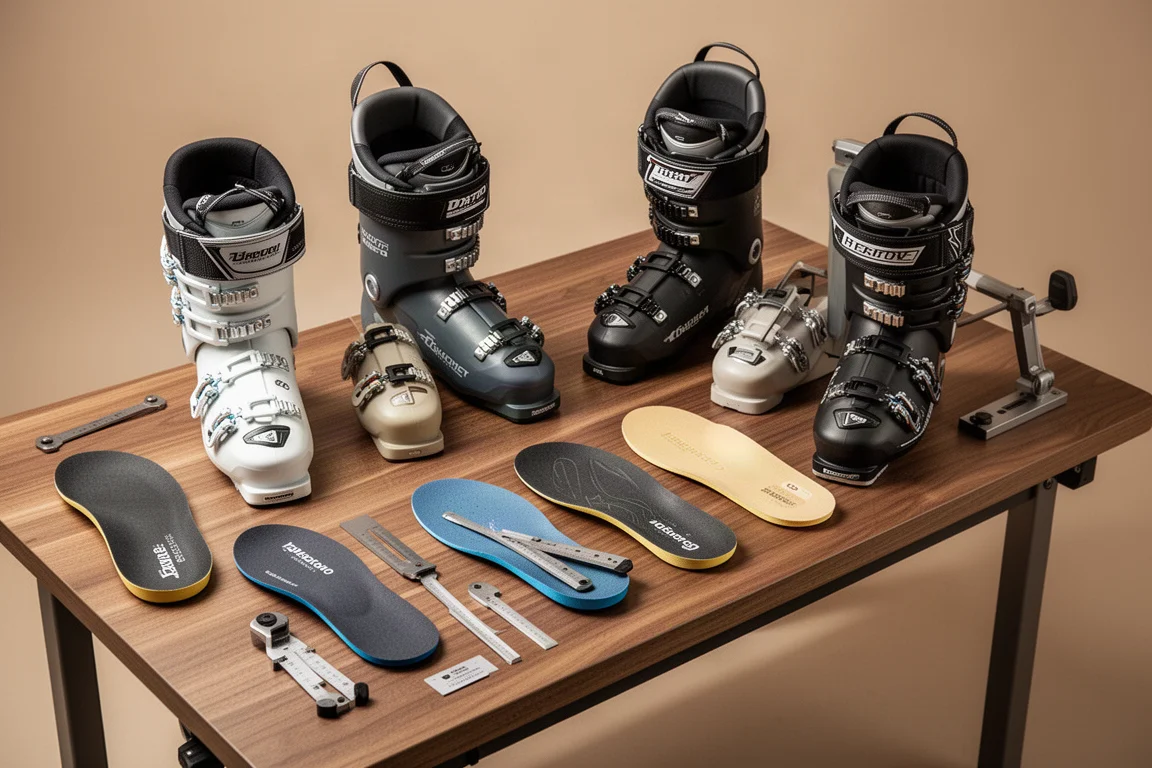
Entry is another consideration. BOA on the cuff makes boots harder to put on, because the cable catches on the shell when you split it open. Some boots are difficult to enter with any closure, and skiers still buy them for the fit, but it is worth knowing before you commit.
Which BOA Boots Exist Right Now
The offering now spans nearly every fit volume. In mid-volume, BOA is widely available across brands. In low volume, options include the Atomic Hawx Ultra and the Fischer RC4 LV, a true low-volume BOA boot that recently reached shops. High-volume BOA options include the K2 BFC, the Tecnica Mach1 HV, and the Nordica Sportmachine.
Crossover and touring-oriented models are covered too: the Salomon Shift Alpha and the Atomic Hawx Ultra XTD bring BOA to that category, while Tecnica’s BOA offering lives in the Mach Sport line rather than the performance Mach1 line. The Nordica Speedmachine takes an interesting hybrid approach, with BOA on the cuff and buckles on the lower shell, pairing buckle structure where energy transmission matters most with dial convenience up top.
Buying Advice
The consistent message: keep fit at the top of your mind when shopping. Do not ignore what closes the boot, but do not let it override fit. If your leg shape and compression tolerance line up with a cuff BOA, it can deliver an excellent, cohesive fit. If you need independent adjustment or relief in different places on your leg, buckles still do that better.
If you have struggled with pressure on the top of your foot, lower-shell BOA has been a real problem solver and is easy to recommend. If you have always found boots too loose no matter how hard you crank the buckles, a cuff BOA is worth a serious look.
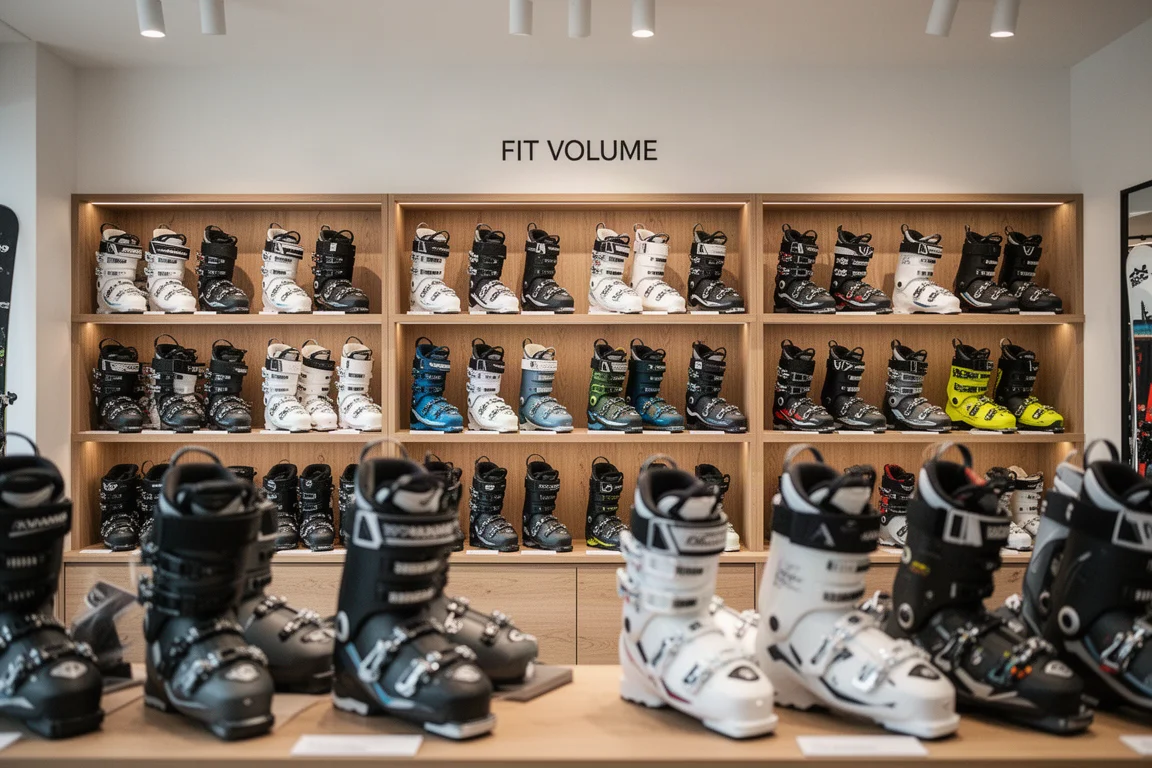
One caveat for shoppers: buying ski boots is more complicated now, since many models come in buckle, single-BOA, or double-BOA configurations. Choosing based on fit volume first, then closure preference, keeps the decision manageable.
Conclusion
BOA on the shell has been a clear success for most skiers, especially those with instep pressure issues, and durability concerns have largely proven unfounded. BOA on the cuff is more situational: excellent for skiers who want maximum tightness, less ideal for those who need varied adjustment. Fit first, closure second, and both systems can deliver a great boot.
Product link
View more details for Atomic Hawx Prime
This product is mentioned in the review. Check the specifications, options, and compatibility before buying.
View more details for Atomic Hawx PrimeFurther reading
Related Reviews
Ski Boots
2027 Ski Boot Roundup: Six 130-Flex Boots Worth Knowing
Six 130-flex ski boots for 2027, plus a low-volume liner upgrade, compared on weight, fit, flex feel, and ease of use.
Ski Boots
Armada AR One Ski Boot Review: A Three-Piece Cabrio That Finally Gets It Right
Armada's first ski boot blends three-piece Cabrio design with Atomic engineering, a heat-moldable shell, and a 100mm last that fits better than any Cabrio before it.
Ski Boots
Armada AR1 Ski Boot Review: A Cabrio and Overlap Hybrid for Park and Freeride Skiers
Armada's first ski boot pairs a three-piece cabrio shell with overlap-style buckles and a cable-driven slingshot buckle. Here is where it shines, and what to weigh before buying.