Road Bikes
BMC TeamMachine SLR Review: A Lightweight Road Race Bike Worth the Upgrade?
The redesigned BMC TeamMachine SLR drops 222 grams from the frame while keeping the stiffness of the aero TeamMachine R. Here is what that means for real riders.
Introduction
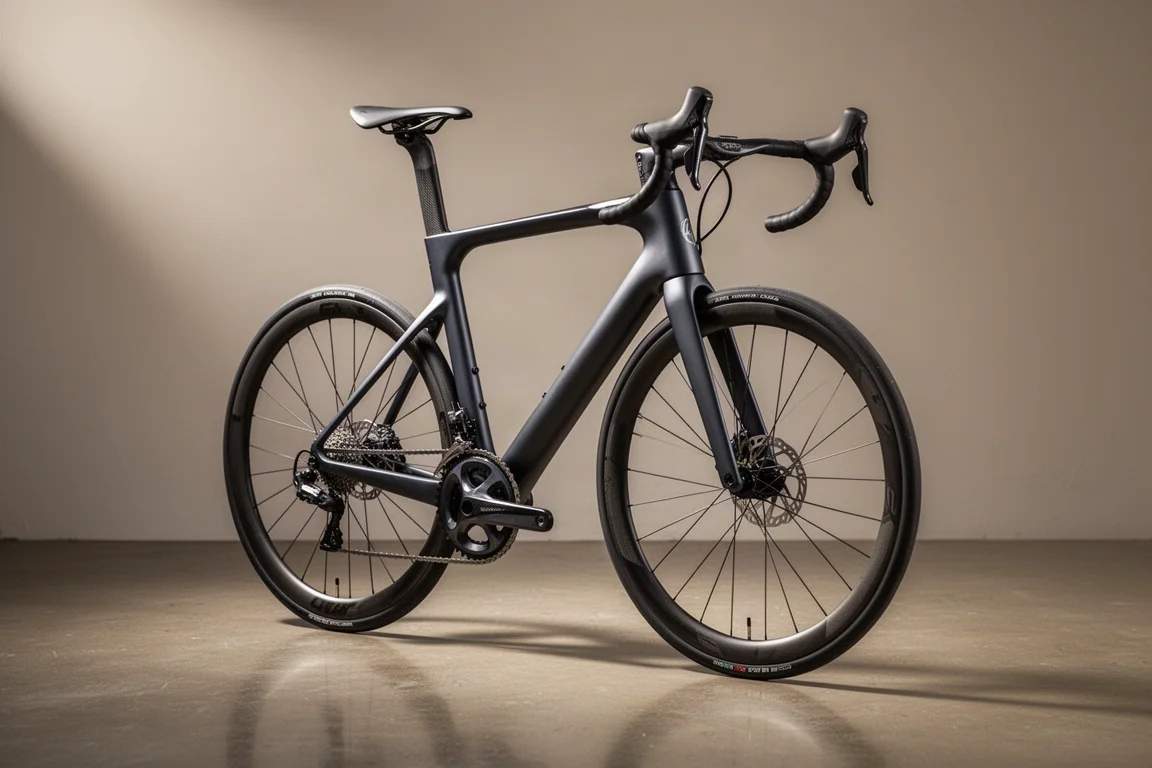
Lightweight road bikes have moved back to the centre of the conversation. After a long stretch in which aerodynamic performance shaped almost every new race bike, several brands have returned to the question of how a bike actually feels on a climb. The redesigned BMC TeamMachine SLR is the latest answer to that question, and it arrives with a clear headline: 222 grams saved from the frame.
That saving takes the frame from 865 grams to 700 grams in a size 54, which puts it firmly in super-lightweight territory, close to a Specialized S-Works Tarmac and not much heavier than classic climbing frames from ten or fifteen years ago. BMC claims a complete build can reach 6.6 kg. That figure sits below the UCI weight limit of 6.8 kg, so professionals riding under those rules will need to add weight back through pedals, computers and timing transponders, while riders who are not racing under the same restrictions have room to go lighter still.
What makes the update more interesting than a simple diet is what BMC says it did not give up. The frame is claimed to be as stiff as the outgoing bike and as stiff as the TeamMachine R, the brand’s dedicated aero race platform. The result should be a bike that sprints, corners and attacks in the same way as before, with less mass to drag up the gradients.
Who the BMC TeamMachine SLR Is For
This is a race bike, developed with professional racing in mind, and it makes most sense for riders who treat climbing as the point of the ride. If your favourite roads go up, if you notice the difference a few hundred grams makes when the gradient bites, and if you want a bike that feels quick and lively under acceleration, the TeamMachine SLR is aimed squarely at you.

It is also a sensible option for riders who like lightweight bikes but are not willing to abandon aerodynamics entirely. That balance is the real story here, and it is what separates the SLR from a pure weight-focused machine. Riders who mainly want a calm, comfortable all-day bike, or who want to fit very wide tyres and prioritise compliance over response, will find more suitable options elsewhere in the market.
Main Strengths: Low Weight Without Losing Stiffness
The 700 gram frame weight is the headline, and it is the number that will decide whether this bike belongs on your shortlist. Taking 222 grams out of a frame that was not heavy to begin with is a meaningful engineering result, and it places the SLR among the lightest production road frames in this class.
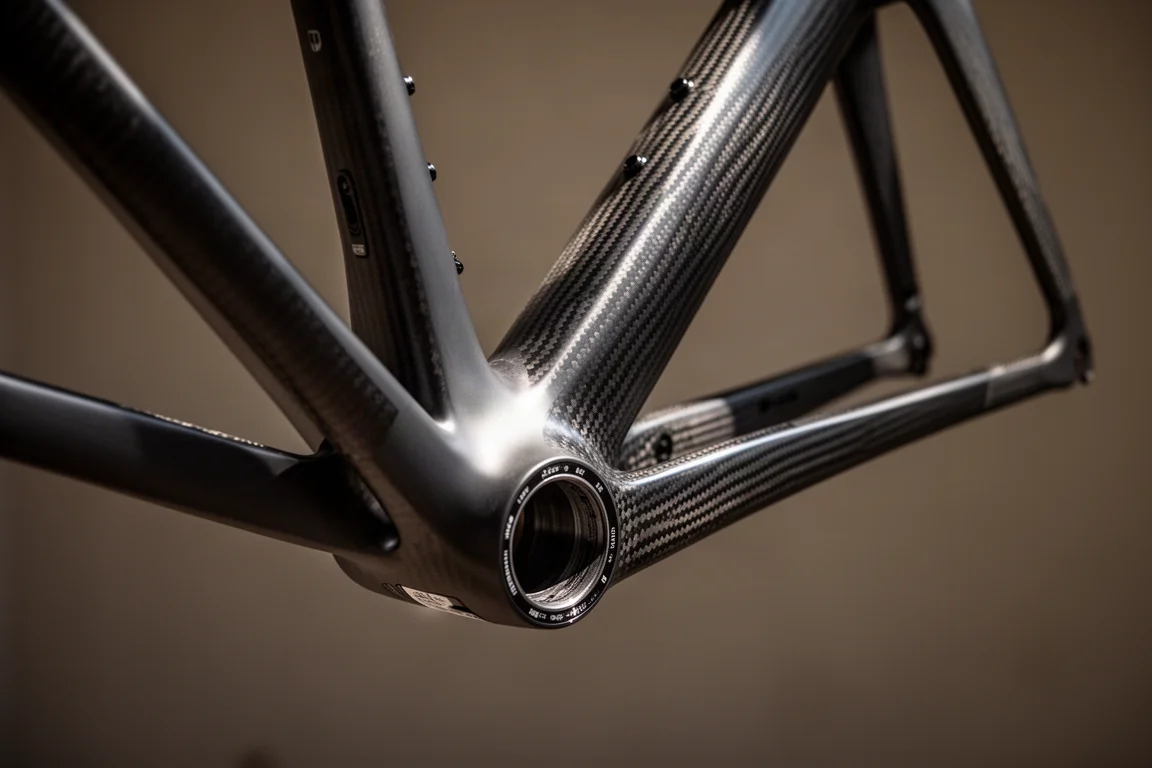
Just as important is the stiffness claim. BMC states that frame stiffness is unchanged from the previous model and matches the TeamMachine R, the aero race bike in the range, which was developed with the Red Bull team. In practice that means the low weight does not come with the flexy, vague feeling that older ultra-light frames were sometimes accused of. Sprinting, driving hard out of corners and launching attacks should feel the same as they did before, just with less weight to move.
Aerodynamics, Integration, and Tire Clearance
Aerodynamics still matters, and BMC has not ignored it. The company claims the TeamMachine SLR is only around four percent slower than the TeamMachine R, its full aero race bike, in its own testing. The detailed test protocol and supporting documentation have not been published, so that figure is worth treating with a degree of caution rather than as an independent result. Even so, a lightweight bike sitting within touching distance of a dedicated aero platform is an appealing proposition, particularly for riders who can see the benefit of aero on a power meter but can feel the benefit of low weight on every climb.
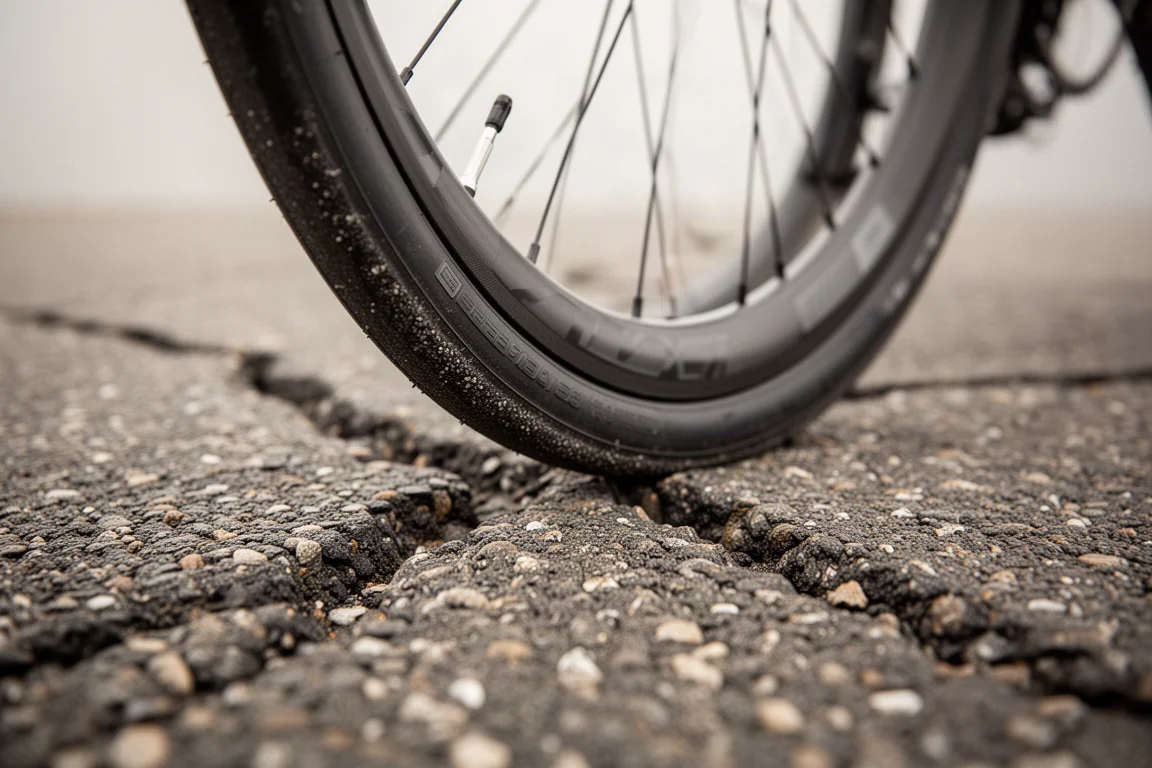
Tyre clearance has grown from 30 mm on the previous model to 32 mm, which brings the SLR in line with the Specialized Tarmac and the Giant TCR. For a race bike that is a reasonable figure, and it is also a conservative one. Riders on rough, broken tarmac increasingly appreciate 34 mm or 35 mm rubber, and the Basso SV shows that a lightweight carbon race bike can be built around 35 mm clearance without any obvious penalty to handling agility or responsiveness. A slightly wider limit would have made the SLR more future-proof for the riders who actually buy it.
How It Compares With Other Lightweight Road Bikes
The lightweight category is more crowded than it has been for years, and the SLR lands in the middle of a genuinely interesting field. The Specialized Aethos remains the purest expression of the idea, a sub-six-kilogram bike built around low weight with almost no aerodynamic concession. The Scott Addict RC takes a different route, pairing a claimed 5.8 kg flagship build with full integration, a carbon cockpit and aero tube profiles, which makes it lighter on paper than both the Tarmac and the TeamMachine SLR. The Specialized S-Works Tarmac sits at 6.8 to 6.9 kg and remains the benchmark most bikes in this class are measured against, with strong aerodynamic results in independent testing.
Two other names are worth knowing. The Factor O2 VAM is a 6.5 kg machine with very slim rear stays, aero cues at the front end and an integrated seat mast; its ride feel is notably stiff at the front and softer at the rear, which some riders find less cohesive than a more balanced frame. The Giant TCR Advanced SL, in its range-topping form, comes in around 6.4 kg with the brand’s own carbon wheels and a seat mast, though it may not be as aerodynamically efficient as the BMC. What the TeamMachine SLR brings to that group is the combination of a genuinely low frame weight and a claimed aerodynamic deficit small enough that most riders would struggle to feel it.
Things to Consider Before Buying
The first thing to weigh up is tyre clearance. At 32 mm the SLR is competitive but not generous. If you want to run 34 mm or 35 mm tyres for comfort on poor surfaces, this frame will not let you, and that limits how the bike can evolve with your riding.
The second consideration is the range itself. BMC offers only four models of the TeamMachine SLR, which keeps the line-up simple but also means fewer build options and less room to find a configuration that suits your budget exactly. The aerodynamic claim, meanwhile, comes from BMC’s own testing rather than a published independent protocol, so it is best treated as a directional rather than a definitive number. Finally, this is a stiff, race-oriented frame with a focus on response and climbing feel. Riders who prioritise long-distance comfort over sharpness should look at more relaxed geometry instead.
Buying Advice: Models, Builds, and Prices
There are four TeamMachine SLR models, and prices run up to around €13,000 for the flagship build. That top bike pairs a SRAM Red AXS groupset with DT Swiss ARC 1100 wheels and Pirelli P Zero Race tyres, and carries a claimed weight of 6.6 kg.
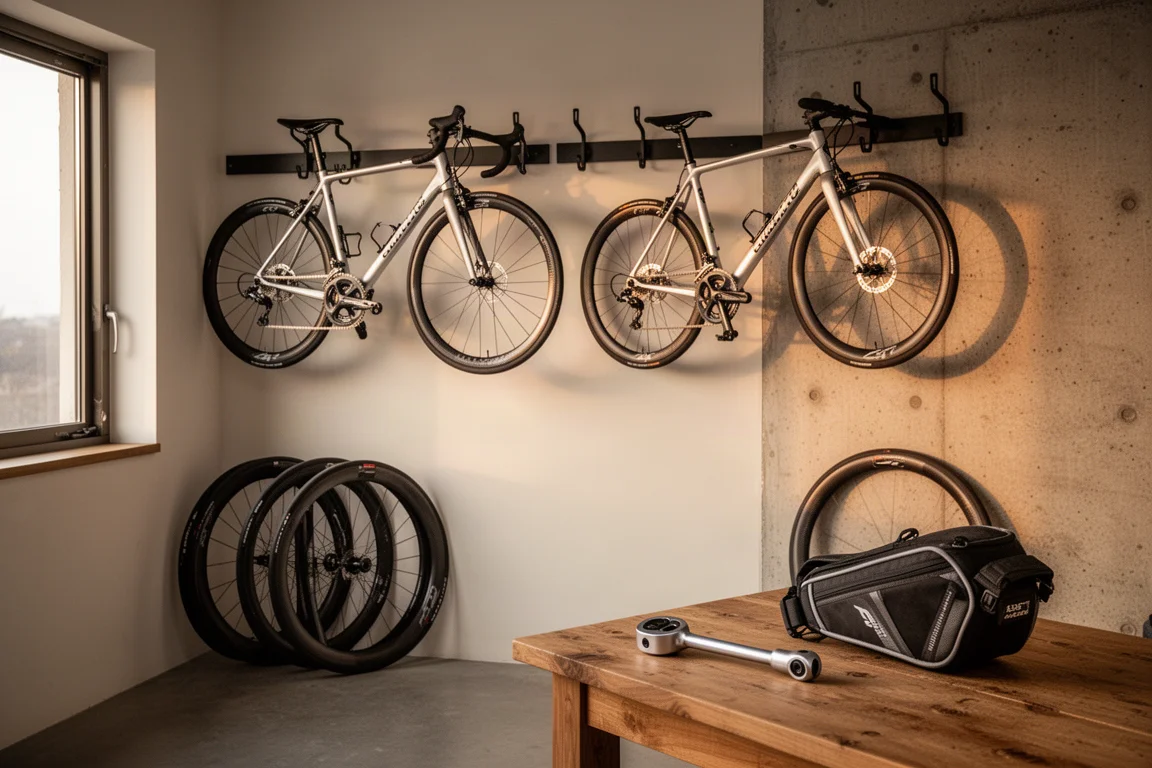
At the other end of the range, the SLR014 is the most accessible option and the one most riders will realistically consider. It uses a Shimano Ultegra Di2 groupset, Pirelli P Zero Race tyres and the brand’s own 40 mm carbon wheels, with a claimed weight of 7.1 kg. That is a strong figure for an entry model. Lightweight bikes at the bottom of a range are often weighed down by heavy wheels and end up far heavier than the flagship, and the SLR014 avoids that trap. It is still an expensive bike, and it is still a race bike, but the gap between the cheapest and the best model is smaller than usual.
Conclusion
The BMC TeamMachine SLR is a convincing answer to a question a lot of riders have been asking: can a race bike be genuinely light again without giving up the aerodynamic gains of the last decade? The 700 gram frame, the unchanged stiffness claim and the small claimed aero deficit against the TeamMachine R all point in the same direction. The main caveats are the 32 mm tyre limit and a fairly compact four-model range. If low weight is what makes a bike feel fast to you, and you want to keep most of the aero advantage while you are at it, this is a bike worth serious consideration.
Product link
View more details for BMC Teammachine SLR
This product is mentioned in the review. Check the specifications, options, and compatibility before buying.
View more details for BMC Teammachine SLRFurther reading
Related Reviews

Road Bikes
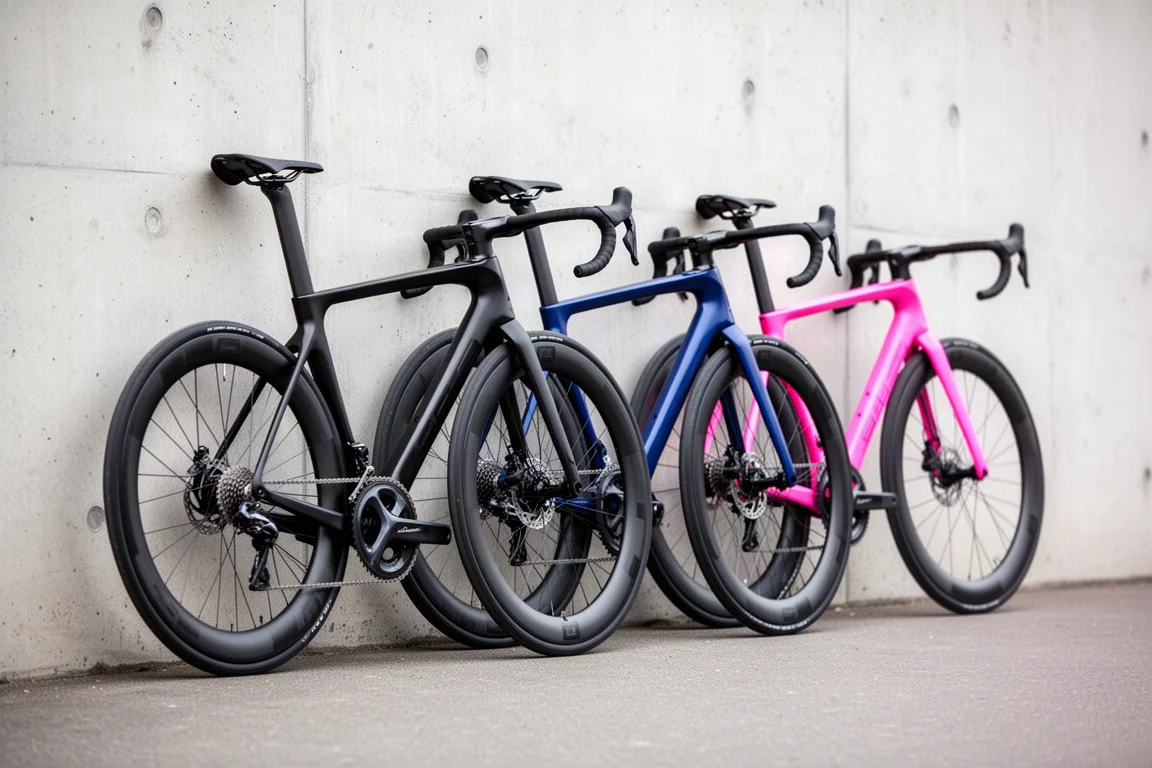
10 New Road Bikes Worth Watching: Aero, Titanium, Steel and Endurance Standouts
A practical roundup of 10 new road bikes, from aero flagships chasing single-watt gains to titanium, steel and endurance platforms built for real roads.
Road Bikes
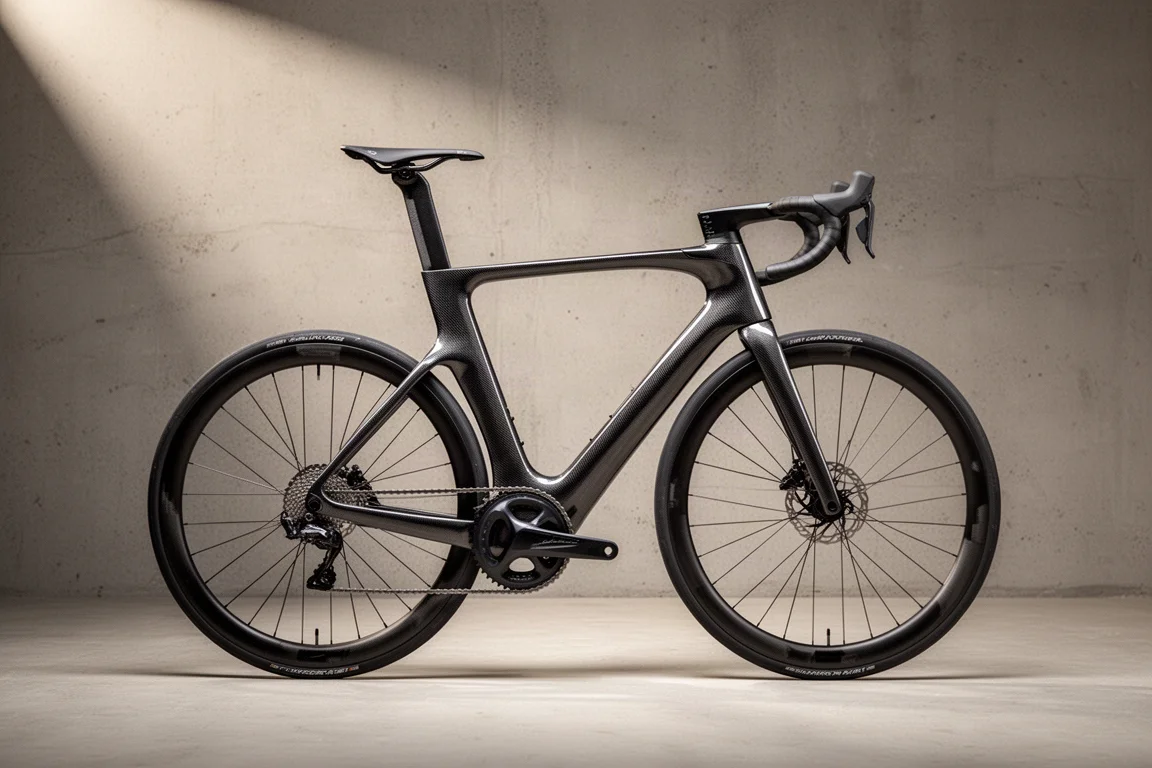
2026 Tour de France Road Bikes: Six Race Machines Worth a Closer Look
Six race bikes from the 2026 Tour de France grid, reviewed for paint, silhouette, wheels and the specification details that matter to buyers.
Road Bikes
3T Strada Italia Review: A Radical Aero Road Bike That Rides Smooth
A made in Italy carbon aero road bike with a deep head tube, wide tire clearance and a genuinely comfortable ride. Here is what to know before buying.