Portable Power Stations
Bluetti Elite 300 Review: Big Capacity in an Ultra-Compact Power Station
A 3,071Wh LFP power station with 2,400W output, a strong companion app, and a compact form factor that held up through two weeks of daily use.
Introduction
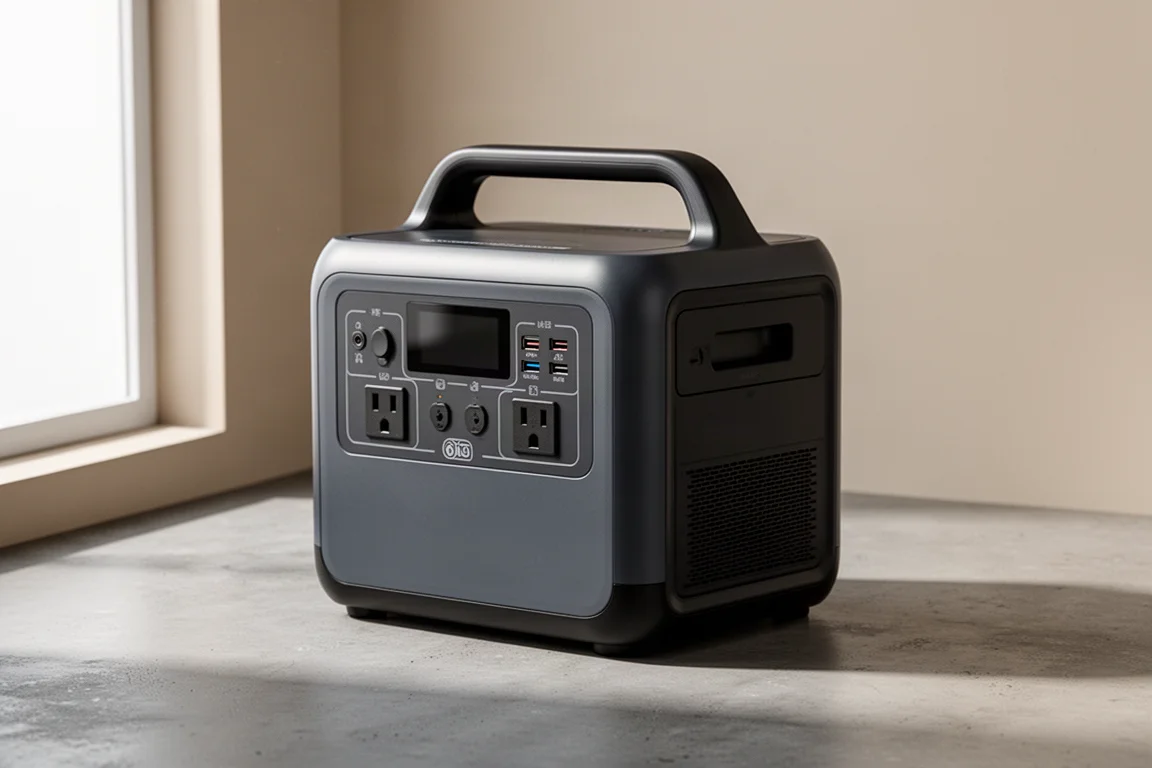
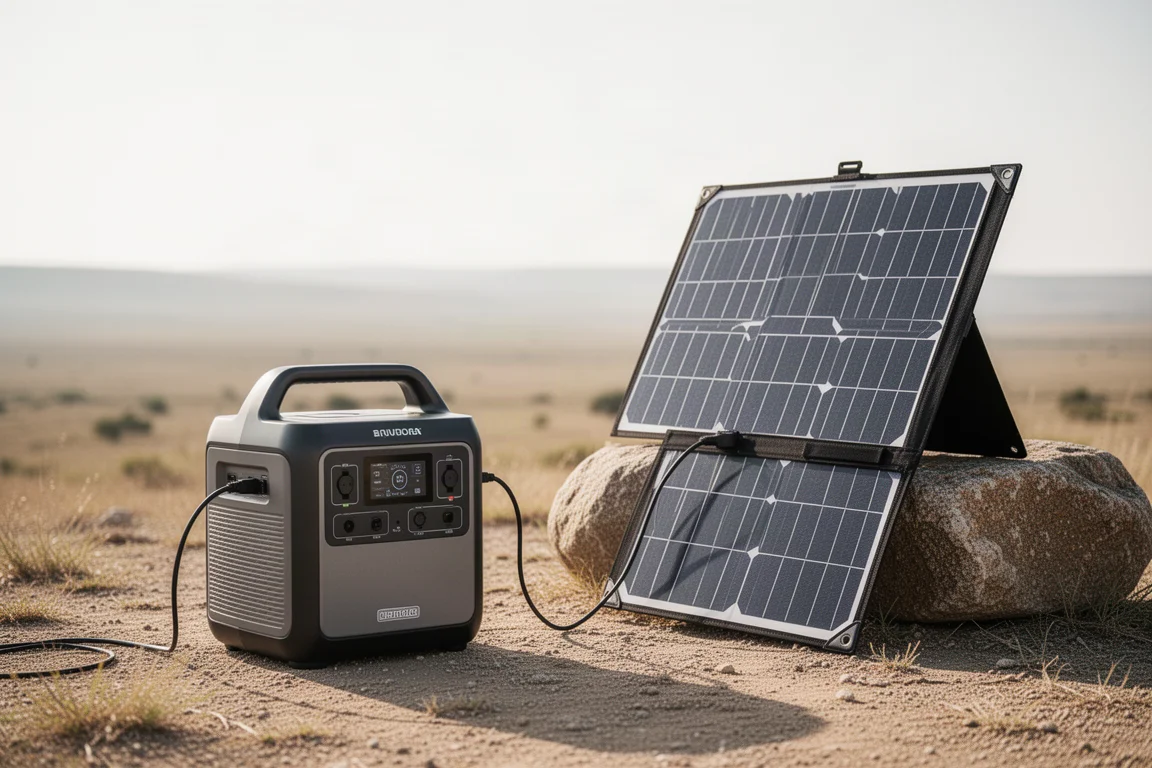
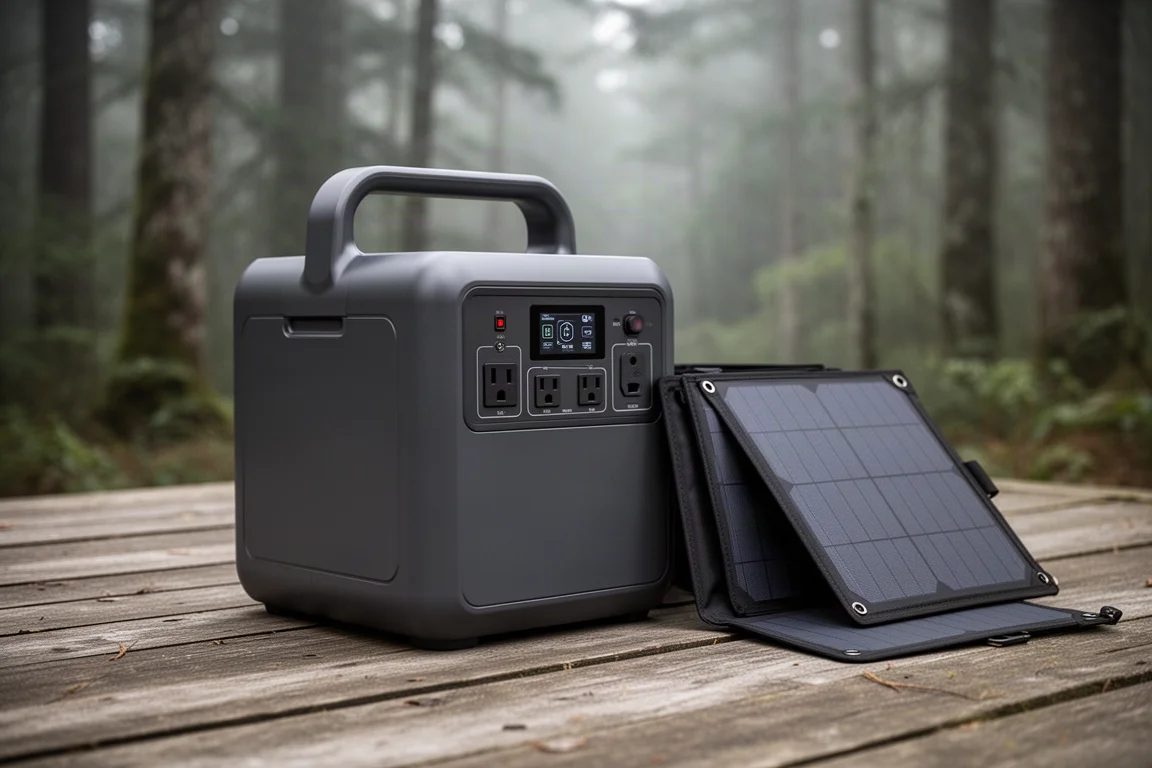
The Bluetti Elite 300 is a remix of an existing formula: a big-capacity power station rebuilt into an ultra-compact form factor with a handful of new features and a few things stripped out. For a unit with this kind of capacity, the size is genuinely surprising. The headline numbers are 2,400W of output and 3,071.4Wh of capacity, which puts it firmly in the 3KWh class rather than the 2KWh boxes that used to dominate this price range. The price at the time of writing is $1,200, a sale price down from a higher list price, and a free 200W solar panel worth $400 is included as a bundle.
Who the Bluetti Elite 300 Is For
This is really designed as grab-and-go portable power. Most people do not need a stack of expandable batteries; they want to grab something during a power outage and plug in the fridge, the freezer, maybe a fan, and keep things running for hours. The Elite 300 does that and then some. Take it camping for a weekend and it will camp for a whole week.
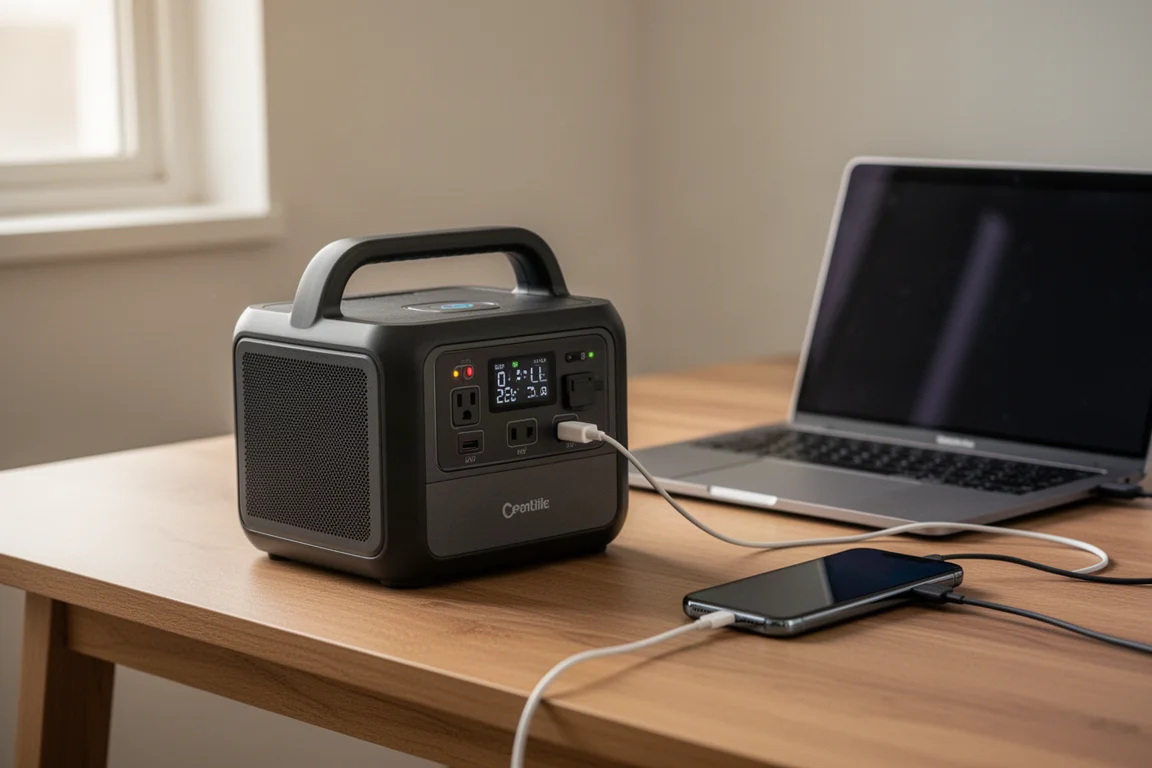
That claim is not theoretical. On a two-week road trip, the unit powered a cooler in the car plus an entire desktop setup: phone chargers, a PC, a Mac, all of it, without ever being plugged in once. After 11 days of heavy daily use, it still sat at 61% remaining. For a box this size, that endurance is the story.
Main Strengths
The capacity-to-size ratio is the first thing that stands out. Bluetti managed to pack more power into a smaller box at a lower price than the previous generation, and that combination is genuinely rare. The 2,400W output handled a staggered start of a full appliance load, settling around 1,100 to 1,200W while an outside air conditioning unit ran against summer heat. When everything was switched on at once and the surge overwhelmed it, the unit shut down cleanly and recovered on a properly staggered start, which is the correct way to run heavy loads anyway.
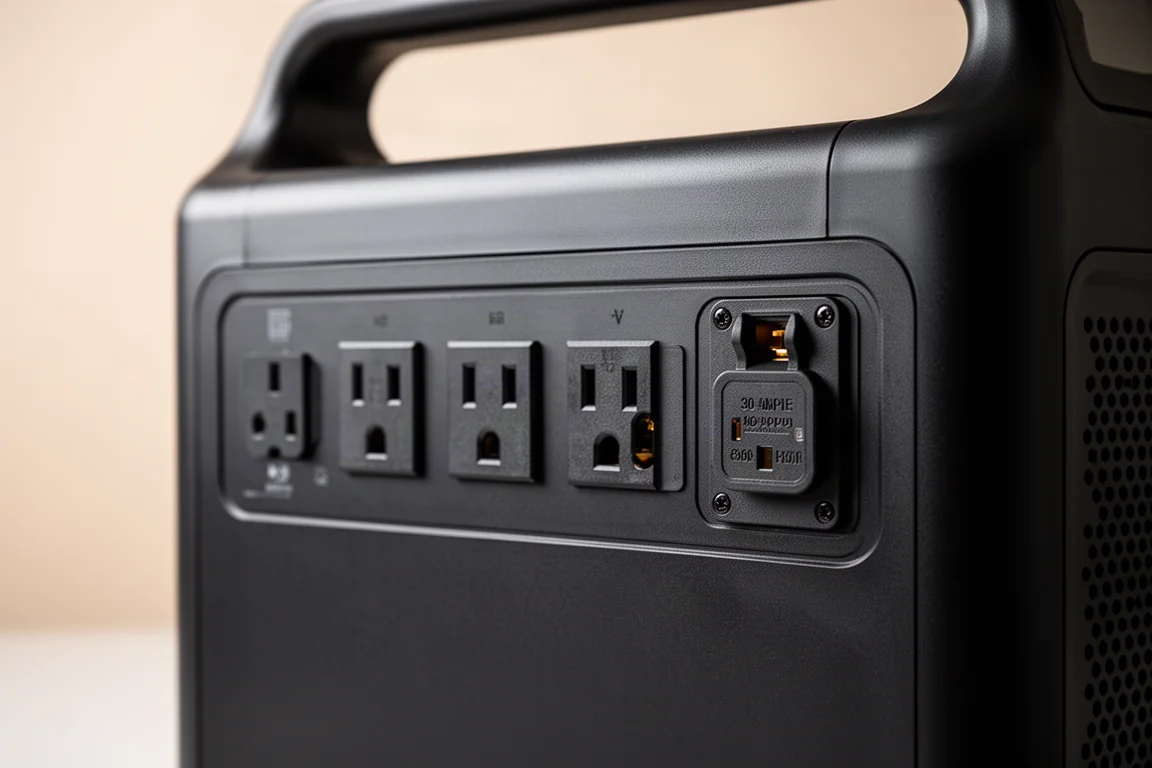
Battery chemistry is LFP, which brings a claimed 6,000-plus cycle life. Port selection is thorough: four 120V AC outlets plus a TT-30 30-amp RV plug, two USB-C ports, two USB-A ports, DC outputs, a solar DC input, and separate DC, primary, and AC inverter controls. The TT-30 port is genuinely useful for camping and RV use, and with a simple 30-amp to 120V adapter it effectively becomes a fifth AC outlet. Just never adapt in the other direction.
The companion app deserves a mention too. It is one of the better apps in this category, and while apps on power stations initially seemed unnecessary, remote access to toggle the AC or DC outputs on and off turns out to be something worth returning to constantly, since leaving the AC inverter running quietly drains the battery.
Things to Consider Before Buying
The biggest omission is expandability: there is no support for adding extra batteries. Bluetti clearly made a deliberate trade here, ditching expansion to reduce cost and pack in more power and features instead. For most buyers that is the right call, but if you want a system that grows, look elsewhere.
Second, smaller does not mean lighter. This unit is not light, and that matters if you plan to move it around frequently. It is compact for its capacity, but plan your carrying accordingly.
Long-term durability is also an open question for any newer release, though for the uses described here, it simply did its job without complaint.
Buying Advice
The Elite 300 makes the most sense for anyone who wants one self-contained box for outages, camping, and road trips rather than a modular battery system. At $1,200 for a 3KWh unit with 2,400W output, an LFP battery rated for 6,000-plus cycles, and a free 200W solar panel included, the value math is strong, especially against older 2KWh units that previously sold for $2,000. Bluetti is one of the big three in this space, and after a few quieter years the company has clearly been releasing strong hardware again.

Conclusion
The Bluetti Elite 300 is an easy recommendation for portable-first users: enormous capacity, solid output, a genuinely good app, and a compact body, with the only real sacrifices being expandability and weight. If your use case matches what it was designed for, it is hard to beat at this price.
Product link
View more details for Bluetti Elite 300
This product is mentioned in the review. Check the specifications, options, and compatibility before buying.
View more details for Bluetti Elite 300Further reading
Related Reviews

Portable Power Stations
Anker SOLIX F3000 Review: A Powerful Portable Power Station With a Few Design Quirks
The Anker SOLIX F3000 delivers strong performance, fast charging, and a competitive price, but a few design choices may give you pause.

Portable Power Stations
EcoFlow Delta 3 Series: Five New Power Stations Previewed
EcoFlow expands the Delta 3 lineup with five models, from the compact Classic to the flagship Ultra Plus. Here is what each one offers.
Portable Power Stations
Oscal Power Max 6000 Review: A Large Solar Generator With Real Trade-Offs
A week of off-grid use shows what the Oscal Power Max 6000 handles well, where it falls short, and when a fuel generator still makes more sense.