Portable Power Stations
Bluetti EB55 vs EB70S: Portable Power Stations for Car Camping
Two portable power stations compared for car camping and emergency backup, from fridge runtime and port selection to charging options and display quirks.
Introduction
A 12-volt fridge in the back of a car changes how car camping feels. Cold food stays cold without ice runs, and the trip stops revolving around cooler management. The catch is that a fridge needs a steady supply of power for the entire trip, which is where a portable power station earns its place in the loadout.
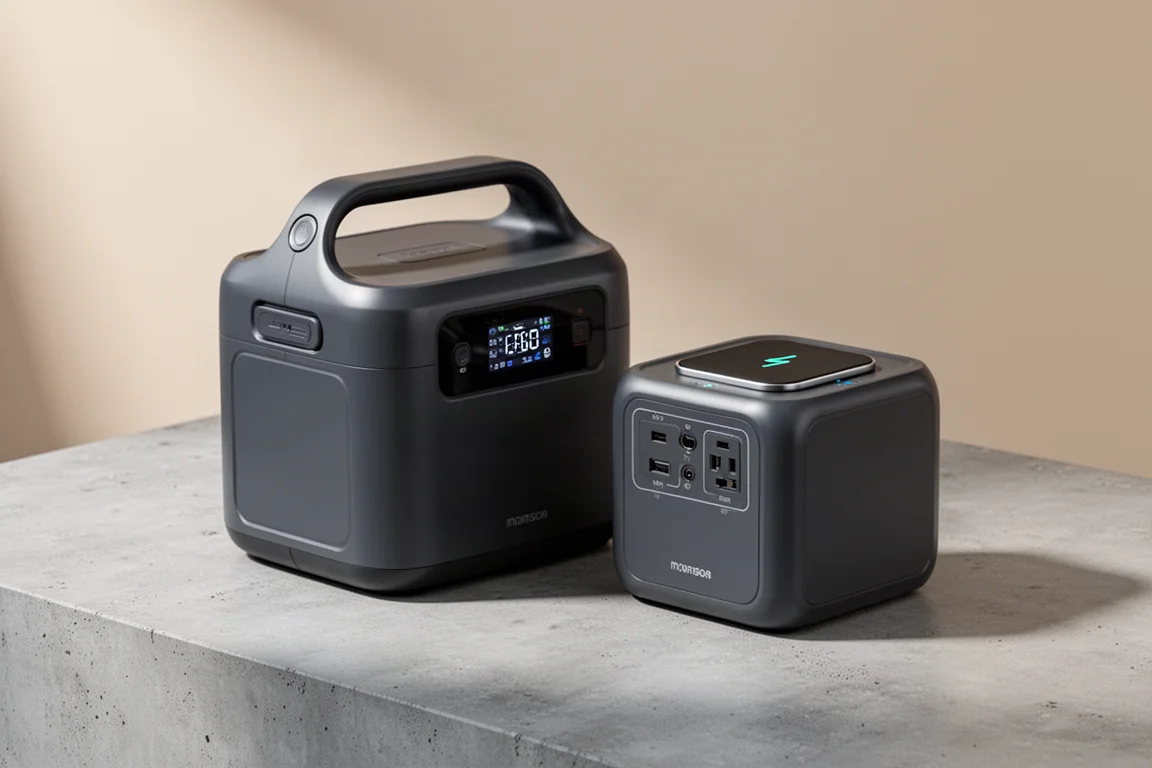
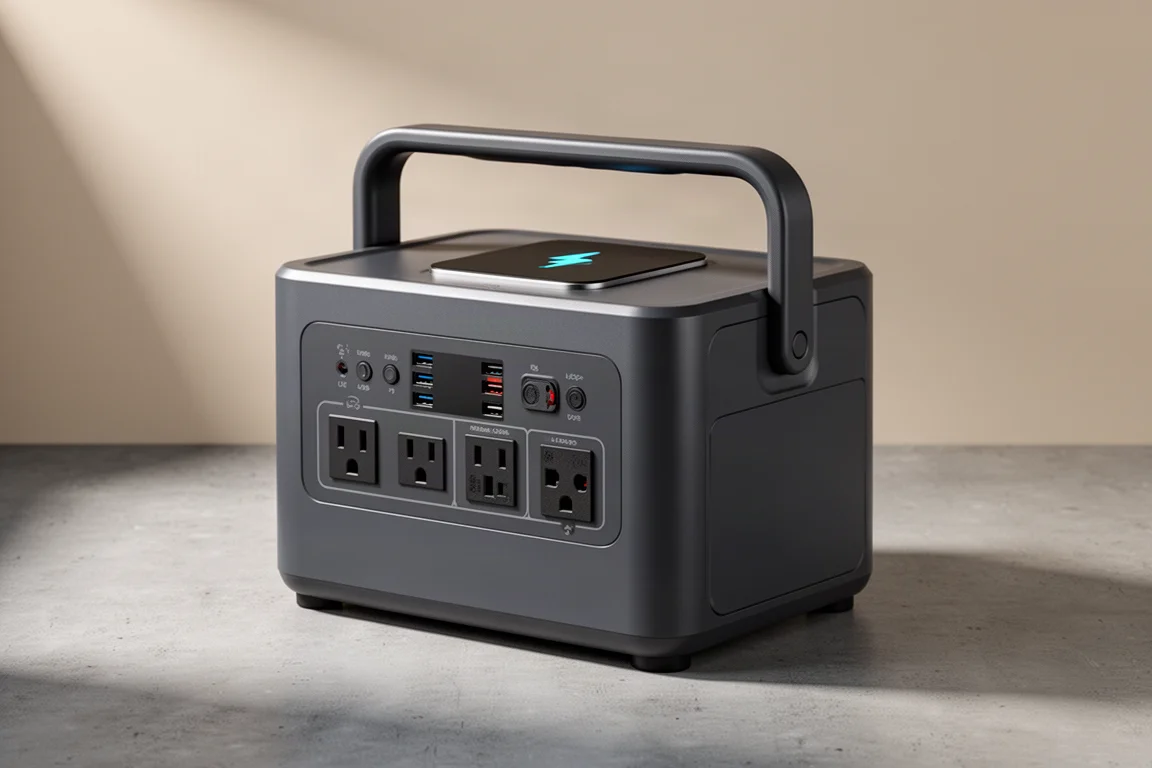
Two units suit this job well: the Bluetti EB55 and the Bluetti EB70S. Both share a compact form factor with a simple carry handle on top, a 15-watt wireless charging pad on the top surface, and enough output variety to run the small electronics that come along on a weekend away. Choosing between them comes down to how much power the trip actually needs.
What Matters for Car Camping Power
Three things decide whether a power station works for a fridge-and-camp-kitchen setup.
Output headroom is the first. A station has to cover the continuous draw of a 12-volt fridge plus whatever else gets plugged in, and it helps to have margin for a higher-wattage appliance that might come along.
Port selection is the second. AC outlets, USB-A, USB-C, and DC outputs cover different devices, and a wireless charging pad on top removes one cable from the equation entirely.
Recharging is the third. How quickly and how conveniently a station refills from a wall outlet, a car socket, or a solar panel determines whether it can keep up across a full weekend.
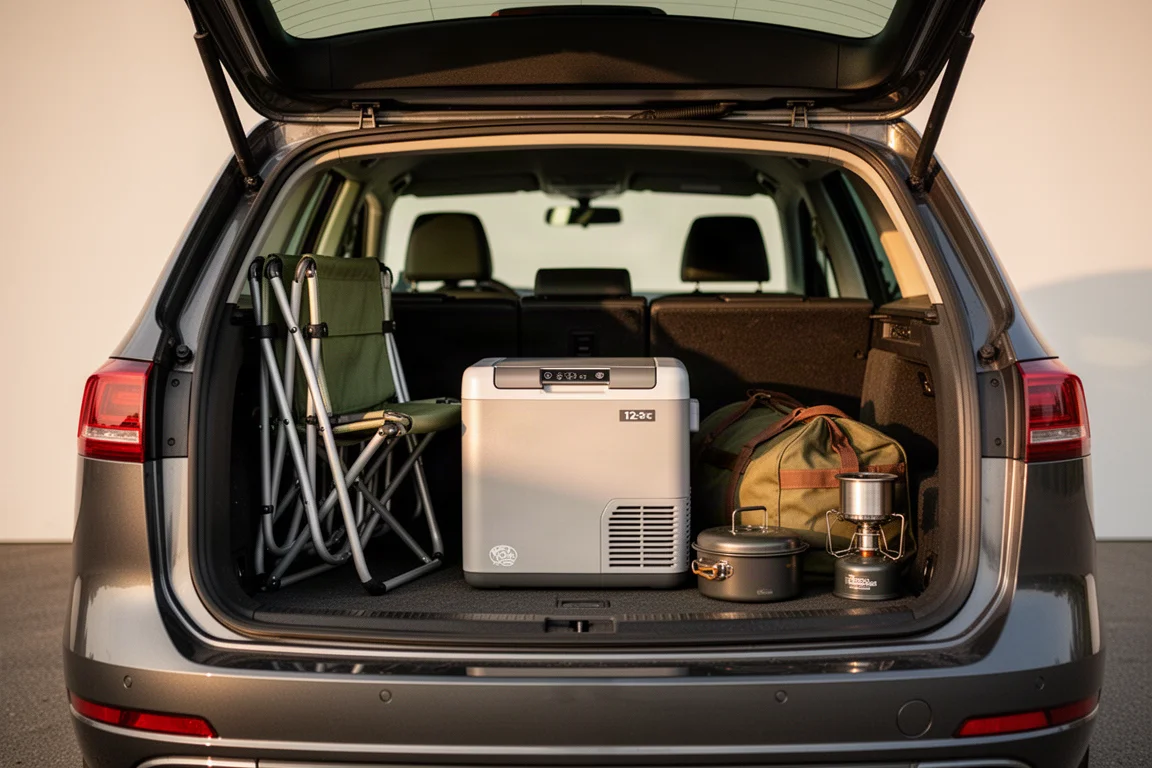
For a weekend car camping setup, the practical question is not which station has the biggest number on the box, but whether it can carry the fridge through the trip without leaving other devices stranded.
Bluetti EB55: The Weekend Baseline
The EB55 is the smaller of the two and comes with 13 ports in total, including several AC outlets, USB-A, USB-C, and DC outputs. A 15-watt wireless charging pad sits on top, so a phone can be dropped onto the surface and charged without hunting for a cable.
For a typical weekend trip, that port lineup is more than enough, and the EB55 is generally the unit that covers a normal outing. The exception is a fridge running continuously for the whole weekend. Under that load the EB55 does not quite have enough capacity to stay comfortable through the trip, particularly when there is no solar panel in play to top it up during daylight hours.
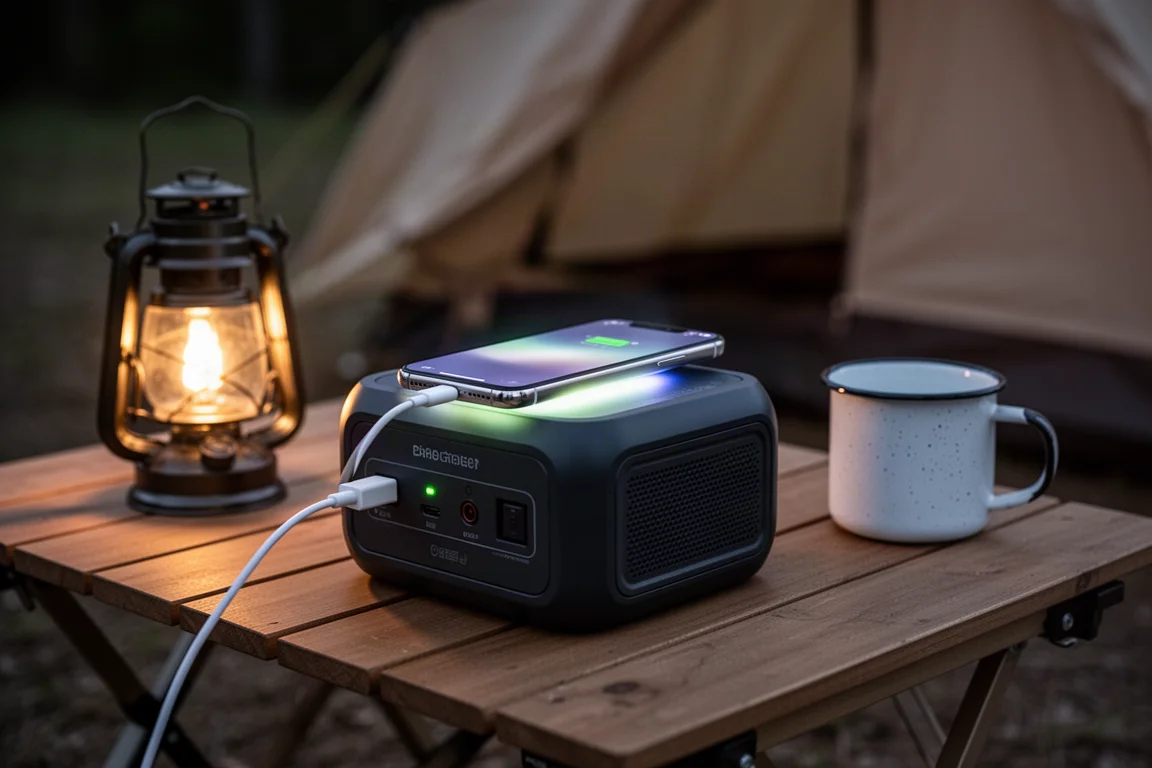
The port spread is the strength here. Between AC, USB, and DC outputs, the EB55 can run camp lighting, charge phones and small electronics, and keep a fridge going for shorter stretches, all from one box with a handle on top.
Bluetti EB70S: More Headroom for Higher Draws
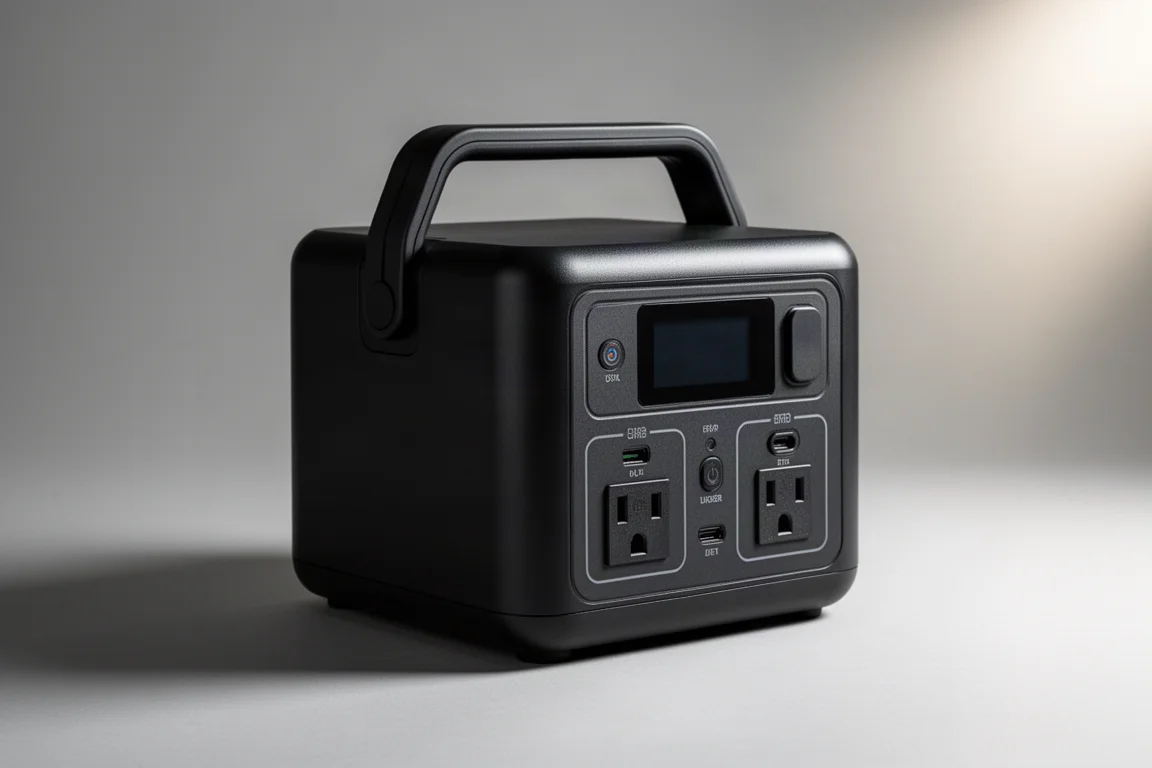
The EB70S steps up the output capability to 800 watts, which means it can power devices drawing up to that figure. In practice that opens the door to appliances that smaller stations cannot handle, from gear brought from home to something like a blender at camp.
It keeps the same 15-watt wireless charging pad on the top surface, and it adds a wider set of outputs alongside AC and DC, including a 100-watt USB-C port. That USB-C output is enough to charge a MacBook directly for certain generations, which is a meaningful convenience for anyone working or editing from a campsite.
The EB70S also fits emergency preparedness and backup use, where the extra wattage allows it to run appliances that lower-powered units cannot.
Charging Options: AC, 12V, and Solar
Both stations can be refilled in more than one way, and each method has a different role on a trip.
Wall charging uses an AC input and delivers the maximum wattage the unit accepts, so it is the fastest way to fill the battery at home before leaving. The trade-off is the charger itself, a large external brick that has to be packed and managed separately. It also stays active after the battery reaches full, with an internal fan continuing to run. A more intelligent cutoff that powered the charger down once charging finished would be a welcome improvement.
The second option is a 12-volt cord with the correct adapter. With the EB70S, a 12-volt adapter running into the standard input can draw from a car’s cigarette lighter socket and will charge the unit, though only at roughly 20 to 35 watts. That is a low input rate, but on a drive it is enough to keep the battery topped off. The EB55 does not work the same way and needs a different type of input for 12-volt charging.
Solar is the third path and the most useful one on a longer trip. A 100-plus watt solar panel pairs with these stations and delivers over 100 watts of input in direct sun, with all the connectors included so setup does not require specialist knowledge. Set the panel out in the sun and the station stays topped off across a full weekend.
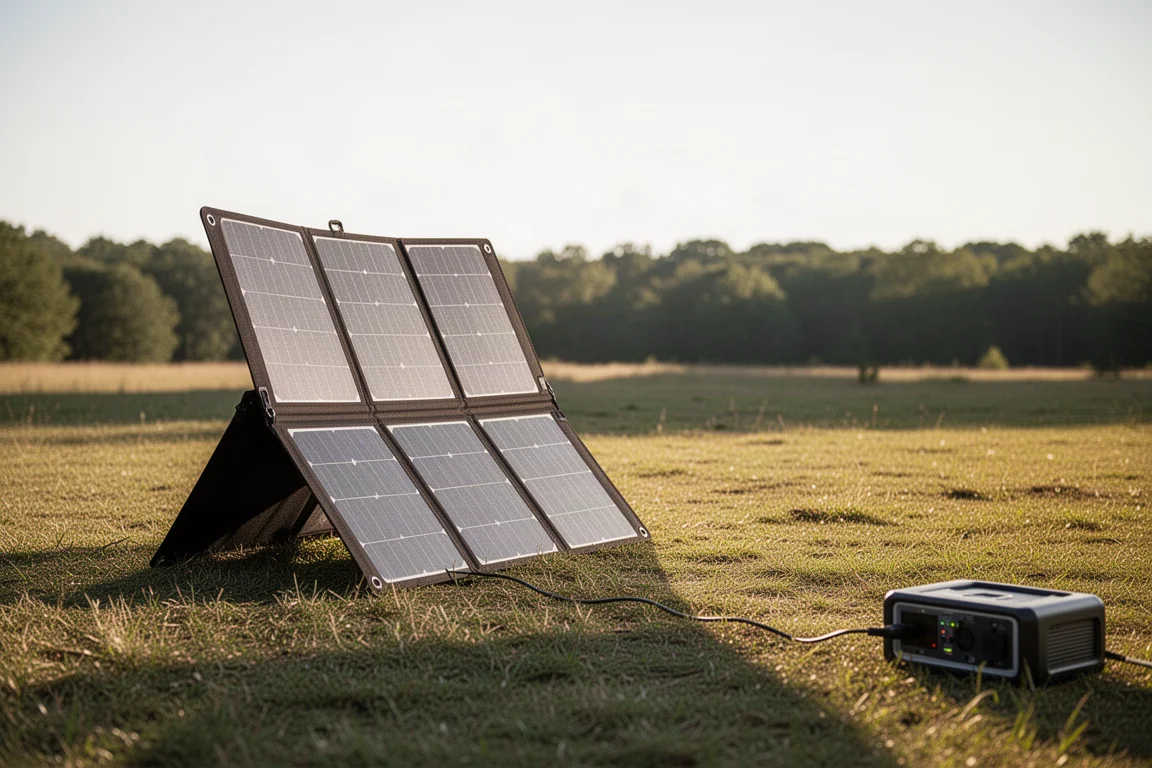
Between the three methods, a wall charge before departure plus a solar panel at camp covers most weekend scenarios, with the 12-volt car option as a backup for the EB70S while driving.
Trade-Offs Worth Knowing
The charging input sits on the front of the unit. In a car, that means orienting the station around the cable rather than around the space available. A rear input, or at least the option of one, would make packing easier.
The display is the other point to plan around. It shows input and output wattage in real time, which is genuinely useful, but the battery indicator moves in 20 percent increments and does not report the hours of runtime remaining. At a reading of 20 percent, it is impossible to tell whether that means nearly a fifth of the battery or almost nothing. For a fridge that has to run overnight, that ambiguity matters, because the difference between a comfortable margin and an empty battery is not visible on the screen.
Buying Advice
The EB55 is the right pick for shorter weekend trips, lighter loads, and situations where a solar panel is available to keep it topped up during the day. It covers phones, lights, small electronics, and a fridge for shorter stretches from a single compact unit.
The EB70S makes more sense when the trip runs longer, when a fridge is drawing continuously for the whole weekend, or when higher-wattage appliances are part of the plan. The 800-watt capability and the 100-watt USB-C output give it headroom that the EB55 does not have, and the ability to top it up from a car’s 12-volt socket adds flexibility on the road. It is also the more capable of the two for emergency backup at home.
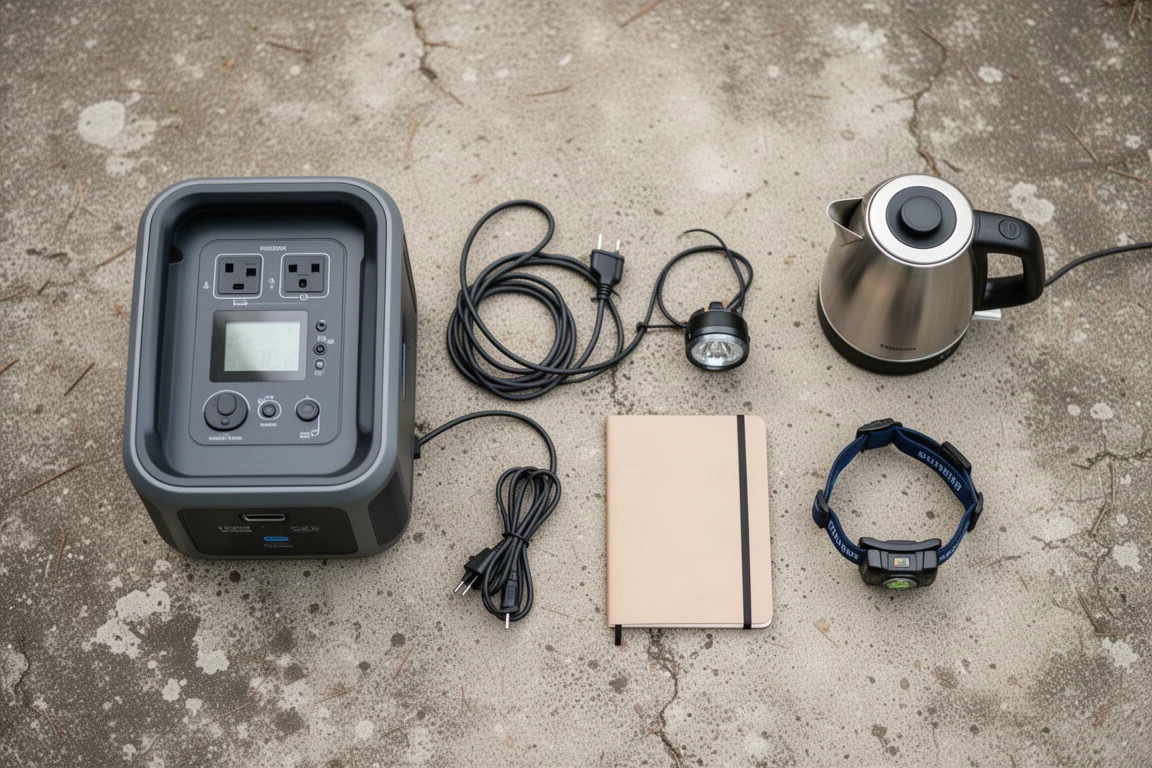
Whichever way the choice goes, both units share the same practical design: a handle on top, a wireless charging pad, and a port selection broad enough to run the electronics and small appliances that come along on a trip. Both have proven reliable in real use.
Conclusion
For weekend car camping with a 12-volt fridge, the EB55 covers the basics, but running the fridge for an entire weekend without solar leaves little margin. The EB70S answers that with 800 watts of output capability, a 100-watt USB-C port, and the ability to charge from a car’s 12-volt socket. Match the station to the length of the trip and the appliances going along, and either one will keep the cold food cold and the devices charged.
Further reading
Related Reviews

Portable Power Stations
Anker SOLIX F3000 Review: A Powerful Portable Power Station With a Few Design Quirks
The Anker SOLIX F3000 delivers strong performance, fast charging, and a competitive price, but a few design choices may give you pause.

Portable Power Stations
EcoFlow Delta 3 Series: Five New Power Stations Previewed
EcoFlow expands the Delta 3 lineup with five models, from the compact Classic to the flagship Ultra Plus. Here is what each one offers.
Portable Power Stations
Oscal Power Max 6000 Review: A Large Solar Generator With Real Trade-Offs
A week of off-grid use shows what the Oscal Power Max 6000 handles well, where it falls short, and when a fuel generator still makes more sense.