Portable Power Stations
Bluetti AC200L Review: A Expandable Power Station Built for Preparedness
A close look at the Bluetti AC200L portable power station: 2,400W AC output, LiFePO4 battery, UPS mode, app control, and where it fits in a backup power setup.
Introduction
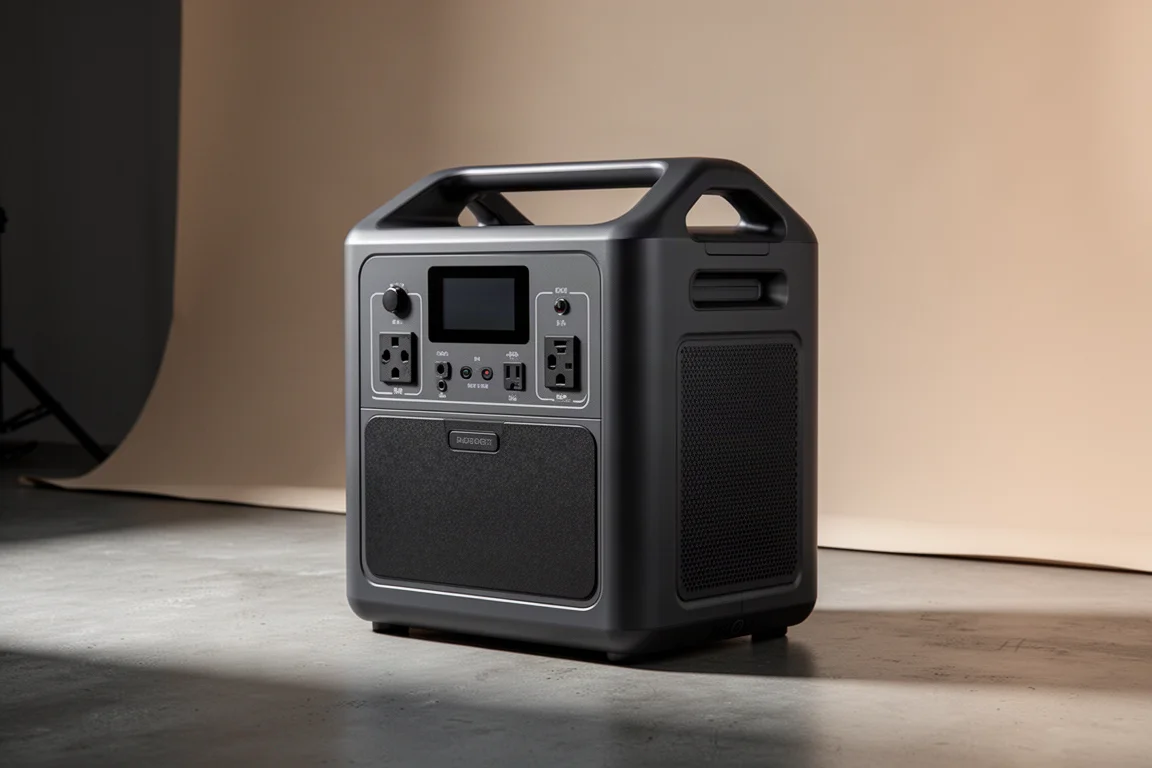
Portable power stations get a mixed reputation. Some people dismiss them as unnecessary gadgets, but a well-chosen unit can quietly run the things that matter most when the grid goes down: a refrigerator, internet equipment, security cameras, or a gas water heater. The Bluetti AC200L is the newest expandable model in Bluetti’s lineup, priced at $1,500, and it is built around a simple idea: a renewable power source you can recharge with solar, so you are not dependent on gasoline or running a generator overnight.
Why a Portable Power Station Belongs in a Preparedness Kit
The case for owning a unit like this is less about living off-grid full time and more about having a cushion. If gas is unavailable, or if you simply do not want to run a gas or propane generator overnight but still want some power around, a battery station fills the gap. And if you miss a charge one day, putting it on solar the next brings it right back, as long as the sun cooperates.
It is not meant to run heavy loads constantly. It is meant to be there when you need it, and to last long enough that the investment makes sense. That is exactly where this category earns its keep.
Key Specifications and Output
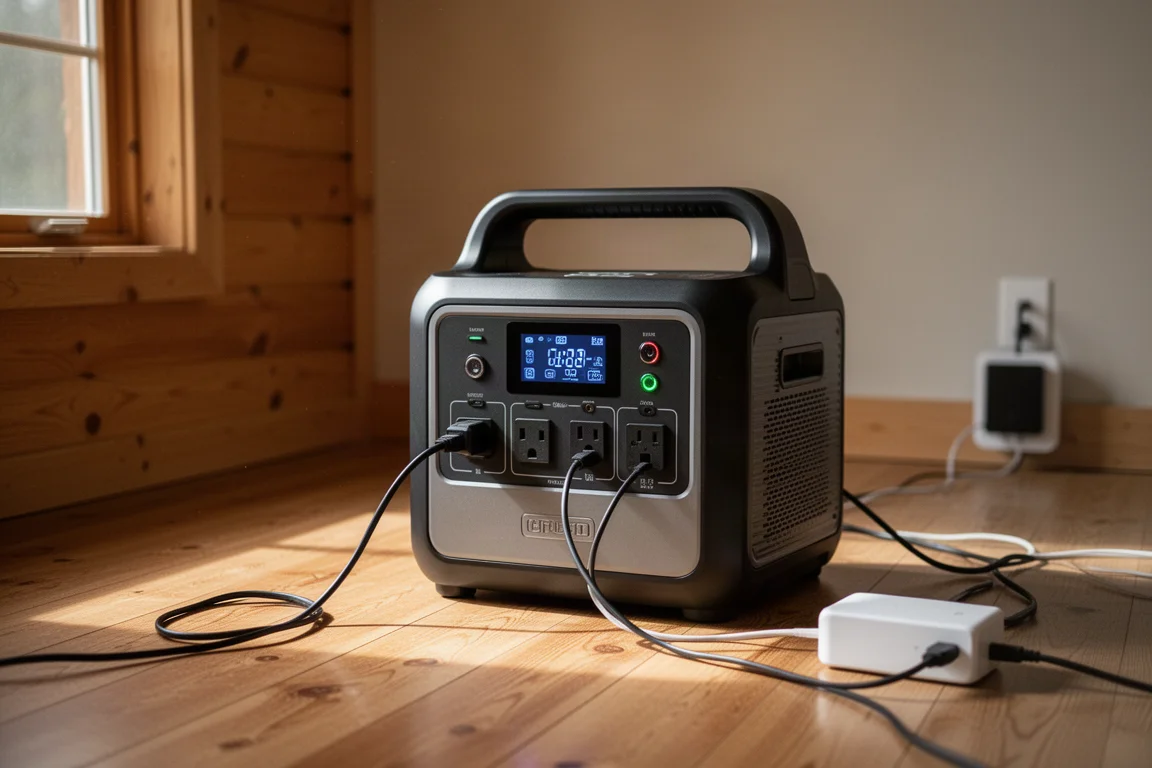
The AC200L delivers 2,400W of AC output, with a combined AC and DC total of 2,500W, and the surge capability is well beyond that. DC output alone can handle a lot, which makes it flexible for mixed loads.
The battery inside is lithium iron phosphate (LiFePO4), rated for 3,000 charge cycles, which points to a service life well beyond ten years. That long-cycle chemistry is a big part of why this unit feels like an investment rather than a disposable gadget.
It is also expandable: you can connect additional battery packs to increase total watt-hours. Note that expansion adds capacity, not more output power. The output ceiling stays the same either way.
App Control Over Wi-Fi and Bluetooth
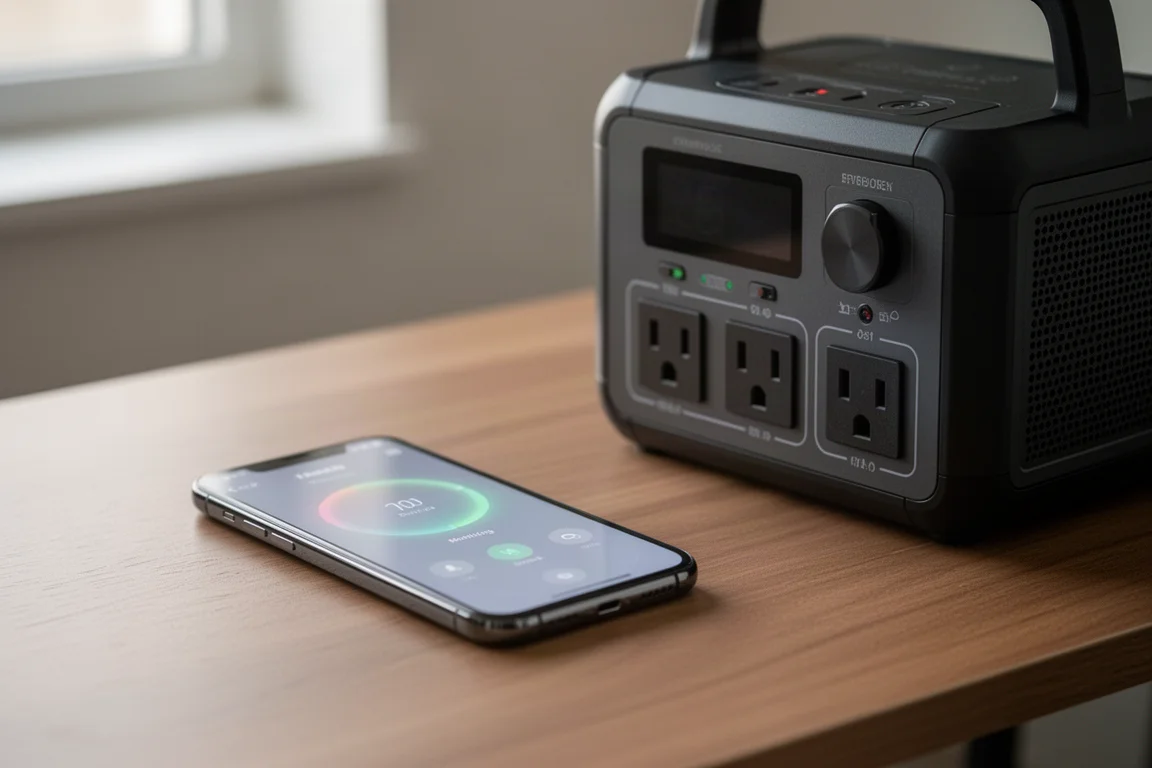
One of the standout features is connectivity. The unit works over both Wi-Fi and Bluetooth, so if it sits at home on your network you can check its status from anywhere. The app mirrors what the built-in screen shows: battery level, output in watts, input sources, alarms, and connected battery packs.
You can toggle the DC and AC outputs remotely, and the app reports exactly how many watts are being drawn at any moment. What makes this trustworthy is that the readings match. In testing, the app and the unit’s own display showed identical values, including a measured 119.7 volts on AC, which is essentially perfect for US households.
Clean, Safe Power for Sensitive Electronics
This is a pure sine wave inverter, and the voltage and frequency held steady at the right values throughout testing. That matters more than most people realize. It is the difference between feeling comfortable plugging in a computer, a refrigerator, or a TV, and worrying about what dirty power might do to them.
A useful bonus is pass-through operation: you can draw power in and push power out at the same time. Pulling around 1,400W in while running 1,600W out did not budge the voltage. The battery simply charges while the outputs keep running.
Settings and UPS Functionality
The screen itself is not a touchscreen, so deeper configuration happens in the app, and there is a lot to configure:
- Multiple UPS modes, so the unit can sit plugged into the wall, power your devices, and switch to battery instantly when grid power fails, keeping anything connected from shutting down.
- Charging modes including turbo, silent, and standard.
- Eco mode, which shuts the inverter off after four hours of no load. Great for charging a camera that turns off when full, but a problem for something like a sump pump, where you would want it off.
- Never-sleep mode, adjustable AC and DC limits, selectable DC input sources, 50/60Hz switching, and adjustable grid charging amperage for weaker or off-grid charging situations.
That level of customization is rare at this price and makes the unit adaptable to very different setups.
Ports, Outputs, and the RV-Ready 30A Outlet
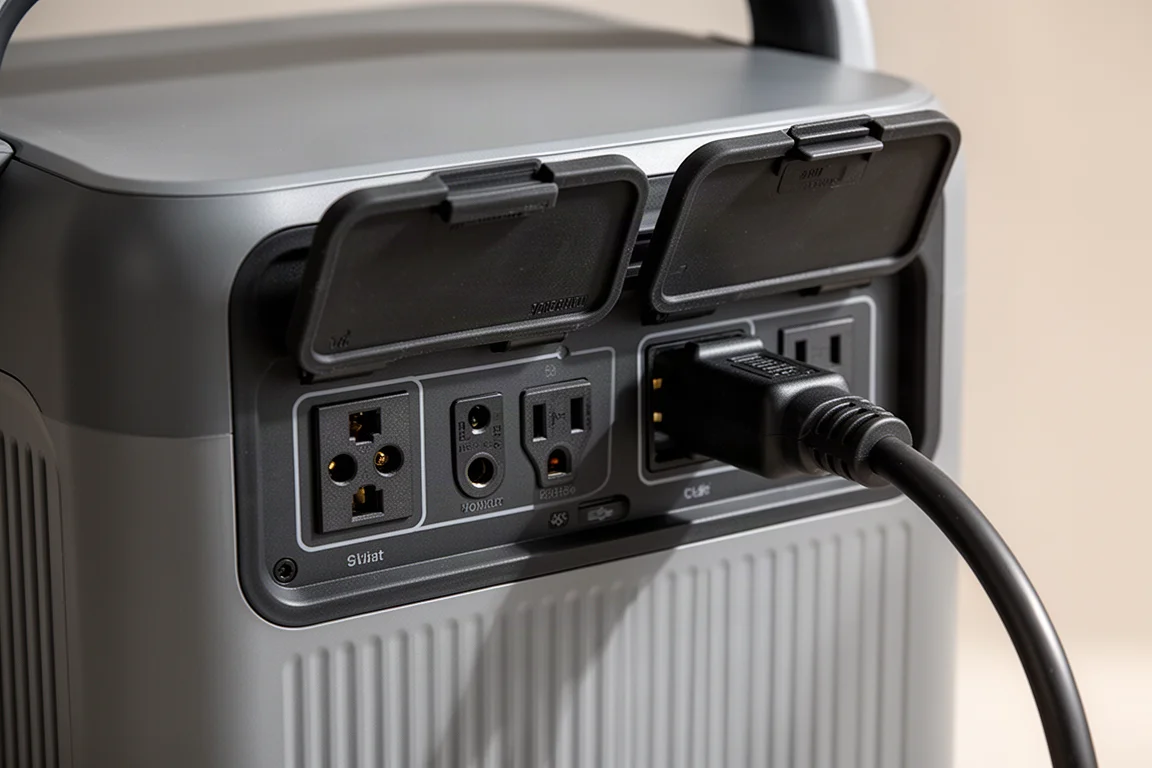
The front panel is well laid out. There are four 120V/20A AC outlets plus a 30A RV outlet, which is a genuinely useful inclusion. You can plug an RV in directly, or use an appropriate cord to distribute power to standard outlets.
On the DC side you get a 12V cigarette-style output at 10A, two USB-C ports with 100W PD, and two USB-A ports at 3A each. There is also a 48V/8A aviation-style output intended for an upcoming Bluetti converter that will power RVs over DC. That converter is not out yet, so most buyers will not use that port today.
The buttons are solid and simple: press once and the output turns on, no long-press gymnastics required.
What’s in the Box, and a Few Trade-offs
The unit ships with the AC grid power cable and a DC charging cable with a connector for solar or a car adapter, supporting 12V input at up to 15A. If you buy a solar panel, make sure its voltage fits that input range.
A few things to know before buying. The AC and DC cables are proprietary, so spares are not the kind of thing you just have lying around, and the plastic threaded connectors need care to avoid cross-threading. The DC input ports are covered, which is nice, but they are also proprietary. And notably, there is no wireless charging pad on top of this unit. The older AC200P has one, and its absence here looks like a design decision, possibly something that could arrive as an option later.
How It Compares to the AC200P
Having owned the AC200P, the comparison is instructive. The AC200P has a few features this owner prefers, most obviously the wireless charging pad on top. The AC200L counters with expandability: it can be extended with additional battery packs to grow total capacity over time, something the fixed-capacity AC200P cannot do.
Neither is strictly better. If wireless charging matters to you, the AC200P still has an edge. If growth and flexibility matter more, the AC200L is the direction Bluetti is heading.
Everyday Uses Beyond Emergencies
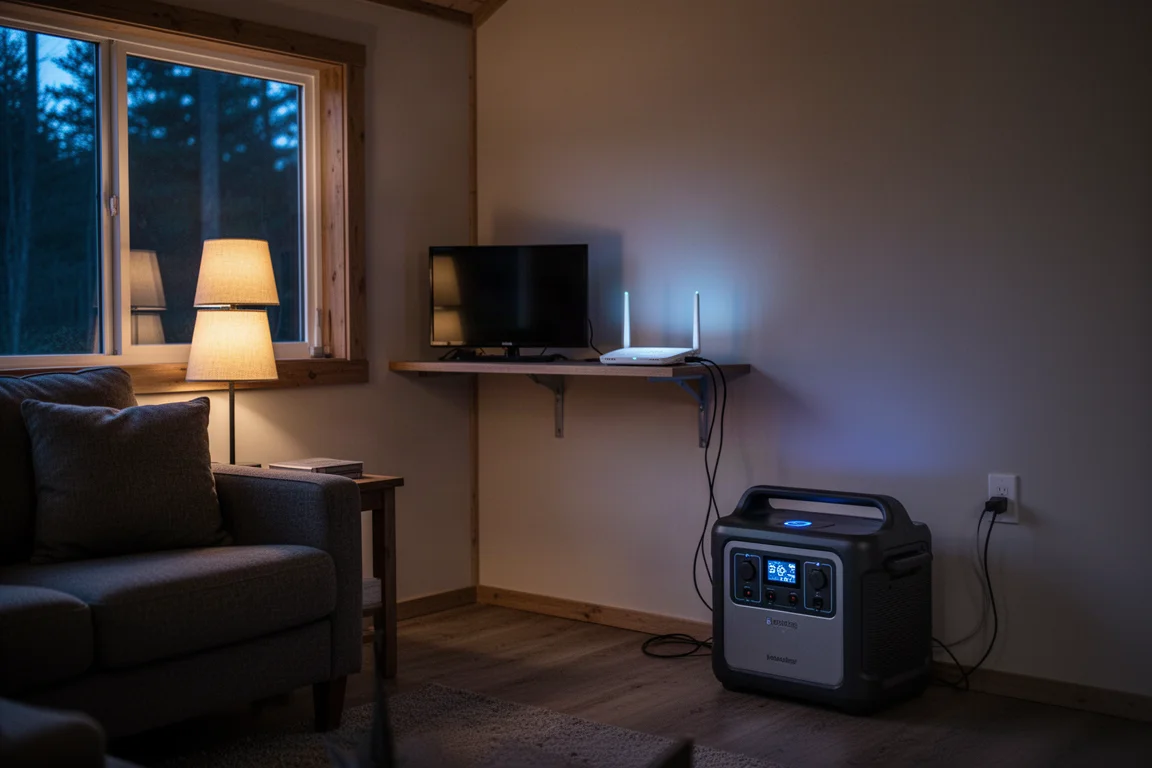
The real value shows up in daily life, not just emergencies. Set up at a cabin, plugged into a few vital circuits, it keeps essentials running through an outage: internet and Wi-Fi, a TV for news or a movie, phones charged, security cameras and systems online.
It handles a gas water heater without breaking a sweat, which means hot water during a power cut without firing up a generator. Sump pumps work well on it too, with the caveat about eco mode noted earlier.
Buying Advice
At $1,500, the AC200L is a serious purchase, and it makes sense for a specific buyer: someone who wants a large-capacity, long-lived backup power source that can be expanded later, controlled remotely, and trusted with sensitive electronics. If you only need to charge phones and laptops occasionally, this is more unit than you need. If you want refrigeration, water heating, internet, and security coverage through an outage without a generator running all night, it is well matched.
The LiFePO4 chemistry and 3,000-cycle rating mean it should still be working more than a decade from now, which helps justify the price over cheaper, shorter-lived alternatives.
Conclusion
The Bluetti AC200L is a quality-built, expandable power station with clean pure sine wave output, deep app-based control, and a port selection that includes a rare 30A RV outlet. Its main trade-offs are proprietary cables, no wireless charging, and a 48V aviation port waiting on hardware that is not out yet. For anyone building a practical preparedness setup, it is a strong, confidence-inspiring choice.
Product link
View more details for Bluetti AC200L
This product is mentioned in the review. Check the specifications, options, and compatibility before buying.
View more details for Bluetti AC200LFurther reading
Related Reviews

Portable Power Stations
Anker SOLIX F3000 Review: A Powerful Portable Power Station With a Few Design Quirks
The Anker SOLIX F3000 delivers strong performance, fast charging, and a competitive price, but a few design choices may give you pause.

Portable Power Stations
EcoFlow Delta 3 Series: Five New Power Stations Previewed
EcoFlow expands the Delta 3 lineup with five models, from the compact Classic to the flagship Ultra Plus. Here is what each one offers.
Portable Power Stations
Oscal Power Max 6000 Review: A Large Solar Generator With Real Trade-Offs
A week of off-grid use shows what the Oscal Power Max 6000 handles well, where it falls short, and when a fuel generator still makes more sense.