Portable Power Stations
Blue Eddy EB70S and EB55 Review: Portable Power for Car Camping
A practical look at the Blue Eddy EB70S and EB55 power stations for car camping, covering output, port selection, charging options and the trade-offs to weigh before buying.
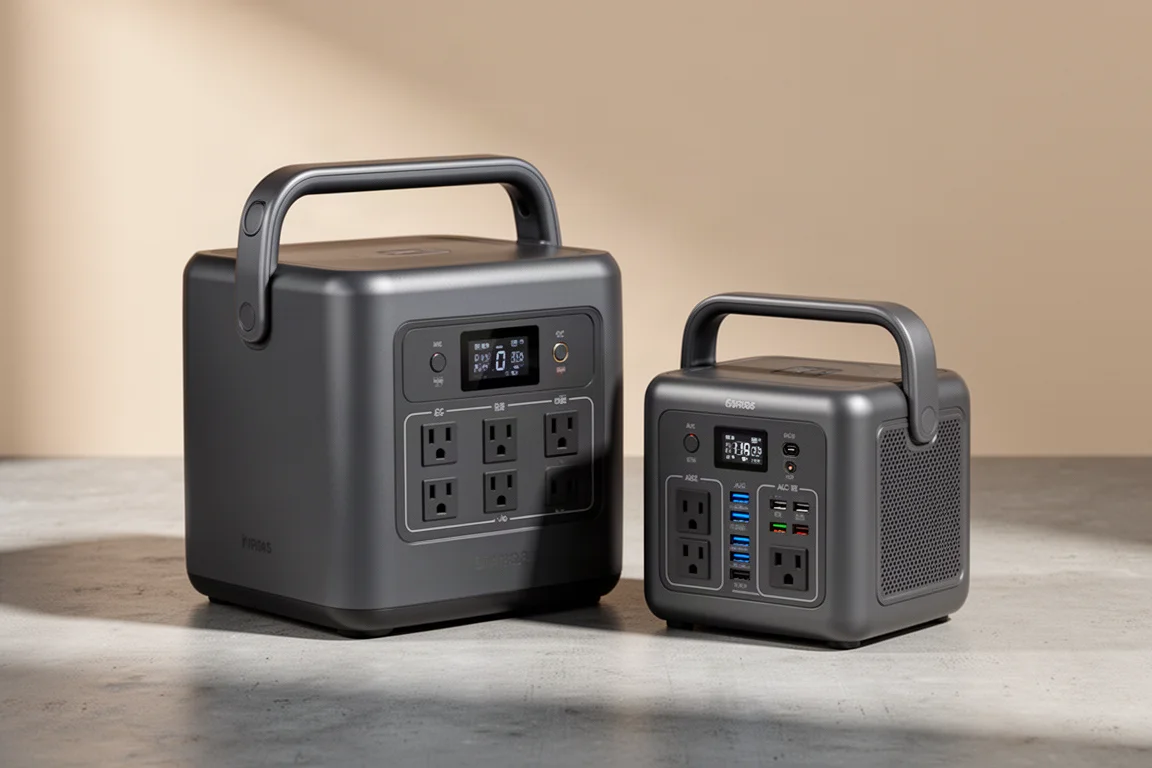
Introduction
Car camping works best when the comfort gear actually holds up for the whole trip. A 12 volt fridge is one of the biggest quality-of-life upgrades you can bring, but it only helps if something keeps it running from the moment you park until the moment you drive home.
That job falls to a portable power station. The Blue Eddy EB70S and the smaller Blue Eddy EB55 both handle it, though they suit different trips and different loads. This guide walks through what each unit brings to a weekend campsite, where the real limits show up, and which one makes more sense depending on how you camp.
What Matters When Powering a Car Camping Setup
Running a fridge is a continuous draw, not a one-off charge, and that changes what you should look for. Output wattage matters because it decides whether a device can run at all. Input options matter because a fridge does not pause while you sleep. Port variety matters because phones, laptops, lights and cameras all want different connectors.
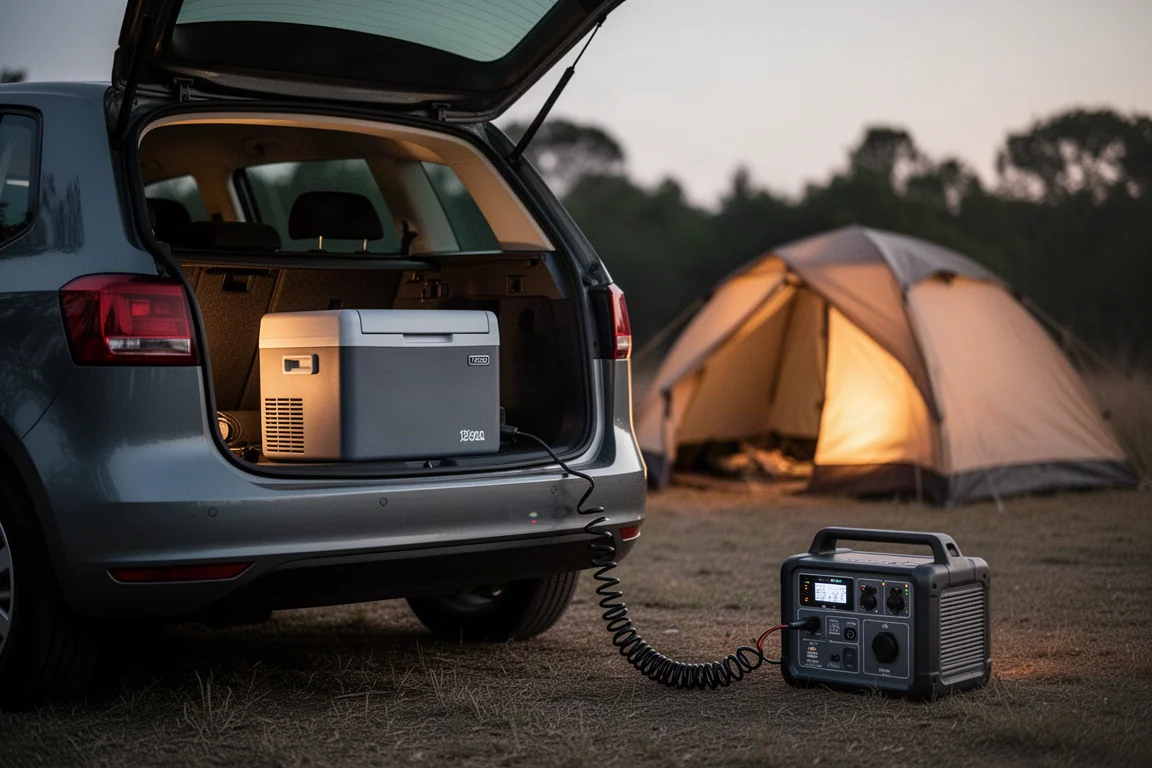
A unit that only tops up on wall power is workable at home but limiting at a campsite. Solar input and a 12 volt car feed are the two options that keep a station topped up while you are away from an outlet. Runtime feedback on the display is the third piece, since it tells you how much margin you have left before the fridge stops cooling.
Blue Eddy EB70S: More Headroom for Higher-Wattage Gear
The EB70S is rated to power devices up to 800 watts, which is a meaningful ceiling. In practice that covers most of what you would want at a campsite, and it also opens the door to appliances you would normally leave at home, such as a blender. For anyone thinking about a camper trailer or a home backup setup, that headroom is the main argument for stepping up to this unit.
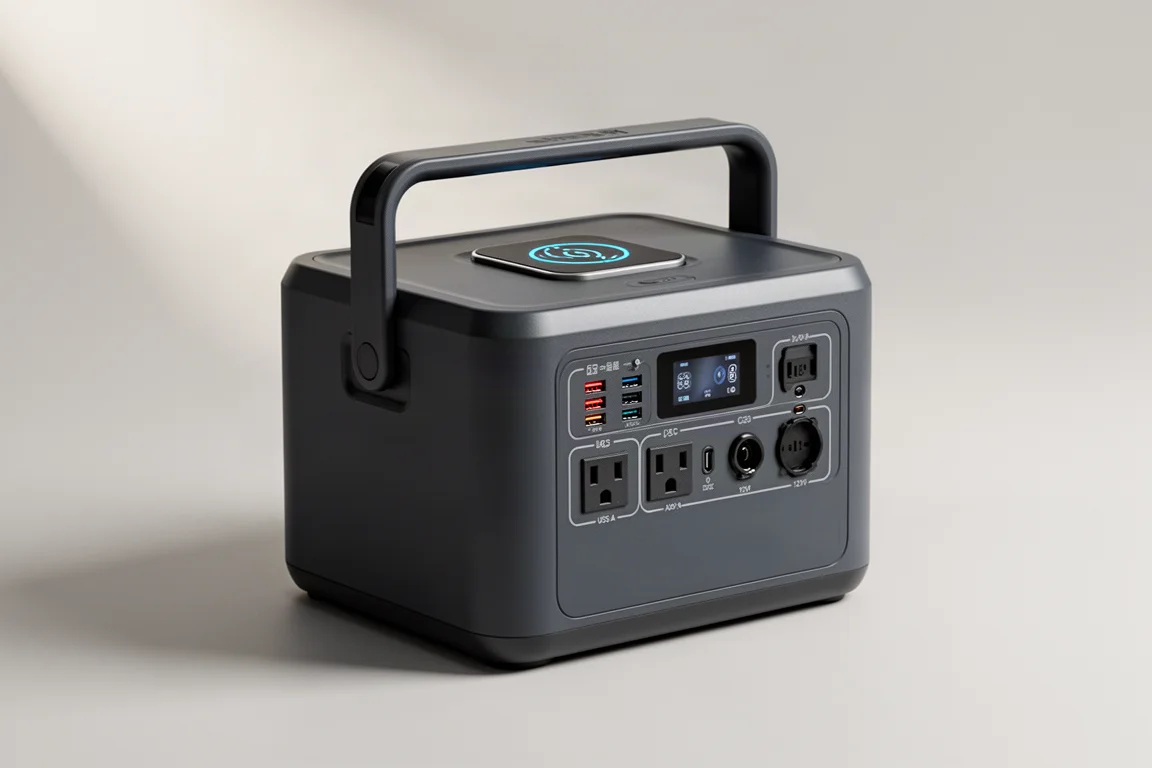
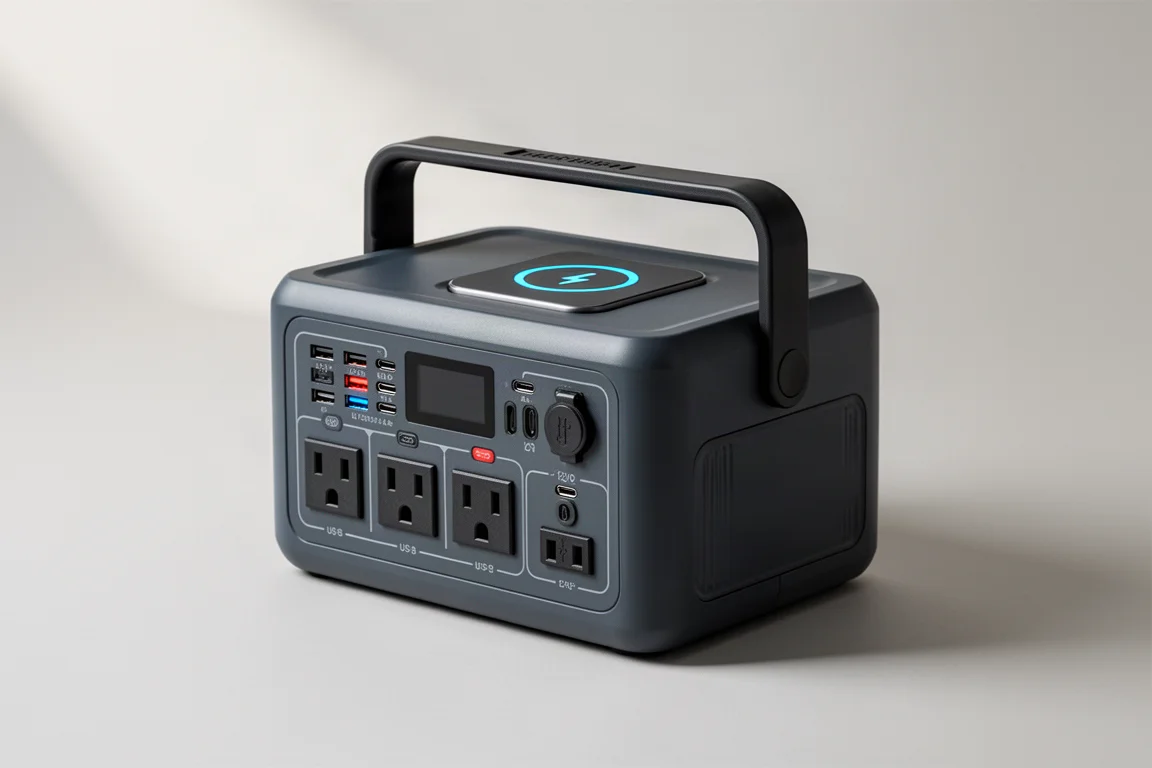
Port selection is broad: AC outlets, DC output, USB-A and USB-C. The USB-C port delivers up to 100 watts, which is enough to charge a MacBook that needs a serious power feed. There is also a wireless charging pad on the top surface, so a phone can simply sit on the unit and charge without a cable.
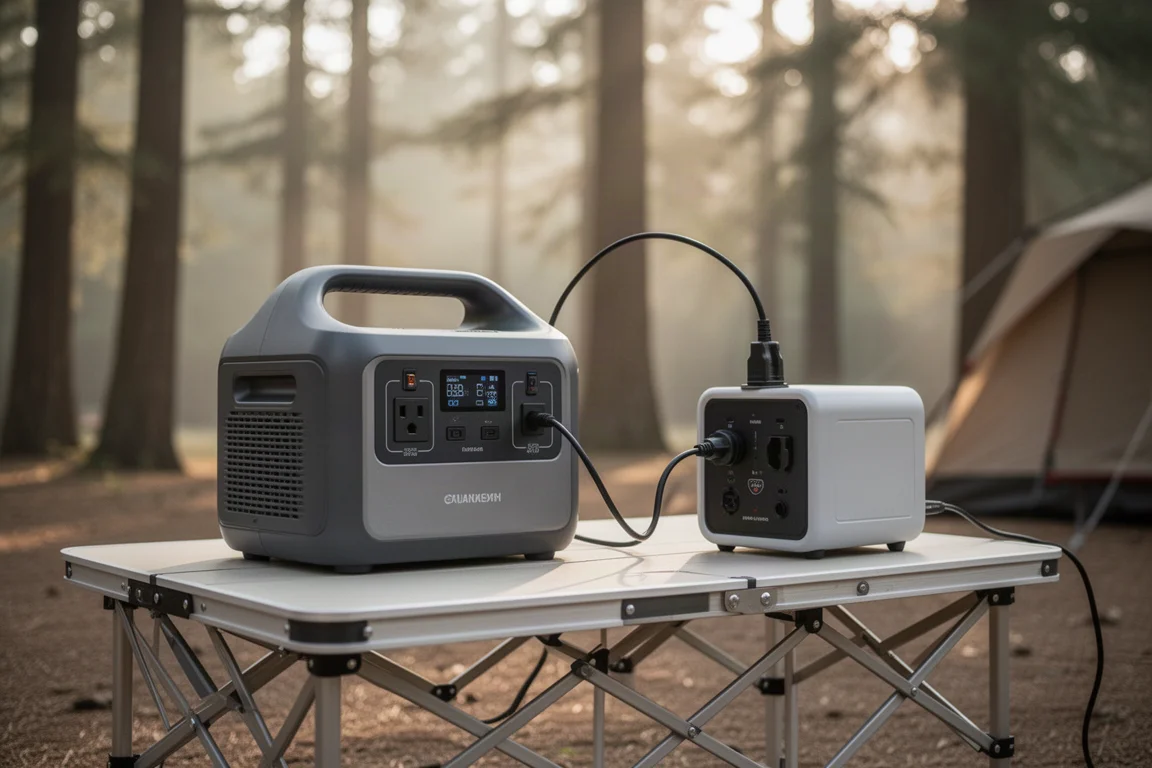
For charging, the EB70S accepts a wall connection through an included AC brick, and it can also take a 12 volt feed through an adapter cord that plugs into a standard cigarette lighter socket. That car feed runs at roughly 20 to 35 watts, so it will not refill the battery quickly, but it is enough to keep the unit topped up while you drive. A 100 watt plus Blue Eddy solar panel is the third option and can push over 100 watts in direct sun.
Blue Eddy EB55: A Compact Weekend Companion
The EB55 is the smaller of the two and covers 13 ports, including several AC outlets, USB-A, USB-C and DC. It also carries a 15 watt wireless charging pad on the top surface. For a straightforward weekend trip without heavy loads, that is plenty, and the smaller body is easier to move around and store between trips.
The limit appears when a fridge runs continuously. Over a full weekend the EB55 does not leave much comfortable margin, especially if the unit has no chance to recharge during the day because you are out and about rather than sitting at camp. Bring the solar panel and the picture changes. Without it, plan around a shorter fridge runtime or lighter loads.
One practical difference between the two units is car charging. The EB55 does not accept the same 12 volt adapter cord setup as the EB70S and needs a different type of input, so it is worth checking that detail before assuming the cigarette lighter approach carries over.
Charging Options: Wall, 12V, and Solar
Wall charging is the fastest route and uses the supplied AC brick, which delivers maximum input to refill the battery as efficiently as possible. The trade-off is the brick itself. It is a bulky piece of gear to pack and manage, and it stays active after the battery is full, with a fan that keeps running. An automatic shutoff once charging completes would make it far easier to live with.
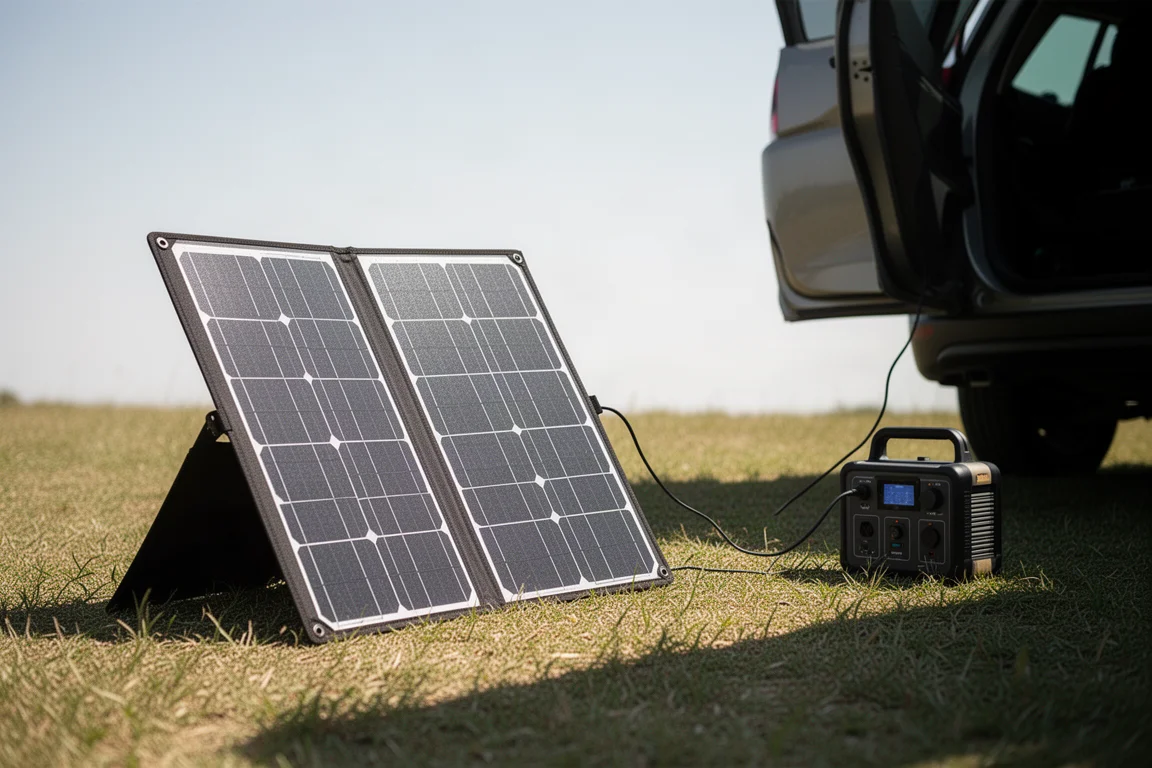
The 12 volt route is more convenient in a vehicle, and on the EB70S it works through an adapter cord into the standard input. The 100 watt plus Blue Eddy solar panel is the option that matters most on longer trips. It pairs directly with these units, comes with the connectors needed to set it up, and produces over 100 watts in direct sun, which is enough to keep a station topped up across a weekend.
Where Both Units Could Improve
Two design points apply to both models. First, the charging input sits on the front panel. Moving it, or at least offering a rear input as an alternative, would make these units easier to tuck into a car without a cable jutting into the space you need.
Second, the display. It shows input and output wattage clearly, which is genuinely useful, but the remaining battery readout moves in 20 percent steps and there is no estimate of hours left. At 20 percent you cannot tell whether that means minutes or hours. A runtime estimate would remove a lot of guesswork when a fridge is depending on the battery.
Buying Advice
Choose based on the load you actually run, not on trip length alone. If a fridge is the main draw and you want to run it for a full weekend without watching the battery, the EB70S and its 800 watt ceiling give you the margin to do that, plus the ability to power higher-wattage appliances and charge a laptop over USB-C at up to 100 watts. If you pack lighter and can pair the station with solar, the EB55 and its 13 ports cover a normal weekend well in a smaller body.
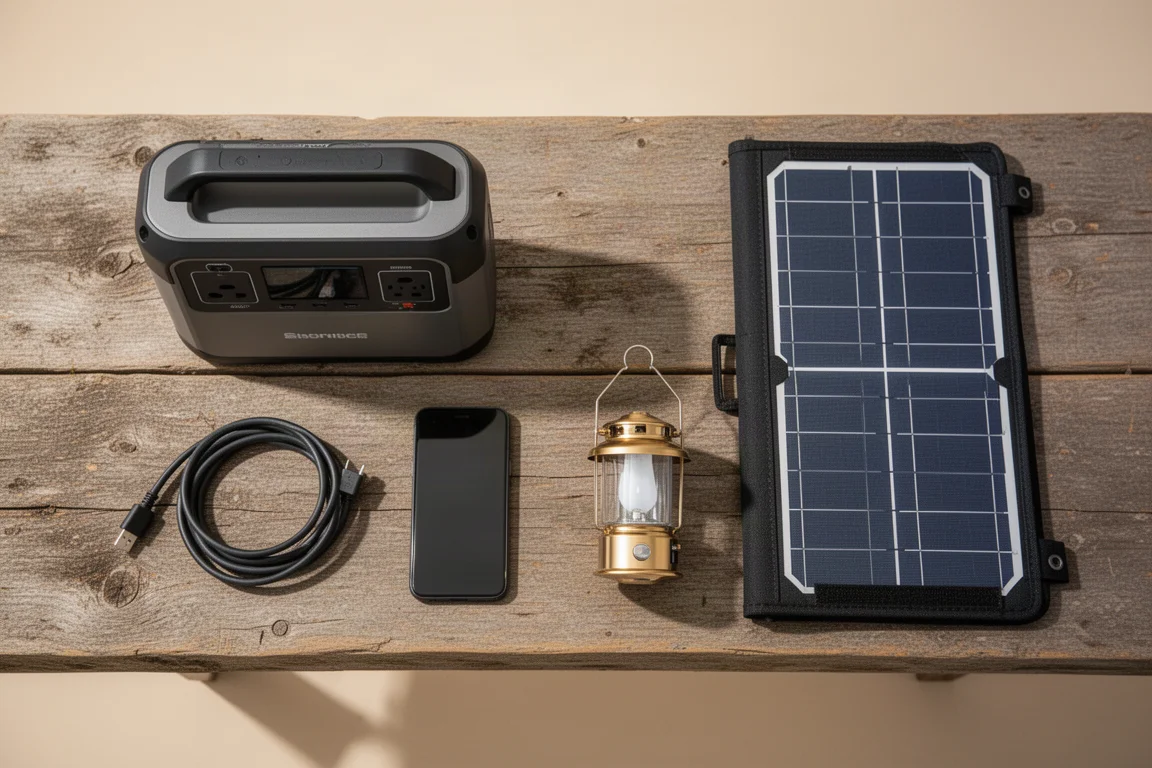
Either way, budget for the solar panel if you plan to be away from an outlet for more than a day, and keep the wall brick in mind as the bulky item in the bag. Both units share a simple top handle, a wireless charging pad, and enough port variety to run phones, lights, cameras and a fridge from one box.
Conclusion
The Blue Eddy EB70S and EB55 are reliable, well-rounded power stations that make a 12 volt fridge practical on a car camping trip. The EB70S is the safer pick when a fridge runs all weekend or when you want to power something heavier. The EB55 is the better fit for lighter weekends where solar charging is part of the plan. Match the unit to your load and both will do the job.
Further reading
Related Reviews

Portable Power Stations
Anker SOLIX F3000 Review: A Powerful Portable Power Station With a Few Design Quirks
The Anker SOLIX F3000 delivers strong performance, fast charging, and a competitive price, but a few design choices may give you pause.

Portable Power Stations
EcoFlow Delta 3 Series: Five New Power Stations Previewed
EcoFlow expands the Delta 3 lineup with five models, from the compact Classic to the flagship Ultra Plus. Here is what each one offers.
Portable Power Stations
Oscal Power Max 6000 Review: A Large Solar Generator With Real Trade-Offs
A week of off-grid use shows what the Oscal Power Max 6000 handles well, where it falls short, and when a fuel generator still makes more sense.