Indoor Cycling
Bkool Review: An Indoor Cycling Platform Built Around Real-World Routes
A practical look at Bkool's real-world route library, structured training, multiplayer rides, and instructor-led spin classes, plus subscription pricing.
Introduction
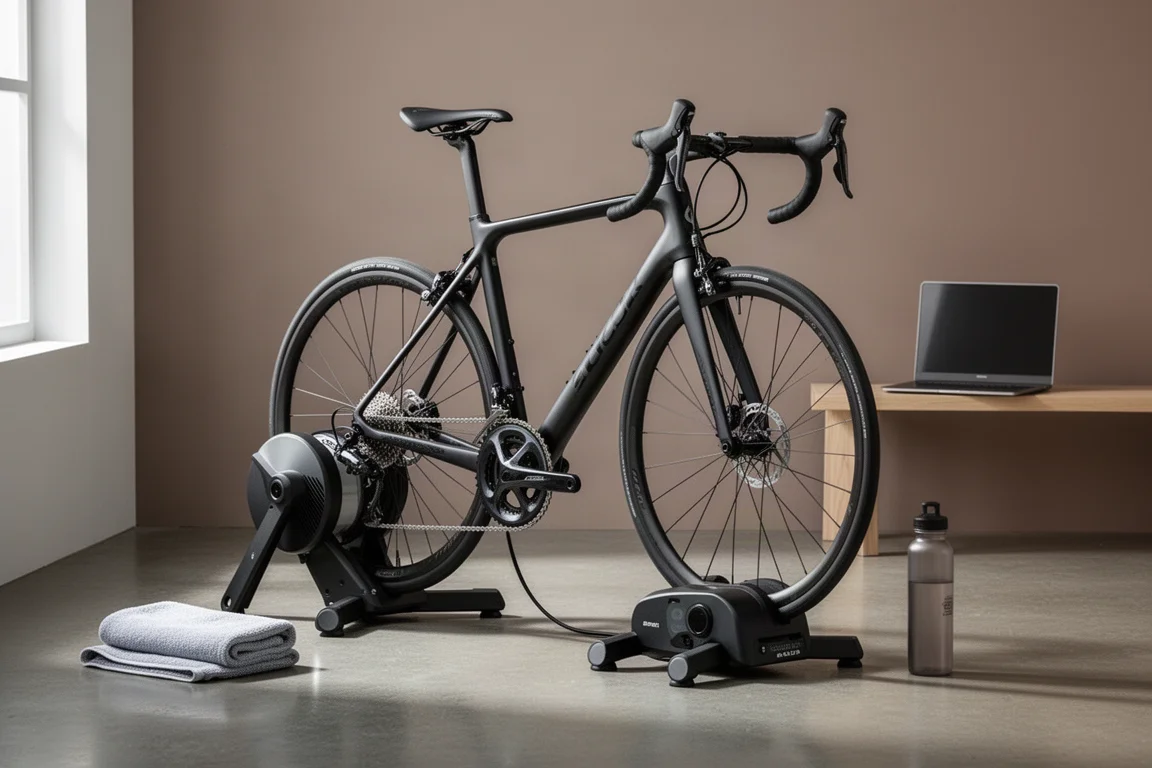
Bkool is an indoor cycling platform that combines real-world route simulation, structured training, and social riding inside a single subscription. The idea behind it is straightforward: make indoor riding feel as close to riding outdoors as possible, so long winter sessions stay engaging instead of becoming something to endure.
It is built for cyclists at every level, from beginners working through a first training plan to experienced riders chasing specific goals. Bkool also positions itself at a lower cost than many established indoor training apps, which makes the feature set worth a closer look.
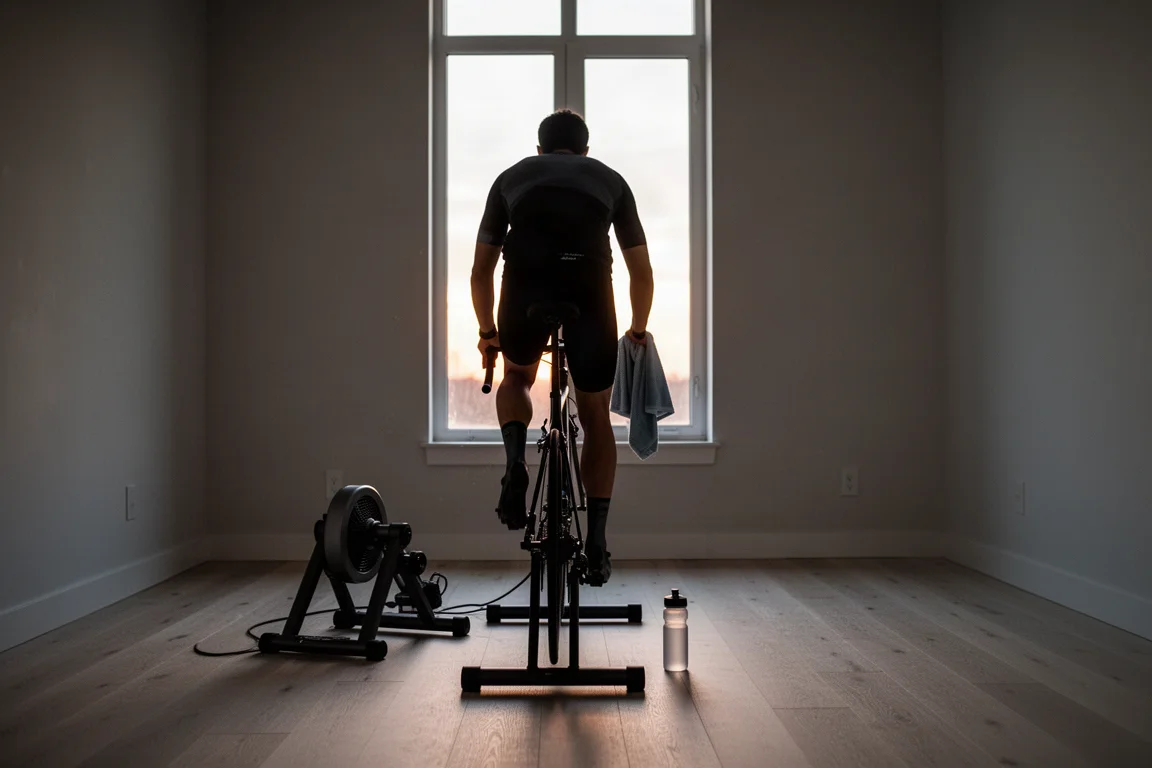
What sets the platform apart is the balance between real footage, structured workouts, and multiplayer riding. None of those ideas is unique on its own, but having them in one place at a competitive price is the part that stands out.
What Makes Bkool Different
The platform’s main focus is simulating outdoor rides. Real-world routes are available from around the globe, and riders can also create and upload their own. That includes the biggest climbs and virtual stages from the last four editions of the Giro, where Bkool is a major partner, along with virtual versions of one-day Classics such as Strade Bianche, Milan-San Remo, and Il Lombardia.
There is a local angle too. Bkool lets you record your regular loops and upload them in HD quality, so a familiar route can be ridden indoors on a cold evening. Uploaded routes are shared, which means other riders around the world can ride them as well.
Bkool: Real-World Routes and Structured Training
Structured training sits alongside the route library. Training plans cover a range of fitness levels, and the session library is large and organized, with difficulty and duration shown so it is easy to find a workout that fits the time available. If a coach assigns sessions through TrainingPeaks, those workouts can be uploaded and ridden through Bkool rather than followed from a printed sheet.
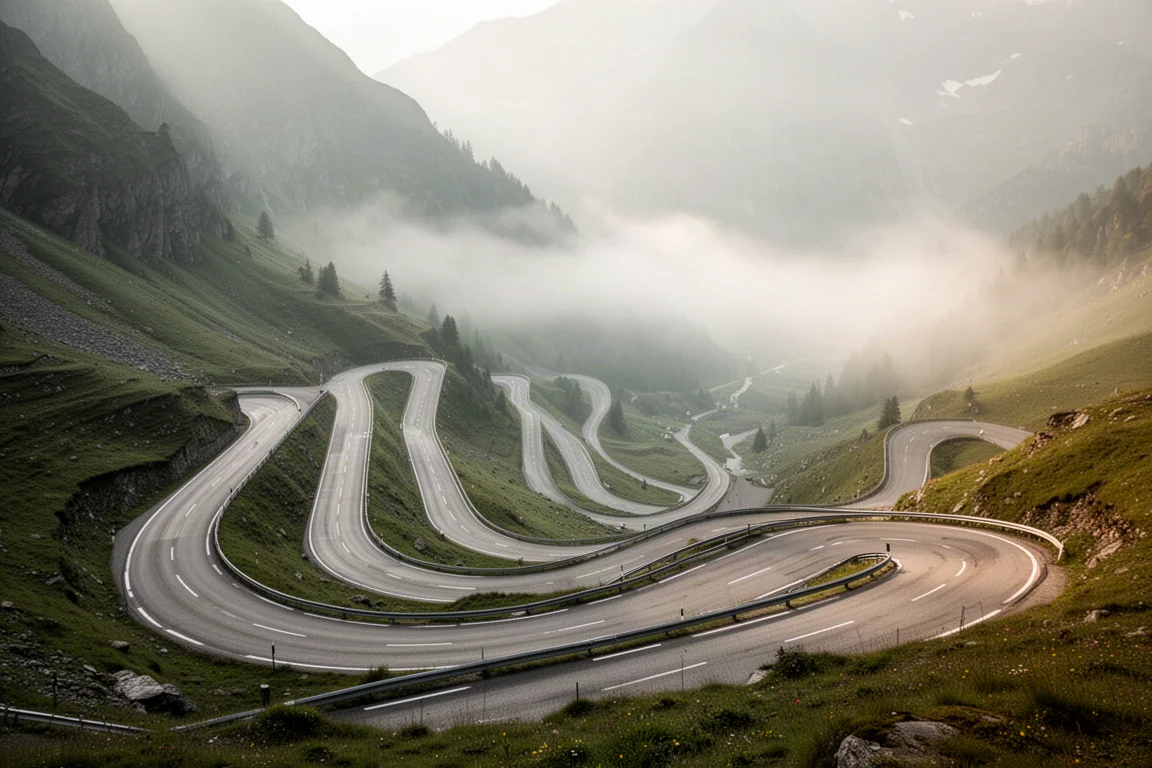
Multiplayer adds the social layer. Group rides and races run on real-world courses, so a group of friends can spend the winter riding together on roads they would otherwise only see in summer. For riders who prefer a track, there are three virtual velodromes, including the London Velodrome, with hour record and kilo challenges to attempt.
Bkool Spin Studio: Instructor-Led Classes
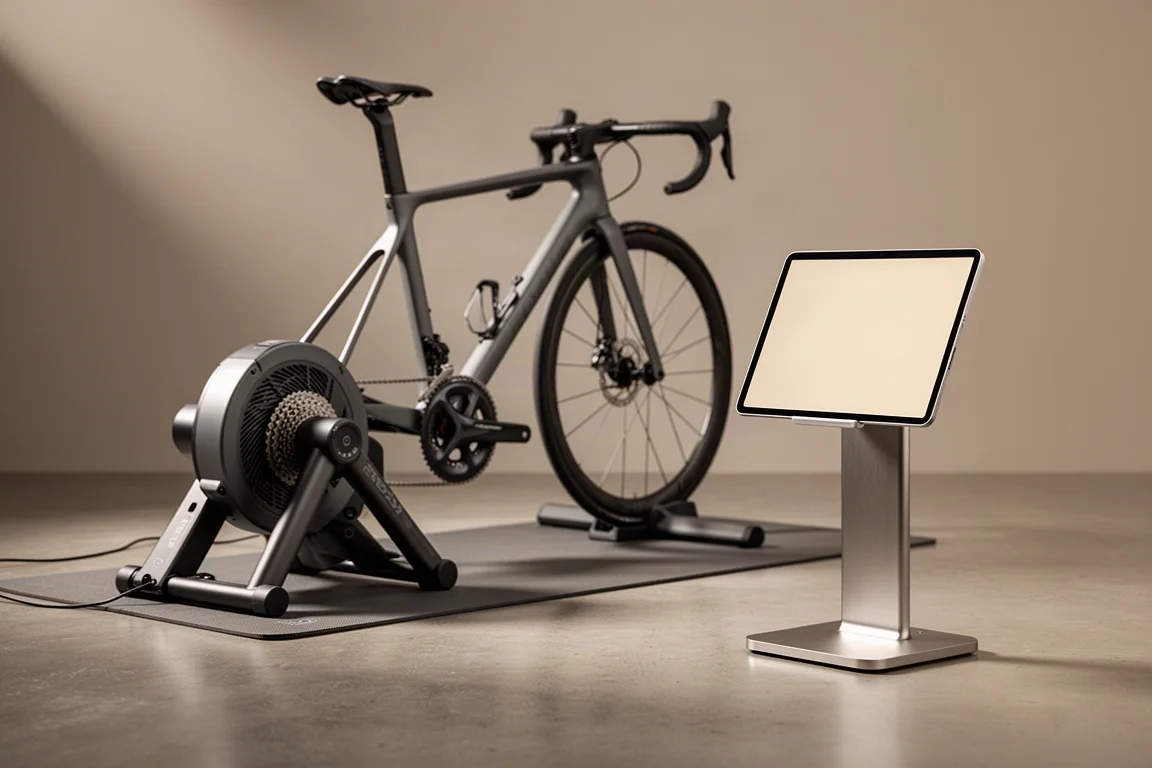
For riders who want classes rather than route simulation, there is a large library of spin classes, running into the hundreds, each led by a trained instructor. These are delivered through the Bkool Spin Studio app, which is included in a Bkool subscription rather than sold separately.
That makes the subscription broader than a pure training tool. A rider can follow a structured plan in one session, join a group ride the next day, and drop into an instructor-led class when motivation is low, all without adding another service.
Interface, Avatars, and Ride Data
Navigation has been reworked to be more intuitive. When the app opens, the main options sit immediately in front of you, so a workout or a race can be started without hunting through menus.
Once a ride begins, the virtual environments draw you in, and the real-world footage gives you something to look at on every route. Progression levels unlock customization options for your avatar, including helmets, wheels, and glasses, which adds a personal touch over time.
Graphics and rider movement have also been improved, and the video feed can be switched on whenever you would rather watch the actual route. Ride data sits along the bottom of the screen in a large, clearly readable format, which matters more than it sounds once sweat is running into your eyes.
Subscription Plans and Buying Advice
Bkool offers a 30-day free trial for new users, which is generous compared with apps that give only a few days or a limited number of kilometres. That window is long enough to work through the main features properly, including the custom ride uploader, which takes time because a route has to be filmed in a specific way before it can be uploaded.
After the trial, pricing is straightforward. The monthly subscription is 11 euros, or 110 euros for a full year, which works out as roughly two months free. There is also a family plan at 129 euros per year covering three users, or about 43 euros per user annually.
For anyone weighing the cost against the feature list, the annual plan is the better value if you ride through the winter months. The family plan makes sense for households with more than one rider, since the per-person cost drops considerably.
What to Consider Before You Subscribe
A few practical points are worth checking first. The spin classes require the Bkool Spin Studio app, which is included in the subscription but has to be downloaded separately. Pricing is quoted in euros, so the cost will vary with exchange rates depending on where you are.
The custom ride uploader is one of the more distinctive features, but it is not a quick process. Recording a route to the required standard takes planning, so it is best treated as a project rather than a spontaneous addition to your library.
It is also worth using the full trial period rather than a single session. Bkool covers several different styles of riding, and the value of the subscription depends on how many of them you actually use. A rider who mainly wants structured intervals will use a different slice of the platform than someone who mainly wants group rides or instructor-led classes.
Conclusion
Bkool brings real-world routes, structured training plans, multiplayer riding, and instructor-led spin classes together in one subscription at a price that undercuts much of the market. The 30-day trial gives enough time to judge whether that combination fits your training, and the annual and family plans make the ongoing cost easier to justify for regular riders. If indoor riding has started to feel repetitive, the mix of real footage and social riding is the part most likely to change that.
Further reading
Related Reviews
Indoor Cycling
Best Budget Smart Indoor Trainer Setups: Six Options Worth Considering
Smart indoor trainers keep getting better while prices come down. Six setups and components worth considering, from the cheapest Zwift-ready option upward.
Indoor Cycling
Best Budget Smart Indoor Trainers for Immersive Cycling in 2026
A practical guide to affordable smart indoor trainer setups, including budget and mid-range options with virtual shifting.
Indoor Cycling
Best Indoor Cycling Apps and Smart Trainers: A Winter Buying Guide
A practical look at the indoor training platforms and smart trainers that matter this season, from a new challenger to Zwift to the entry-level trainer that stands out on value.