Assistive Technology
Bionic Legs Review: What a 10 km Flat Test Revealed
An external carbon and titanium exoskeleton with a claimed 1,000 W motor, tested over two matched 10 km efforts to see how much effort it really saves.
Introduction
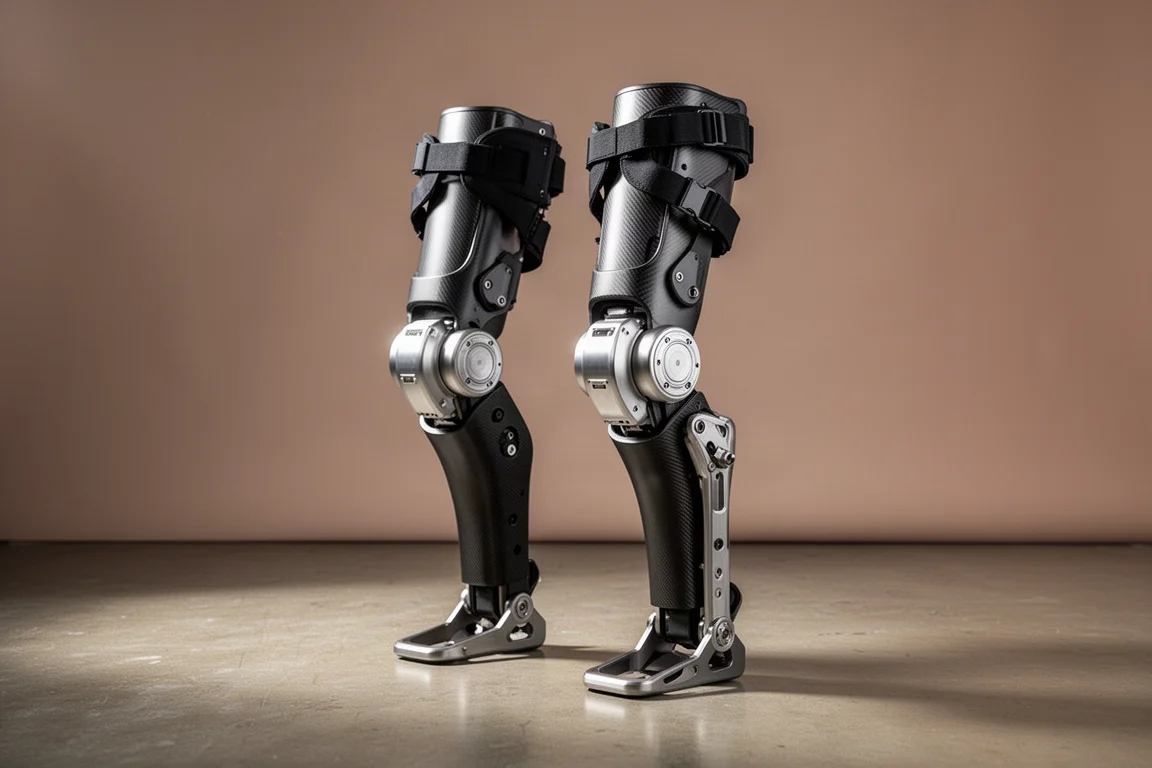
Mechanically assisted riding has moved from concept sketches to something a rider can actually strap on and use. The Bionic Legs are an external exoskeleton built from carbon and titanium, with an inbuilt motor that provides a claimed 1,000 W of assistance. The premise is simple: the frame carries part of the load so the rider’s body does less work.
The more useful question is whether that assistance shows up in real numbers. A 10 km flat course ridden twice at the same target power, once with the legs active and once without, gives a far clearer answer than any spec sheet.
What the Bionic Legs Actually Are
The Bionic Legs are an exoskeleton: a mechanical skeleton worn externally over the legs, constructed from carbon and titanium. An inbuilt motor adds assistance while pedalling, and the manufacturer claims 1,000 W of motor power, roughly two hours of riding per charge, and a possible reduction in rider effort of up to 39%.
Fitting is part of the experience. The frame sits over the leg with straps and articulated sections, and there is a maximum assist mode that can be switched on before a ride. In that setting the motor contributes its full assistance rather than a graduated amount.
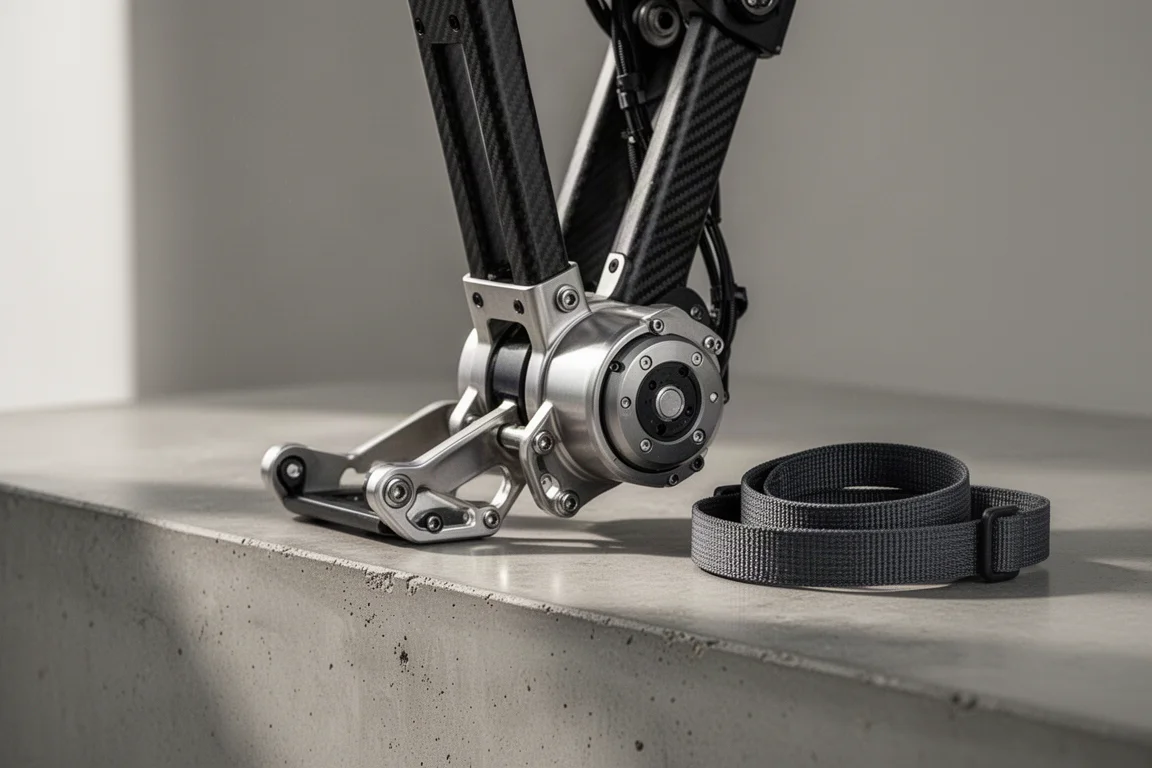
Once maximum assist is engaged, the motor contributes continuously while the rider pedals. The effect blends in rather than fighting the rider’s input, and it is most noticeable when holding a steady effort on flat ground.
Who This Product Is For
Bionic Legs make most sense for people who want to reduce the physical cost of riding, not for riders chasing peak power. If the goal is covering a flat route at a steady pace with a lower heart rate, or staying active with mechanical support, this is the scenario where the system earns its place.
It is a poor fit for anyone expecting a sprint advantage. The same frame is also intended to support walking and hiking, so the appeal extends well beyond cycling.
Main Strengths: Efficiency Gains on a Flat Course
The clearest result came from two 10 km efforts on a mostly flat, fast course. Both runs were paced to the same target power, which makes the comparison fair. With the legs active, the ride averaged 347 W at an average heart rate of 147 beats per minute.

After a rest, the same rider repeated the effort without the exoskeleton. Average power was identical at 347 W, but average heart rate climbed to 158 beats per minute, a difference of about 7%. In practical terms, the same power output cost noticeably less physiological effort with the motor running, and the rider finished the assisted run feeling fresher rather than battered.
That is the strongest argument for the system. It does not make a rider faster at a given power, it makes a given power cheaper to produce.
Where the Assistance Runs Out
Two tests show the limits clearly. In a maximum sprint, peak power was 1,020 W with the exoskeleton and 1,020 W without it, with no meaningful change in top speed. The motor does not add to a short, maximal effort.
The flat course result also came in below the claimed 39% effort reduction. A 7% drop in heart rate at matched power is a real and repeatable benefit, but it is a smaller one than the headline figure suggests.
Steeper terrain tells a similar story. In a hill climb comparison against a stronger climber, the assistance was not enough to change the outcome, which points to the system helping most where efforts are steady rather than explosive.
Real-World Fit and Sizing Considerations
Body size matters more here than it does with most cycling equipment. Taller riders may find that the frame geometry and strap positions are not optimised for their proportions, and that the assistance feels less effective than it would for a rider closer to the design’s reference size. Further optimisation for individual body length could plausibly unlock more of the motor’s benefit.
Runtime is the other practical limit. The claimed two hours of riding is enough for a short training loop or a commute, but it is not a full-day figure, and the carbon and titanium frame adds bulk to whatever you are wearing.
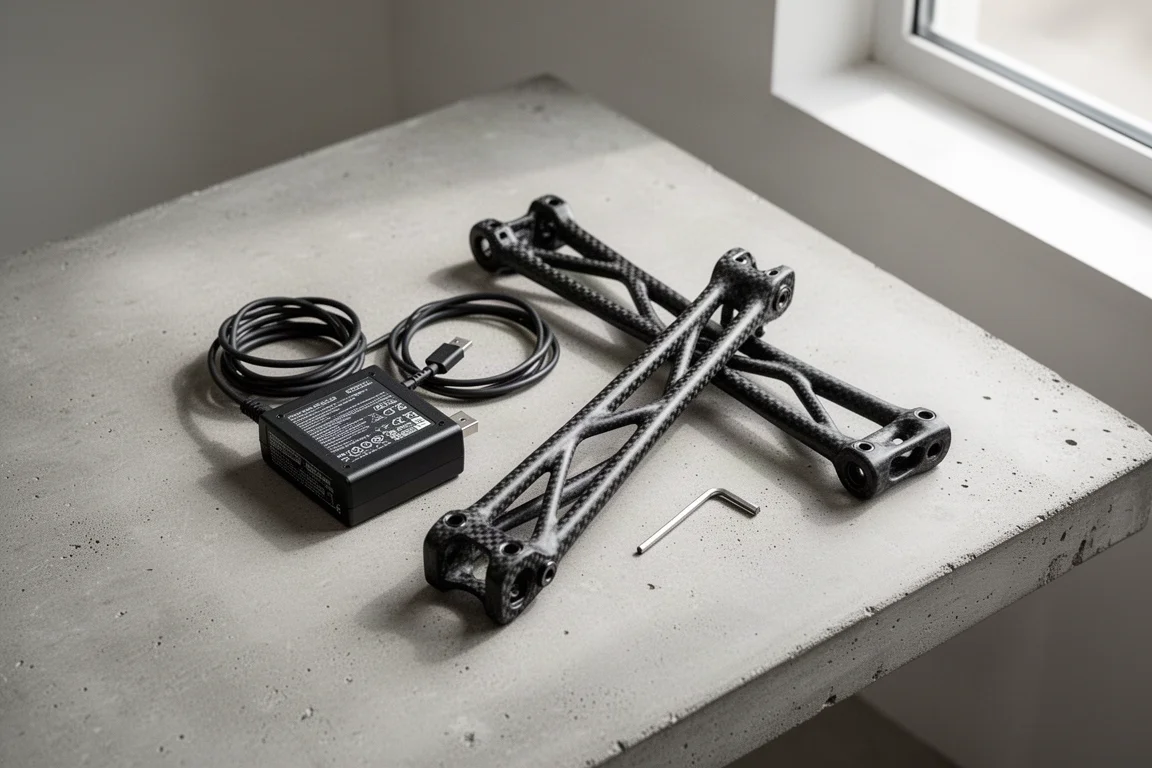
The system is best thought of as a targeted tool rather than something to leave on for every ride of the week.
Things to Consider Before Buying
- The benefit is concentrated in steady, submaximal efforts on flat ground.
- Peak sprint power and top speed did not change in testing.
- Observed effort savings can be smaller than the claimed reduction.
- Fit and sizing matter, particularly for taller riders.
- Assisted riding time is limited to roughly two hours per charge.
Buying Advice
Approach Bionic Legs as an effort-saving device, not a performance upgrade. If your riding is mostly steady pace work, long flat routes, or rehabilitation-style activity where reducing load matters, the measured heart rate difference of around 7% at matched power is a meaningful reason to consider it.
If your goals are sprint power, climbing records, or racing against stronger riders, the testing here gives little reason to expect a different outcome. Check fit carefully before committing, since sizing appears to influence how much assistance the system actually delivers.

It also helps to set expectations around the numbers. Treat the 1,000 W motor rating and the 39% effort reduction as manufacturer claims, and judge the device on what it does for your own steady efforts over familiar routes.
Conclusion
Bionic Legs are a genuinely interesting piece of assistive technology: carbon and titanium construction, a claimed 1,000 W motor, and a measurable reduction in effort when the terrain and pace suit it. On a 10 km flat course the system cut average heart rate from 158 to 147 beats per minute at identical power, a saving of roughly 7%.
The limits are just as clear. Sprints gained nothing, the hill climb outcome did not change, and the observed benefit was smaller than the claimed 39%. For riders who want to do more steady work with less strain, that trade-off can still be worth it. For riders chasing outright speed, it is not.
Product link
View more details for Bionic Legs
This product is mentioned in the review. Check the specifications, options, and compatibility before buying.
View more details for Bionic LegsFurther reading
Related Reviews

Road Bikes
10 New Road Bikes Worth Watching: Aero, Titanium, Steel and Endurance Standouts
A practical roundup of 10 new road bikes, from aero flagships chasing single-watt gains to titanium, steel and endurance platforms built for real roads.

Saltwater Aquarium Setup
10 Questions About Cycling a Saltwater Aquarium: What You Need to Know
Essential questions and answers for cycling a reef tank or saltwater aquarium, from biome building to light management and bacterial supplements.
Cycling Components
A 20,000-Mile Budget Race Bike Build: Five Parts Worth Knowing
A rim brake race bike assembled from low-cost components and ridden for 20,000 miles. Here is what delivered real speed, what caused problems, and what to weigh before copying the formula.