Cycling
11 Bikes Worth Knowing: Steel, Titanium, Alloy and Carbon Frames Explained
Eleven standout bike frames across stainless steel, classic alloy, titanium and carbon, with what makes each one worth considering and what to check first.
Introduction
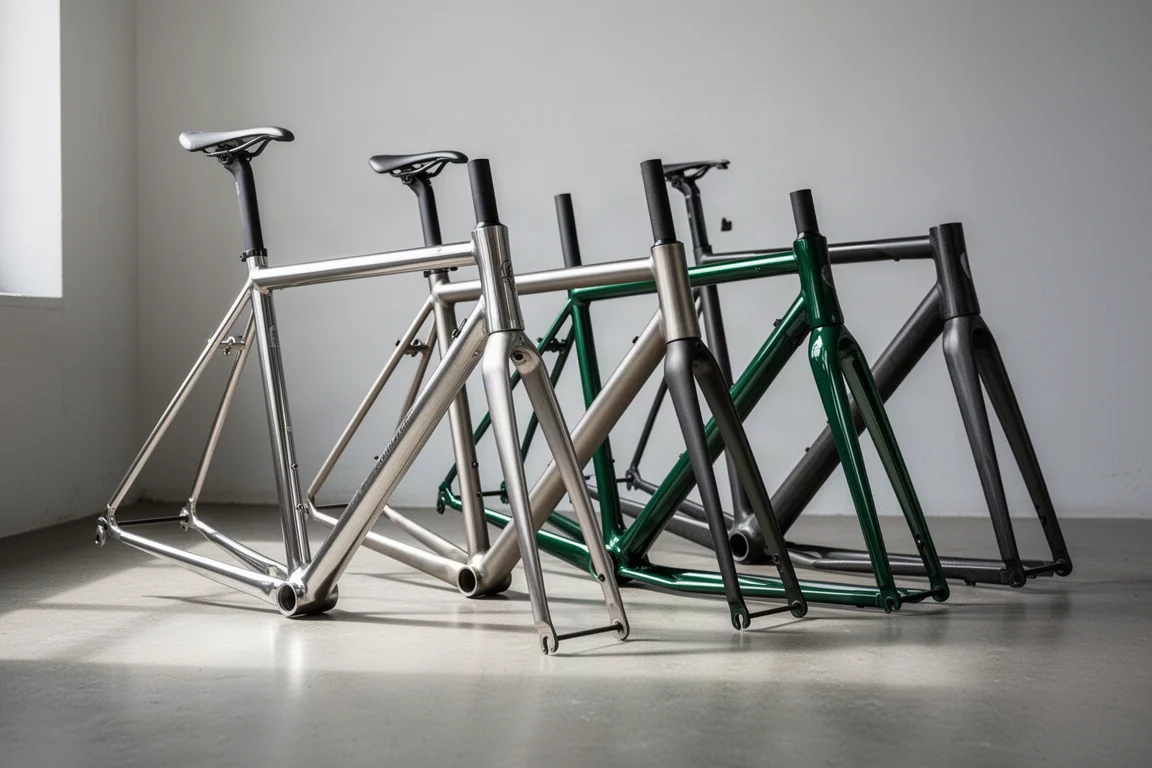
Eleven frames make this list, and between them they cover stainless steel, classic alloy, titanium and carbon. They come from small European workshops, historic racing brands and specialist builders, and they span everything from sharp road frames to gravel bikes built to handle whatever surface turns up under the wheels.
Some are still in production. Others have been discontinued and now only surface on the used market. A few are custom builds produced in strictly limited numbers each year. What unites them is a clear sense of purpose: each frame is designed around a specific idea of how a bike should ride, and each is worth understanding before you commit money to a build.
What These Bikes Have in Common
Material choice drives almost everything else here. The steel and stainless steel frames lean on premium tubing, while the alloy frames use respected aluminium tube sets, and several builders shape their own tube profiles rather than buying stock shapes off the shelf.
Titanium earns its place through longevity. Scratches can be buffed out with a pad instead of repainted, which matters for anyone who rides hard and occasionally goes down. Threaded bottom brackets, generous tire clearance and plentiful bottle and rack mounts appear again and again across the list.
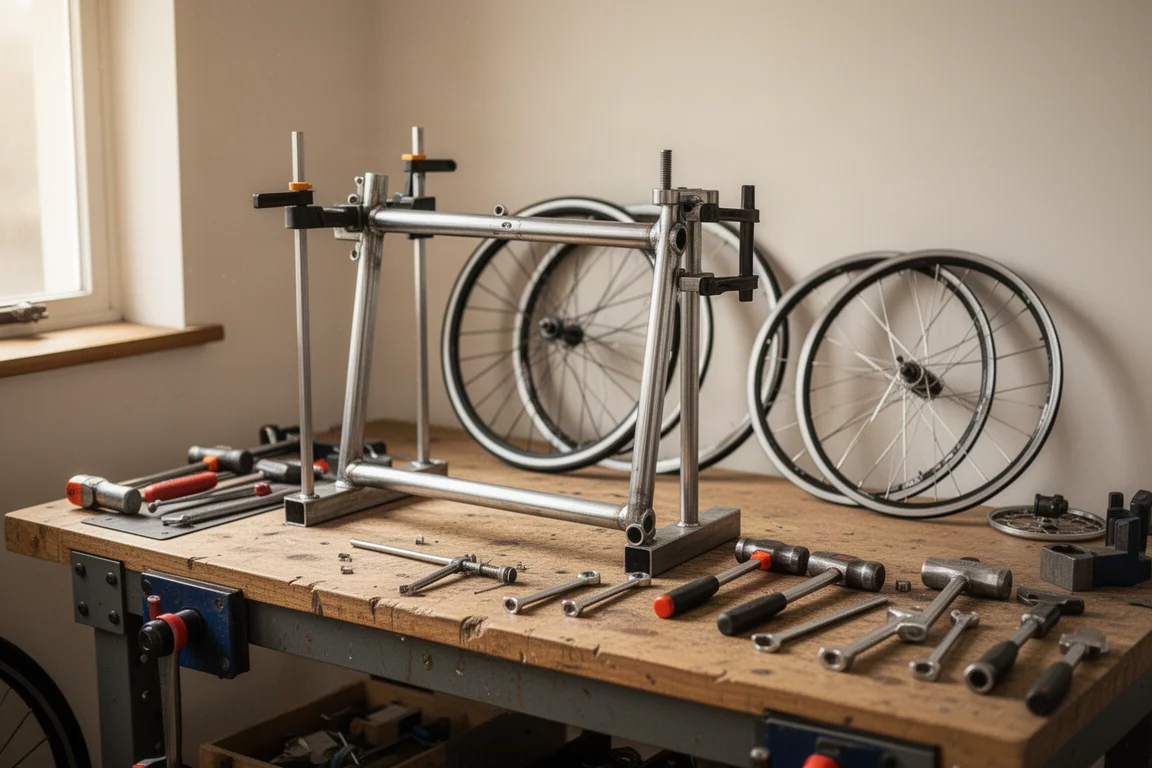
Another shared trait is versatility. Several of these frames can be built up more than one way, with clearance for wide gravel rubber or narrower road tires, and geometry that stays comfortable over long distances rather than feeling sharp and nervous.
Tommasini X-Fire
The X-Fire is the current stainless steel option from Tommasini, built from Columbus XCR tubing. What sets it apart is that the tube profiles are made in a custom shape specifically for Tommasini rather than drawn from a standard catalogue, which gives the frame a distinctive look and a ride quality that is hard to replicate elsewhere.
Stainless steel frames in this class are a long-term proposition. They resist corrosion well, hold their finish, and reward riders who want a fast road bike with a more traditional feel than carbon.
Tommasini Fusion
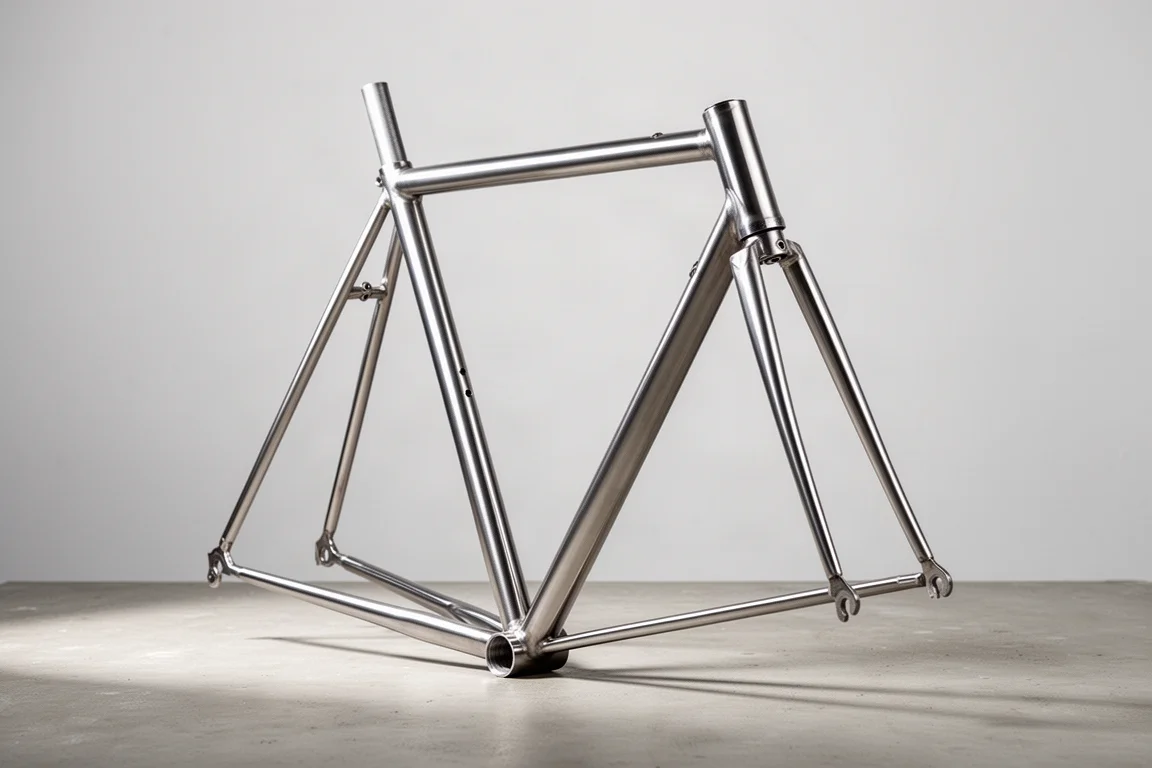
The Fusion is the one that got away for a lot of riders. It was built from Columbus Starship alloy in the early 2000s, and only a handful of frame builders could actually work with the material. The result was an alloy frame that weighed less than a kilogram, which was remarkable for the era.
It is no longer made, so finding one means watching the used market closely. For collectors and riders who remember that period of alloy frame building, it remains a benchmark.
Cannondale CAAD4 R600
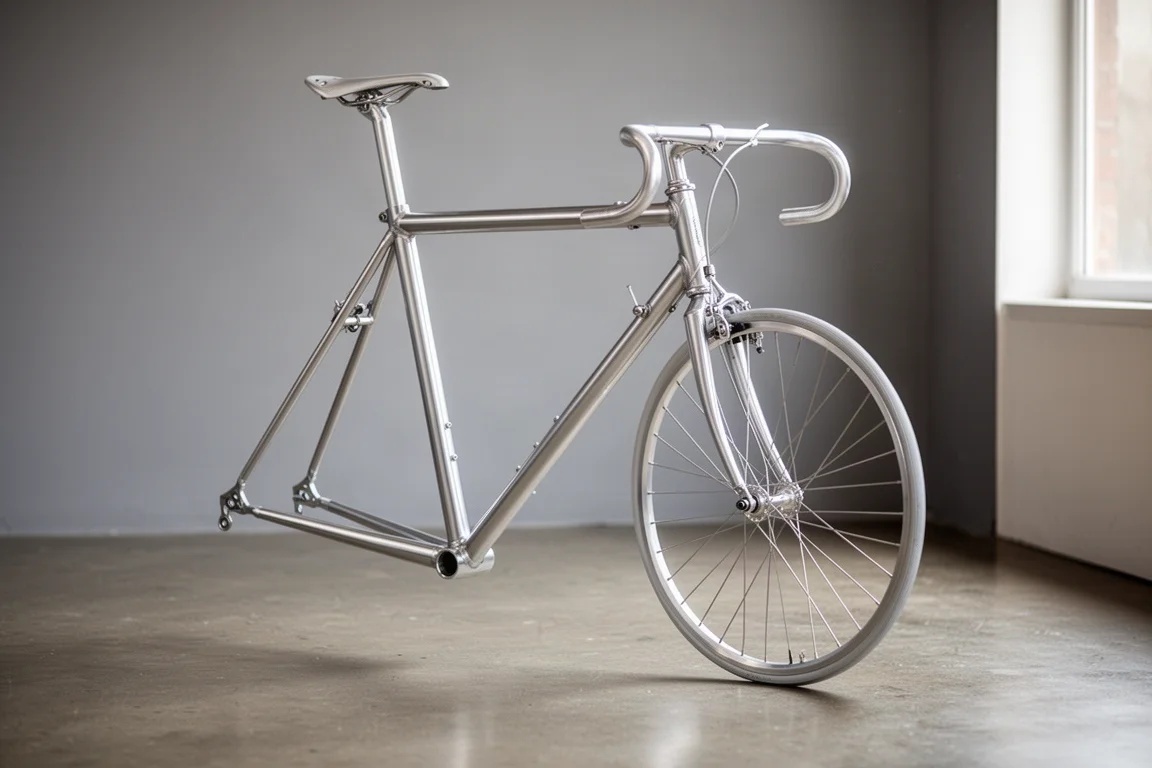
The CAAD4 R600 carries the same model designation that appeared under professional riders in the late 1990s, and it still looks the part today. The dark green version with a silver groupset and silver finishing kit is the one most people seek out, though several colours were offered.
Cannondale did genuinely innovative work with aluminium in this period. The frame uses removable dropouts, reshaped seat stays to add compliance, and tubing profiles shaped to make the bike stiffer without making it harsh. It is a well-rounded race frame that has aged gracefully.
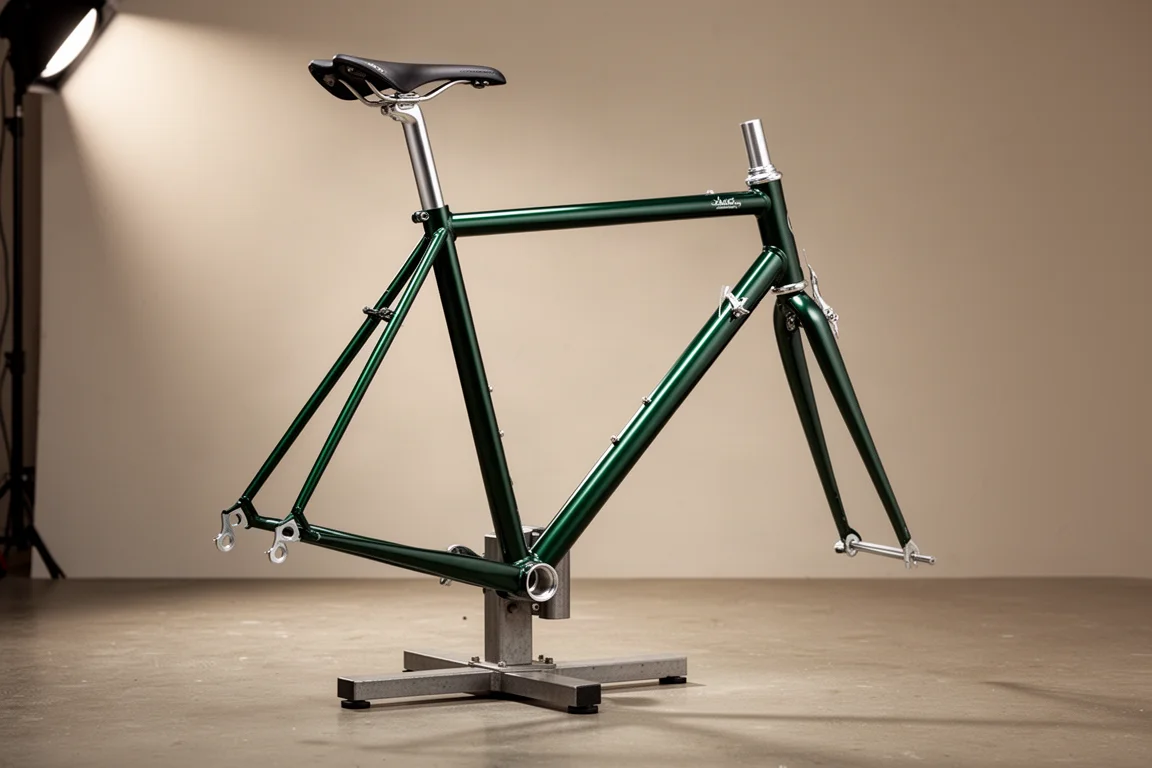
J.Guillem Atalaya
The Atalaya is a titanium gravel frame from J.Guillem, a niche builder set up by an owner who previously ran a well-known titanium brand, sold it, moved to New York, and then missed bikes enough to come back. The range is small: a few road bikes, a mountain bike frameset and this gravel frameset.
It has built a strong following, and the appeal is easy to understand. Titanium shrugs off the scrapes that come with regular off-road riding, and a quick buff with a pad takes care of most scratches. Riders who want one frame to last a decade tend to end up looking at titanium for exactly this reason.
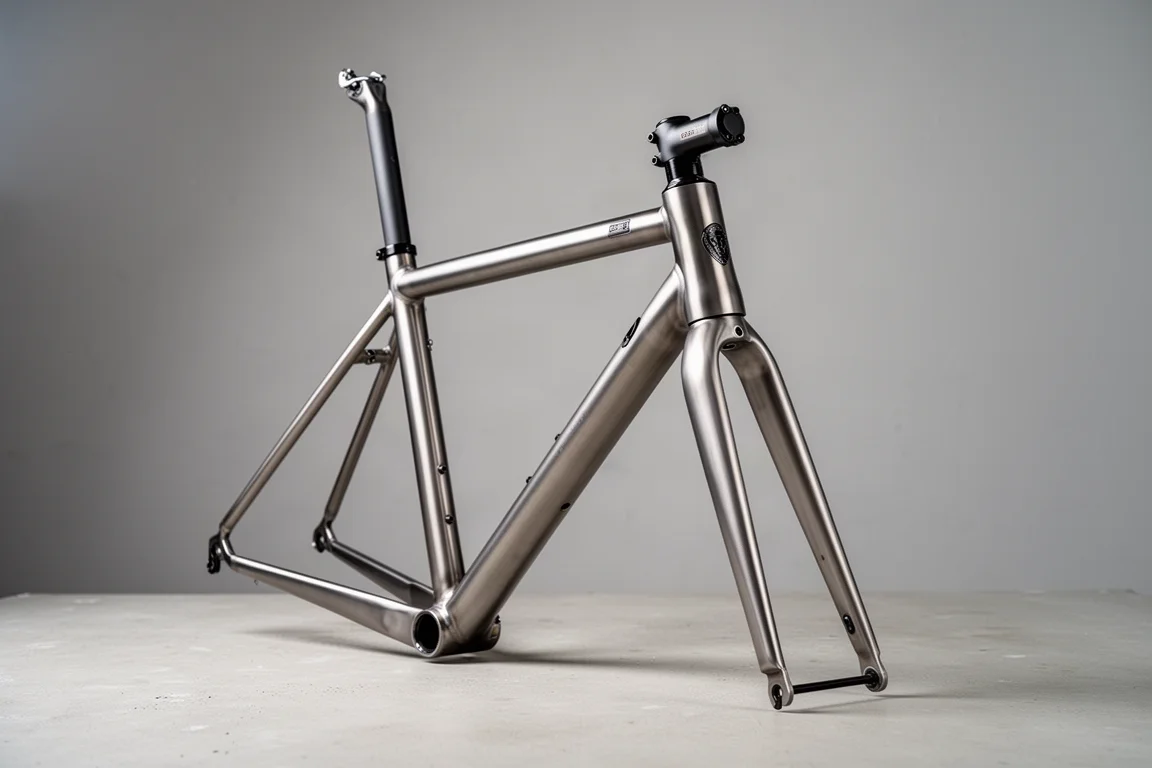
Reilly Reflex
The Reflex is a titanium gravel frame with a genuinely broad brief. It takes 650b wheels up to 2.4 inches, and it also runs 700c or 29er wheels up to 2.1 inches, so the same frame can be set up for technical off-road riding or faster mixed-surface work.
Cable routing can be specified as integrated or non-integrated, which suits riders who want a clean front end and those who prefer easier maintenance. The bottom bracket is a T47 threaded design rather than press fit, and custom anodisation is available for riders who want colour on a titanium frame.
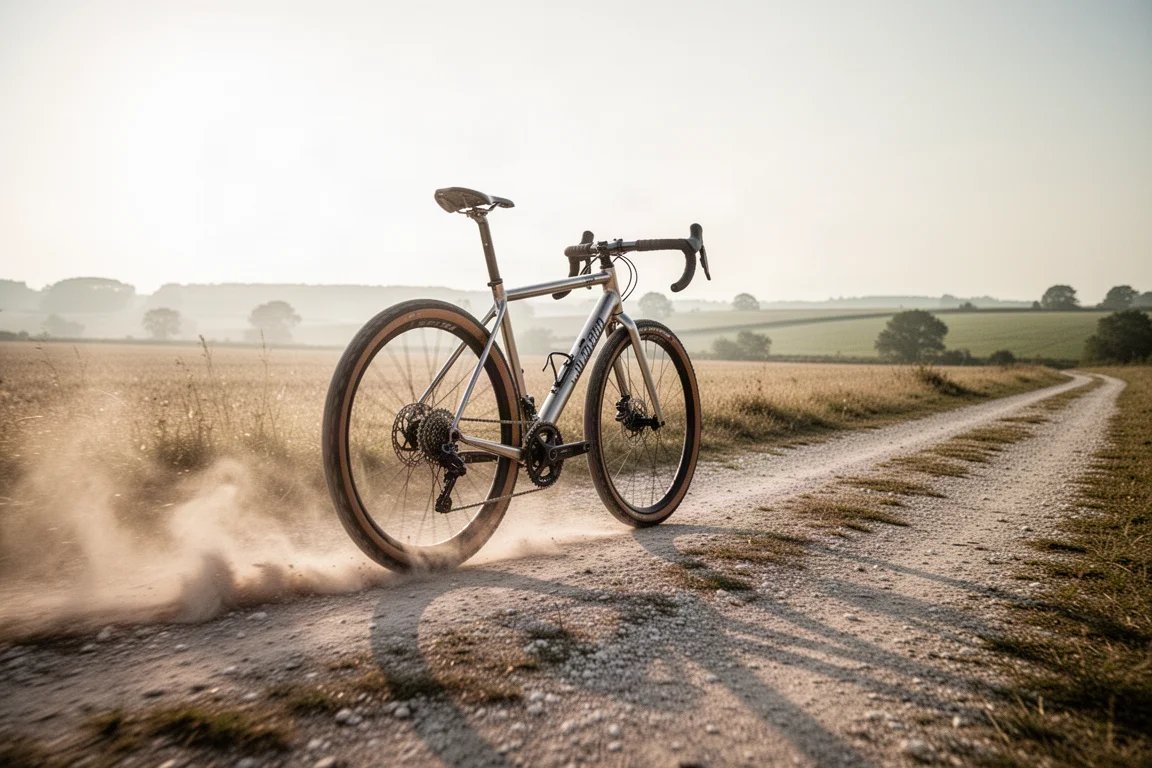
That combination of threaded bottom bracket, wide tire clearance and optional anodising makes it one of the more flexible titanium gravel frames on this list, and a natural match for riders who want a single bike that covers a lot of ground.
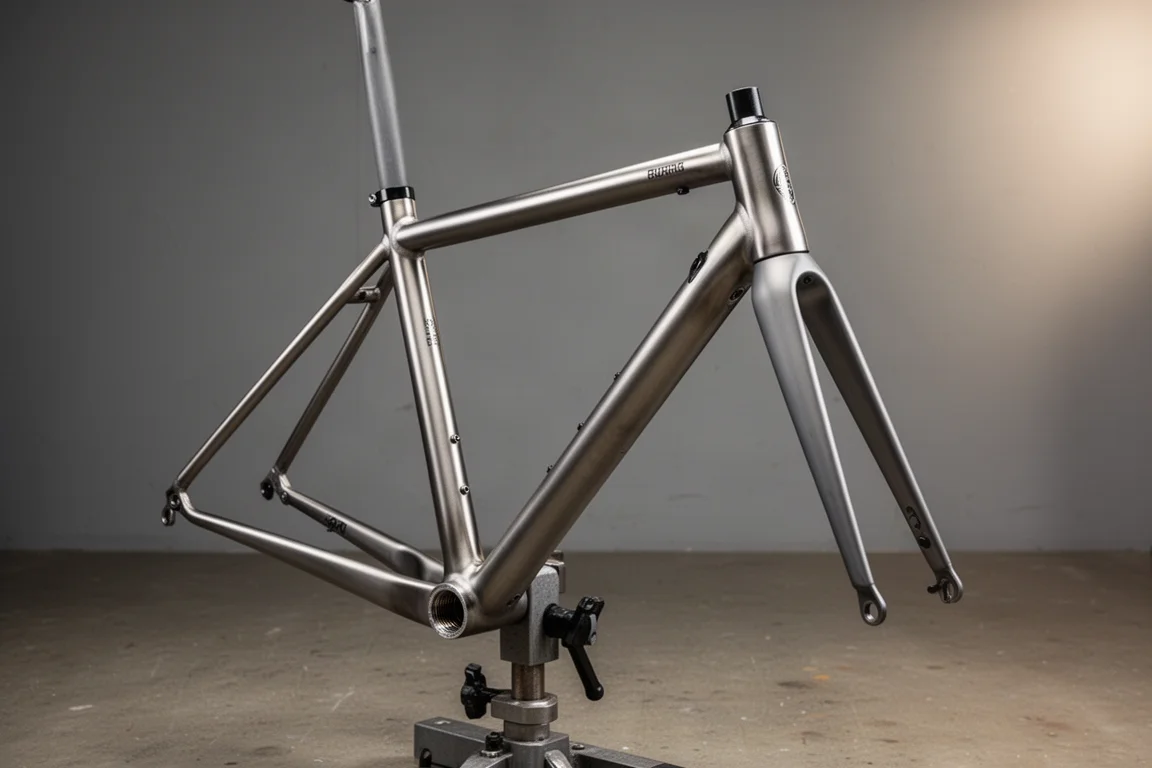
Sarto Seta Plus
The Seta Plus is a carbon road frame with clearance for 32mm tires and disc brakes, and it makes a persuasive case for going wider than traditional road rubber. On rough surfaces the extra volume smooths out the ride considerably, and the disc brakes allow much later braking into descents.
It is not a cheap frame, and it sits firmly in dream-build territory. For riders who want one fast road bike that stays comfortable on long days and handles imperfect tarmac without complaint, it is a serious candidate.
Cinelli Experience
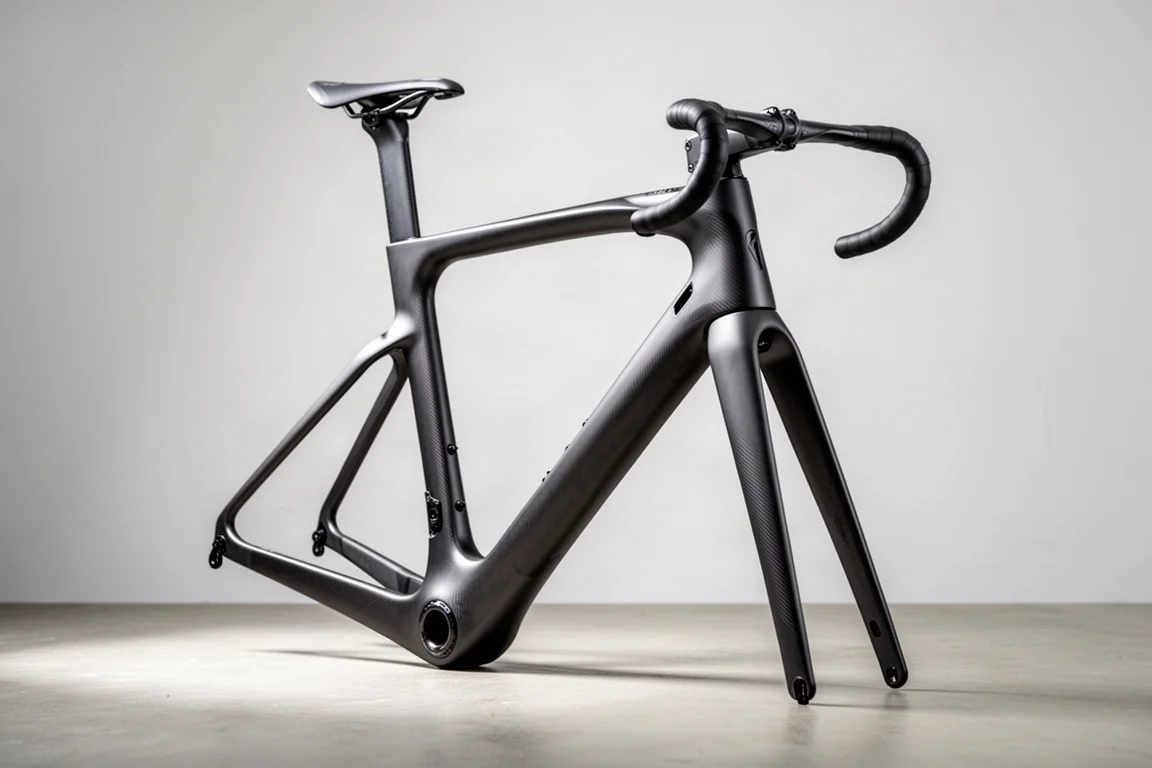
The Experience is an alloy frameset built from Columbus Airplane aluminium, a tube set that was highly regarded when aluminium dominated racing frames. It was sold until the beginning of the pandemic and has since been discontinued.
When it was available, a frameset with a Campagnolo Potenza groupset came in at around £800, with Potenza sitting roughly between Ultegra and 105 level. It ran rim brakes and looked the part, with plenty of riders customising their paint schemes. Cinelli and Columbus share ownership, so the tubing is a natural fit.
Kinesis Tripster
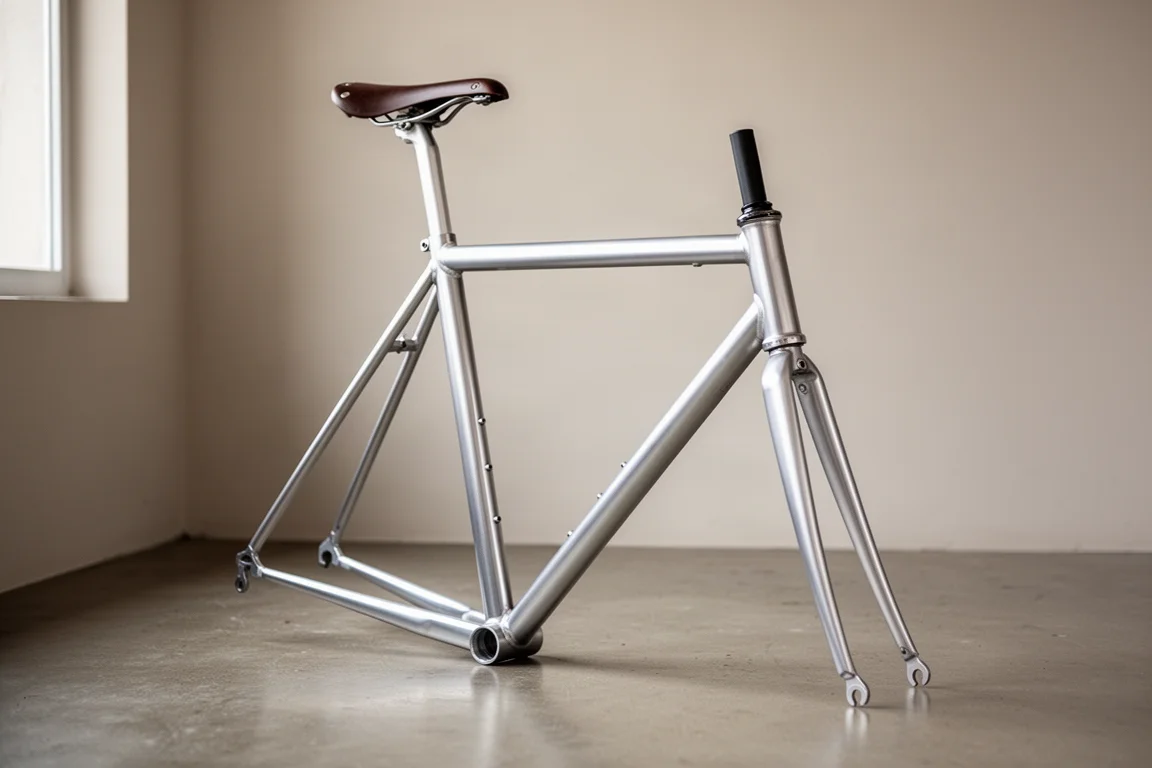
The Tripster is an alloy gravel frameset that came in at around £750 for the frame, which puts it in the accessible middle ground. Kinesis has a long history in cyclocross, and that shows in how versatile the frame is: plenty of bottle mounts, a tidy ride, and a choice of a restrained green or a much louder orange.
A newer version has since been released with clearance for even bigger tires. For riders who want a dependable alloy platform that can be built up for gravel, commuting or light touring, it remains a sensible starting point.
Time ADHX
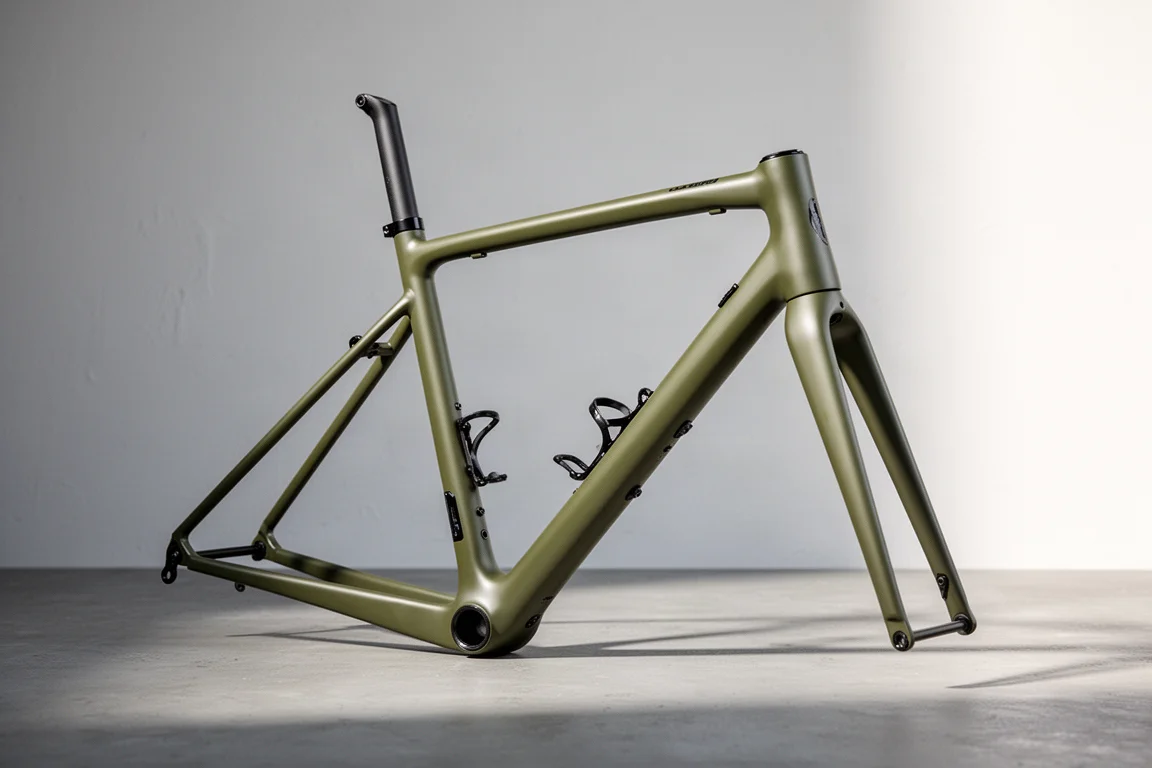
Time is one of the few companies that makes its carbon frames in a genuinely different way. The carbon is woven on a loom in the company’s own factory rather than bought in as pre-made sheets, the moulds are made from wax, and the frame sections are effectively stitched together by hand. The result is a frame that is closer to craftsmanship than mass production.
Tire clearance is on the modest side for modern tastes, and the ADHX is often described as a gravel bike when the geometry is really that of a road bike. Judged on its own terms as a road frame, it is a very good one.
Officina Battaglin Portofino
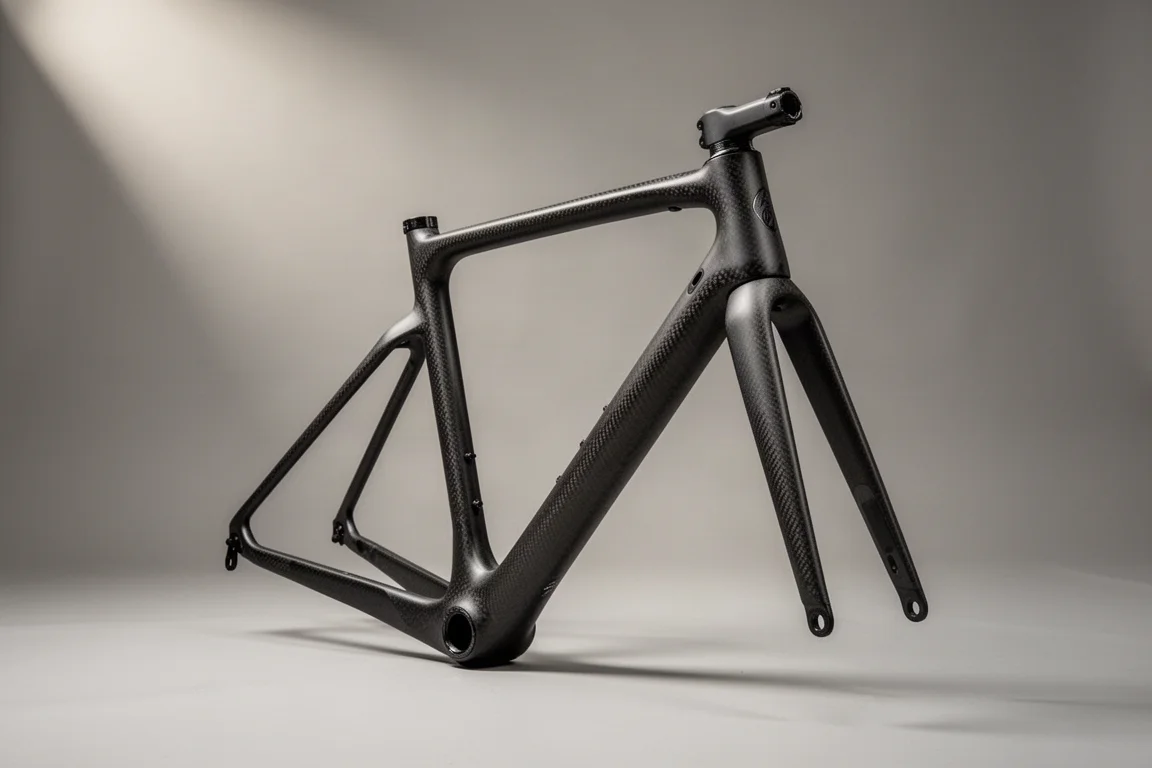
Officina Battaglin has a racing heritage behind it: Giovanni Battaglin won both the Vuelta and the Giro in the same season, and later turned to building frames. The bikes are worth looking at closely for their finishes alone.
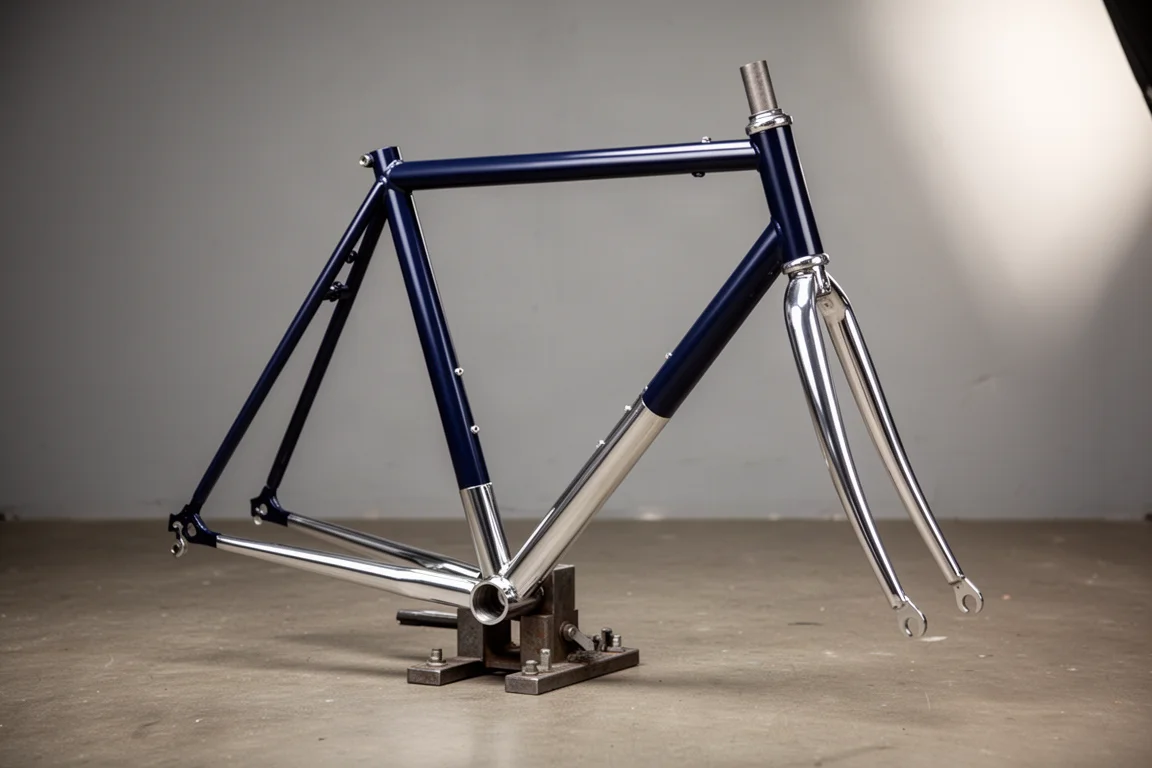
The signature technique is Chromo Vato, where a frame is chromed and then painted over the chrome. The Portofino is the builder’s gravel model, and custom versions are released in a fixed number each year, with 70 bikes allocated this year. Each one is numbered between 1 and 70 and that number is never repeated. It is the kind of frame many owners would hang on a wall rather than risk on a wet ride.
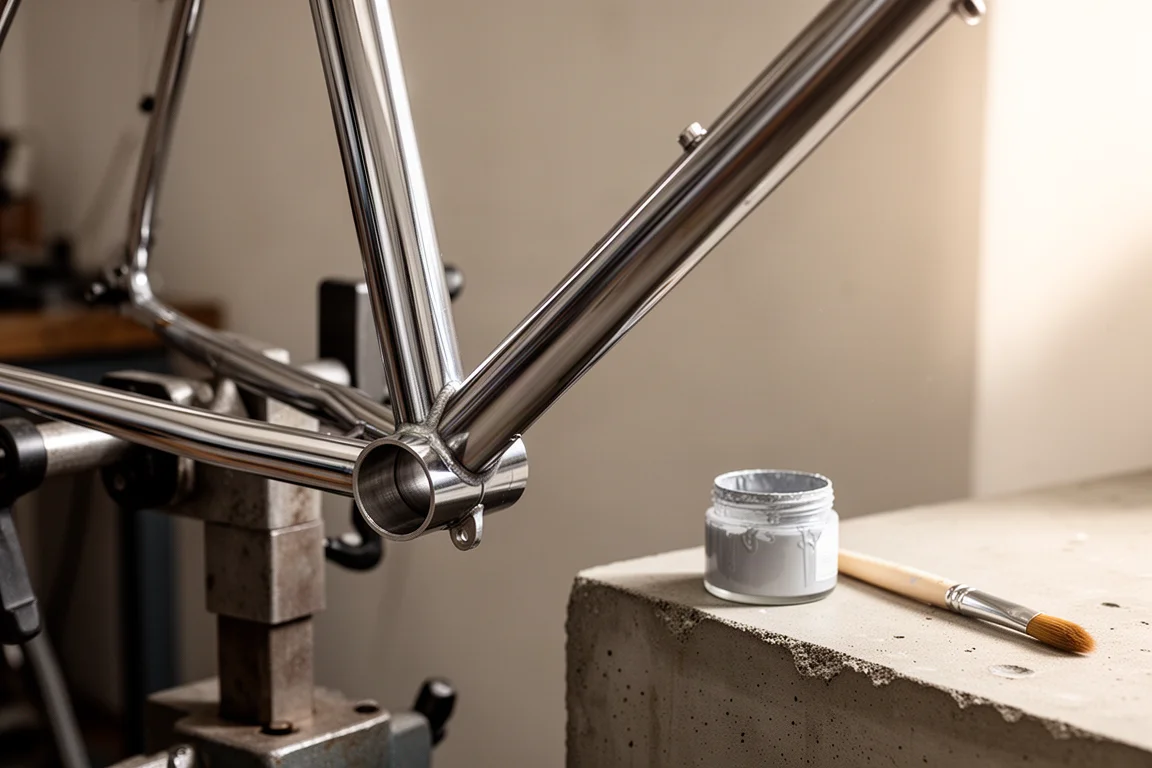
That limited-run approach means the finish and the numbering are as much a part of the product as the tubing, and it explains why these frames hold their appeal long after purchase.
Brother Mehteh
The Mehteh is a steel gravel frameset from an English company, retailing at around £999 for the frame, and it is the value pick of this list for riders who want maximum flexibility. It has every mount you could reasonably want, external cable routing, a carbon fork and a BSA threaded bottom bracket.
Tire clearance runs to 700x50mm, and the geometry is arranged so the same frame works well as a road endurance bike on 32mm tires. That makes it a genuine one-bike option for everyday riding, and a good platform for a build that needs as little servicing as possible.
Buying Advice: Matching Material to Riding
The right choice depends far more on how you ride than on which material is theoretically best. Titanium suits riders who want a frame to last, shrug off scratches and stay in service for years without a repaint. Steel offers a similar long-term appeal with a different ride character and, in the case of the Mehteh, a very practical set of mounts and clearance.
Alloy remains the value proposition. The Cinelli Experience and Kinesis Tripster show what a well-chosen tube set can do at a much lower price than titanium or custom steel, and both are easy to live with as everyday bikes.
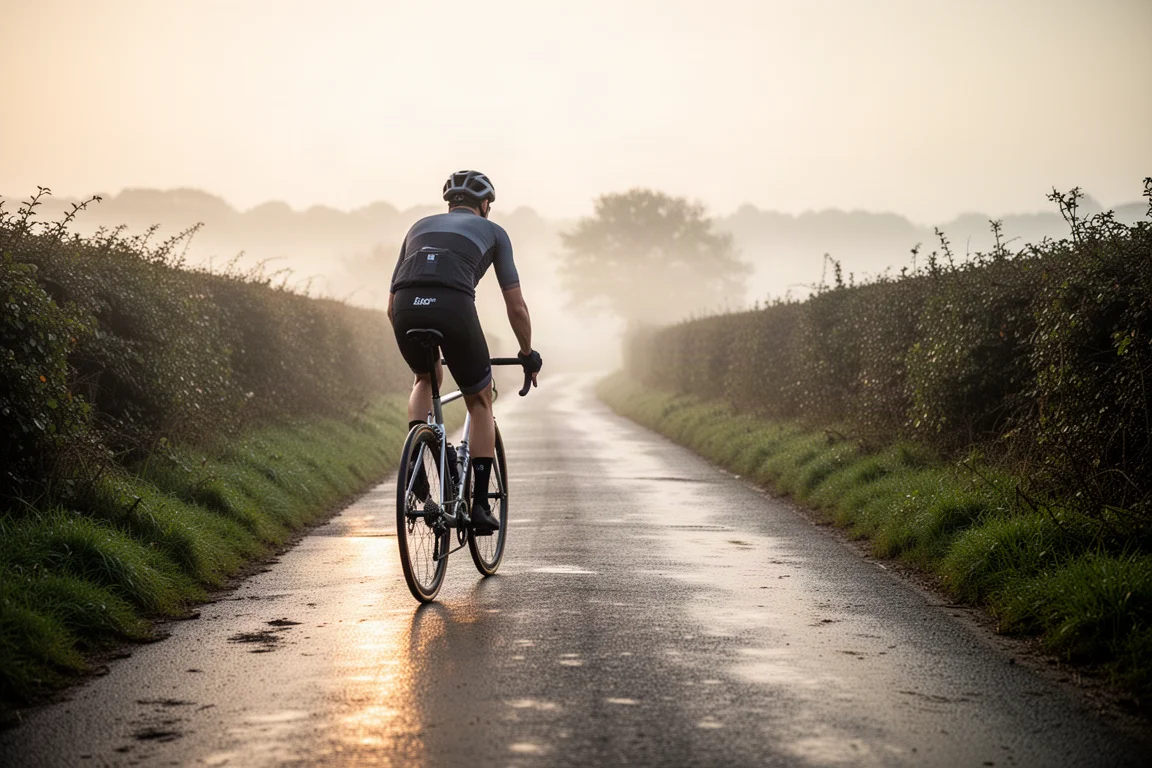
Carbon makes the most sense when comfort and braking performance are priorities. A frame like the Sarto Seta Plus with 32mm tires and disc brakes changes how a road bike feels on rough surfaces, and it is the combination most riders notice immediately on a long day out.
Whichever route you take, check three practical details before buying: the bottom bracket standard, the maximum tire clearance, and whether the frame offers the mounts and routing you actually need. Those three factors determine how easily a bike fits into your riding, and they are far harder to change later than a groupset or a wheelset.
Conclusion
These eleven frames represent four different answers to the same question of how a bike should feel. Stainless steel and classic alloy for riders who value craft and heritage, titanium for longevity and off-road durability, and carbon for comfort and confident braking on long, fast rides.
If you are building up a bike this year, start with the riding you do most often and work backwards to the frame. The right material and the right clearance will do more for your enjoyment than any component upgrade.
Further reading
Related Reviews
Cycling
2026 Bike of the Year and the Cycling Gear Worth Watching
A drop bar roundup for 2026 covering the Ridley Kanzo Fast 2.0, Shimano Dura-Ace Di2 R9300, Trek Checkpoint ALR Gen 3, Specialized Tarmac SL9, Garmin Fenix 9 and Insta360 X6.
Cycling
Best All-Road Bikes 2026: Six Versatile Endurance Road Bikes Worth Considering
A practical look at six all-road and endurance road bikes, from lightweight carbon speed machines to steel all-rounders and comfort-focused mile eaters.
Cycling
Best All-Road Bikes 2026: 8 Endurance Bikes for Road and Light Gravel
Eight all-road bikes that blur the line between endurance road and light gravel, compared on tire clearance, ride character, practicality, and value.