Cycling
10 Bikes With Real Ownership Trade-Offs: Maintenance Notes Before You Buy
Ten road, gravel and time trial bikes whose servicing demands deserve a closer look before you commit, from proprietary brakes to awkward cockpits and tight tire clearance.
Introduction
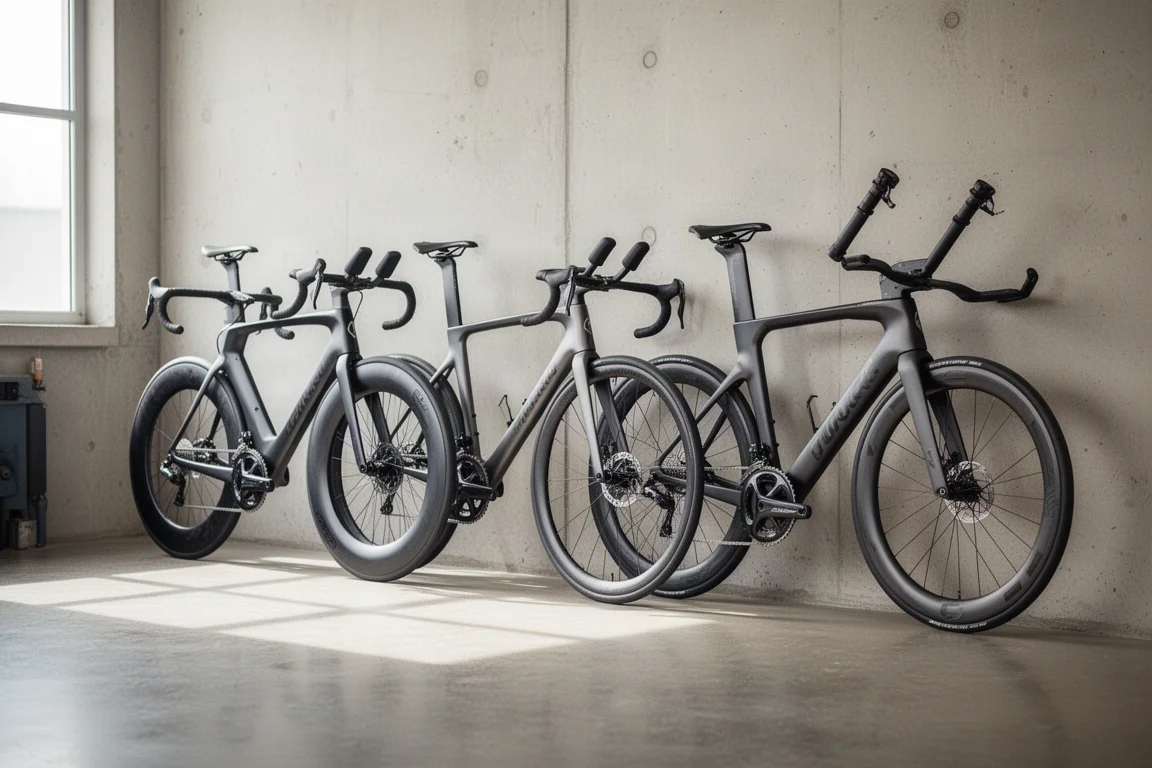
Most bike buying advice focuses on weight, stiffness and aerodynamic claims. The details that shape day-to-day ownership usually live somewhere else: how easily a front wheel comes off, whether a brake caliper can still be sourced two years from now, and how much of the bike has to come apart for a routine cockpit adjustment.
This list collects ten road, gravel and time trial models where those details deserve a closer look before money changes hands. None of them are bad bikes in absolute terms. Several were genuinely advanced for their time, and a few have since been revised in ways that address the exact points raised below. The goal is to go in with clear eyes about servicing, parts availability and long-term cost.
How to Read This List
Every entry here is about ownership friction rather than outright performance. A proprietary standard is not automatically a problem, but it becomes one when replacement parts are scarce, when a routine task needs an unusual tool, or when a small adjustment turns into a full rebuild.
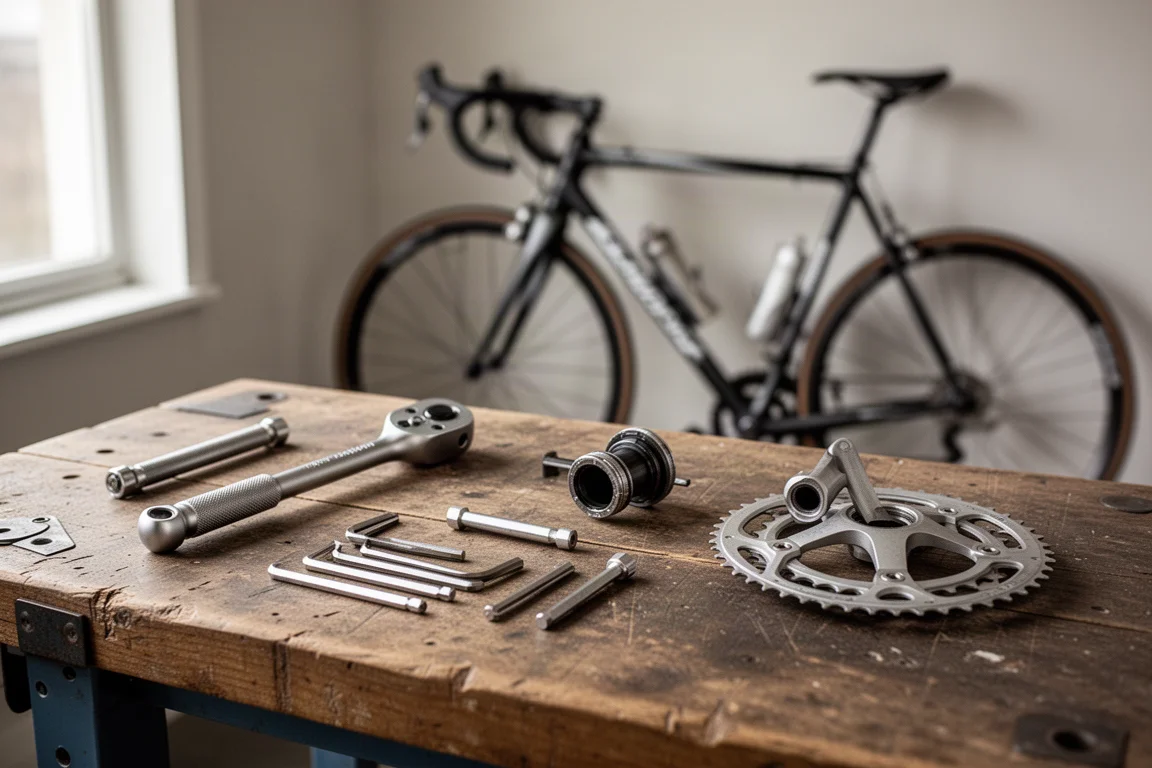
It also helps to separate a model from its generation. Where a brand has already moved to conventional seat posts, threaded bottom brackets or disc brakes, the newer version may be a perfectly sensible purchase. The notes below apply to the specific configurations described, and they matter most to secondhand buyers who cannot choose the spec.
Finally, think about who will work on the bike. If you do your own maintenance, awkward routing and unusual fasteners cost you evenings. If a shop does it, those same details show up on the invoice.
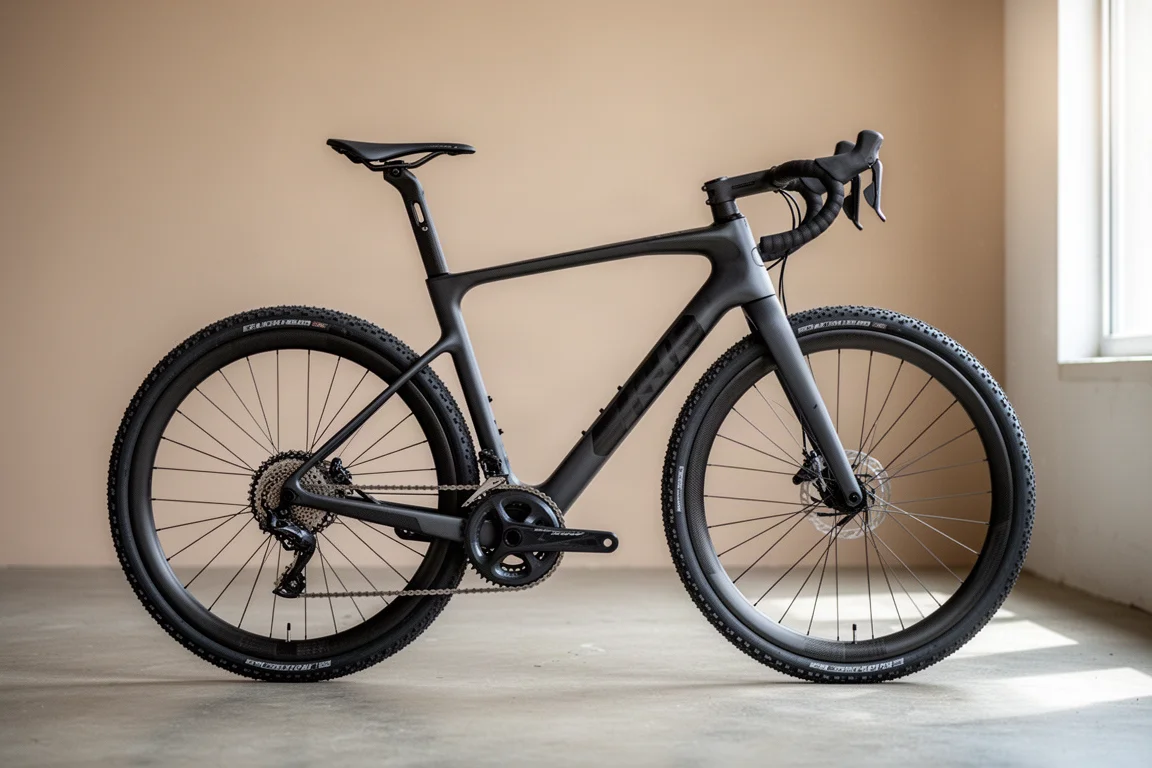
Cannondale Slate: Clever Suspension, Awkward Servicing
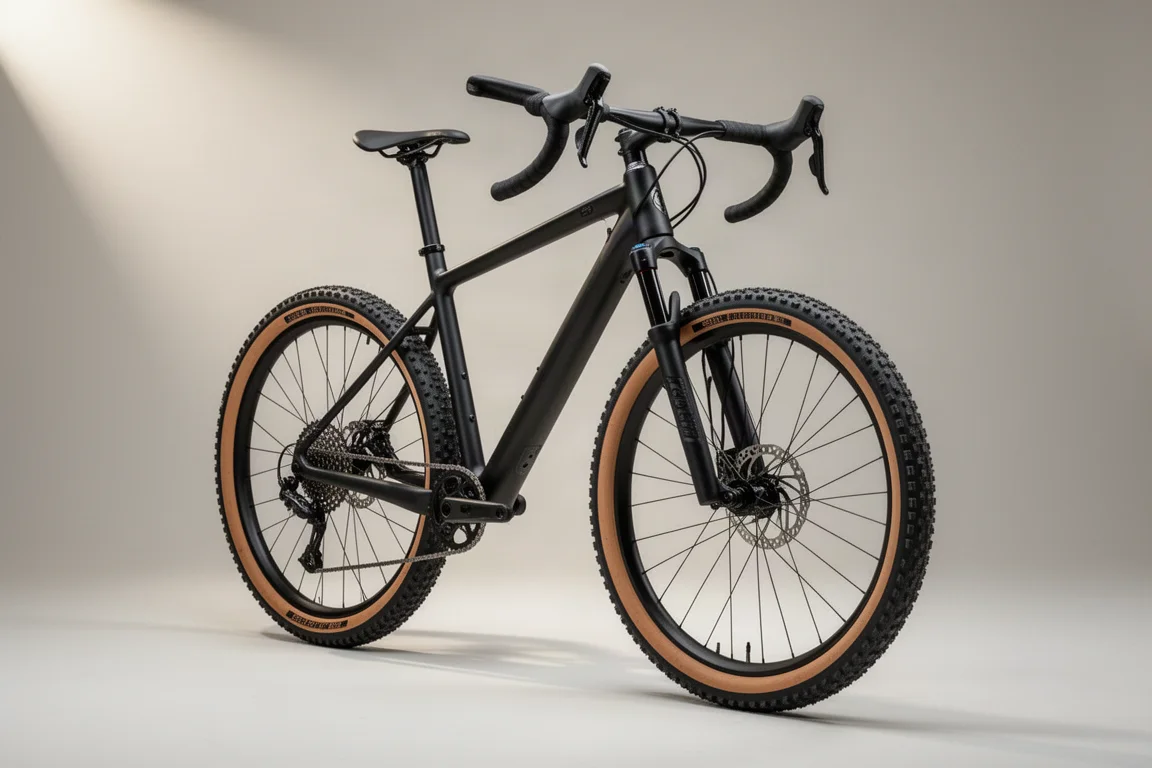
The Slate is a gravel bike built around a Lefty fork with suspension at the front, and on paper that combination is genuinely appealing. Suspension on a gravel bike makes sense for rough surfaces, and the single-sided fork gives the bike a look nothing else has.
The friction shows up in the workshop. On early versions, removing the front wheel means taking the brake caliper off completely, which is awkward if you are simply trying to fit the bike into a car. Some versions use an adapter that lets the caliper move out of the way, but that raises its own questions about how robust the arrangement is under load.
Headset work is more involved too, because the Lefty fork clamps from both the bottom and the top of the head tube. Add Cannondale’s habit of labelling several different bottom bracket designs as BB30 when they are not actually BB30, and the parts picture gets confusing quickly.
Giant Propel: Aero Brakes That Aged Badly
The rim brake Propel is remembered less for its speed than for its brake calipers. Giant used aero calipers that sat flush with the frame at the rear and behind the fork at the front rather than in front of it, which looked clean and promised less drag.
The consequences were practical. Sitting behind the fork, the front caliper took a constant spray of dirt, and the cable routing looked untidy. Availability was the bigger issue: for a long stretch there was no alternative supplier, so if you could not find Giant’s own calipers, the brakes simply did not work. One owner reportedly went through three sets over three years.
Similar designs that tucked a brake under the bottom bracket are worth avoiding for the same reasons. They sit in the path of road grime, they are hard to adjust, and they rarely deliver enough aerodynamic benefit to justify the hassle.
Specialized Roubaix: Comfort That Comes With a Catch
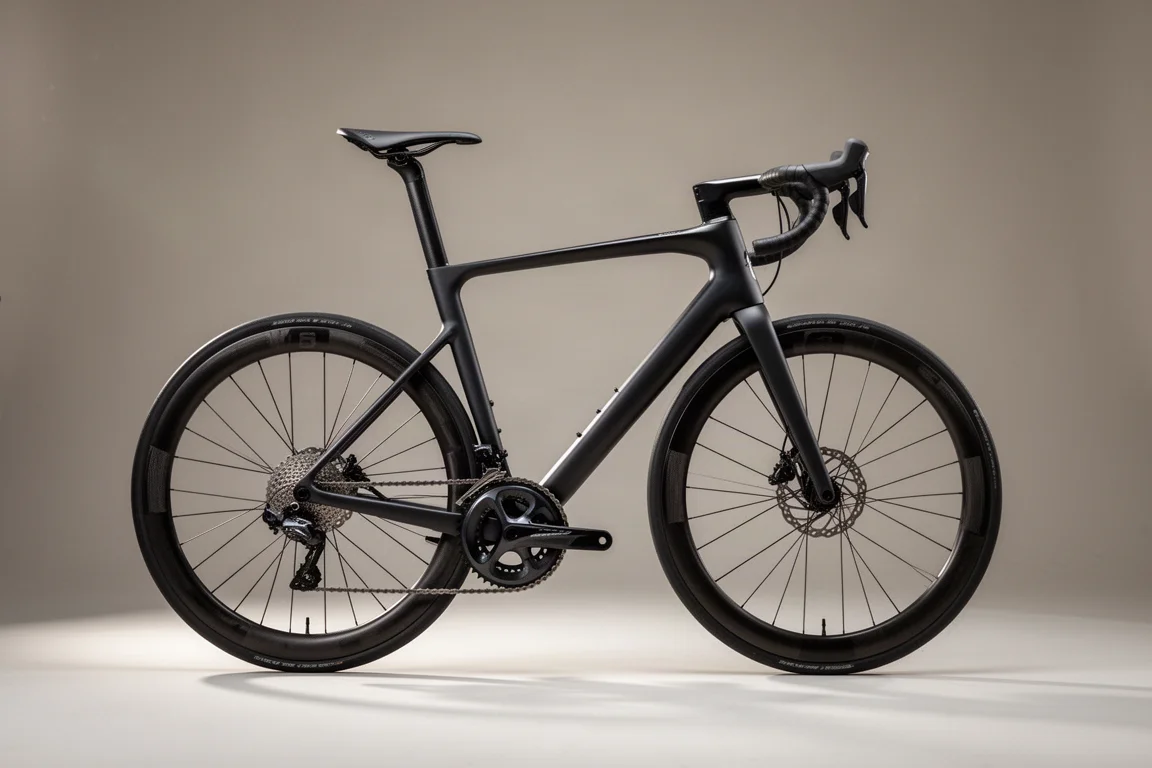
The Roubaix with the Future Shock is a good illustration of a bike that got the big idea right. The geometry is comfortable, the rear seat stays were designed with a small amount of built-in compliance, and the model was ahead of its time in treating comfort as something that makes a rider faster rather than a compromise.
The Future Shock is the catch. It puts suspension inside the headset, with the stem attaching to the top of the unit, and adjustment involves small fasteners in unusual sizes. If anything goes wrong, the usual fix is replacing the whole assembly rather than a single inexpensive part.
If you want front-end comfort without that servicing burden, a conventional bike with a suspension stem is the simpler route. The Roubaix itself remains a strong platform, as long as you go in expecting specialist maintenance.
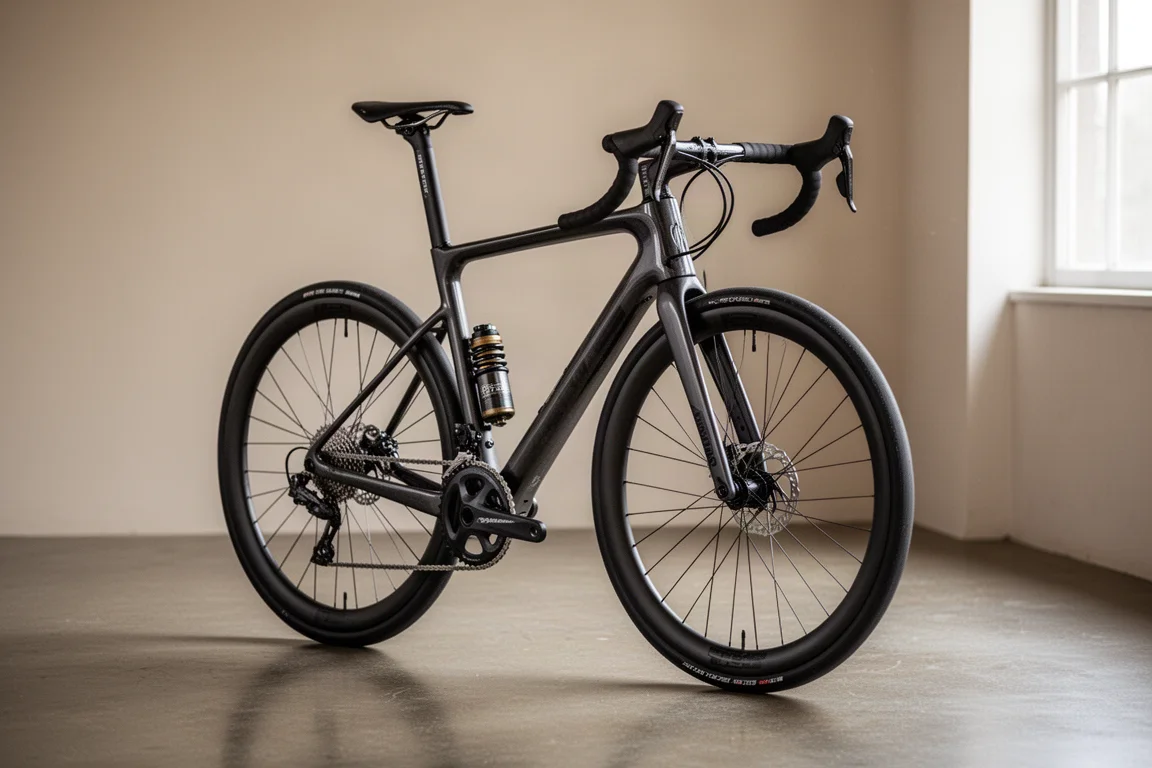
Trek Madone: IsoSpeed, BB92 and Integrated Brakes
This entry refers to the earlier rim brake generation of the Madone, not the current model. Three things made it difficult to live with, starting with the IsoSpeed seat post, which uses an L-shaped design that slides in from the bottom and differs from a conventional post. On many bikes it creaked, and it could be a genuine struggle to work on.
Second, the bike used BB92, a bottom bracket standard that added yet another option nobody needed. The encouraging news is that it appears to be fading, since it was not carried over into newer bottom bracket standards.
Third, this generation had its own integrated aero brake calipers, which were awkward to service and unnecessary on a bike of this type. The newer Madone addresses all three points with a more conventional seat post, a T47 bottom bracket and disc brakes.
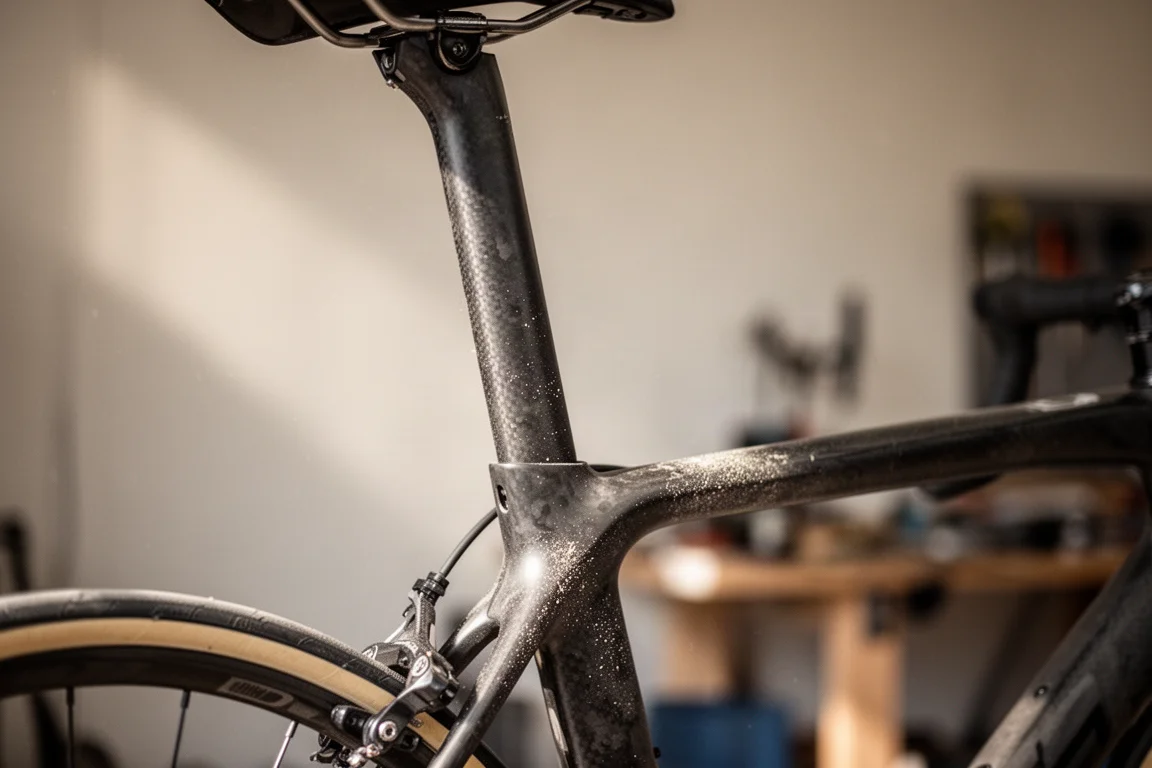
That last detail matters for buyers. If you want the Madone shape without the servicing quirks, the newer generation is the one to look at, while the earlier version is best approached as a project bike with a clear-eyed view of parts.
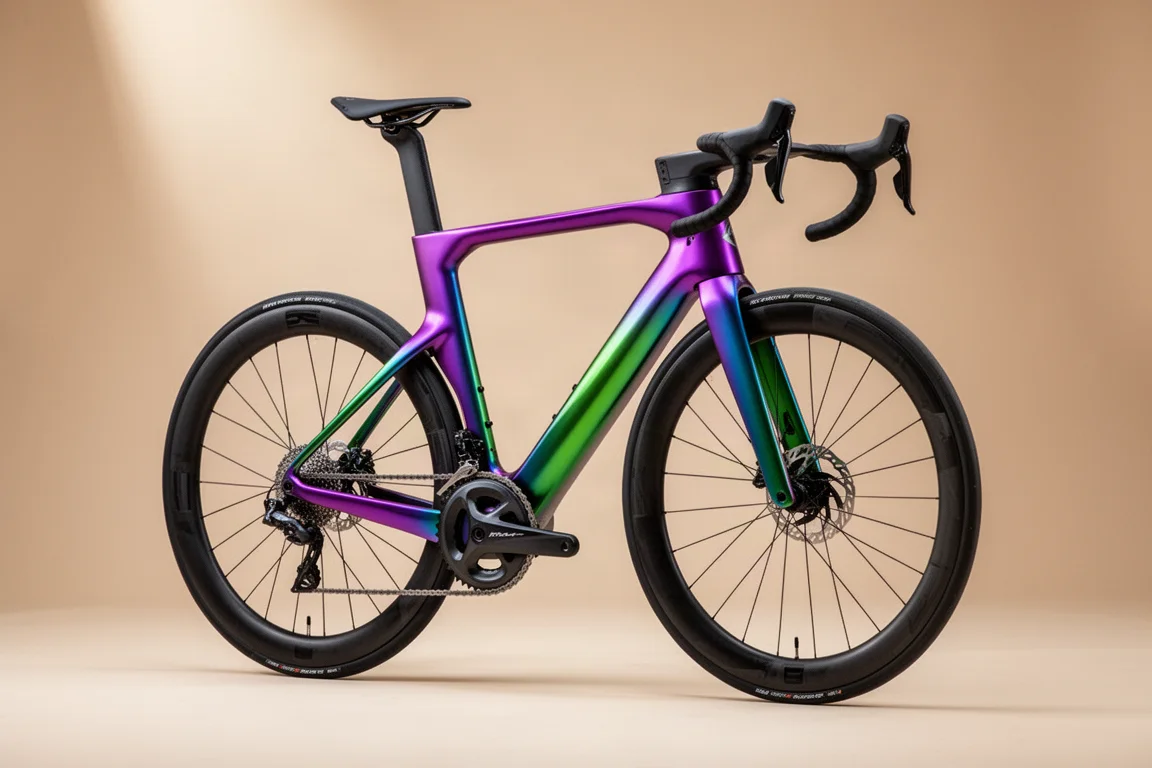
Giant Trinity: The Reality of Owning a Time Trial Bike
Time trial bikes as a category earn a place on this list, and the Trinity is a useful example. In the rim brake era it was regarded as one of the fastest TT bikes available, and plenty of them were raced and serviced.
The problem is the integrated TT brake setup. It uses proprietary calipers, including one mounted under the bottom bracket where it collects dirt and is difficult to adjust, particularly once riders fit larger chainrings. The cockpit is equally involved, with a large number of small parts, and changing the angle of the extension poles can mean rebuilding the entire bike.
If you race against the clock, 12-speed and wireless groupsets make life noticeably easier, because the poles can be adjusted without rewiring the whole bike. Riders who do not race time trials are usually better served by a road bike with clip-on extensions.
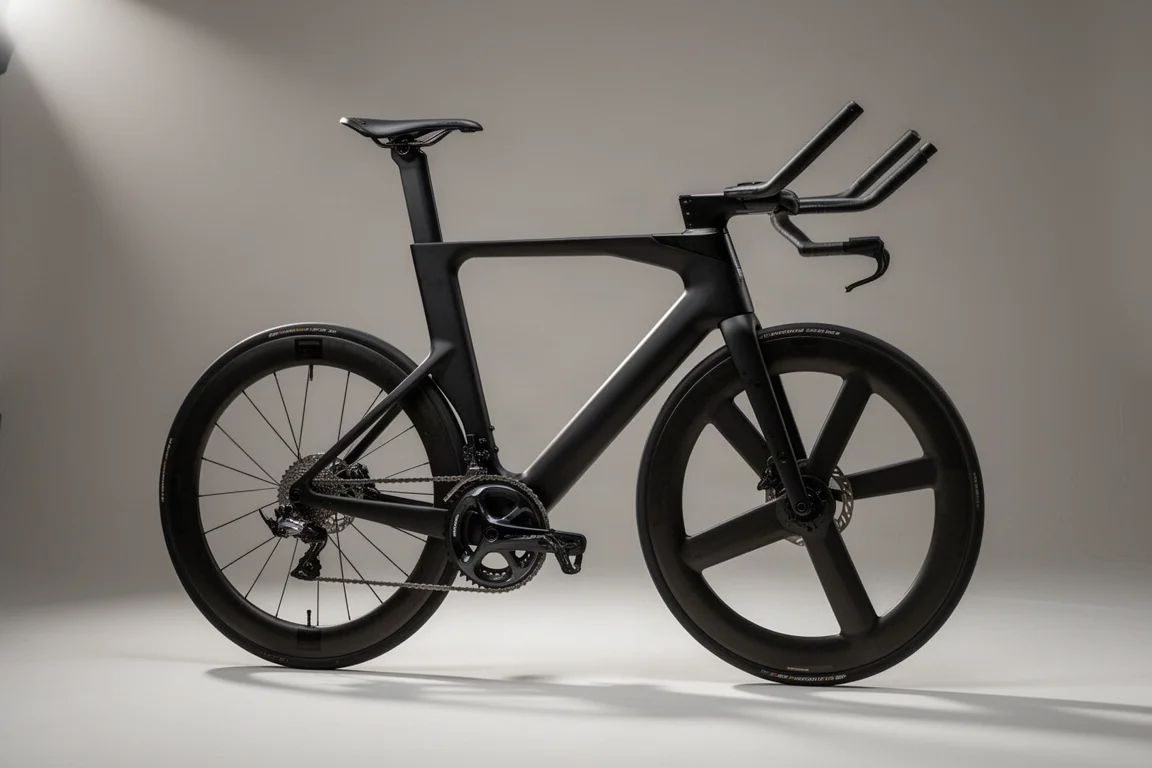
Cervélo S5: Tire Clearance That Feels Outdated
The rim brake S5 is a clear case of a bike held back by tire clearance. Modern road bikes are built around wider rubber, with 28 mm to 32 mm now the norm and most current race frames clearing up to around 35 mm. This generation was still limited to 23 mm, not even 25 mm.
That is a problem for a bike sold on aerodynamic efficiency. Wider tires have been shown to be faster in real conditions, and a narrow limit forces riders onto tires that are slower and less comfortable, erasing much of the advantage the frame was designed to create.
There is a durability angle too. Frames that barely fit a 25 mm tire have seen wheels flex under load and wear into the carbon, which is expensive damage on a bike at this level. Secondhand buyers should also check tire availability before committing, since shops increasingly stock 28 mm and above.
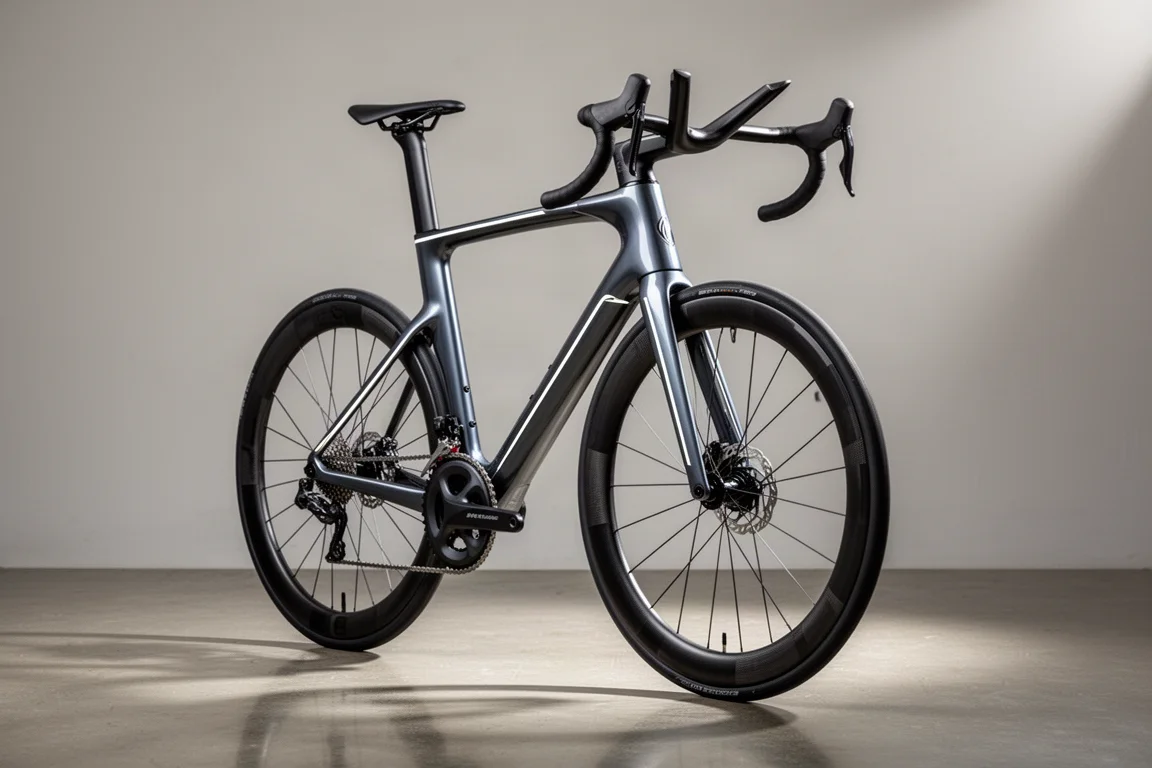
Canyon Aeroad CFR: Extendable Bars and Cockpit Complexity
The Aeroad CFR’s extendable bars are the talking point here. The idea is that riders can widen or narrow the cockpit, but the practical case is thin: bike fitters generally settle on a single bar width that suits the rider, and nobody wakes up needing to move from a 36 cm bar to a 42 cm one.
The mechanics are less appealing. Anything with moving joints is a candidate for creaking over time, and the way hoses and wiring feed into this cockpit makes it difficult to work on. Canyon also sets the labour rates shops are paid for work on its bikes, which adds another layer of friction for anyone relying on a dealer.
It is worth being clear about the motivation. Adjustable packaging makes a bike easier to ship, which is a benefit to the brand rather than the rider. If you buy this model, plan to set the cockpit once and leave it alone.
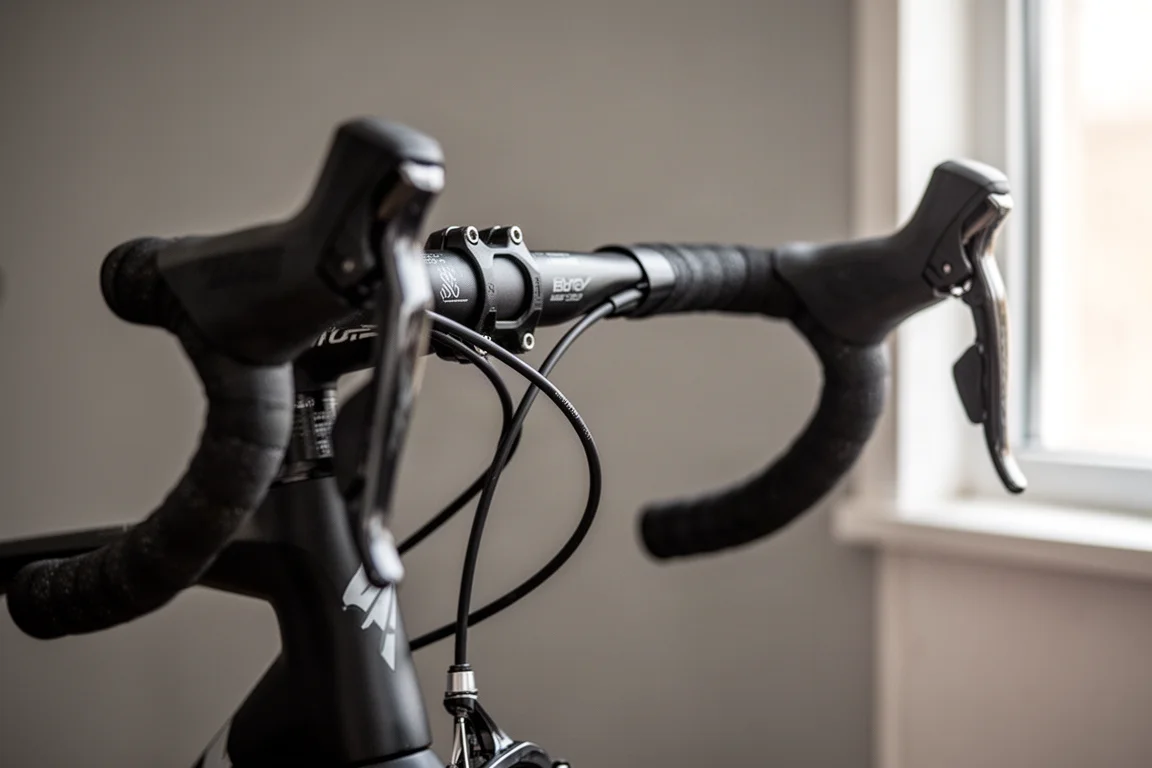
That is manageable if you accept it up front, but it is a poor fit for anyone who likes to tinker with position or swap components regularly.
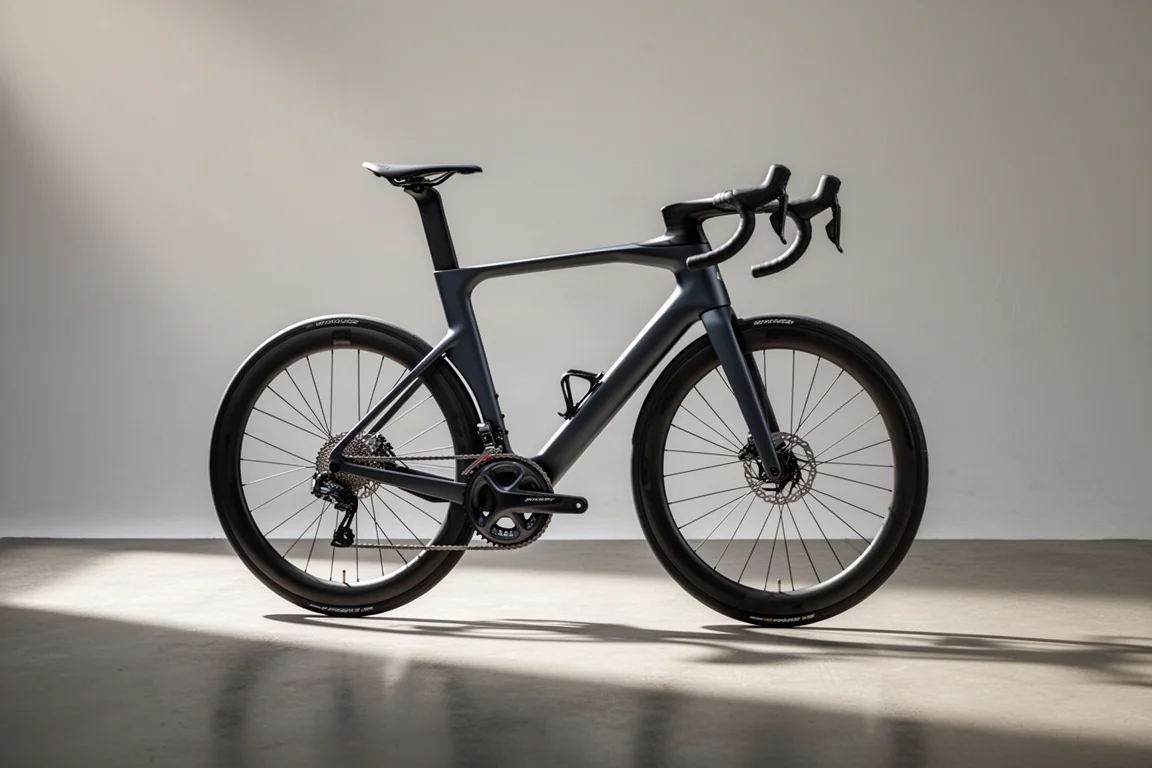
Ribble S R: Narrow Bars and a Steering Block
The S R served as a team bike, and the assessment here is mostly about proportions and handling. The smallest bar option was around 33 cm, which is extremely narrow, and it is hard to see how that helps aerodynamics in practice given the effect on control and comfort.
Comfort appears to have been an afterthought. Shortly after launch, much of the team was riding with bar tape fitted, and the bike came with a steering block that limited how far the bars could turn. Cannondale has used a similar idea on the SuperSix, and it has contributed to low-speed crashes when riders could not turn enough to avoid trouble.
For most riders, a more comfortable bike will be faster overall than a super-aero design with a 33 cm bar. If the position works for you, fine, but it is not a shape to choose casually.
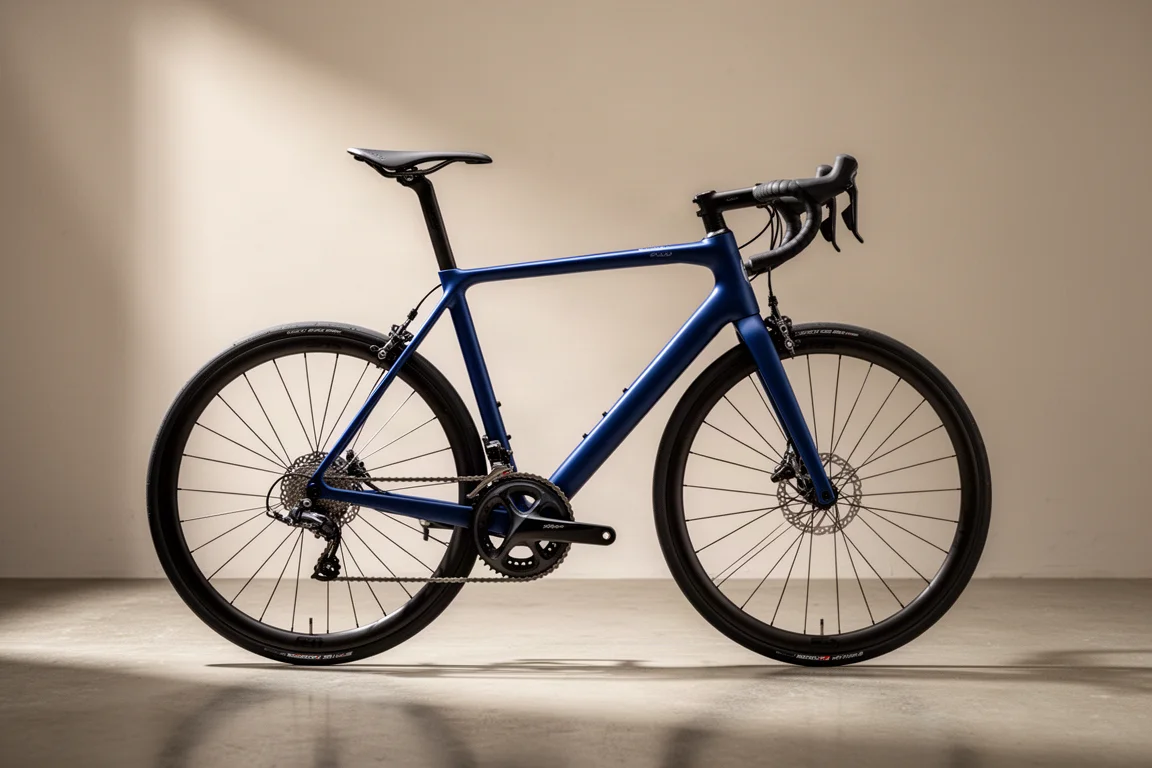
Canyon Grail: The Double-Decker Handlebar
The Grail’s double-decker handlebar is one of the more distinctive cockpit designs of recent years, and Canyon claimed a significant compliance benefit from the shape. The practical drawbacks are easier to see.
The design needs considerably more bar tape to wrap, and changing the bar length or width means buying a whole new handlebar rather than a replacement stem or a different bar. Those bars were not cheap, even from a brand known for competitive pricing.
Canyon has since dropped the design, which says something about how the market received it. The underlying idea of a more compliant front end is sound, but it is now available through simpler, more serviceable solutions.
Scott Foil: A Rebuild-Heavy Platform
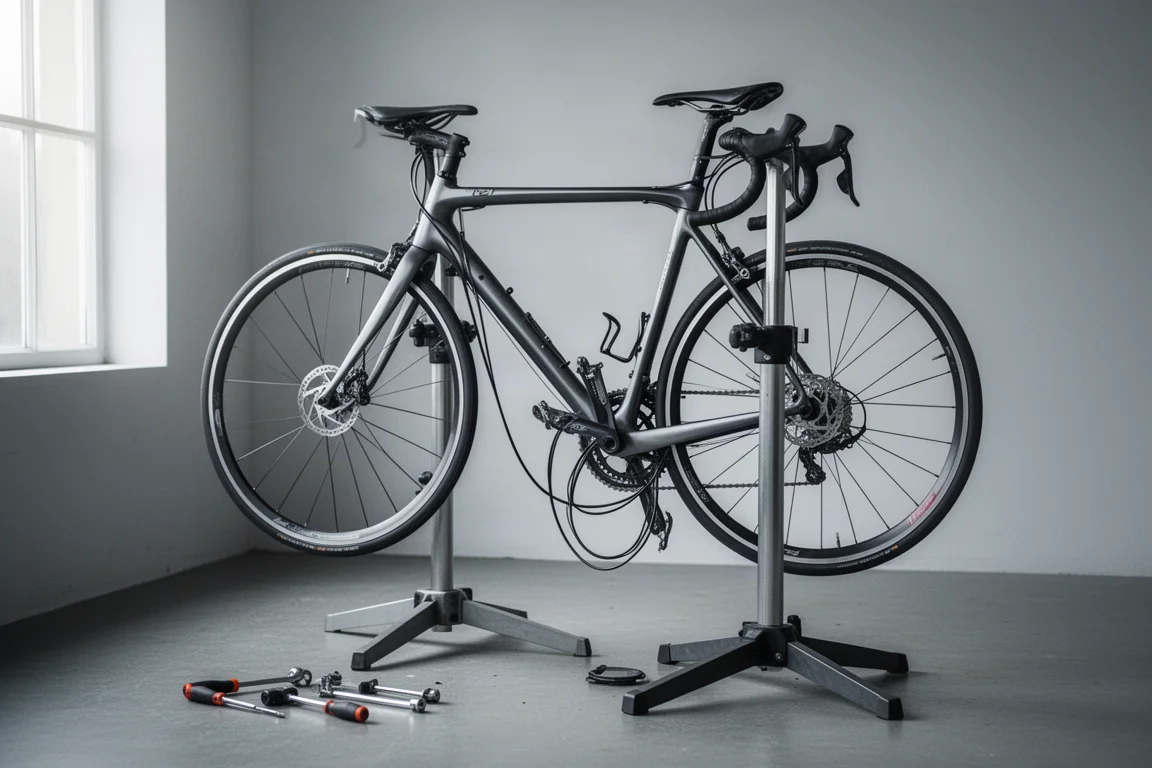
The Foil closes the list because of how often it has to come apart. This platform has been rebuilt repeatedly over the past year with road hydraulic groupsets, Shimano groupsets and budget groupsets, including work that required drilling holes in the frame.
That is the core issue with heavily integrated internal routing: swapping a groupset or changing a component turns into a full strip-down. Once the process is familiar it can be done quickly, but it is still a job most riders will not want to repeat.
If you own one, the sensible approach is to decide on a groupset and stick with it. If you are buying, factor in the labour cost of any future change, and check that whoever services it is comfortable with the routing.
The frame itself can be quick and rewarding to ride, and riders who leave it alone get on fine with it. The caution is simply that it rewards commitment rather than experimentation.
Buying Advice: What to Check Before You Commit
A few checks make these trade-offs manageable.
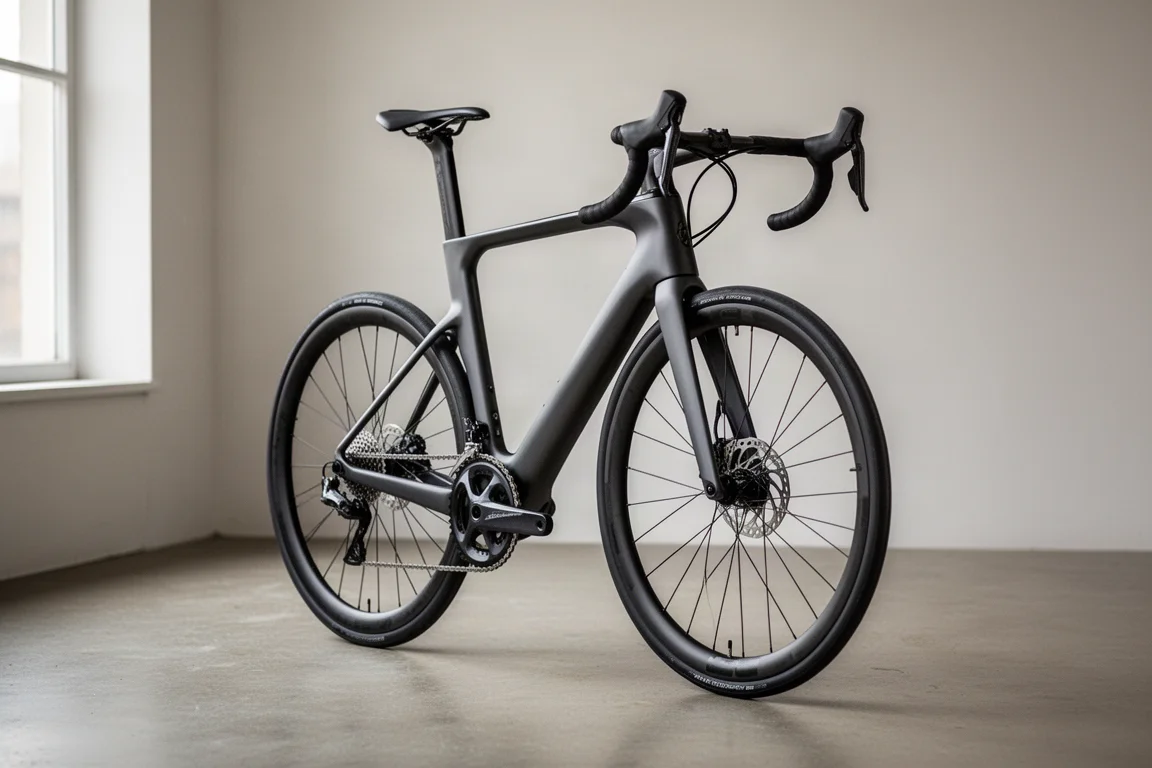
Ask about standards first. Bottom bracket type, seat post shape, brake caliper compatibility and headset design determine whether parts will be easy or hard to find. Where a brand has moved to threaded bottom brackets, conventional seat posts and disc brakes, the newer generation is usually the safer purchase.
Check tire clearance against what you actually want to ride. If a frame maxes out at 23 mm or 25 mm, you are locked out of the wider tires most riders now prefer, and you may struggle to find stock in your size.
Finally, be realistic about who does the work. Proprietary cockpits, integrated brakes and internal routing are not automatically deal-breakers, but they shift cost and time onto the owner or the workshop. Choosing the right generation of a model is often more important than choosing between brands.
Conclusion
Ten bikes, and a consistent theme: the fastest or most technically ambitious option is not always the easiest to own. Suspension forks, integrated brakes, adjustable cockpits and narrow tire limits all deliver something real, but they also add servicing complexity that shows up long after the purchase.
The good news is that most of these issues are generation-specific. Trek’s newer Madone moved to a conventional seat post, a T47 bottom bracket and disc brakes, and Canyon has dropped the Grail’s double-decker bar. Cannondale has also introduced revised front-end designs since the original Slate. A newer version of the same nameplate can be a very different proposition.
If you are shopping secondhand, check the specific model year, confirm which standards it uses, and price in the maintenance before you commit. Riders who match the bike to the way they actually ride, and who plan for servicing rather than hoping it will be simple, tend to end up happier than those chasing the sharpest aero numbers.
Further reading
Related Reviews
Cycling
2026 Bike of the Year and the Cycling Gear Worth Watching
A drop bar roundup for 2026 covering the Ridley Kanzo Fast 2.0, Shimano Dura-Ace Di2 R9300, Trek Checkpoint ALR Gen 3, Specialized Tarmac SL9, Garmin Fenix 9 and Insta360 X6.
Cycling
Best All-Road Bikes 2026: Six Versatile Endurance Road Bikes Worth Considering
A practical look at six all-road and endurance road bikes, from lightweight carbon speed machines to steel all-rounders and comfort-focused mile eaters.
Cycling
Best All-Road Bikes 2026: 8 Endurance Bikes for Road and Light Gravel
Eight all-road bikes that blur the line between endurance road and light gravel, compared on tire clearance, ride character, practicality, and value.