Road Bikes
10 Bikes That Are Hard to Live With: Service Details to Check Before You Buy
Ten road, gravel and time trial bikes with awkward maintenance details, from proprietary brakes and headset suspension to integrated cockpits and tight tire clearance.
Introduction
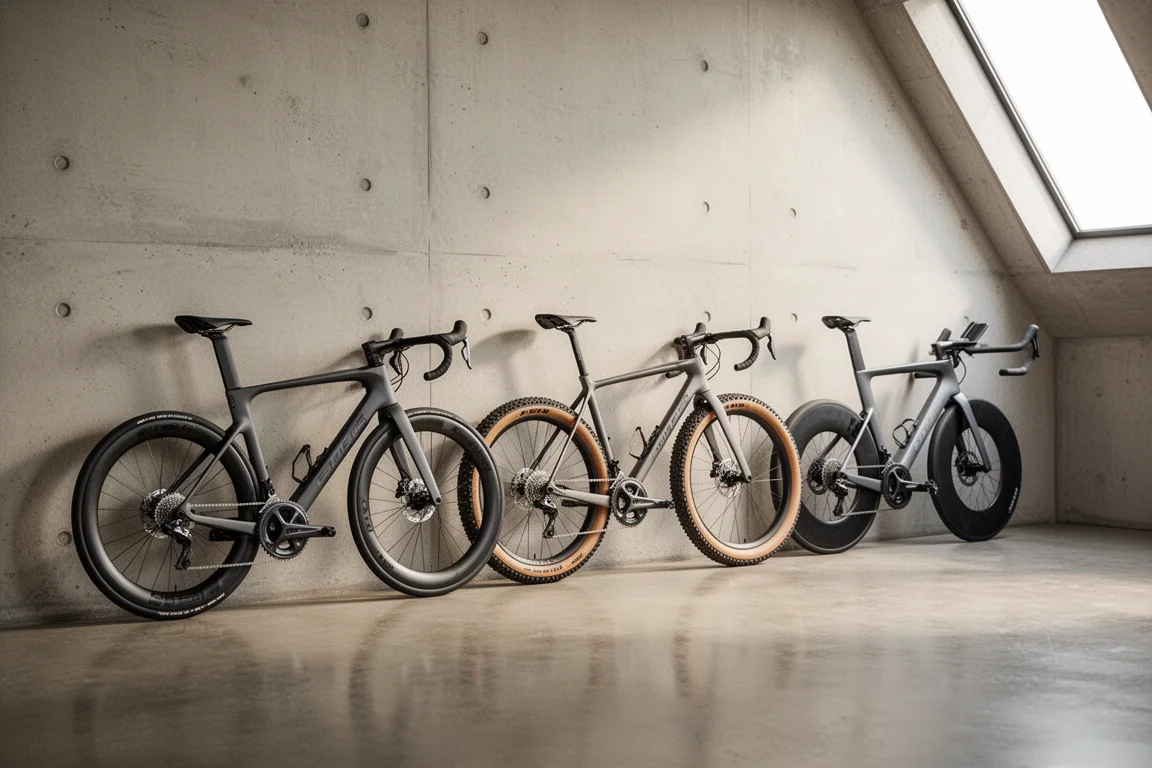
A bike can be brilliant to ride and still be a headache to own. The difference usually comes down to a handful of design decisions: how the brakes are mounted, where the cables and hoses run, which bottom bracket standard the frame uses, and how much of the cockpit is proprietary.
This roundup covers ten road, gravel and time trial models that stand out for awkward maintenance. Some are older rim brake designs that have since been updated. Others are still easy to find secondhand. In every case the riding experience can be excellent, but the ownership experience asks more of you, your tools and your local workshop.
If you are buying new or used, knowing these details in advance makes it much easier to judge whether the trade-off is worth it.
What Makes a Bike Frustrating to Own
Four things tend to turn a straightforward service into a long afternoon.
Brakes that sit flush with the frame or hide behind the fork are harder to reach, harder to adjust and more exposed to road spray. Bottom bracket standards that look familiar on paper but do not match the parts on the shelf create ordering problems. Suspension systems built into the headset or the seat mast add moving parts in places that were previously simple. And cockpits with integrated hoses and proprietary extension hardware can turn a small position change into a full rebuild.
None of these are automatic dealbreakers. They are costs, and they are worth counting before you buy.
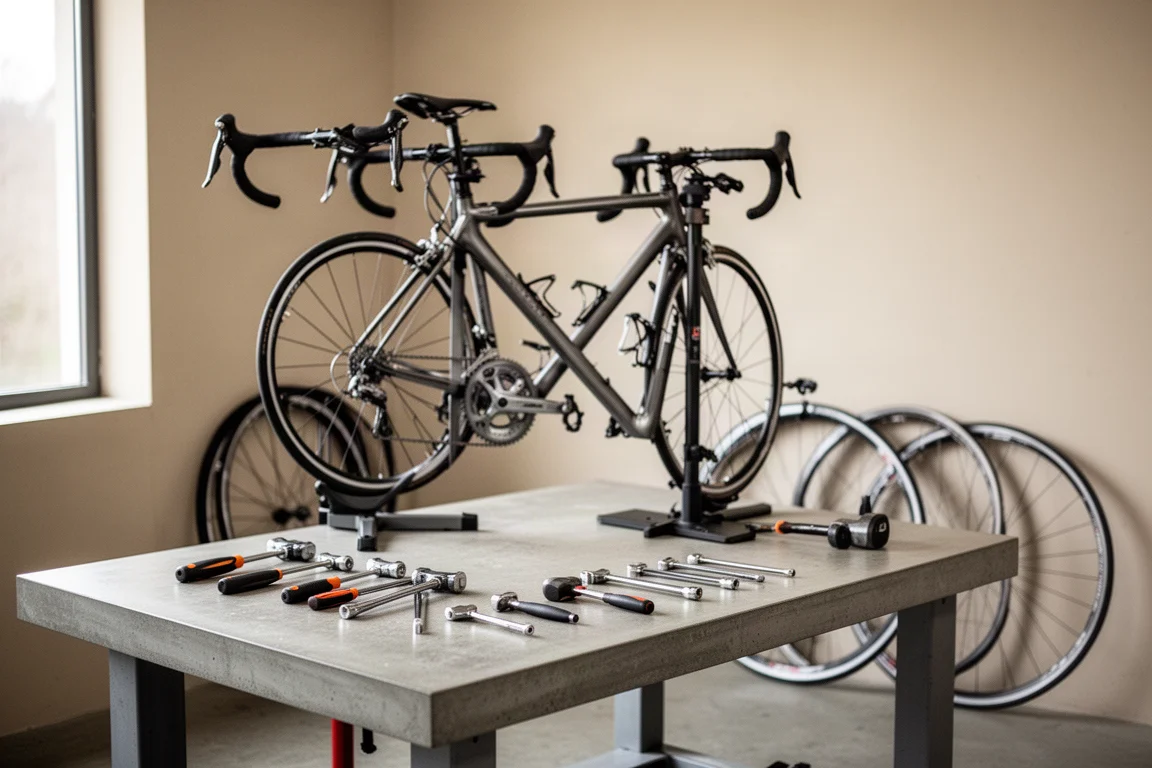
The pattern is consistent: the more a design hides its hardware, the more time it takes to keep that hardware working.
Cannondale Slate: Front Suspension With a Service Penalty
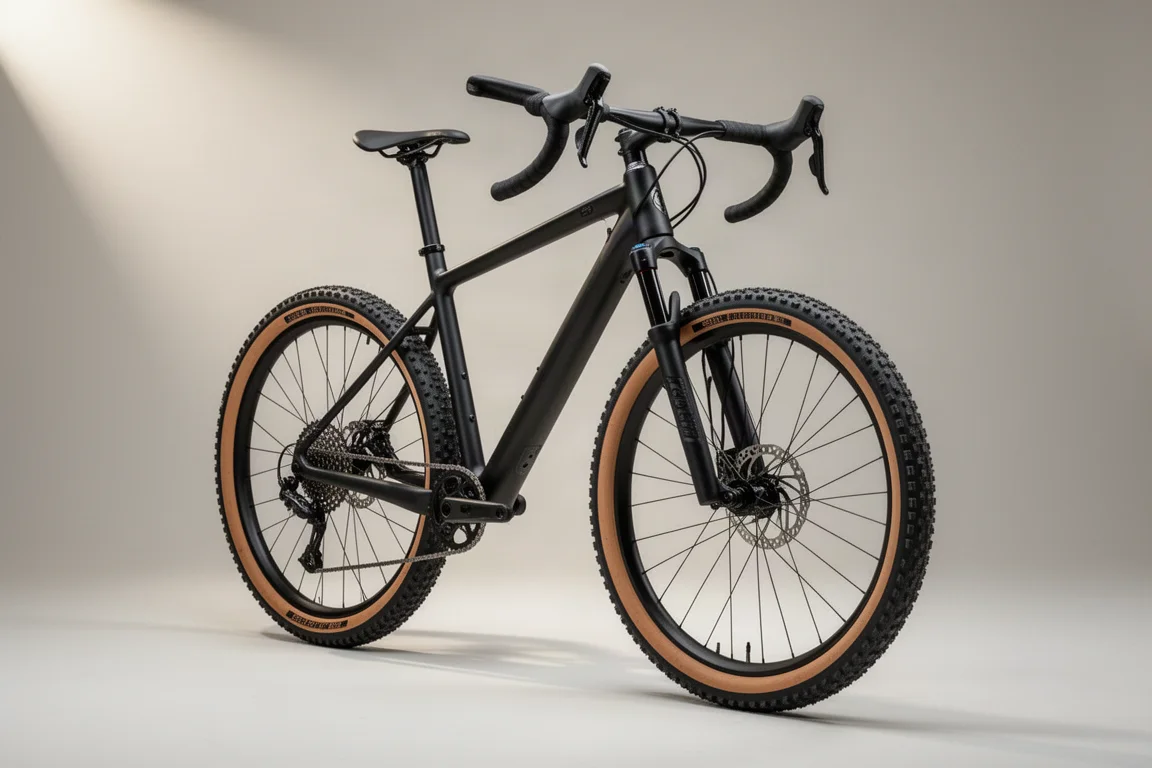
The Slate is a gravel bike with a Lefty fork and front suspension, which is exactly the kind of idea that should work well on rough surfaces. The complication is everything around it.
On early versions, removing the front wheel meant taking the brake caliper off completely, then refitting and aligning it afterwards. Some versions used an adapter that let the caliper move out of the way, but that arrangement raises its own questions about strength and repeatability. Headset work is involved too, because the Lefty fork clamps at both the bottom and the top of the head tube. Add bottom brackets labelled BB30 that did not match the standard they claimed, and the Slate asks a lot from anyone maintaining it.
Giant Propel: Aero Brakes That Sat in the Wrong Place
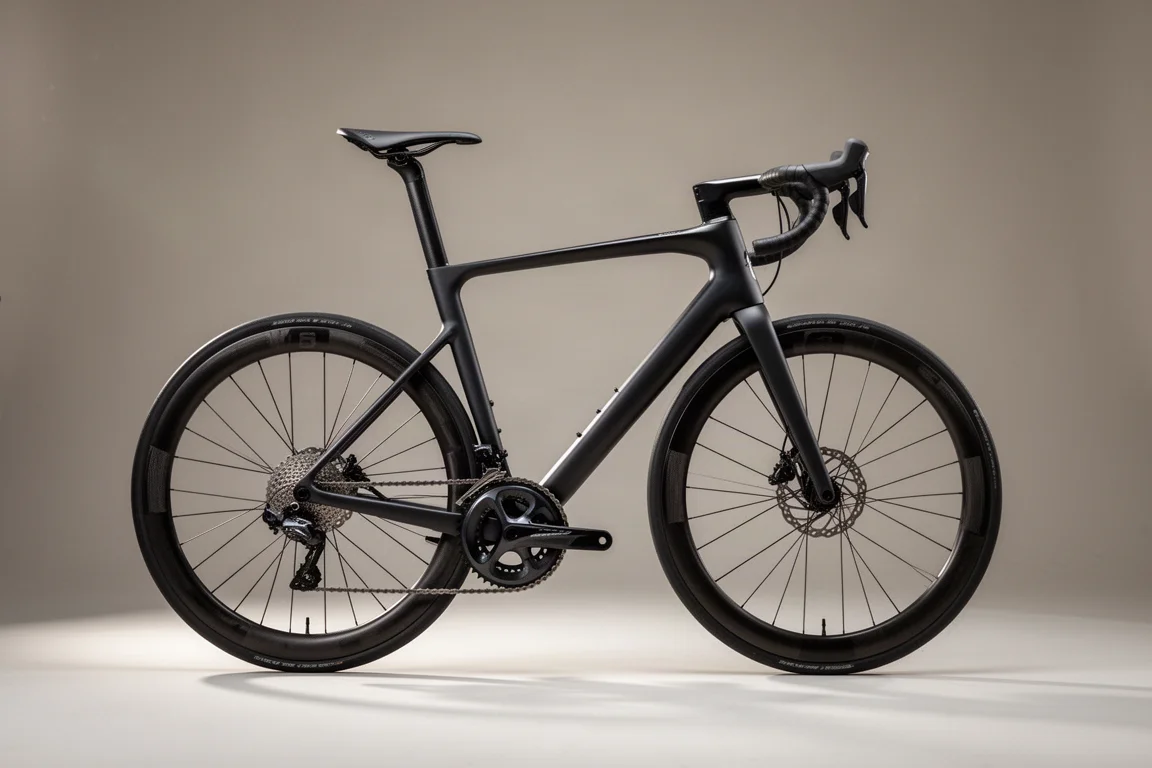
The rim brake version of the Propel is remembered for its brake calipers rather than its speed. The rear caliper sat flush with the frame, and the front caliper was mounted behind the fork instead of in front of it, where it collected dirt and road spray.
Cable routing was awkward as well, and at launch there was no real alternative source for replacement calipers, so a damaged brake meant waiting for parts. One owner went through three sets of calipers in three years. The wider lesson applies to any bike with brakes tucked under the bottom bracket: the design looks tidy and works badly.
Specialized Roubaix: Comfort With a Complicated Headset
The Roubaix is one of the bikes that made the case for comfort as a performance feature. The geometry is well regarded, the ride is comfortable, and the subtle compliance built into the rear seat stays was ahead of its time.
The Future Shock is the sticking point. It puts suspension inside the headset, with the stem attached to the moving assembly. Adjustment uses small fasteners at awkward angles, and if anything inside the unit fails, the whole assembly has to be replaced rather than repaired.
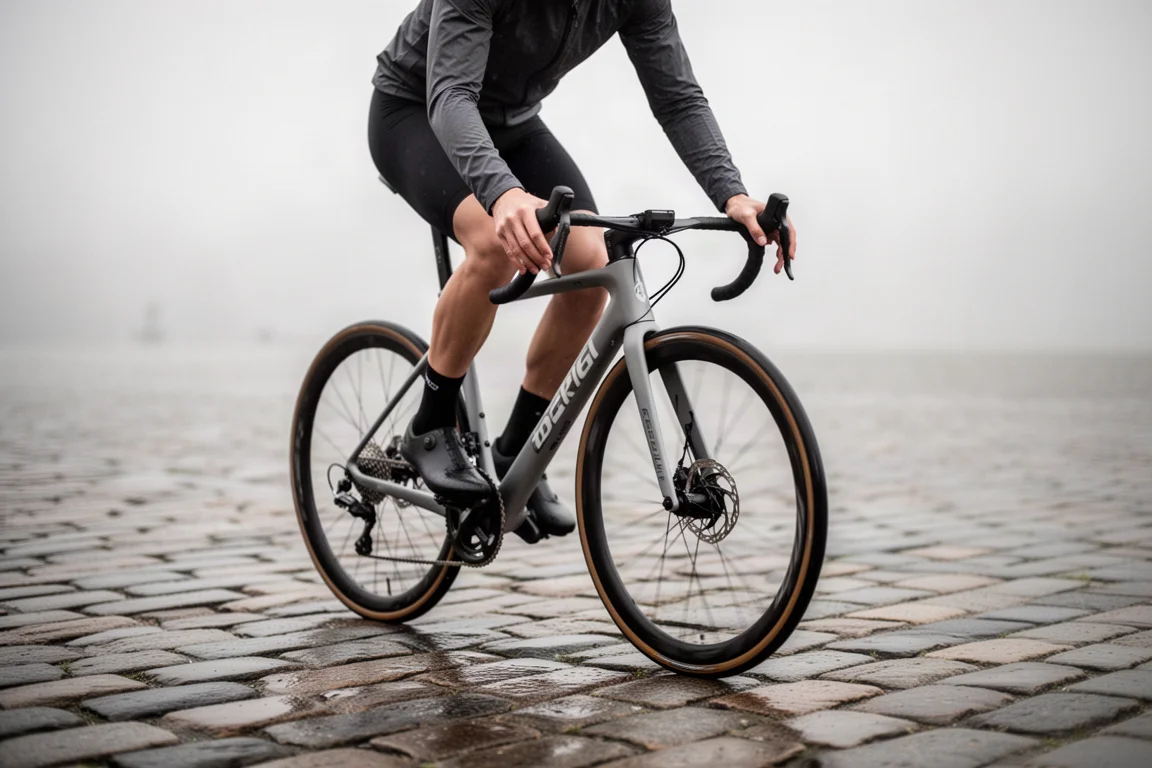
A conventional frame with an aftermarket suspension stem delivers a similar benefit with far fewer complications, which is the trade most riders end up making.
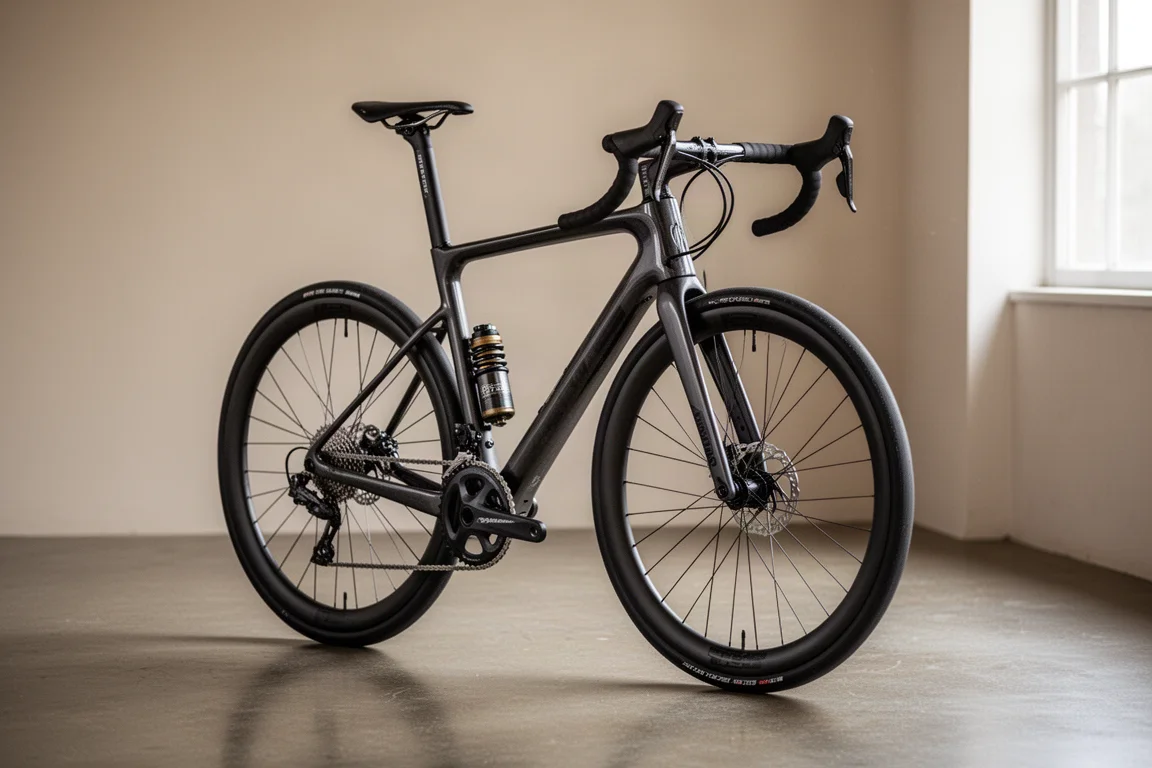
Trek Madone: IsoSpeed, BB92 and Integrated Brakes
The older rim brake Madone is a good example of how several small decisions add up. The IsoSpeed seat mast uses an L-shaped post that slides in at the bottom, and it creaked on a lot of bikes. Compliance is adjustable, but that adjustment is not something an aero road bike really needs. The frame used the BB92 bottom bracket standard, which few riders asked for. And it had its own integrated aero brake calipers, which are difficult to work on and entirely unnecessary.
The newer version addressed most of this with a more conventional seat post, a T47 bottom bracket and disc brakes, which is a useful reminder that these problems are fixable when a brand decides to fix them.
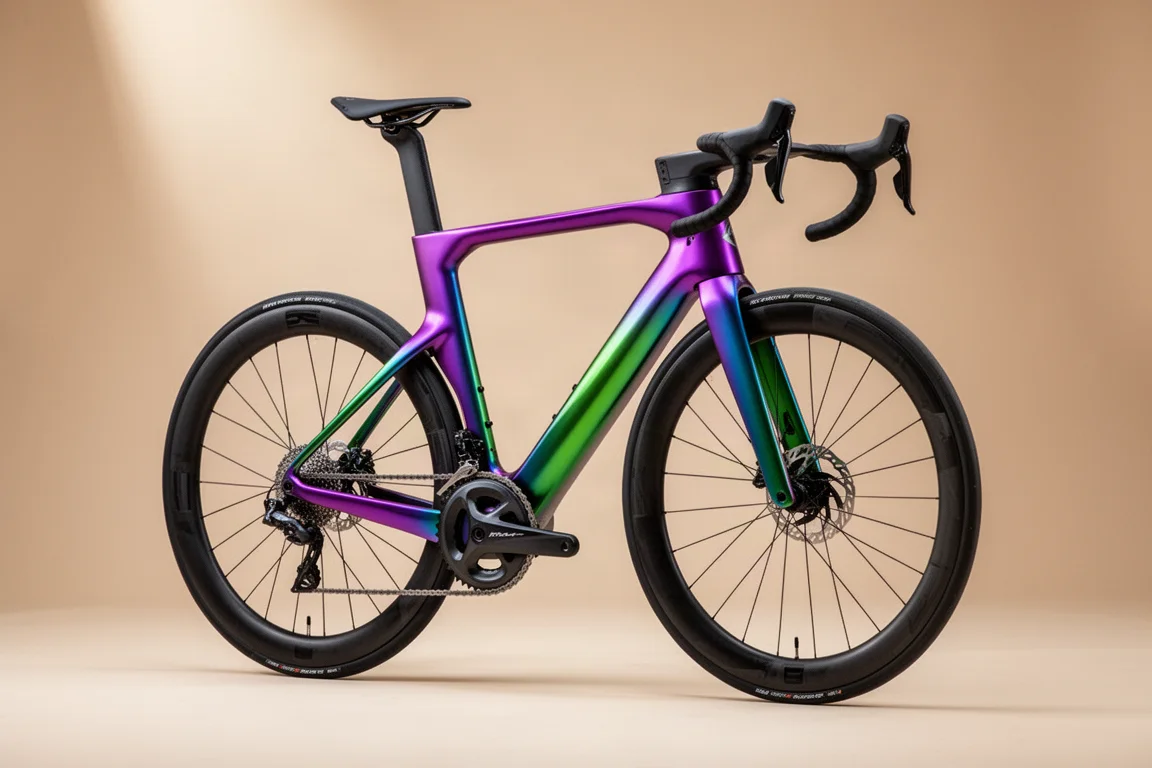
Giant Trinity: The Time Trial Maintenance Tax
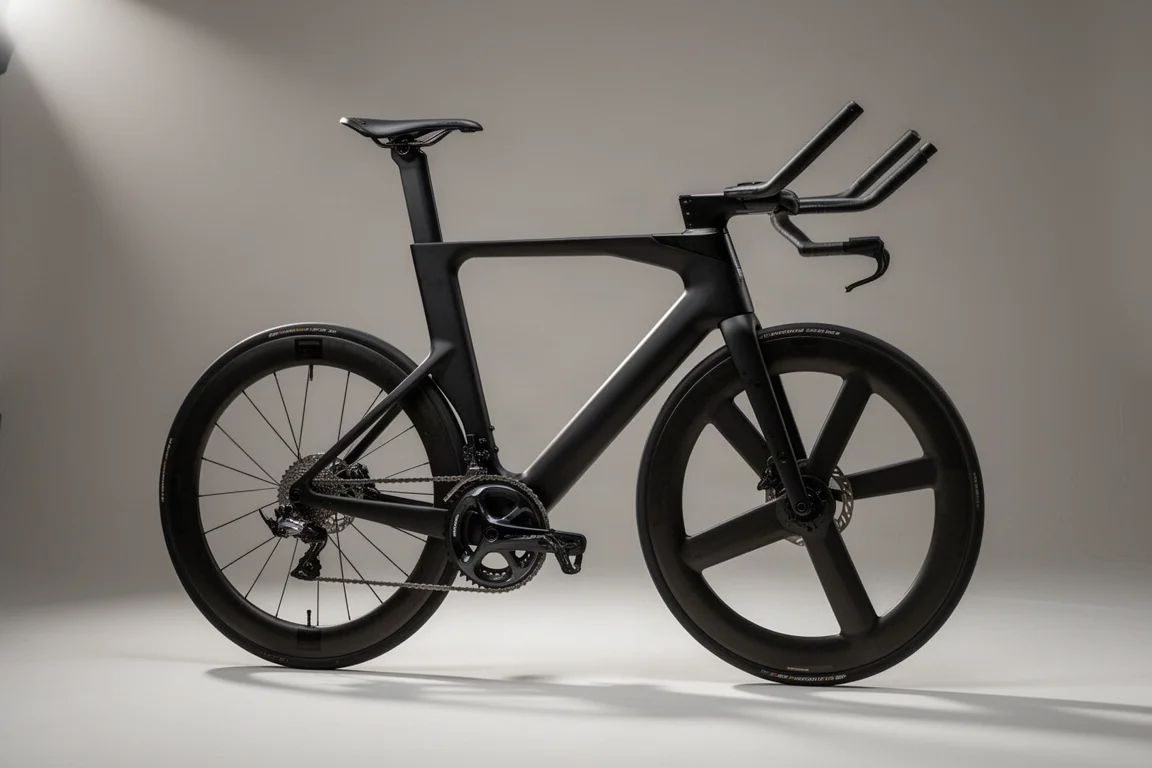
Time trial bikes are fast, and the Trinity shows why that speed comes with a maintenance bill. It was for a long time one of the fastest time trial bikes you could buy in the rim brake era. It uses proprietary integrated brakes, including a caliper under the bottom bracket that collects dirt and becomes very difficult to adjust, particularly once riders fit larger chainrings.
The cockpit is the bigger issue. It uses a large number of small, specific parts, so changing the angle of the extension poles, or fitting a new groupset, can mean rebuilding most of the front end. Riders who want to avoid the rewiring can look at newer 12-speed wireless groupsets, or ride time trial events on a road bike instead. The same caution applies to time trial bikes generally, not just this one.
Cervélo S5: Tire Clearance That Fell Behind
The rim brake S5 was designed as a fast aero road bike, but it was limited to 23mm tires at a time when 25mm was already becoming normal and wider rubber was proving faster in practice. That works against the bike’s own purpose: a frame that saves watts in testing can lose more than it gains through narrow, harsh tires.
Owners also face a practical problem, because 23mm tires are increasingly hard to find. Fitting 25mm rubber was not a safe workaround either. Under load, rear wheel flex can eat into the frame, and on an expensive carbon frame that is a serious risk.
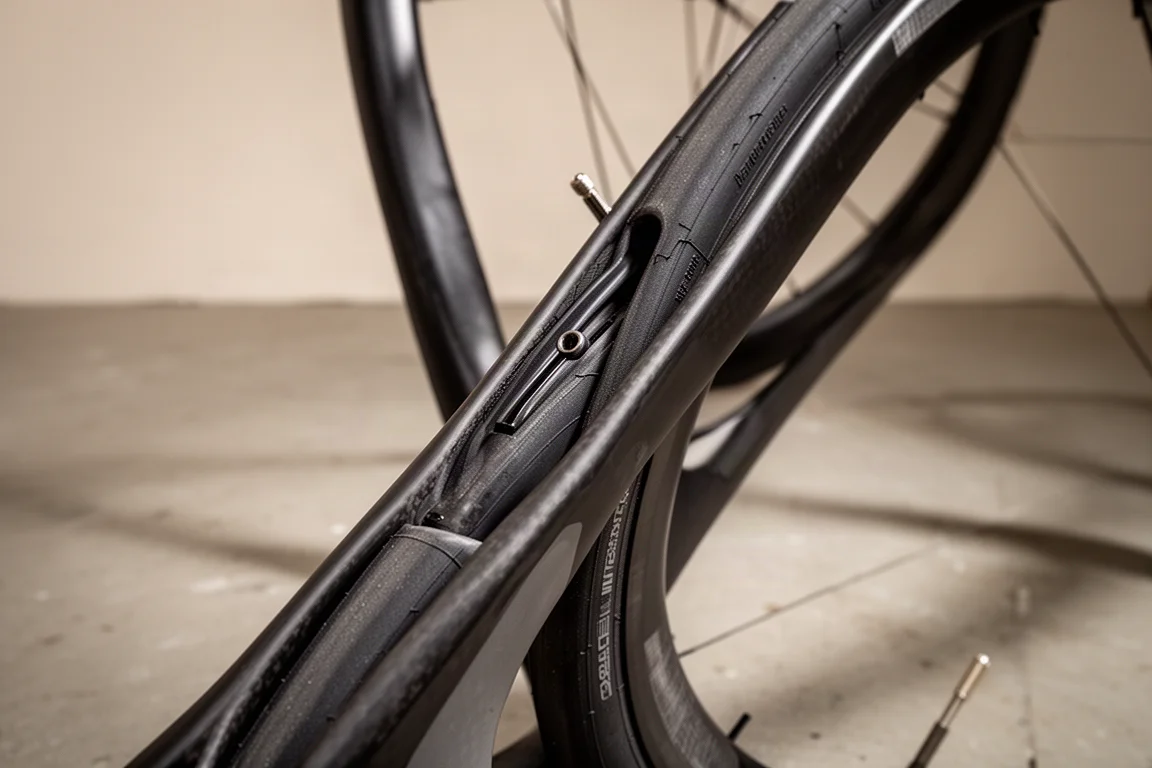
Tire clearance is one of the easiest specifications to check before buying any used road bike, and one of the most expensive to get wrong.
Canyon Aeroad CFR: Adjustable Bars, Added Complexity
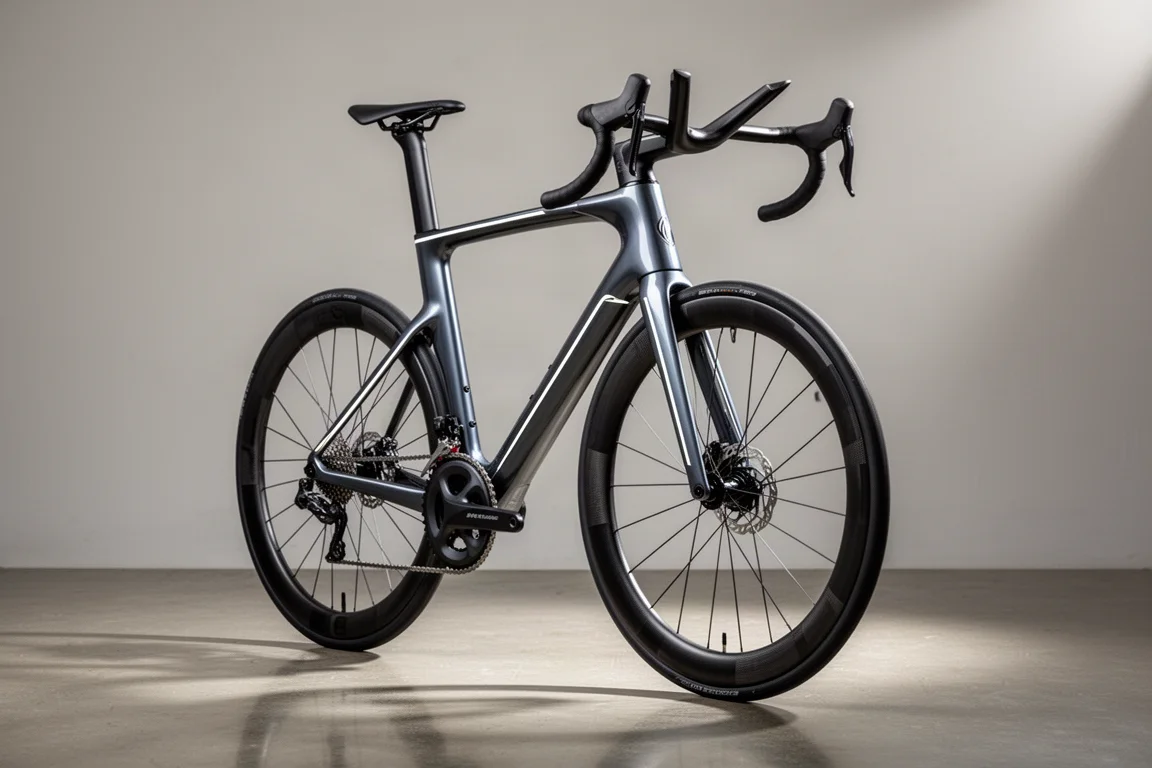
The Aeroad CFR uses bars with an extendable width, which sounds like a useful feature until you consider how it behaves over time. Any adjustable joint in a cockpit is a potential source of creaking, and the routing of hoses into that cockpit is difficult to work on.
The adjustment itself also solves a problem most riders do not have. A proper bike fit gives you a bar width that suits your shoulders and position, and you do not change it from one season to the next. The design exists mainly to make shipping a complete bike easier for the manufacturer, and the cost of that convenience lands on whoever has to service it.
Ribble SLR: Narrow Bars and a Steering Block
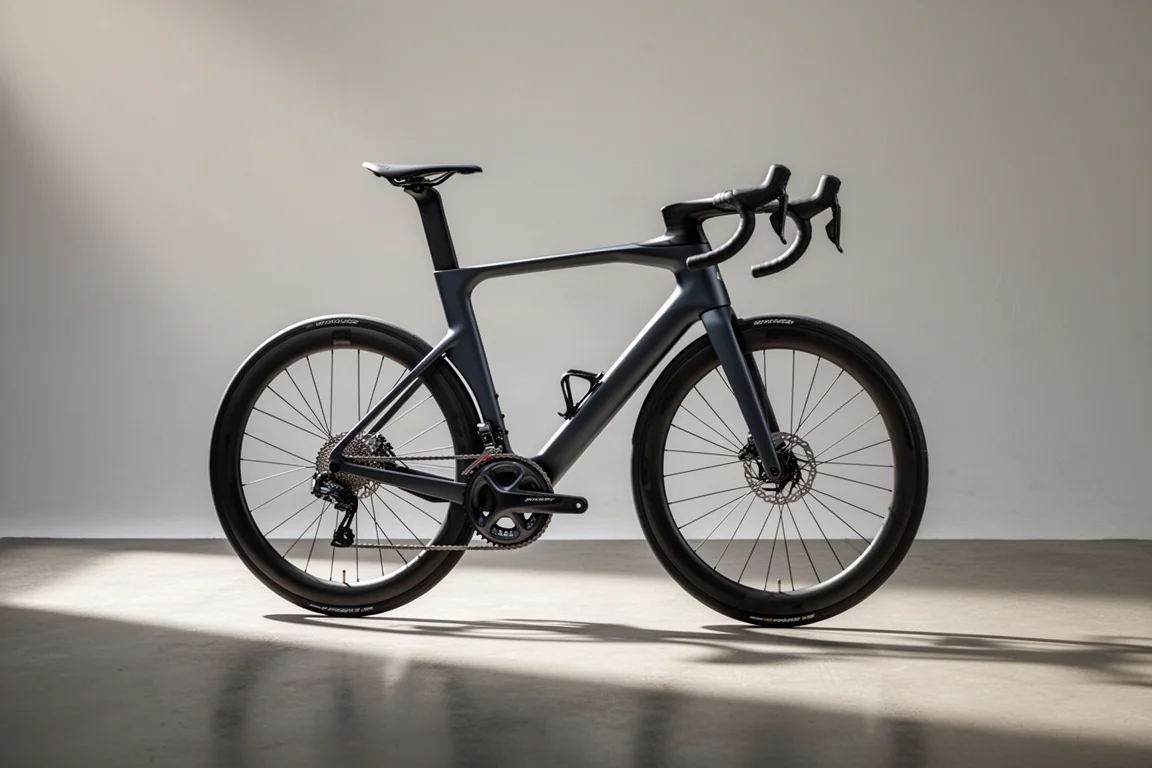
The SLR served as a team bike for a period, and it is an aerodynamic race bike with one unusual detail: the smallest bar size is 33cm. Narrow bars can reduce frontal area, but 33cm is very narrow for most riders, and the effect on handling and comfort is significant.
The bike shipped without bar tape, and many riders added it because the position was simply not comfortable. A steering block also limited how far the bars could rotate, which caused problems at low speed, where riders found they could not turn enough and crashed. For most riders, a more conventional and comfortable setup will be faster in real conditions than a bike that is difficult to control.
Canyon Grail: The Double-Decker Handlebar
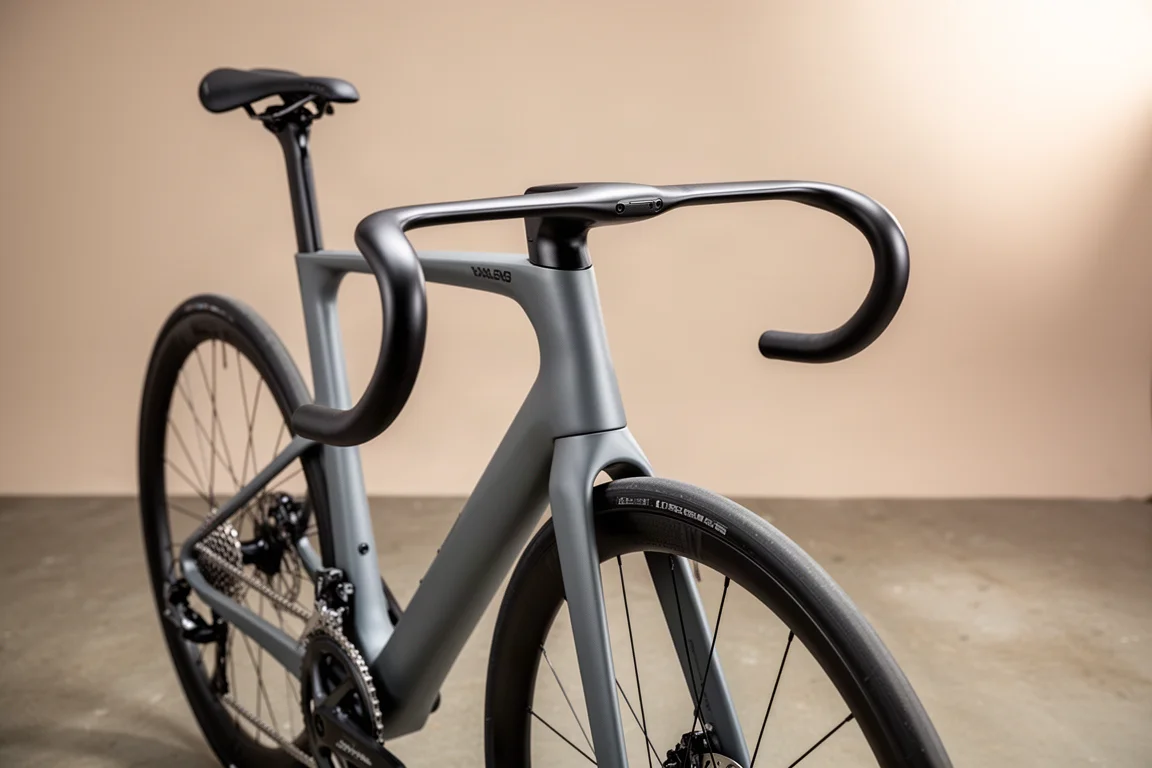
The Grail’s original hover bar, with its stacked double-decker shape, is one of the most distinctive cockpits ever fitted to a gravel bike. It was designed for compliance, and the claimed comfort benefit was substantial.
In practice, the bar needs a much longer wrap of bar tape, and if you want a different length or width, you have to replace the entire handlebar rather than swapping a stem. Those bars were not cheap. Canyon has since dropped the design, which says a lot about how well the trade-off worked out.
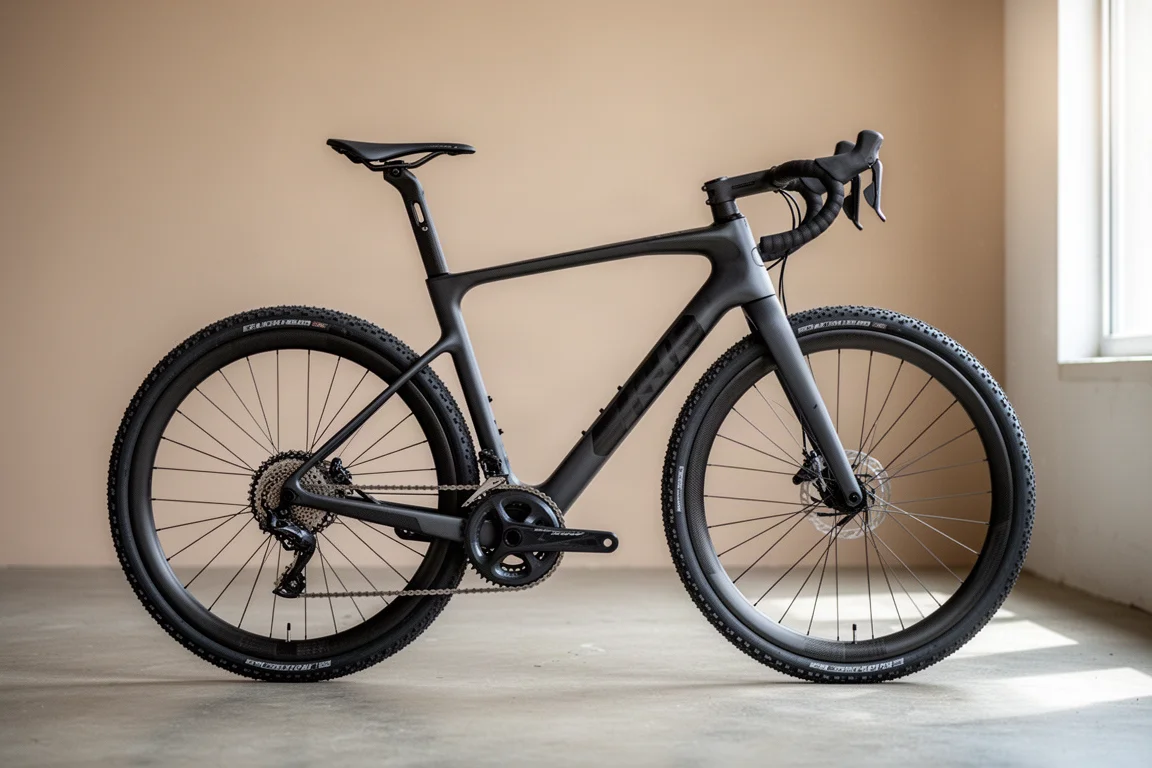
Scott Foil: A Bike That Keeps Coming Back to the Stand
The Foil earns its place at the end of this list for a simple reason: it kept coming back. One workshop rebuilt the same bike around seventeen times in a year, working through hydraulic road groupsets, mainstream electronic groupsets and budget groupsets sourced online, with some builds even calling for holes to be drilled in the frame.
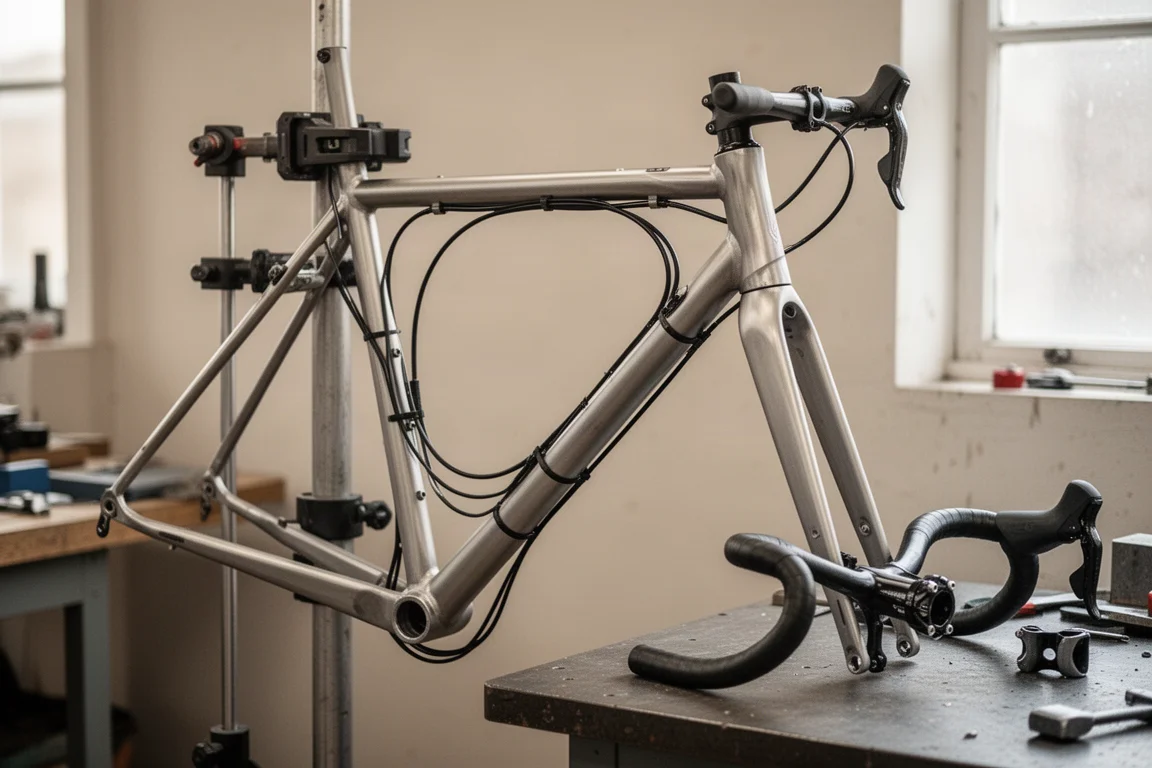
That is the clearest illustration of what makes a bike frustrating to own. It is rarely one dramatic flaw. It is a frame that fights you every time a component changes.
Buying Advice: What to Check Before You Commit
Before buying any of these bikes, or anything similar, ask a few practical questions. What brakes does it use, and are replacement parts still available? What bottom bracket standard does the frame actually take? How much tire clearance is there, and does that match the tires you want to run? Is any part of the cockpit proprietary, and what happens if you need a different size?
If you do your own maintenance, weigh how much of the work you are comfortable doing. If you rely on a shop, ask what they charge for the jobs these designs make difficult. A bike that fits and rides well but costs extra every time it needs attention is still a good bike, as long as you go in with your eyes open.
Conclusion
These ten bikes all have something to offer on the road or on gravel. The Slate’s front suspension, the Roubaix’s comfort-first geometry, the Trinity’s time trial speed and the aero intentions behind the Propel, S5, Aeroad CFR, SLR, Grail and Foil are genuine design ideas.
The problem is the maintenance that comes with them: proprietary brakes, headset suspension, integrated cockpits and standards that do not match what is on the shelf. If you buy one, buy it knowing what it will ask of you. If you would rather spend your time riding than adjusting, a simpler frame with conventional parts will often be the faster and happier choice.
Further reading
Related Reviews

Road Bikes
10 New Road Bikes Worth Watching: Aero, Titanium, Steel and Endurance Standouts
A practical roundup of 10 new road bikes, from aero flagships chasing single-watt gains to titanium, steel and endurance platforms built for real roads.
Road Bikes
2026 Tour de France Road Bikes: Six Race Machines Worth a Closer Look
Six race bikes from the 2026 Tour de France grid, reviewed for paint, silhouette, wheels and the specification details that matter to buyers.
Road Bikes
3T Strada Italia Review: A Radical Aero Road Bike That Rides Smooth
A made in Italy carbon aero road bike with a deep head tube, wide tire clearance and a genuinely comfortable ride. Here is what to know before buying.