Cycling Gear
Bikepacking Setup for a 3,000 km Ultra: Eight Components That Held Up
A detailed look at the frame, fork, tires, drivetrain, wheels, luggage and saddle used on a 3,000 km unsupported bikepacking route through Chile and Argentina.
Introduction
A 3,000 km unsupported bikepacking route through Chile and Argentina to the end of the world puts every component under a level of scrutiny that short test rides simply cannot replicate. Two weeks of 10 to 12 hour days, dry and dusty gravel, long paved transfers, rocky washboard surfaces and no support vehicle mean the parts that survive are the parts worth recommending.
This breakdown covers the eight components that made up the setup and what each one contributed. The guiding principle throughout was comfort and reliability over outright speed and aerodynamics, with lessons carried over from previous ultra-distance events.
What Mattered Most on a 3,000 km Route
Three priorities shaped every choice. First, front-end height and long-distance comfort: a slightly higher riding position that keeps the neck and shoulders working after twelve hours in the saddle matters more than a low, aerodynamic stance. Second, luggage that stays secure, stays dry, and comes off the bike quickly at the end of a stage. Third, tire and drivetrain choices that can be serviced with the tools actually being carried.
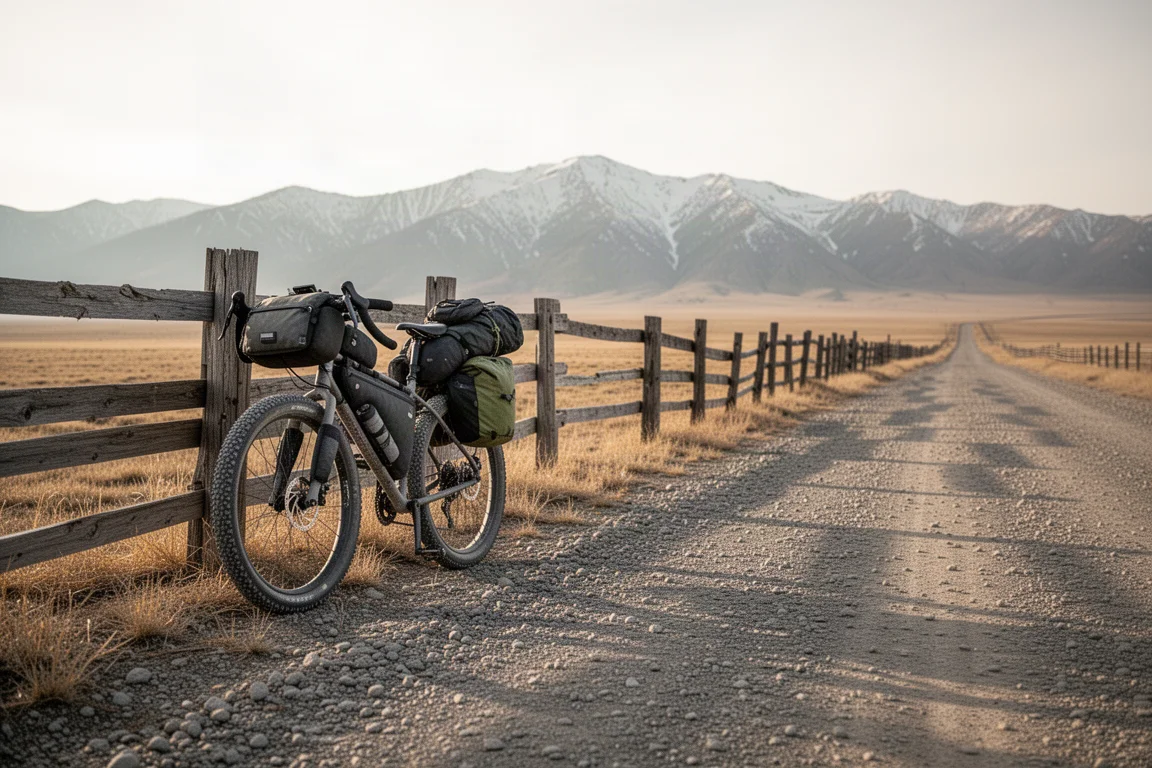
Reliability outweighed weight savings at every decision point. Over 3,000 km the only component that failed was a small 3D printed light bracket, which was secured with electrical tape and carried on without further trouble. That is the standard the rest of this list is measured against.
The Frame: Parlee Taus
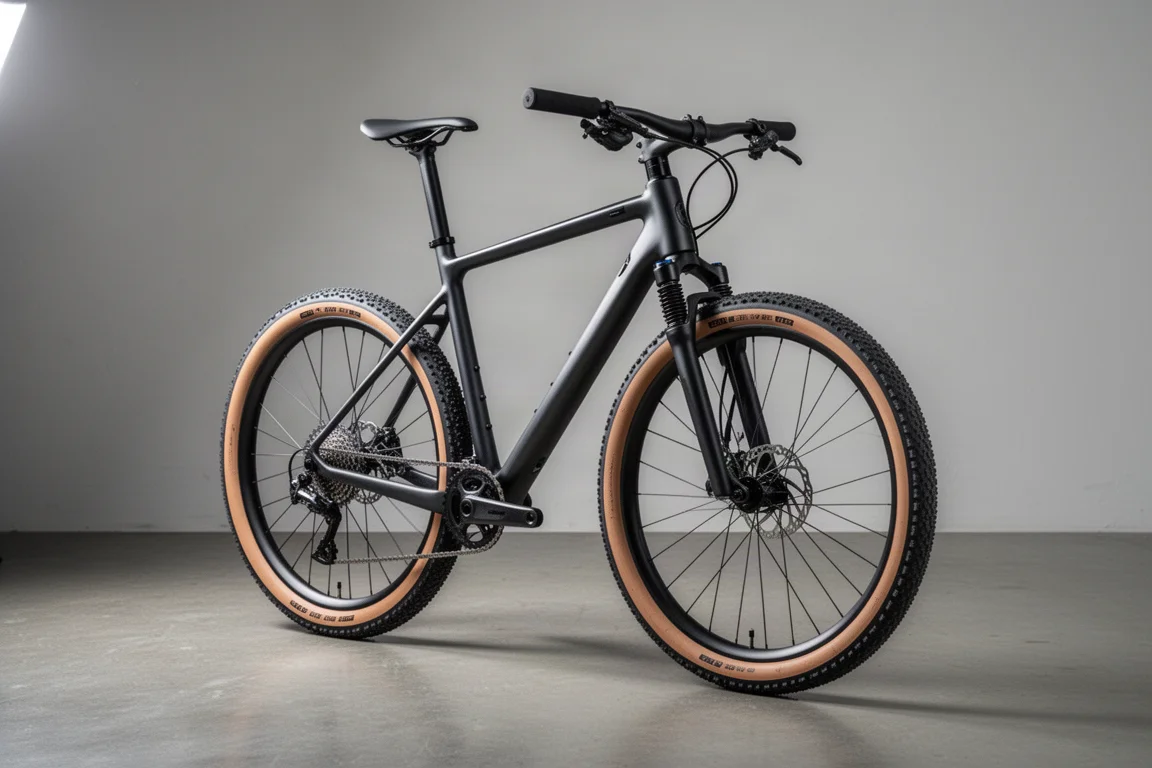
The Parlee Taus is a lightweight carbon gravel frame with generous tire clearance, down tube storage and semi-internal routing that allows a round handlebar to be fitted for accessory mounts. The geometry is oriented toward long-distance comfort rather than head-down aero gravel racing, and the rigid fork supplied with the frame is the same length as a suspension fork, which keeps the front end higher than a typical gravel setup. That raised position proved ideal for consecutive long days.
Practical details include a threaded bottom bracket and an external seat clamp. On the route the frame performed flawlessly: stable at high speed on gravel when tired, comfortable thanks to plenty of seatpost extension, and easy to live with over two weeks of loaded riding.
Front Suspension: RockShox Rudy
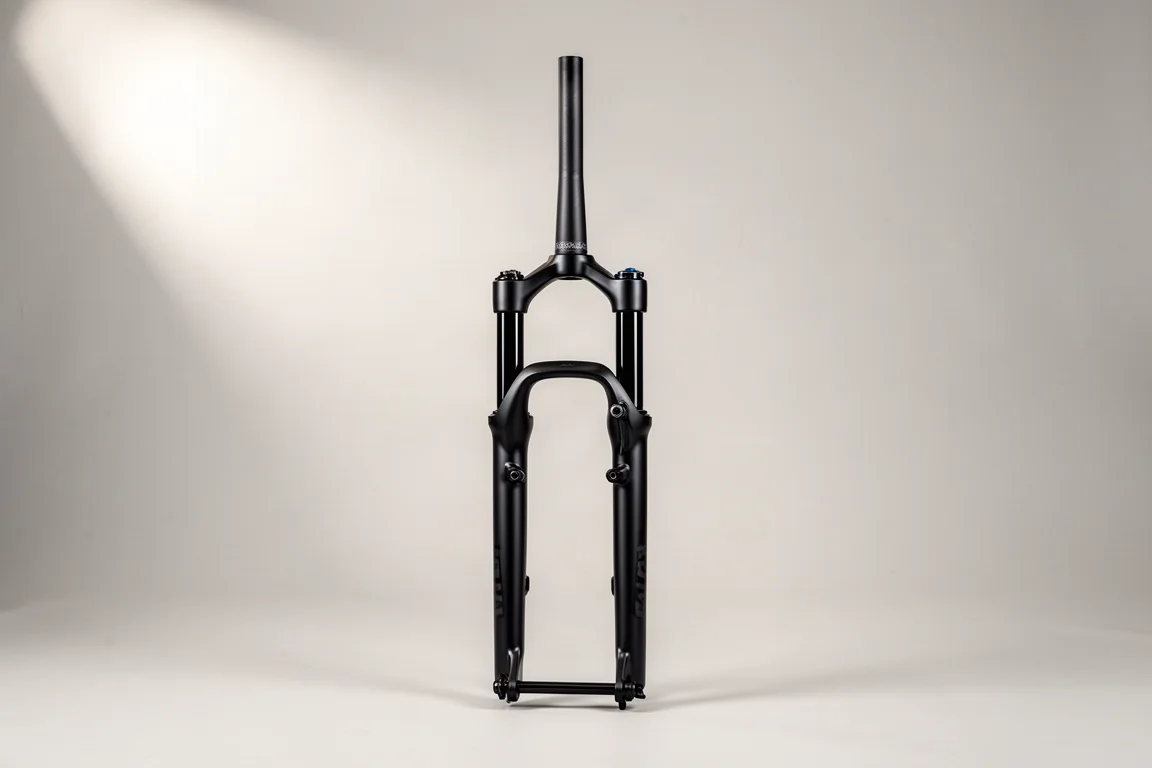
Suspension on a gravel bike attracts scepticism, and a hardtail mountain bike is a legitimate alternative. In practice the RockShox Rudy delivered the same comfort benefit as a suspension stem but felt more natural, removing harshness from the front end without drawing attention to itself. On washboard gravel it was a clear advantage.
Set up firm to account for the extra weight of a loaded bike, the fork did not bob and cost nothing noticeable on tarmac or on out-of-the-saddle climbs, while downhill speed on hard-packed gravel improved. The lockout lever came loose early on, but the fork was run open throughout anyway. Service intervals were exceeded considerably without any change in behaviour, which is consistent with how mountain bike forks are typically treated.
Tires: Pirelli Cinturato Gravel H
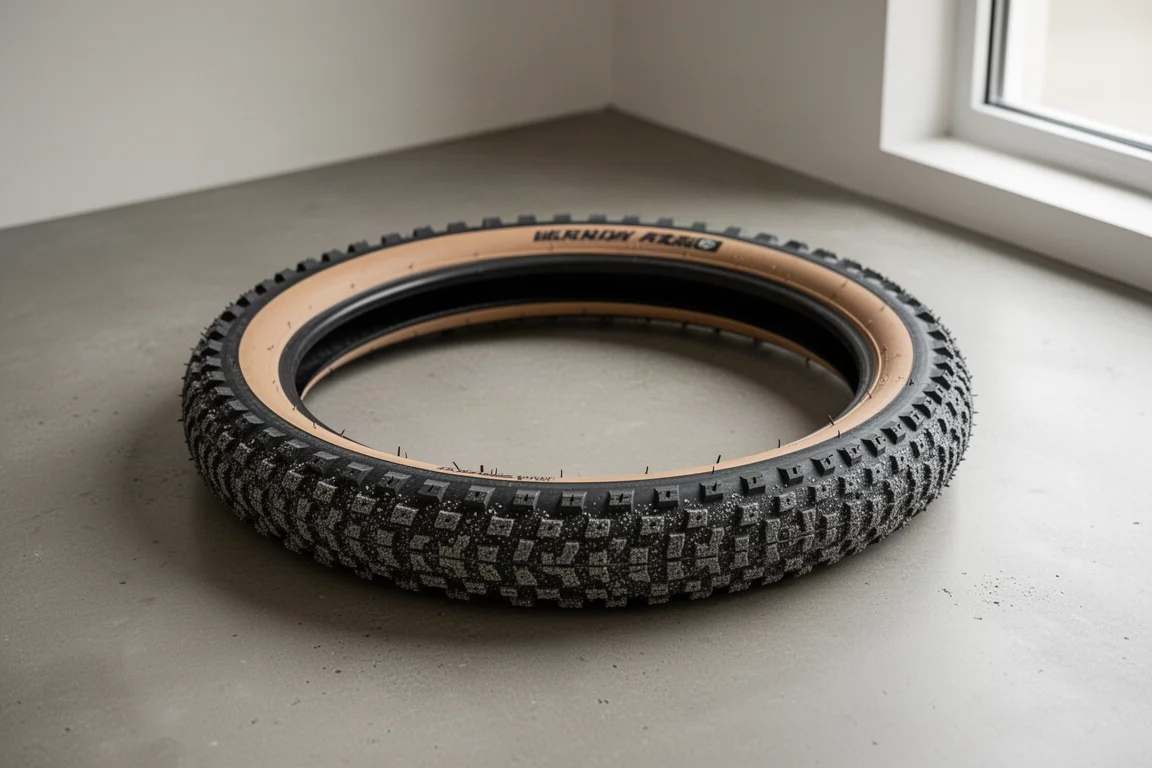
Tire choice was the most difficult decision before the start. The Pirelli Cinturato Gravel H, an updated hard-packed compound, proved the right answer for a route that was mostly dry, dusty and rocky with a large proportion of pavement. The 50 mm width was chosen for comfort and grip on rough sections; a 45 mm or even 40 mm would also have worked, and riders on those widths kept pace, but the wider option added comfort and speed over the roughest ground without making the bike feel sluggish on tarmac.
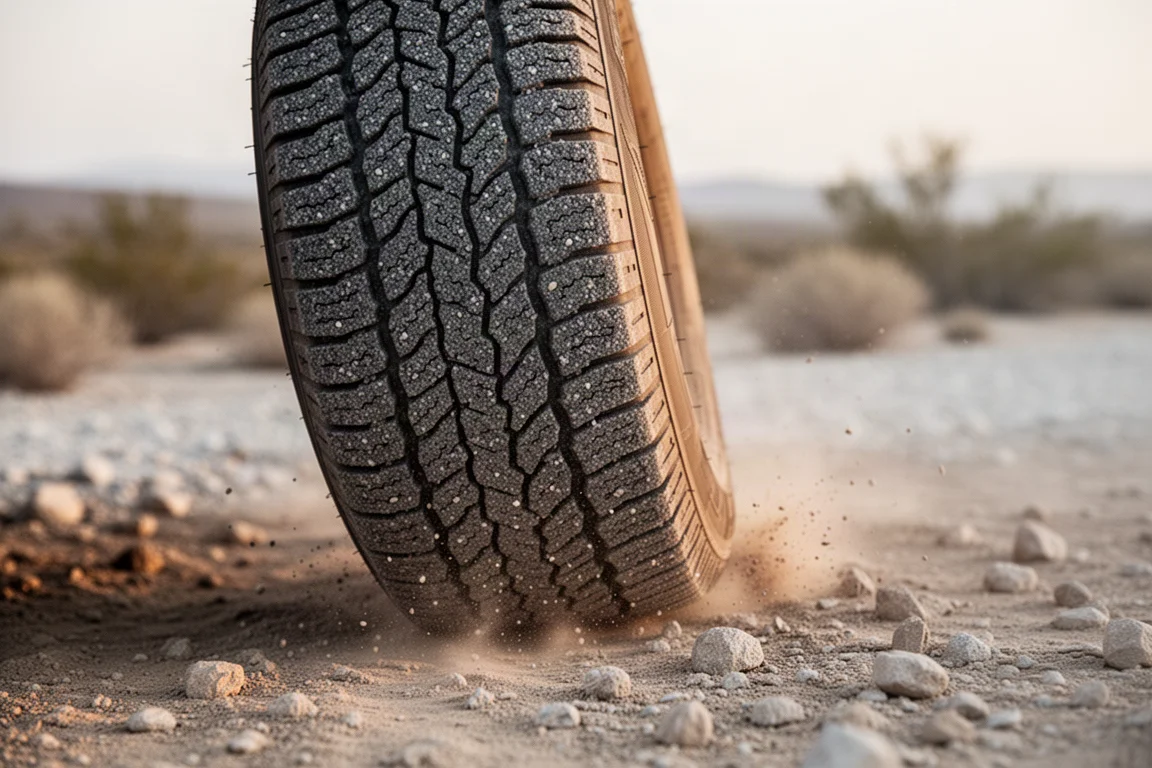
Across 3,000 km there were no punctures at all with sealant in the tires, though the rear wore noticeably by the end as expected given the distance and the load. This is a dry-condition, mixed-surface tire; riders facing mud or snow would need something with a more aggressive tread.
Drivetrain: SRAM Force Explore
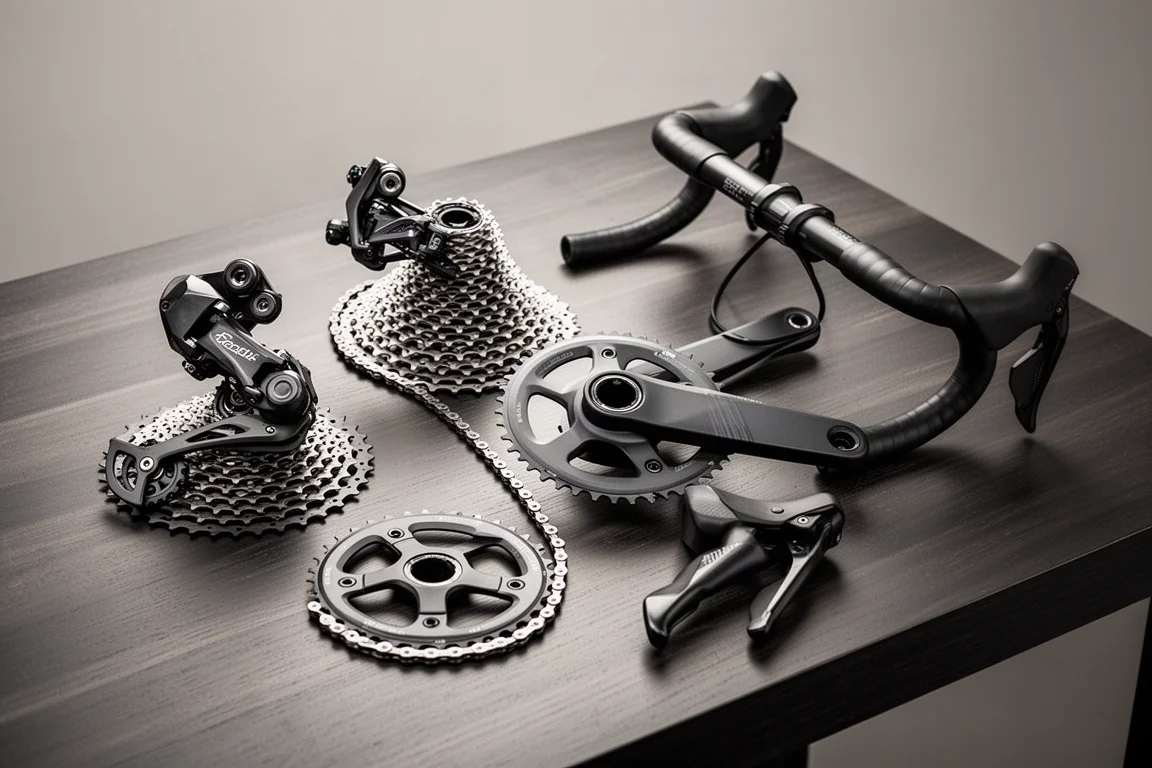
The SRAM Force Explore groupset brought electronic shifting with a 10-46 cassette, which was enough for nearly every climb on the route. A few steeper ramps would have been easier with a 10-52, and some riders ran the larger cassette, but the smaller range was manageable throughout. The direct mount interface meant that dropping the bike never resulted in a bent derailleur hanger, and swapping a charged battery was far simpler than charging a system on the road. Two batteries were carried.
The revised hood shape proved genuinely comfortable over 10 to 12 hour days, and the light brake lever action was a real benefit when tired, in the dark, in cold and wind. Electronic shifting held up over the full 3,000 km without drama.
Wheels and Dynamo: Hunt Limitless
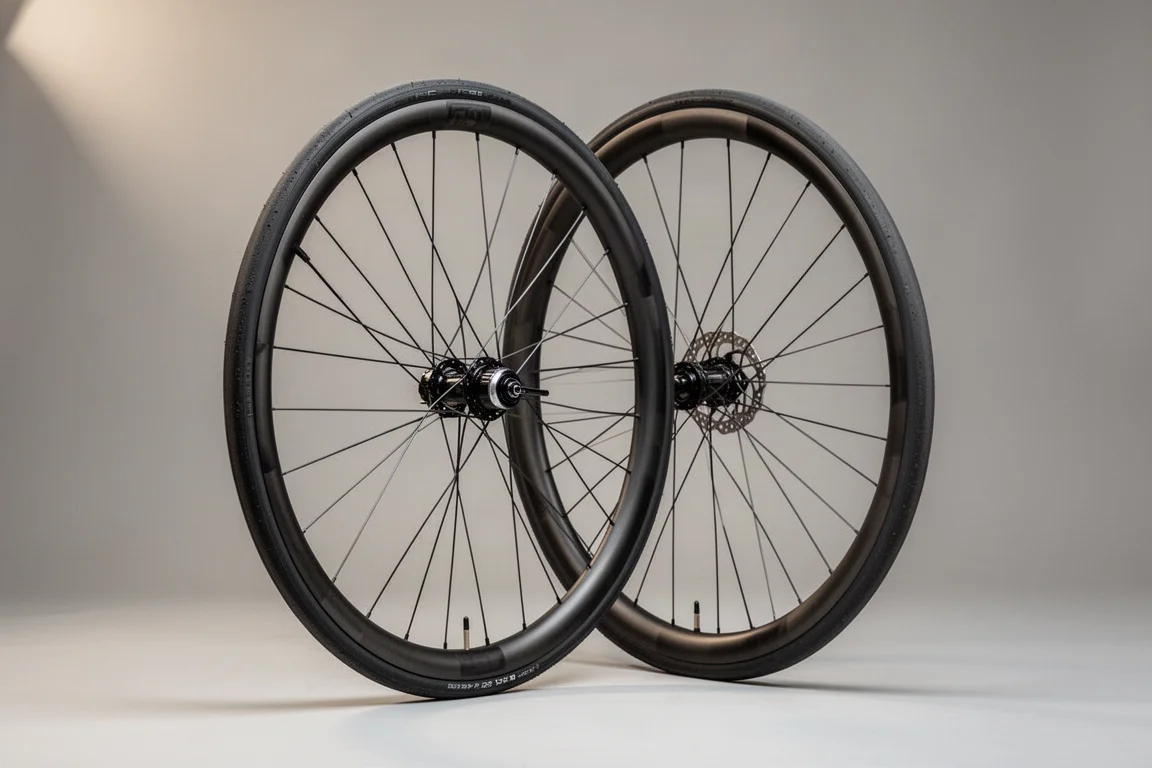
The Hunt Limitless carbon wheelset was chosen partly because it is one of the few off-the-shelf options that can be ordered with a dynamo front hub without a custom build. That mattered on a remote route where a failed battery bank could leave navigation and lighting without power. The wheels themselves are light, which helps a loaded bike, reasonably aerodynamic for fast sections, and wide enough to support 50 mm tires properly.
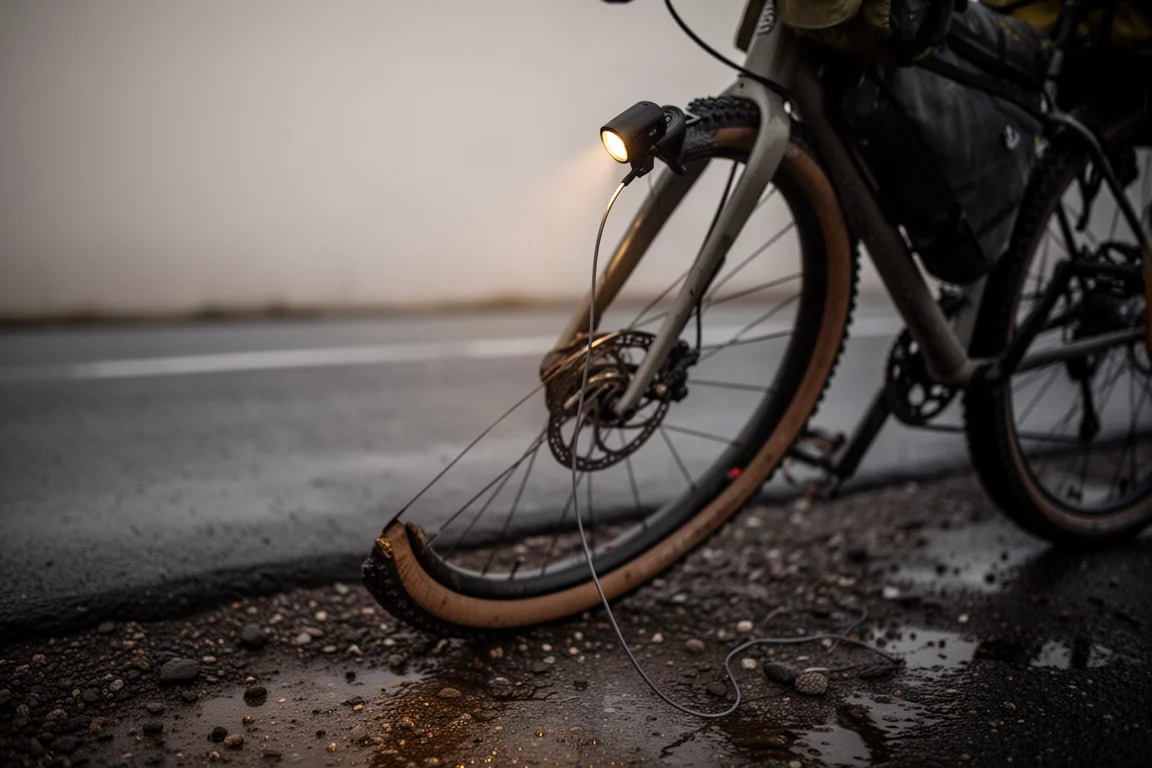
In the end, two battery banks and regular access to lodgings meant the dynamo was less essential than expected, and with hindsight it could have been omitted. The extra weight is minimal and the drag is not noticeable on a loaded setup, so it functions as insurance: had a battery bank failed, the dynamo would have earned its place immediately.
Rear Luggage: Tailfin Aero Cargo Pack
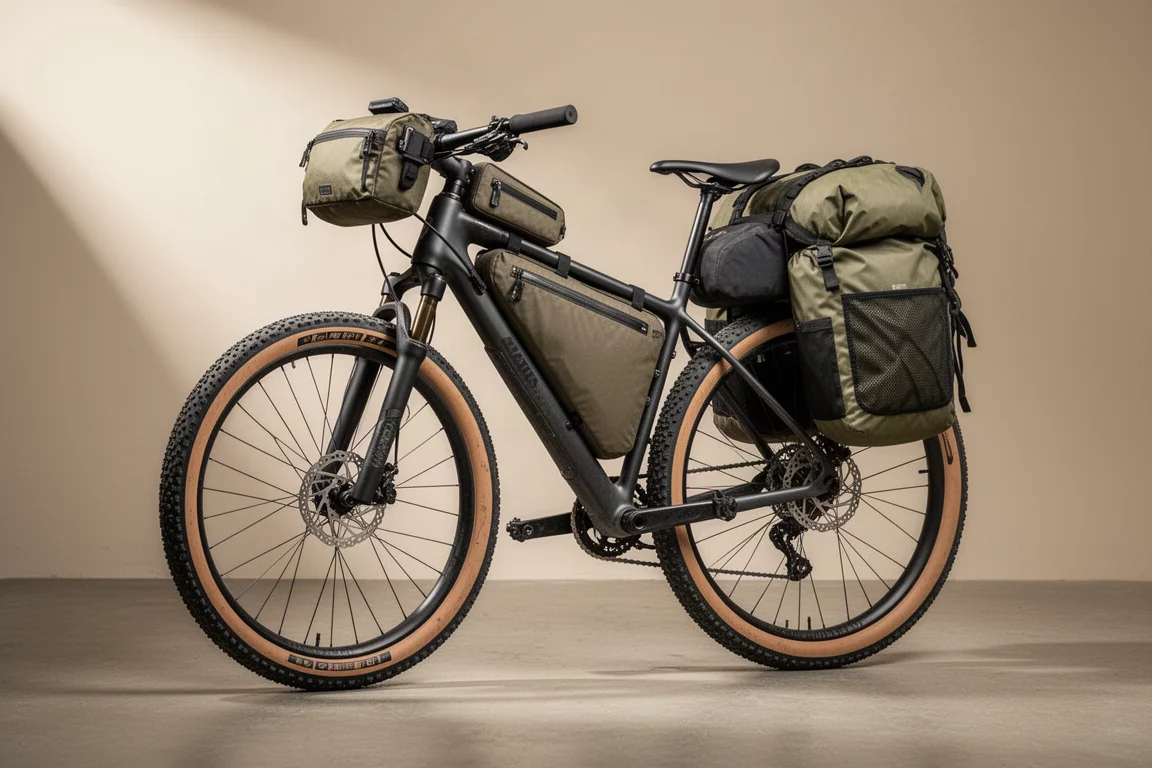
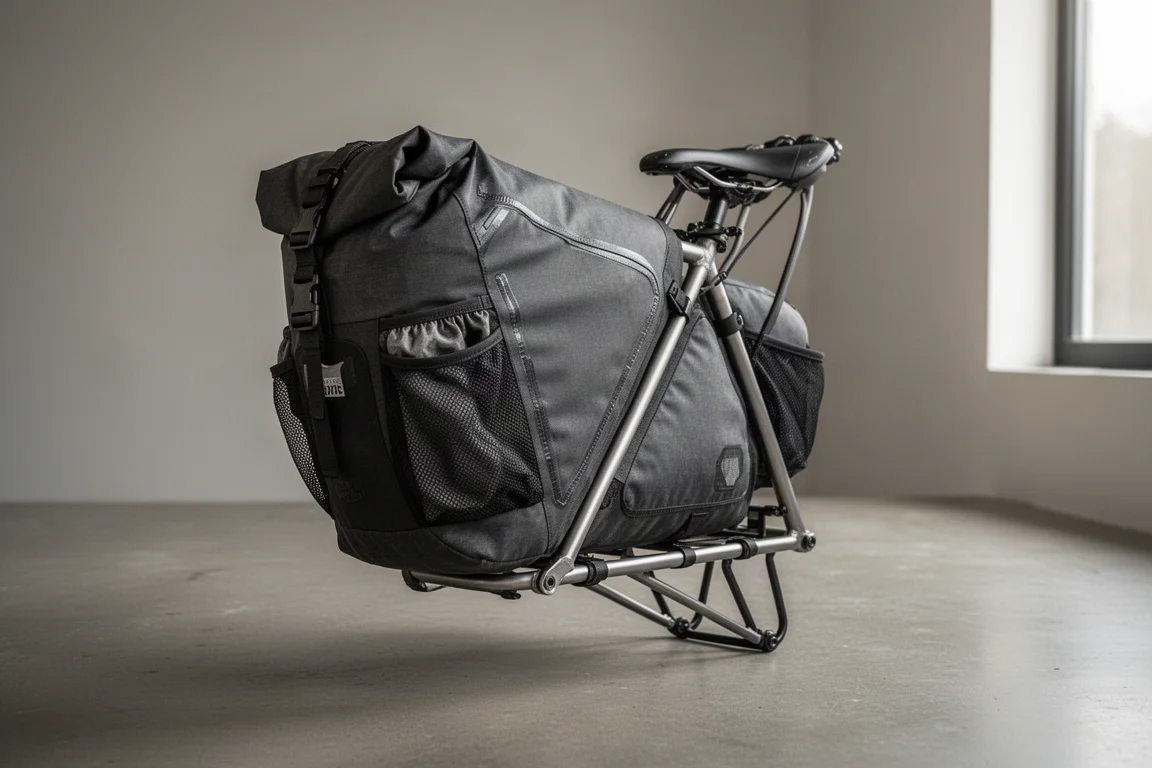
The Tailfin Aero Cargo Pack is the newest addition to a modular luggage system, and its defining quality is how quickly it detaches: one motion and the whole pack comes off the bike, which transforms hotel and campsite arrivals. It carried a tent, sleeping bag, sleeping mat and additional kit on top.
Expanding mesh side pockets hold items that need to be reached without unpacking, such as snacks, chocolate and sun protection. The pack compresses down neatly when not full and is waterproof, which matters when the weather turns on a long route.
Cockpit Storage: Tailfin Handlebar Bag
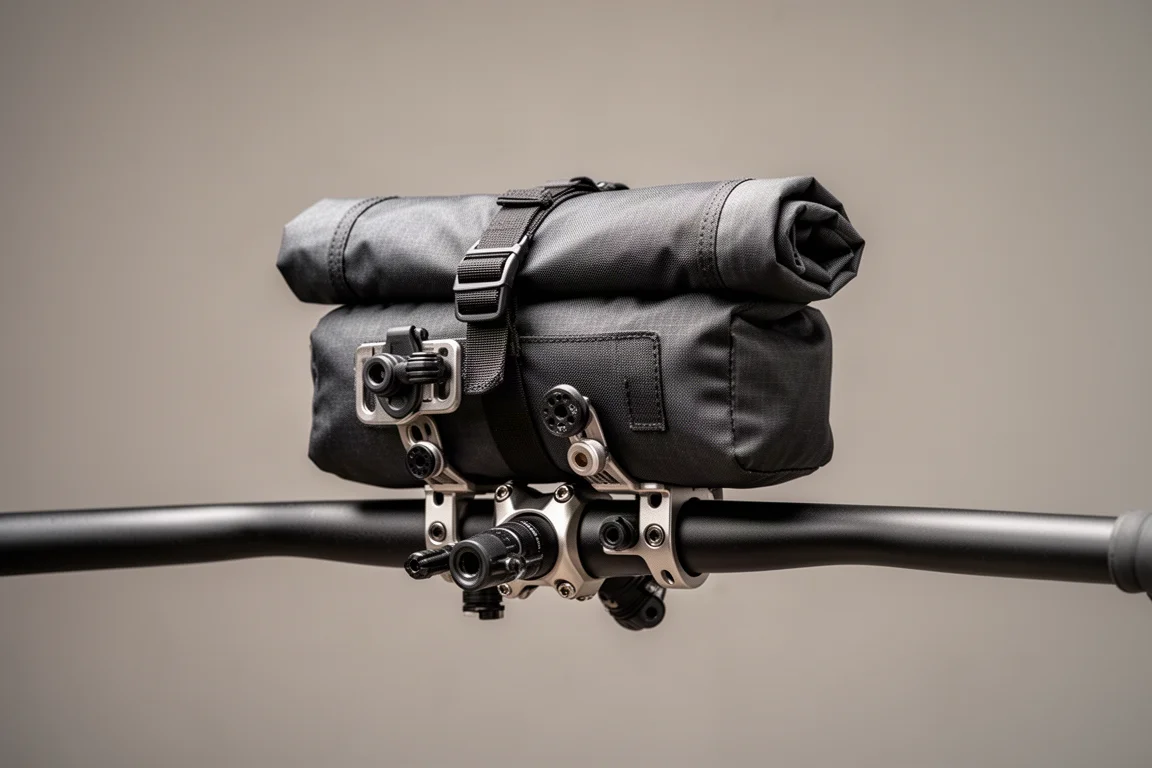
The Tailfin handlebar bag is mounted on a bracket assembly that provides three accessory points, used here for two lights and a cycling computer. The bag itself carried most of the clothing for two weeks: two pairs of bib shorts, a jersey, a base layer, three pairs of gloves, leg warmers, two long-sleeved tops, a rain jacket, a puffer coat, lightweight trousers and three pairs of socks.
That is a very small wardrobe for a fortnight, and the bag swallowed it without complaint. Splitting storage into a handlebar bag, frame pack and two top tube bags worked better than a single large top tube bag, allowing tools, food, battery banks and documents to stay in predictable places.
Saddle: Fizik Argo Adaptive
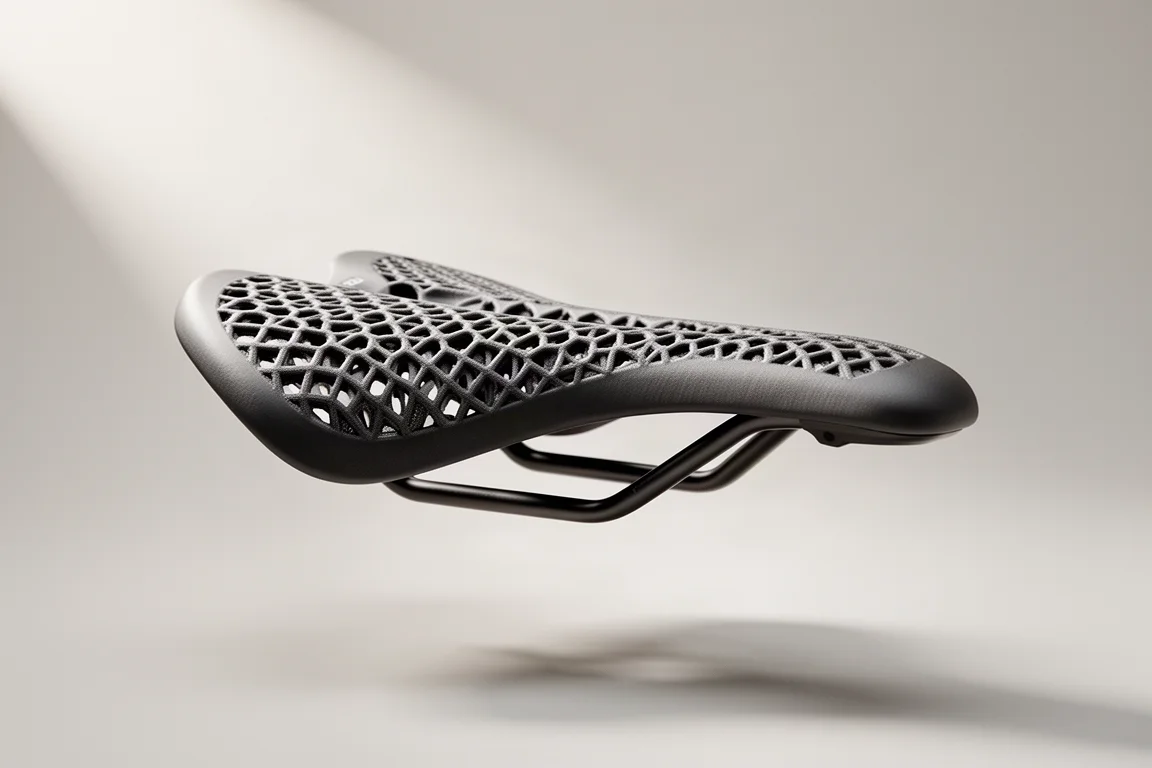
The Fizik Argo Adaptive is a 3D printed saddle, and it was comfortable for the entire ride. The shape and width suit long days, and the printed surface is a clear benefit when time in the saddle runs to 12 hours at a stretch. It had already proven itself over a week of riding before this event.
After 3,000 km the saddle is intact with no signs of wear. For anyone building a bike for ultra-distance events, this is one of the simplest places to add comfort.
Overall Buying Advice
The pattern across this setup is worth repeating: comfort and reliability first, speed and aerodynamics second. A higher front end, suspension that removes harshness, wide tires with a hard-packed tread, electronic shifting with easy battery swaps, and luggage that comes off the bike in seconds all contributed more to finishing than any weight saving.
Two lessons stand out. Service intervals are a guide rather than a limit on a long event, and spare capacity in the electrical system is worth carrying even when it goes unused. Budget should follow the parts that cause the most trouble when they fail: tires, drivetrain and luggage.
Conclusion
Everything on this list earned its place over 3,000 km of unsupported riding, and only a small 3D printed light bracket failed along the way. For riders planning long-distance gravel or bikepacking events, these eight components represent a setup that prioritises being looked after by the bike over chasing marginal gains.
Further reading
Related Reviews
Cycling Gear
8 Cycling Products Riders Keep Coming Back To
Eight cycling components and accessories with clear strengths, honest trade-offs and long-standing reputations among riders and mechanics.
Cycling Gear
Aero Helmets and Bottle Setups Tested: Six Options Ranked by Measured Watt Savings
Wind tunnel data on six aero helmets and bottle setups, with real watt savings, practical trade-offs, and guidance on what is worth buying first.
Cycling Gear
Aero Road Bikes and Fast Tires Worth Watching in 2026
Four aero road bikes and one fast road tire, with the real strengths, the open questions, and what to check before you buy.