Bikepacking Gear
Bikepacking Gear Worth Packing: Practical Items for Long Rides
A practical bikepacking roundup covering straps, satellite communication, packable insulation, GPS head units, battery packs, and rear radar, with notes on what each item actually solves.
Introduction
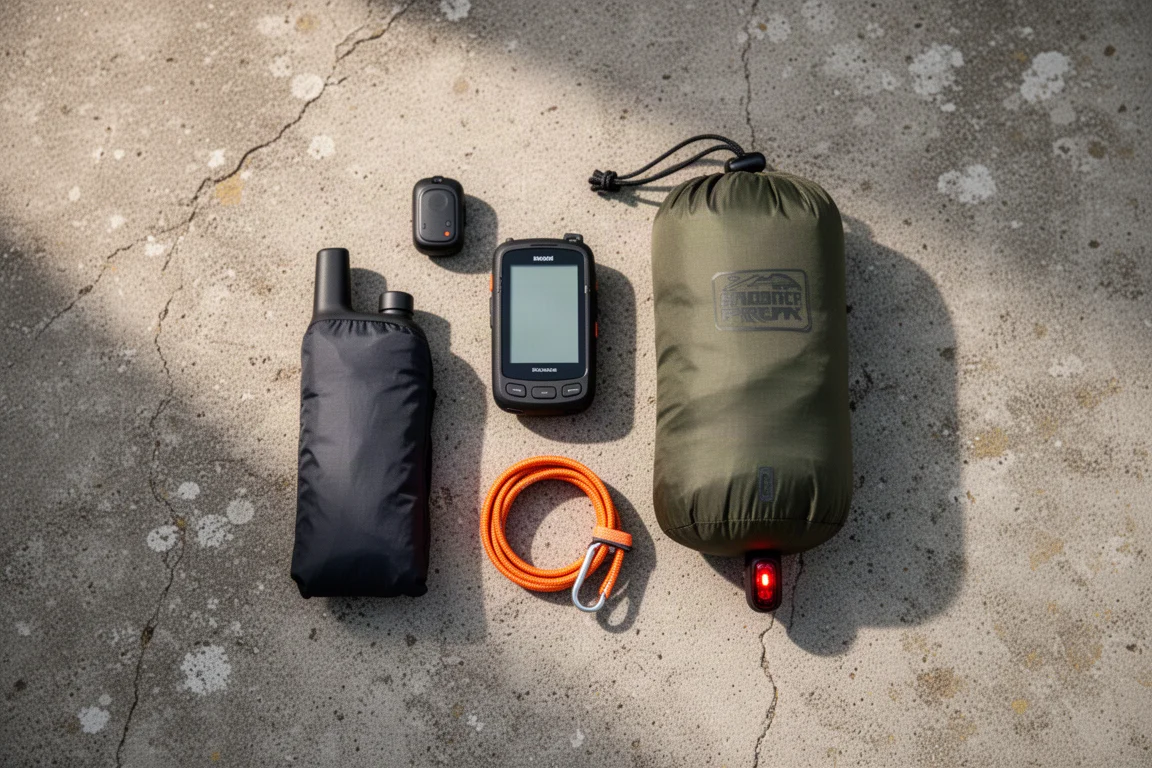
Bikepacking gear earns its place in two ways. It has to be small enough to disappear into a frame bag, and it has to solve a problem you cannot fix at the roadside. The items below cover both ends of that spectrum, from a few pounds of stretchy rubber strap to a satellite communicator that works where phone signal does not.
This guide is aimed at riders planning multi-day routes, remote overnighters, or long unsupported events. It is also for anyone who has come home from a trip wishing they had packed one more small thing.
What Makes Gear Worth Packing
Four things separate genuinely useful bikepacking kit from weight you carry for no reason. The first is pack size, because an item that stores flat or rolls into a bottle cage is far easier to justify. The second is redundancy, since a device that can back up something you already carry earns extra credit. The third is independence from infrastructure, which means it still works when cafes are closed, taps are not drinkable, and phone batteries are empty. The fourth is repair value, because the ability to deal with a broken spoke, a flapping hose, or a leaking valve can decide whether a trip continues.
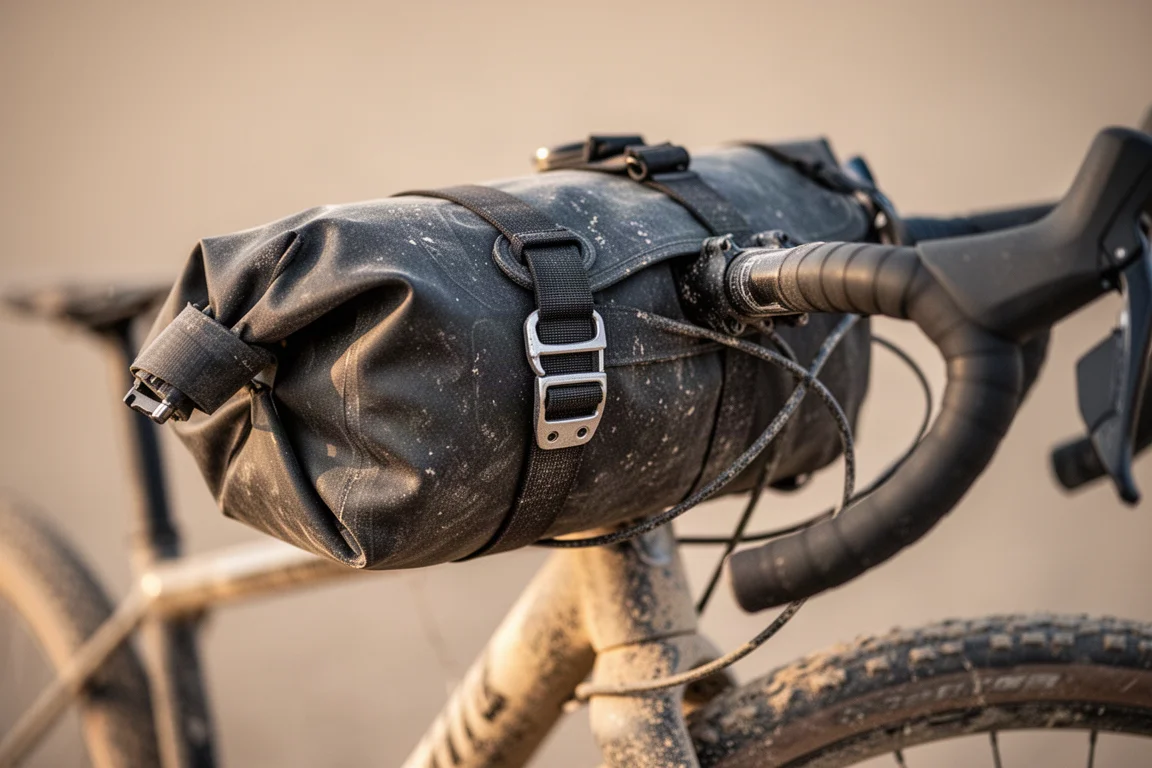
The list below groups items by the problem they solve, with notes on the trade-offs that matter most. Nothing here is essential for a one-night trip near home, and almost everything here becomes easier to justify the further out you go.
Voile Straps: Stretchy Rubber Straps That Hold Almost Anything
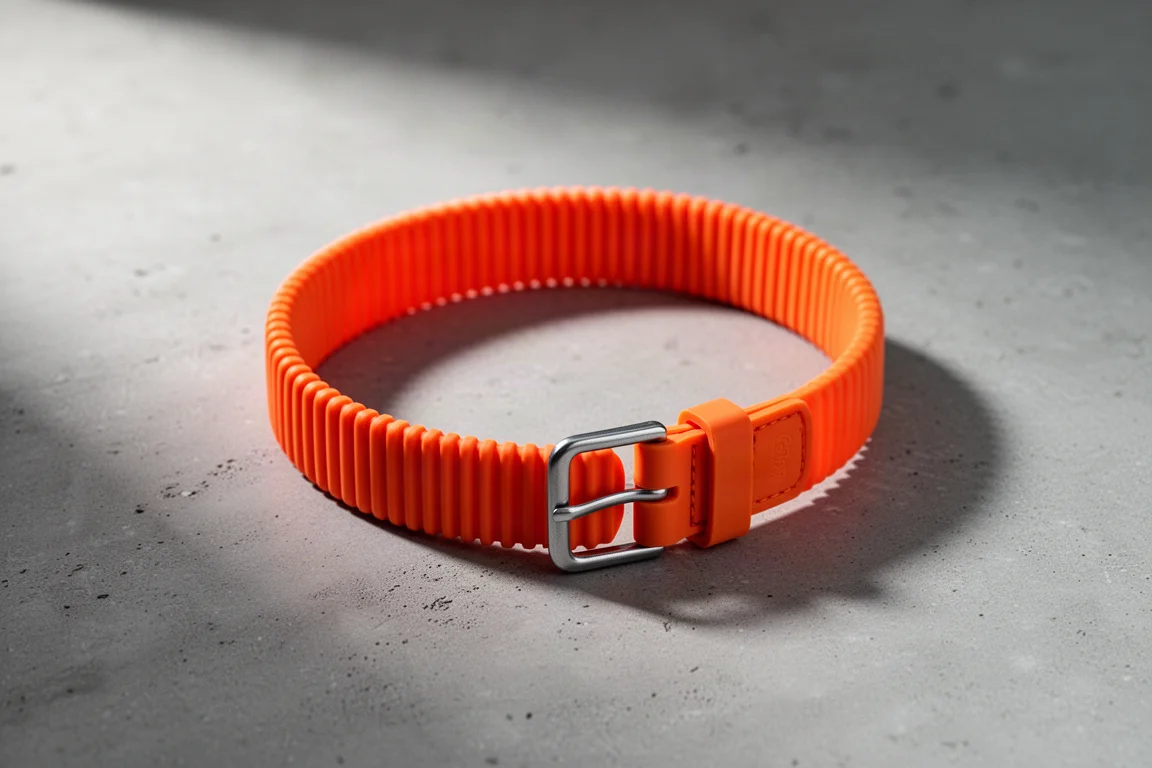
Voile straps were originally designed to hold skis together, but they are excellent at attaching almost anything to a bike frame. Each one is a stretchy rubber strap with a belt-buckle style fastener on the end, and two can be linked together to make a longer strap. They are remarkably strong for their size and hold tension well.
An older set will eventually look tired, which is normal for rubber that has been stretched and left in the sun. The more compact versions made in collaboration with Tailfin do the same job in a smaller package. Even if you do not expect to need them when you set off, a couple of straps take up almost no space and often turn out to be the thing that makes an improvised setup work.
Garmin inReach Mini: Satellite Messaging and an SOS Button
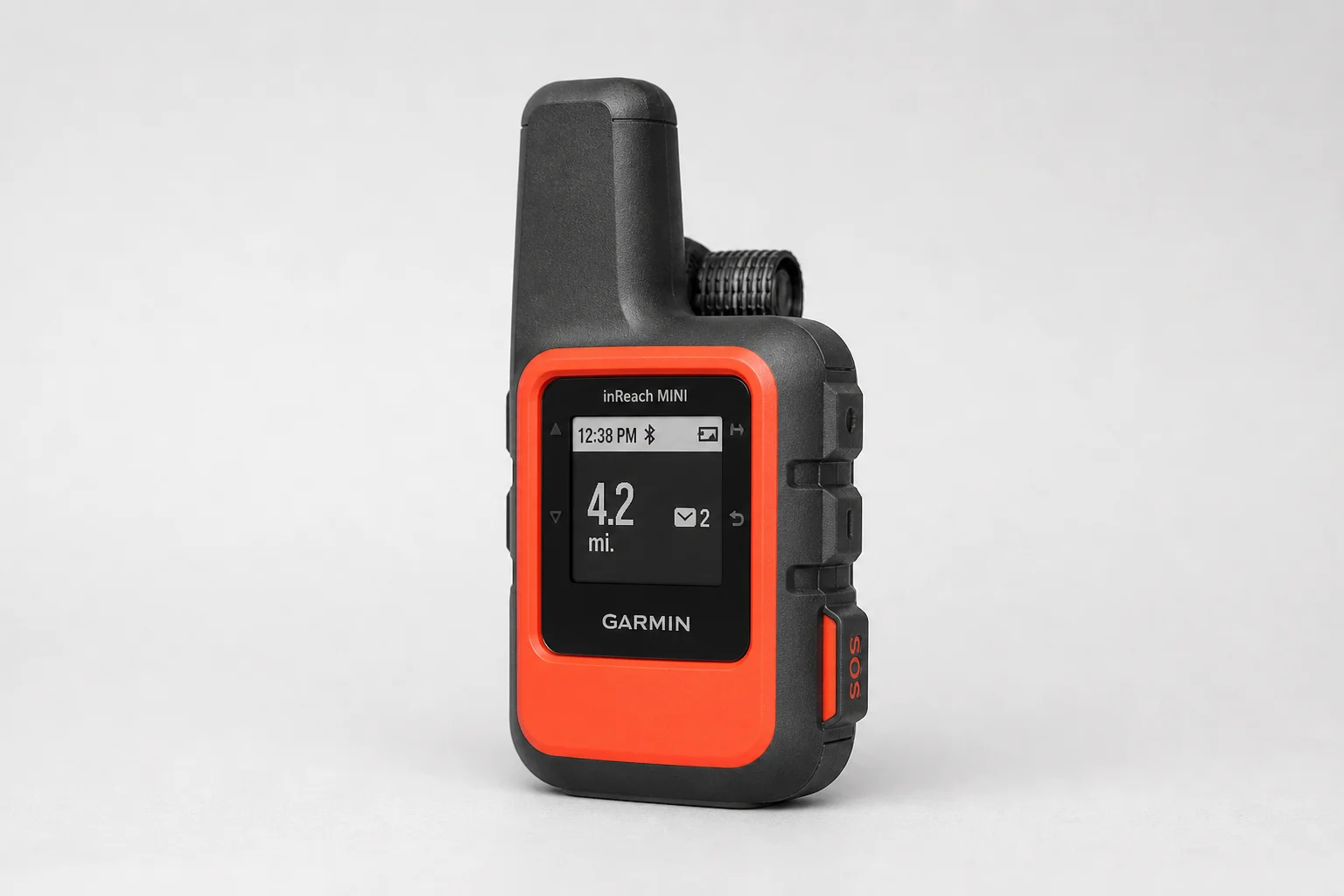
Whether a satellite communicator is worth carrying depends heavily on where you ride. On a well-connected route it is a luxury. On a remote one it can be the difference between a manageable delay and a serious situation.
The Garmin inReach Mini relays your location at intervals you choose, so people at home can follow where you are. It also sends messages, which is useful for the simple purpose of confirming you are still moving. The critical part is that it does all of this without needing any phone signal, working through a completely separate network of satellites. Battery life is generous: set to 30-minute tracking intervals, it lasts up to 24 days. The SOS button sits under a small cover so it cannot be pressed by accident, and pressing it brings emergency services.
Patagonia Micro Puff: Warmth That Packs Down Small
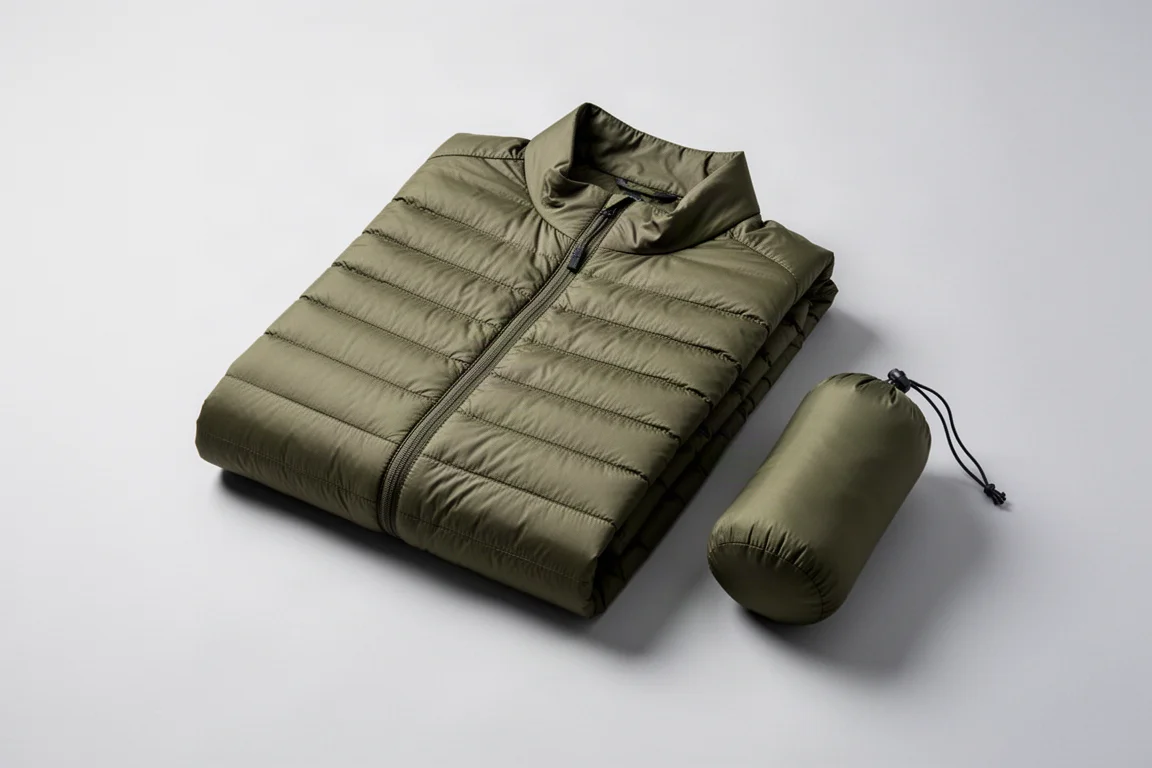
A packable insulated jacket is one of the most versatile items you can carry on a bike. The Patagonia Micro Puff compresses into a small package and provides useful warmth when the temperature drops after dark or when a long descent turns cold.
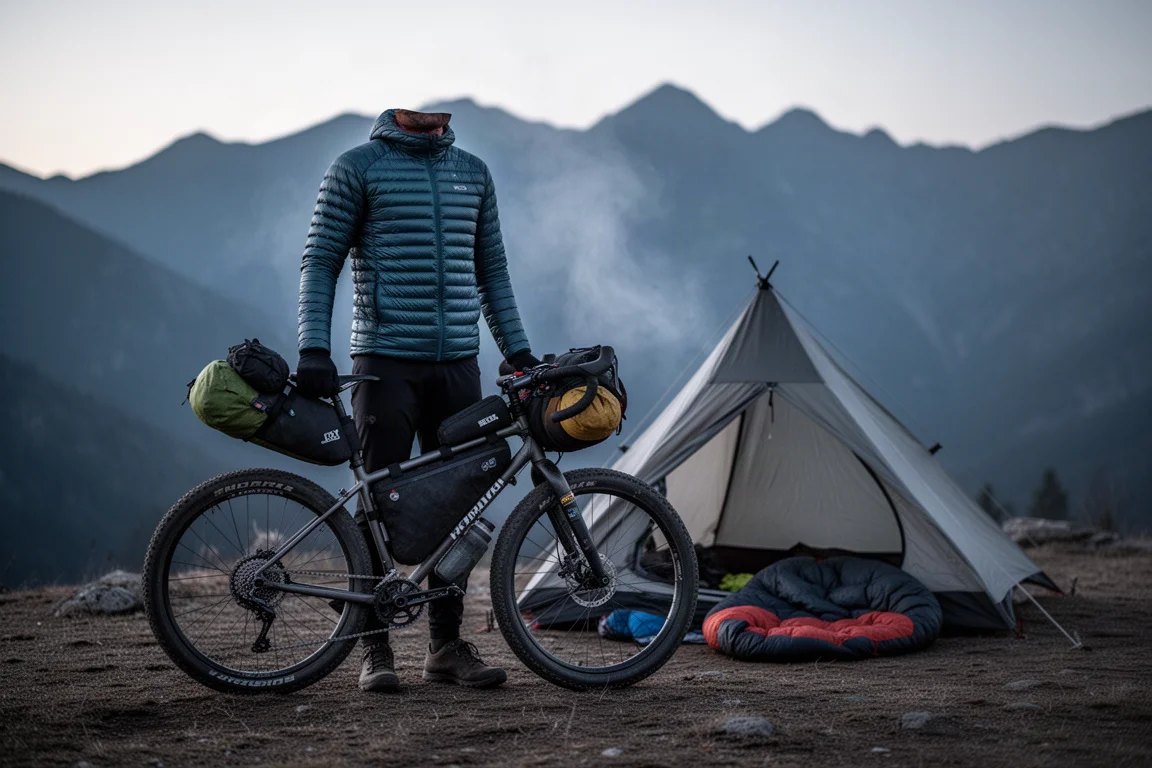
The trade-off with packable insulation is always the same: as you spend more, a jacket either gets warmer or gets smaller. The Micro Puff sits in a sensible middle ground. The Nano Puff is slightly lighter and slightly less warm, and sleeveless versions pack down smaller still because there are no sleeves to compress. A jacket like this is worth taking even to hot countries, where it earns its place on cold mornings and high passes. If there is any real chance of it getting wet, a synthetic fill dries far faster than natural down.
Garmin Edge 830: A Dedicated GPS Head Unit
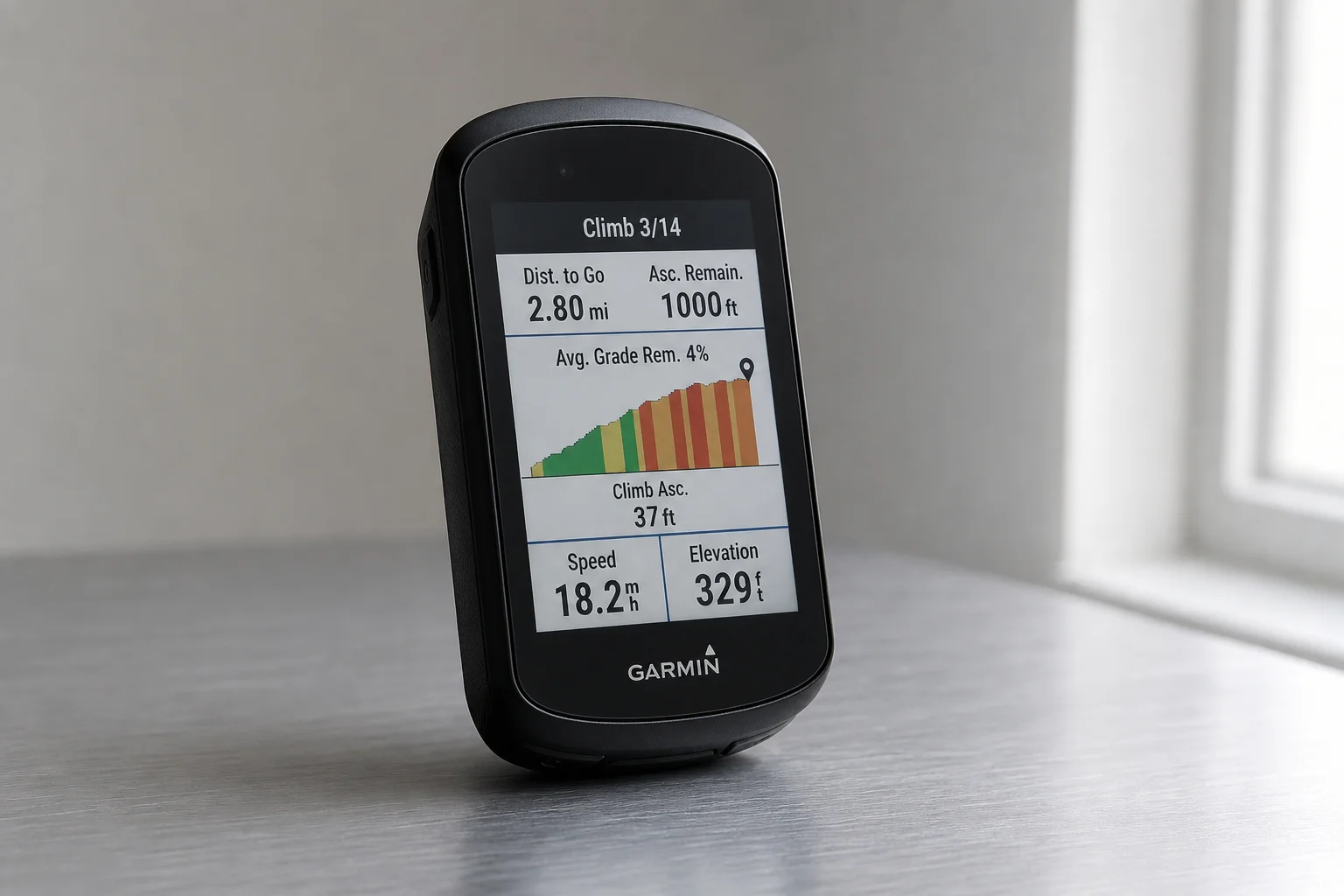
A dedicated head unit measures a wide range of ride metrics by GPS, and the higher-end models also handle navigation. Using a smartphone is entirely workable, but there are practical reasons to keep the phone stowed and let a separate device do the work.
The first is battery life. Most head units comfortably outlast a smartphone when GPS is running, and the Garmin Edge 830 manages roughly 20 hours, which can be extended further. The second is navigation quality: models in the Garmin range vary from a simple breadcrumb or dotted trail up to full mapping, and for bikepacking the full-map versions are the more useful choice because they let you change routes on the fly. The third is durability, since a head unit is built to sit out in the elements while your phone stays protected in a bag.
There is a practical alert feature too. On long or ultra-distance rides, tiredness makes it easy to forget to eat. You can set reminders at time or mileage intervals, and a smart alert option triggers based on your ride conditions, calculating from elevation gain, speed, temperature, and duration.
Garmin Charge Pack: Extra Battery for Long Rides
Battery technology has improved enough that a high-capacity power bank is now standard bikepacking kit. One bank can recharge a phone several times, a head unit many times over, and the bank itself whenever you stop somewhere with power. Staying self-sufficient for as long as possible matters, because opening times and available sockets are never guaranteed.
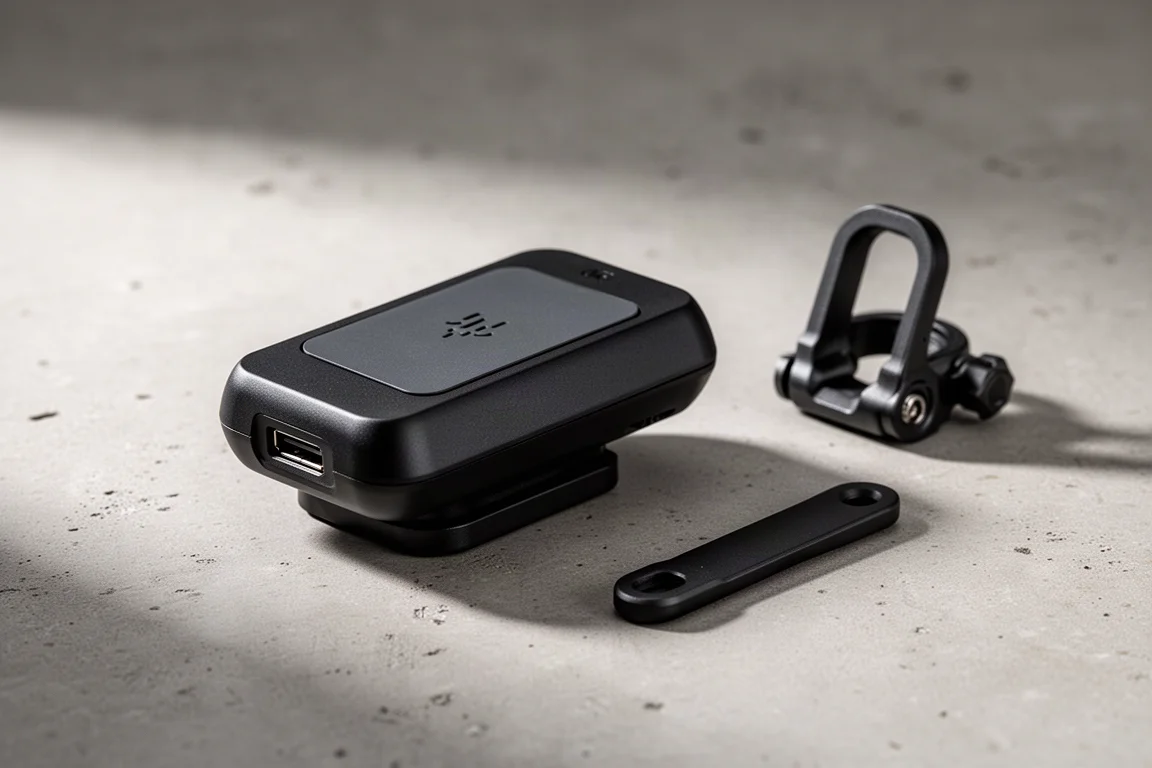
The Garmin Charge Pack is a smaller, device-specific option. It clips onto the bottom of a standard Garmin mount, and the head unit clips on top of it, which means you can keep navigating while it charges. It adds approximately 24 hours of battery life and works with compatible head units that have the small contact patch on the bottom. It can also charge other devices over USB like a normal power bank, and because it lives on the mount it takes up no space in your bags.
Garmin Varia Radar: Rear Traffic Awareness
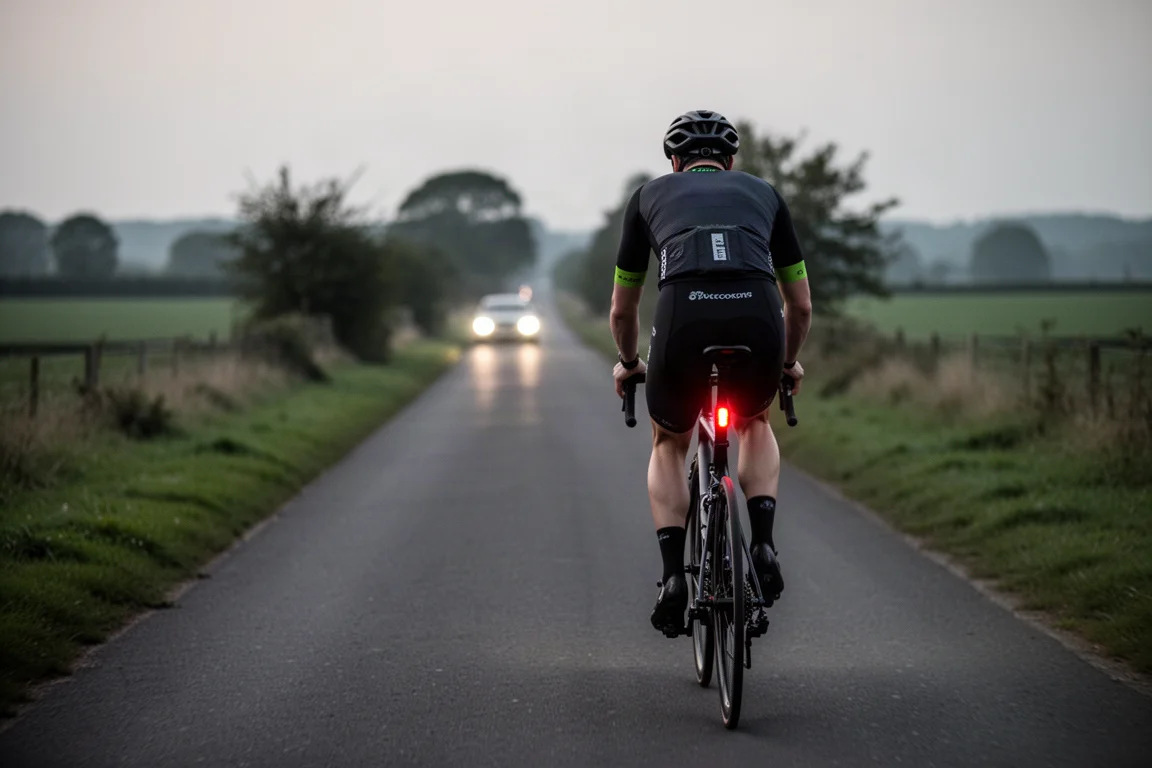
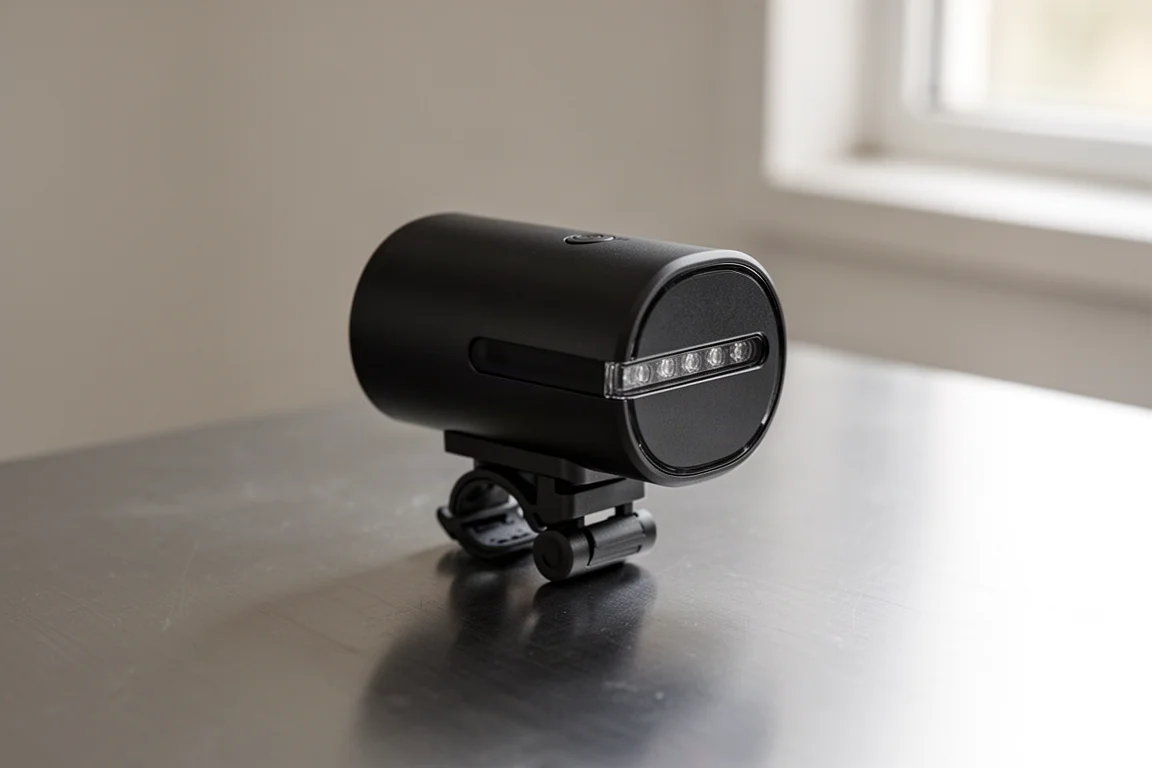
The Garmin Varia radar tells you what is happening behind you and warns you when a vehicle is approaching. Alerts appear on your head unit, including the speed of the approaching vehicle, which is genuinely useful on a long day when you are tired and not checking over your shoulder as often as you should.
A light-equipped version is the most sensible choice for bikepacking because it covers two jobs at once. How useful the radar proves to be depends on where you ride: off-road it matters far less, while on quieter but faster roads it works particularly well, exactly the situations where a car can otherwise take you by surprise.
Other Items Worth Tucking Into Your Bags
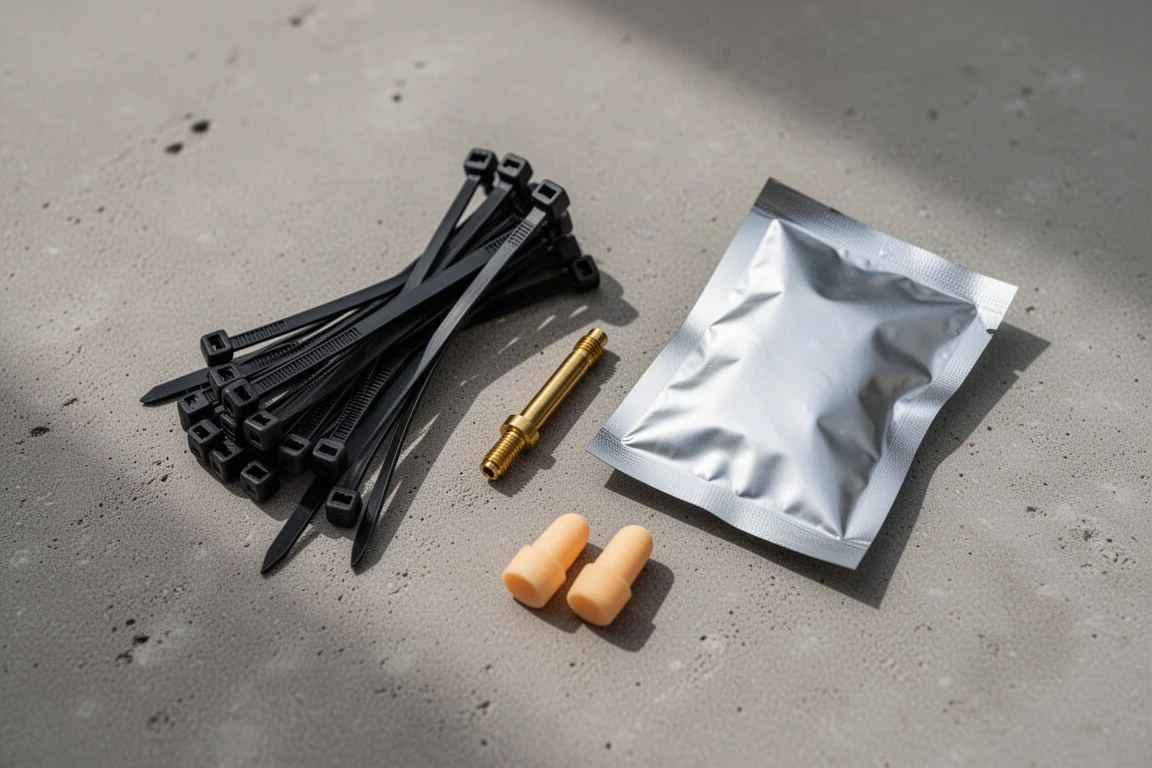
Some of the most useful bikepacking items are small, inexpensive, and easy to overlook. Earplugs are the clearest example: they take up almost no space and can turn a poor night’s sleep at a campsite into a decent one, which has a direct effect on how much you enjoy the following day. Cable ties belong in the same category, because they solve problems you cannot predict, from securing a broken spoke to tying a damaged brake hose against the frame so it stops flapping about.
Water and food deserve similar attention. A filter bottle in a cycling-friendly size lets you drink from sources you would otherwise avoid and refill safely, and it pairs naturally with dehydrated meals that need water added. Those meals are wafer thin in the bag and often around 500 calories each, which makes them a compact way to carry real energy. A stem bag or food pouch keeps snacks within reach, and choosing one with a drainage hole stops it filling with water in the rain. Bib shorts with pockets add two more accessible storage spots, though the pockets are generally not waterproof and they sit in a common impact area, so it is worth thinking carefully about what goes in them.
Spares and tools round out the kit. Valve extenders are worth carrying unless your rims are very shallow, because deep-section wheels need longer valves and a well-stocked bike shop is not always nearby. The simple tube-style extenders are the most straightforward option, since they do not require removable-core inner tubes. A multi-tool with pliers, a knife, and Allen keys covers cable maintenance and valve cores, and it works well alongside a regular bike multi-tool that includes a chain tool. An emergency bivvy packs down very small and, combined with an insulated jacket and arm and leg warmers, provides enough shelter to get through an unexpected night out. Roll-up shoes are among the lightest footwear options available and make sense on events where every gram counts.
Overall Buying Advice
Buy for the trip you are actually planning, then add one layer of insurance. Short trips near towns rarely need a satellite communicator, and a phone paired with a power bank covers most navigation. The further and more remote the route, the more the balance shifts toward devices that work independently of phone signal and mains power.
If you are building a kit from scratch, start with the cheap, high-value items: straps, cable ties, earplugs, valve extenders, and a filter bottle. These cost little and solve common problems. Then add the bigger purchases in the order that matches your riding. A head unit covers navigation and battery life. Extra battery capacity extends multi-day routes. A radar light adds awareness on road sections. Packable insulation handles cold nights. A satellite communicator comes last, and only if your routes regularly take you beyond reliable coverage. Each item should have a job, and if you cannot describe that job in one sentence, it probably does not need to come along.
Conclusion
Good bikepacking kit is not about owning everything on a list. It is about covering the handful of problems that would otherwise end a trip: no shelter, no water, no power, no way to call for help, and no way to fix what broke. The items here each answer one of those problems in a small, packable form, and the ones that cost the least often earn their place the fastest.
Further reading
Related Reviews
Bikepacking Gear
11 Bikepacking Essentials for Long-Distance Cycling
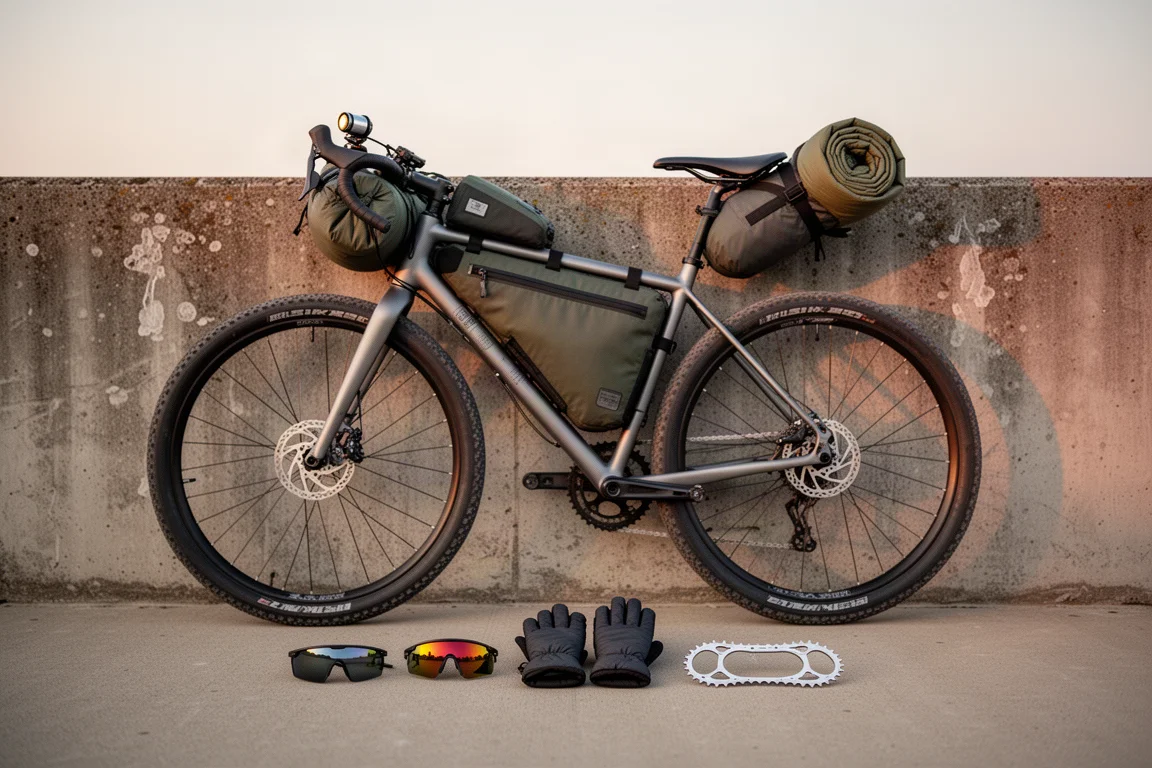
Eleven bikepacking essentials for long-distance cycling, from a steel gravel frame and a two-person tent to helmet lights, packable gloves, and a frame bag that puts weight in the right place.
Bikepacking Gear
Best Bikepacking Gear 2026: 11 Essentials Worth Carrying
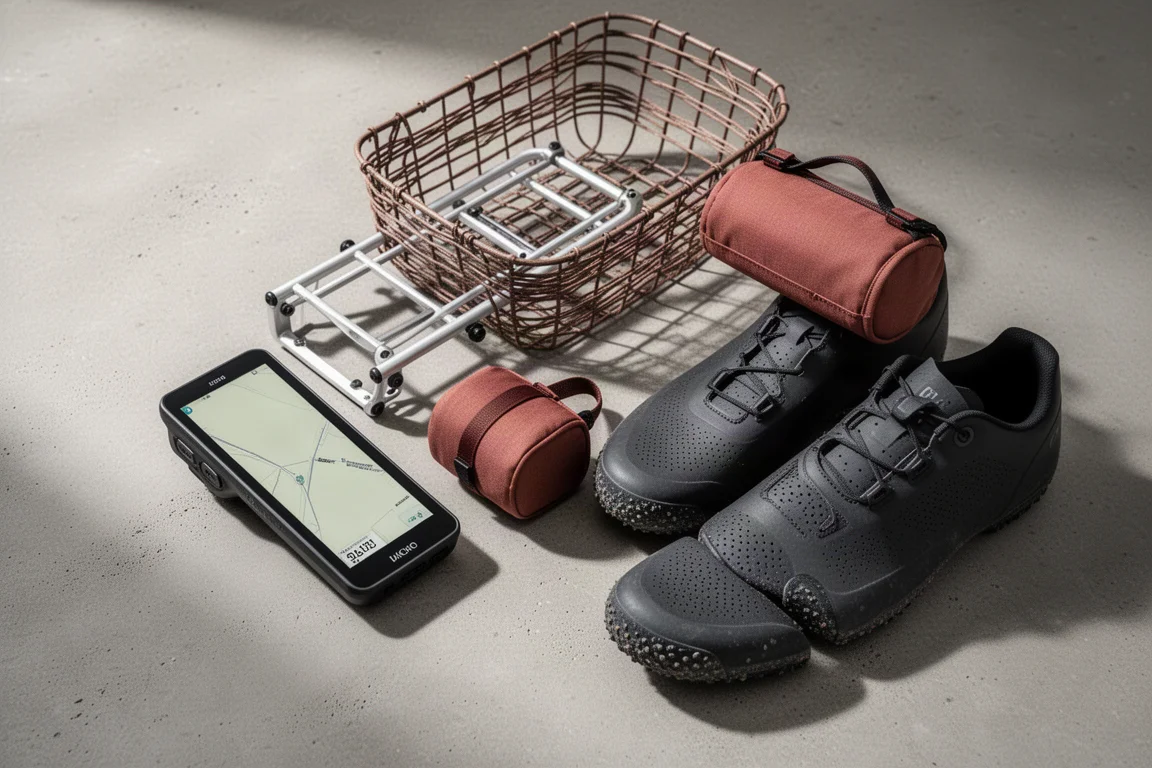
A practical look at bikepacking kit that earned its place on long rides, from a solar bike computer and basket packing to bar bags, bivvies and gravel shoes.
Bikepacking Gear
Best Bikepacking Gear: 10 Field-Tested Picks for Long-Distance Rides
Ten bikepacking products that earn their place on long rides, from a steel gravel frame to packable gloves, with the strengths and trade-offs worth knowing.