Bikepacking Gear
Bikepacking Essentials: Three Must-Have Gear Picks for Remote Rides
A practical look at three bikepacking essentials covering satellite communication, water filtration, and waterproof on-bike storage.
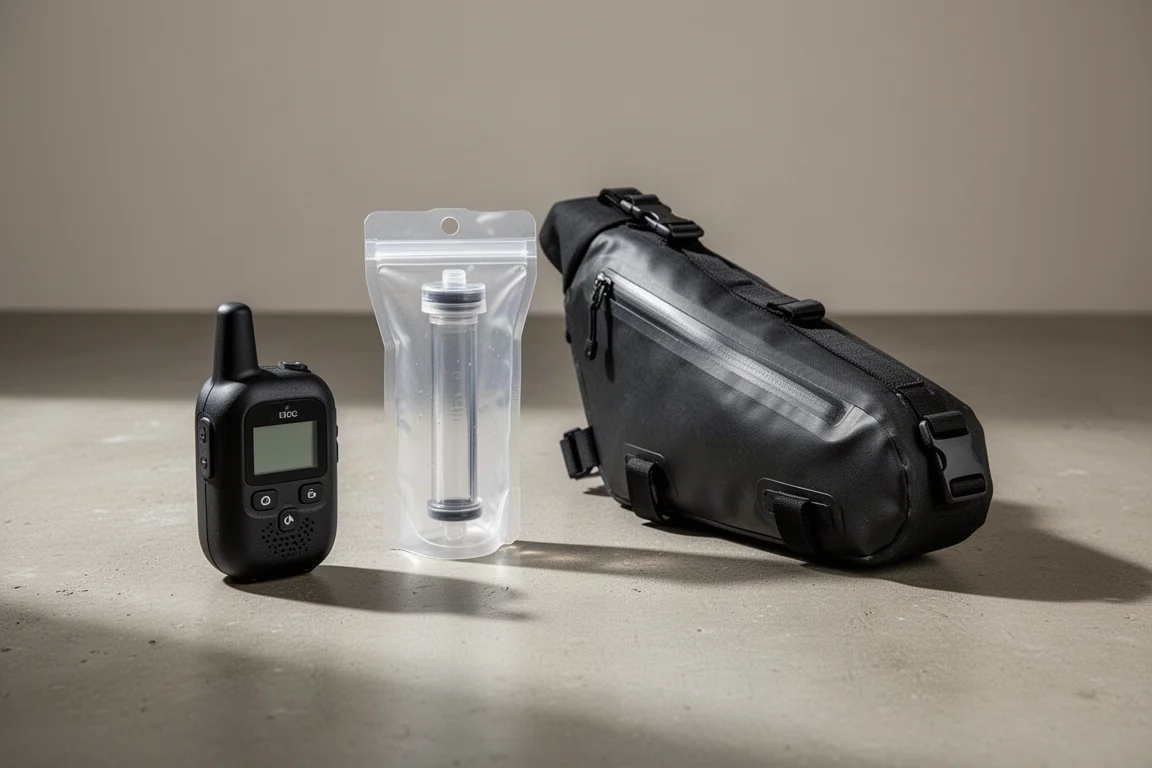
Introduction
Bikepacking puts a different kind of pressure on your kit. On a long route, the problems that end a ride are rarely dramatic. They are usually the simple ones: running out of water, losing contact with the people following your progress, or having nowhere dry to keep the food you need to keep eating. The gear that solves those problems tends to be small, dependable, and easy to use when you are exhausted.
This guide covers three items that address the most common failure points on remote routes: staying reachable, staying hydrated, and keeping the essentials within reach while you ride.
What to Look For in Bikepacking Gear
Reliability comes first. Anything you carry on a remote route has to work the first time, in bad weather, without a manual. The second consideration is packed size and weight, because every item competes for the same limited space on the frame. The third is how the item behaves when you are many hours into a ride and your hands are cold and your patience is thin.
It also helps to think about the problems you cannot work around. A flat tyre can be fixed at the roadside. A dead phone with no signal, empty bottles with no shop for another 80 kilometres, or a bag that soaks through in the rain are harder to recover from. Gear that closes those gaps earns its place on the bike.
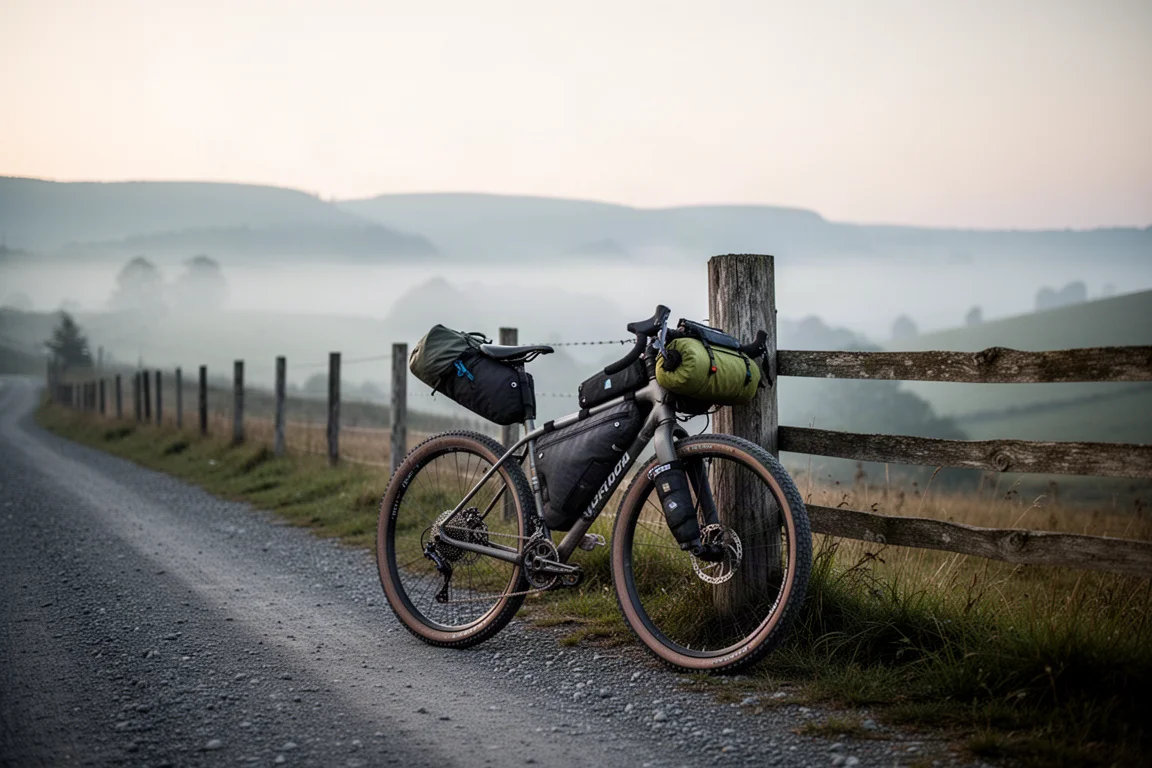
The three picks below were chosen for exactly that reason. Each one covers a situation that is difficult to fix once it happens, and each one adds very little weight or bulk to a loaded setup.
Garmin inReach Mini 2: Staying Connected Off-Grid
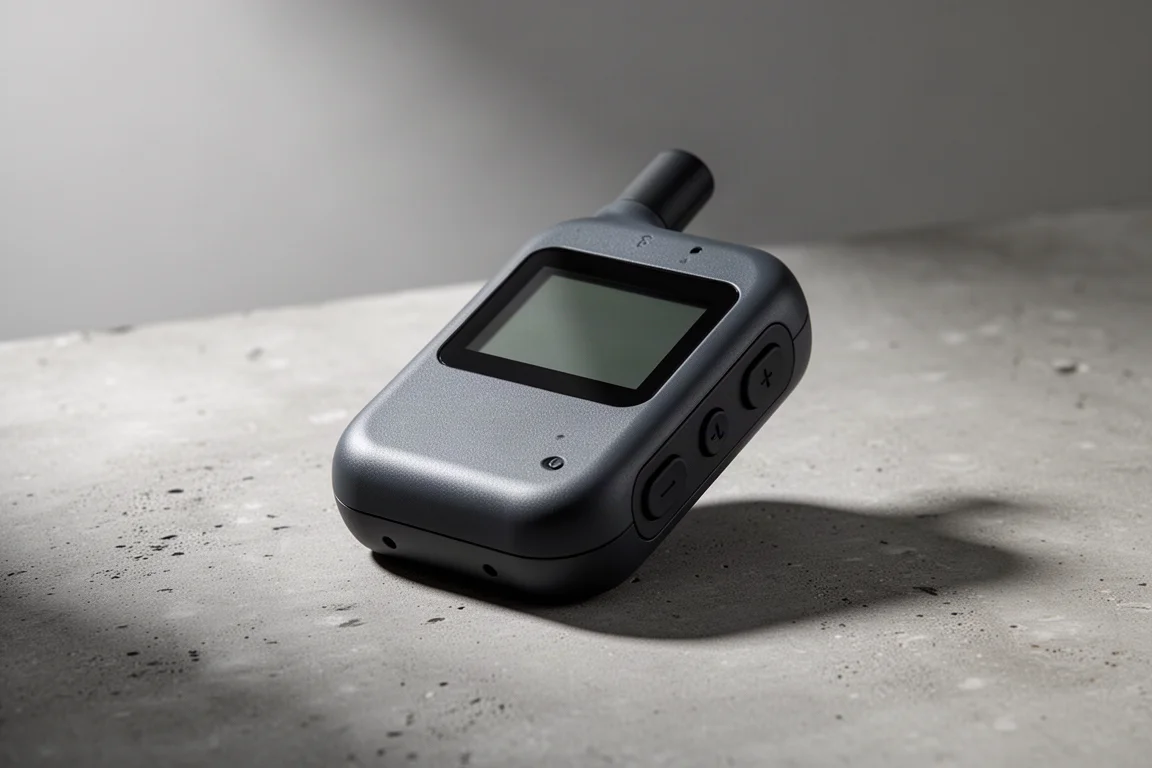
Phone reception disappears surprisingly often on long events, and that is precisely when a satellite communicator matters. The Garmin inReach Mini 2 lets you message people when there is no mobile signal at all, and it lets the people at home follow where you are.
It is small and compact, and its battery lasts a long time between charges, which counts for a lot on multi-day routes where charging opportunities are scarce. Messages are handled through the companion app that connects to the device through your phone.
One practical setup detail is a stick-on Garmin mount. Fit it to the device and you can run the inReach on your stem using a standard Garmin computer mount, which keeps the antenna oriented toward the sky and holding a satellite connection. It is a small change that makes the device far easier to live with, and it delivers real peace of mind on remote routes.
Sawyer Water Filtration System: Water From Any Source
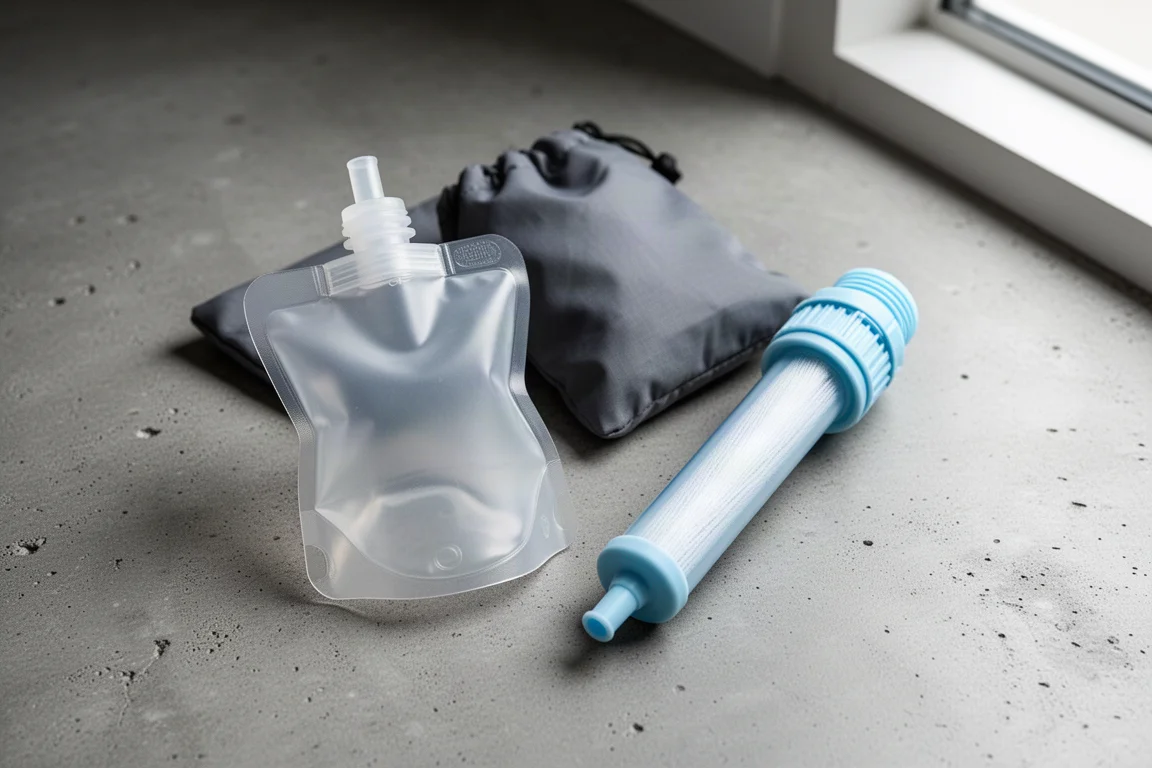
Running out of water is one of the most common ways a remote ride starts to go wrong. A Sawyer water filtration system gives you a way back. Fill the bag from a river, a stream, a lake, or even a puddle, screw the filter on, and then either drink straight through it or squeeze the water into a bottle or hydration bladder.
The whole system packs down to almost nothing, so there is little reason to leave it at home on a route where resupply points are far apart. It is one of the lightest ways to make sure you can keep drinking steadily rather than rationing what is left in your bottles.
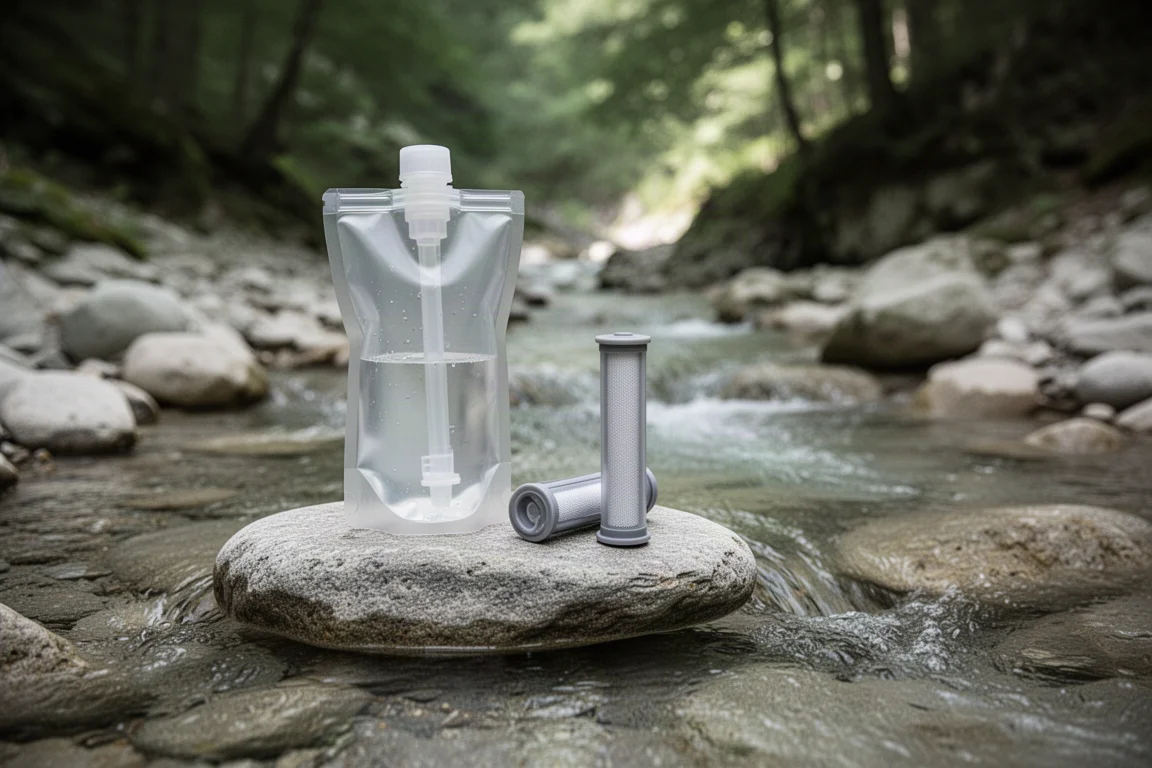
Carrying a filter also changes how you plan a route. Instead of hauling every litre you might need between shops, you can top up from water sources along the way and keep your intake steady. That matters, because hydration is usually where trouble starts on a long day.
Tailfin Top Tube Bag: Waterproof Storage Within Reach
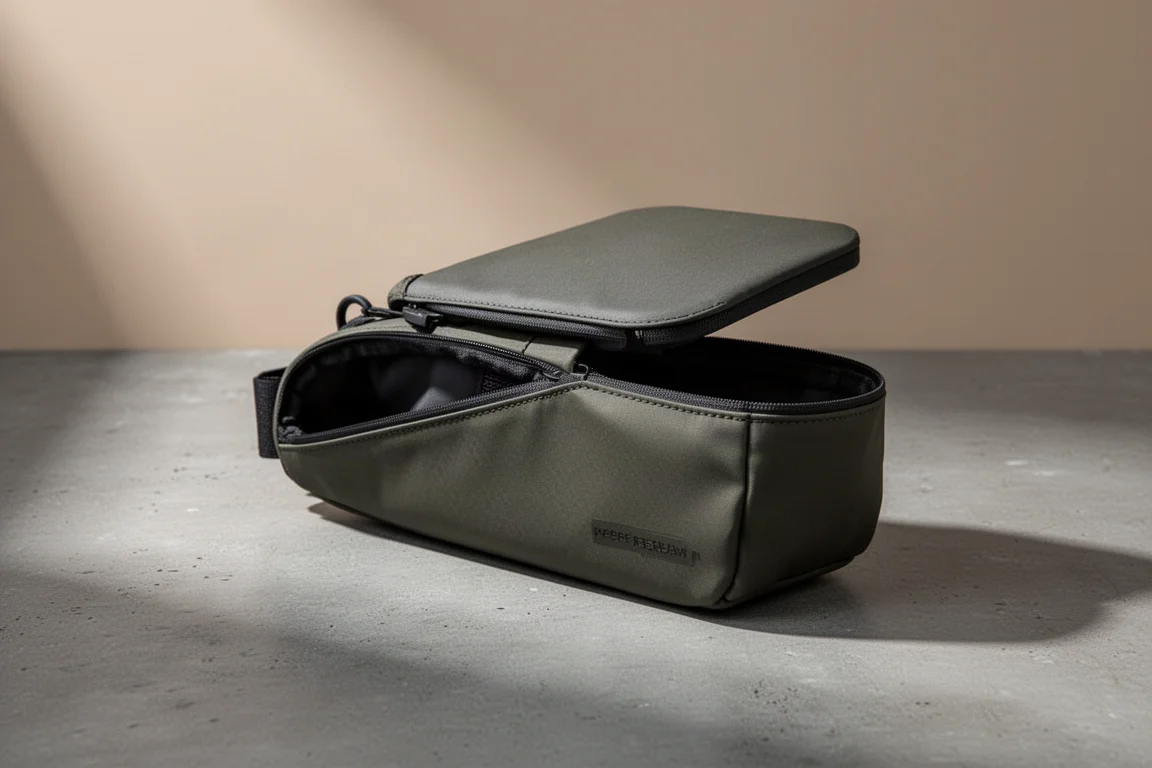
A top tube bag is the simplest way to keep snacks, a charger, or a phone within reach without stopping. The Tailfin Top Tube Bag is waterproof, and it mounts with straps and rubber pads at the base so the hardware does not damage your frame. It can also be bolted on if your setup allows it. The shape is tapered so it does not rub against your legs as you pedal, which is a common annoyance with other top tube bags.
Tailfin puts its range through a thorough design and testing process before anything is released, and that shows in how practical the finished products are in real riding conditions.
Other Essentials That Earn Their Place
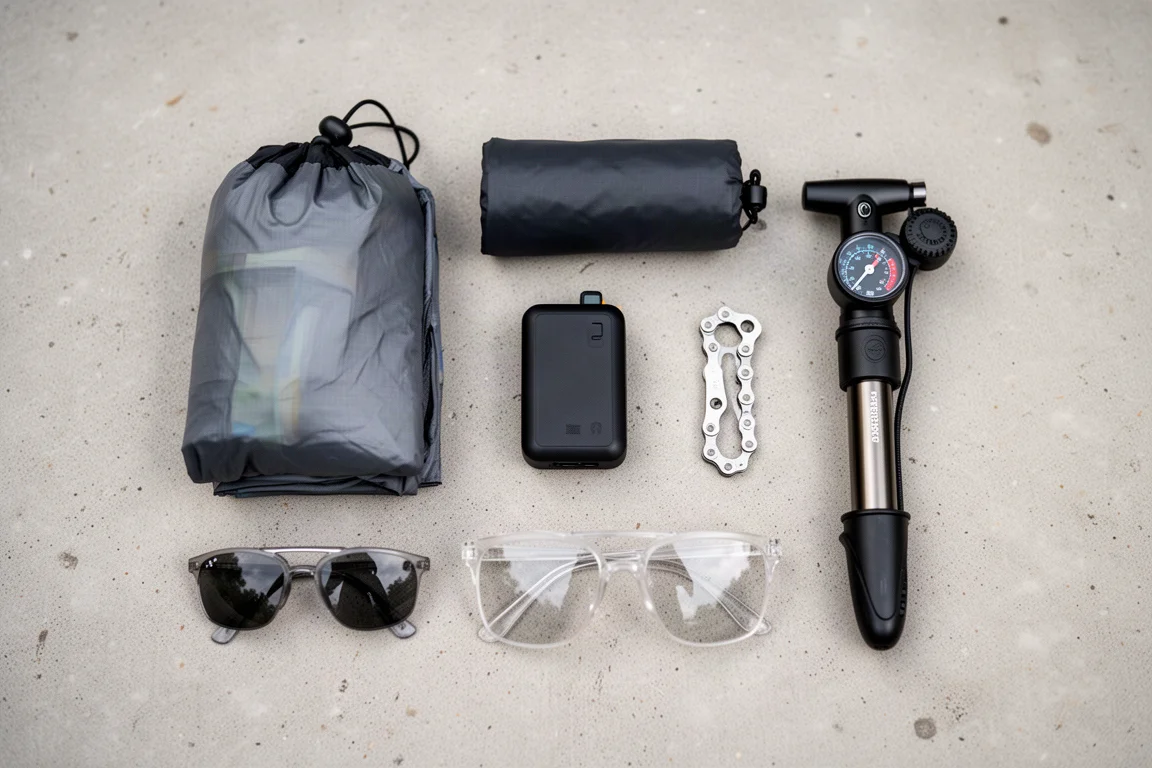
Beyond the three picks above, a handful of small items consistently prove their worth. An emergency bivvy bag weighs almost nothing, packs down tiny, and is highly visible, so if you are caught outside and need to be found, it gives rescuers something obvious to spot. There is very little reason not to carry one.
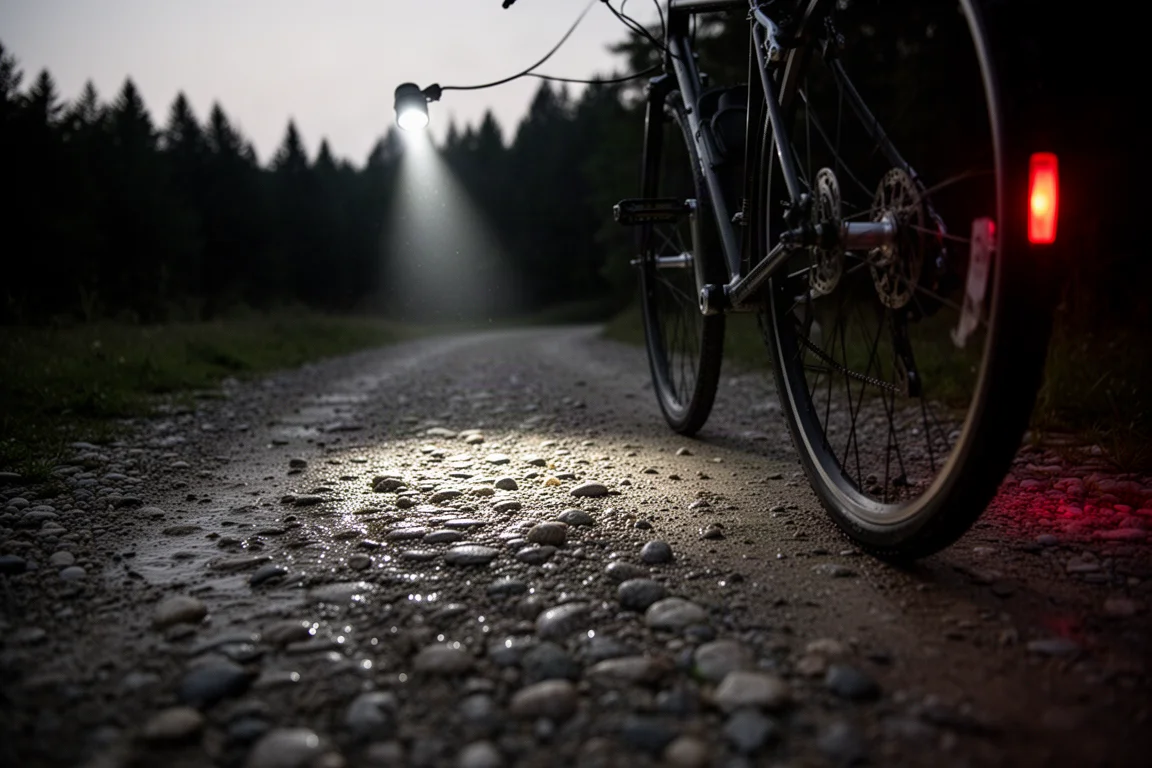
Lighting is the next priority. A dynamo hub built into the front wheel generates electricity as you ride, which means lights that are always available and effectively always on, keeping you visible in daylight and in the dark. Riders who prefer not to run a dynamo should carry a spare set of lights with long battery life. Many riders run both: the dynamo light for constant visibility, and a high-output light for technical trails where you need to see everything ahead of you.
A hydration vest is another way to carry more water, along with food and cards in expandable front pockets. A bladder sits in the back, and a drinking tube runs over your shoulder to your chest, where a magnet holds it in place so it stays out of the way while you ride. Choose a vest designed for cycling rather than running. Many also include a large reflective panel and a light loop, which helps if an event requires a high-visibility layer at night.
Finally, a few tools and spares are worth the space. A robust battery pack keeps phones and lights charged when you are far from any socket. A compact chain tool that holds quick links magnetically makes opening and closing a chain far easier at the roadside. A mini track pump with a pressure gauge stands and works like a floor pump, so you can actually reach the tyre pressure you want instead of fighting with a tiny hand pump. And photochromatic lenses tint in the sun and go clear when the light drops, so one pair covers day and night, ideally with a cord so you can hang your sunglasses instead of wrestling them into your helmet.
How These Three Work Together
Communication, water, and accessible storage cover three different failure points, and together they remove a lot of the practical risk from a remote route. The satellite communicator handles the situation where you need help or need to reassure people at home. The filter handles the situation where your bottles are empty and the next shop is a long way off. The top tube bag handles the constant, small need for food and charging gear without forcing you to stop and unpack.
None of the three adds meaningful weight, and each one is easy to use with cold hands. That combination is what makes them worth carrying on every long ride rather than only on the hardest ones.
Buying Advice: Matching Gear to Your Route
Which of these matters most depends on where you ride. If your routes stay inside reliable phone coverage and pass shops at regular intervals, a satellite communicator and a water filter are lower priorities, though both still add a useful margin. If you ride remote events or multi-day routes, they move straight to the top of the list.
Whatever your route, buy the version of each item that is designed for cycling rather than for another sport. Hydration vests built for running, for example, do not work well on the bike, and the same logic applies to mounting hardware and bags.
If you are building a kit gradually, start with the item that protects against the most immediate risk on your own routes. For most riders heading into remote terrain, that is water treatment first, communication second, and on-bike storage third, since storage is the easiest of the three to improvise with what you already own.
Conclusion
Three items, three problems solved. A compact satellite communicator keeps you reachable and trackable when the phone network disappears. A packable water filter turns rivers, streams, and lakes into drinkable water and keeps hydration steady. A waterproof top tube bag keeps snacks and charging gear within reach without a stop.
Each one is small, durable, and simple to use when you are tired, which is exactly what bikepacking gear needs to be. Match them to the routes you actually ride, and they will quietly take care of the situations that would otherwise cut a trip short.
Further reading
Related Reviews
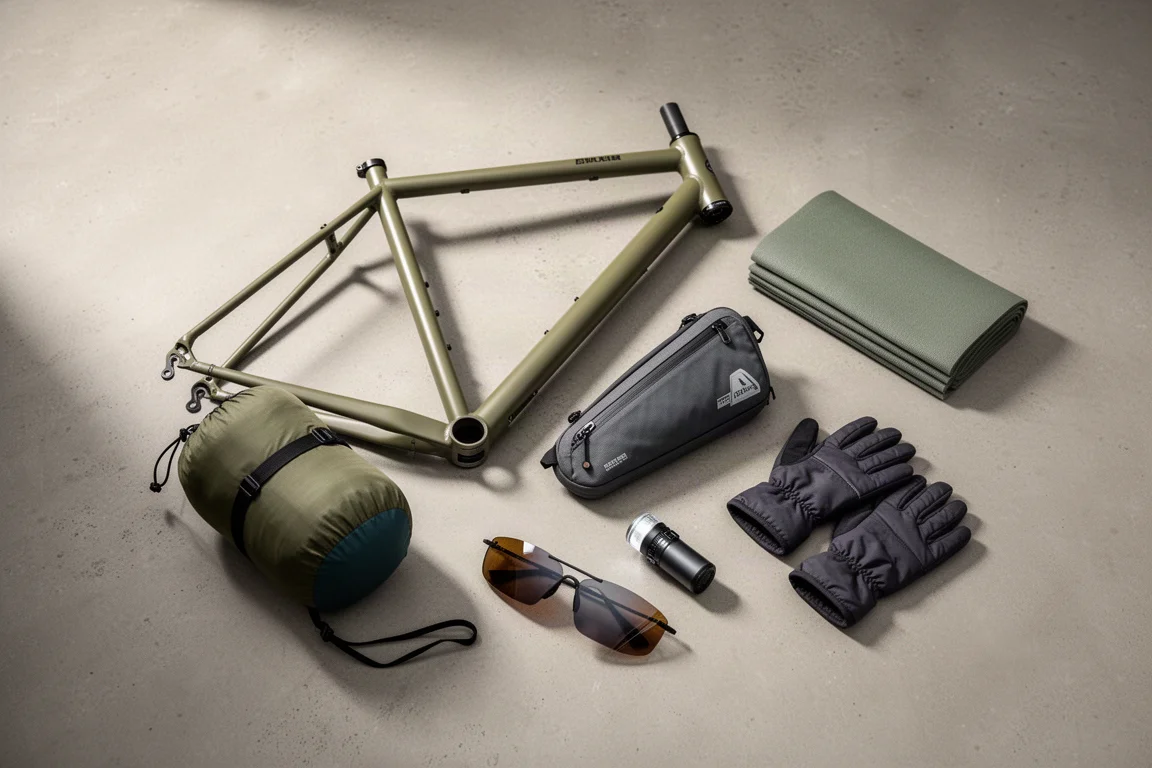
Bikepacking Gear
11 Bikepacking Essentials for Long-Distance Cycling
Eleven bikepacking essentials for long-distance cycling, from a steel gravel frame and a two-person tent to helmet lights, packable gloves, and a frame bag that puts weight in the right place.
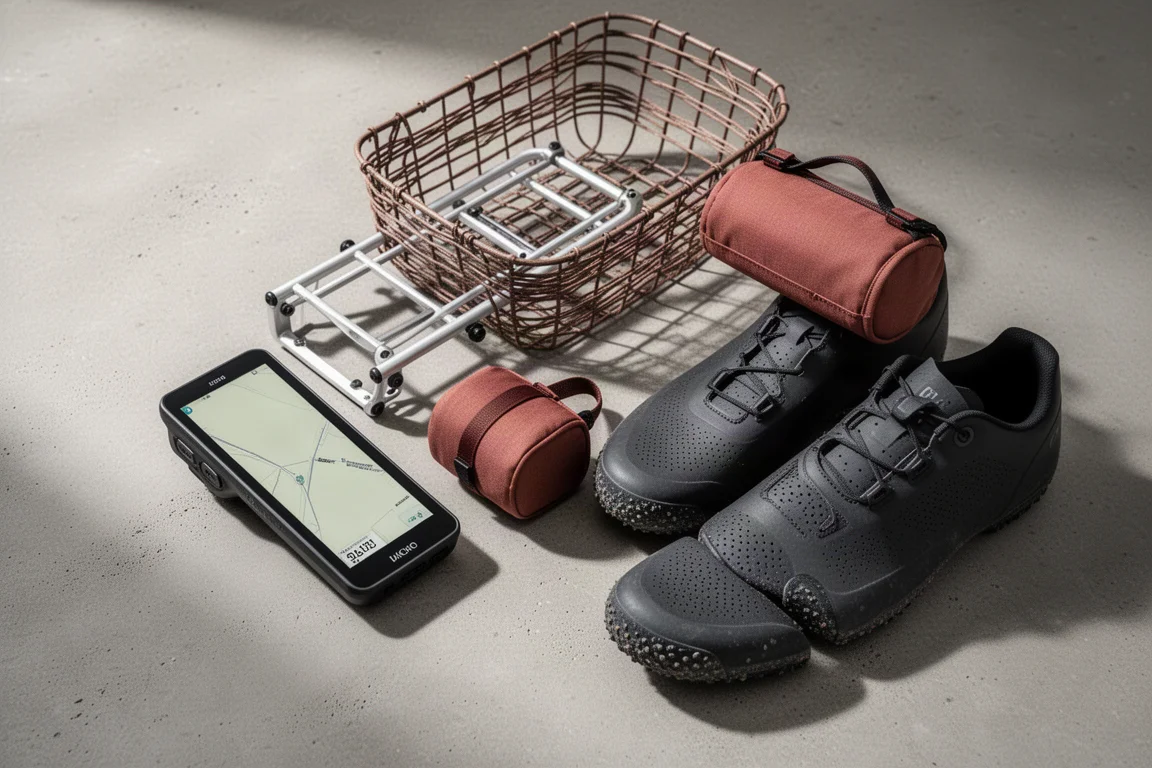
Bikepacking Gear
Best Bikepacking Gear 2026: 11 Essentials Worth Carrying
A practical look at bikepacking kit that earned its place on long rides, from a solar bike computer and basket packing to bar bags, bivvies and gravel shoes.
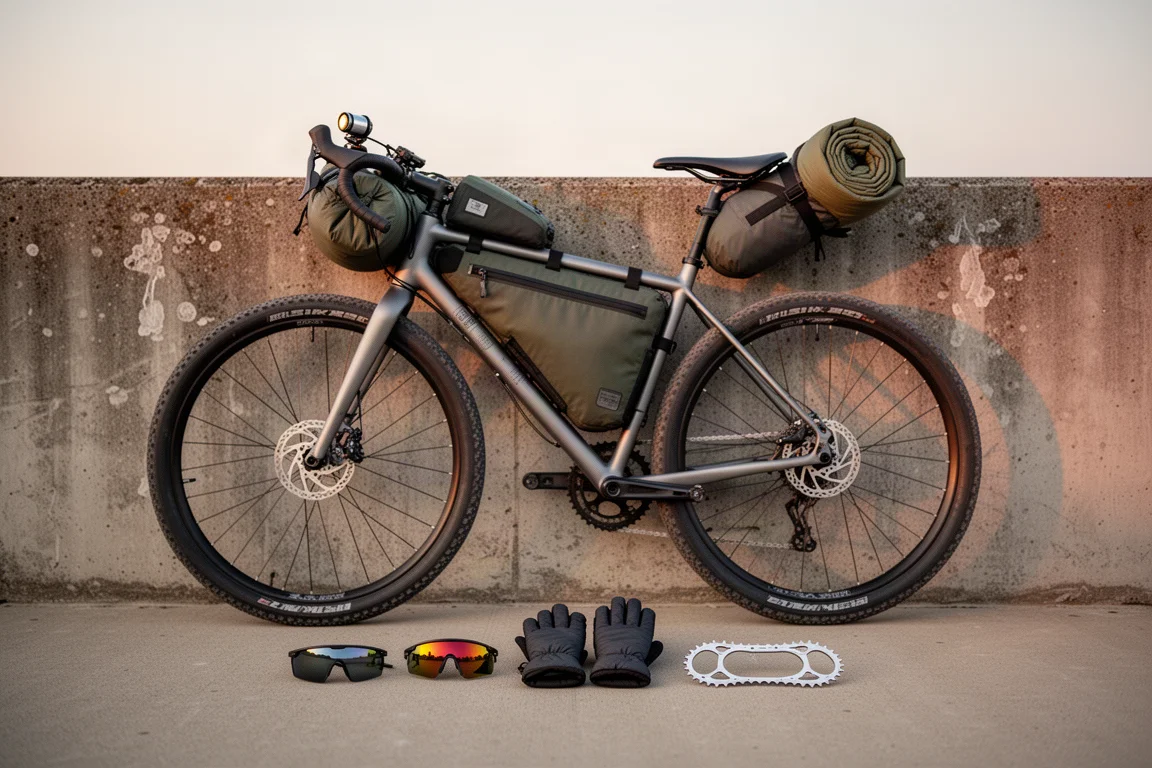
Bikepacking Gear
Best Bikepacking Gear: 10 Field-Tested Picks for Long-Distance Rides
Ten bikepacking products that earn their place on long rides, from a steel gravel frame to packable gloves, with the strengths and trade-offs worth knowing.