Bikepacking Gear
Bikepacking Essentials: 9 Gear Picks That Held Up Over 3,000 km
A practical bikepacking gear shortlist built from a 3,000 km mixed-surface event through Chile and Argentina, covering comfort, battery life, navigation, drivetrain care, and puncture backup.
Introduction
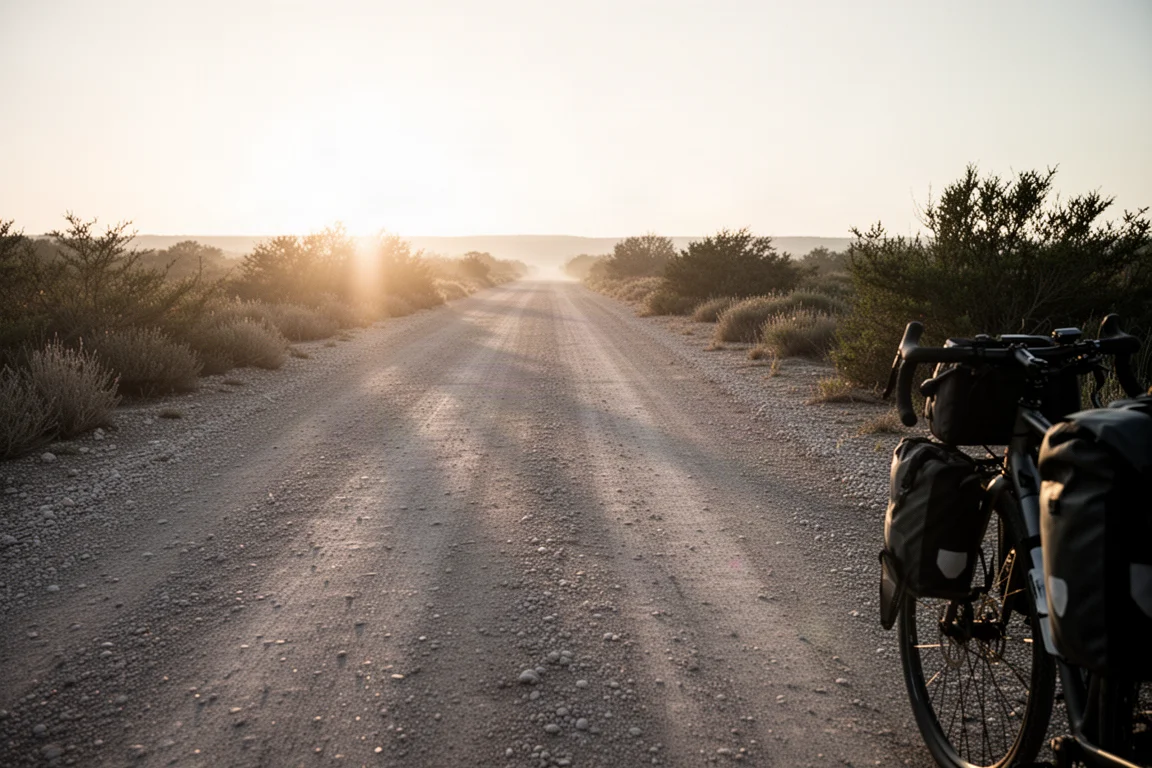
A 3,000 km bikepacking event across Chile and Argentina is a hard filter for gear. The route mixed roughly 60 percent pavement with 40 percent gravel, days sometimes ran to 12 hours, and there were mornings that began before sunrise and evenings that finished in sunset light, with clouds and rain along the way.
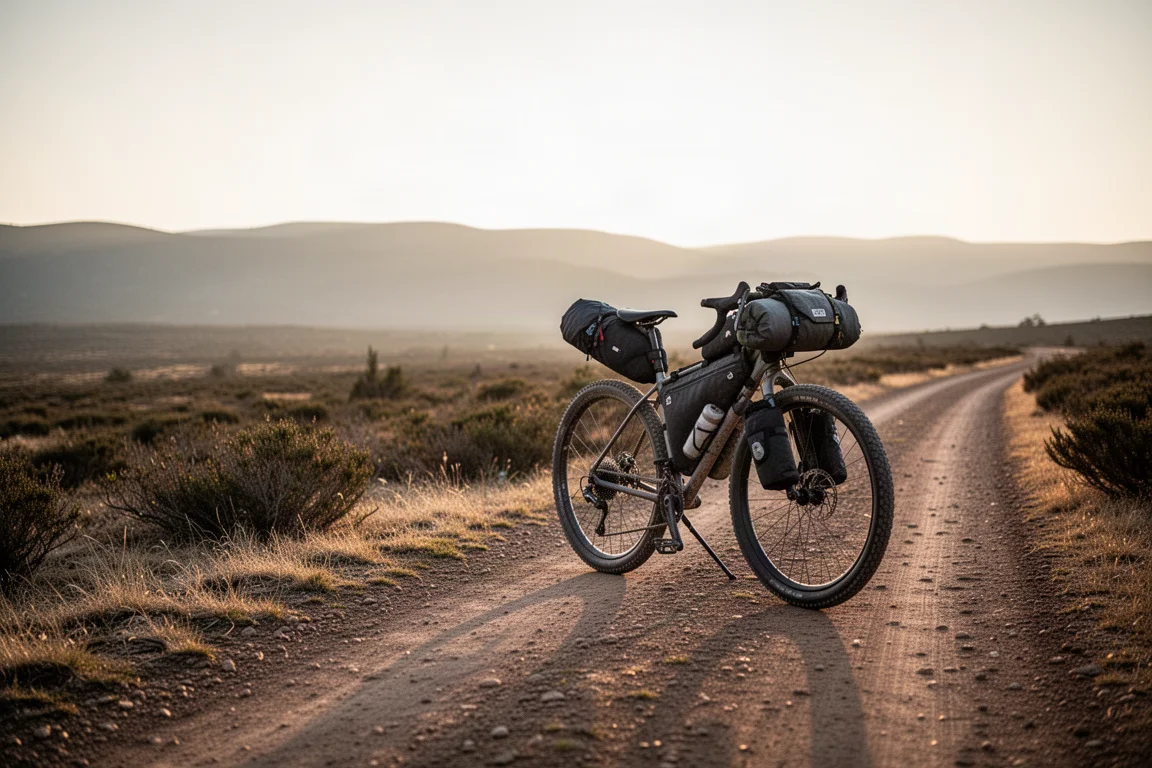
What follows is the shortlist of smaller items that kept earning their place, day after day. None of them are glamorous purchases, and none of them are the biggest thing you will carry. They are the ones that quietly removed a problem: comfort in the saddle, one less battery to worry about, a chain that stayed quiet, eyes that stayed comfortable in changing light, and a puncture plan that meant a bad day never became a trip-ending one.
What Made the Cut
Three things separated the genuinely useful from the merely interesting over two weeks of riding.
First, reliability across a full day, not just a short ride. Anything that needed babysitting became a distraction. Second, how little space and weight it added, because packing light for a flight out with a bike in a box leaves very little room for extras. Third, whether the item reduced the number of small decisions a rider has to make, such as whether a device still has charge or whether the tire pressure is right for the surface ahead.
That last point is the thread running through this list. On a long trip, the most valuable equipment is the equipment you stop thinking about.
Ass Magic Chamois Cream
Chamois cream was a fixed morning routine rather than an occasional extra, and on days that stretched to 12 hours it did real work: preventing skin issues from developing at all and simply making long hours in the saddle more comfortable. How much you apply comes down to how much discomfort you are managing, but the habit itself was non-negotiable.
The travel sachet format turned out to be smarter than expected. With one sachet packed for each day of the ride, there was enough product inside a single sachet to cover roughly two rides, which means a two-week trip can be covered with a modest number of them.
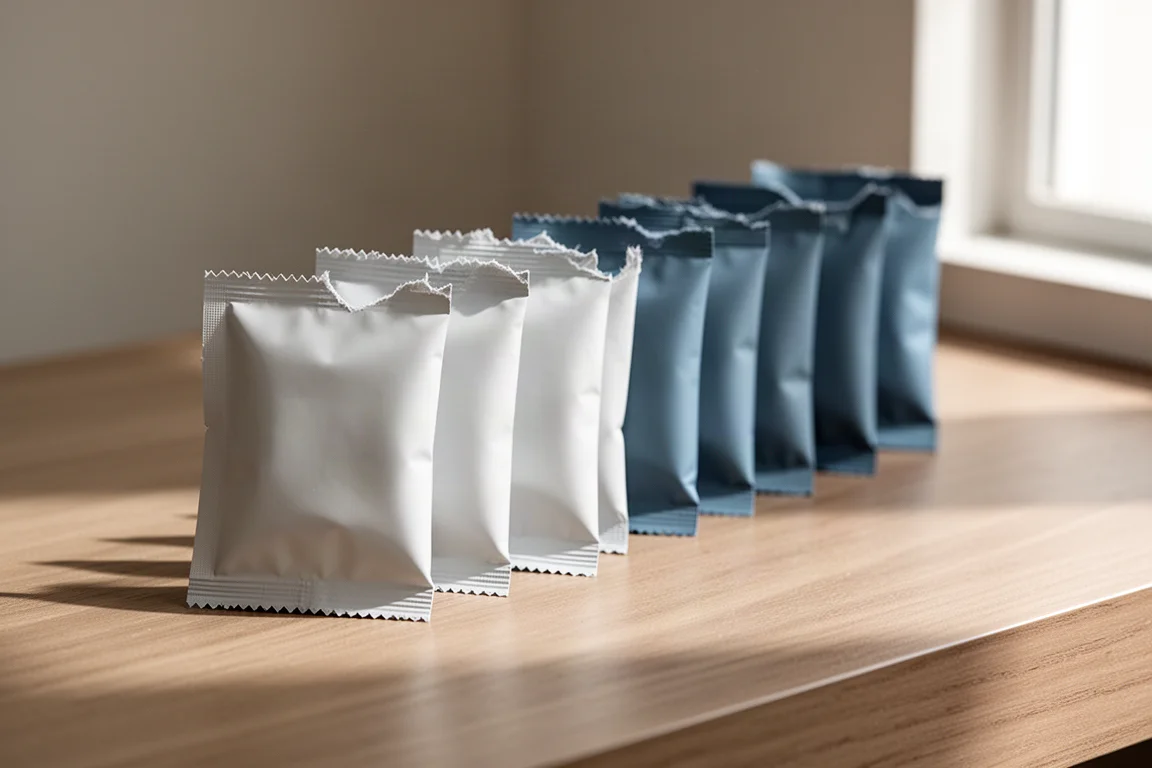
The practical takeaway is that a small, repeatable comfort routine beats a large tub you have to decant. It is the kind of item that is easy to overlook when planning a kit list and hard to replace once you are already on the road.
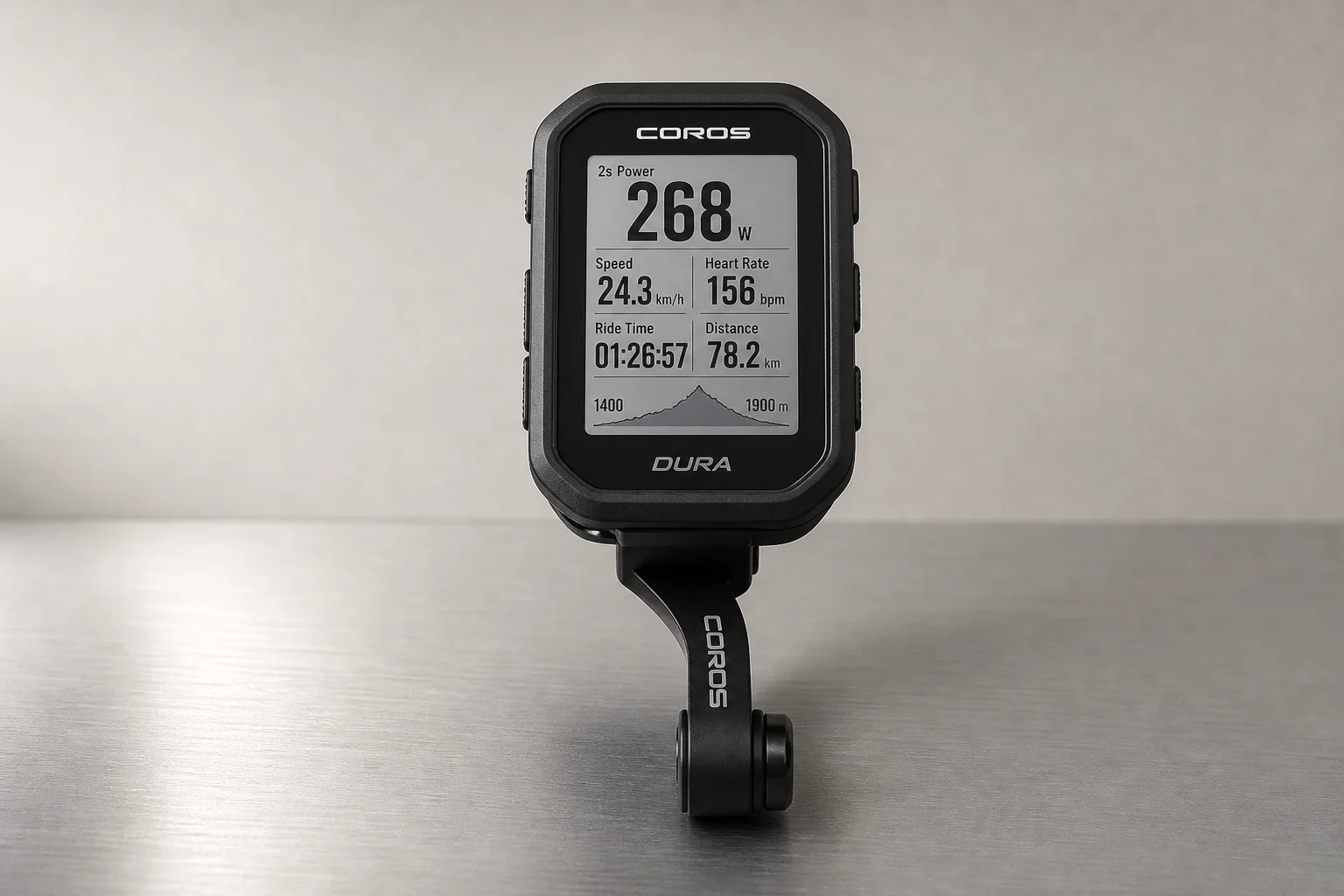
Coros Dura
Battery anxiety is one of the quiet stresses of a multi-day ride, because every device on the bike competes for the same limited charging capacity. The Coros Dura answered that directly with a claimed 120-hour run time, and over the trip the computer was charged only twice, both times simply because a power source was available rather than because it was needed.
Navigation held up just as well. Following a route on the mapping page was straightforward with no wrong turns, and the level of map detail was enough to see where you were riding on both pavement and gravel. Since a rider glances at a computer occasionally rather than studying it, the simpler presentation worked in its favour.
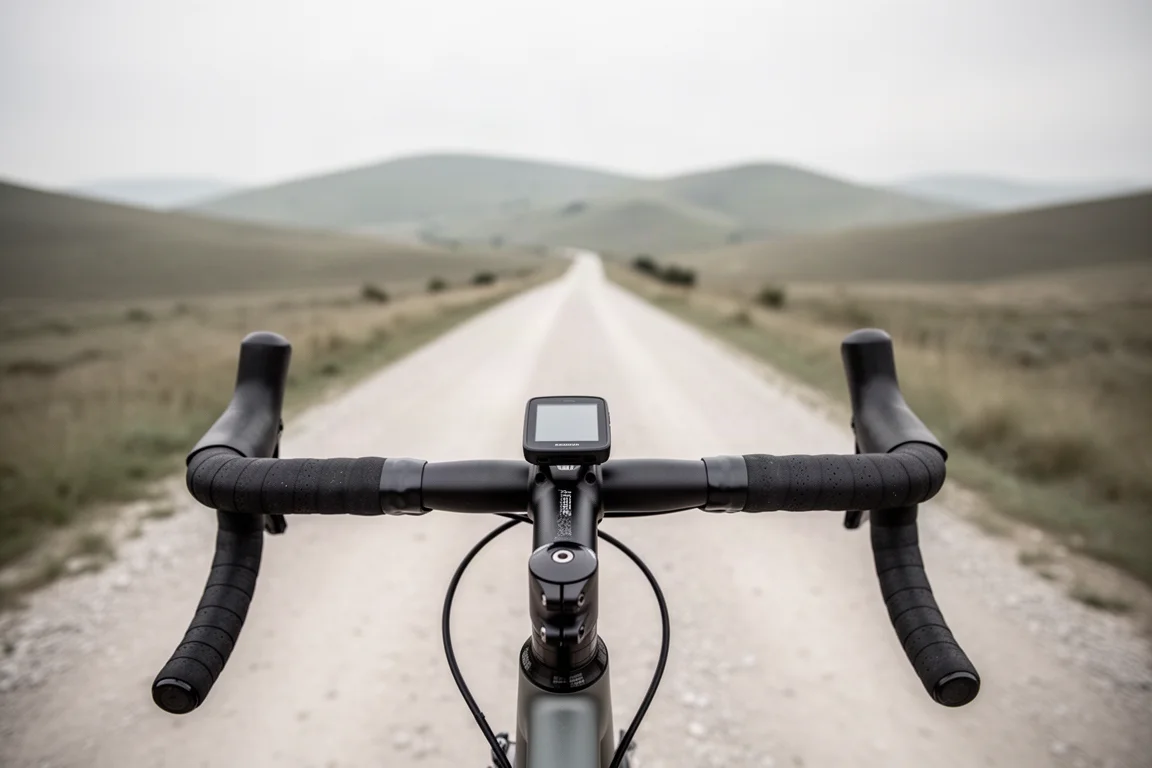
Long-running computers do exist elsewhere, but on run time this one stood out clearly against the alternatives, and on an adventure where you are also charging lights, cameras, and a phone, crossing one device off the list is a genuine gain.
Silca Synergetic
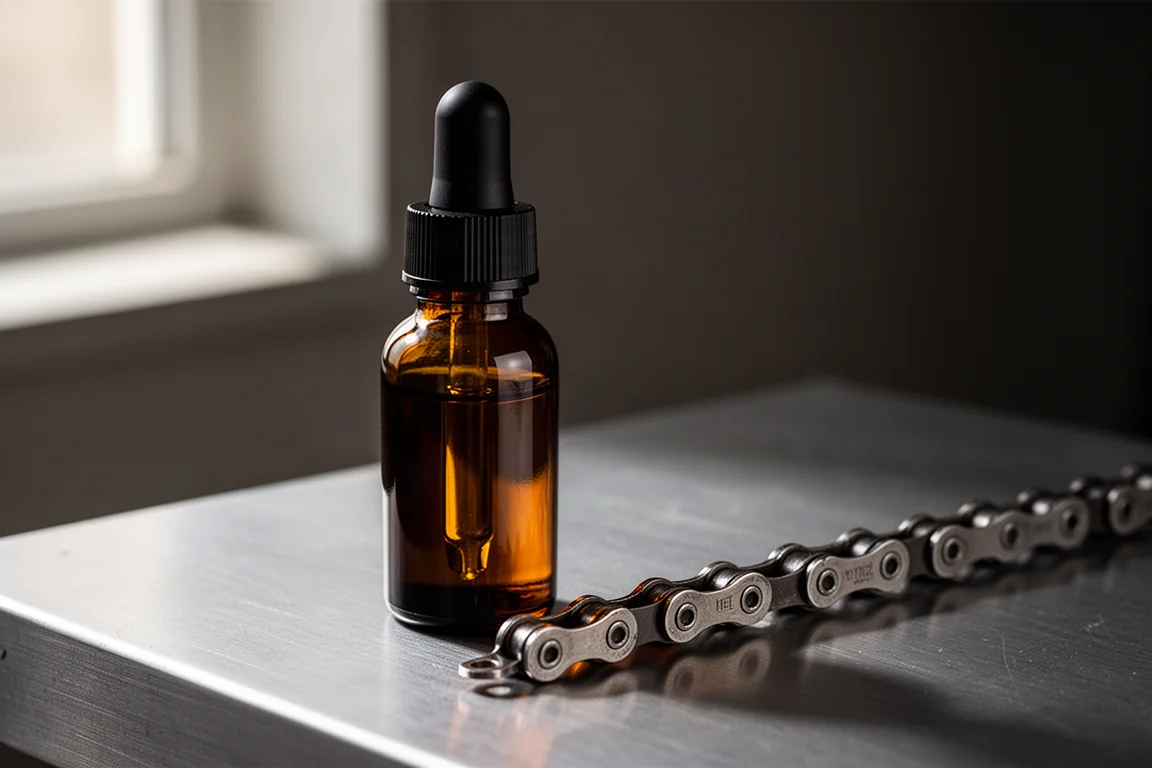
For a trip with mud, rain, and dry stretches all in the same fortnight, a wet lube made far more sense than a dry lube or a wax setup. A waxed chain simply would not survive two weeks of those conditions.
Silca Synergetic stood out for how little is needed. One drop per link keeps the chain running smoothly and quietly, it copes with mud, rain, and dry weather alike, and it reduces wear in the process. That economy matters when you are carrying everything with you and lubricant is competing for space.
If you ride mostly in clean, dry conditions, a wax setup remains a fine choice. For a long mixed-surface trip where conditions change daily, a wet lube is the lower-risk option.
Rudy Project Spin Shield Pro
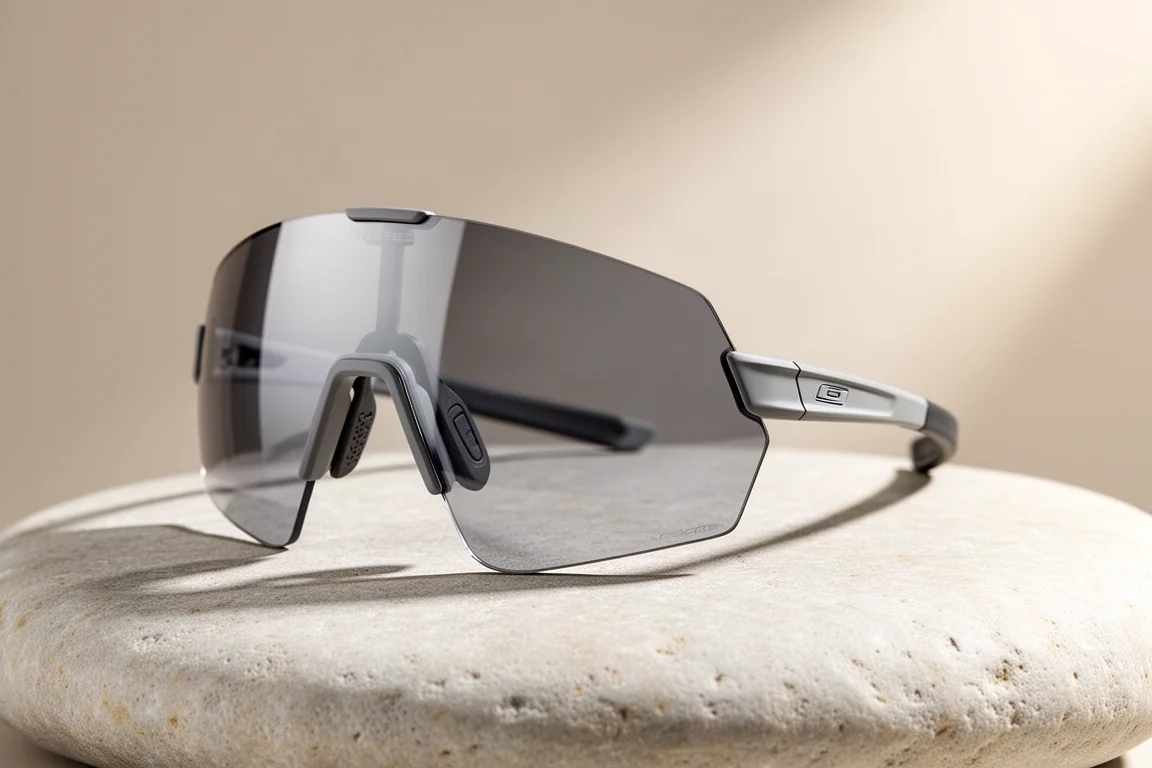
Riding from before sunrise to after sunset means the light you are dealing with changes constantly, and one photochromic lens handled bright sun, overcast days, and rain without a swap. The adjustment happens gradually enough that you barely register the change, which is exactly the point.
The Rudy Project Spin Shield Pro also impressed on the details that matter over long days: good optical clarity, a tall lens that gives generous coverage, a soft and comfortable nose piece, and low weight. They proved sturdy too, surviving a few drops without cracking or scratching.
For anyone building a kit for long days outdoors, a single lens that covers the whole range of conditions is easier to live with than carrying multiple tint options.
Silca Ultimate Sealant
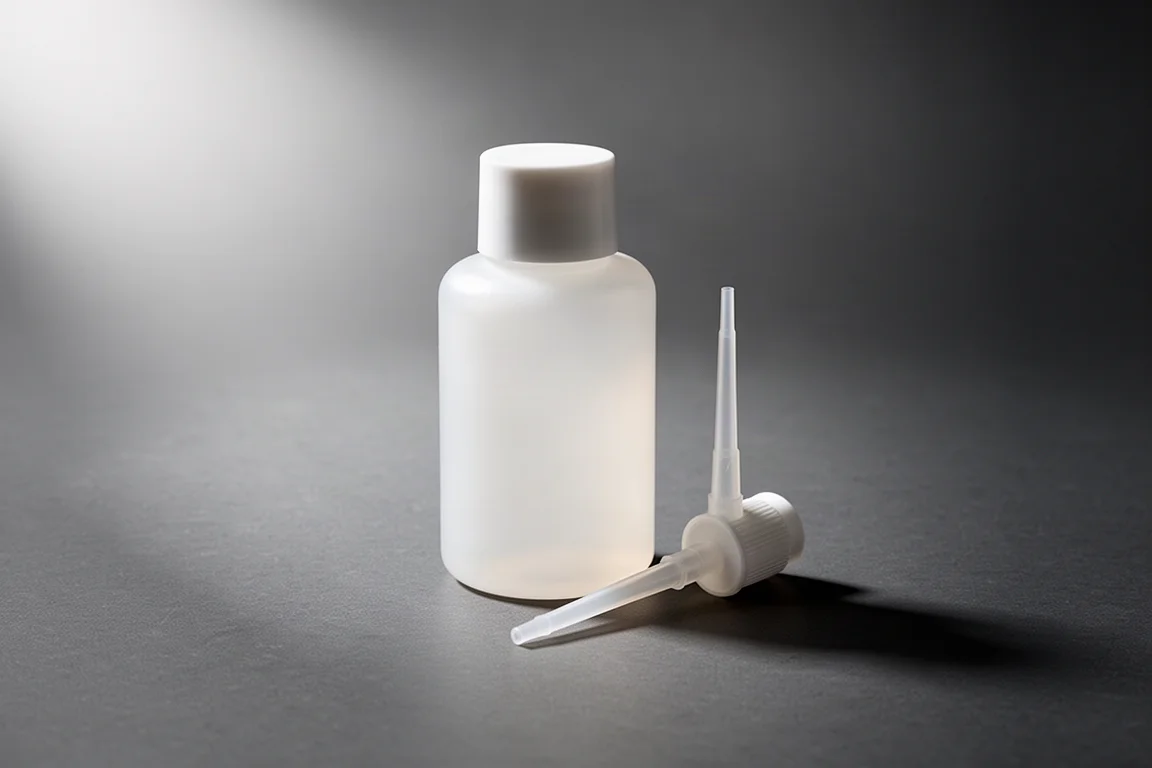
Running tubeless is the sensible default for this kind of riding, and the trip passed without a single puncture. Some of that is luck, but the setup was chosen to reduce the odds as much as possible.
Silca Ultimate Sealant handles the larger holes you tend to pick up off-road, and it can now be injected through the valve, which makes topping up straightforward. The approach taken here was to run more sealant than recommended, trading a little weight for a wider margin of protection.
Dynaplug
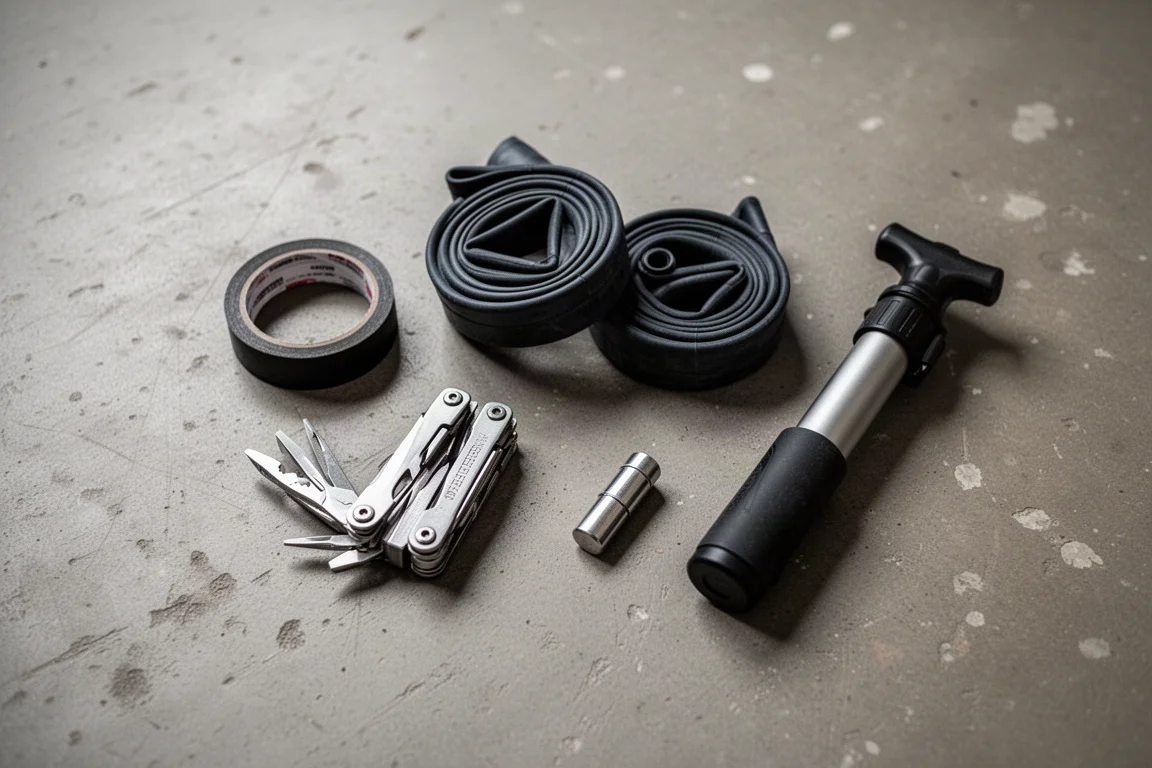
The backup for a puncture that sealant cannot close was a small metal capsule holding a stash of Dynaplug plugs. It never had to be used, which is the best possible outcome, but the design detail that makes it worth carrying is the brass pointed tip. That tip makes pushing a plug into a damaged tire quick and easy compared with other tubeless repair kits.
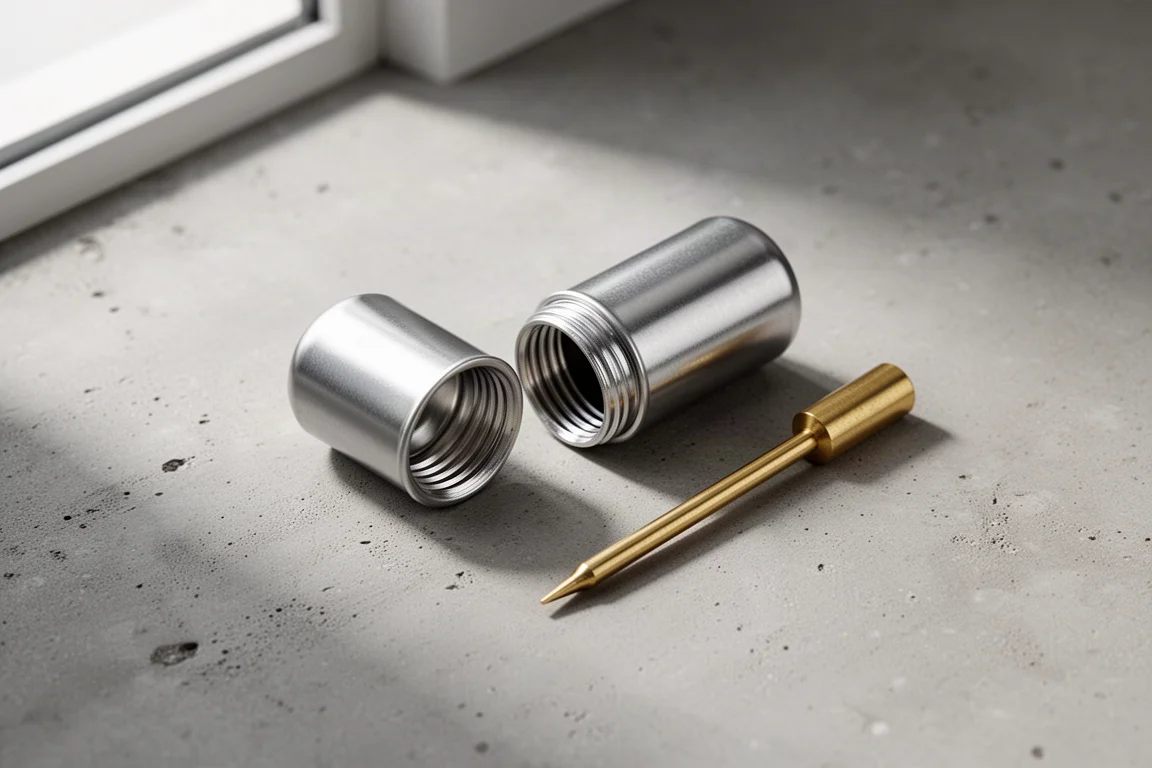
It costs more than many alternatives. The counter-argument is simple: when you are standing at the side of a remote road with a tire that will not seal, speed and certainty are worth paying for.
Topeak Mini PT30
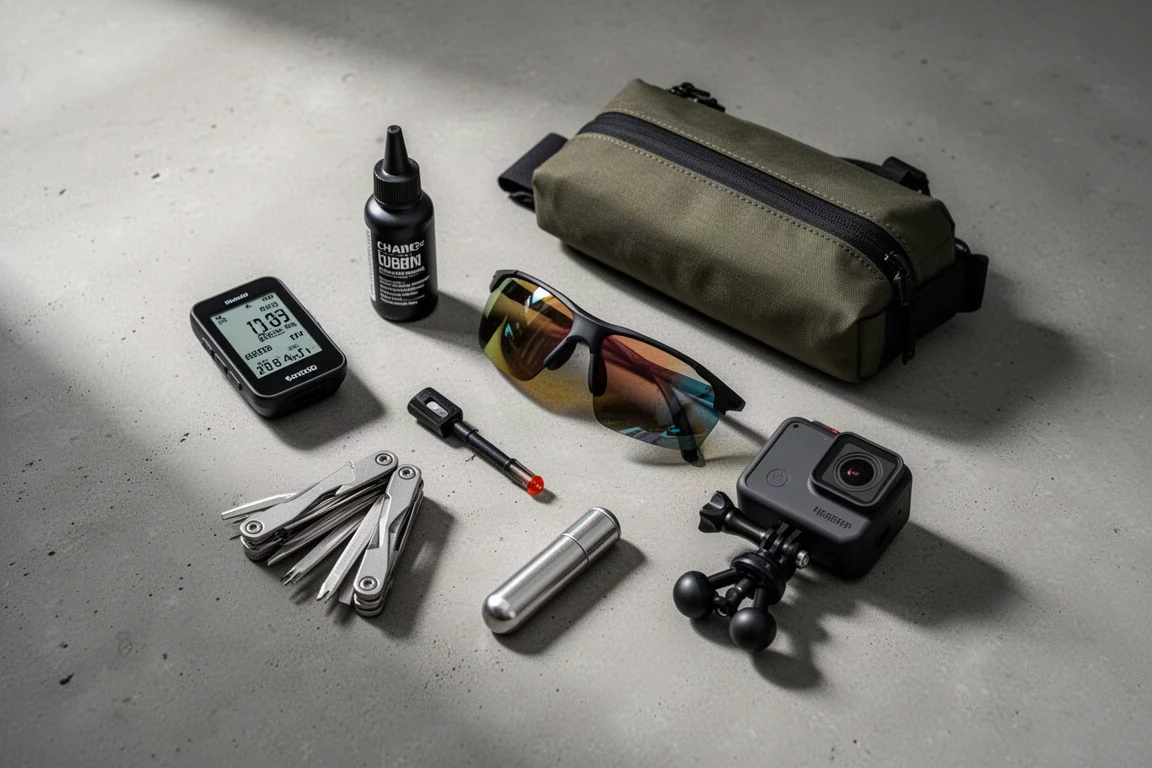
Arriving by plane with a bike in a box and no toolkit means the multi-tool has to cover the whole build. The Topeak Mini PT30 does that, with an 8 mm pedal spanner, a chain breaker, a spoke key, a T25, every Allen key you are likely to need, and a decent small knife.
In practice it saw very little use, which is the ideal outcome, but the point of carrying it was the airport assembly and the insurance against anything working loose mid-trip.
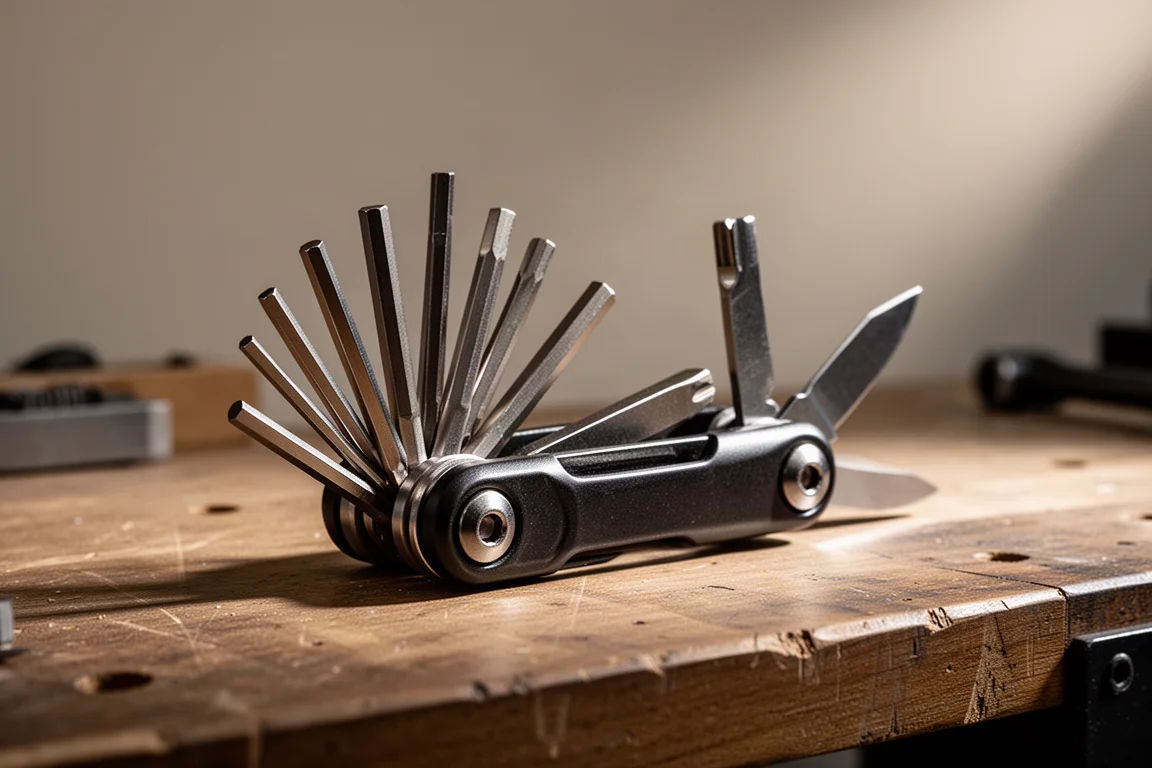
It is a fair amount of tool for lighter trips. On a ride that starts with building a bike from a box, though, having the full set on hand is worth the space.
Insta360 GO Ultra
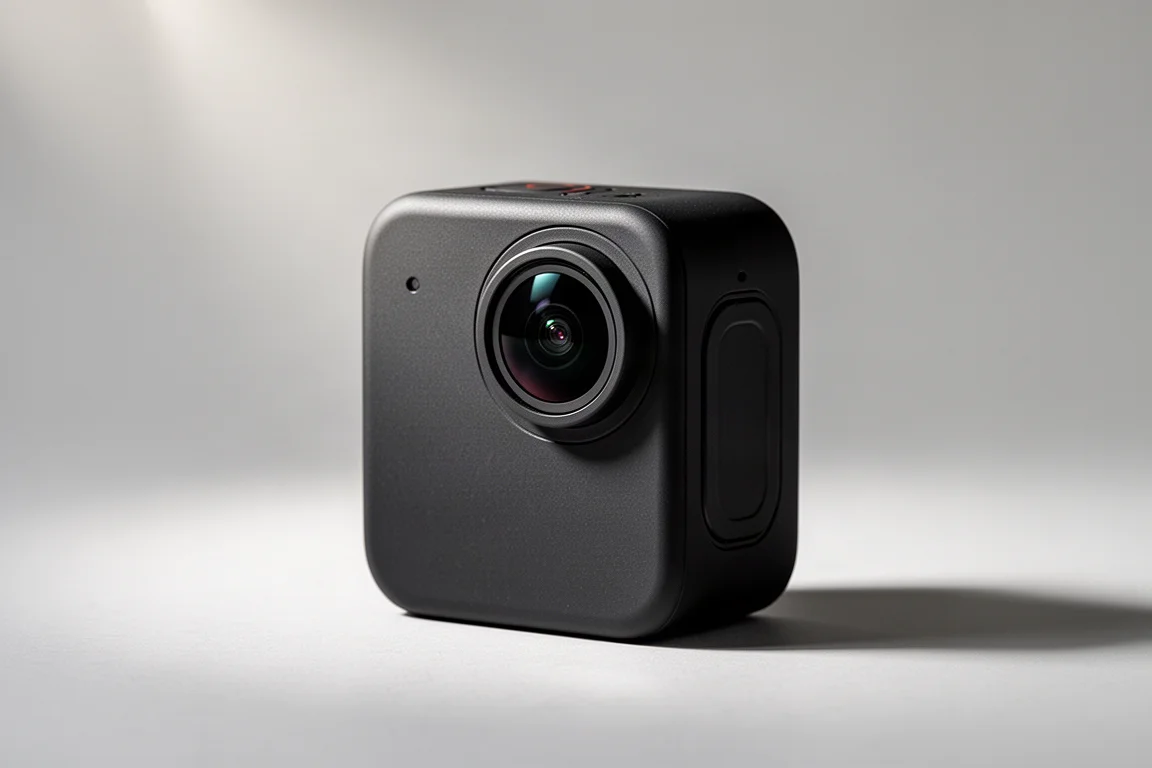
Capturing a long trip means carrying something that is easy to deploy and does not dominate the packing list. The Insta360 GO Ultra works as two pieces: the camera itself detaches from its pod, so it can be used handheld or clipped in place, and the pod provides a vlogging screen and charging.
That flexibility is the appeal. A single compact item covers quick handheld clips and mounted footage without a larger rig, which matters when every gram and every charging port is accounted for.
Tailfin Top Tube Bag
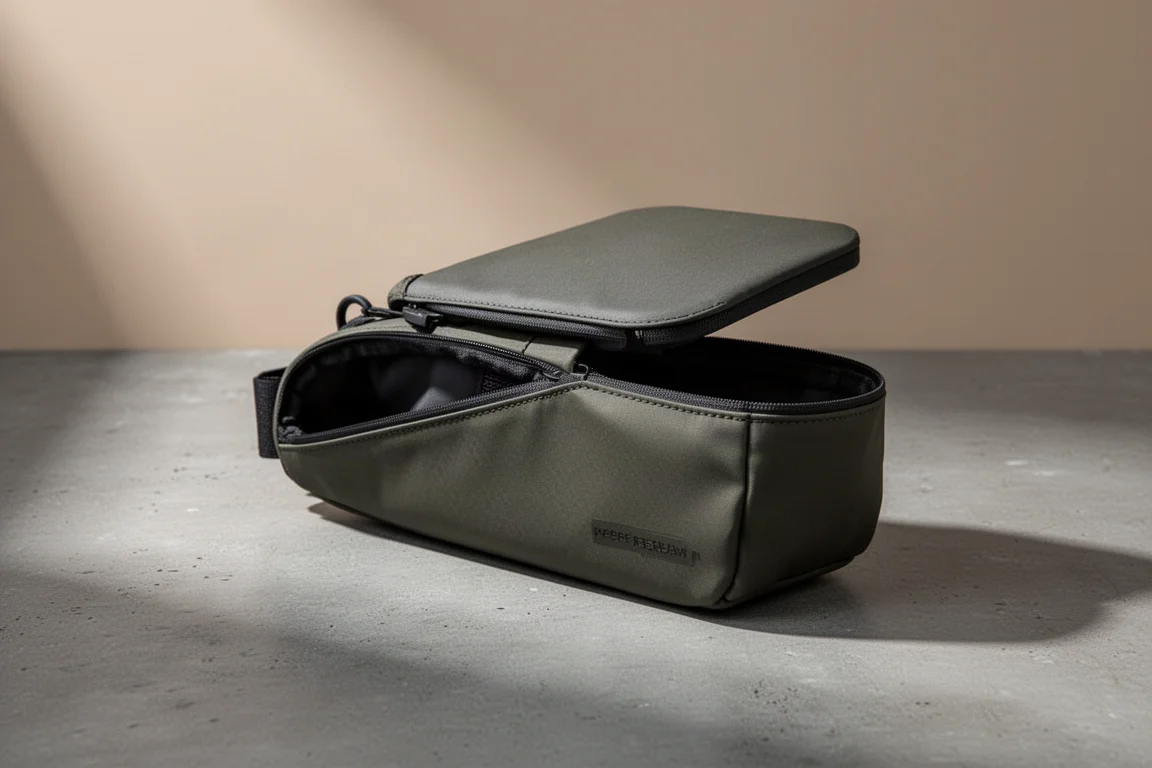
Top tube bags are usually reached through a zipper, which limits how easily you can get at the contents. The Tailfin top tube bag replaces that with a flat top, and the difference is larger than it sounds: the whole cavity opens up, so you can find what you need without digging.
The flat top is waterproof as well and held up well in poor weather. On this trip it mostly carried battery banks, a smartphone, sunscreen, and a few snacks, which is exactly the right role for a bag within arm’s reach.
Buying Advice
If you take one idea from this list, make it redundancy with a purpose. Carrying two smaller battery banks rather than one large one, a backup hand pump alongside a track-style pump, and spare inner tubes alongside a plug kit all follow the same logic: a single failure should never end the day. Inner tubes are a good example of this balance, since two are realistically enough and a third is simply extra peace of mind.
The second idea is to standardise where you can. Getting as many devices as possible onto USB-C cables, including a pump, a computer, and a camera, simplifies charging considerably, and the one device that did not use USB-C was the only real irritation of the whole setup.
Finally, spend where you will notice it daily. Saddle comfort, chain care, and a computer that does not need charging are felt every single day of a trip. Repair kit sits unused in a bag until the moment it matters, and then it matters more than anything else you packed.
Conclusion
The best bikepacking kit is not the longest spec sheet. It is the collection of small items that quietly remove friction: cream applied before the first pedal stroke, a computer that runs for the whole trip, a chain that stays quiet through mud and rain, one lens that handles every light condition, and a puncture plan with more than one layer to it.
Pick the versions of those that suit your route and your budget, test them on shorter rides first, and carry a little redundancy on the things you genuinely cannot ride without.
Further reading
Related Reviews
Bikepacking Gear
11 Bikepacking Essentials for Long-Distance Cycling
Eleven bikepacking essentials for long-distance cycling, from a steel gravel frame and a two-person tent to helmet lights, packable gloves, and a frame bag that puts weight in the right place.
Bikepacking Gear
Best Bikepacking Gear 2026: 11 Essentials Worth Carrying
A practical look at bikepacking kit that earned its place on long rides, from a solar bike computer and basket packing to bar bags, bivvies and gravel shoes.
Bikepacking Gear
Best Bikepacking Gear: 10 Field-Tested Picks for Long-Distance Rides
Ten bikepacking products that earn their place on long rides, from a steel gravel frame to packable gloves, with the strengths and trade-offs worth knowing.