Bikepacking Gear
Bikepacking Essentials for Your First Trip: Two Upgrades Worth Packing
A compact pannier and a pair of padded gloves change how a loaded bike handles and how your hands feel. Here is what to look for before a first bikepacking trip.
Introduction
Bikepacking is not the same as commuting. A commuter bag is measured by how much it holds. A bikepacking bag is measured by how the bike rides once the load is on it, and that difference changes what is worth carrying on a first multi-day trip.
The two products below sit at the centre of that shift in thinking. One is a compact, hard-wearing pannier that discourages overpacking. The other is a pair of padded cycling gloves that keeps long, cumulative days in the saddle comfortable. Around them sit a handful of smaller essentials that experienced touring riders rarely leave behind.
How These Essentials Earn Their Place
Three questions decide whether a piece of bikepacking kit earns its place in the bag. First, does it add weight the bike has to carry up every climb? Second, does it help keep the load centred and balanced rather than piled over the rear wheel? Third, does it survive the surfaces the route actually uses?
Weight distribution is the part that catches people out. Load a bike heavily at the back and it becomes prone to wobble or shimmy, and steep climbs turn into a push. Rear-heavy loads also put more stress on components, which raises the odds of a cracked rim, a pringled wheel or a bent rack.
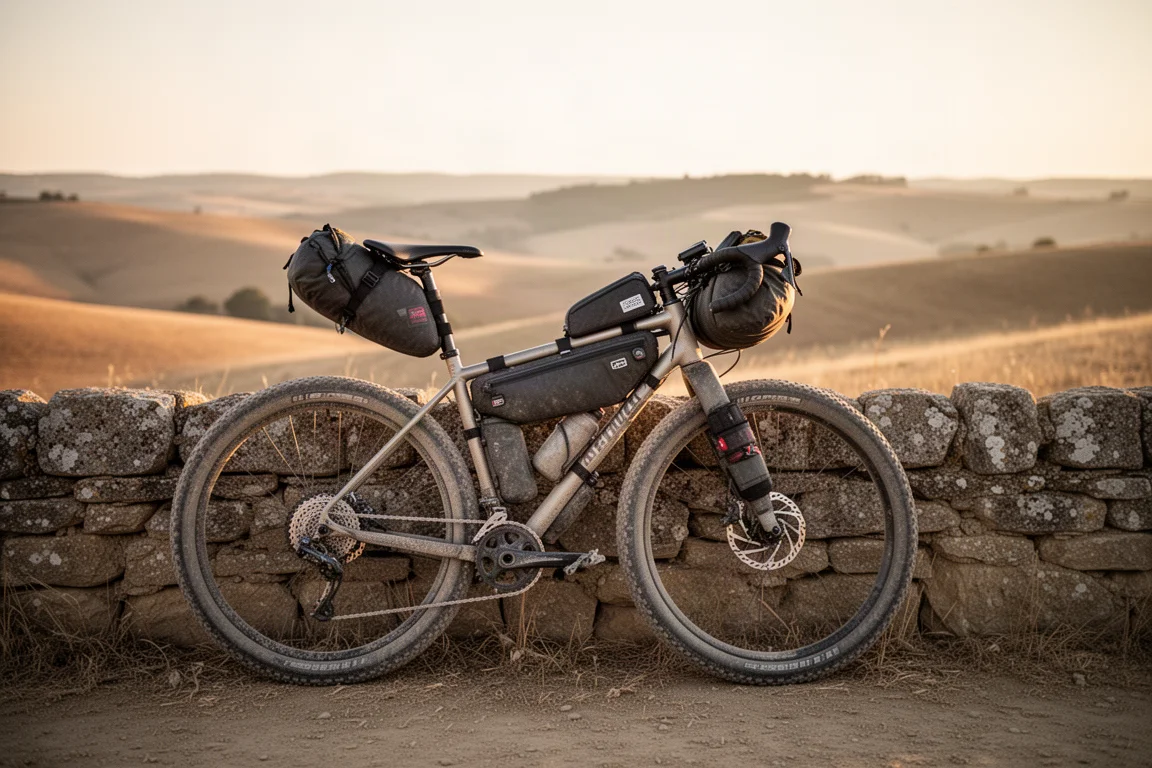
Comfort and durability follow from the same logic. Kit that does two jobs, copes with rough surfaces and stays usable for weeks is worth more than kit that is technically lighter but fragile. Everything here is judged on those terms rather than on headline specifications.
Best Pannier for Balanced Loads: Tailfin 22L Pannier
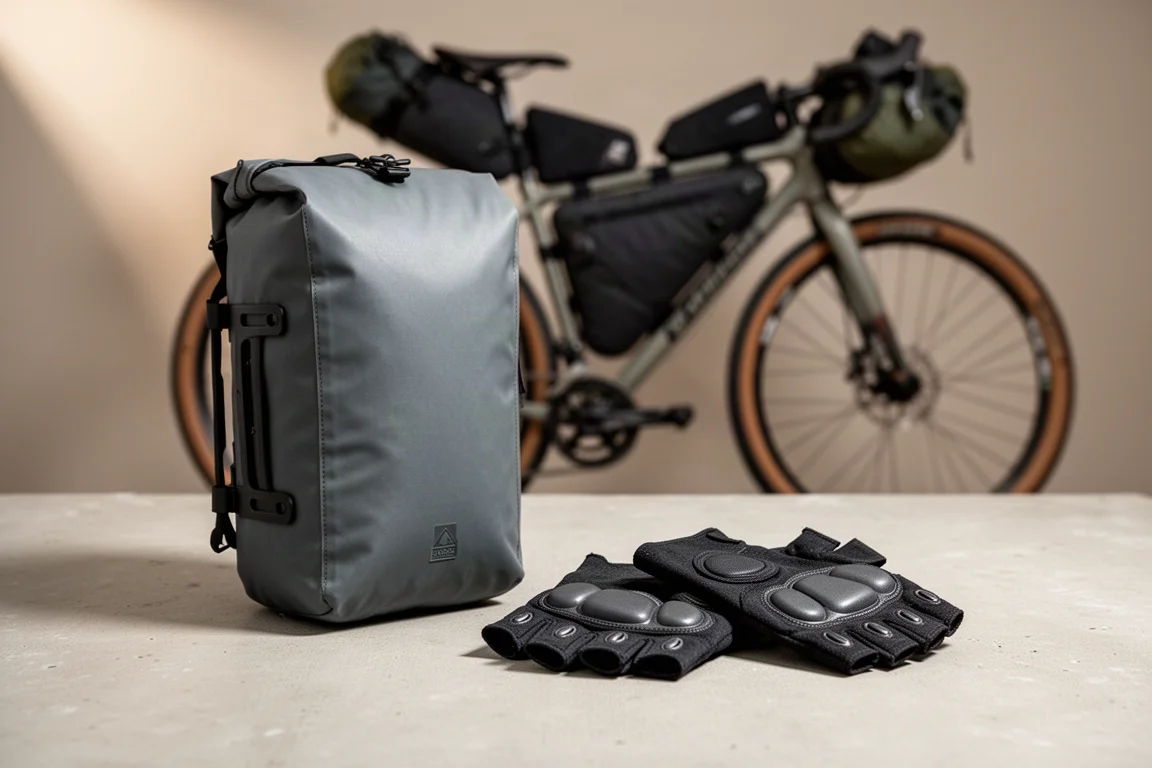
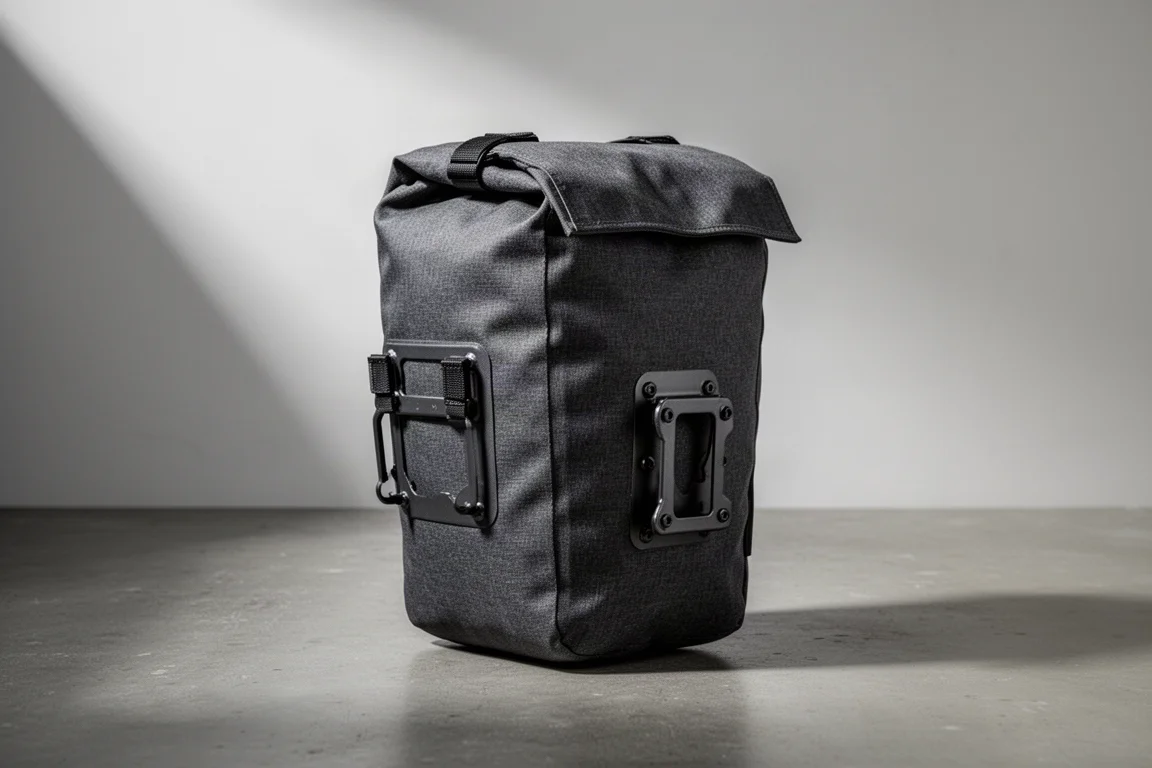
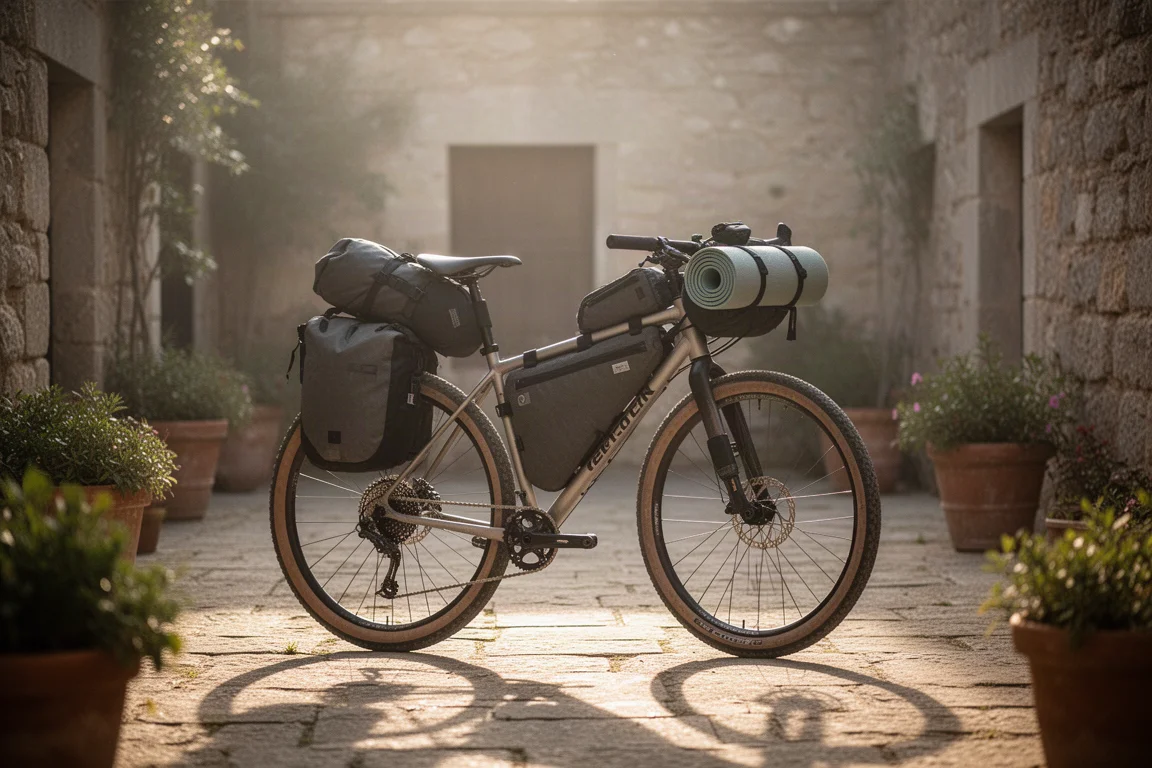
The instinct on a first trip is to reach for the largest bag available and fill it to the brim. That single decision creates three problems at once: a much heavier bike, a load sitting too far back, and more strain on rims, wheels and racks. A 22-litre pannier such as the Tailfin 22L Pannier nudges you in the opposite direction.
Its ultra-durable construction is built for loaded touring, and the smaller capacity is a feature rather than a limitation. Riders who start with one mid-sized pannier and later add a set of 5.8-litre fork packs, two at the front and two on the rack mounts, tend to gain two things: better organisation, because each bag has a known contents list, and better balance, because the weight is spread around the bike instead of concentrated at the rear.
Organisation matters more than it sounds. Digging through one enormous bag to find a sleeping bag means unpacking everything you own at the side of the road. Smaller, dedicated bags remove that daily ritual.
Best Gloves for Long Days in the Saddle: Castelli Endurance Gloves
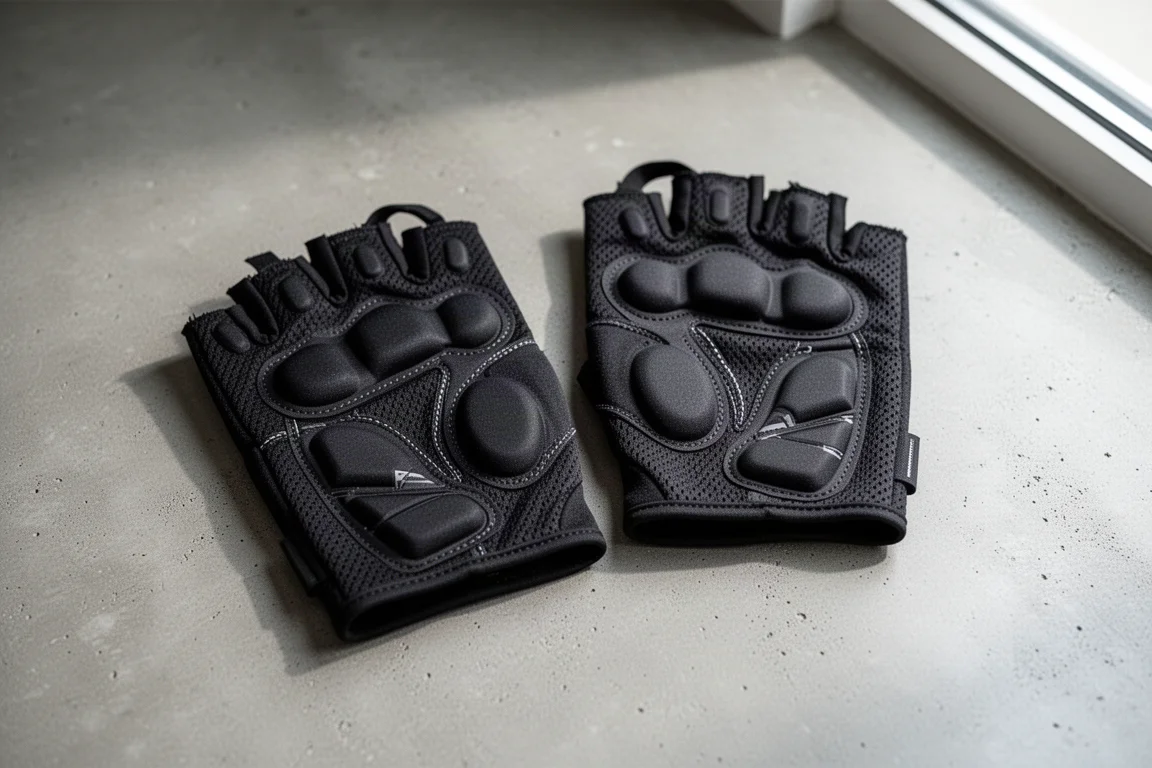
Gloves are treated as a minor sin in road cycling circles, but touring is a different discipline. Day after day in the saddle exposes the palms to a constant stream of handlebar vibration, and that accumulates into two recognisable problems: handlebar palsy, where feeling fades from the back two fingers, and carpal tunnel symptoms affecting the front three fingers and part of the fourth.
Padded gloves with vibration damping cover exactly the areas where those nerves sit, which keeps them from being aggravated and keeps your hands usable for the whole trip.
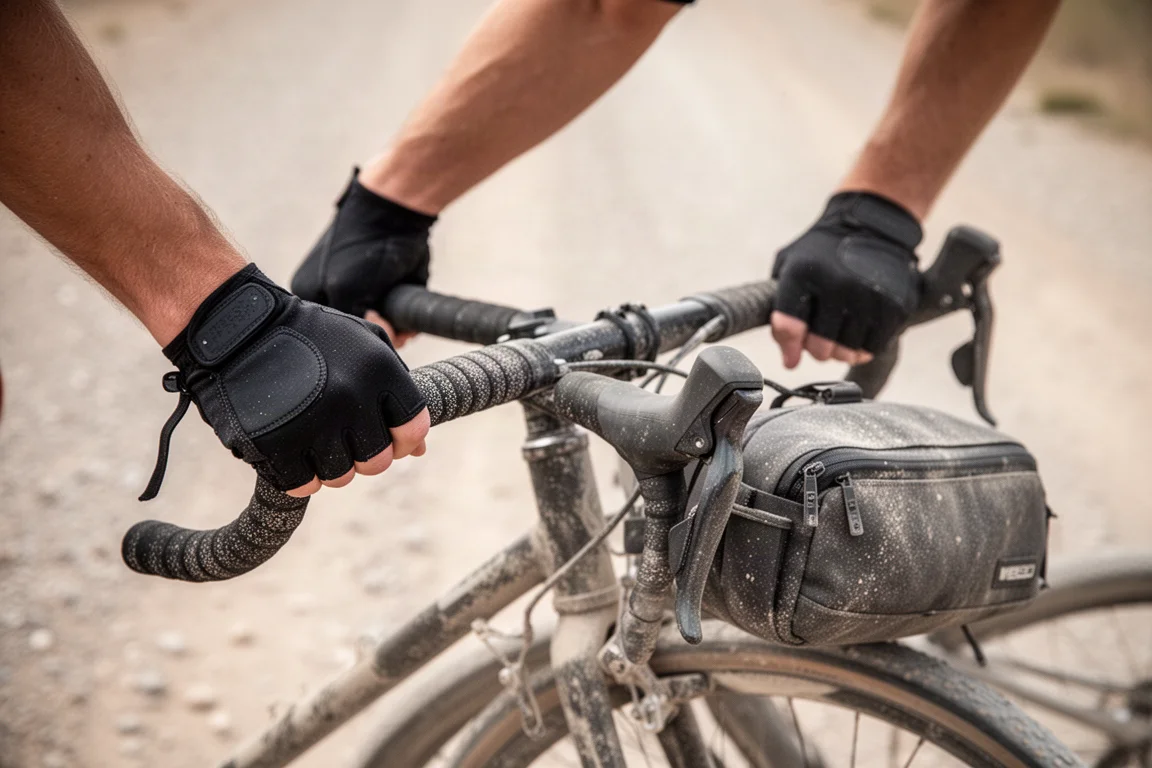
Castelli Endurance Gloves are built around that padded, damping brief, and Castelli offers separate men’s and women’s sizing rather than a single unisex fit. That is a meaningful detail for riders who have struggled to find gloves that sit correctly across the palm.
Supporting Essentials: Pedals, Tyres, and Kit That Does Double Duty
A few smaller choices round out a first-trip setup.
Dual-sided pedals, with a clip on one side and a flat platform on the other, are quietly valuable. If a cycling shoe fails, the flat side keeps the trip moving, which is exactly what happened on a 2,000 km stretch ridden in a pair of Crocs. The flat side also helps riders who are new to how a loaded bike moves, and it makes rough or steep terrain less intimidating, because putting a foot down stops being a drama.
Tyres are the other easy win. Fit the biggest rubber the frame will take, even on a road-based route. Wider tyres add grip and confidence on descents, cushion long days in the saddle, and reduce punctures, which means less time at the roadside with a pump. One rider’s setup runs 2.4 in front and 2.25 at the rear, with far fewer punctures and much more confidence on descents. On a first trip the bike already handles differently because of the luggage, so the change in tyre size is barely noticed.
Clothing should work on and off the bike. Tight-fitting jerseys get sweaty quickly and smell sooner, and they look out of place once you stop. Button-front shirts offer ventilation in the same way a jersey zip does, quick-dry long-sleeve shirts work well on the bike, and cotton t-shirts are best left at home because they hold sweat and odour.
Finally, a small mascot is worth the few grams. Something that starts a conversation turns a route through unfamiliar places into a series of encounters.
Packing, Comfort, and Recovery Notes
Two small items solve problems that only appear after several consecutive days of riding.
Ibuprofen gel is the practical answer to sore knees. Longer days on a heavier bike are not structural damage, they are inflammation, and a little gel in the evening helps settle it overnight so the next day is enjoyable rather than endured. Knee pain is common on a first trip precisely because the bike weighs more and the days are longer than usual.
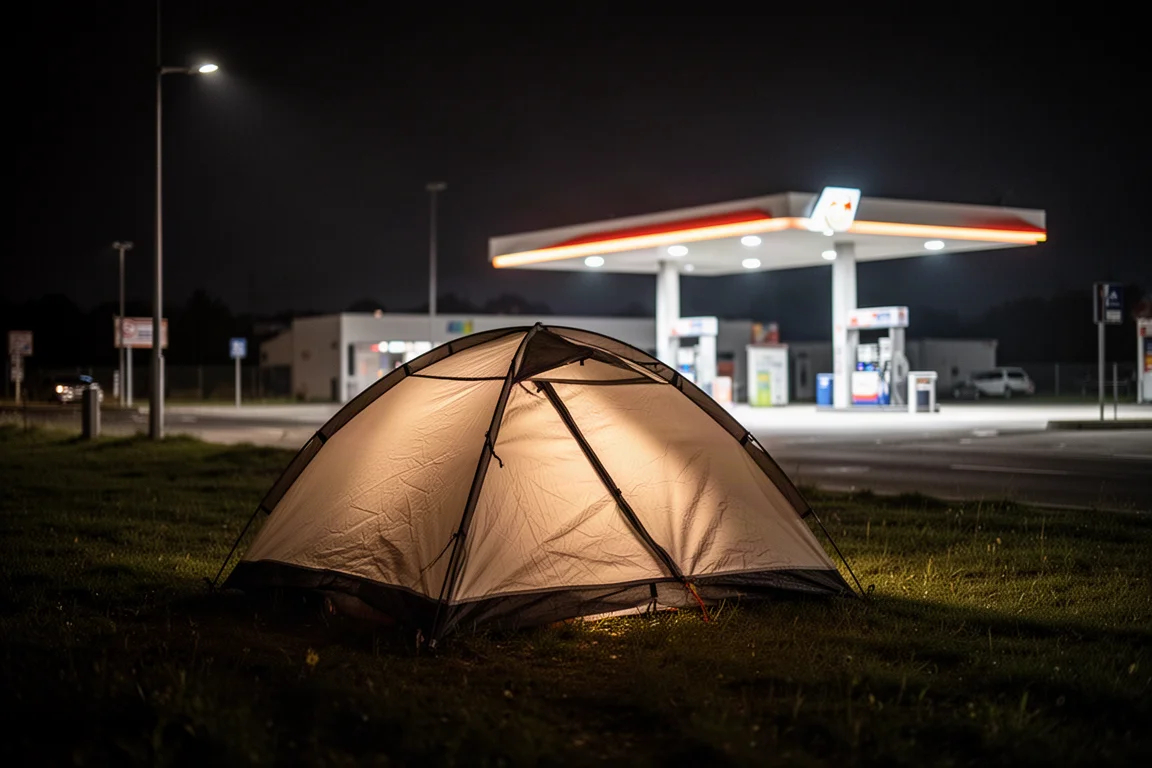
A simple neck buff covers three jobs. On dusty roads it works as a face filter. In cold or wet weather it wraps the lower face, especially when paired with a hat. And at a brightly lit campsite it becomes an eye mask, which matters more than you would expect when a petrol station forecourt glows through the tent all night.
Testing Your Setup Before You Leave
A perfect test pack on the bedroom floor is not enough. Lay everything out, pack it properly, then ride the bike. Test rides get skipped at every experience level, and even highly decorated long-distance riders admit to skipping them, which is why the step is worth protecting.
A loaded test ride surfaces the problems a static pack never will: shimmy, rattling bags, straps that rub, and the order in which you actually need to reach things. If camping is part of the plan, an overnight shakedown close to home is the most useful version of this test, because it also rehearses the camp routine in realistic conditions.
Buying Advice: Matching Essentials to Your Trip
Start with the bag. A 22-litre pannier is a sensible anchor for a first trip because it limits how much you can carry and encourages a distributed load. If your route involves camping equipment for several nights, be realistic about whether that capacity is enough, and plan to add small fork packs rather than replacing the pannier with one oversized bag.
Gloves are the cheapest comfort upgrade on this list, and they are worth buying early rather than after the numbness starts. Check the sizing carefully, and if you have had trouble with unisex gloves in the past, look for a brand that cuts separate men’s and women’s patterns.
Everything else can be layered in around those two purchases. Pedals, tyres and clothing all improve a trip, but the bag and the gloves are the items that change how the bike feels and how your hands feel at the end of a long day.
Conclusion
Bikepacking rewards restraint. A smaller, durable pannier keeps the load balanced and the bike predictable, and a padded pair of gloves keeps your hands working through weeks of riding. Get those two right, add the supporting essentials as your route demands, and a first trip becomes far more about the riding than about the problems.
Further reading
Related Reviews
Bikepacking Gear
11 Bikepacking Essentials for Long-Distance Cycling
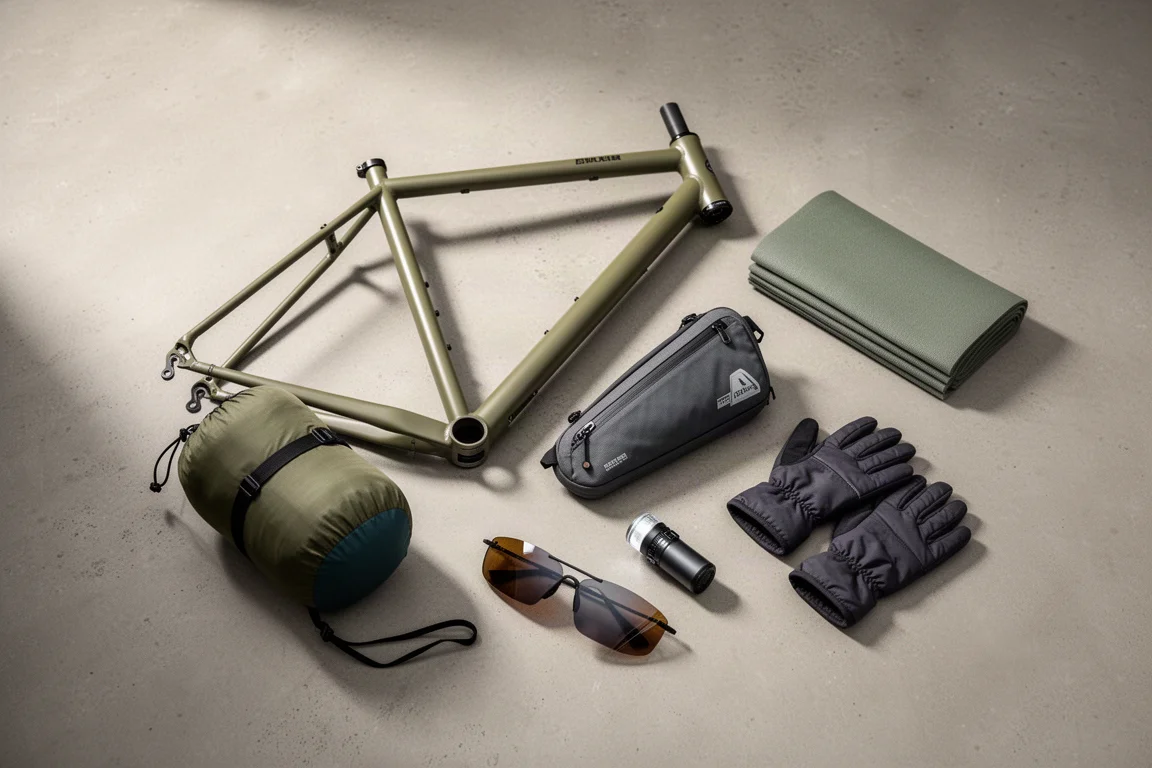
Eleven bikepacking essentials for long-distance cycling, from a steel gravel frame and a two-person tent to helmet lights, packable gloves, and a frame bag that puts weight in the right place.
Bikepacking Gear
Best Bikepacking Gear 2026: 11 Essentials Worth Carrying
A practical look at bikepacking kit that earned its place on long rides, from a solar bike computer and basket packing to bar bags, bivvies and gravel shoes.
Bikepacking Gear
Best Bikepacking Gear: 10 Field-Tested Picks for Long-Distance Rides
Ten bikepacking products that earn their place on long rides, from a steel gravel frame to packable gloves, with the strengths and trade-offs worth knowing.