Cycling Gear
Bike Upgrades Worth Skipping: Nine Common Purchases and What to Buy Instead
Nine popular bike upgrades that rarely pay off, plus the mid-range parts and sensible alternatives that deliver better value for the money.
Introduction
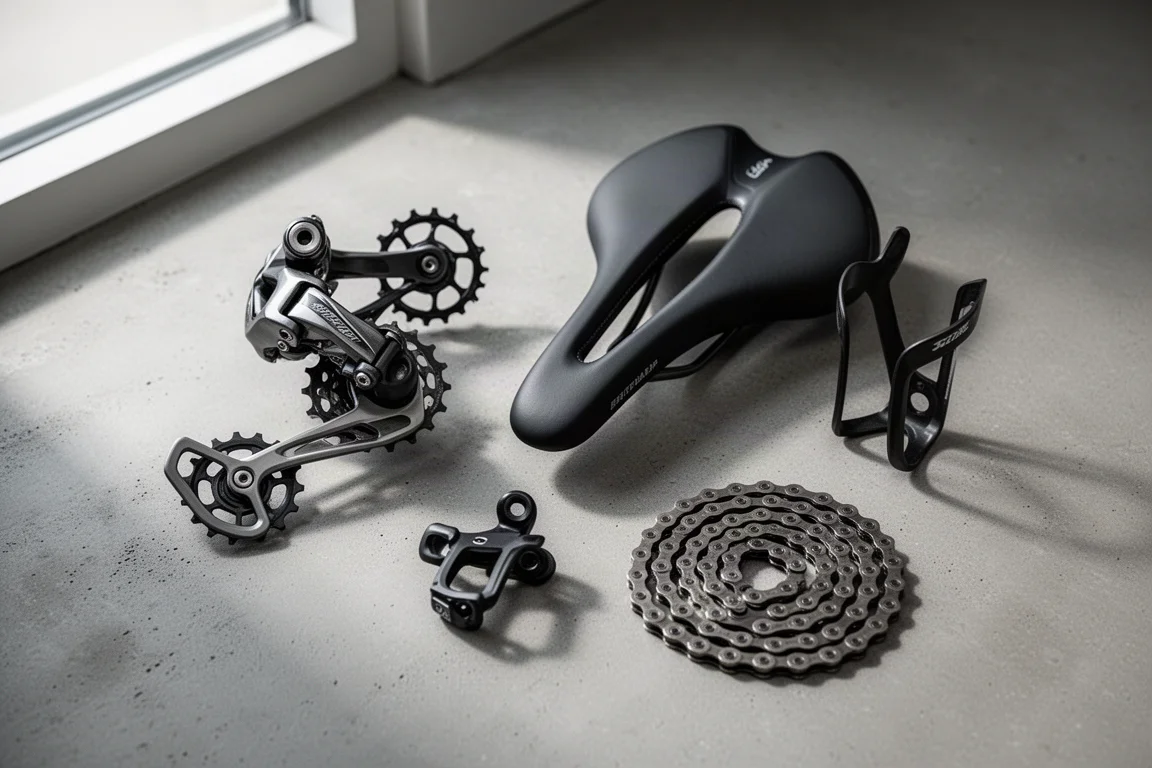
Nine upgrades that look like obvious performance wins often deliver very little for the money. Oversized pulley wheels, ceramic bearings, 3D-printed saddles, cycling-specific cleaners, carbon bottle cages, carbon chainrings, super-expensive low-friction chains, pre-glued patch kits and rushed groupset swaps all fall into the same trap: they are easy to buy and hard to justify.
None of them are forbidden. It is your bike, and if you like how a part looks or how it feels, that is a legitimate reason to buy it. The point is the order in which you spend, so the money that goes into your bike actually changes how it rides.
How to Judge Whether an Upgrade Is Worth It
The useful question is return on investment. Some upgrades change how the bike feels straight away, and some only show up in a test report. Parts that wear out, such as chains and bearings, are especially hard to justify at premium prices, because the benefit disappears as soon as they wear.
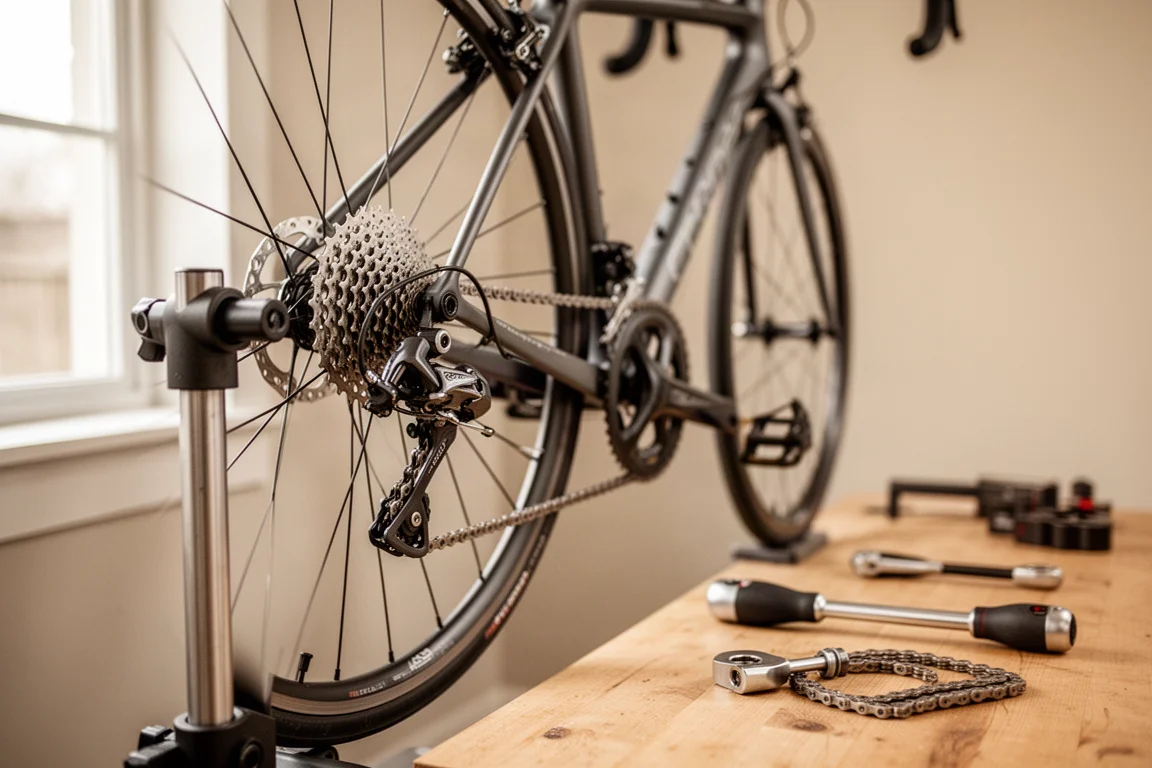
Before spending on any of the items below, it makes more sense to look at aero clothing, aero wheels, your own position on the bike, and even chain lube. Those are the changes most riders notice first.
Oversized Pulley Wheels: Bigger Is Not Automatically Faster
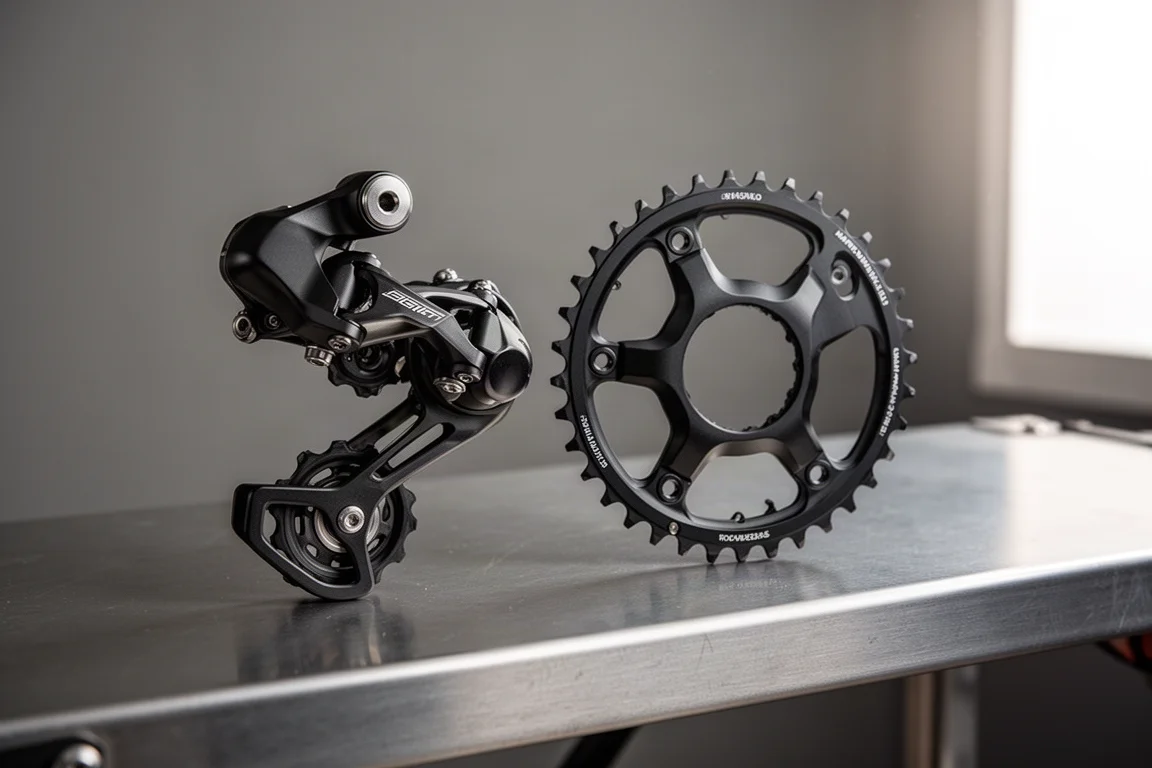
Oversized pulley wheels replace the standard jockey wheels on a rear derailleur with a larger diameter pair. The theory is sound: a bigger pulley reduces drivetrain friction, in the same way a larger front chainring lets you go faster for the same effort. In practice the gains are tiny. The best case is around three watts, and the derailleur was never designed for the modification, so shifting quality at the rear can suffer.
Most versions sell for around 400 to 500 pounds, and special editions reach 1,500 pounds. Ceramic versions and cheap imitations exist, and the cheap ones are best avoided. Stock jockey wheels on higher-end groupsets are very good now, and the latest SRAM Red groupset even ships with an oversized pulley wheel of its own.
Ceramic Bearings: When the Extra Cost Is Justified
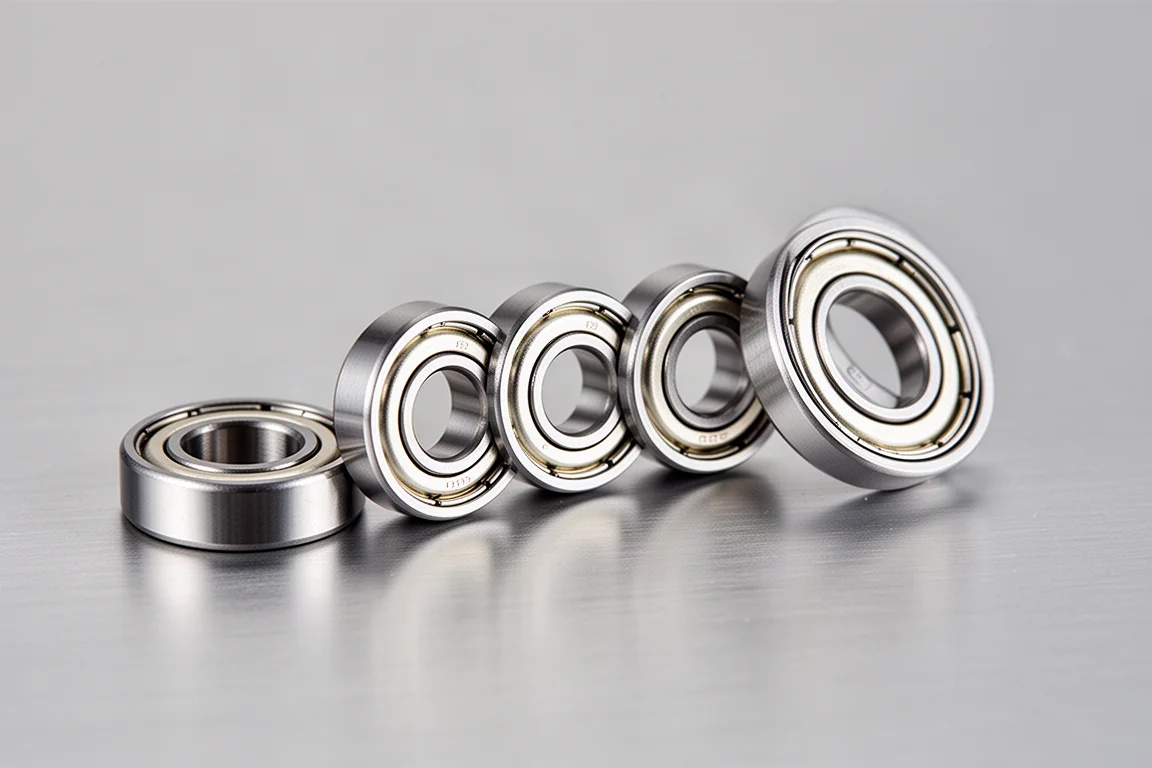
Bearings appear in the headset, the bottom bracket, the wheels and the pulley wheels. Most modern bikes use sealed bearings with small ball bearings rolling around an outer race. That movement creates friction and gradual wear, and contamination or corrosion speeds the process up.
Ceramic bearings resist corrosion better and run with lower friction, which sounds like an easy win. The catch is the race. With the exception of jockey wheels, ceramic bearings still use a steel race, and steel is softer than the ceramic balls. The balls wear a groove or pit into the race, so the bearing wears out anyway. For most riders it is not money well spent.

There is one notable exception. The Enduro XD5 uses nitrogen-infused steel and is reported to resist wear exceptionally well, which is unusual for a bearing. It also carries a very large premium. If you do decide to go ceramic, choose a supplier with a solid warranty, and leave bearings until the end of your upgrade list.
3D-Printed Saddles: Expensive Does Not Mean Comfortable
3D printing lets a manufacturer vary the hardness across a saddle using a lattice structure, so some areas are firmer and others softer. It is genuinely interesting technology, and several established saddle makers now offer printed versions of their existing shapes. It is also very expensive.
Printing does not make a saddle comfortable by itself. Take one clear example: the 3D-printed version of the SLR Boost costs more than the top-end carbon version and weighs around 44 g more than the carbon model it is based on.
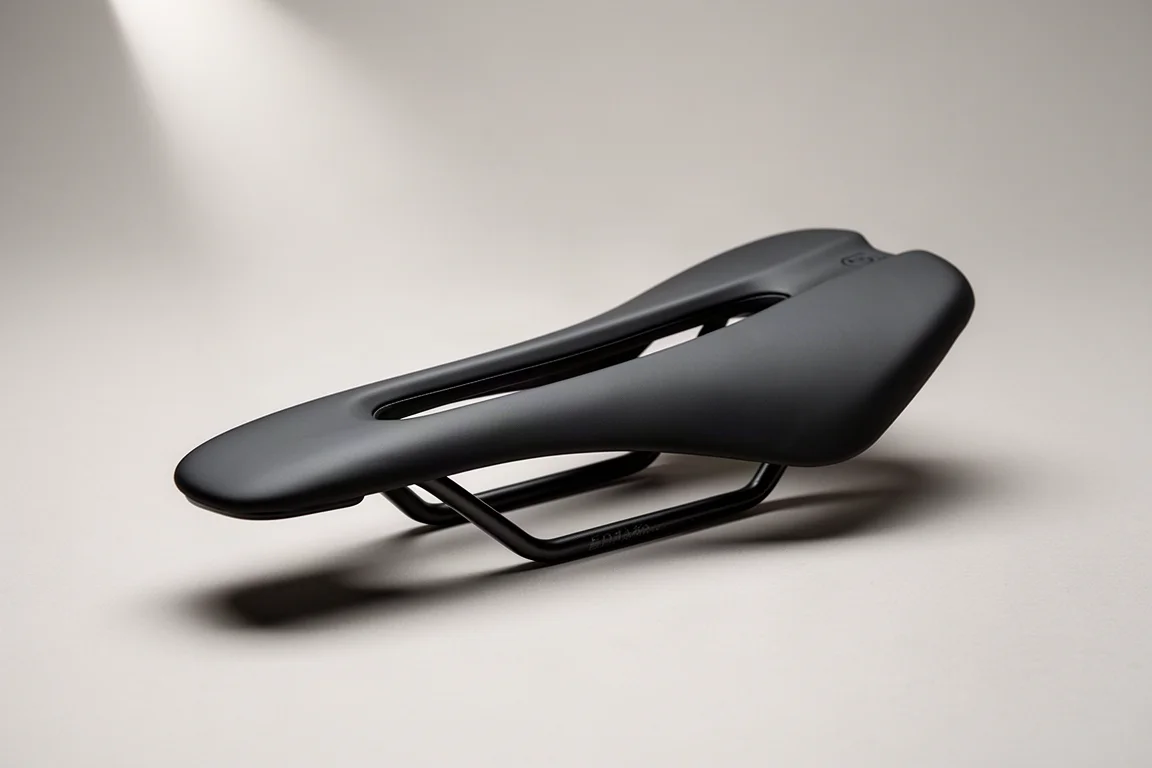
Proven Saddle Shapes: The Specialized Romin
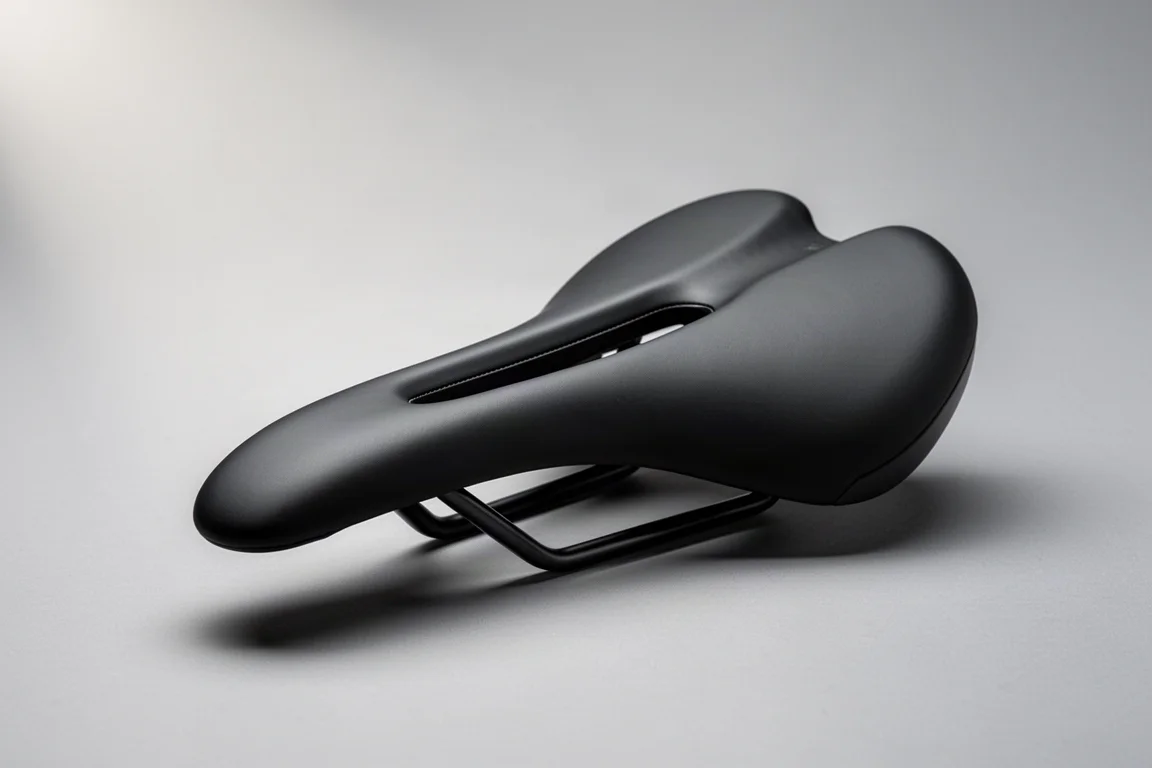
If you are struggling with saddle comfort, start with a fairly flat traditional saddle with a large cutout in the middle running as a pressure-relief channel. That shape is a sensible baseline for most riders and costs far less than the printed alternatives. The Specialized Romin is one of the well-known examples of that profile, and there are similar shapes from other established saddle makers.
Cycling-Specific Cleaning Products: What You Actually Need
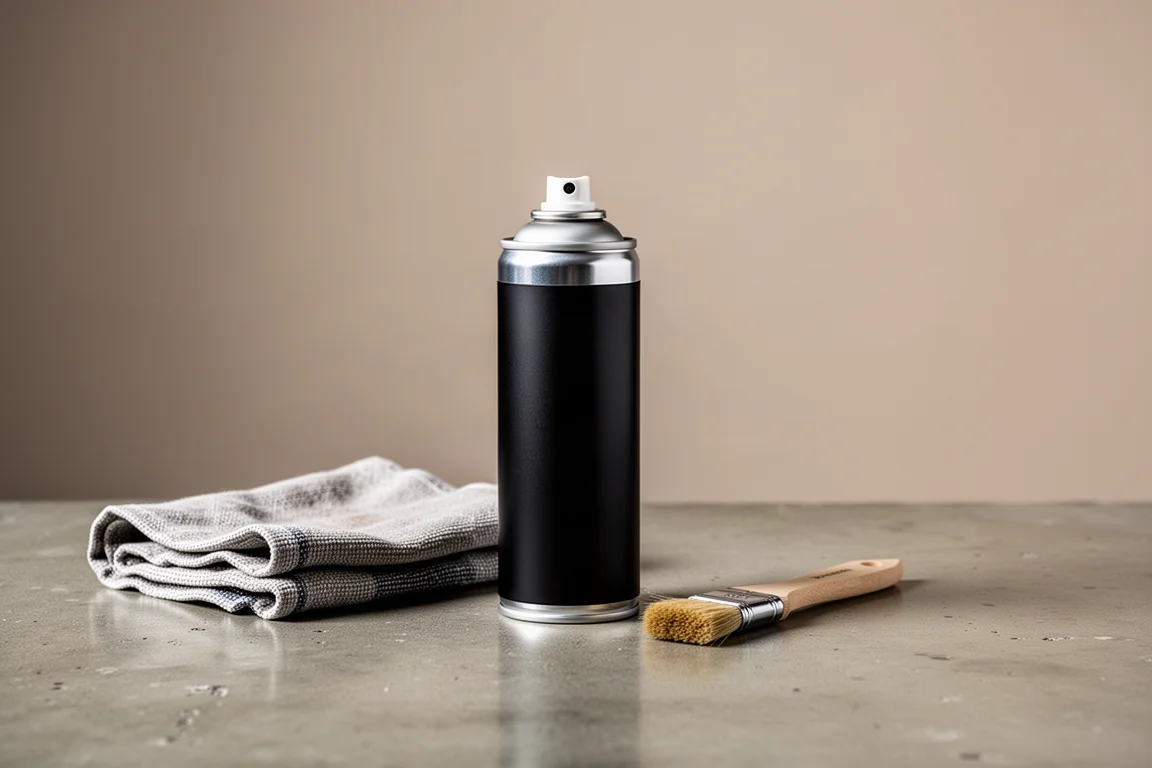
Cleaning products sold specifically for bikes are generally more expensive than they need to be. A cycling-specific water displacer can cost around 47 percent more than a general-purpose water displacer bought from a hardware store, and a cycling-specific bike wash can cost around 78 percent more than car shampoo from a tool or hardware shop.
The formulas are slightly different, but the difference in practice is small. GT85 is a water displacer stocked by most hardware stores, and it does the same job as the cycling-specific versions for less. Washing-up liquid also cleans a bike well, and the salts it contains are not the type that scratch paintwork. A biodegradable car shampoo is a good bet, and a large container lasts a long time.
Carbon Bottle Cages: A Material That Does Not Belong Here
Carbon fibre is a great material for frames and wheels, but bottle cages are a poor application. Any surface where one part moves against another is a bad place for carbon, because it does not abrade well. Repeatedly inserting and removing a bottle grinds the material down until it turns to powder, and the cage will usually crack or snap.
Misjudging a bottle during a fast group ride or a race finishes the job quickly. Many cages sold as carbon are actually a nylon and carbon blend, and those hold up far better, so check what a cage is really made of before buying. A description of “full carbon” is worth treating with caution.
There is nothing wrong with plastic bottle cages, and some are very light these days. If you want a cage that grips a bottle tightly, steel cages can be bent so they hold it exactly how you want.
Carbon Chainrings: A Race-Day Item at Best
Chainrings with carbon fibre teeth are a bad idea. They save a few grams and can be shaped for aerodynamics, but carbon abrades quickly, so the teeth wear away or chip. The tips of the teeth are usually the first part to go, even on an aluminium chainring, and once they are gone you risk dropping the chain or losing reliable front shifting. Expect a few hundred miles of use at best, which makes these a race-day item only.
Hybrid chainrings are a different proposition: the base is carbon fibre but the teeth are alloy, which avoids the problem entirely. If you want a genuine race-day gain, aero socks are a far better use of the money.
Super-Expensive Low-Friction Chains
A premium low-friction chain offers a very low return on investment, and it is a consumable. Any advantage disappears once the chain gets dirty or rusty, which happens quickly in normal riding. Buying several cheaper chains and replacing them more often is the more practical approach. If you want speed, a well-fitting skinsuit is a better purchase.
Pre-Glued Patch Kits: A Small Change That Saves Rides
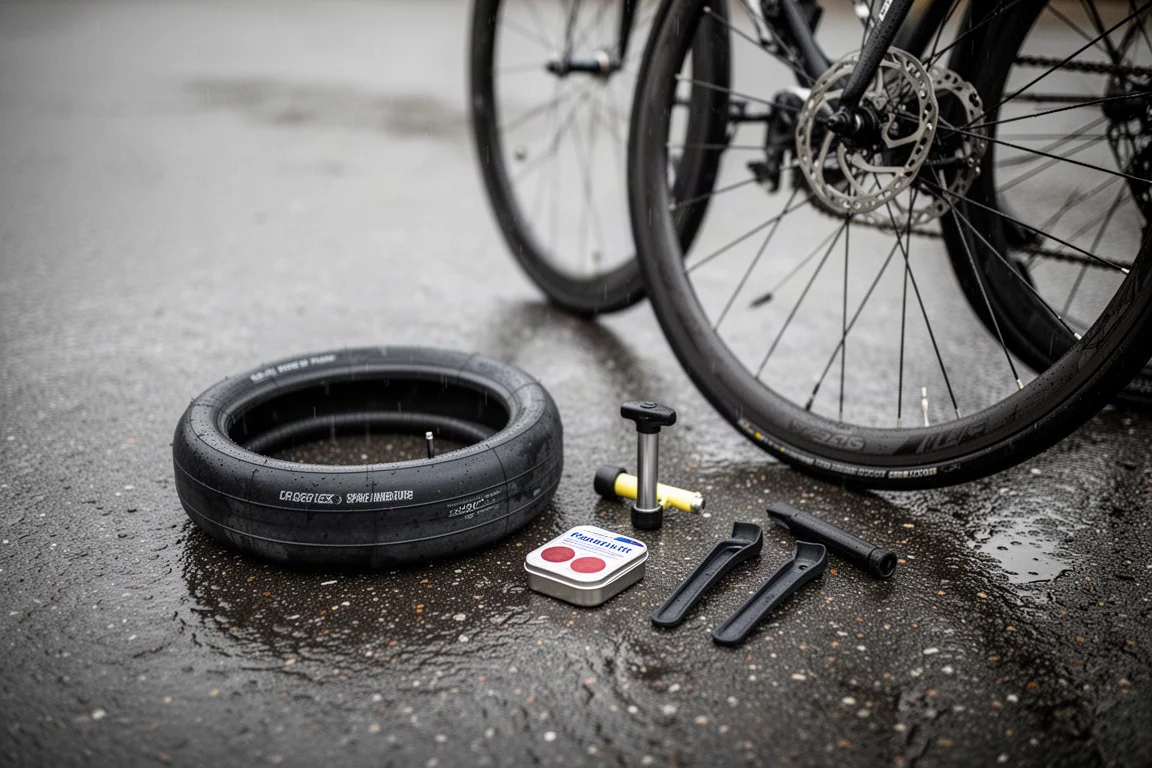
Patch kits are not strictly an upgrade, but pre-glued patches are worth avoiding. They often fail to stick properly, which can leave you at the side of the road in the rain patching the same tube more than once on a single ride. A kit with a separate little tube of glue takes about 30 seconds more effort, and the patches hold securely, so there is no repeat puncture two miles later and your riding companions stay happy.
Groupset Upgrades: When They Are Worth It and When They Are Not
Groupsets are one of the last things worth upgrading. Moving from an entry-level setup to something like Shimano Claris is a worthwhile step, because it removes the awkwardly placed shifter buttons found on the cheapest groups and makes the controls properly reachable. Beyond that, the returns shrink quickly.
Going from an 11-speed electronic groupset to its 12-speed replacement, for example from Shimano Ultegra 11-speed to Shimano Ultegra 12-speed, adds one gear and little else. It will not change how the bike feels to ride. Testing identical bike setups with different groupsets shows the same thing: a good frame and good wheels feel excellent regardless of the groupset bolted to them.
Shimano Tiagra: A Mid-Range Groupset That Delivers
Mid-range groupsets are genuinely strong now, and Shimano Tiagra is a good example of the value available in the middle of the range. It shifts well, and because it has fewer speeds than the top-end groups, replacement cassettes and chains cost less when they wear out. The range is expected to be replaced by Shimano CUES at some point, which is worth knowing if you are shopping for a deal.
SRAM Apex 1: Proof That Mid-Range Is Enough
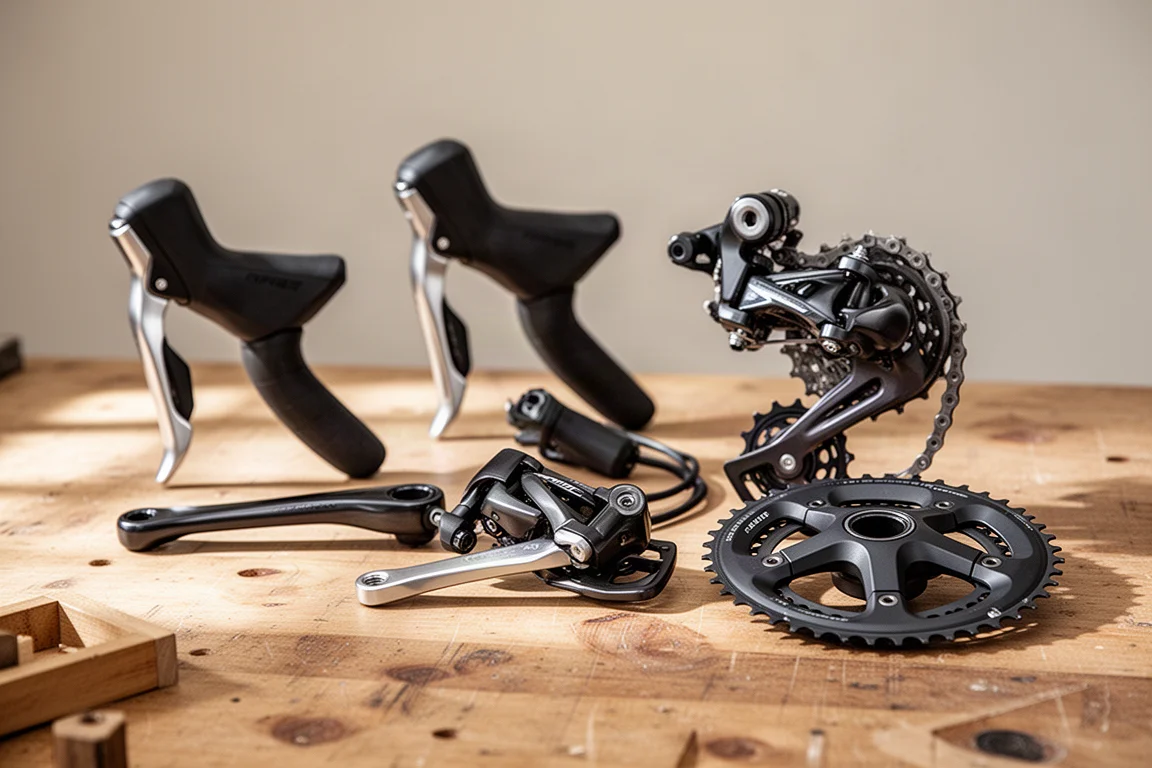
SRAM Apex 1 makes the same point. It has been ridden the full length of Malaysia without a single issue, which is a useful reminder that dependable performance does not require the most expensive option. For riders who want a groupset that simply works, it is a sensible place to look.
Buying Advice: The Order That Makes Sense
Spend in an order that changes how the bike feels. Position, clothing, wheels and chain lube come before ceramic bearings and oversized pulley wheels. Replace worn consumables with good value parts rather than premium ones, and leave groupset swaps until everything else is settled.

Two further habits save money. Check what a component is actually made of before paying for a material name, and prefer parts that are designed to work together over third-party modifications that compromise shifting. If a part is genuinely worn out, replacing it is always worthwhile; the only question is how much to spend on the replacement.
Conclusion
Nine common upgrades, one consistent theme: the biggest gains rarely come from the most expensive parts. Entry-level and mid-range components are better than they have ever been, and the money saved by skipping oversized pulley wheels, ceramic bearings, printed saddles, cycling-specific cleaners, carbon cages, carbon chainrings, premium chains, pre-glued patches and unnecessary groupset swaps can go towards the changes you will actually notice.
Further reading
Related Reviews
Cycling Gear
8 Cycling Products Riders Keep Coming Back To
Eight cycling components and accessories with clear strengths, honest trade-offs and long-standing reputations among riders and mechanics.
Cycling Gear
Aero Helmets and Bottle Setups Tested: Six Options Ranked by Measured Watt Savings
Wind tunnel data on six aero helmets and bottle setups, with real watt savings, practical trade-offs, and guidance on what is worth buying first.
Cycling Gear
Aero Road Bikes and Fast Tires Worth Watching in 2026
Four aero road bikes and one fast road tire, with the real strengths, the open questions, and what to check before you buy.