Cycling Gear
Bike Trip Essentials: 7 Repair and Strap Items Worth Packing
A practical shortlist of straps, tools and tire repair items that make bikepacking and touring trips easier to recover from.
Introduction
Bike trips have a way of turning small mechanical problems into very long days. A snapped chain, a cut tire or a strap that lets go forty kilometres from the nearest town can end a ride early, and the fix is usually something small enough to have been carried all along.
This shortlist covers seven items that earn their place in a bikepacking or touring setup. Some of them solve the failures that genuinely happen on the road. Others simply make everything else on the bike easier to live with, which matters just as much over a multi-week trip.
What to Look For in Bike Trip Repair Essentials
Three things separate a kit that helps from a kit that just adds weight. The first is versatility, because the best items do several jobs rather than one. A strap that holds a spare tire to a fork can also hold a bag out of the way or lash a pair of shoes to the outside of a pack. A multi-tool with pliers covers far more ground than a single-purpose spanner.
The second is compatibility, and this is where bike trip packing gets annoying. Hangers, brake pad shapes and quick links are not universal, so the part you carry has to be the part your bike actually takes. Checking the manufacturer’s technical documentation before you leave is worth more than any amount of improvisation at the roadside.
The third is peace of mind. Several of the cheapest items in a kit are there for failures that may never happen, but the cost of carrying them is measured in grams while the cost of not carrying them is measured in abandoned plans.
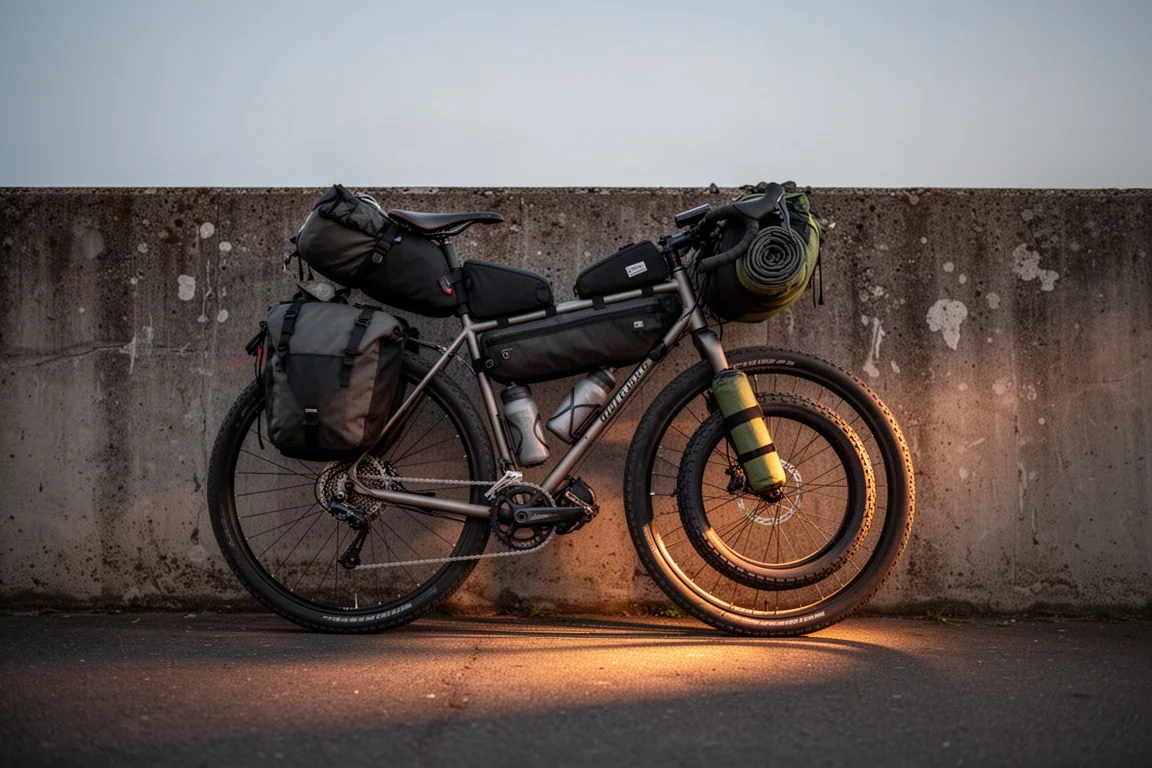
Weight and packability round out the picture. A loaded touring bike wears parts faster than an unladen one, so brake pads and cables deserve more attention than they get on day rides, and anything that can be strapped to the outside of the bike saves space inside your bags.
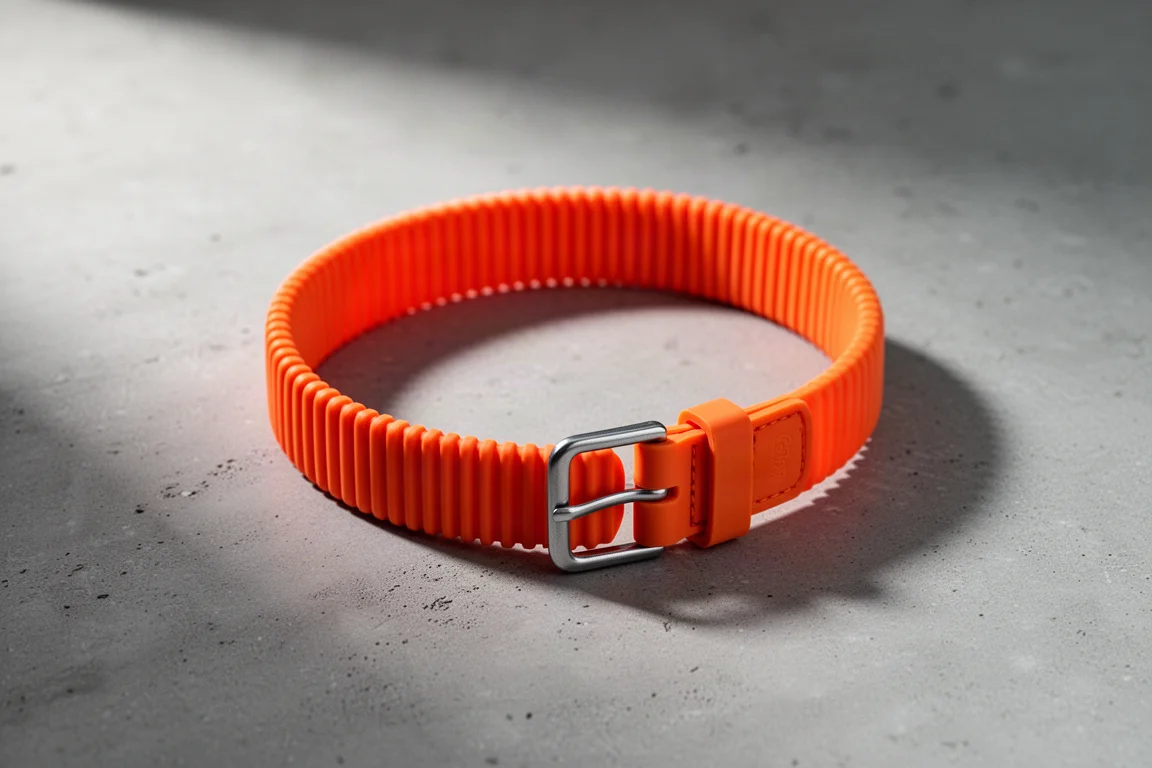
Black Diamond Ski Straps: Strap Almost Anything to a Bike
These are very stretchy and hardwearing straps that were originally designed to hold skis together. Cyclists adopted them because they do something the original design never intended: they lash almost anything to almost any part of a bike.
In practice that means a spare tire on the outside of a bag, shoes strapped to the exterior of a rear pack, inner tubes fixed to the down tube, or an entire extra bag added to the top of a rear load. The stretch makes them forgiving of odd shapes and awkward anchor points.
Tailfin Straps: A Less Stretchy Alternative
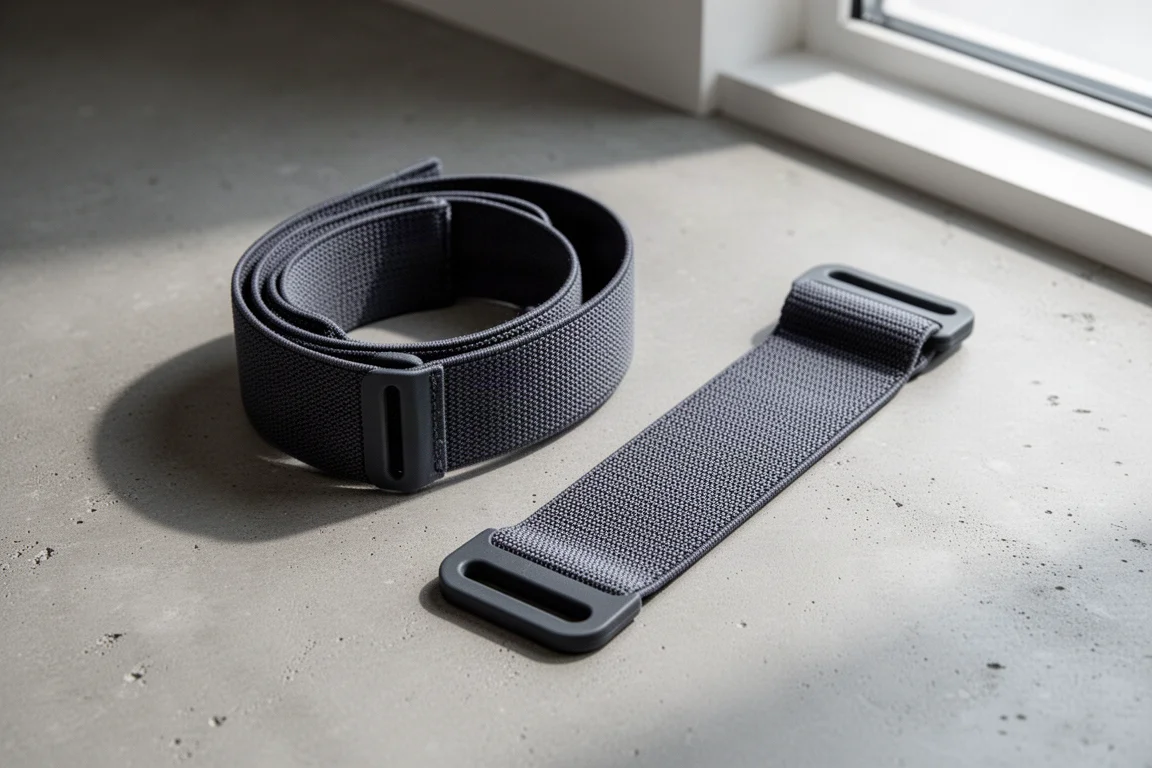
These straps became popular enough with cyclists that Tailfin produced their own version. They are slightly less stretchy than the ski straps, but they perform the same job and suit riders who prefer a firmer, more controlled wrap around a load.
If you already carry a strap-based attachment system, these are a sensible companion rather than a replacement, and having a couple of spares costs almost nothing in pack space.
Voile Straps: Another Strap Option
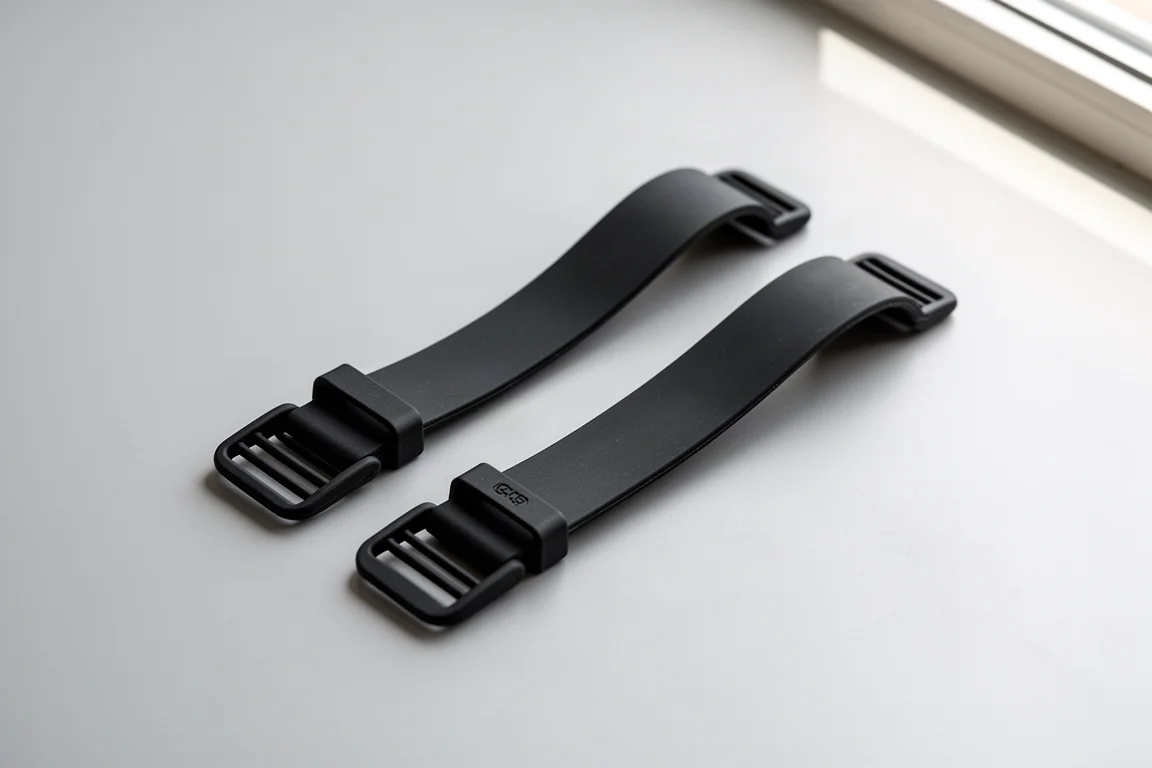
Voile is another brand that makes straps for the same purpose. They are a widely recognised alternative in the same category, and the same logic applies: a couple of stretchy straps in a bag will find a use on nearly every trip.
Park Tool Multi-Tool: Chain Breaker and Trailside Repairs
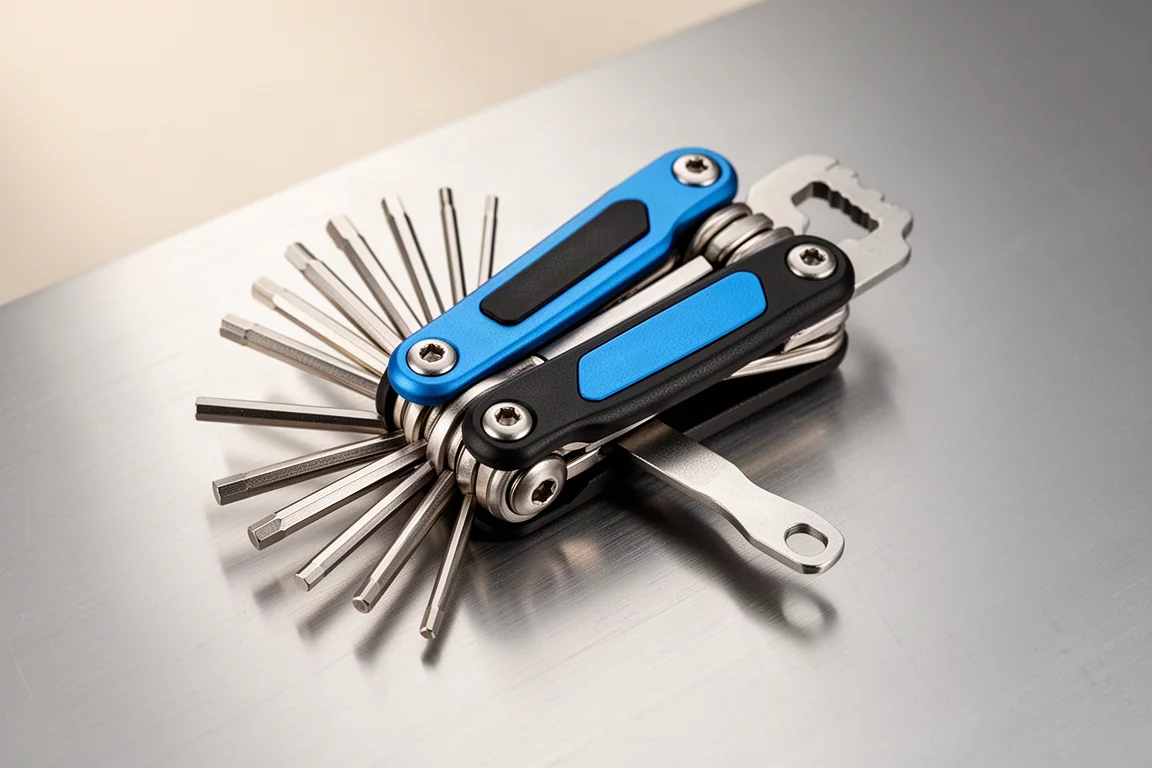
If you run a bicycle chain, and almost every touring setup does, a small chain breaking device belongs in your kit. This multi-tool includes one. The idea is straightforward: if your chain snaps, you remove the damaged link and reattach the chain by pushing a pin halfway out and then back in.
A dedicated chain breaker is easier to hold and easier to use than the version built into a multi-tool, so if weight and space are not a concern, that is a reasonable upgrade to consider.
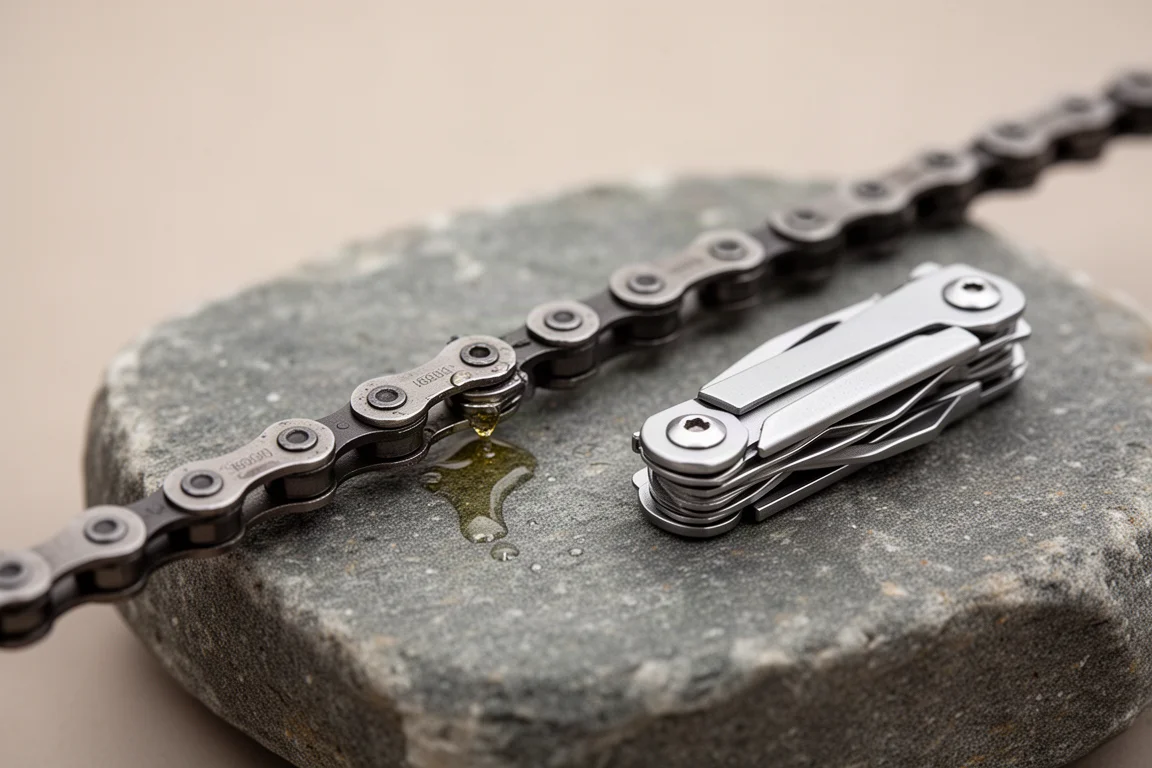
Pushing a pin almost all the way out and then back in is not a manufacturer-recommended repair. It is an emergency measure to get you home, which is why a quick link belongs in the same pouch. The link needs to match the speed of your chain. On very long trips, carrying several quick links and a whole spare chain is a sensible margin.
The same multi-tool is also what you will reach for when reassembling a bike after a flight, ideally alongside a small pedal spanner. Some riders carry two multi-tools simply because they are easy to lose.
Leatherman Wave Plus: Pliers First, Everything Else Second
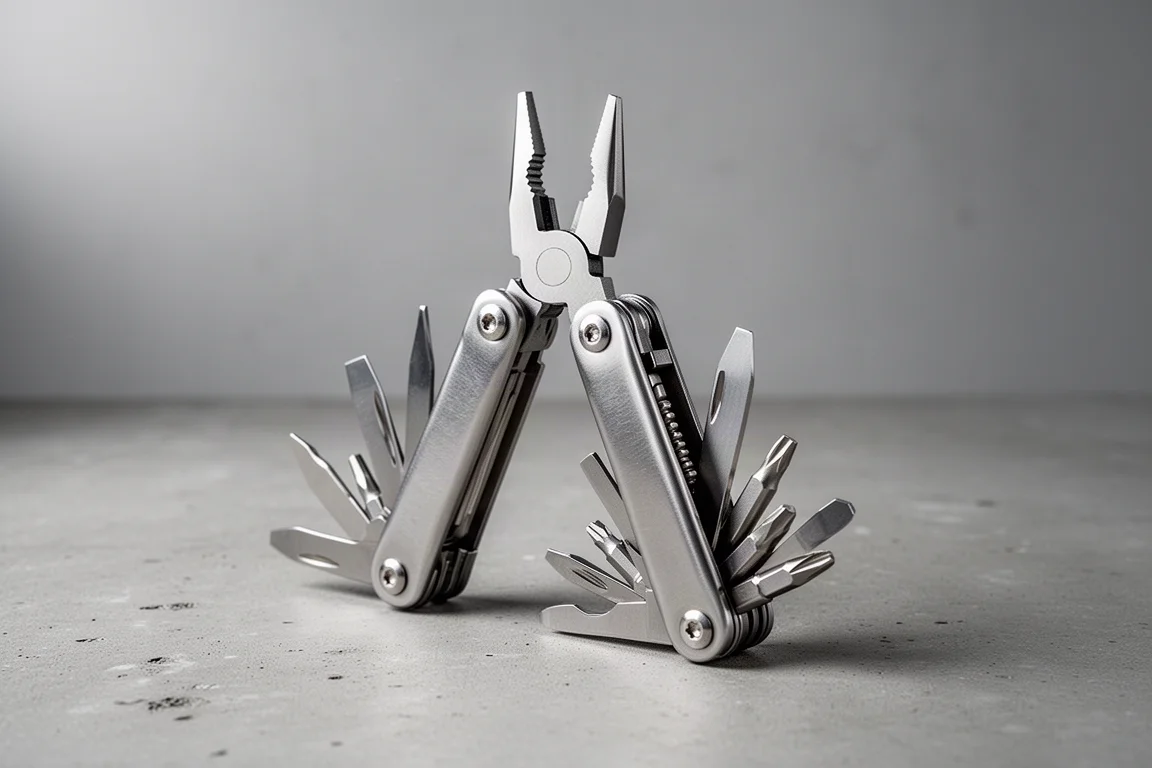
This one is not cheap, but it is the kind of purchase that lasts a lifetime. The Wave Plus is built around a pair of pliers, and pliers turn out to be useful for a surprising range of bike jobs: undoing valve caps, pulling cables back into tension, and bending bent things back into shape.
Around those pliers sits a fully fledged multi-tool with knives, screwdrivers and extra Allen keys. The Allen keys duplicate what a cycling multi-tool already provides, but if you lose your bike tool, they are an excellent backup. Build quality is high enough that you are not going to round off your bolts with them.
Park Tool Patch Kit: Glue-Based Tube Repair
A patch kit with glue is the reliable option here. Pre-glued patches have a habit of not working well, whereas a kit with proper rubber cement gives a repair that holds. The Park Tool kit is a good example: it includes the glue and a small piece of sandpaper for roughing up the inner tube before the patch goes on.
Used properly, this keeps inner tubes in service for a very long time, with multiple patches layered over the life of the tube. It is one of the most economical items you can carry, and the same thinking applies to spare tubes: even on a tubeless setup, a tube or two is what gets you riding again if plugs fail to seal.
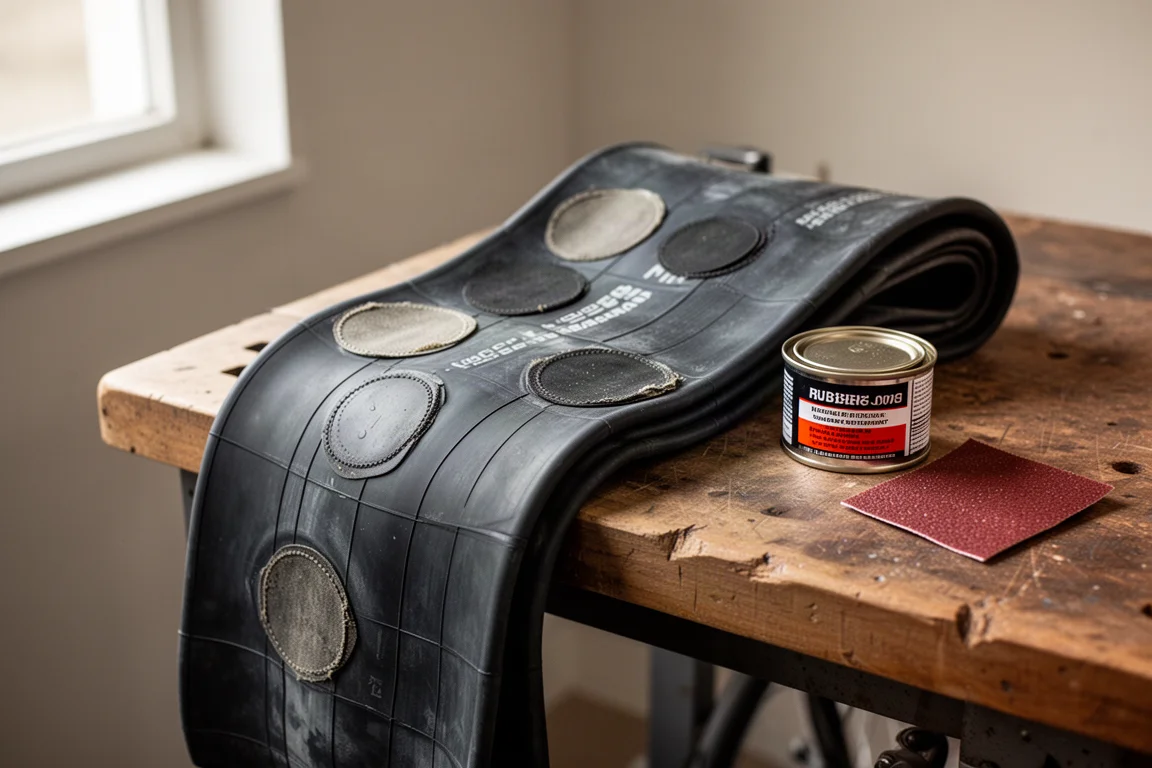
Patching is a job worth practising at home before a trip. Knowing how much cement to use and how long to let it tack up makes the difference between a repair that lasts the rest of the tour and one that fails an hour later.
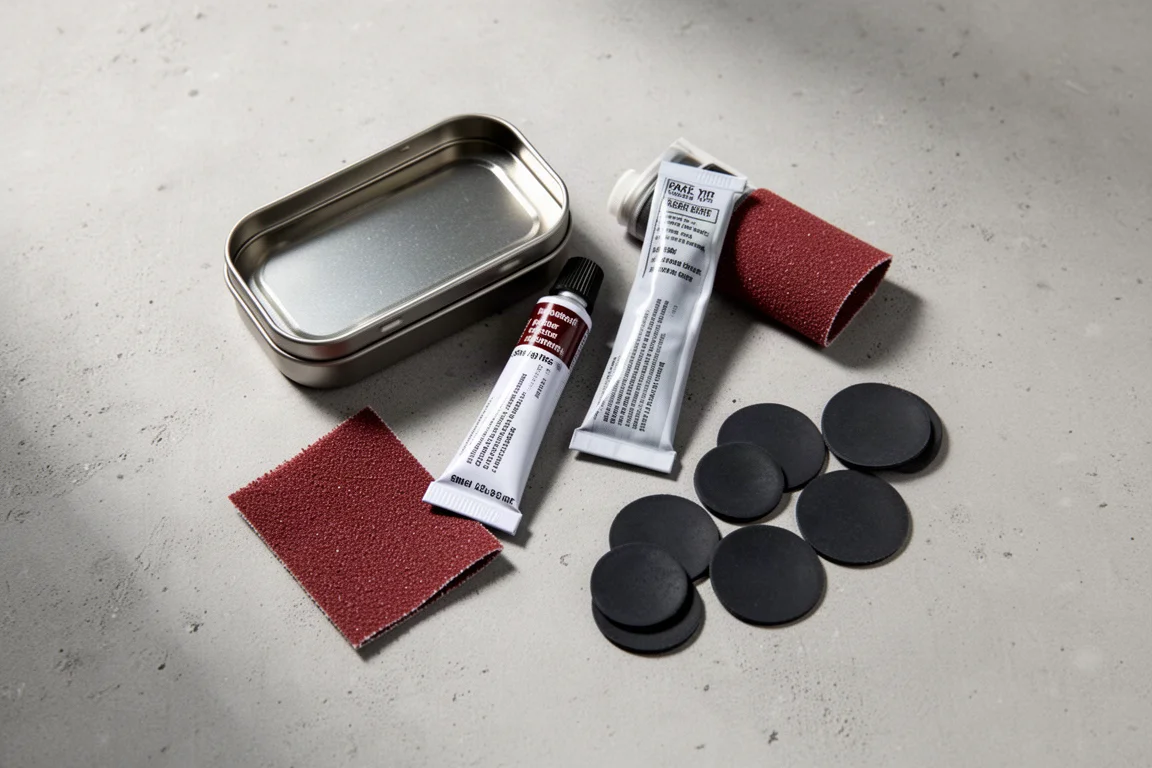
Restrap Boot Kit: Fixing a Cut Tire From the Inside
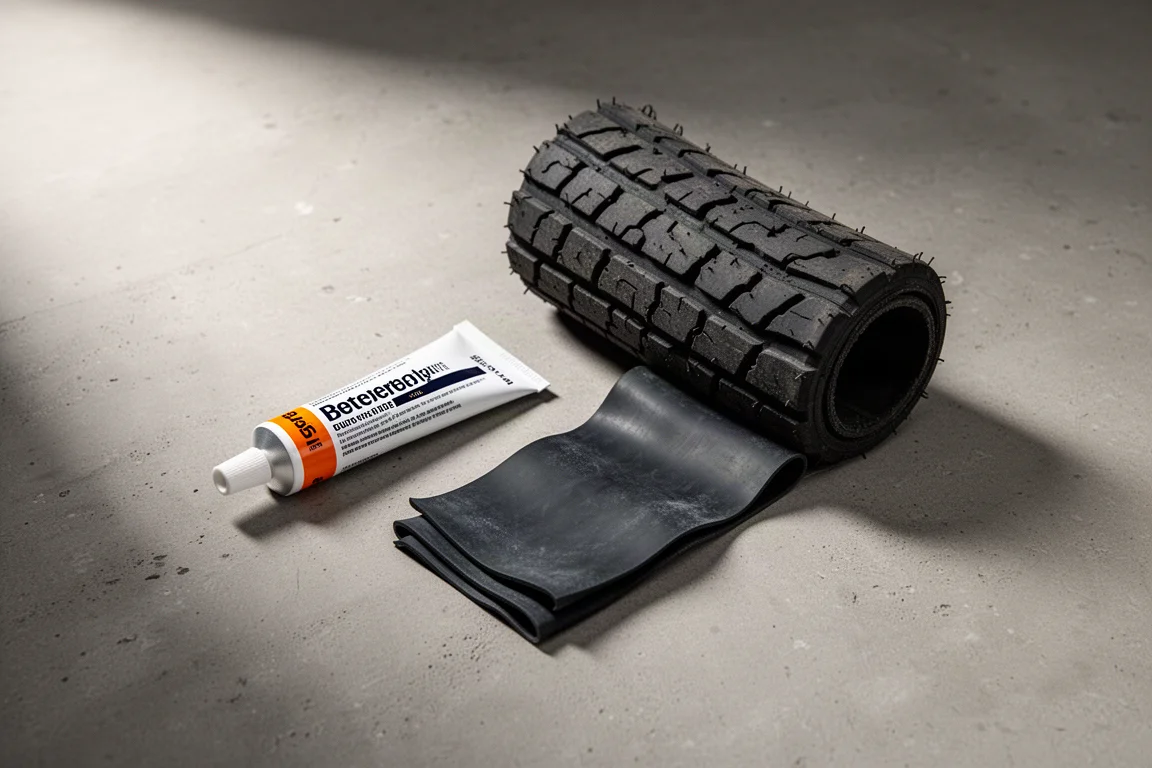
A boot kit follows the same principle as a patch kit, but it repairs the tire rather than the tube. When a cut or hole is too large for the tire to seal, a boot goes on the inside of the tire. The kit comes with a small tube of glue: you tear off a boot, stick it to the inside of the tire, then fit an inner tube, which pushes the boot flat and stops it from poking back through the hole.
A bank note or an empty energy bar wrapper can stand in for a boot in a pinch, but a purpose-made thick boot is a nicer thing to have when the damage is serious. This Restrap kit is the version to look for if you want the proper item rather than an improvisation.
Buying Advice: Matching the Kit to Your Trip
Start with compatibility, because it is the part you cannot fix later. Derailleur hangers are not universal, so check your manufacturer’s website or technical documentation for the correct one. Disc brake pads come in many shapes, and the set you carry has to match your calipers. Quick links have to match your chain speed. Get these three right and the rest of the kit becomes much more forgiving.
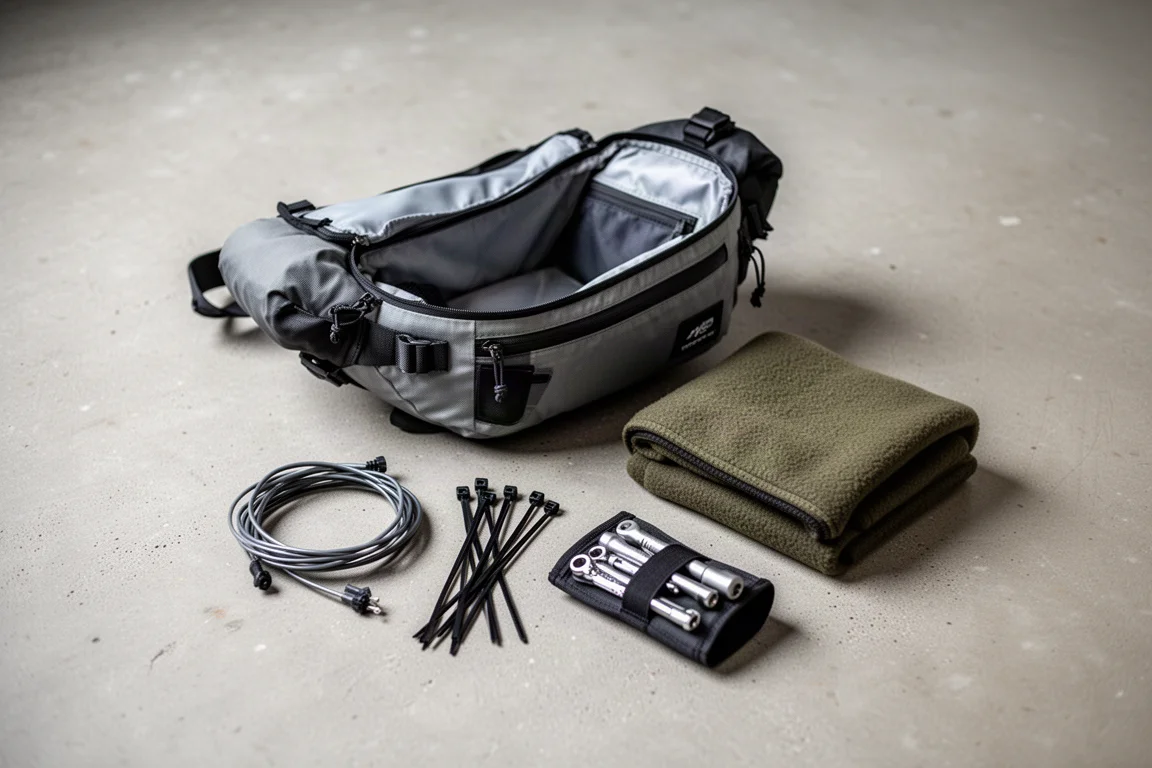
For mechanically operated gears and brakes, spare brake cables and spare gear cables are essential to roadside repairs. Carrying just the inners is enough. This is a piece of mind purchase that many riders never actually use, but cables do snap and fray, and the price difference between a fancy set and a basic set from a local bike shop is small.
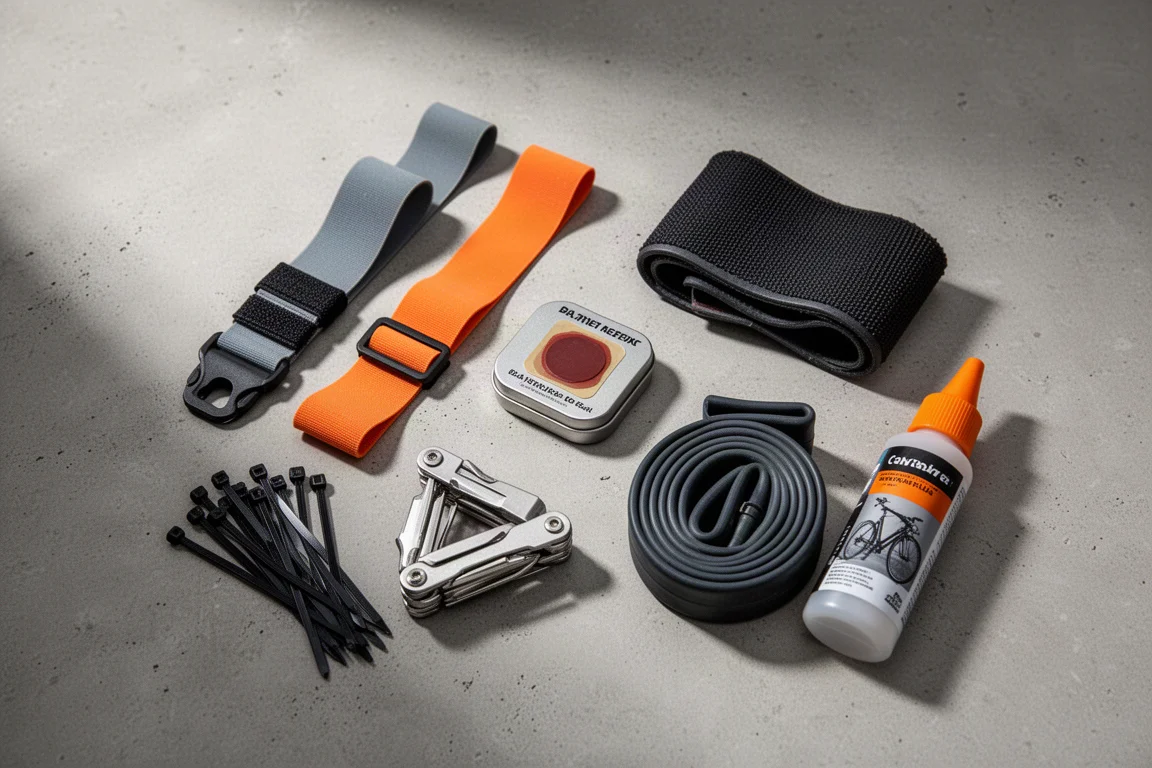
A few other items round out a trip kit. A full bottle of chain lube is worth the weight because it does far more than lubricate a chain: it also frees up bag zips, quietens the contact point where a cleat engages a pedal, loosens derailleur pivot points, and revives a dusty mini pump or a rusty multi-tool. A handful of zip ties covers splinting, attaching gear to the outside of the bike and holding a bag away from your legs. A warm layer belongs in the bag even for hot destinations, since mountain passes and desert nights get genuinely cold. A universal plug adapter replaces a drawer full of country-specific ones. A spare tire strapped to the forks is cheap insurance, especially given how much time can disappear trying to source a replacement mid-trip. Brake pads wear faster on a loaded bike, so a spare set protects your ability to descend safely.
Conclusion
None of these items is glamorous, and most of them will sit untouched in a bag for weeks at a time. That is the point. A strap, a chain breaker, a patch kit and a boot turn the trips that would have ended early into stories worth telling, and the total weight of the kit is far less than the weight of the problems it prevents.
Further reading
Related Reviews
Cycling Gear
8 Cycling Products Riders Keep Coming Back To
Eight cycling components and accessories with clear strengths, honest trade-offs and long-standing reputations among riders and mechanics.
Cycling Gear
Aero Helmets and Bottle Setups Tested: Six Options Ranked by Measured Watt Savings
Wind tunnel data on six aero helmets and bottle setups, with real watt savings, practical trade-offs, and guidance on what is worth buying first.
Cycling Gear
Aero Road Bikes and Fast Tires Worth Watching in 2026
Four aero road bikes and one fast road tire, with the real strengths, the open questions, and what to check before you buy.