Cycling Gear
Bike Tech Roundup: S-Works 7 Lace, Brompton T Line, Cannondale Synapse and Canyon Endurace
Four notable releases, from lace-up S-Works road shoes to the lightest Brompton ever built, plus two endurance bikes with very different philosophies.
Introduction
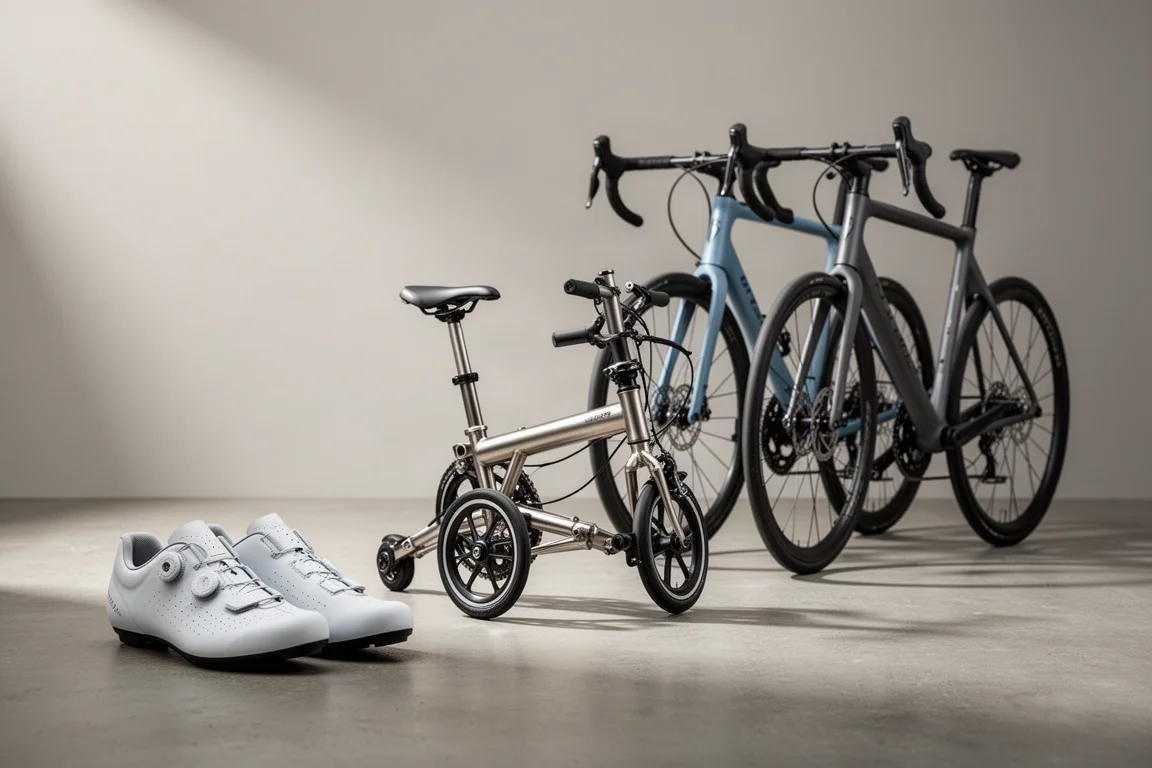
Four releases have shaped this month’s conversation in cycling gear: a lace-up flagship road shoe, the lightest folding bike the category has ever seen, a divisive endurance bike with integrated electronics, and a careful update to a long-running endurance platform. They sit at very different price points and solve very different problems, which makes them a useful set to look at together.
Some of these products have been warmly received, and one has prompted a genuinely divided response. This roundup walks through what each one actually offers, where the compromises sit, and which riders are likely to get the most value from them.
What Stood Out This Month
The thread running through all four releases is choice: how much of it a brand leaves to the rider, and how much it makes on the rider’s behalf. That question shows up in lace eyelets instead of dials, in a folding bike built around carrying rather than racing, and most obviously in an endurance bike that ships with its lights and radar already decided.
Weight, fit, day-to-day practicality and price were the main filters. Where a manufacturer has published a claim, it is noted as a claim. Where a real-world measurement differs from that claim, both numbers are worth seeing side by side, because the gap is often the interesting part.
The other recurring theme is price. Two of these products sit at the very top of their categories, and two are positioned as more accessible options, which means the value question is genuinely different for each.
Specialized S-Works 7 Lace: A Return to Laces
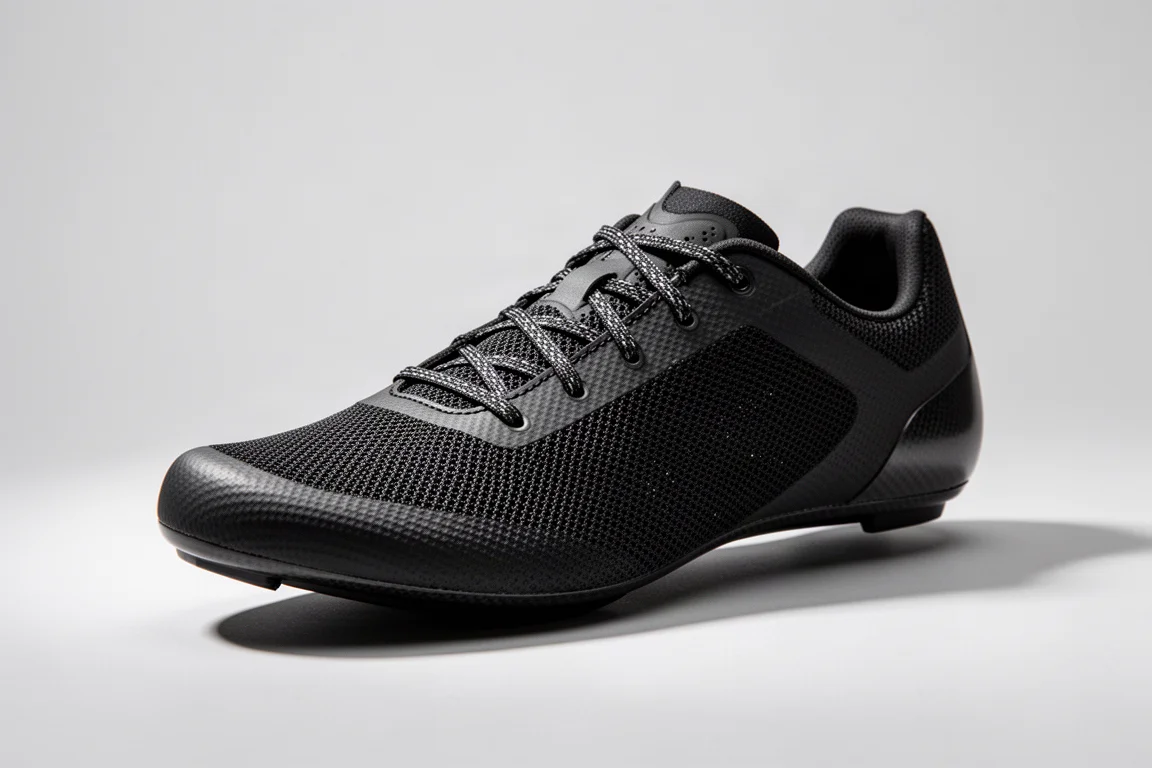
Specialized has brought laces back to its road range with the S-Works 7 Lace. It is the fourth variant of the brand’s top-level S-Works road shoe, joining the Exos, the Vents and the Ares, and it is the cheapest shoe in that group. In the UK it sells for around £300, against roughly £399 for the S-Works Vent, with US pricing at approximately $325 and $425 respectively.
The reasoning behind the launch is straightforward. Top-end road shoes have become very expensive, and Specialized’s position is that a rider spending that kind of money wants the shoe configured exactly the way they want it rather than a single house style. Laces are the older, simpler option, and they have a committed following.
Laces, Fit and Weight
The laces run through 12 points of engagement, which spreads tightening pressure along the top of the foot and lets a rider fine-tune the fit more precisely than a single dial can. The eyelets are reinforced, a sensible detail on a shoe at this price, since eyelet wear is one of the first things to age a lace-up design.
On weight, the claimed figure is 236 g per shoe, and a size 44 pair has been measured at around 482 g. Laces are lighter than dials as a system, but this is not the lightest shoe in the S-Works range; the Vents still hold that position. Stiffness is rated 15 on Specialized’s own scale, the same figure as the top-level models, though each brand’s stiffness scale is its own and cannot be compared across manufacturers.
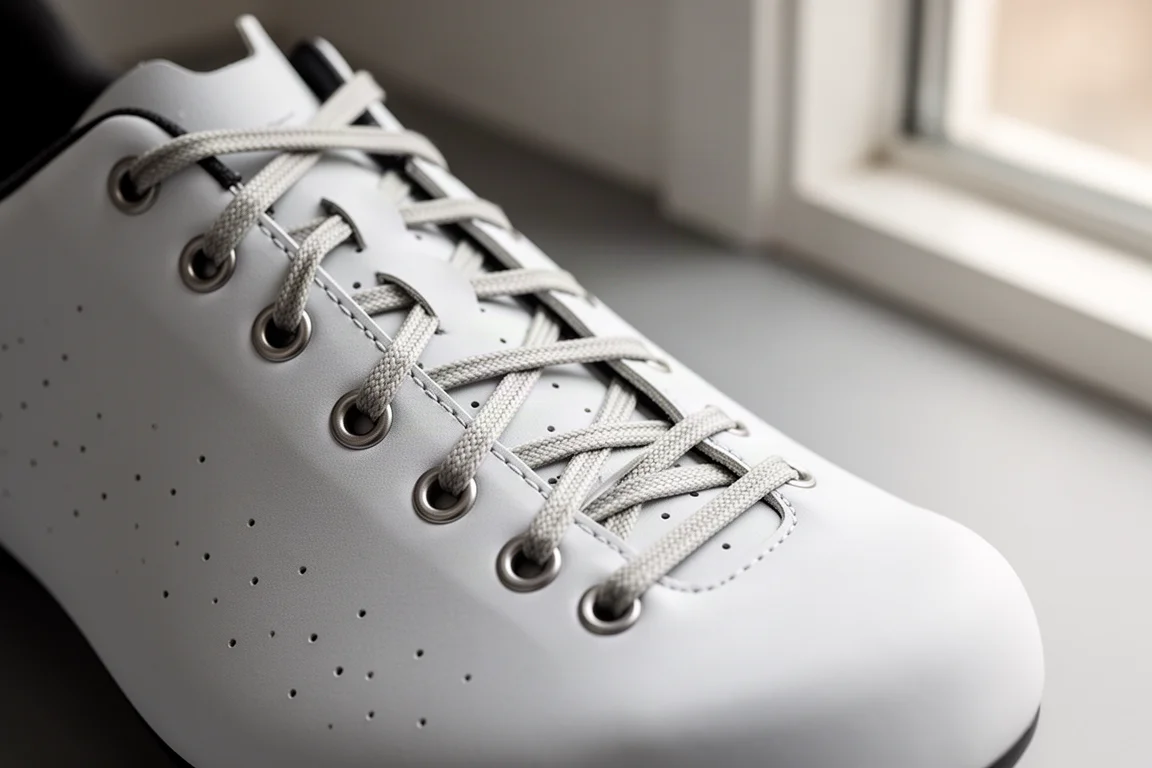
The trade-off is adjustment on the move. Riders who race, sprint or ride very long distances often value being able to tighten a dial mid-ride, before a climb or a hard effort, and laces do not offer that. What they do offer is a fit that can be tightened exactly where it is wanted and left looser elsewhere. Colour options are white, black, and a coral and cast amber finish.
Brompton T Line: The Lightest Brompton Ever Built
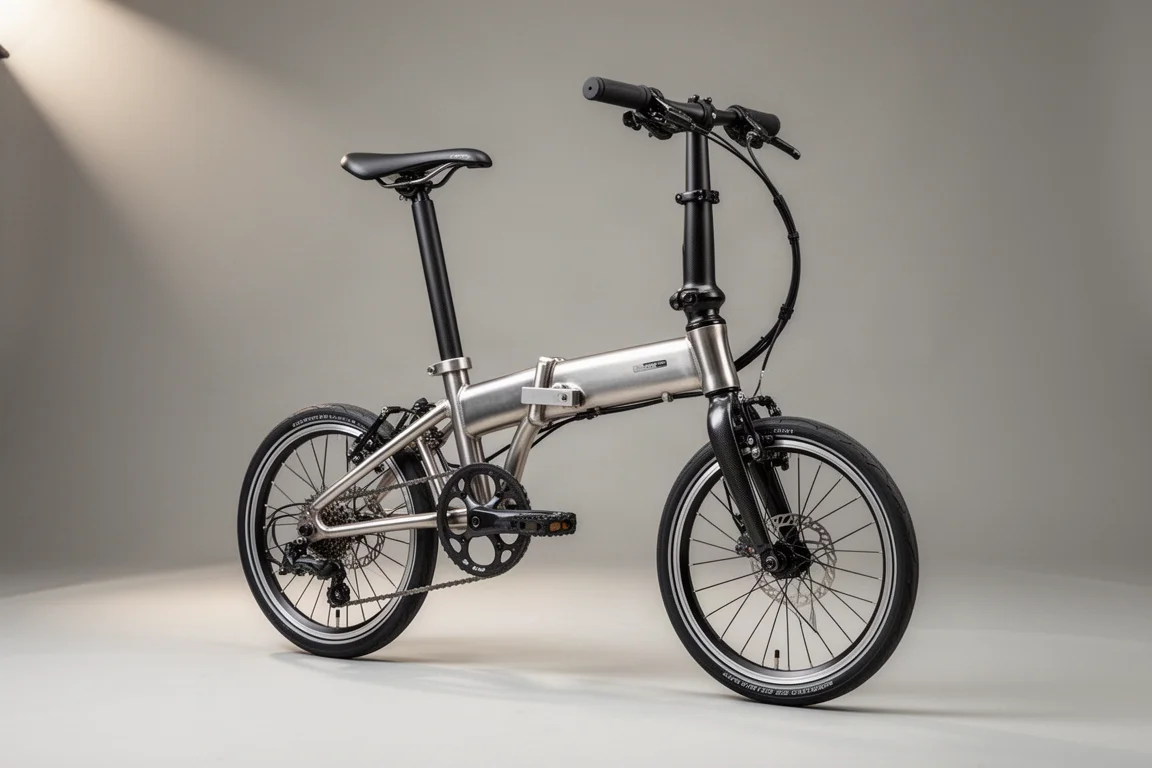
Brompton’s T Line introduces titanium to the range with two models, and one of them is the lightest bike the company has produced: 7.45 kg. The previous lightest option sat at around 9.5 kg, so this is a substantial change rather than an incremental one.
Titanium is the headline material, but carbon does a lot of the work as well. The build uses carbon cranks and a carbon seat post, and the seat post design is genuinely inventive: a 0.3 mm steel sheath protects the carbon where it slides inside the frame, while the carbon core provides the strength. It is a neat solution to a real durability problem on a bike that folds and unfolds constantly.
Titanium, Carbon and Everyday Practicality
This is not a concept bike. The T Line is still built for utility, which means the weight saving is aimed at the things owners actually do with a Brompton: carrying it onto a train, lifting it onto public transport, and moving it around a city. A lighter folder is easier to live with, and that is the point.
Practical changes support the same idea. The hinges have been redesigned to be self-aligning and to lock forward more securely, and there is an integrated solid carry handle built into the saddle. The second model in the range, the T Line Urban, is slightly heavier but adds mudguards and more gears for day-to-day use.
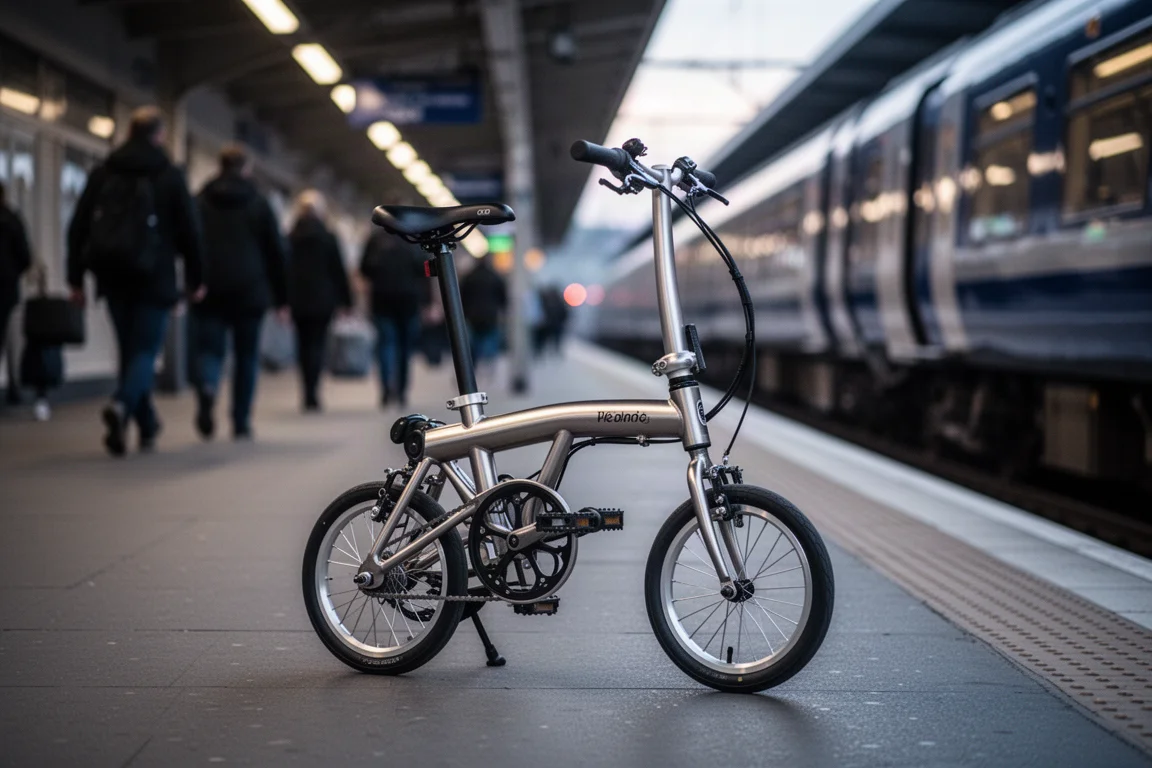
The T Line 1, the lightest build with a single gear and no mudguards, is priced at around £3,750 or $4,795. The T Line Urban comes in at roughly £3,950 or $4,995. Both are far more expensive than a standard Brompton. Brompton has opened a factory in Sheffield focused on titanium production, and the reasonable expectation is that this technology will spread to more affordable models over time.
Cannondale Synapse: SmartSense Splits Opinion
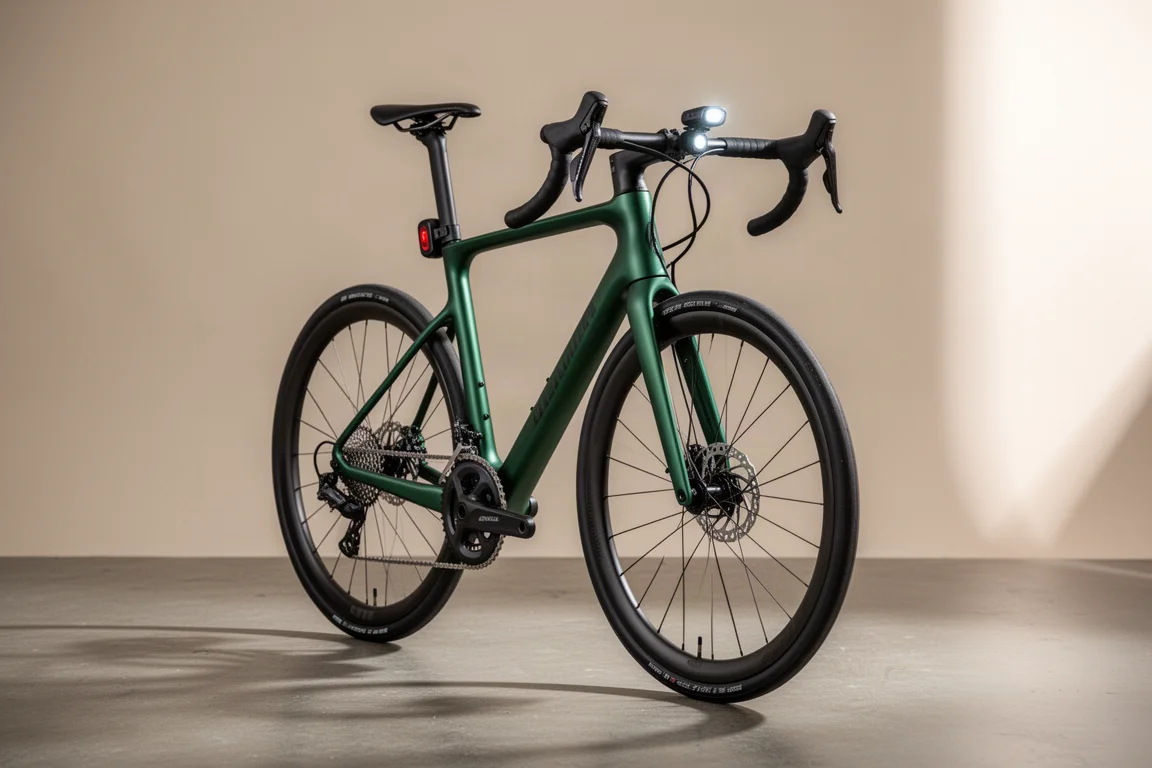
The new Cannondale Synapse arrived with a mixed reception, and most of the debate centres on one feature: SmartSense, the integrated lighting and radar system. The front light is rated at 350 lumens, and Cannondale says it appears brighter in use than that figure suggests.
Battery life is the detail that has drawn the most attention. With everything running at maximum, the system lasts roughly three to four hours. Cannondale’s longer figure of up to 20 hours applies with the lights on a lower setting and less radar activity. On an endurance bike, where rides regularly run beyond four hours, that gap matters, and charging mid-ride would mean a cafe stop rather than anything done while pedalling.
Cannondale is developing SmartSense with Garmin and Lezyne, and has indicated that third-party manufacturers may be able to build for the system in future. For now, buyers get the configuration that ships with the bike, including the light output, which will not suit every rider or every type of road.
Not everything about the Synapse has been contested. The bike uses a 27.2 mm seat post, a threaded bottom bracket and external cable routing at the head tube, all of which have been widely welcomed as practical, serviceable choices. Cannondale’s public position on the criticism has been notably relaxed, noting that there are plenty of other bikes on the market for riders who want something different.
Canyon Endurace: A Careful, Sensible Update
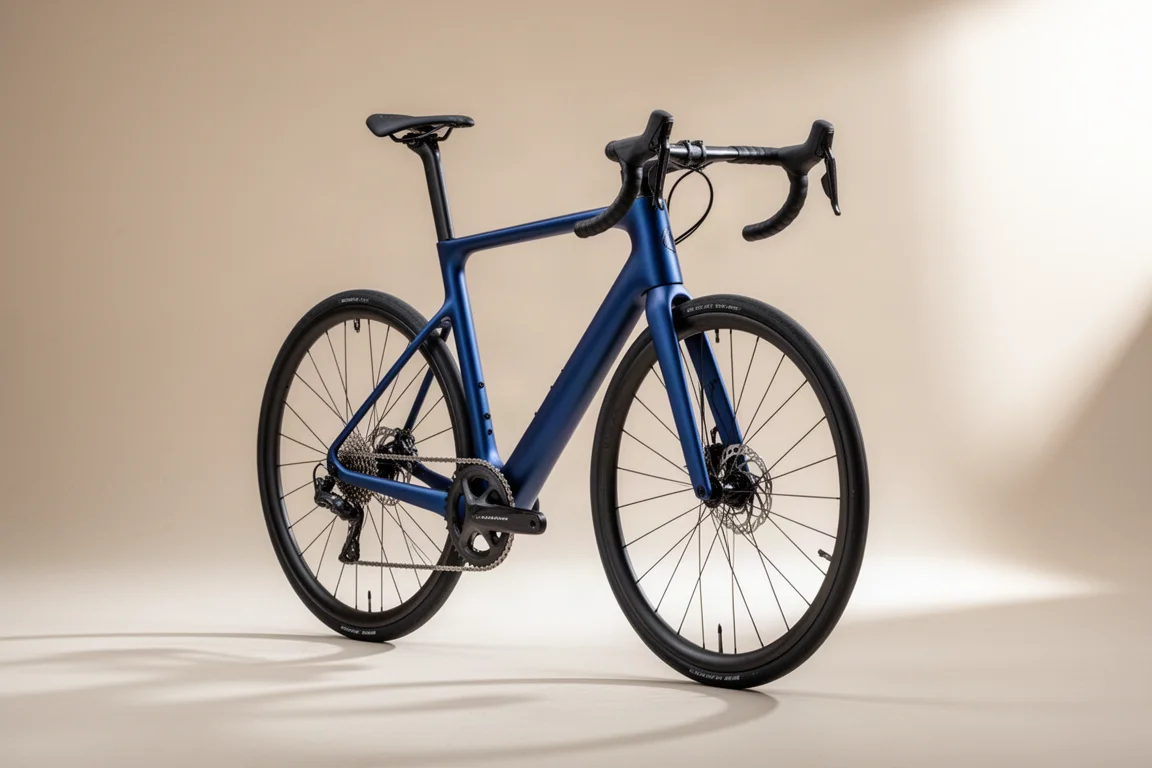
Canyon’s Endurace update takes the opposite approach to the Synapse. The previous model had been around for a long time, and rather than rethinking the platform, Canyon has made a series of small adjustments. The press-fit bottom bracket remains, a detail that still divides riders who prefer a threaded shell, and the cables run externally around the handlebars before entering at the head tube.
Tyre clearance has been widened considerably, to 35 mm. That figure would have looked like gravel territory not long ago, and it now appears on an endurance bike, which says a lot about how the category has moved. Wider rubber adds comfort and grip on rough surfaces without changing what the bike is for.
Pricing is where the Endurace makes its strongest case. Canyon sells an aluminium model that brings the entry point down further, and the carbon bikes are competitive as well. A carbon Endurace CF 7 with a Shimano 105 groupset is roughly £1,200 cheaper than a comparable carbon Cannondale Synapse with the same groupset, which is a useful way of seeing what an integrated electronics package adds to the price of a bike.
Buying Advice: Which Upgrade Makes Sense
The four products here answer four different questions, and the right one depends on what a rider is actually trying to fix.
Shoes first. If the goal is a lighter, simpler road shoe with a very adjustable fit, and laces are not a problem, the S-Works 7 Lace is the most affordable way into the S-Works range. Riders who adjust their shoes mid-ride, or who race and want to tighten up before an effort, will be better served by a dial-based design.
For anyone replacing a car journey or a crowded commute, the Brompton T Line is a serious proposition, provided the price is acceptable. The weight saving is real and the practical details, from the self-aligning hinges to the saddle carry handle, are aimed at daily use rather than showroom appeal. The T Line Urban is the more sensible choice for riders who want mudguards and more gears.
Between the two endurance bikes, the decision comes down to how much a rider values an integrated system they did not choose. The Synapse offers convenience in the form of always-present lights and radar, along with serviceable standards like a threaded bottom bracket and a 27.2 mm seat post. The Endurace offers a lower price, wider tyre clearance and a familiar, iterative design. Neither is the wrong answer, but they suit different priorities.
Conclusion
This month’s releases show a category working through the same question from different angles: how much should a bike decide for its rider? Specialized’s answer is to offer more choice within a range. Brompton’s is to make a premium machine that still behaves like a tool. Canyon’s is to refine what already works. Cannondale’s is the boldest, and the most contested. For buyers, the practical move is to decide which of those philosophies matches how they actually ride, and then look at the price of entry.
Further reading
Related Reviews
Cycling Gear
8 Cycling Products Riders Keep Coming Back To
Eight cycling components and accessories with clear strengths, honest trade-offs and long-standing reputations among riders and mechanics.
Cycling Gear
Aero Helmets and Bottle Setups Tested: Six Options Ranked by Measured Watt Savings
Wind tunnel data on six aero helmets and bottle setups, with real watt savings, practical trade-offs, and guidance on what is worth buying first.
Cycling Gear
Aero Road Bikes and Fast Tires Worth Watching in 2026
Four aero road bikes and one fast road tire, with the real strengths, the open questions, and what to check before you buy.