Cycling Gear
Bike Tech Roundup: Four Standout Products Worth a Closer Look
A waterproof jacket built for heavy rain, a divisive gravel rear suspension system, a heat and vibration recovery sleeve, and a single-speed dirt jump frame.
Introduction
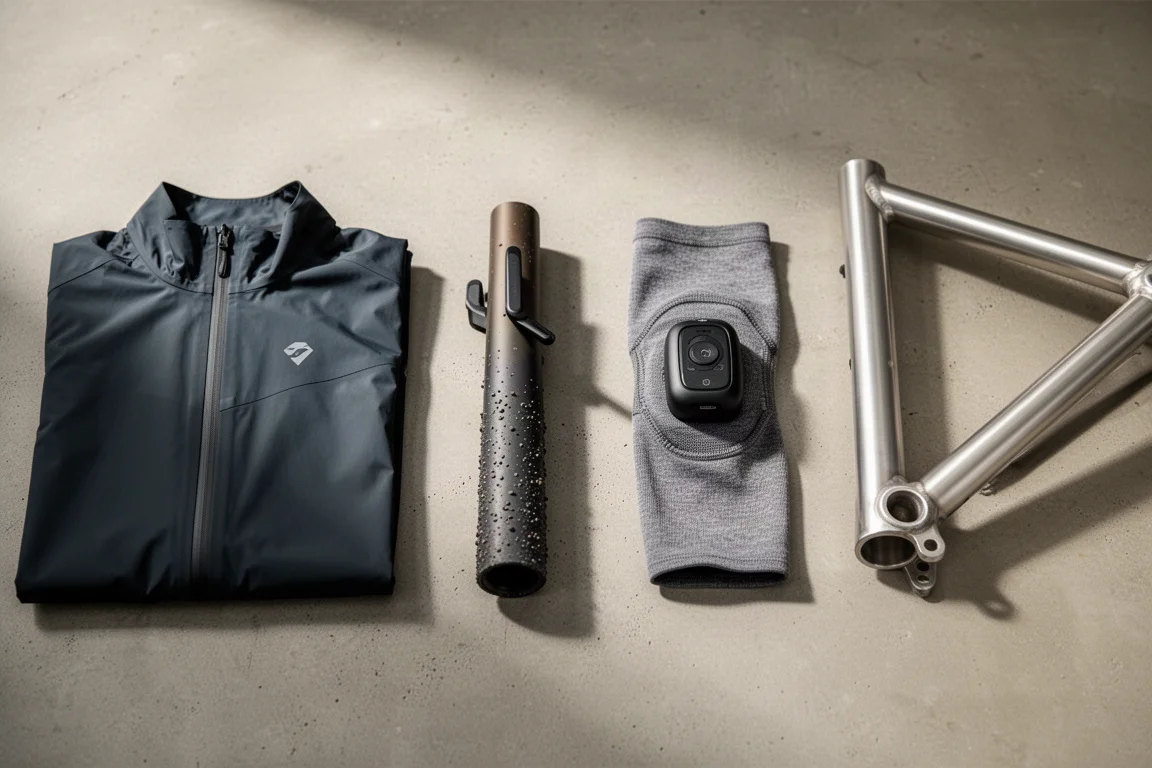
Some products arrive with a clear answer to an obvious question. Others ask a new one. The four items in this roundup sit somewhere between those two poles: a waterproof jacket that rethinks how a rain shell is built, a rear suspension system that has divided gravel riders, a recovery sleeve that treats the knee with heat and vibration, and a single-speed frame designed for pump tracks and dirt jumps.
Each one is worth understanding on its own terms before deciding whether it belongs in your garage.
What to Look for in Bike Tech This Season
The most useful question for any piece of bike tech is whether it solves a problem you actually have. A jacket that keeps rain out is only valuable if you ride through wet weather. A suspension system is only worth its complexity if rough surfaces genuinely wear you down. A recovery device only pays off if you will actually sit still and use it.
Beyond that, look at how a product behaves over time. Weight matters on anything you carry or pedal uphill, but durability and simplicity often matter more. And pay attention to the details that reveal design intent: how a component is adjusted, how it is serviced, and how many parts could go wrong.
The final consideration is price relative to benefit. A well-executed idea at a fair price is easier to justify than the same idea at a premium, especially when the product is one of several ways to solve the same problem.
Rapha Pro Team Lightweight GORE-TEX ShakeDry Jacket
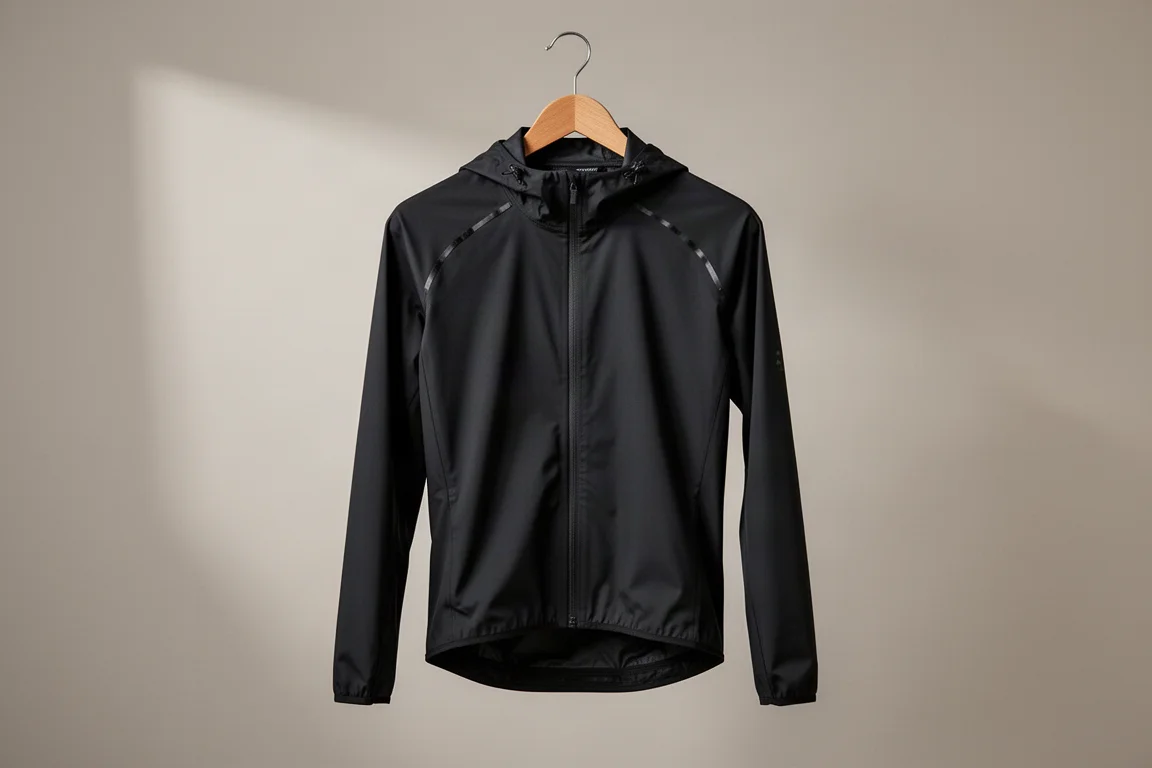
The Rapha Pro Team Lightweight GORE-TEX ShakeDry jacket takes a different approach to staying dry. In most waterproof cycling jackets, the waterproof membrane sits in the middle or on the inside of the fabric, protected by a face layer. Here the membrane is on the outside, and the material is described as completely impervious to rain. For riders who want a shell that stays light and breathable while keeping water out, that construction is the entire point.
The trade-off is durability. Without an outer face layer, the fabric is less resistant to abrasion and puncture. A well-used example developed small pinholes where a mini pump rubbed against the inside of a pocket, which is a useful reminder to think about what you carry and where you carry it.
In use, the jacket delivers on its promise. It is exceptionally good in heavy rain and still light enough to ride hard in. It is also the kind of product that can become harder to find, which makes it worth deciding on sooner rather than later if the fit and the use case are right for you.
Specialized Diverge With Future Shock Rear
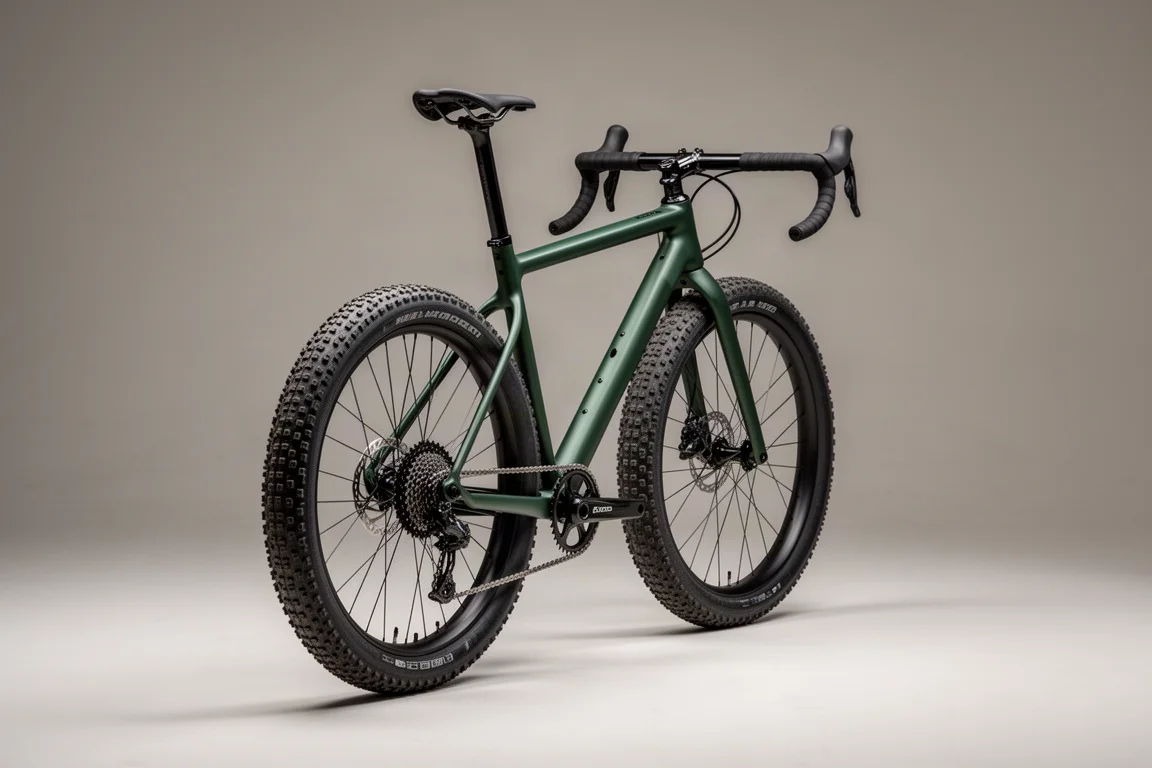
Future Shock Rear is the suspension system Specialized has built into the back end of the latest Diverge gravel bike, and it is one of the most divisive gravel components around. Some riders see genuine relief from the endless micro-shocks of gravel surfaces. Others see a gimmick. Either way, the engineering behind it is interesting.
Inside the top tube sits a tunable hydraulic damper offering 30 millimetres of travel, connected to the seat tube by an aluminium tendon that flexes in place of a pivot as the system moves. A small lever on the upper surface of the top tube lets you run the system open, half closed, or fully locked out.
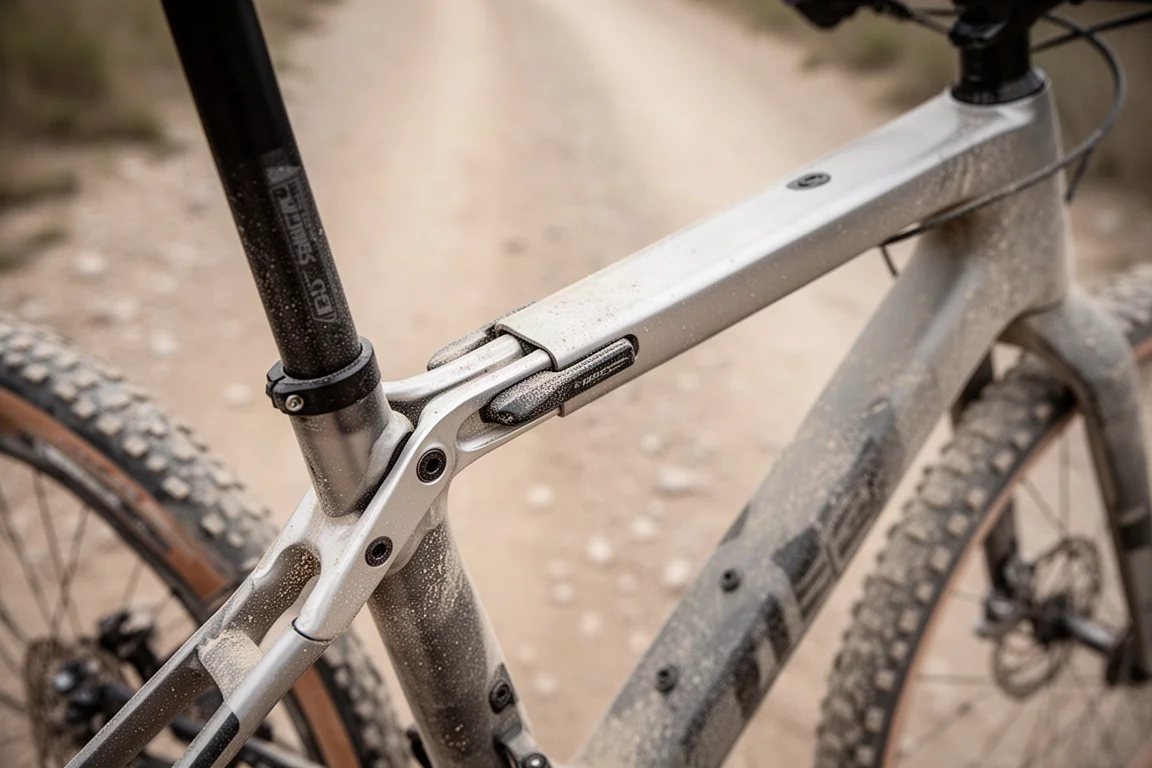
The headline detail is that your saddle height does not change when the shock compresses. Because the saddle moves in an arc around the bottom bracket, your reach varies slightly as the system works, but your saddle height stays exactly where you set it.
Specialized also developed nine frame posts with different flex characteristics so that riders of different sizes and weights get a comparable experience. Seven are tailored to 52 to 61 centimetre frames, and two are specific to the 49 centimetre frame. Each post has two positions and can be rotated 90 degrees for a different level of stiffness, producing 18 unique stiffness options across riders weighing between 46 and 125 kilograms.
Hydrogen Heat Pulse Knee Massager
The Hydrogen Heat Pulse Knee Massager looks like a knee support and behaves like a compact recovery studio. A removable unit charges over USB-C and attaches magnetically to the fabric, while small buttons let you choose temperatures from 40 to 60 degrees Celsius and vibration settings that run from a steady hum to a fast pulse.
The combination of heat and vibration massage is claimed to be effective for pain relief and recovery by boosting circulation around the knee. Whether it reduces pain outright is difficult to say, but the ritual has value in its own right: 30 minutes of rest after a hard ride is something most riders skip entirely.
The heat is genuinely comforting, particularly after a cold winter ride, and the device is flexible enough to be used elsewhere. A sore lower back responded well to the same treatment during a week away from the bike. Used alongside stretching, it works best as one part of a recovery routine rather than a replacement for one.

Nukeproof Solum
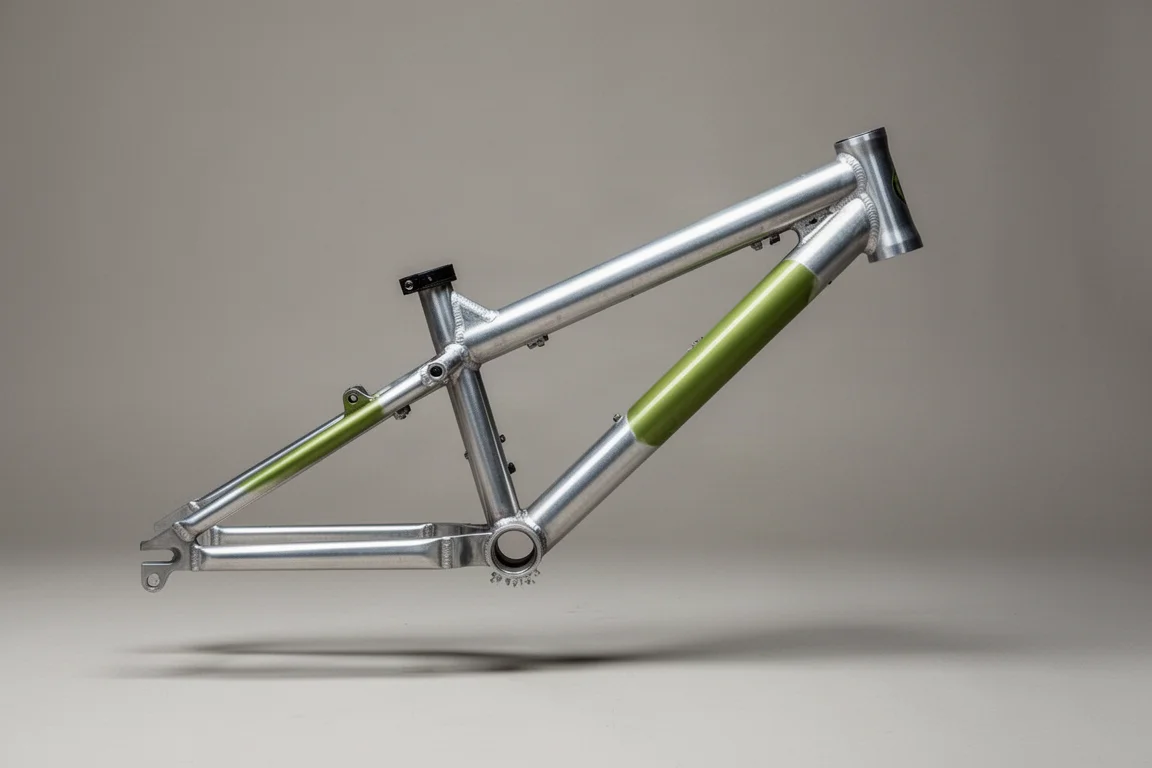
The Nukeproof Solum is a new aluminium dirt jump frame. It shares its name with a limited edition steel Solum from 2014, but the new frame is a very different machine: one gear, no rear suspension, and 26 inch wheels.
The frame is made from triple butted hydroformed 6061 T6 aluminium with a forged chainstay yoke. It carries a claimed weight of 4.76 pounds in the regular size, with the longer size weighing slightly more.
Single speed thinking runs through the details. There are no ISCG tabs cluttering the bottom bracket shell and no superfluous cable guides for gear cables. Integrated chain tugs sit inside minimal horizontal dropouts, and slotted disc mounts mean that aligning both the wheel and the caliper should be straightforward.
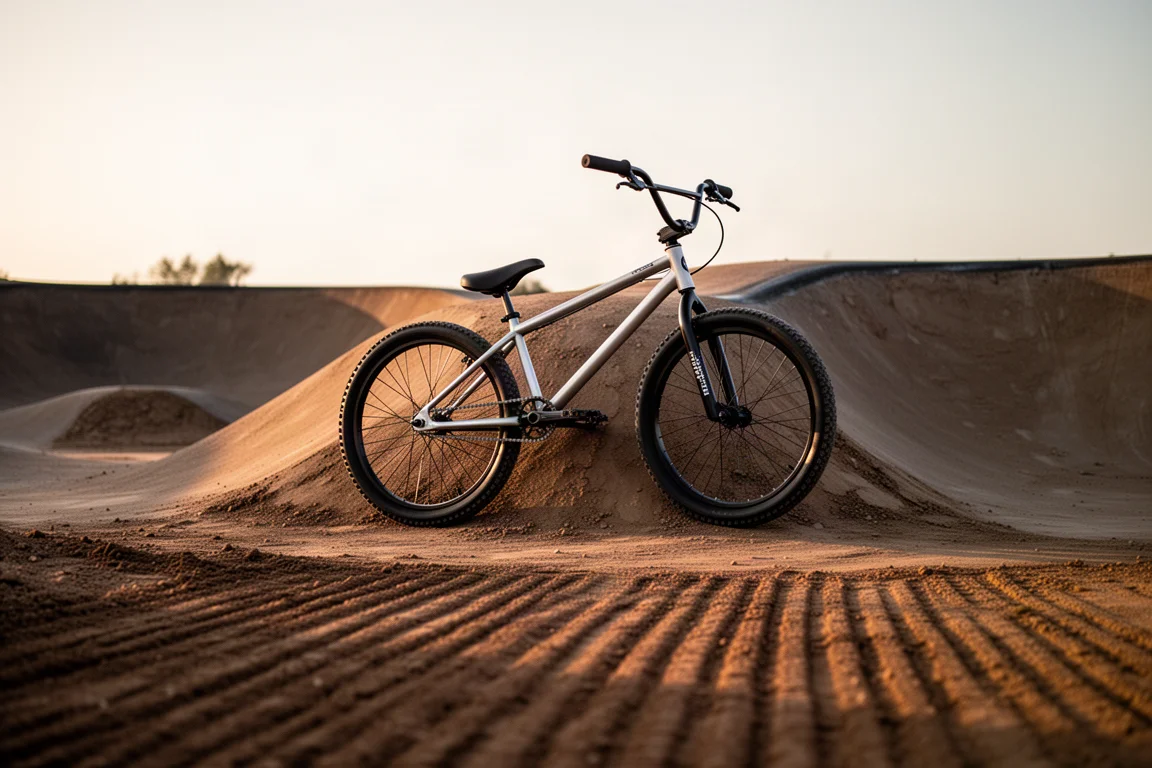
The geometry is compact and designed around a 100 millimetre travel fork and a maximum 2.3 inch rear tyre. It retails at 549 dollars or 499 pounds and is available in artichoke green or gloss black.
Where Each Product Fits
These four products cover very different needs, so the comparison is less about picking a winner and more about recognising which problem you have.
If wet weather is what stops you riding, the waterproof jacket addresses it most directly. If rough gravel surfaces leave you fatigued rather than excited, the rear suspension system is the one worth investigating. If your knees complain after long rides, the heat and vibration sleeve is the simplest intervention. And if you want to keep your skills sharp through winter at a pump track or skatepark, the single-speed dirt jump frame is the most playful option here.
Buying Advice
Start with the problem, not the product. A jacket earns its place if you ride through wet winters and want something light enough to push hard in. The gravel suspension makes sense for riders who spend long days on rough surfaces and value comfort over simplicity. The recovery sleeve suits anyone willing to build 30 minutes of rest into their routine. The dirt jump frame is the right call for riders with a pump track, skatepark, or set of jumps close to home.
Check fit and sizing first, since these products reward a correct match more than most. Then consider what you already own and whether a new purchase replaces something or simply duplicates it. Buying one item that genuinely changes your riding is almost always better value than buying several that sit unused.
Conclusion
Each of these four products is a considered answer to a specific question: how to stay dry, how to soften rough ground at the back of a gravel bike, how to recover after a hard ride, and how to keep riding when the trails are too soft to bother with. Match the answer to the question you actually have, and any one of them is a sound purchase.
Further reading
Related Reviews
Cycling Gear
8 Cycling Products Riders Keep Coming Back To
Eight cycling components and accessories with clear strengths, honest trade-offs and long-standing reputations among riders and mechanics.
Cycling Gear
Aero Helmets and Bottle Setups Tested: Six Options Ranked by Measured Watt Savings
Wind tunnel data on six aero helmets and bottle setups, with real watt savings, practical trade-offs, and guidance on what is worth buying first.
Cycling Gear
Aero Road Bikes and Fast Tires Worth Watching in 2026
Four aero road bikes and one fast road tire, with the real strengths, the open questions, and what to check before you buy.